You might be surprised to learn that many common weeds growing in your yard are actually edible and can be a nutritious addition to your meals. These plants often go unnoticed or are seen as pests, but they offer a variety of tastes and uses in cooking.
Knowing which weeds are safe to eat can help you make the most of what’s already growing around you without needing to buy extra produce. Identifying these plants allows you to explore new flavors and reduce food waste in a natural way.
Advertisement
Dandelion leaves for salads and sautés

You can use dandelion leaves fresh in salads, especially the younger, smaller ones. They have a mild bitterness that adds a nice contrast to other greens.
Older leaves work well cooked and taste great when sautéed with garlic and oil. Cooking helps reduce their bitterness and makes them tender.
Try mixing them in your favorite dishes to enjoy a nutritious and easily available green from your yard.
Chickweed leaves, stems, flowers, and seeds
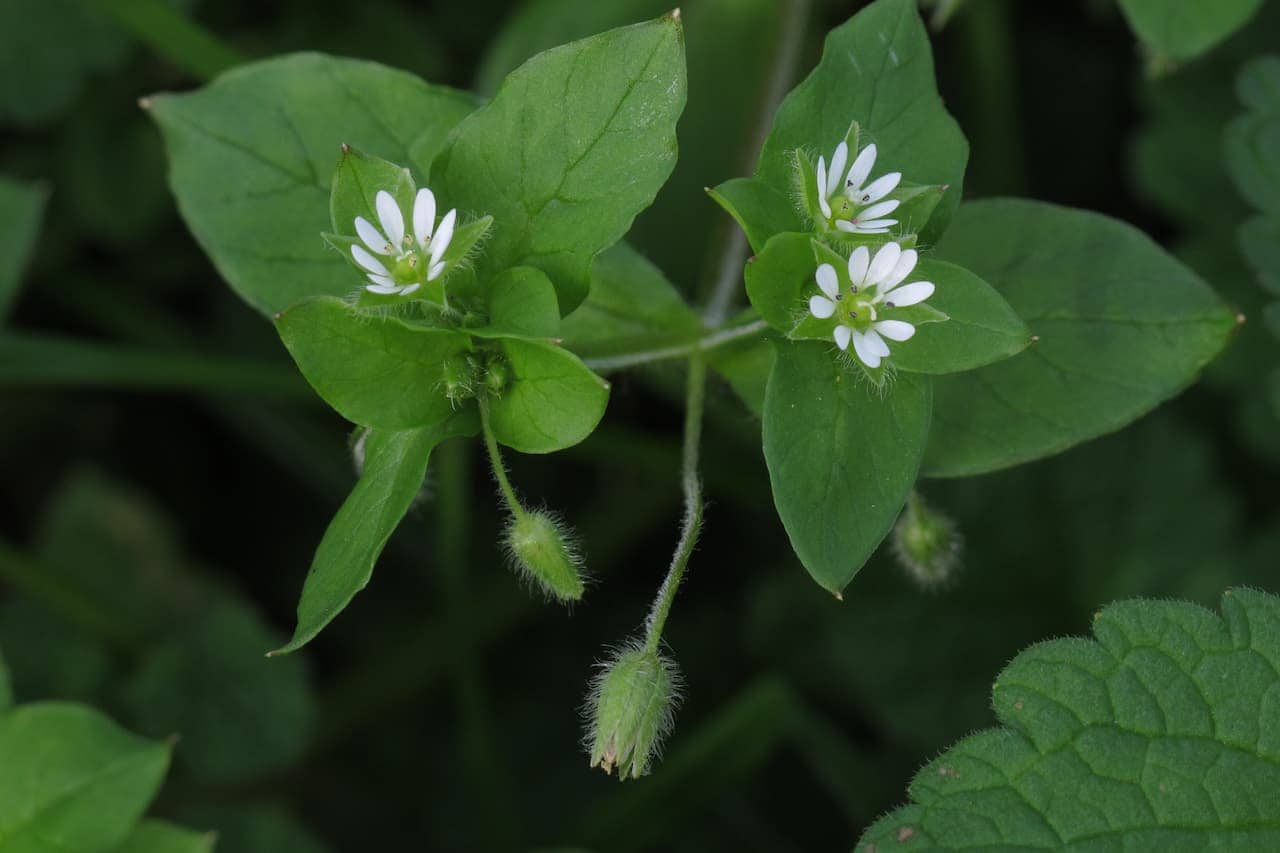
You’ll find chickweed’s leaves are small, tender, and slightly pointed, perfect for adding a mild, fresh flavor to your salads. Its stems are crisp and juicy, making them enjoyable raw or cooked.
The tiny white flowers have five deeply notched petals, giving the appearance of ten. Don’t overlook the seeds—they’re edible too and can be used in various dishes or fed to birds.
Purslane as a succulent addition to dishes
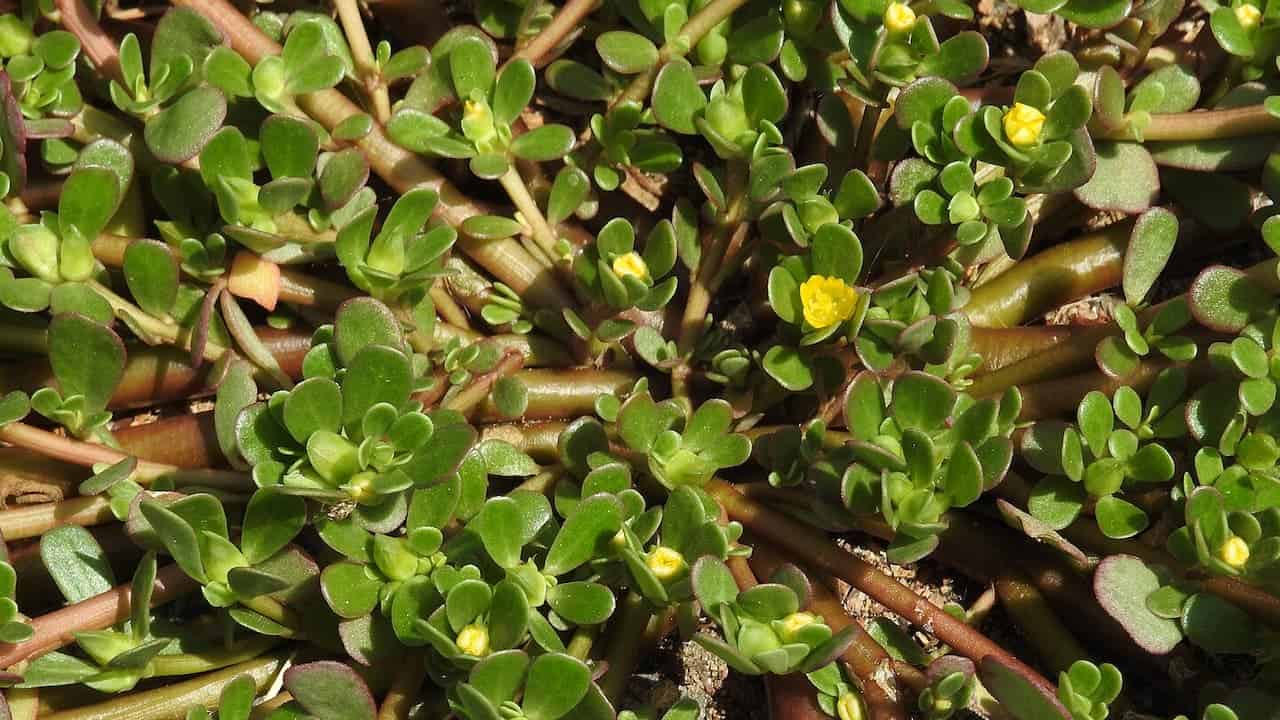
You can enjoy purslane raw or cooked, making it a flexible ingredient in your kitchen. Its succulent leaves add a pleasant texture to salads, especially paired with fresh tomatoes and cheese.
Try adding purslane to your smoothies for a mild, fresh taste that blends well with fruits and nuts. Cooking it lightly, like steaming, brings out a flavor similar to spinach without overpowering your dish.
Stinging nettle for soups and teas
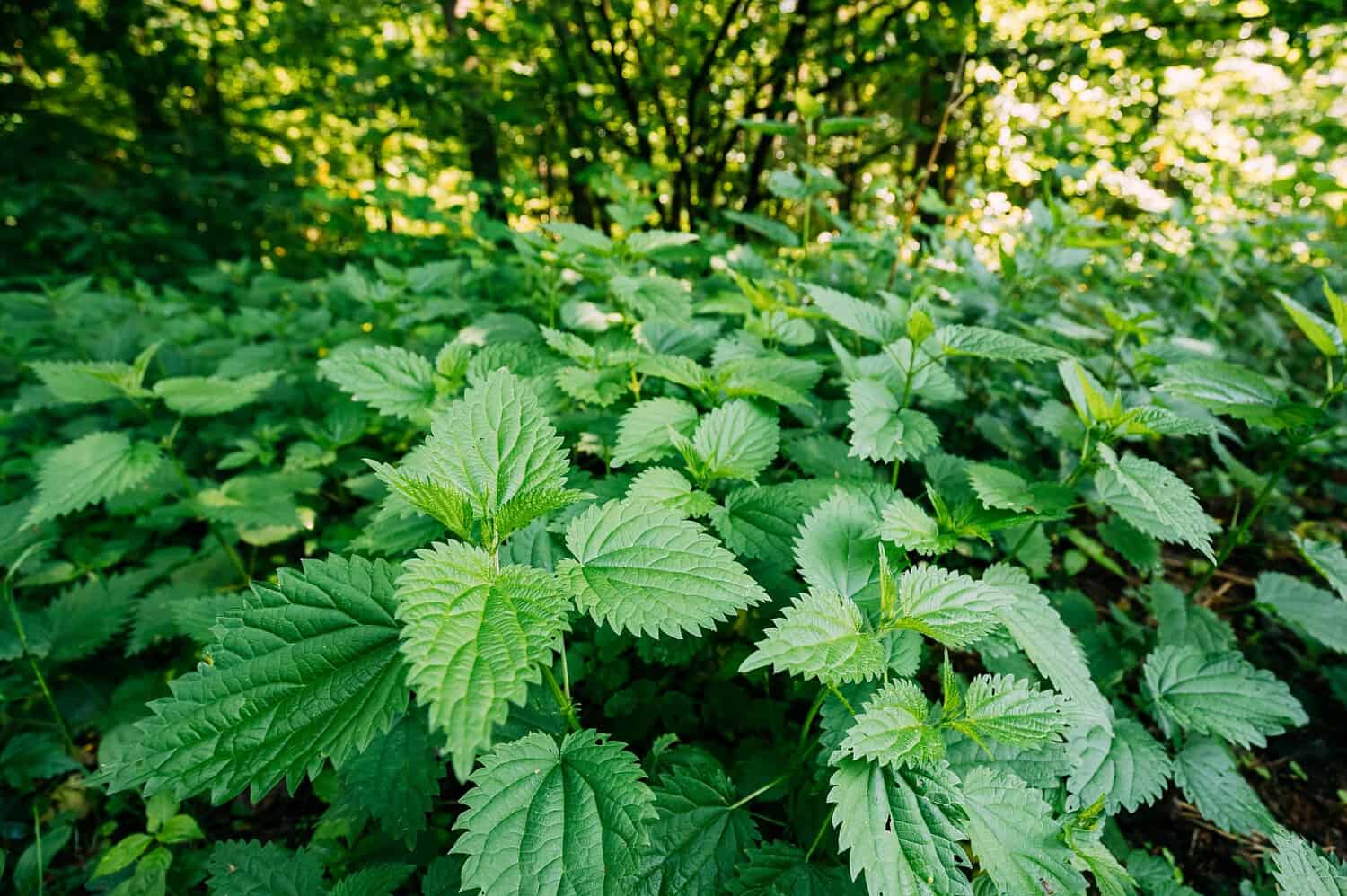
You might find stinging nettle in your yard, and it’s great for cooking once it’s properly prepared. Cooking removes the sting, turning the leaves into a spinach-like green.
Try adding nettle to soups for a nutritious boost. It blends well and adds a mild earthy flavor.
Making nettle tea is simple and refreshing. Just steep the leaves in hot water for a healthy, warming drink you can enjoy anytime.
Greater burdock root and leaves
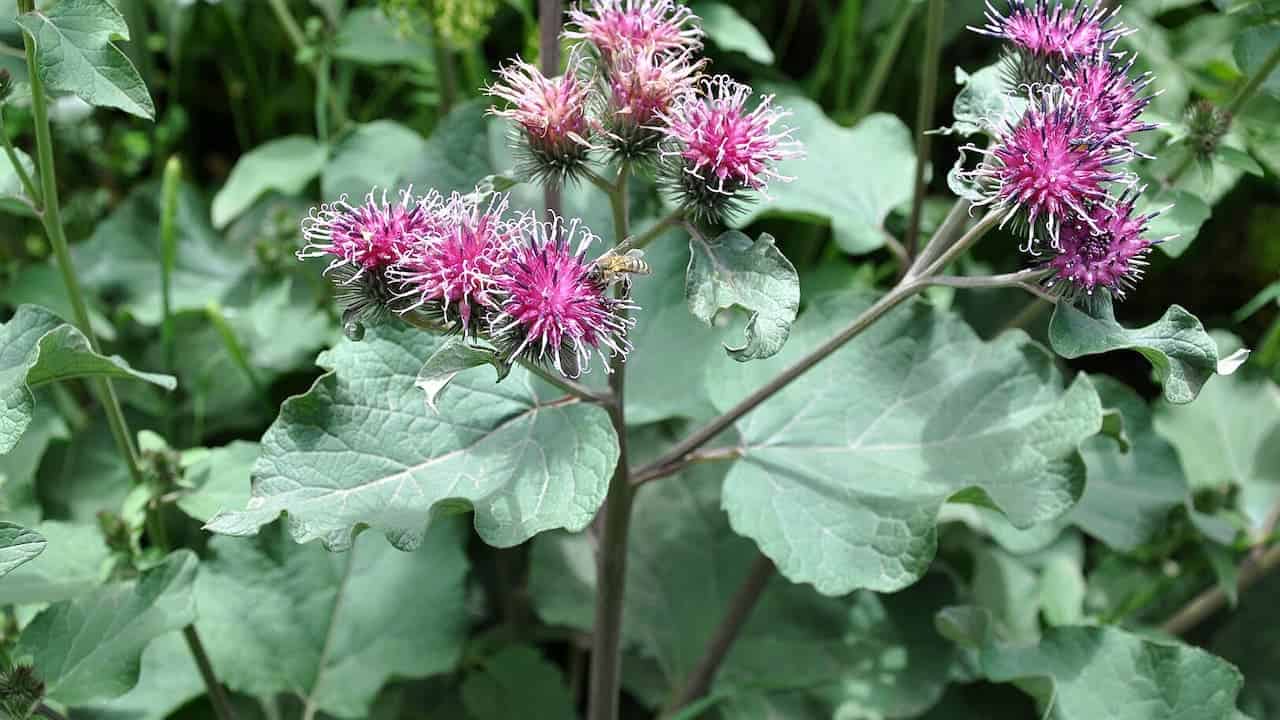
You can eat both the root and leaves of greater burdock. The root is the most popular part and is known for its mild, earthy flavor when cooked.
Young leaves are edible too but usually need to be cooked to remove bitterness. You might find burdock growing wild near you with its purple, thistle-like flowers in season.
It’s a good plant to try if you want to add something different to your foraging finds. Just be sure to correctly identify it before picking.
Mallow leaves and flowers
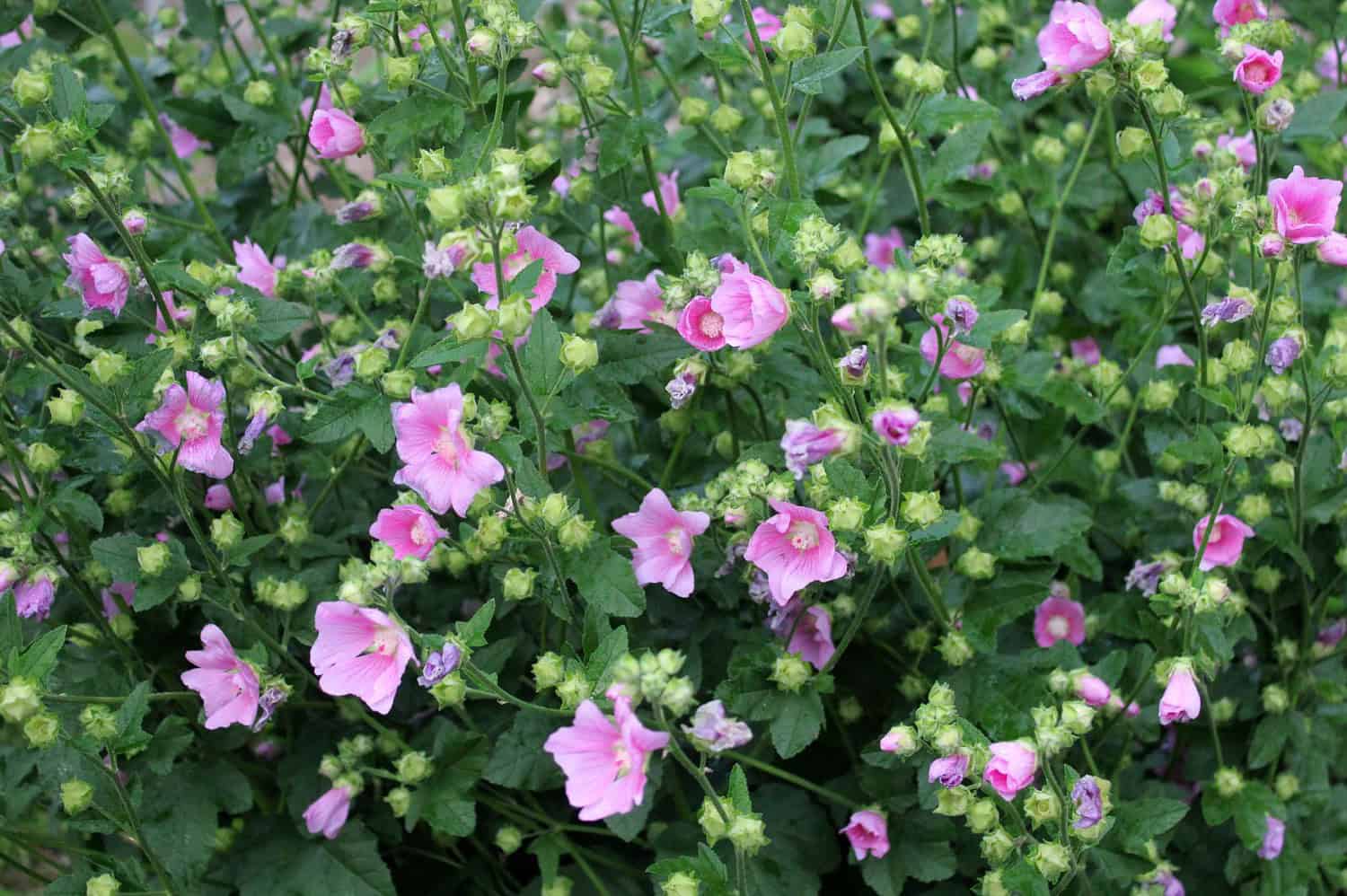
You might spot mallow growing in your yard with its soft, mauve flowers. Both the leaves and flowers are edible, making it a versatile addition to your meals.
The leaves have a mild, slightly tangy taste and work well in salads or cooked like spinach. The flowers add a gentle color and flavor to dishes, perfect for fresh use.
Wild lettuce for mild greens
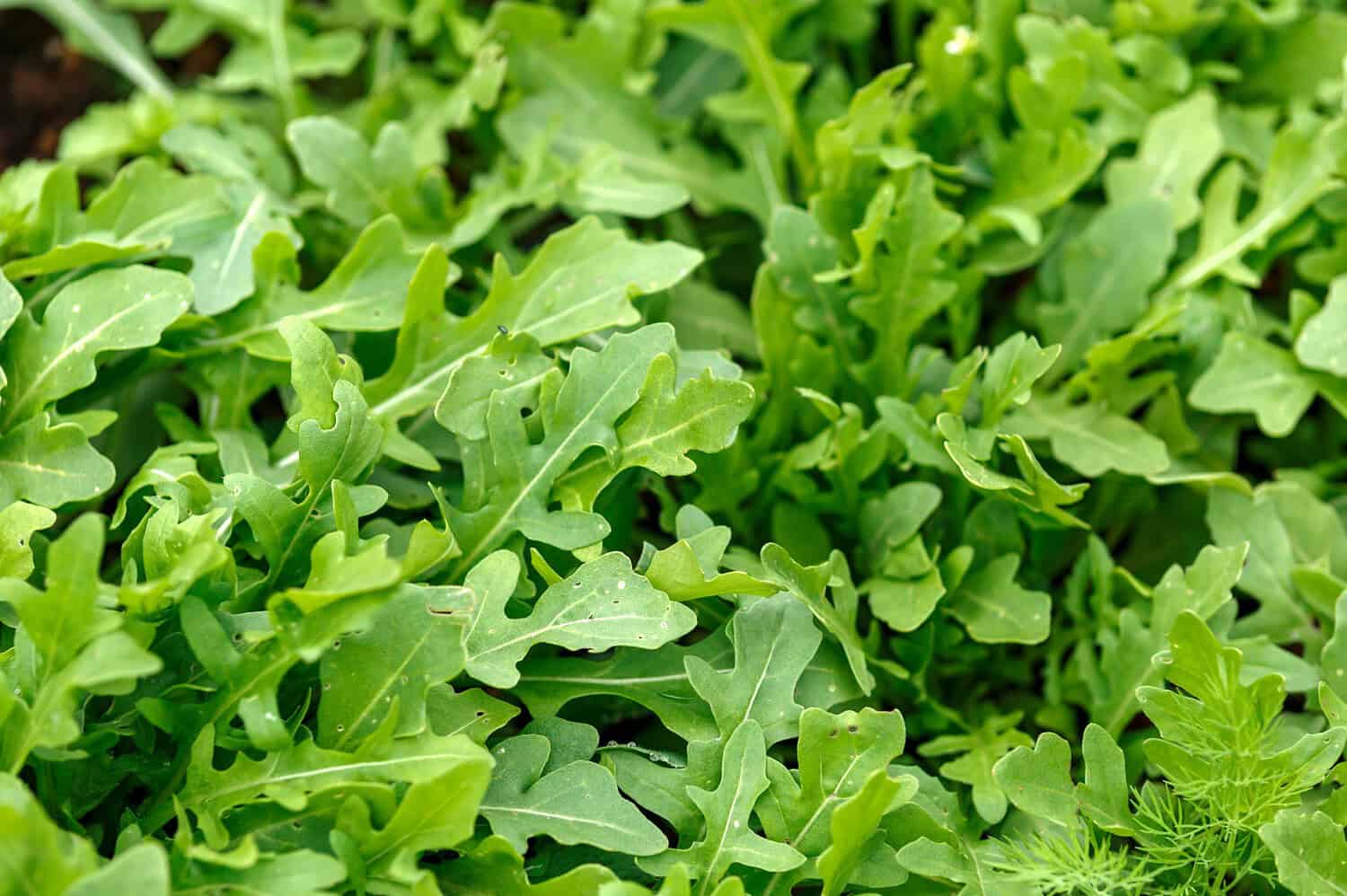
You might find wild lettuce growing quietly in your yard. It has tender leaves with a mild flavor that works well in salads or cooked dishes.
When you break the stem, you’ll notice a white milky sap. This doesn’t affect the taste but helps identify the plant.
Young leaves are best for eating since older ones can be bitter. Wild lettuce is an easy way to add fresh greens to your meals.
Vetch shoots when young
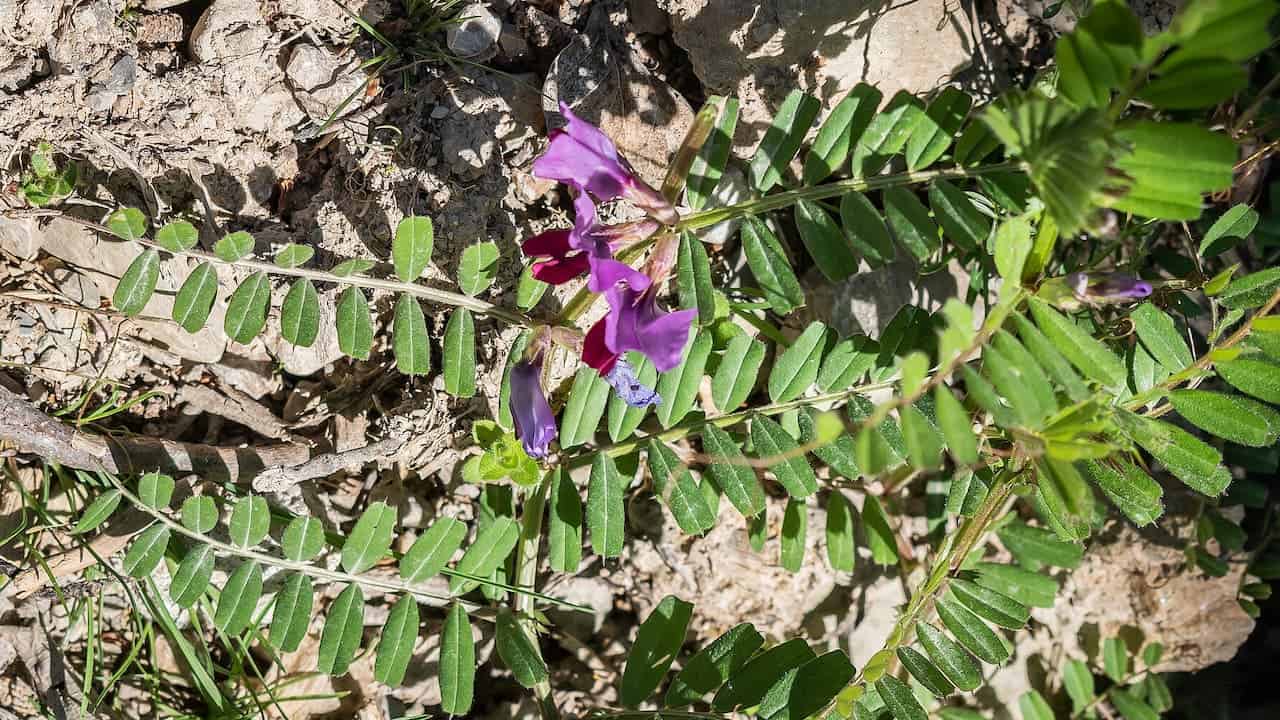
You can eat the young shoots of vetch when they are tender. These shoots work well cooked or added lightly to salads for a fresh taste.
Be sure to harvest the tips early, before they become tough or too fibrous. Cooking them briefly helps soften the texture and reduces any bitterness.
Remember that not all vetch varieties are edible, so it’s important to identify your plant correctly before trying it.
Plantain leaves for poultices and cooking

You can use plantain leaves fresh to create a simple poultice for minor cuts or insect stings. Just crush the leaves and apply them directly to the skin to help soothe irritation.
For cooking, the young plantain leaves work well raw in salads or sandwiches. Older leaves can be eaten too but may taste bitter, so you might want to remove the veins first. Plantain is a versatile edible weed you can easily add to your meals or first aid kit.
Lamb’s quarters as a spinach substitute
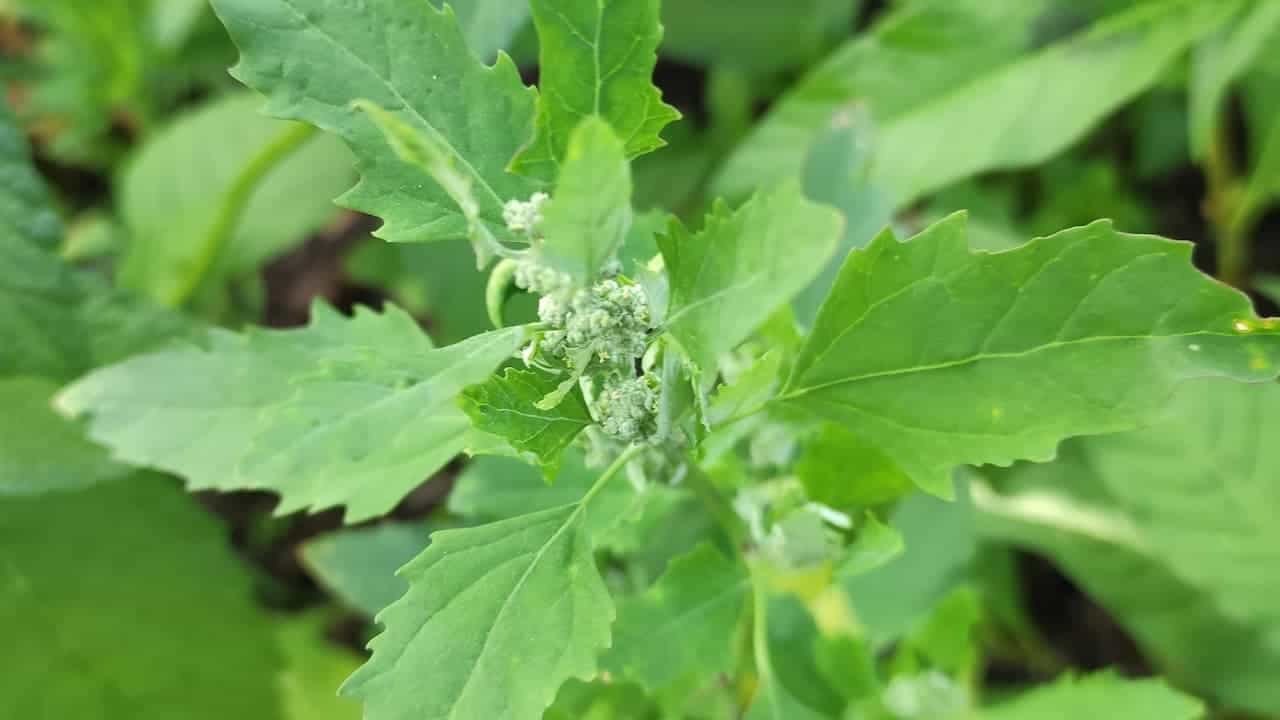
If you like spinach, you’ll find lamb’s quarters a great alternative. Its leaves have a mild, slightly sweet flavor that works well in salads, soups, or sautés.
You can use it just like spinach, but cooking helps reduce oxalic acid, which can be harsh in large amounts. It’s packed with nutrients including iron, calcium, and vitamins A and C, making it a healthy addition to your meals.
Clover flowers and leaves

You can eat both the flowers and leaves of clover. The taste is mild and slightly sweet, making it a nice addition to salads or smoothies.
Try picking young leaves before the flowers bloom for the best texture. Just be sure the clover hasn’t been treated with herbicides.
Clover also makes a unique flour when you grind the flowers, which you can use in baking. Enjoy trying it fresh or cooked like spinach.
Curled dock leaves
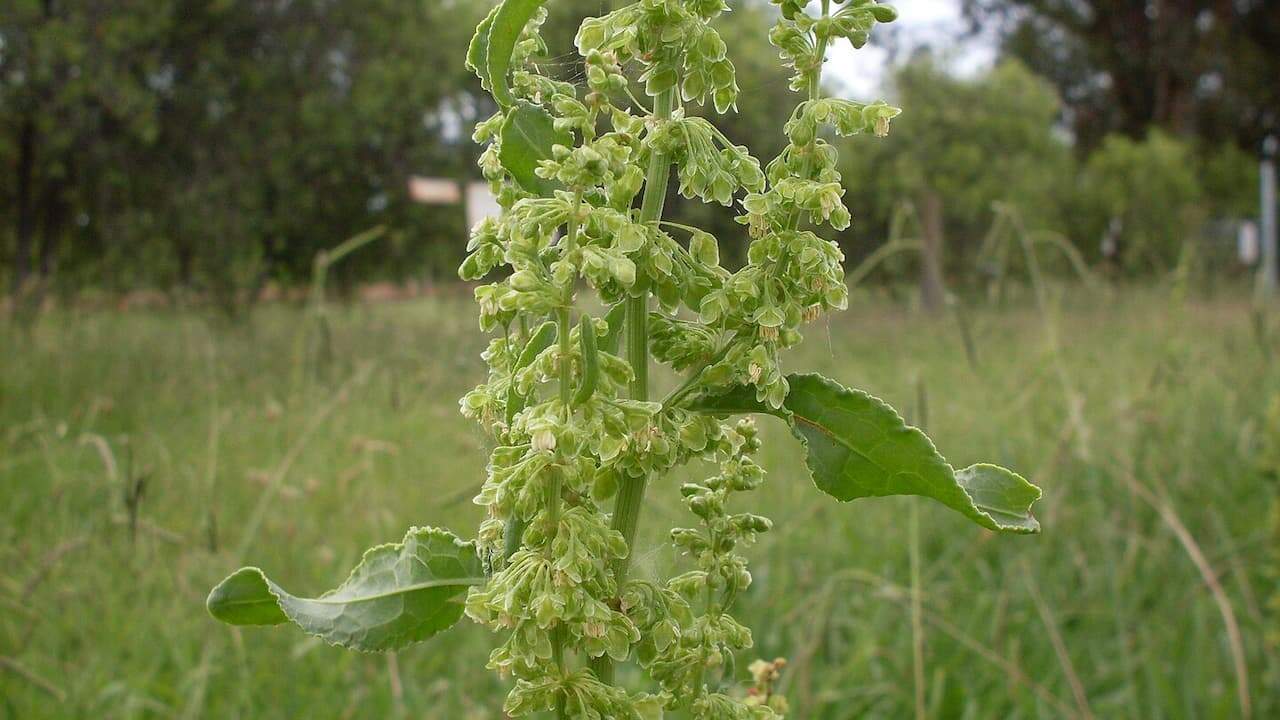
You might find curled dock growing in your yard with its wavy-edged leaves. The leaves are oblong with pointed tips, usually 10 to 30 cm long.
These leaves can be eaten when young, adding a slightly tangy flavor to salads or cooked dishes. Avoid eating the seeds, as they can be toxic.
Be careful not to introduce curled dock intentionally in your garden since it can spread and become difficult to remove.
Shepherd’s purse leaves and seeds
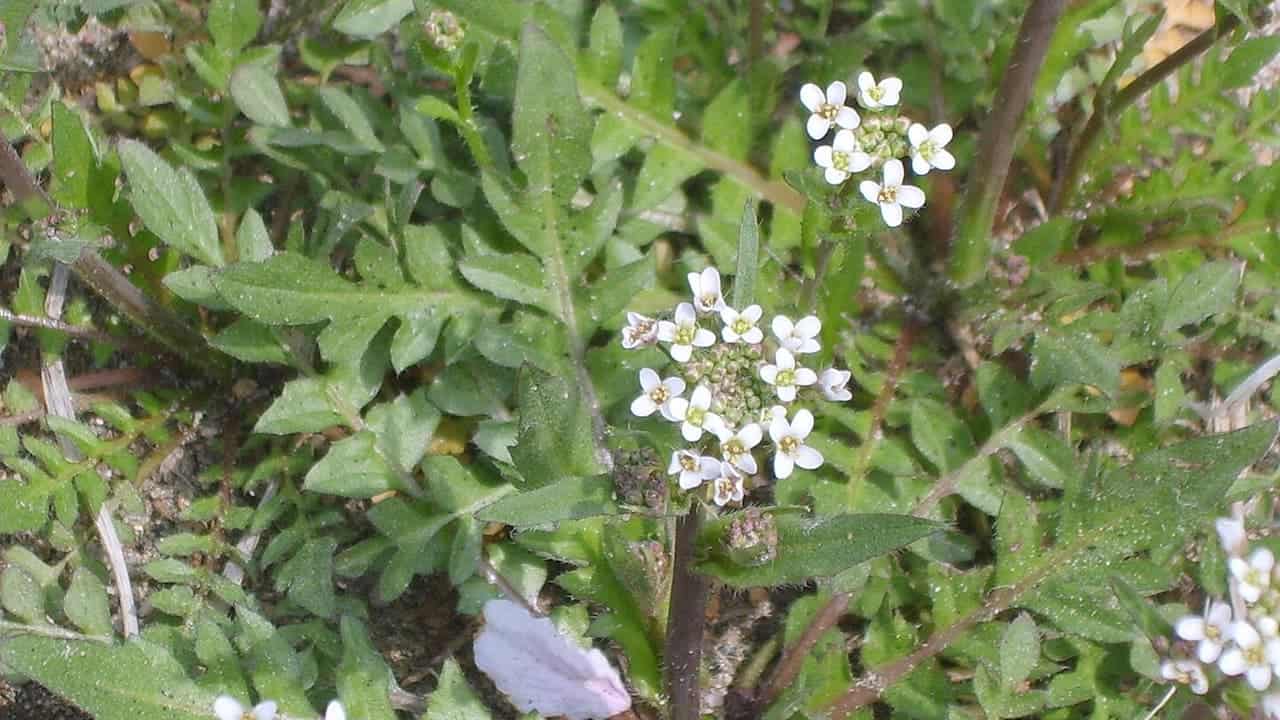
You can enjoy the young leaves of shepherd’s purse in salads or cooked like greens. They have a mild, slightly peppery taste that adds a fresh touch to your meals.
The heart-shaped seed pods are also edible and can be used sparingly in cooking. Try adding them to soups or stews for a subtle flavor boost.
If you want, you can dry the leaves and steep them as a herbal tea. It’s an easy way to use this common yard weed in different ways.