In the ever-evolving world of interior design, trends are constantly coming and going. As a generation that values individuality, sustainability, and functionality, millennials are a major driving force behind the shifts in today’s decor landscape. However, as they grow older and their tastes evolve, some decor trends that were once loved are now being left behind.
Let’s explore 13 decor trends millennials are saying goodbye to in 2025. Prepare to be inspired and perhaps even reconsider some of your own design choices.
Advertisement
1. Fast Furniture
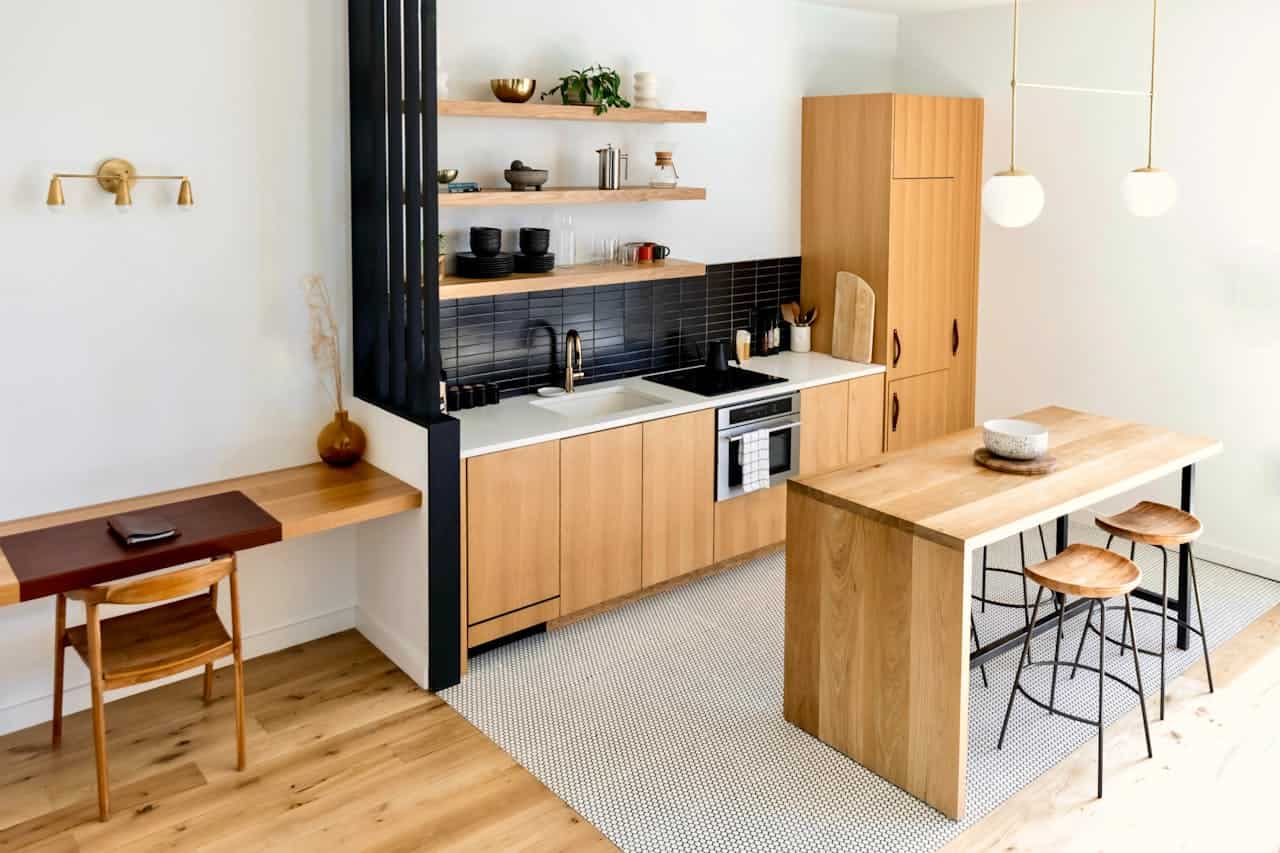
Millennials are increasingly prioritizing quality over quantity. They would rather invest in one piece of furniture that will last a long time instead of buying cheap, disposable pieces that end up in landfills. This is not just about being eco-conscious; it’s also about creating a home that feels authentic and personal.
Fast furniture, often made from cheap materials and lacking in durability, is being ditched in favor of sustainable, well-crafted pieces. Think heirloom-quality furniture that can be passed down through generations. Millennials are looking for furniture with a history or a story to tell, so don’t be surprised if you see them scouring antique shops and vintage stores.
2. Minimalism
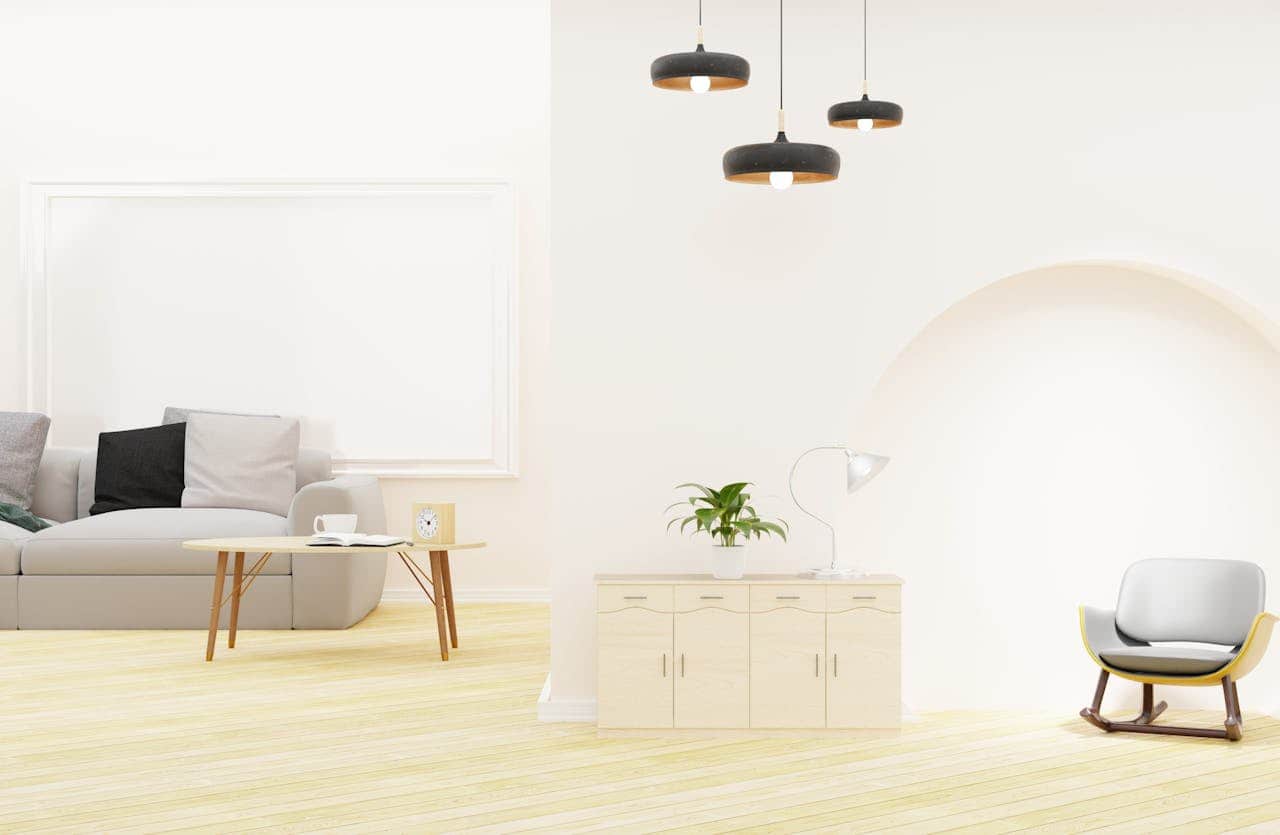
While the minimalist trend has had a good run, millennials are starting to move away from this somewhat sterile aesthetic. A home should feel warm, inviting, and most importantly, lived in. Millennials are now embracing a more eclectic and layered approach to design.
This doesn’t mean chaotic or cluttered spaces. Instead, think of a thoughtful curation of pieces that reflect the inhabitant’s personality and experiences. Color, pattern, and texture are making a comeback, replacing the all-white, stark interiors that have dominated the design scene in the past decade.
3. Open Floor Plans
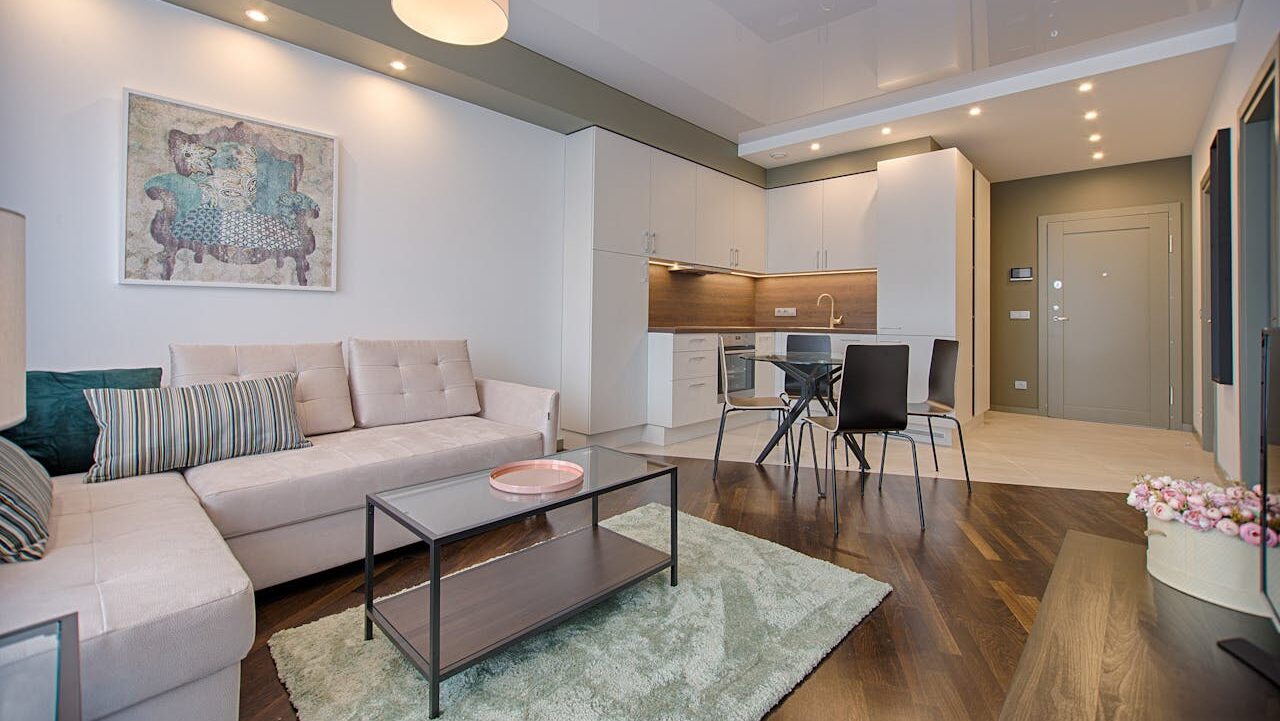
The open floor plan, a favorite of the millennial generation, is slowly losing its appeal. This layout, while great for entertaining and creating an airy feel, offers little in terms of privacy and noise control—two things that are becoming increasingly important as more people work from home.
Instead, millennials are looking for homes with defined spaces that can be customized to fit their individual needs. Whether it’s a dedicated home office, a cozy reading nook, or a separate play area for the kids, having defined spaces adds functionality and increases the overall comfort of the home.
4. Excessive Tech

Once considered a luxury, smart home technology has become increasingly common in millennial homes. However, there’s a growing awareness that too much tech can create a cold, impersonal atmosphere.
Millennials are now seeking a balance between convenience and comfort. While smart devices aren’t going away completely, there’s a shift towards incorporating them in a more subtle, less intrusive way. The focus is on creating a home that feels warm and inviting, not like a high-tech showroom.
5. Accent Walls
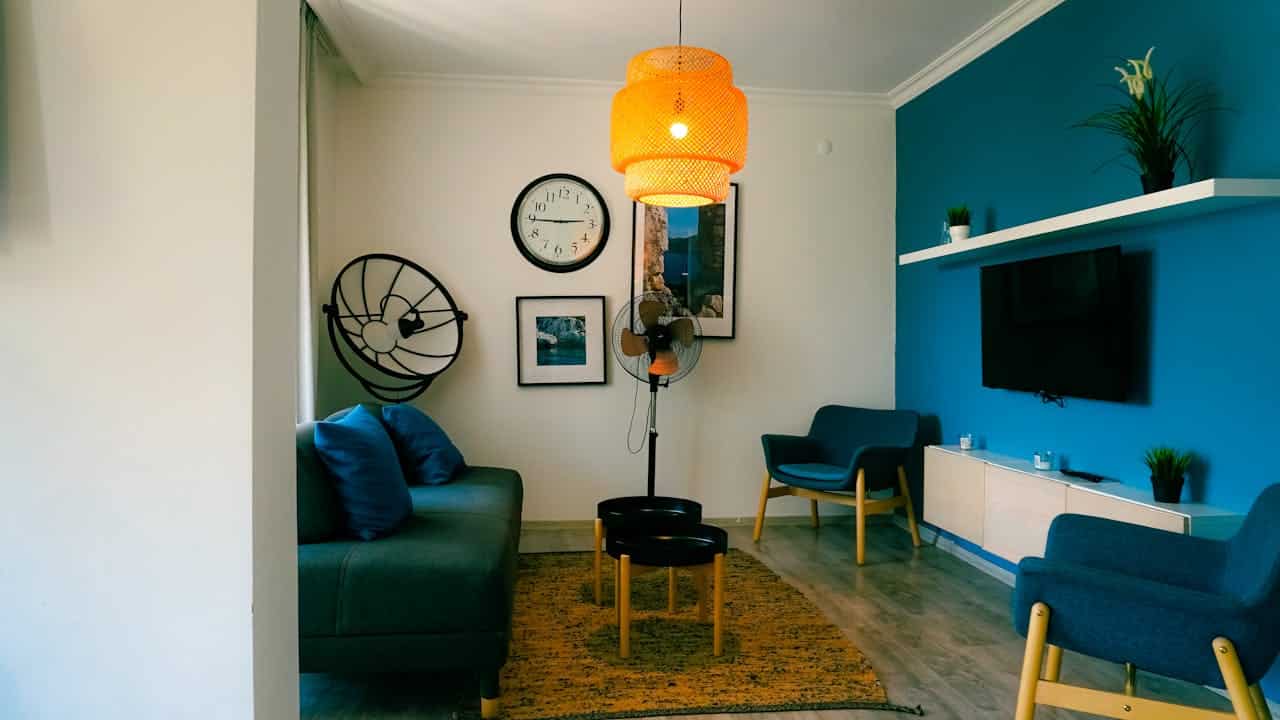
Accent walls, a design trend that involves painting one wall in a room a contrasting color, are becoming less popular with millennials. While they can add a pop of color and interest to a space, they can also make a room feel disjointed and unbalanced.
Millennials are opting for a more cohesive look, with consistent color schemes throughout the room. Instead of an accent wall, consider using accessories like throw pillows, rugs, or artwork to inject color and personality into the space.
6. Barn Doors
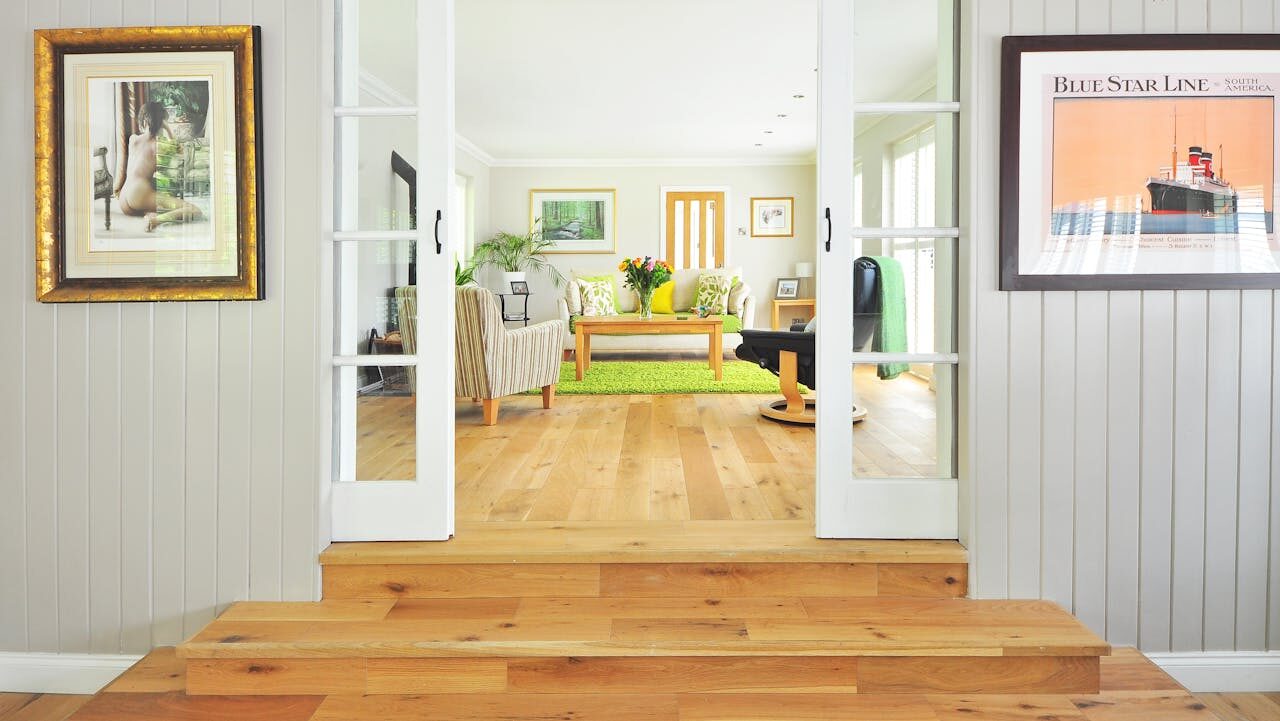
While rustic and industrial decor trends have been popular for a while, the barn door trend is one that millennials are ready to leave behind. While these doors can add character to a space, they can also come across as gimmicky and overdone.
Instead, millennials are favoring more timeless and versatile design elements. Consider traditional doors with interesting details, or try adding personality through unique door knobs or handles.
7. Word Art

“Live, Laugh, Love” and other similar word art pieces are being phased out by millennials. While these pieces were once seen as cute and inspirational, they now come across as cliche and impersonal.
Instead, millennials are opting for art that speaks to them on a personal level. Whether it’s a piece by a favorite artist, a print bought on a memorable trip, or a family heirloom, the art in a millennial’s home tells a story.
8. Shiplap Walls
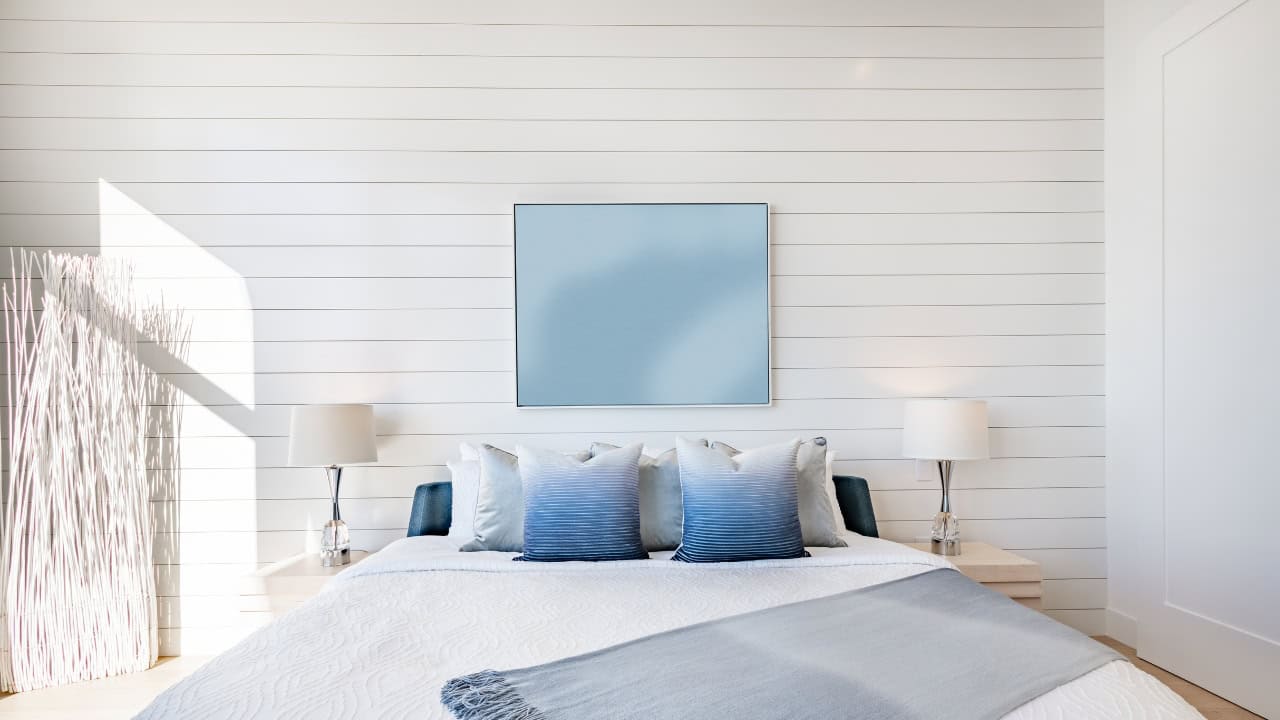
Popularized by home renovation shows, shiplap walls are now being viewed as overdone and overused by millennials. While they can add texture and interest to a space, they can also make a room feel dated.
Instead, millennials are looking for modern ways to add texture to their spaces. Consider using wallpaper, textured paint, or even fabric to add depth and interest to your walls.
9. Cool Grays
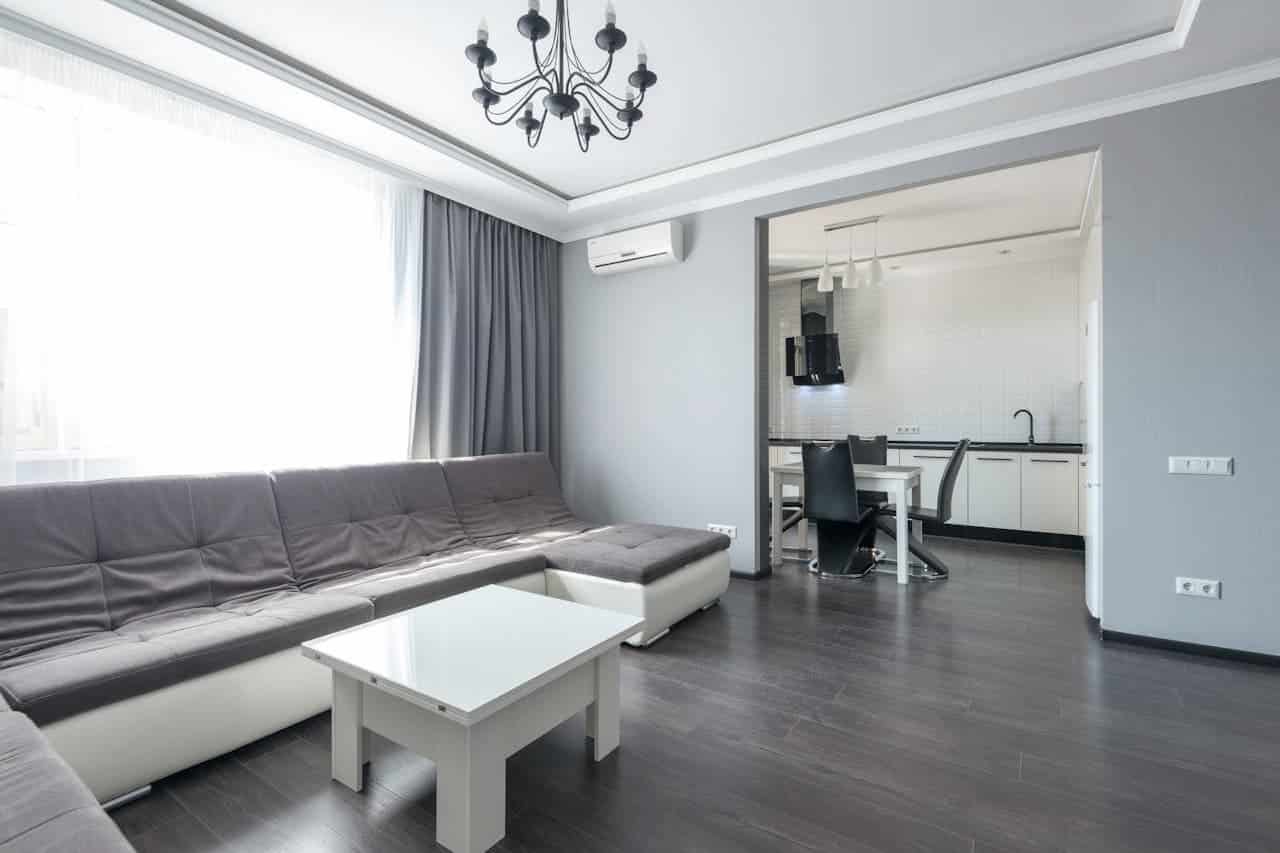
Cool grays, once the go-to neutral for many millennials, are now being replaced with warmer tones. These cooler colors can often make a space feel cold and uninviting.
Instead, millennials are opting for warmer neutrals like creams, beiges, and taupe. These colors create a cozy, welcoming atmosphere, and can easily be paired with a variety of different colors and textures.
10. Granite Countertops

Once the epitome of luxury, granite countertops are now being viewed as dated and overdone. Not to mention, they require more maintenance than other countertop materials.
Instead, millennials are opting for more durable and sustainable options like quartz or recycled glass. These materials are not only stylish but also eco-friendly, aligning with the millennial’s focus on sustainability.
11. Matching Furniture Sets
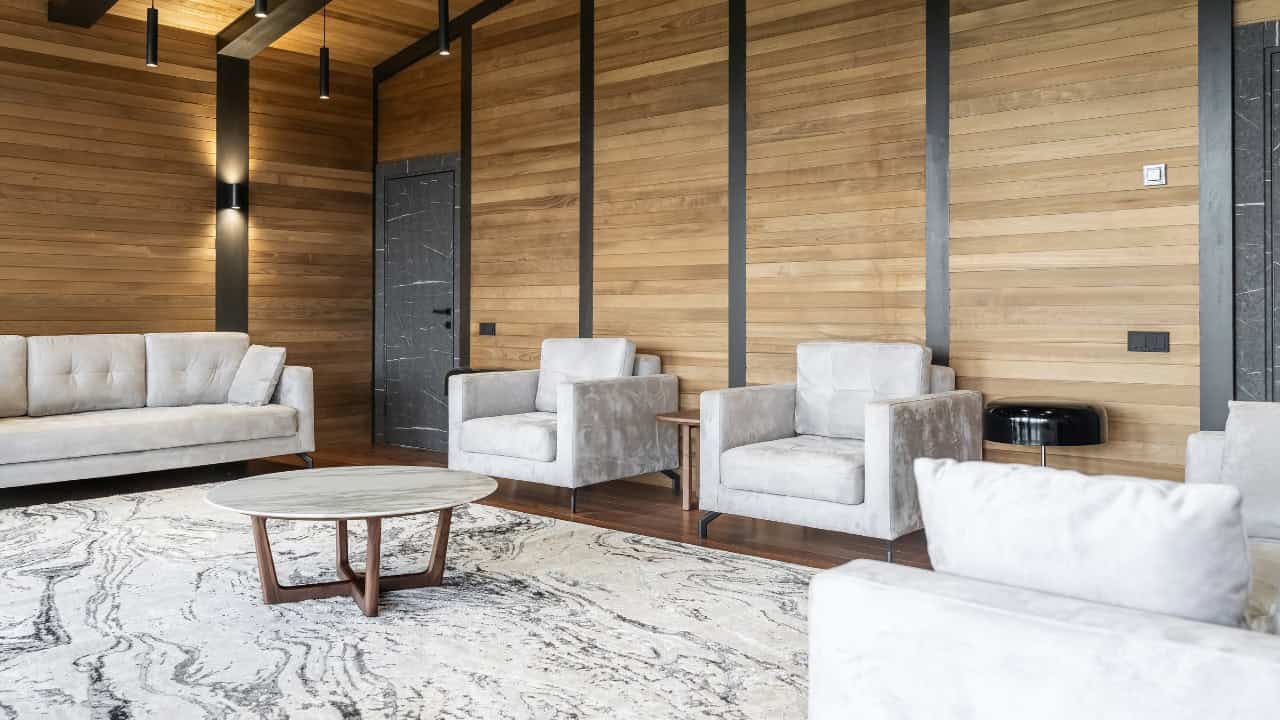
Matching furniture sets, once a staple in many homes, are now being viewed as too predictable and lacking in personality. Millennials value uniqueness and individuality, and a matching furniture set just doesn’t deliver that.
Instead, millennials are mixing and matching different pieces to create a space that is uniquely their own. This approach allows for more creativity and personalization, resulting in a space that truly reflects the inhabitant’s personality and style.
12. Wall-to-Wall Carpeting
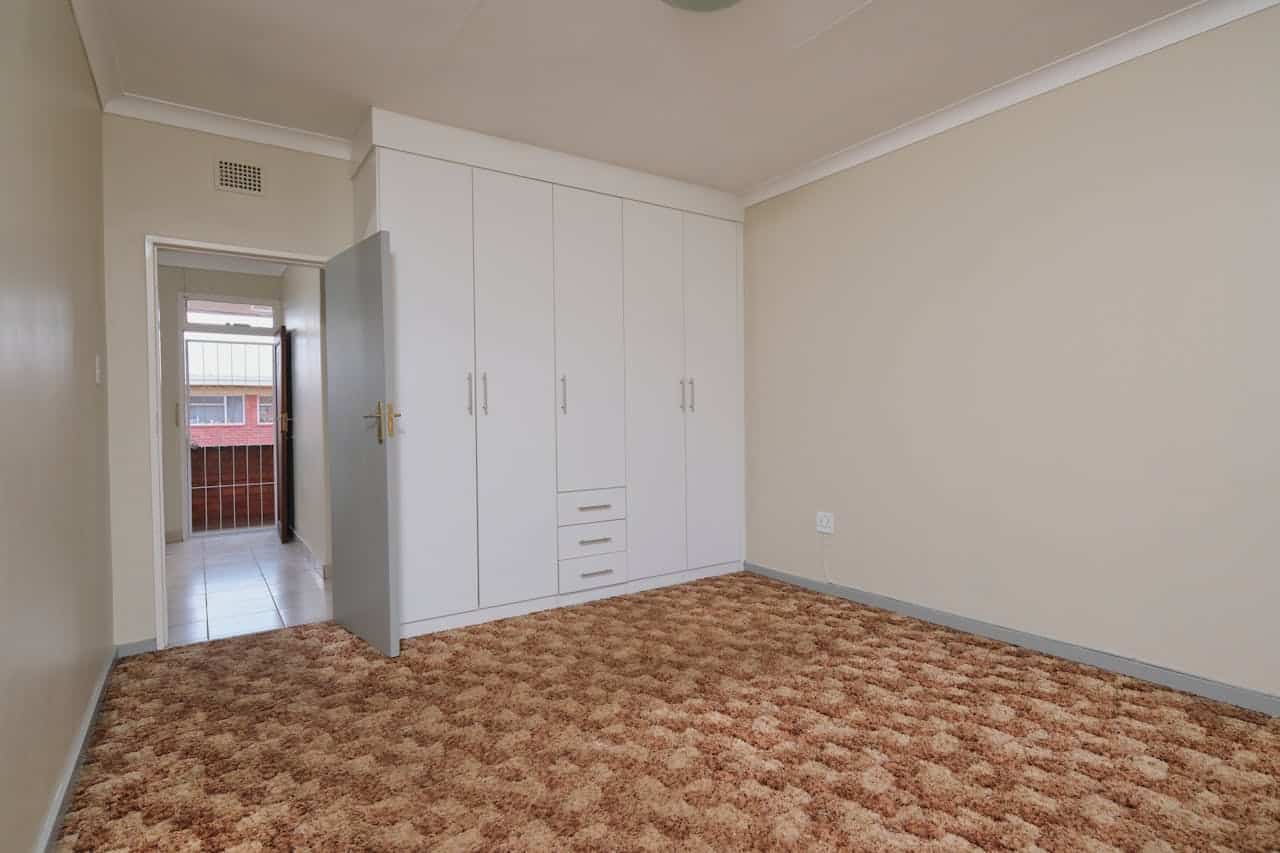
Wall-to-wall carpeting, while comfortable and cozy, is falling out of favor with millennials. It can be difficult to clean, and it doesn’t lend itself well to the modern, airy aesthetic that many millennials prefer.
Instead, millennials are opting for hard flooring options like hardwood or tile, paired with area rugs for comfort and warmth. This approach is not only more stylish, but also more practical and easier to maintain.
13. Industrial Design
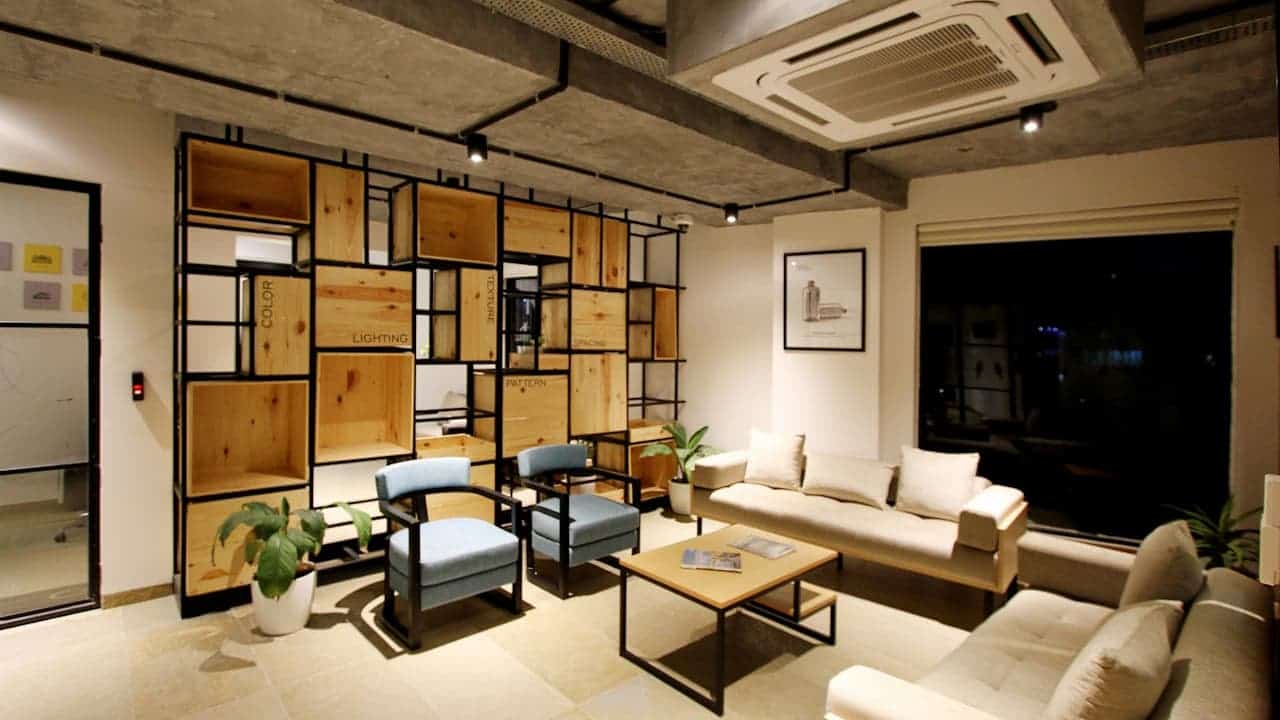
While the industrial design trend has had a good run, millennials are starting to move away from this somewhat cold and impersonal aesthetic. Concrete floors, exposed brick walls, and metal accents can make a space feel cold and unwelcoming.
Instead, millennials are embracing a more warm and cozy aesthetic, with natural materials, soft textures, and warm colors taking center stage. Think plush furniture, wood accents, and an abundance of plants for a cozy, inviting space.