Decluttering your home can feel overwhelming, especially when you’re faced with advice that doesn’t always work. Many common ideas about tidying up actually make things more confusing or harder to maintain over time.
Understanding the myths that complicate decluttering can help you create a more manageable and lasting system for your space. By recognizing what doesn’t serve you, you can approach organizing in a way that fits your life, not just a perfect image.
Advertisement
You must declutter everything at once
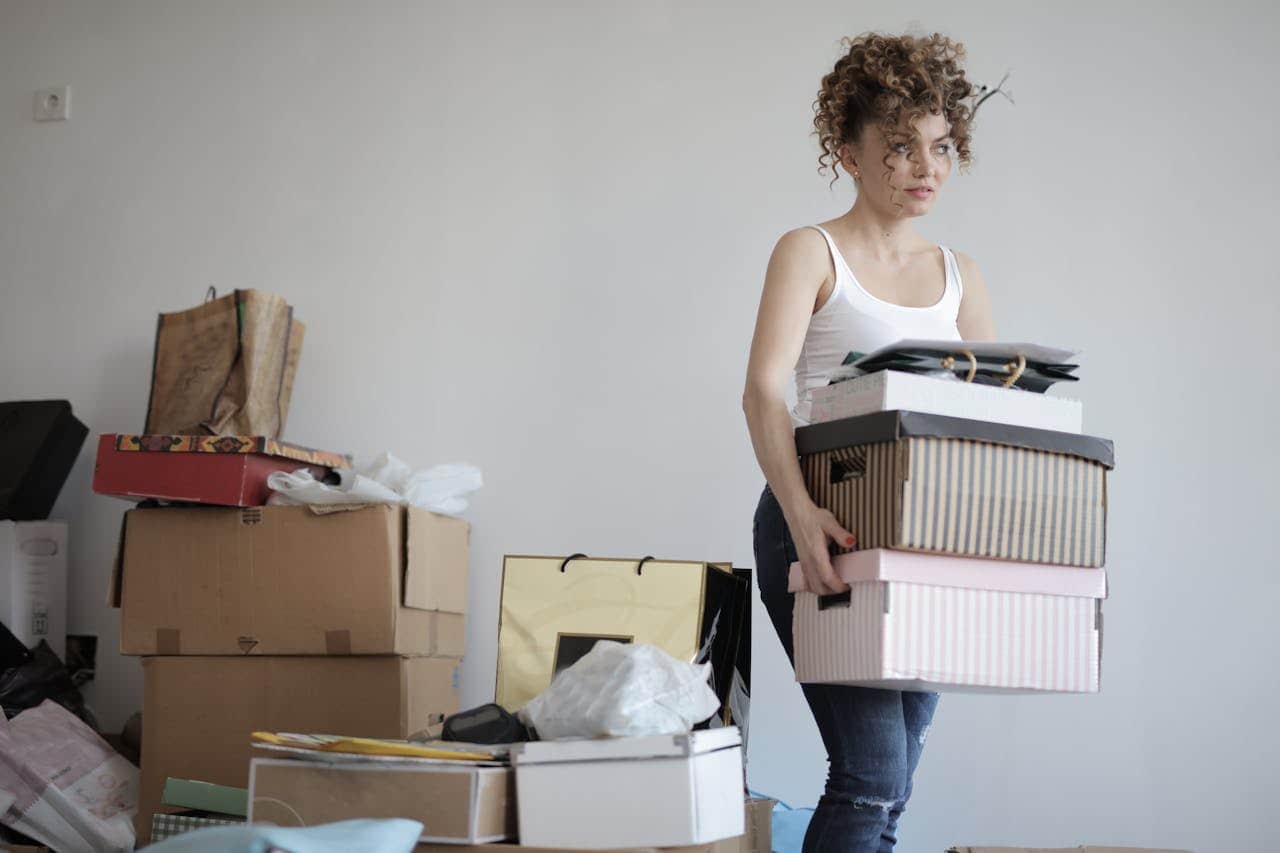
You don’t need to clear out your entire home in one go. Trying to do everything at once can quickly feel overwhelming and stressful.
Decluttering small areas, like a drawer or a shelf, is more manageable and helps build momentum.
Remember, decluttering is a process, not a race. Taking it step-by-step lets you make steady progress without burnout.
It’s okay to spread it out over days or weeks. This approach makes your space more organized and keeps your energy up.
Decluttering is a one-time, permanent chore
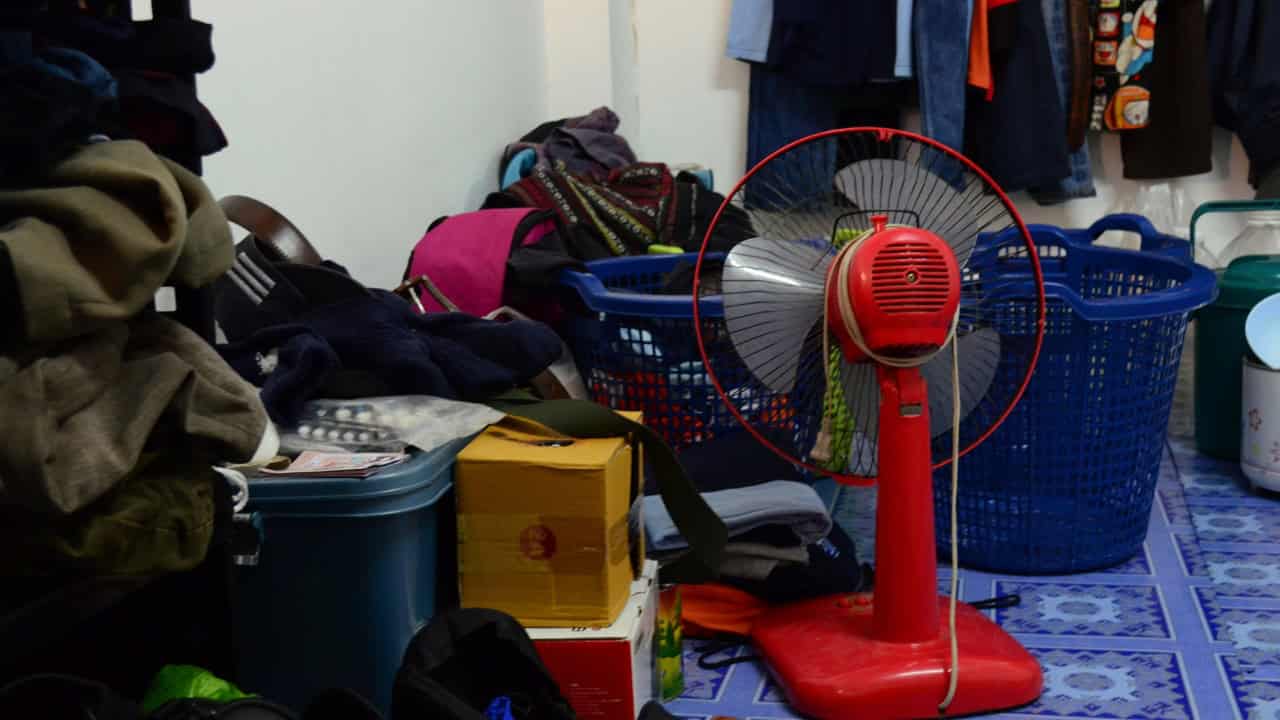
You might think decluttering is a project you do once and forget. But it’s not that simple. Clutter can slowly build back if you don’t manage it regularly.
Treat decluttering as an ongoing habit, not a single event. Small, consistent efforts help keep your space organized over time. This way, you avoid feeling overwhelmed by a huge task later on.
Perfectionism is necessary for a tidy home

You don’t need to be perfect to have a tidy home. Trying to make everything flawless can actually slow you down and cause frustration.
Small, consistent efforts create more order than stressing over every detail. Focus on progress, not perfection. Your home can be comfortable and organized without being spotless.
Empty space is a bad thing
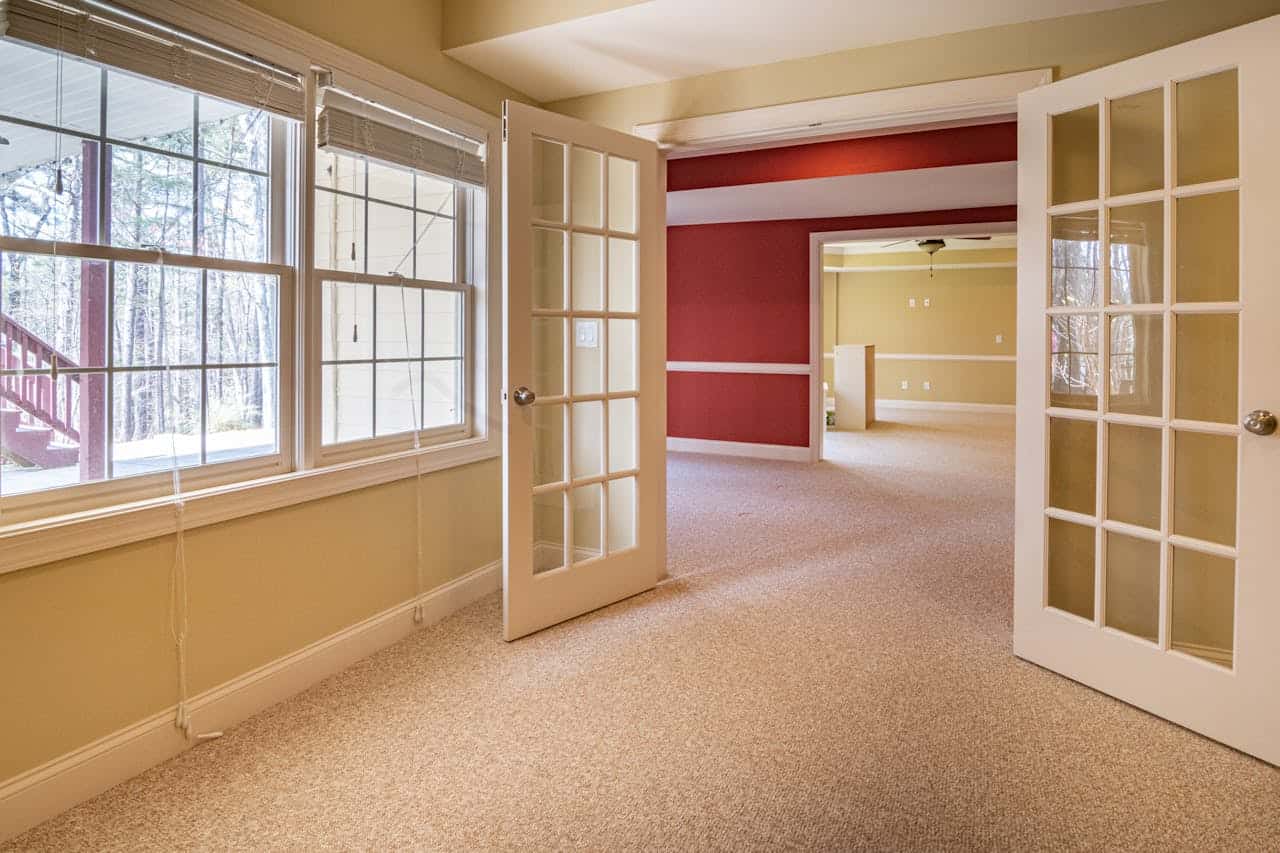
You might think empty space in your home looks bare or unfinished. But having some empty areas can actually make your rooms feel calm and organized.
Empty space gives your eyes a place to rest and can highlight the things you really want to show off. It’s not about filling every corner but finding balance. Don’t worry if a room feels too empty at first. Over time, you’ll learn how much space feels just right for you.
I don’t have time to declutter

You don’t need hours or days to start decluttering. Small, manageable tasks fit easily into even the busiest schedule.
Focus on one area at a time, like a drawer or a shelf. This keeps things simple and less overwhelming. Setting clear goals helps you use your limited time better. Even 10 minutes a day can make a difference.
I’ll use it someday so I should keep it
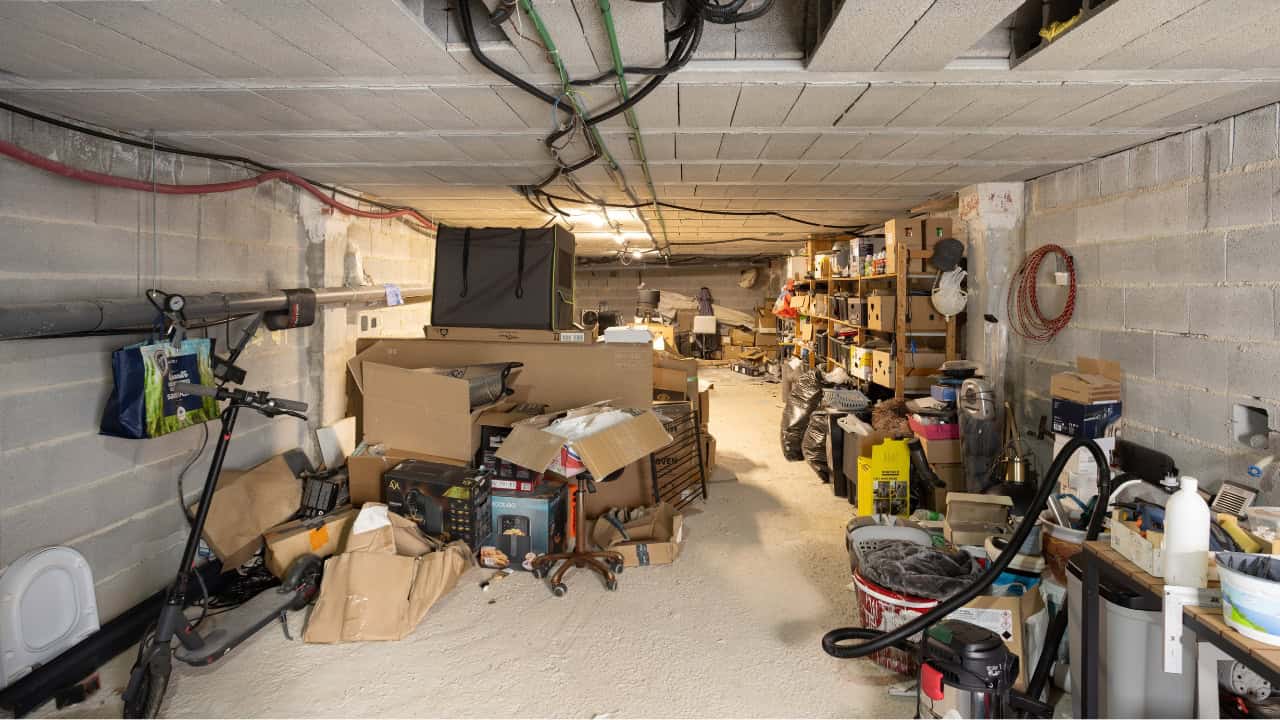
You’ve probably told yourself you’ll use something “someday.” It’s easy to hold onto items thinking they might be useful later.
The problem is that “someday” often never comes. Those things just take up space and weight down your home. Instead, focus on what you really use or love now. Letting go frees you to enjoy the things that matter today.
It’s too much work to put things away

You might feel like putting things away takes too much time, especially after a long day. But when you have a simple, designated spot for each item, tidying up becomes faster and less stressful.
Creating easy systems can save you effort later. When everything has a place, you spend less time searching and more time enjoying your space.
Decluttering means getting rid of everything

You don’t have to throw away everything to declutter. It’s about keeping what adds value and letting go of what no longer serves you.
Decluttering is a thoughtful process, not a race to empty your space. You can take your time and be selective. Focus on creating order that feels manageable and comfortable for you, rather than aiming for a completely empty home.
Clutter doesn’t affect mental health

You might think clutter is just a nuisance and doesn’t impact your mind. However, having a cluttered space can make you feel overwhelmed and stressed.
When things pile up, it’s harder to focus or relax. You may also find it tough to find important items, which adds frustration to your day. Even if clutter doesn’t cause serious mental health issues, it can contribute to daily stress and reduce your overall sense of calm.
Annual decluttering sessions are enough

You might think doing one big declutter a year will keep your home in order. But waiting that long often lets clutter build up too much. Small, regular tidying sessions are easier to manage and prevent mess from piling up.
It’s about consistency, not just intensity. When you take care of clutter bit by bit, your space stays more organized and less overwhelming.
Tackling all rooms simultaneously is best

It might feel like a good idea to declutter every room at once. But trying to do it all can quickly become overwhelming. Instead, focus on one area at a time. This way, you can see progress without feeling stressed.
Breaking the task into smaller steps helps you stay motivated. You’ll avoid burnout and make lasting changes in your home.
Decluttering requires large uninterrupted blocks of time

You don’t need to find hours at once to make progress. Even 10-15 minutes a day can help you clear clutter steadily. Breaking tasks into small, manageable chunks makes decluttering less overwhelming and easier to maintain.
Focusing on one room or item type at a time lets you build momentum without feeling burnt out. Consistency beats trying to do everything in one go, which often leads to frustration and stalled progress.
Only messy people accumulate clutter

You might think clutter only happens to people who are naturally messy. But that’s not true. Clutter can build up for many reasons, like lack of time or not having a clear system to manage your stuff.
Even the tidiest people can face clutter if life gets busy or overwhelming. It’s about habits and routines, not personality. You can learn simple ways to keep your space organized without changing who you are.