Composting can be a game changer for my garden, but it’s easy to make mistakes along the way. Identifying and correcting these common errors can significantly improve soil quality and overall garden health.
I’ve learned that even small oversights can lead to big issues, from imbalance in nutrients to unwanted odors. By understanding what pitfalls to avoid, I can create nutrient-rich compost that truly benefits my garden.
Advertisement
1. Adding meat scraps
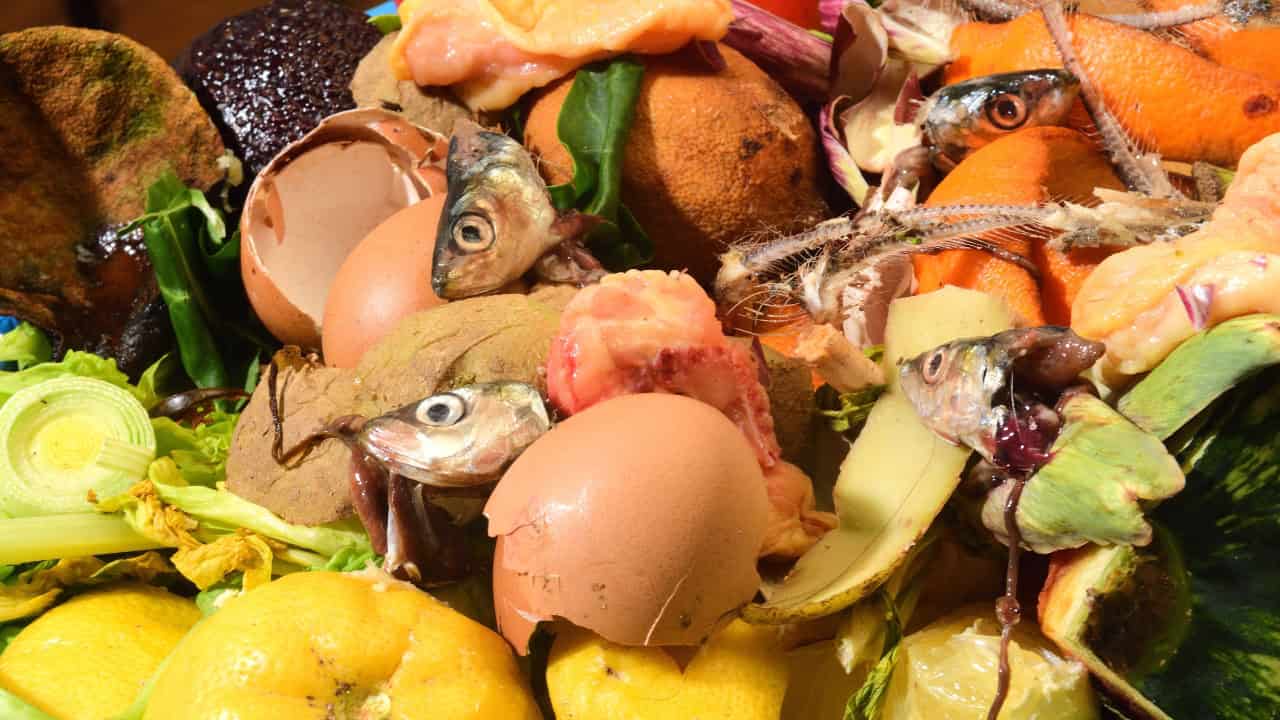
I’ve learned the hard way that adding meat scraps to compost is a mistake. Meat can attract pests like raccoons and rats, which can create a huge mess.
It also leads to odors I definitely don’t want in my garden. Plus, meat products break down slower than plant materials, causing imbalances in the compost.
Instead, I stick to vegetable scraps, coffee grounds, and eggshells. This keeps my compost healthy and pest-free while providing great nutrients for my plants.
2. Ignoring brown to green ratio
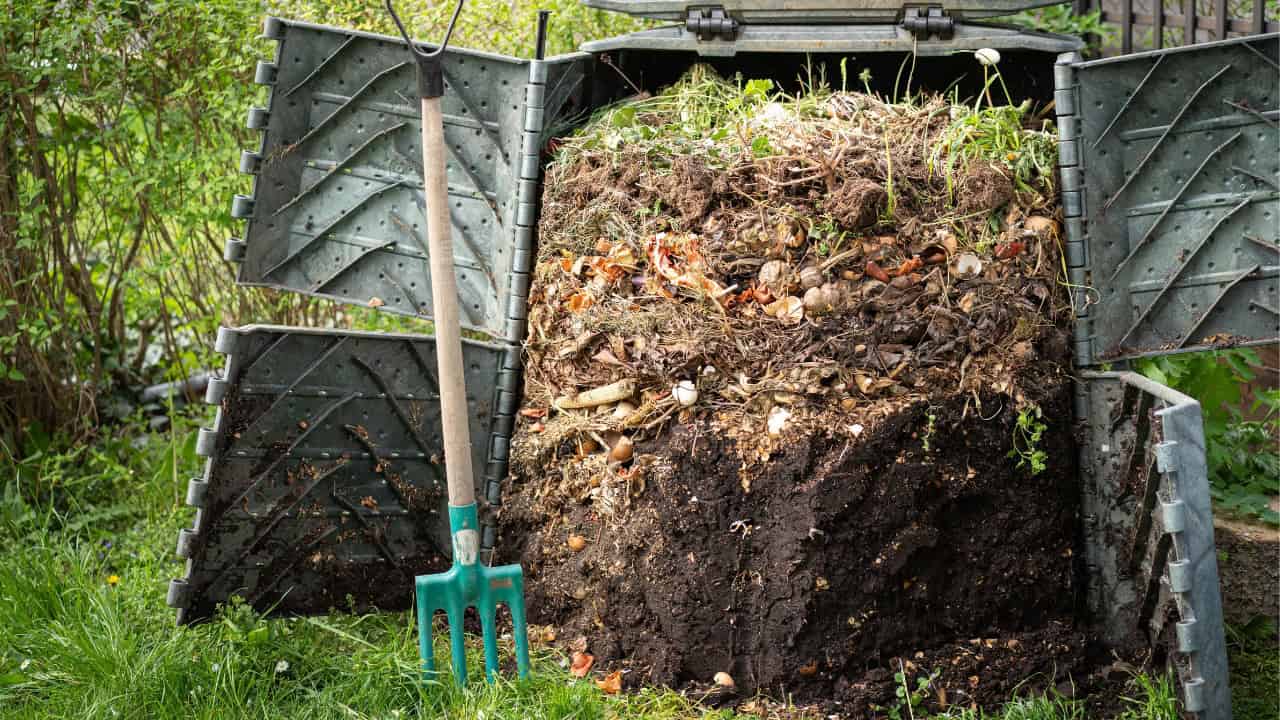
I’ve learned the importance of the brown to green ratio in composting. Browns provide carbon, while greens add nitrogen. Striking the right balance keeps my compost healthy.
A good rule of thumb I follow is to aim for about three parts brown to one part green. Failing to balance these materials can lead to a smelly pile or slow decomposition.
Too many greens can make it soggy and compacted. Too many browns, and it may not heat up enough. Paying attention to this ratio has made a big difference in my composting success.
3. Using pesticide-treated clippings
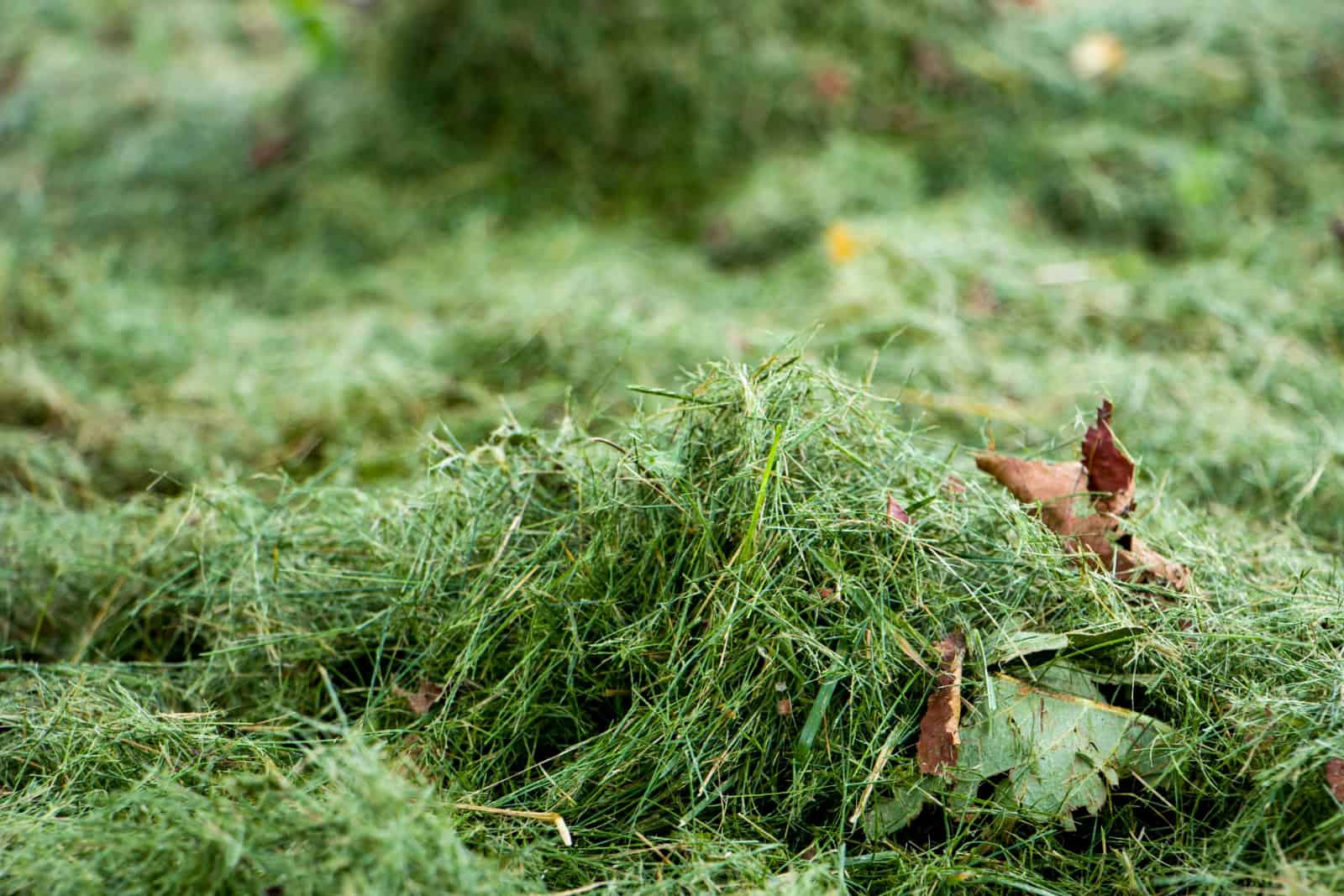
I’ve learned that using pesticide-treated grass clippings isn’t the best idea for my compost. These chemicals can linger in the soil and harm beneficial organisms.
When I add these clippings, I risk introducing toxins into my garden. This can negatively impact plant growth and reduce soil health over time.
To keep my compost safe, I stick to untreated clippings. It’s a simple change that makes a big difference for my garden.
4. Neglecting aeration

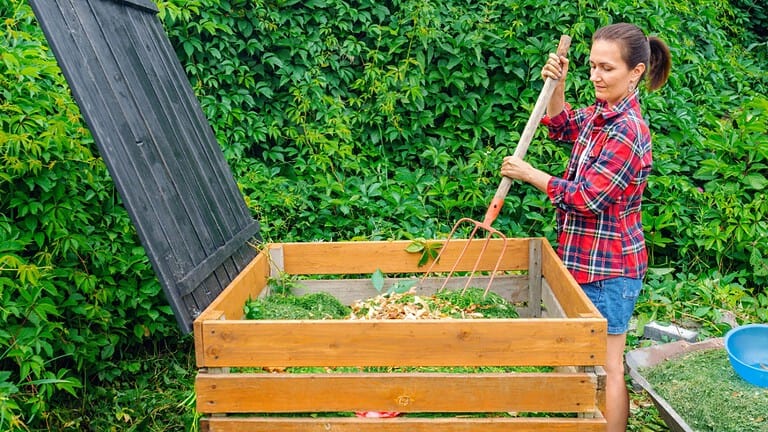
I’ve learned the hard way that proper aeration is crucial for composting. Without it, my pile can become too compacted. This lack of airflow slows down the decomposition process.
I found that turning the compost regularly really helps. It introduces oxygen, which is essential for the microbes breaking down the materials. Without sufficient aeration, I noticed unpleasant odors and a slower breakdown.
If my compost is too dense, it can lead to a soggy mess that’s not effective. So, I make it a point to aerate my compost often. This simple step has really boosted the quality of my garden soil.
5. Overwatering the pile

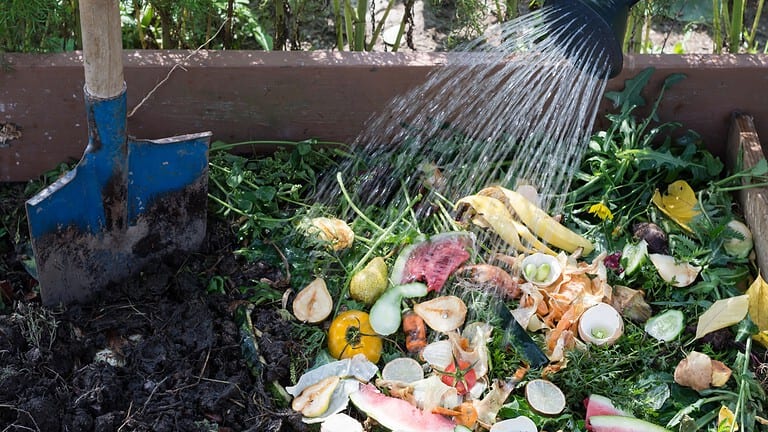
I’ve learned the hard way that overwatering my compost pile can create real problems. Too much water leads to a soggy mess that stinks and slows down the decomposition process.
When the pile is too wet, oxygen can get trapped, which is not good for the beneficial microbes. I aim for a balance, ensuring it’s moist but not dripping.
If my compost turns into a sludge, I know it’s time to add dry materials like brown leaves or straw. Keeping an eye on moisture levels ensures my compost remains healthy and effective.
6. Adding invasive weeds

I’ve learned the hard way that adding invasive weeds to my compost can create major problems. These weeds often have deep roots and can easily survive the composting process.
When I throw them in, I risk spreading them throughout my garden. Instead of nourishing my soil, they just end up competing with my plants for space and nutrients.
It’s best to keep them out of my compost. I’ve found that it saves me a lot of trouble in the long run.
7. Composting sick plants

I’ve made the mistake of tossing sick plants into my compost pile. At first, it seemed like an easy way to dispose of them, but it can backfire.
Diseases can spread through compost. If I mix in infected plant material, I risk introducing pathogens into my healthy plants when I use that compost.
Instead, I’ve learned to handle sick plants differently. I either dispose of them in the trash or through municipal green waste services. This keeps my compost pile healthy and ensures my garden thrives.
8. Placing pile in full shade

I once thought putting my compost pile in full shade would be a good idea. It seemed like it would keep things cooler, but that wasn’t the case.
Composting needs warmth to break down organic material effectively. Without enough sunlight, the pile can stay too cold and decompose slowly. This slows down the entire process.
In shaded spots, I’ve noticed the pile gets damp without proper airflow. This can lead to odors and unwanted pests. I learned that some sun exposure helps keep the balance needed for healthy composting.
9. Using non-biodegradable bags
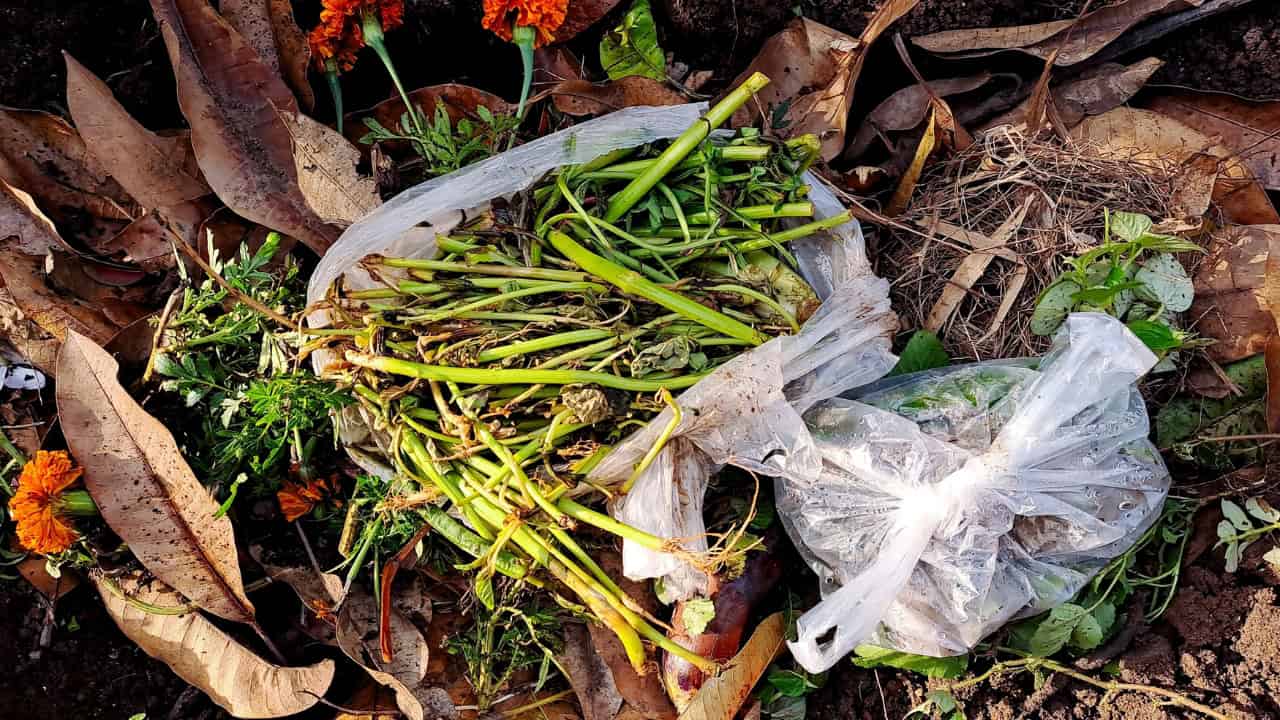
I’ve seen many gardeners use plastic bags for composting. It’s a common mistake that can harm the environment and my soil.
These bags take years to break down, if they break down at all. When they do, they can release harmful substances.
Instead, I use biodegradable alternatives. They’re much better for the composting process and my garden’s health.
It’s a small change that makes a big difference. By choosing the right materials, I can ensure my compost stays healthy and vibrant.
10. Ignoring temperature changes

I’ve learned that the temperature of compost is crucial for the process. If it gets too hot, it can kill beneficial microbes. If it’s too cold, decomposition slows down significantly.
I try to keep an eye on compost temperatures. Using a simple compost thermometer helps me monitor the heat. When it’s too low, I might turn the pile more or add nitrogen-rich materials like grass clippings.
Temperature affects what materials break down and how quickly. So, I always adjust my approach based on what I observe. This way, I keep my compost healthy and active.
11. Overloading with grass clippings

I’ve seen it happen too often: an enthusiastic gardener dumps too many grass clippings into the compost. While grass clippings are a great source of nitrogen, too much can lead to problems.
When I overload my compost with clippings, it creates a dense, wet mass that can suffocate microbial activity. This means slower decomposition and even potential odors.
It’s essential to mix clippings with other materials. I balance them out with browns like dried leaves or straw. This helps maintain airflow and keeps the compost healthy.
12. Adding pet waste
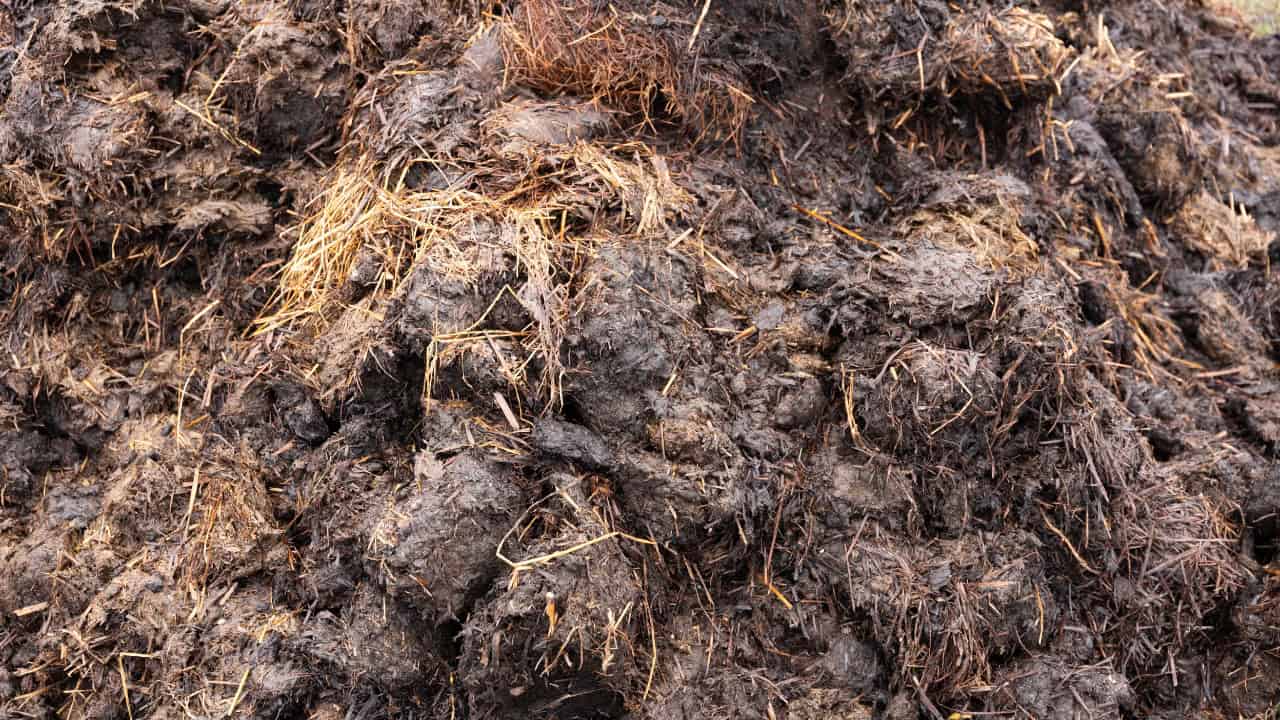
I once thought tossing my pet’s waste into the compost would be harmless. Turns out, that’s a big mistake. Pet waste can contain harmful pathogens and parasites that can survive the composting process.
These can contaminate your garden soil and potentially harm plants. Plus, using compost with pet waste can pose a health risk to you and your family.
If you want to compost waste from pets, it’s better to look into specialized systems designed for that purpose. Keeping my garden safe and healthy is my priority, and avoiding pet waste in composting is key.
13. Using too much wood ash
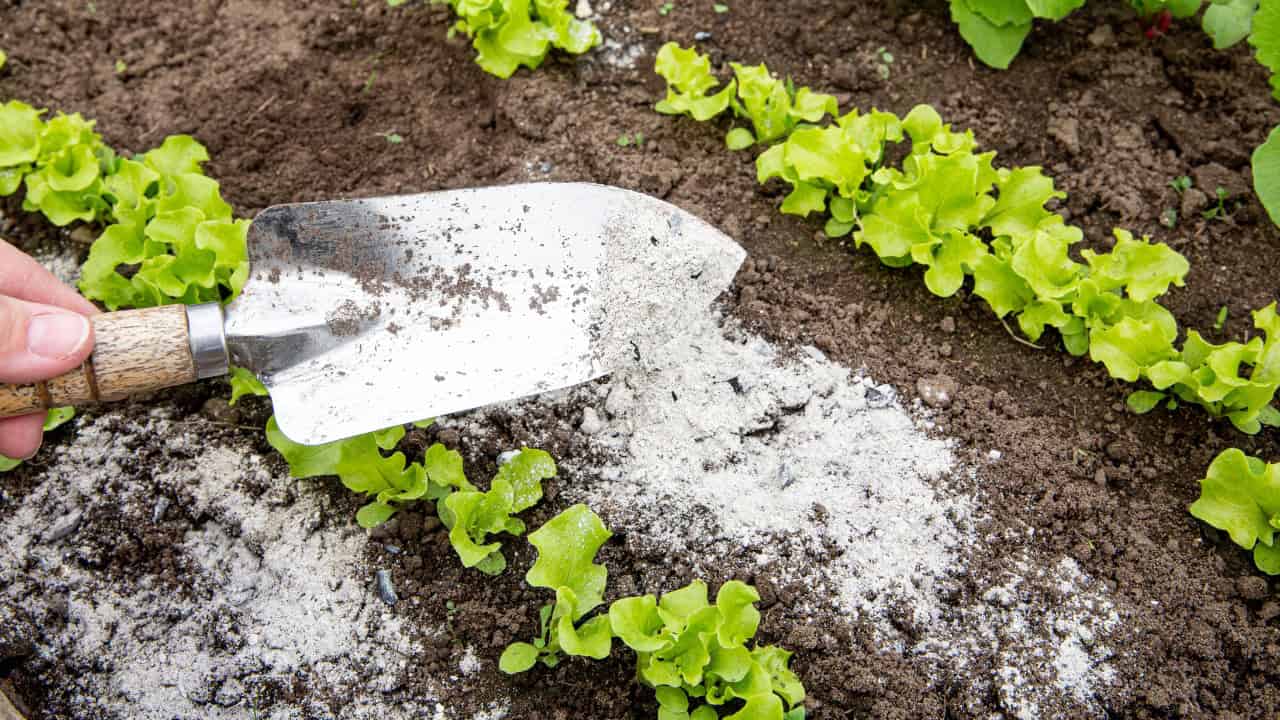
I’ve found that using wood ash in moderation is key. While it can provide potassium and raise soil pH, too much can make the soil overly alkaline.
When I add wood ash, I try to balance it with other compost materials. Overdoing it can block nutrient absorption, leaving plants struggling.
I like to mix it in with other organic matter to keep things balanced. A little goes a long way in my garden.
*This article was written with the help of AI.