Growing flowers can be a deeply rewarding hobby, bringing color and life to your garden. To ensure a successful gardening experience, it’s essential to recognize common pitfalls that many enthusiasts encounter. By understanding these mistakes, you can cultivate vibrant blooms and create a thriving outdoor space.
Whether you’re a seasoned gardener or just starting, avoiding these missteps will help you achieve the beautiful garden you envision. As you embark on your flower-growing journey, keeping these tips in mind can lead to greater enjoyment and less frustration along the way.
Advertisement
Failing to plan before planting

Planning is essential for a successful flower garden. Without a clear vision, it’s easy to end up with overcrowded or sparse arrangements.
Start by choosing the right location based on sunlight and soil conditions.
Create a layout that considers plant height, color, and bloom time. This will ensure your garden flourishes beautifully throughout the season.
Ignoring Sunlight Needs of Flowers
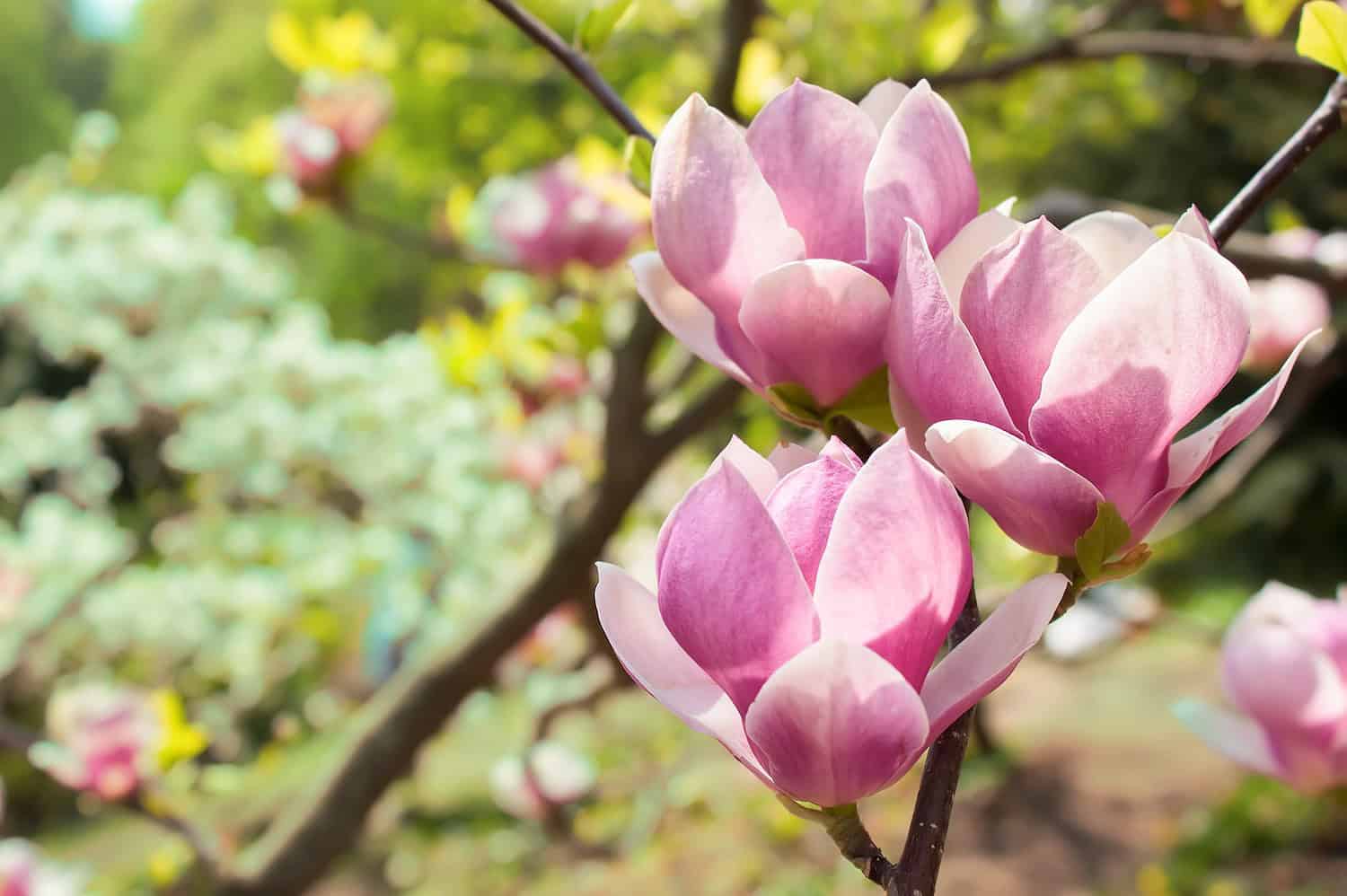
Choosing the right spot for your flowers is crucial. Each plant has specific sunlight requirements, from full sun to partial shade.
Placing sun-loving plants in shady areas can lead to weak growth and fewer blooms.
Always check the light needs of your chosen flowers to ensure they thrive. A little research will go a long way in keeping your garden vibrant.
Overwatering your plants
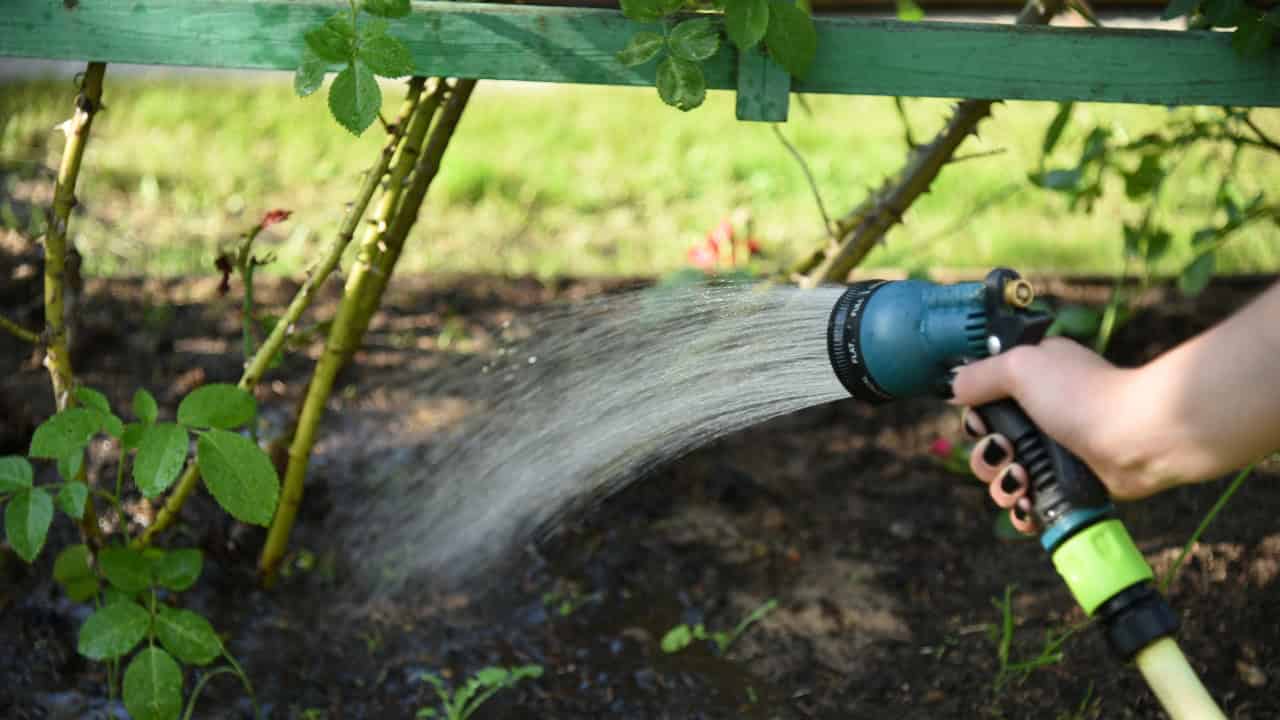
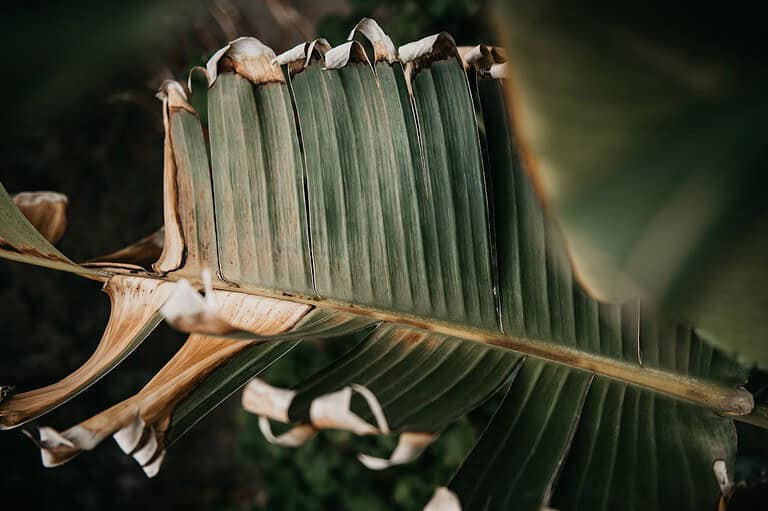
Overwatering is a common mistake many gardeners make. It can lead to root rot and other issues that harm your flowers.
To prevent this, always check the soil moisture before watering. Stick your finger into the soil; if it feels damp, wait a bit longer.
Understanding the specific needs of your plants helps, too. Different flowers require varying amounts of water, so be mindful of their preferences.
Using Poor Quality Soil

halfpoint/ Canva Pro.
Using poor-quality soil can significantly affect your flower growth. It often lacks essential nutrients and proper drainage, making it hard for plants to thrive.
Investing in a nutrient-rich potting mix or enhancing your garden soil with organic matter can help. This small step can lead to healthier plants and more vibrant blooms in your garden.
Not Testing Soil pH

Not testing your soil pH can lead to disappointing results in your flower garden. Soil acidity or alkalinity affects nutrient availability and plant health.
Before planting, check your soil pH to ensure it’s within the ideal range for your flowers. This simple step allows you to amend the soil properly, promoting vibrant blooms and strong growth. Consider getting a soil test to get started!
Overfertilizing plants
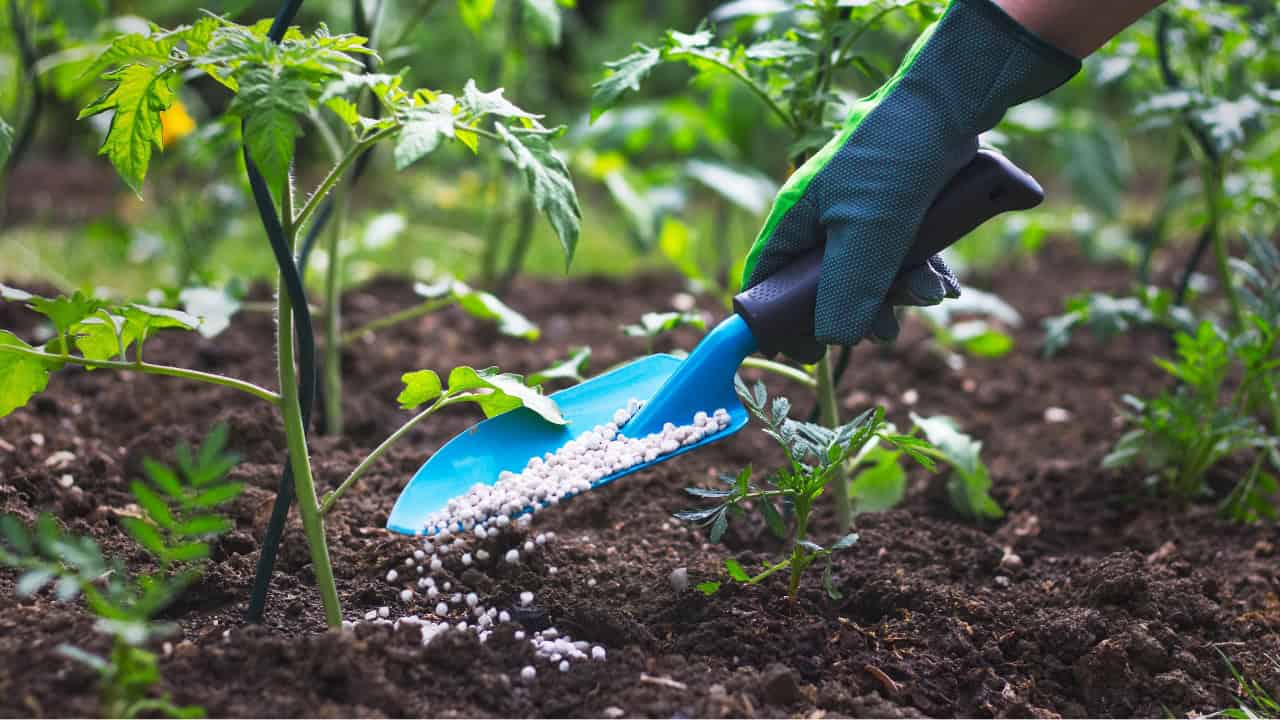
Overfertilizing can harm your flowers more than help them. When you apply too much fertilizer, it leads to yellowing leaves and wilting.
Excess nutrients can also damage the roots, causing them to rot. To keep your plants healthy, stick to recommended amounts and schedules.
If you suspect overfertilization, flush the soil with water to help remove excess nutrients. Your flowers will thank you for it!
Improper Plant Spacing

When planting flowers, spacing is crucial. Crowding plants can lead to poor air circulation, making them more susceptible to disease.
Make sure to check the recommended spacing for each type of flower you are growing.
Too much space can also be an issue, as it may leave your garden looking sparse. Keep an eye on how your plants grow to find the perfect balance!
Selecting Invasive Species

When choosing plants for your garden, be cautious of invasive species. These plants can take over and outcompete native flora for resources, harming your garden’s health.
Research potential plants before adding them to your flower beds. Look for locally recommended options that enhance biodiversity instead of threatening it. Prioritizing native or non-invasive plants will lead to a more vibrant and sustainable garden.
Planting in Pots That Are Too Small

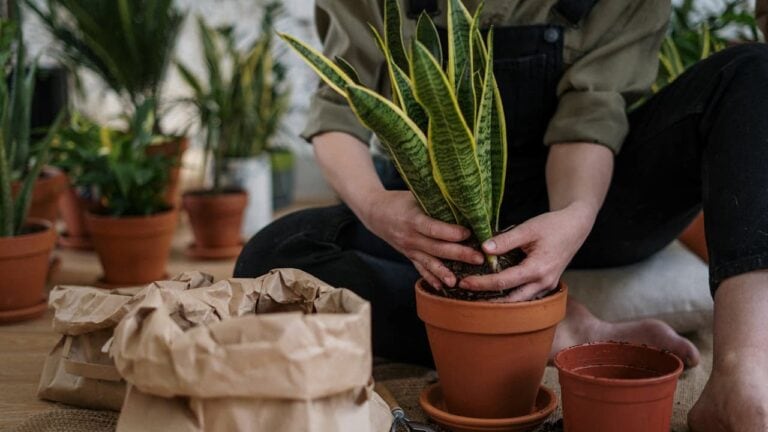
Choosing the right pot size is crucial for your flowers’ health. Pots that are too small restrict root growth and can lead to stunted plants.
Your flowers need space to spread out and absorb nutrients. If you notice roots poking out of the drainage holes, it’s time to repot into a larger container.
Investing in the right pot size makes a big difference. Happy planting!
Neglecting Pest Control
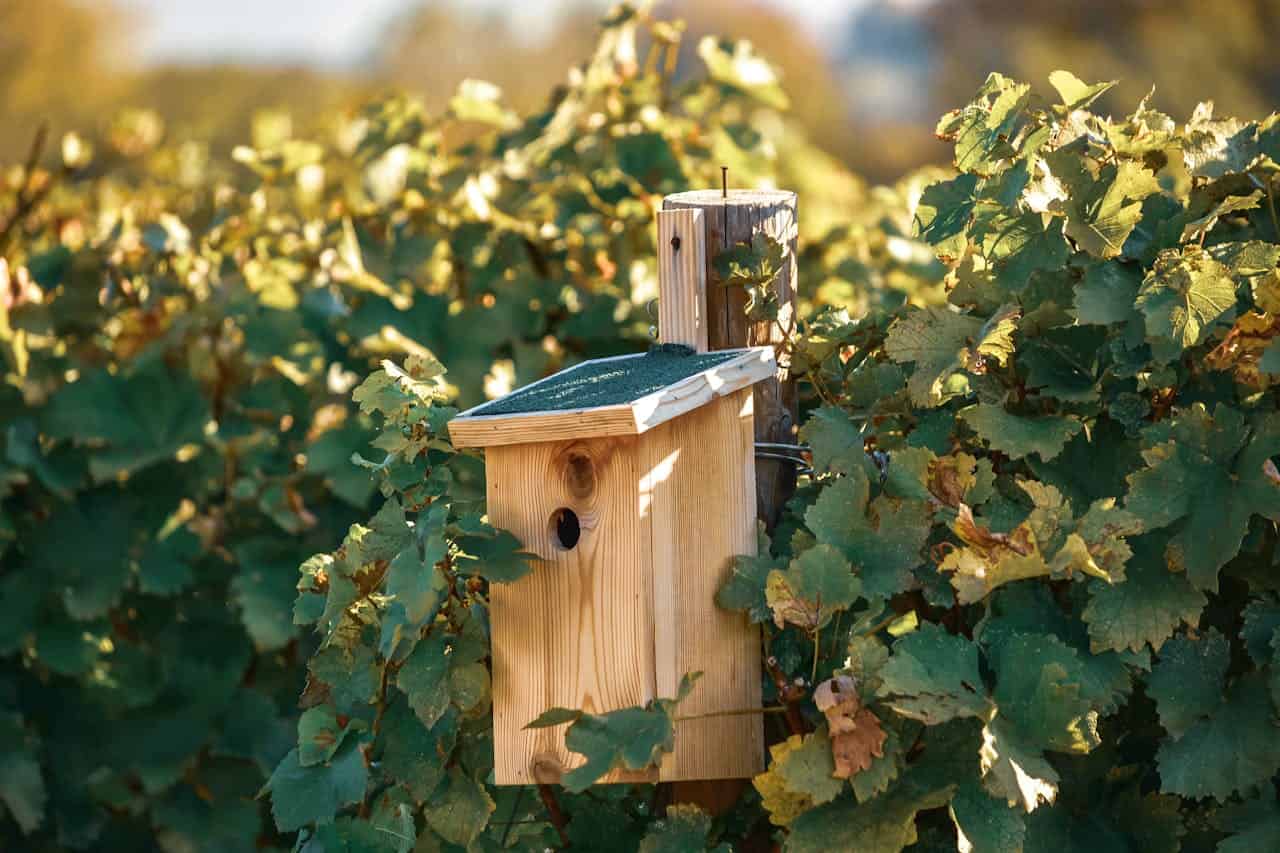
Pest control is essential for a vibrant flower garden. Ignoring pests can lead to significant damage, affecting your plants’ health and beauty.
Instead of reaching for harsh chemicals, consider natural solutions. Promote beneficial insects or use organic sprays to manage pests effectively. Regularly check your plants for signs of trouble, and you’ll keep your garden healthy and flourishing.
Skipping Hardening Off for Seedlings

Hardening off is an essential step for your seedlings. If you skip this process, your plants may struggle when exposed to outdoor conditions.
Start by gradually introducing your seedlings to sunlight and wind. Begin with a few hours a day and gradually increase their time outside. This helps them adapt, reducing the risk of shock.
Neglecting to harden off can lead to stunted growth or even plant death. Be gentle and patient; your plants will thank you!
Ignoring Local Climate Conditions
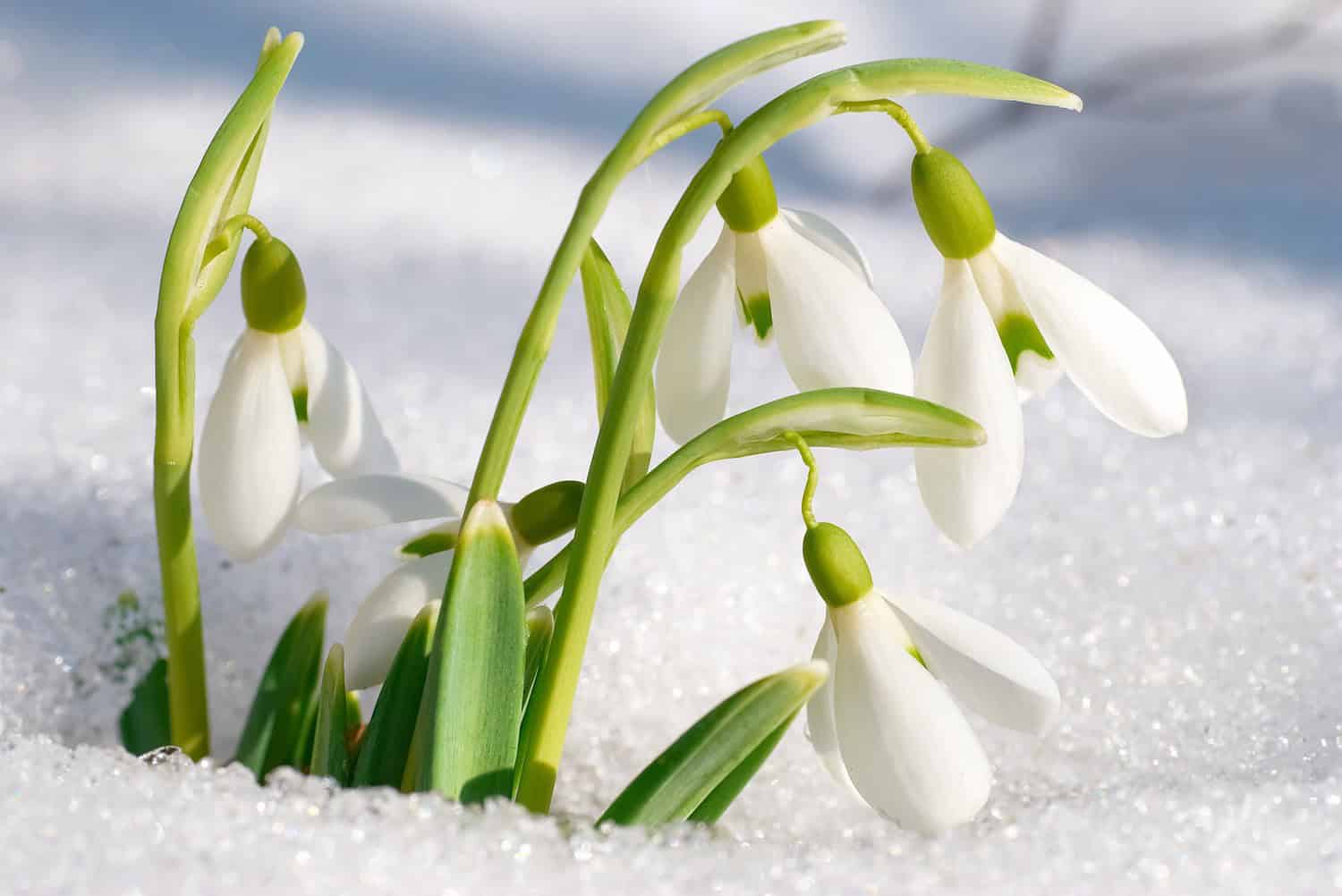
Understanding your local climate is essential for successful flower gardening. Each plant has specific temperature and humidity preferences.
If you ignore these conditions, your flowers may struggle to thrive.
Research the climate in your area and choose plants that are well-suited to it. Consider seasonal changes and local weather patterns to ensure a flourishing garden.
Forgetting to Deadhead Flowers

Forgetting to deadhead your flowers can limit their blooming potential. Deadheading involves removing spent blooms to encourage new growth.
When you skip this task, your plants might focus energy on seed production instead of creating fresh flowers. A simple snip here and there can keep your garden vibrant and looking its best. Enjoy those beautiful blooms by making deadheading a regular part of your gardening routine!