Owning a home comes with a lot of responsibilities, and maintenance is a key part of keeping everything in top shape. Avoiding common home maintenance mistakes can save you thousands in repairs down the line. Small oversights or neglected tasks can lead to bigger issues that might catch you off guard.
Thinking ahead and staying proactive can make a huge difference in your home’s longevity and your wallet. Regular check-ups and knowing what to look for will help keep your home safe and functional. By being aware of these pitfalls, you can protect your investment and enjoy your space more fully.
Advertisement
1. Ignoring Leaky Faucets
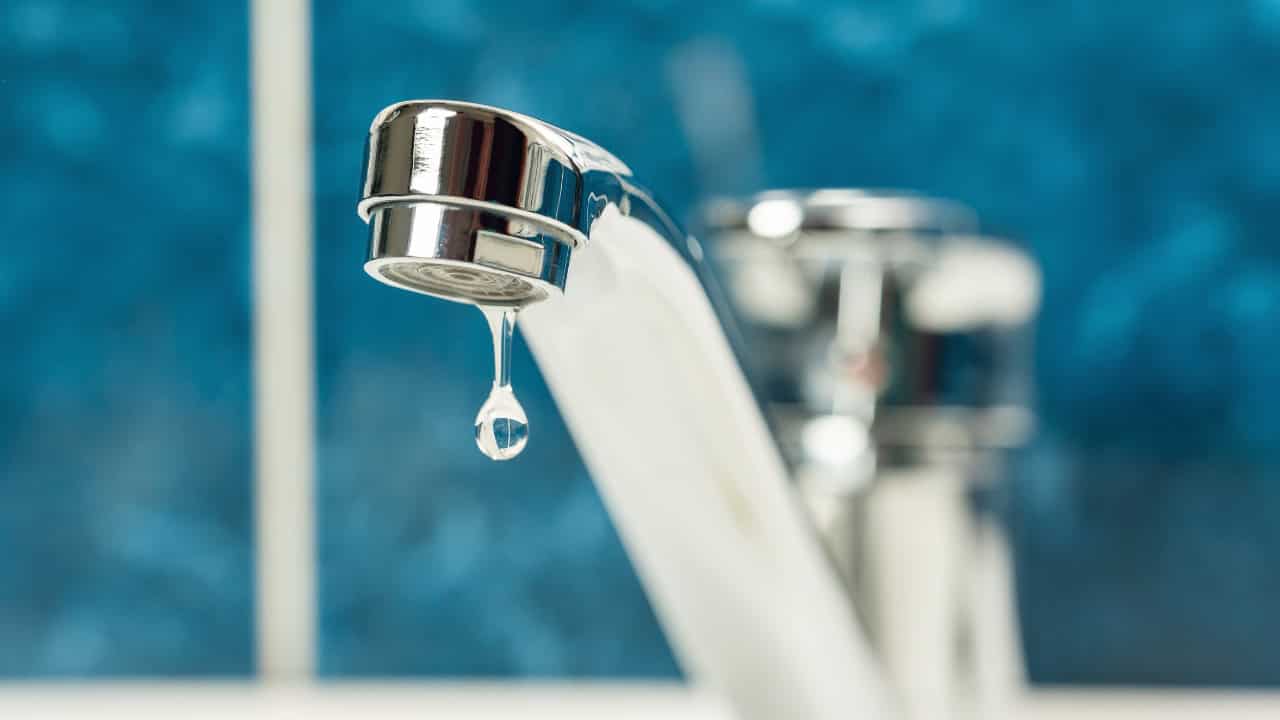
A leaky faucet might seem like a small annoyance, but it can waste hundreds of gallons of water each year and drive up your water bill. According to the EPA, a single drip per second can waste more than 3,000 gallons annually.
Besides being wasteful, leaks can damage your sink fixtures and promote mold growth. Fortunately, most faucet issues are quick fixes—sometimes just a washer replacement is all it takes.
2. Forgetting to Clean Gutters

Clogged gutters are a leading cause of water damage to homes. When they’re full of leaves and debris, rainwater overflows—putting your roof, siding, and foundation at risk.
Gutter neglect can also invite pests and lead to ice dams in colder climates. Professionals recommend cleaning them at least twice a year—once in spring and once in fall.
3. Skipping HVAC Maintenance
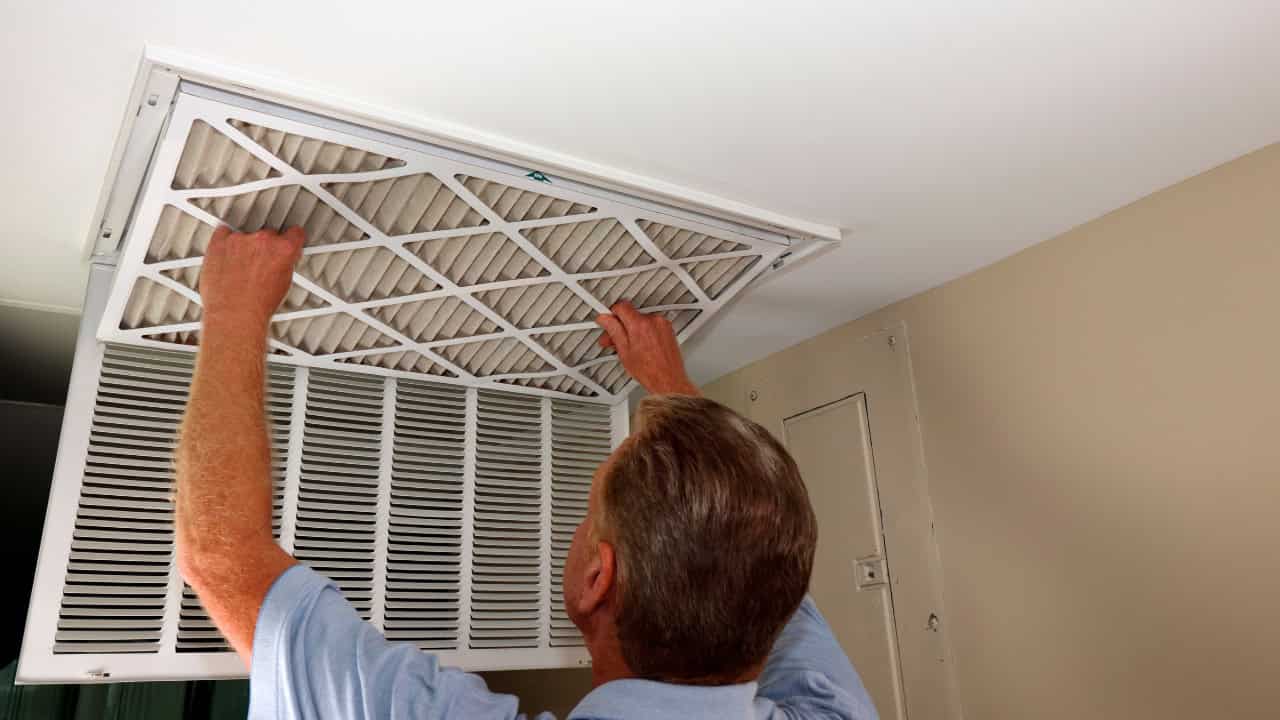
Your heating and cooling system needs regular care to run efficiently. Dirty filters make your unit work harder, which can lead to higher energy bills and premature breakdowns.
Experts suggest changing your air filter every 1–3 months and scheduling an annual tune-up. Preventative maintenance helps extend the life of your system and keeps your home comfortable year-round.
4. Neglecting Chimney Inspections
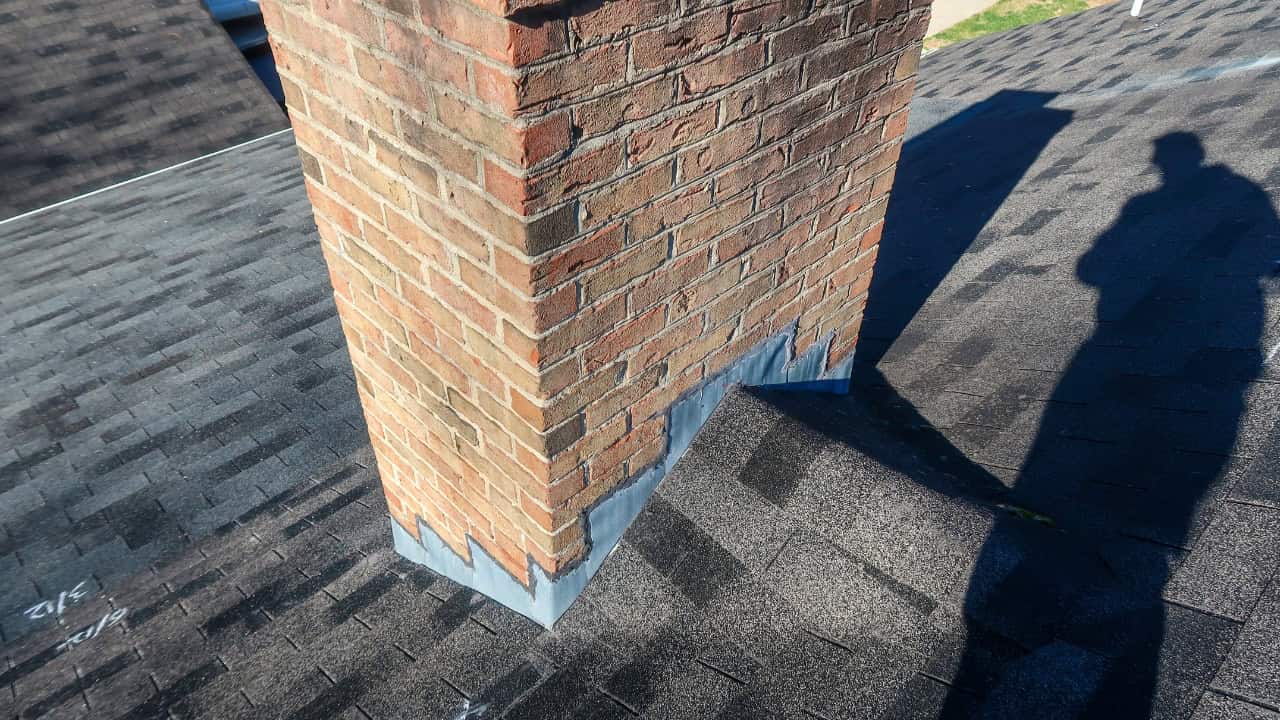
A dirty or damaged chimney is a major fire hazard. Creosote buildup, loose bricks, or flue cracks can go unnoticed until it’s too late.
The Chimney Safety Institute of America recommends a yearly inspection—especially if you use your fireplace regularly. It’s a small investment that helps keep your family safe and your home protected.
5. Overlooking Roof Damage
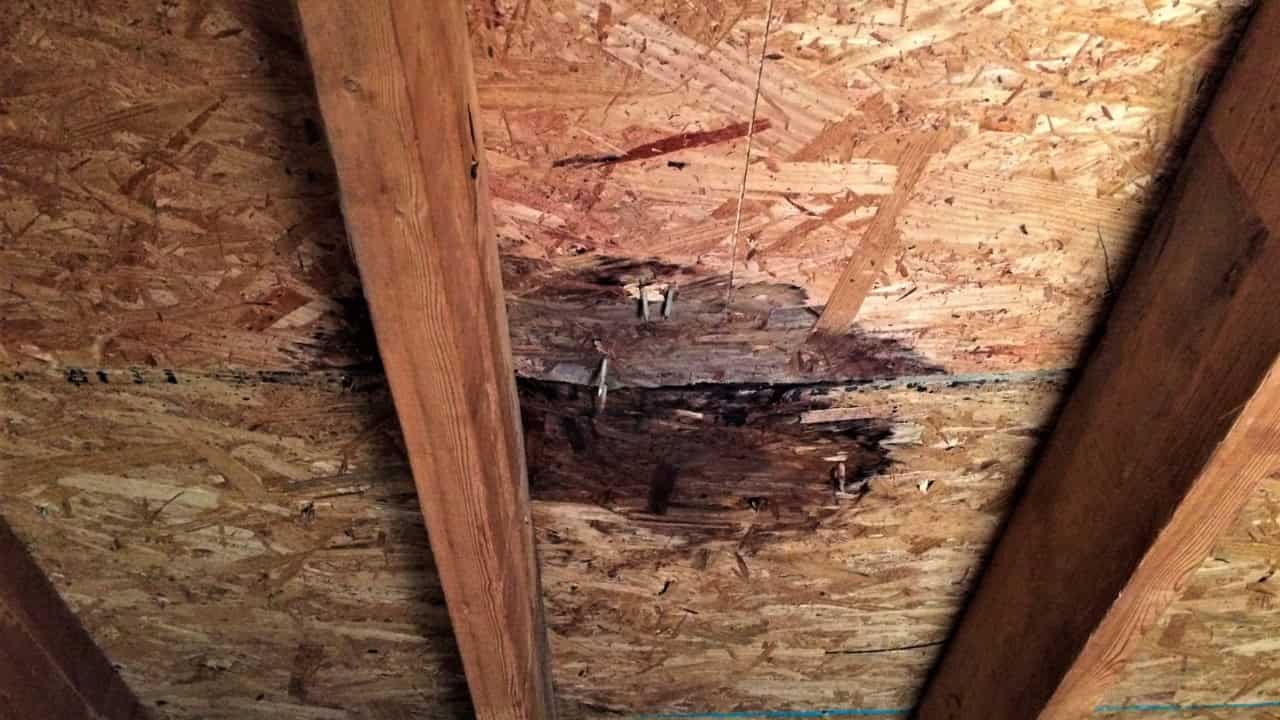
Roof damage often starts small—a missing shingle here, a tiny leak there—but left unchecked, it can lead to mold, insulation damage, and costly structural repairs.
Check your roof after major storms and at least once a year. Look for loose shingles, water stains in the attic, and sagging areas. Addressing issues early can save thousands.
6. Delaying Pest Control
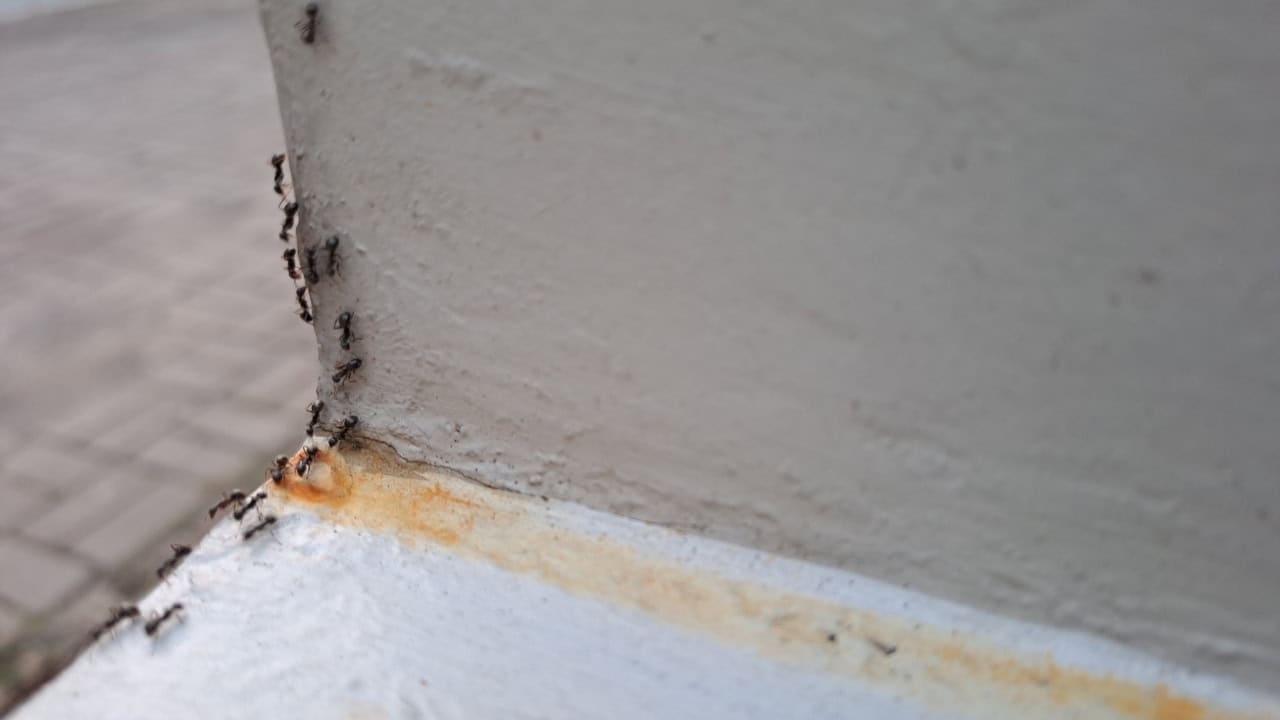
Small pest problems can turn into infestations fast. Rodents chew through wires, termites eat your foundation, and ants take over your pantry.
The National Pest Management Association recommends routine inspections, especially if you live in an area prone to infestations. Catching issues early prevents expensive extermination and damage repairs.
7. Mismanaging Electrical Panels
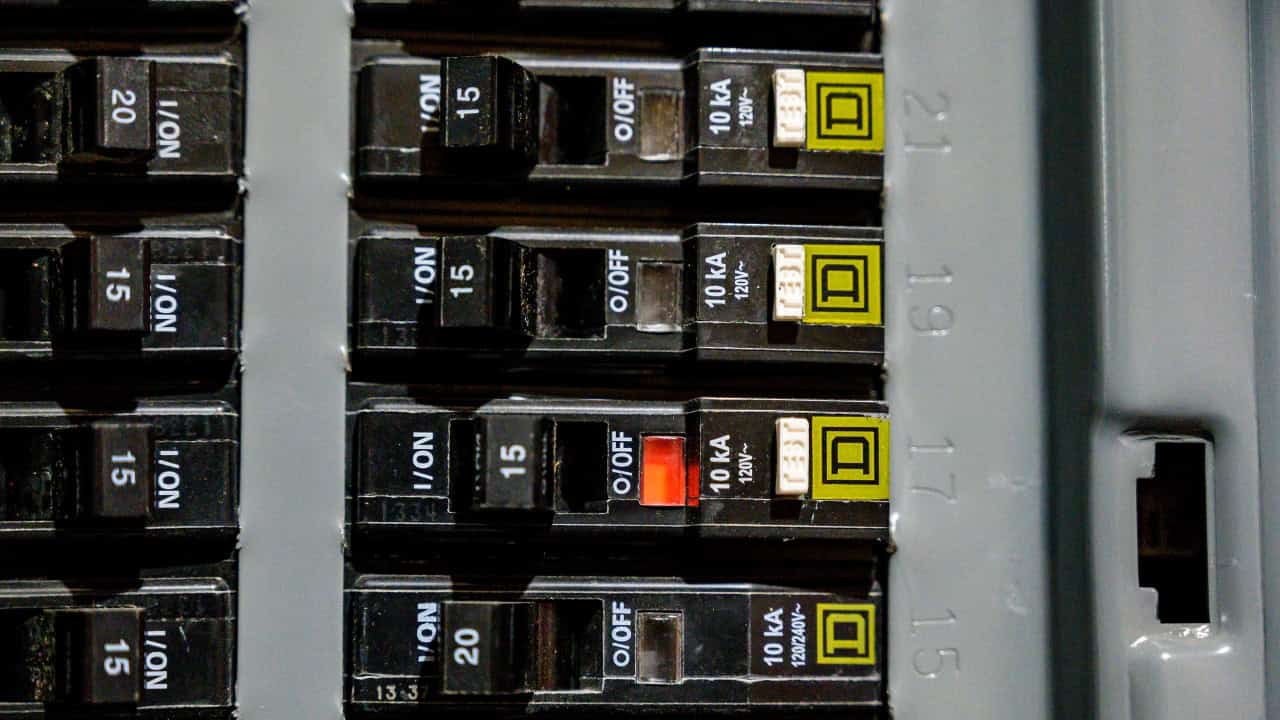
An electrical panel that’s outdated, overloaded, or corroded can pose serious safety risks. Frequent breaker trips may signal bigger issues behind your walls.
Make sure your circuits are clearly labeled and regularly check for signs of rust or frayed wires. If anything looks suspicious—or if your system is over 25 years old—call a licensed electrician.
8. Failing to Trim Overgrown Trees
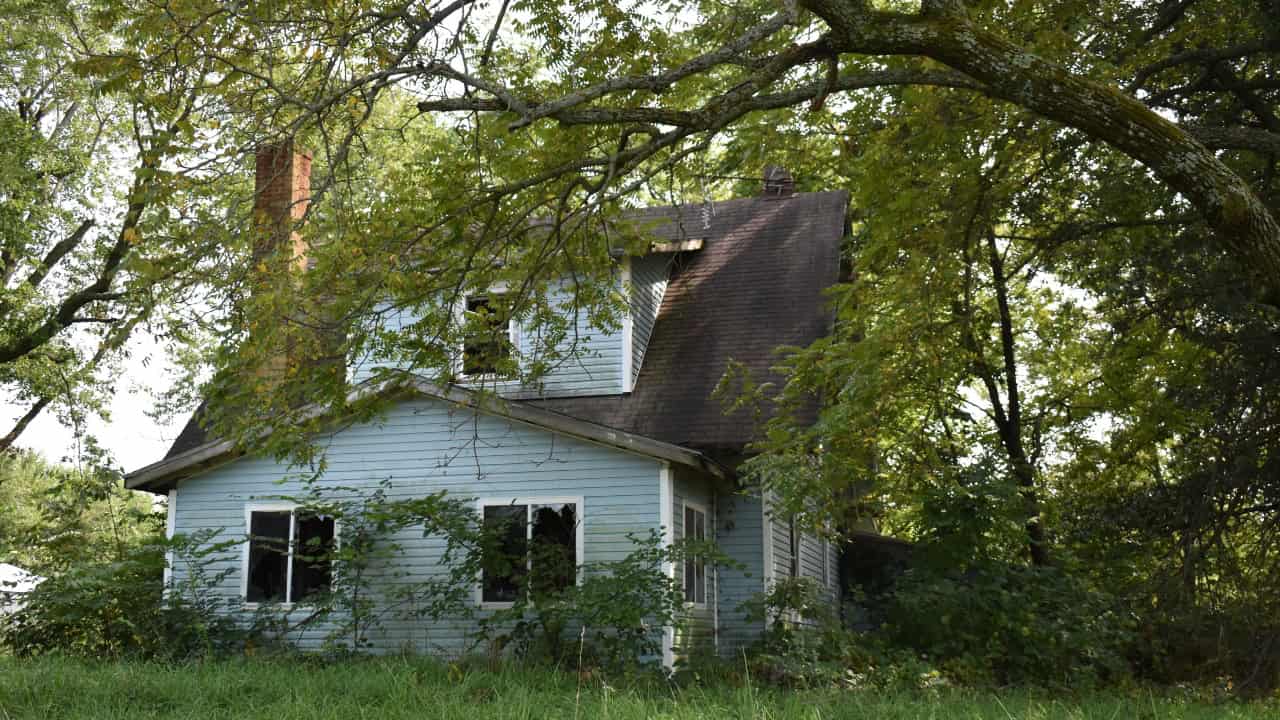
Trees too close to your home can do real damage. Overhanging limbs can scratch your roof, clog your gutters, and give pests easy access indoors.
During storms, weak branches may break and fall, risking injury or property damage. Regular trimming improves curb appeal and helps keep your home safe.
9. Not Testing Smoke Alarms
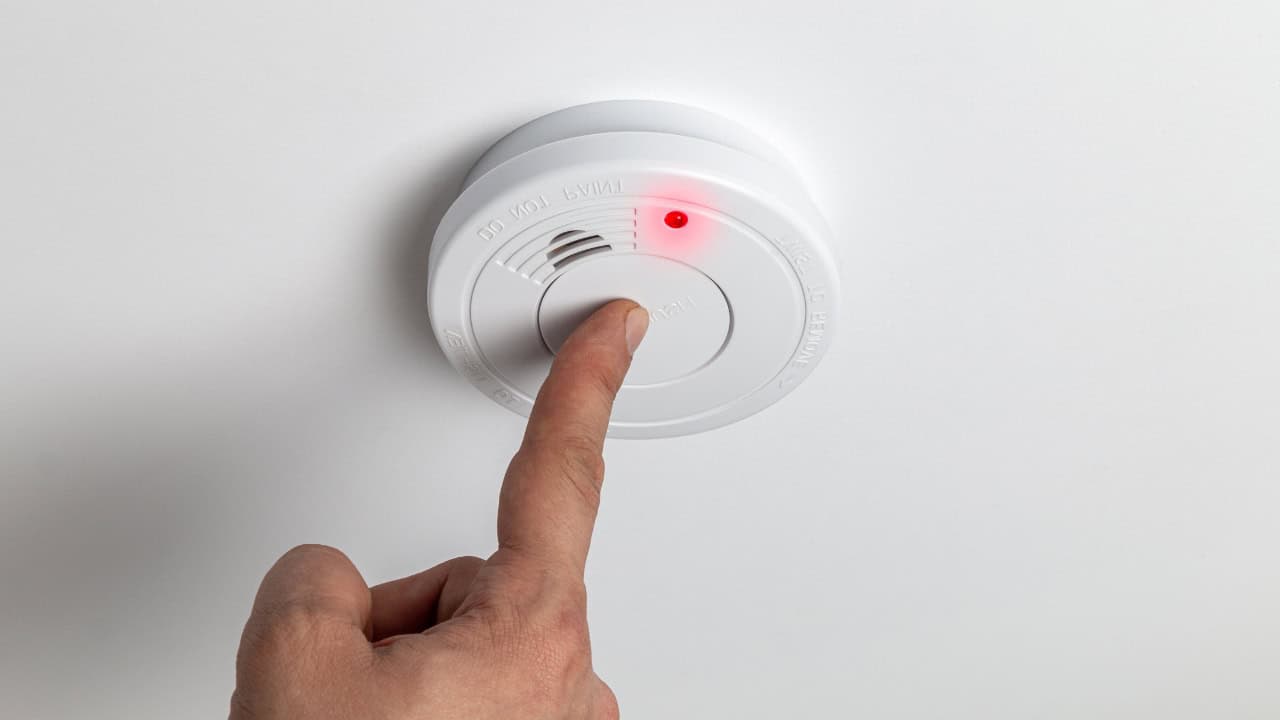
Smoke detectors save lives—but only if they work. You should test them monthly and replace the batteries at least once a year.
The U.S. Fire Administration also recommends replacing entire units every 10 years. Don’t wait until an emergency to discover yours isn’t working.
10. Using Wrong Paint on Exteriors
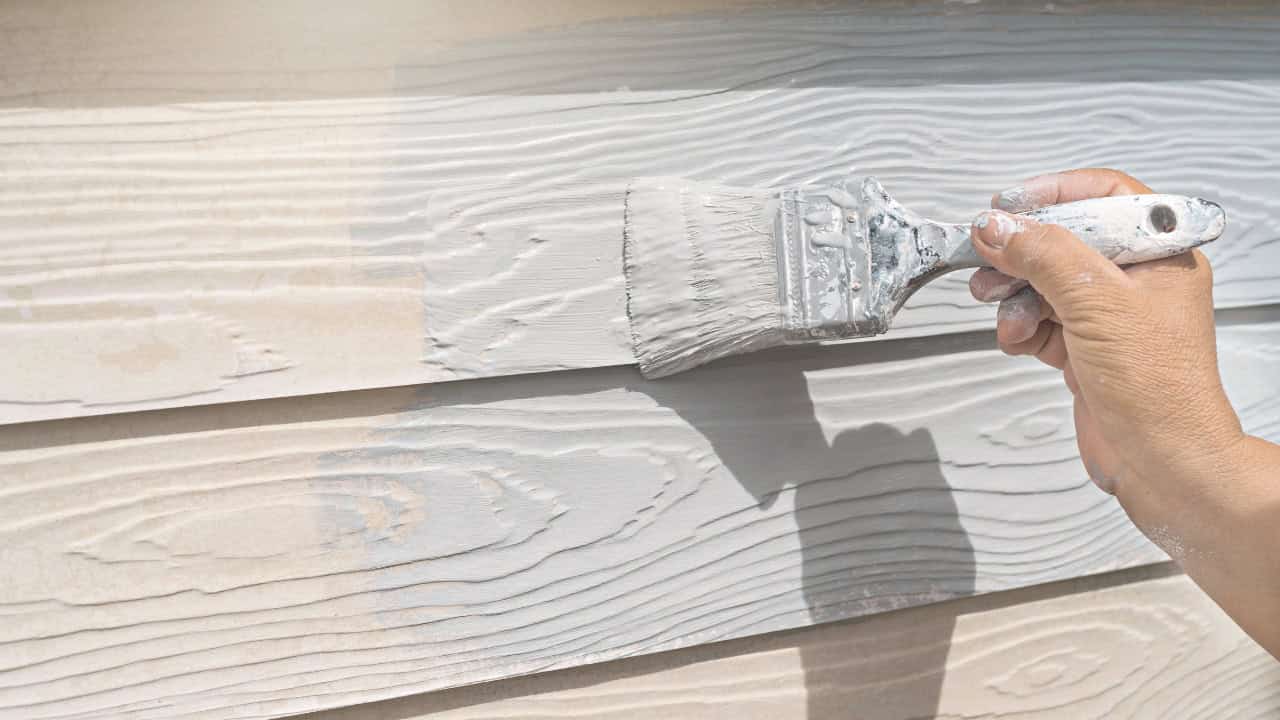
Using the wrong paint outdoors can ruin your curb appeal and leave surfaces exposed to weather damage. Interior paint, in particular, won’t hold up to sun, rain, or temperature swings.
Always use high-quality exterior paint that’s made for your climate. Look for products with UV and mildew resistance for best results.
11. Disregarding Water Heater Service
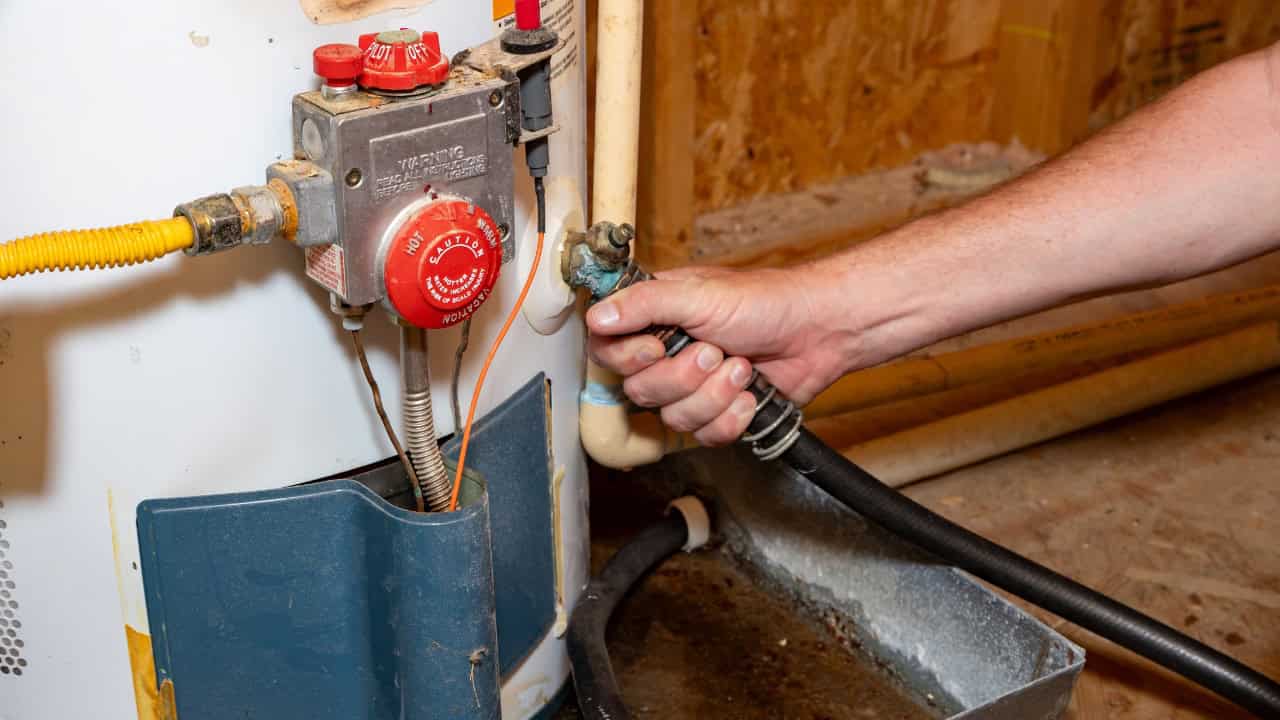
If you don’t flush your water heater once a year, mineral buildup can reduce its efficiency and lead to expensive breakdowns.
Signs of trouble include rumbling noises, slower hot water delivery, and rusty water. Performing this quick task extends your heater’s lifespan and improves performance.
12. Avoiding Dryer Vent Cleaning
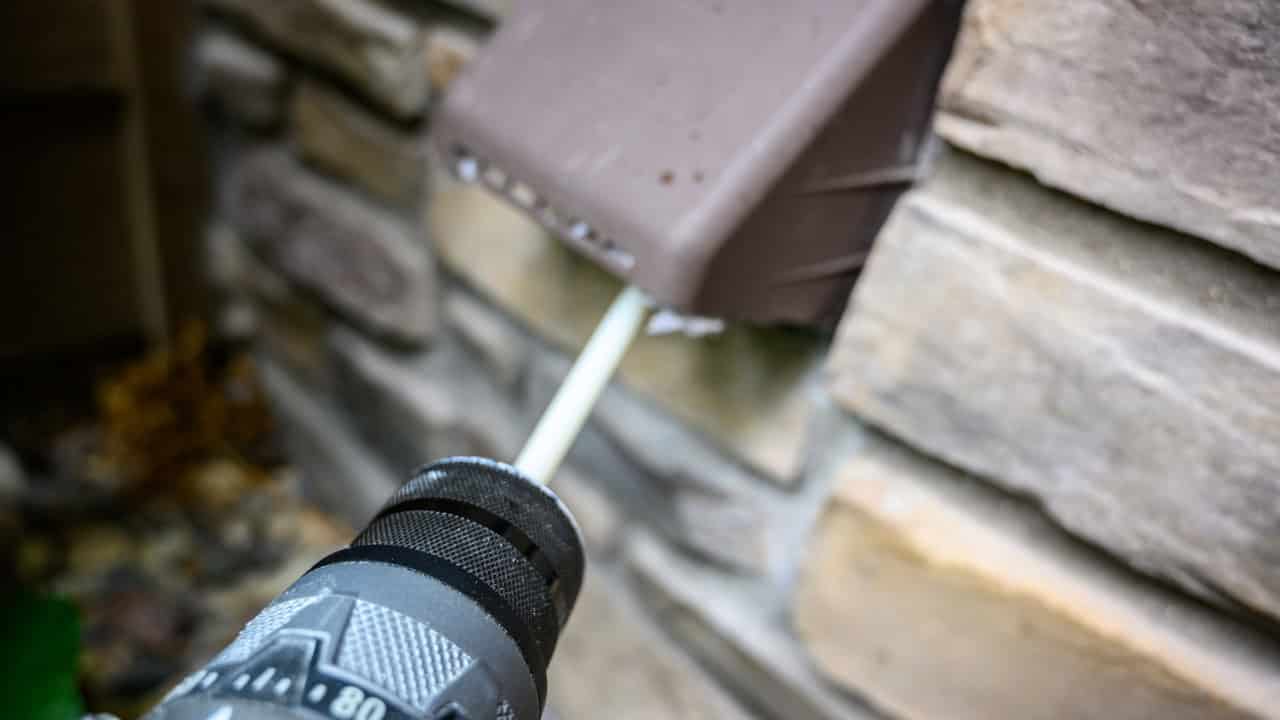
Lint-clogged dryer vents are a major fire hazard. According to the U.S. Fire Administration, dryer fires cause about $35 million in property loss annually.
A clogged vent also forces your dryer to work harder, shortening its lifespan. Clean the vent at least once a year—or more if you use the dryer frequently.
13. Improperly Sealing Windows
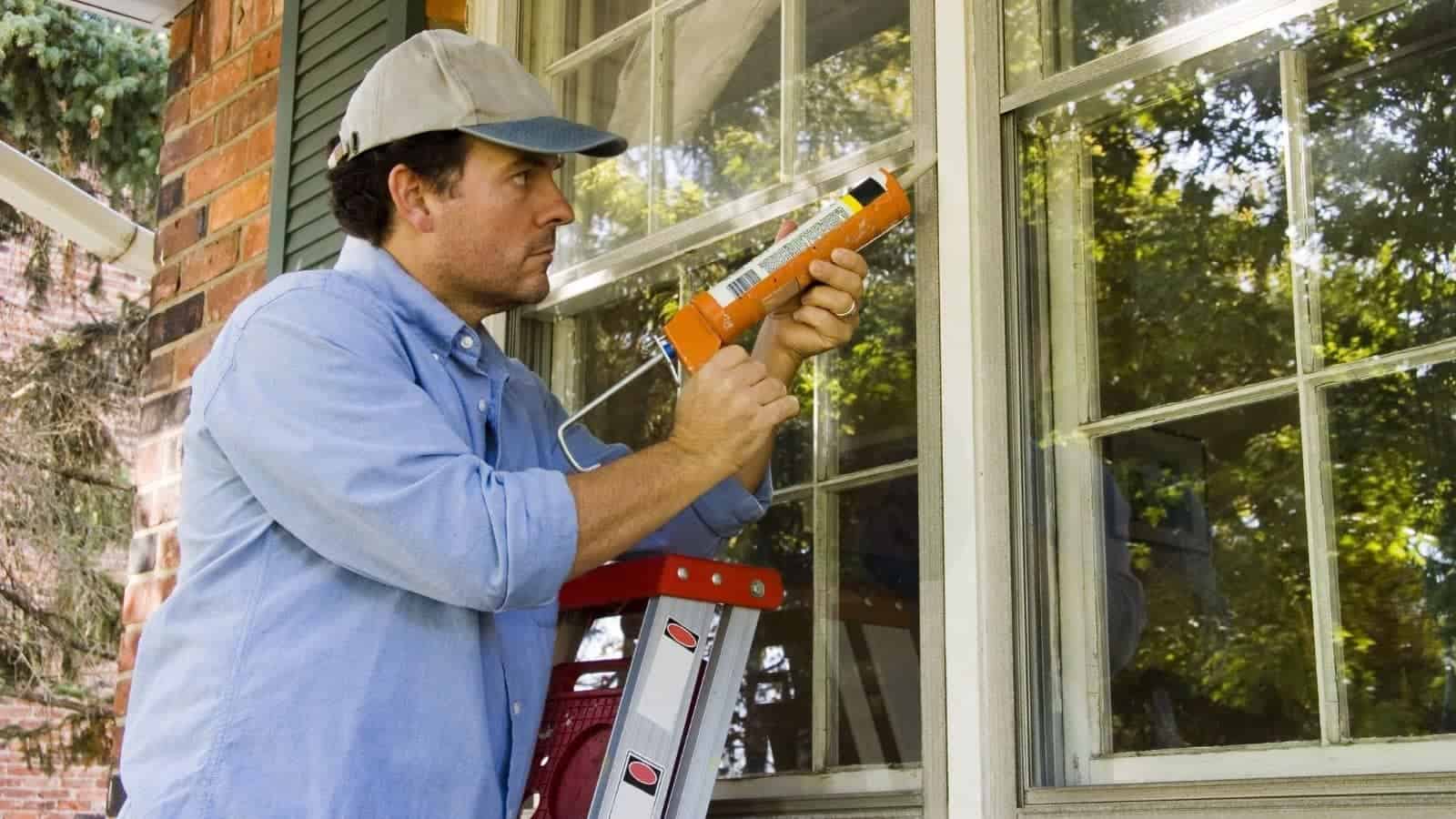
Gaps in window seals let in drafts and moisture, raising energy bills and inviting mold. Over time, that added stress can wear out your HVAC system.
Use weatherstripping or silicone caulk to seal leaks around windows and doors. Check annually—especially before winter hits—to make sure everything’s airtight.