Pruning your trees might seem simple, but doing it wrong can actually hurt them. Many people don’t realize that certain habits can damage the tree’s health and make problems worse over time.
Knowing which pruning mistakes to avoid helps you keep your trees strong and healthy. Taking care with how and when you prune will make a big difference in how well your trees grow.
Advertisement
Topping large branches excessively
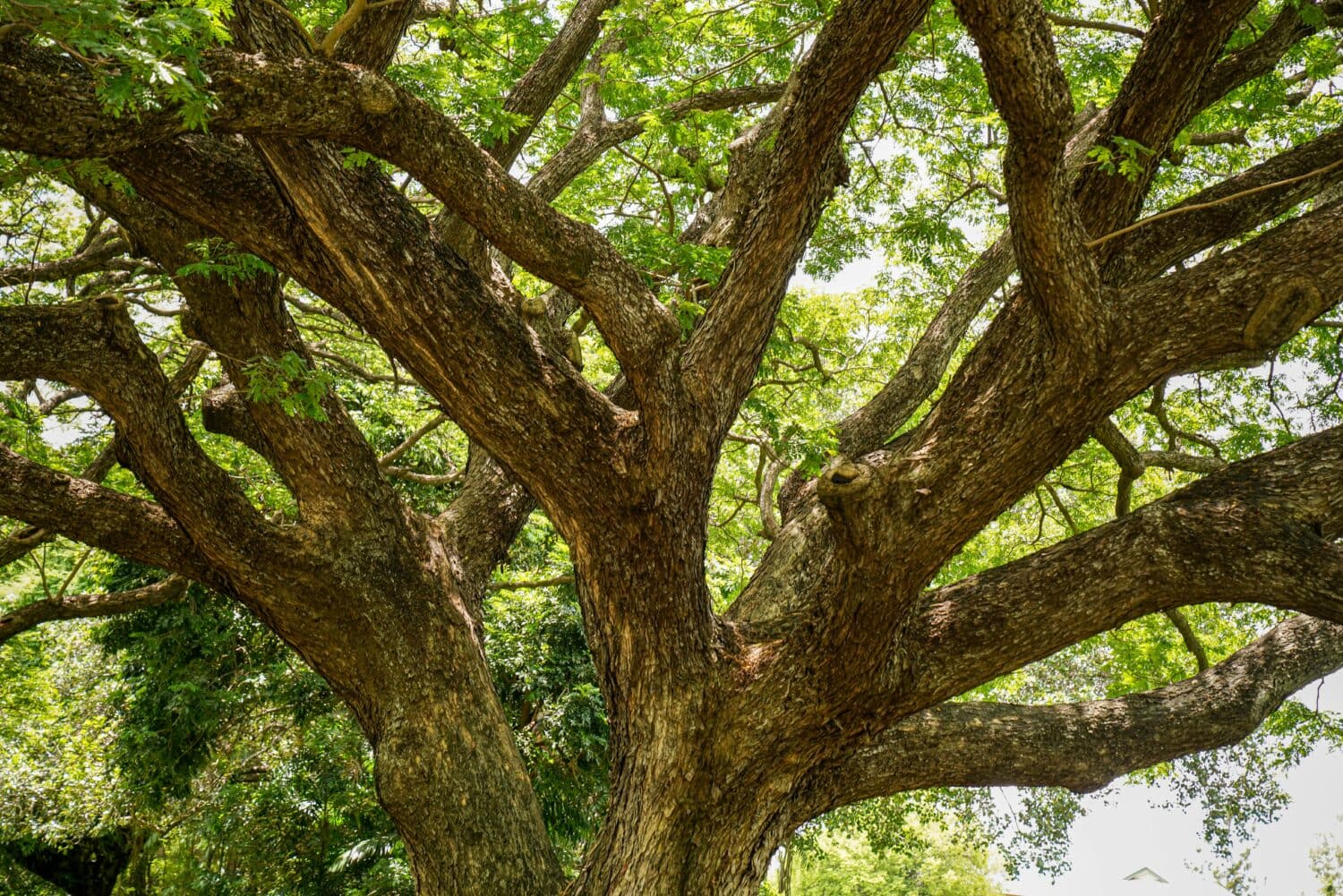
When you cut big branches too much, it can harm your tree. The cuts are usually large and far from where branches naturally meet. This makes it hard for your tree to heal.
Your tree might grow weak new shoots, which break easily. Instead of topping, try pruning smaller branches carefully.
Making flush cuts at branch collars
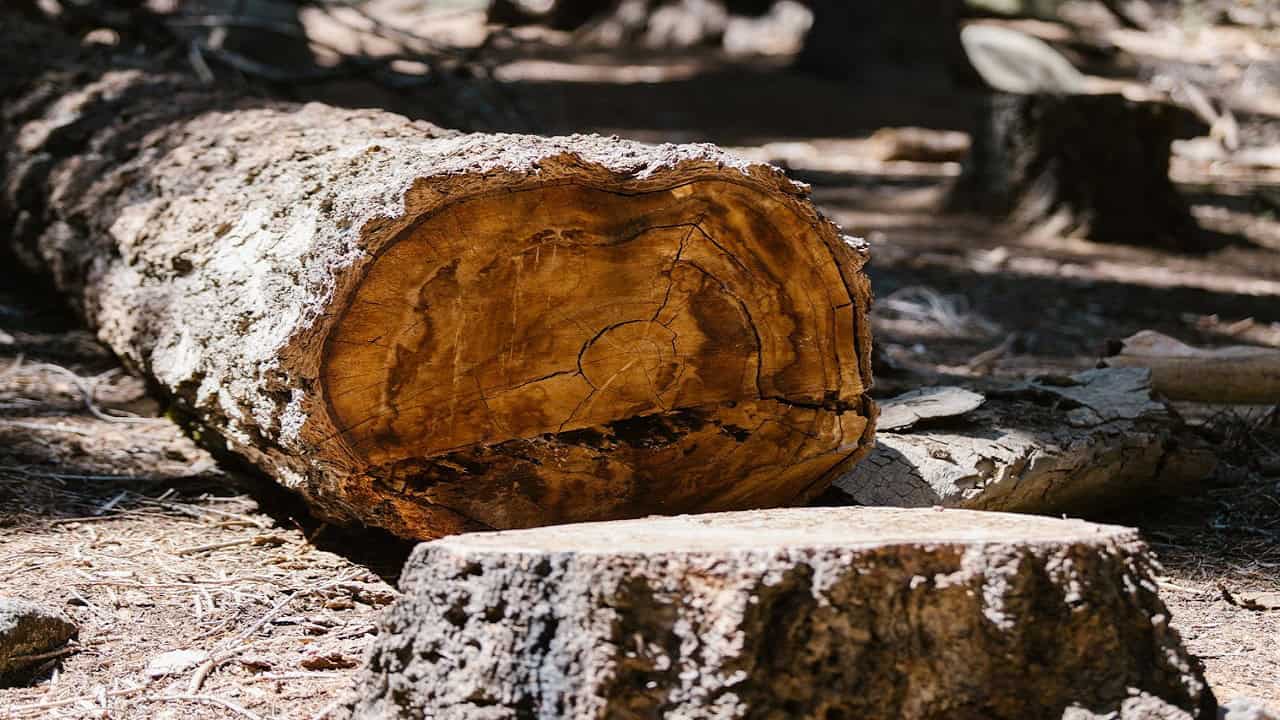
You might think cutting branches flush with the trunk is best, but it’s not. When you cut too close, you remove the branch collar, which helps protect the tree from infection.
If you make a flush cut, the tree loses its natural defense and the wound takes longer to heal. Always cut just outside the branch collar to keep your tree healthy.
Leaving pruning stubs behind
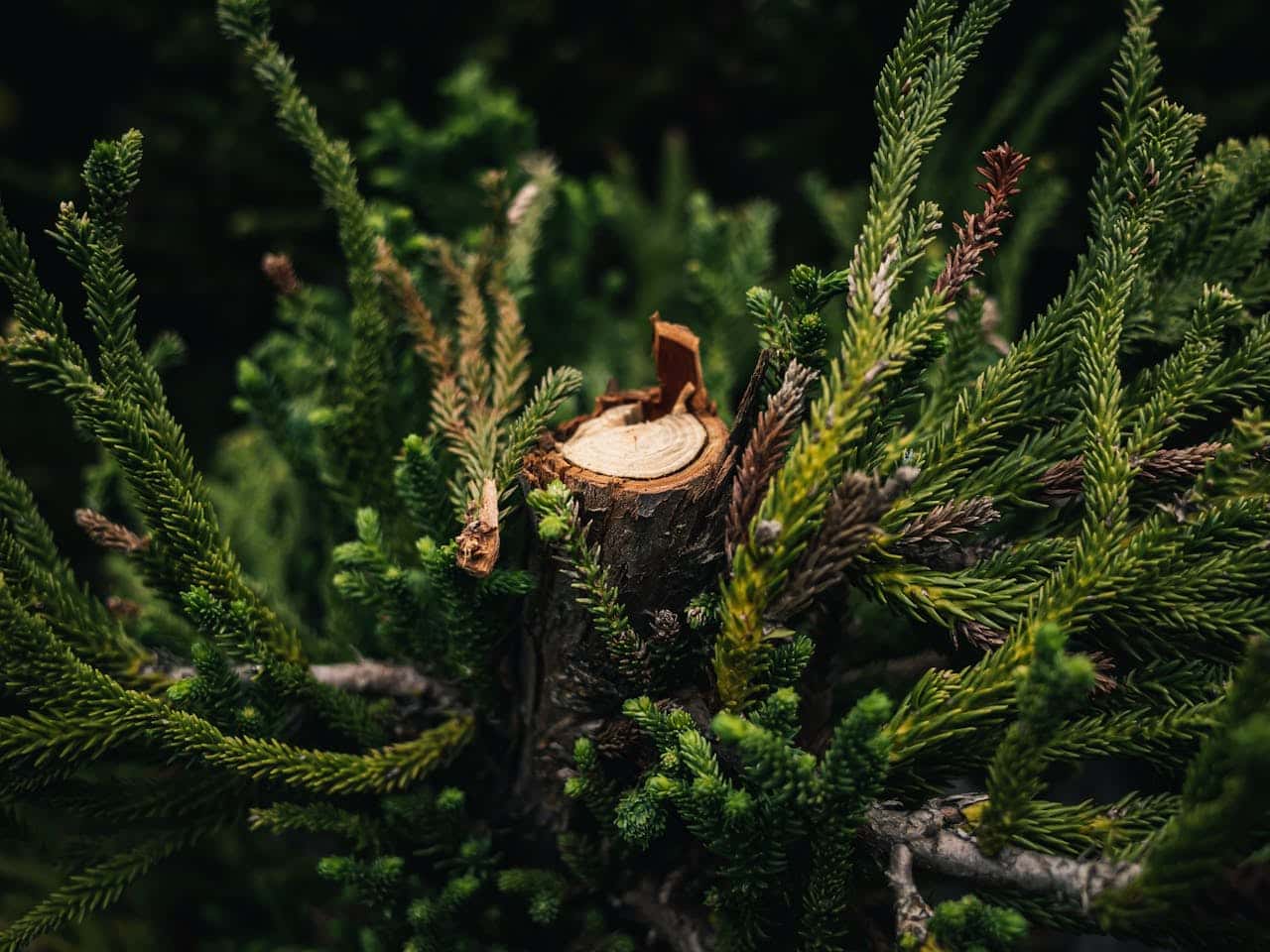
When you leave stubs on your tree, it can cause problems. Stubs don’t heal well and can let in pests or diseases.
You should cut branches back to the trunk or to a healthy side branch. This helps your tree heal faster and stay strong. If you leave a stub too long, it might die and become a place for bugs or fungi to grow. Always aim for clean, proper cuts.
Cutting too close to the trunk
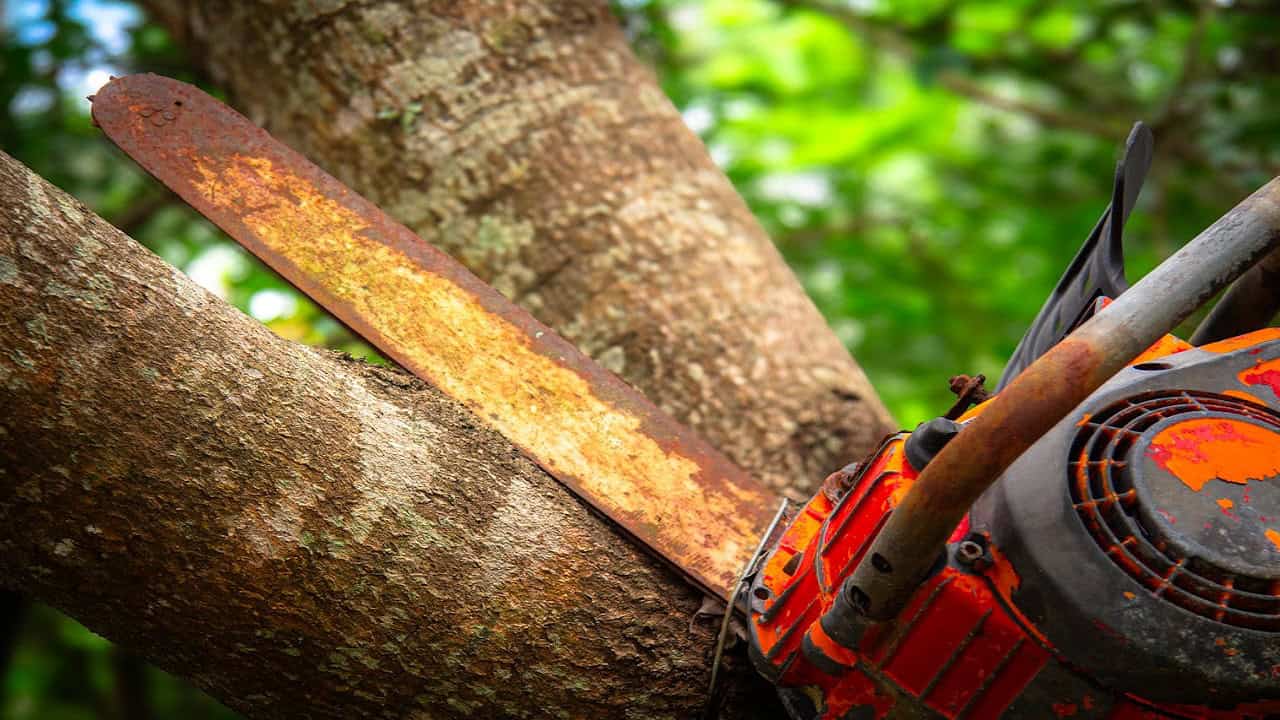
When you cut branches too close to the trunk, you can damage the tree’s protective bark. This harm makes it easier for pests and diseases to get in.
You want to leave a small collar of wood near the branch base. This helps the tree heal better and stay strong. Cutting too close can slow down healing and cause bigger problems later.
Removing too many branches at once
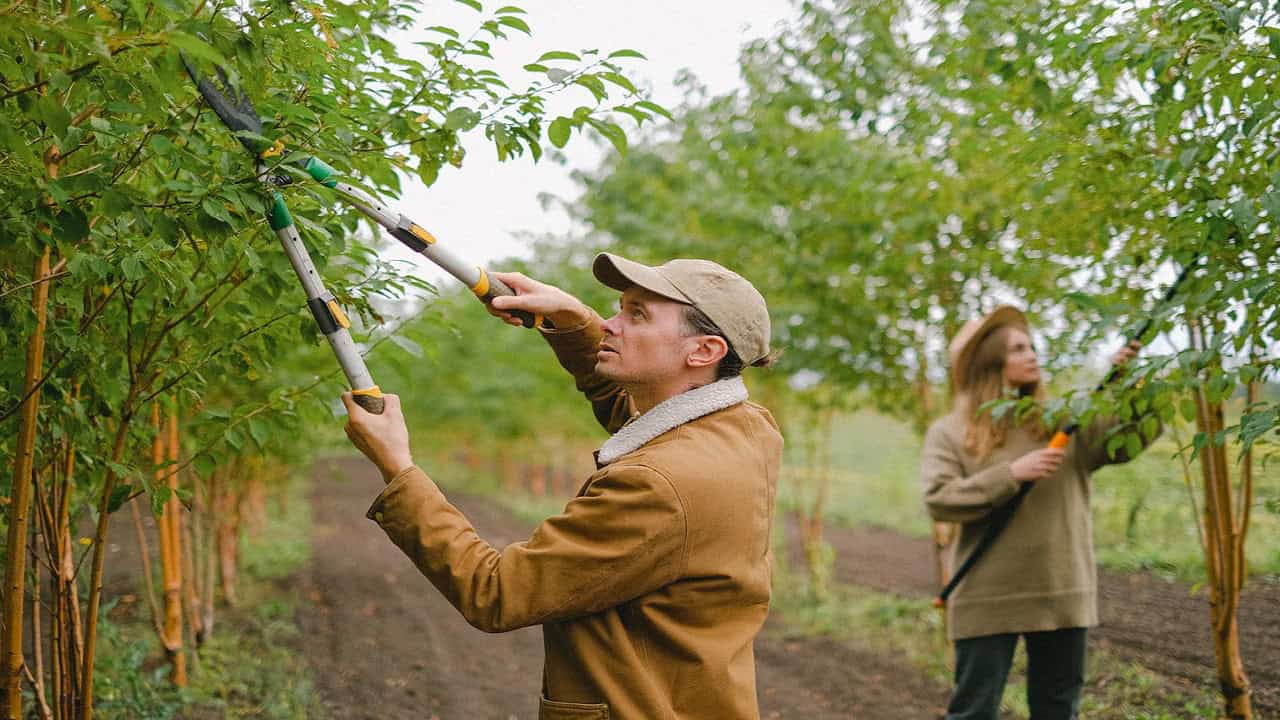
If you cut off too many branches at the same time, your tree can get stressed. This can slow its growth and make it weaker.
You want to keep most of the leaves so the tree can keep making food. Take off only a few branches in one session. Removing too much can also leave big wounds, which might let diseases or bugs inside. Take it slow and give your tree a chance to heal.
Pruning in the wrong season

Pruning at the wrong time can stress your tree. Cutting leaves or branches during its growing season may slow down its growth.
If you prune in late fall or winter, you might remove important buds. This can stop your tree from blooming or producing fruit. Try to prune during the tree’s dormant season, usually late winter to early spring. This helps your tree heal faster and stay healthy.
Ignoring the tree’s natural shape

When you prune without thinking about how the tree naturally grows, you can make it look awkward. Cutting branches in strange ways may confuse the tree and slow its growth.
Your tree has its own shape for a reason. Try to follow it to keep your tree healthy and strong. Don’t force it into a shape it doesn’t want.
Using dull or dirty tools
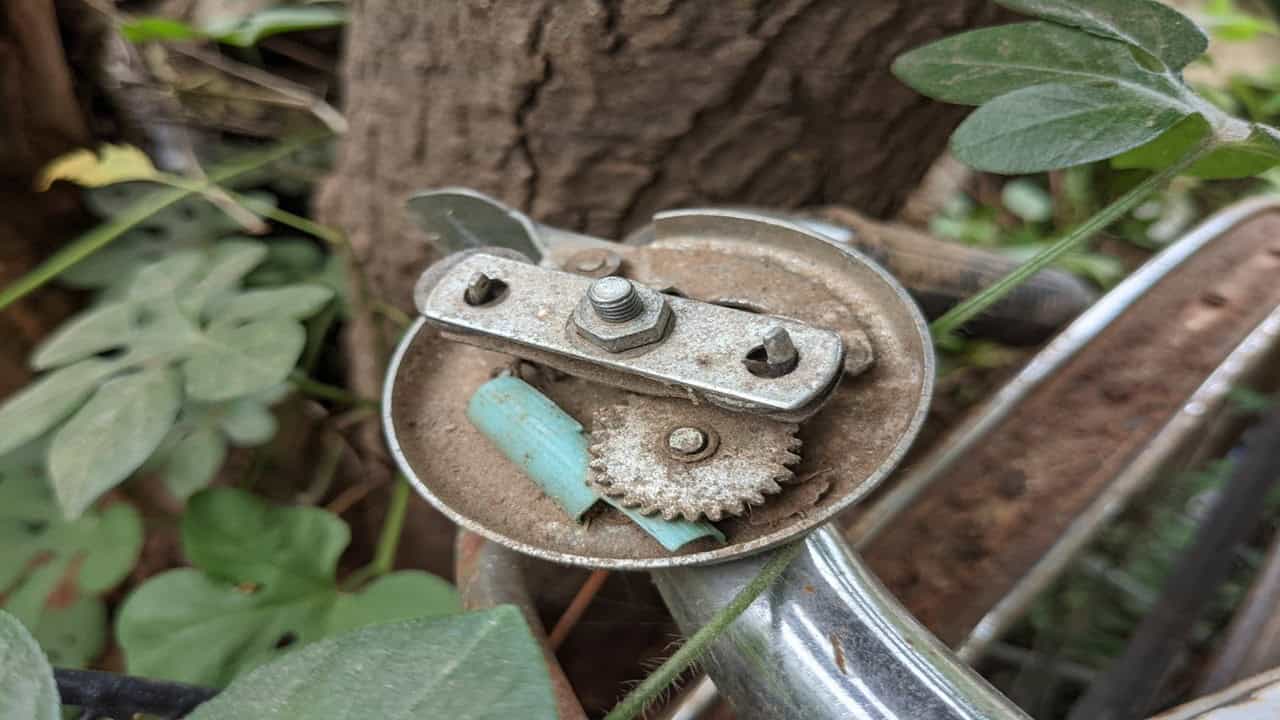
If you use dull tools, your cuts will be rough. This can hurt your tree and slow healing.
Dirty tools can spread diseases from one tree to another. Always clean your tools before you start pruning.
Keeping blades sharp and clean helps make smooth cuts. This keeps your trees healthier and safer.
Removing healthy branches unnecessarily
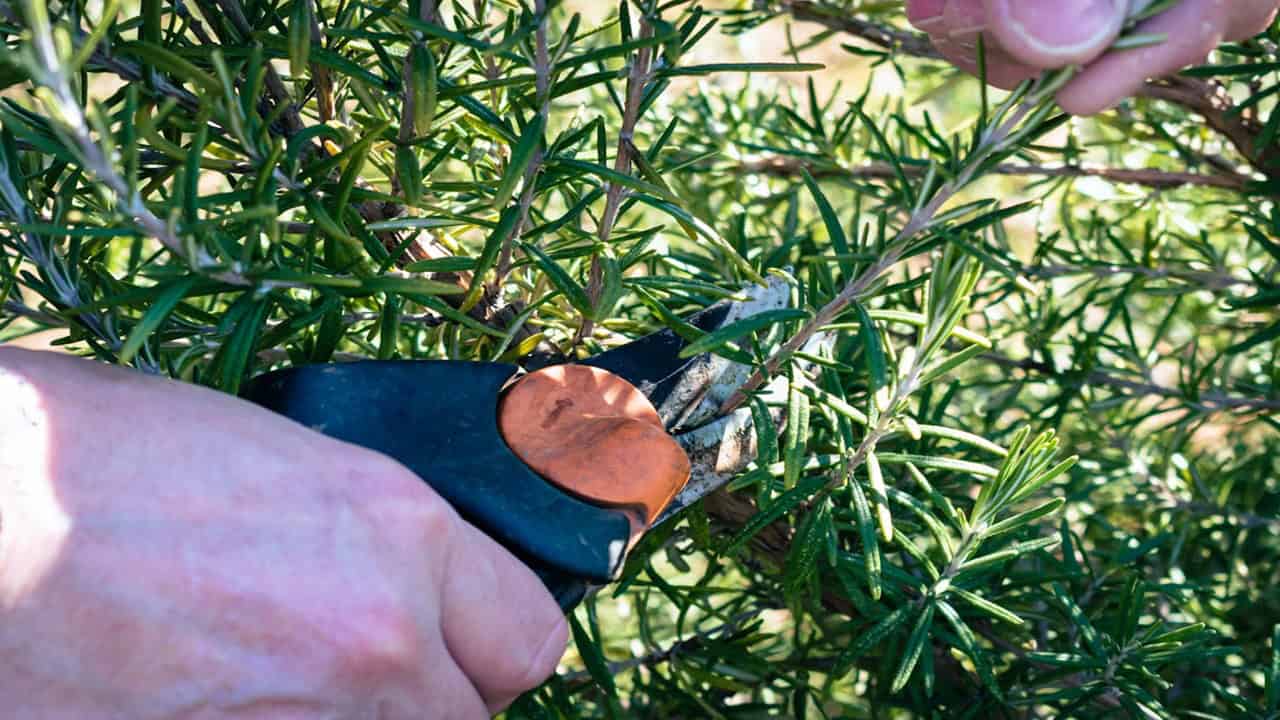
You might think cutting healthy branches will help your tree grow better, but it can actually weaken it. Each branch helps the tree make food, so cutting too many slows growth.
Only remove branches that are dead, damaged, or cause problems. Cutting healthy ones can stress your tree and make it more likely to get sick. Keep your pruning purposeful to keep your tree strong.
Failing to seal large wounds

You might think sealing big cuts on your tree helps it heal faster. But using wound dressings can actually trap moisture and cause decay.
It’s better to let the tree heal naturally. Trees have their own ways to protect and close wounds over time without extra products. Avoid putting anything on large wounds unless a professional recommends it. Let your tree do its job.
Over-pruning young trees
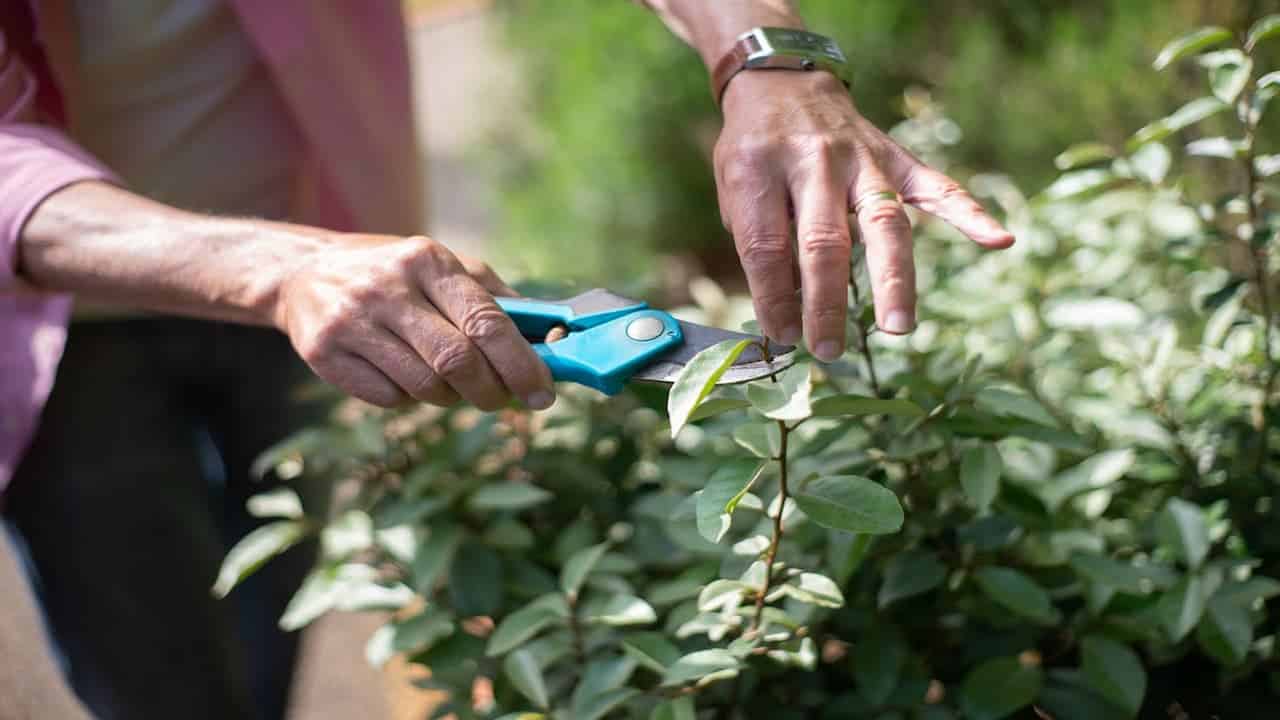
If you cut too much off a young tree, it can slow its growth. Young trees need leaves to make food, so over-pruning can weaken them.
You might think trimming a lot helps, but it actually stresses the tree and can cause damage.
Be careful to remove only dead or weak branches. Let your young tree grow strong over time.
Cutting too much canopy at once

If you chop off a big chunk of your tree’s canopy in one go, it can really stress the tree. Trees need their leaves to make food, so cutting too many at once can slow down their growth.
Try to keep your cuts to about 10-20% of the live canopy each time. Taking too much off can also lead to disease and weak branches later.
Pruning during drought stress
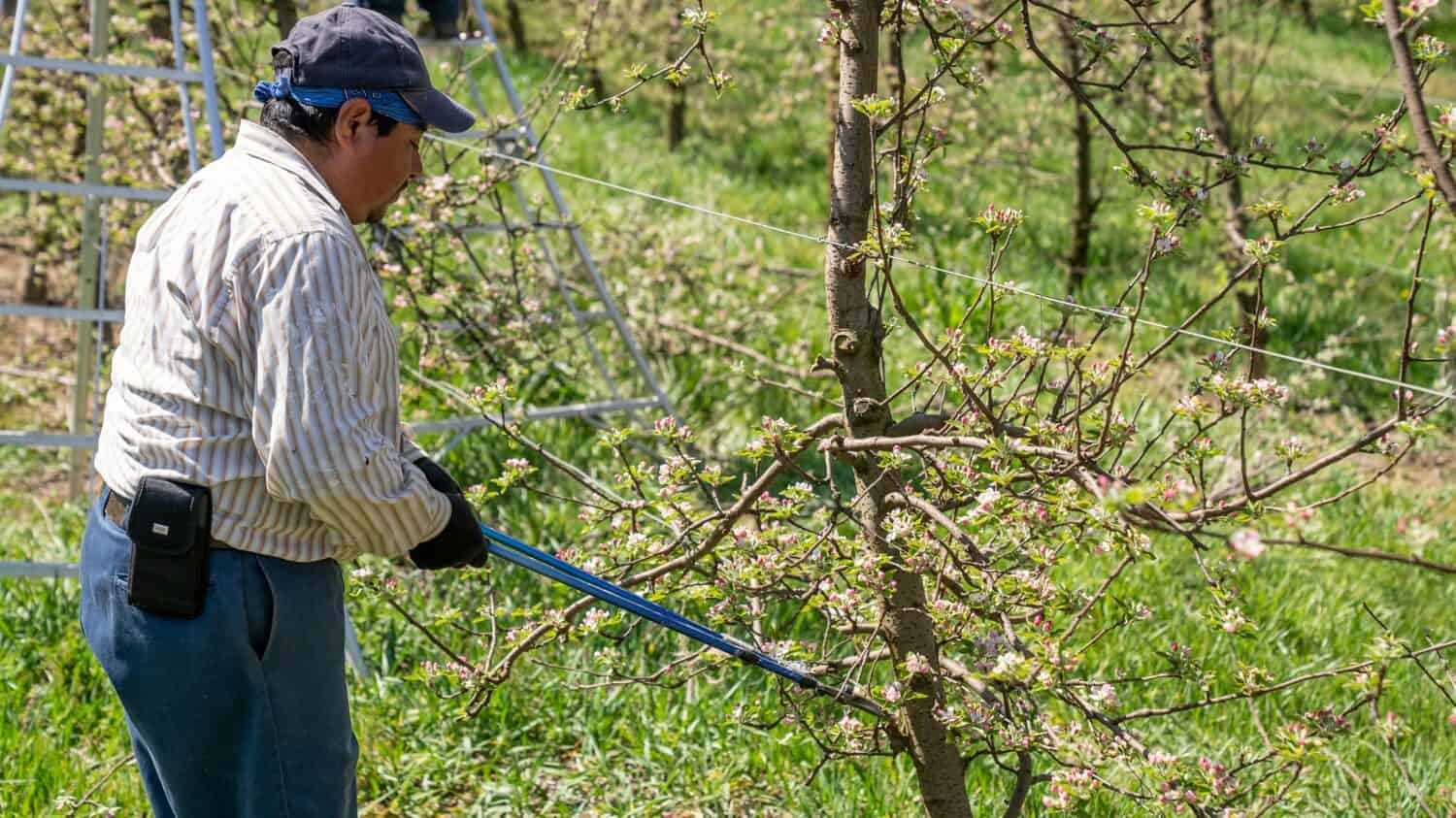
When your tree is under drought stress, pruning can do more harm than good. If you cut healthy branches, it can slow down the tree’s recovery and make it more vulnerable to pests and disease.
Focus only on removing dead, diseased, or broken limbs. Avoid heavy pruning until the drought ends and your tree is stronger.