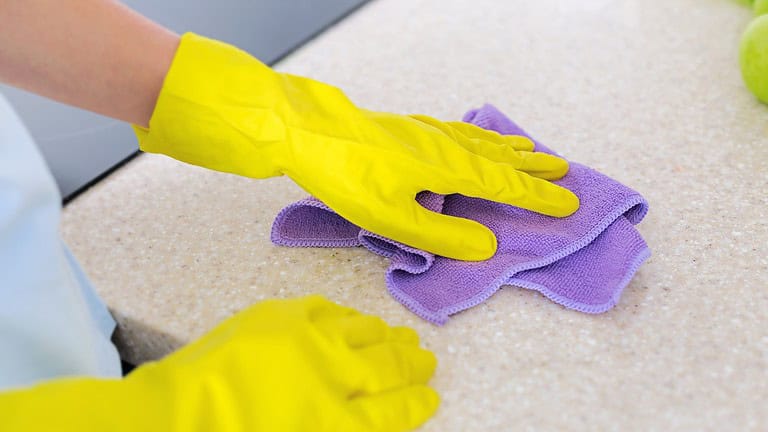
Wood floors bring warmth and beauty to any home, but they require proper care to keep them looking their best. Many everyday habits can unintentionally cause damage, even if you’re trying to maintain them.
Understanding what common actions might be harming your wood floors helps you protect your investment and keep your floors in good shape. With a bit of awareness, you can avoid mistakes that lead to scratches, dullness, or other issues over time.
Advertisement
Using vinegar to clean floors
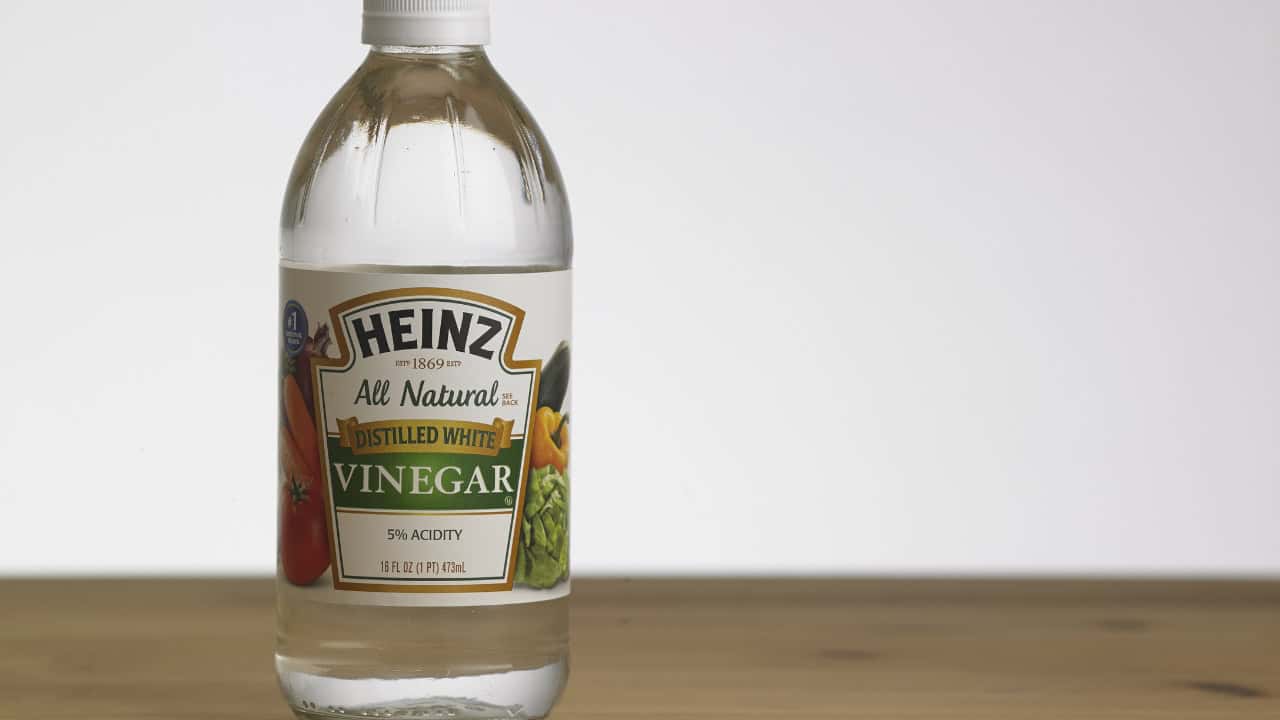
You might think vinegar is a safe, natural cleaner for your wood floors. However, its acidity can strip the sealant and damage the finish over time.
Using vinegar too often can dull the protective layer and make your floor look worn.
Also, mixing vinegar with water may cause excess moisture, leading to swelling or discoloration in the wood. It’s best to avoid vinegar for regular hardwood cleaning.
Mopping wood floors with excessive water
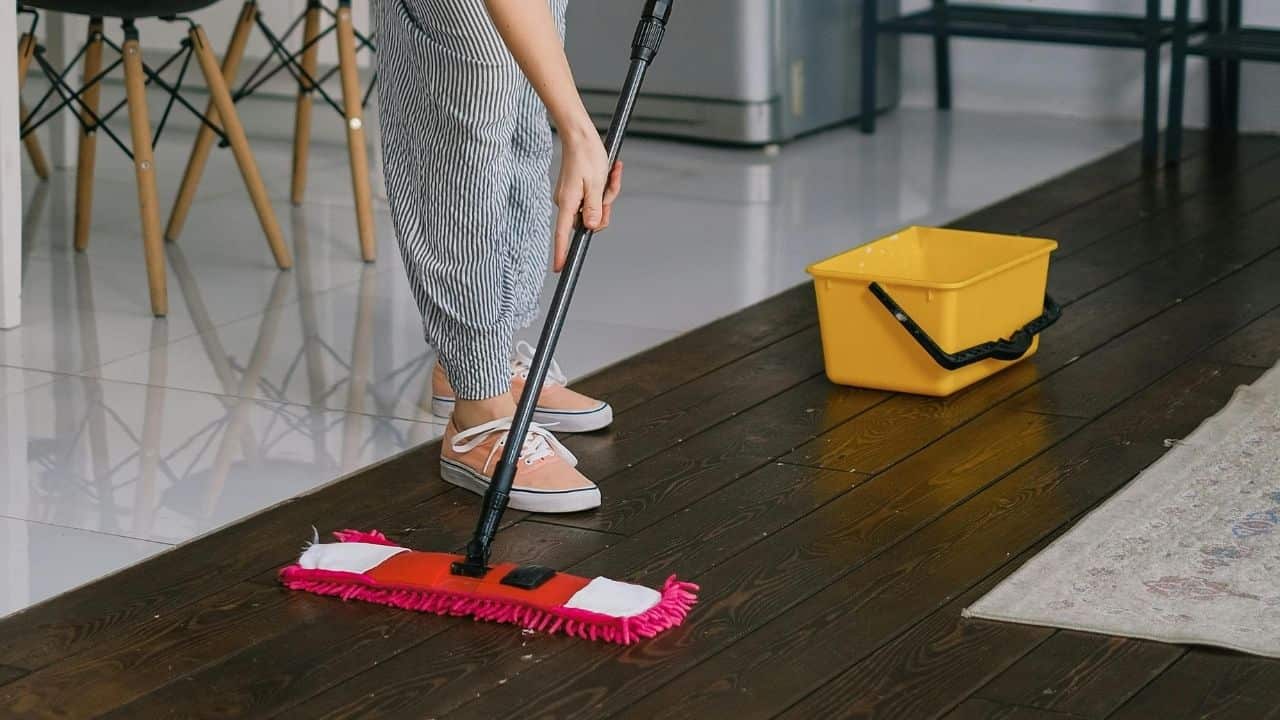
You should always avoid using too much water when mopping wood floors. Excess moisture can seep into the wood, causing it to swell or warp over time.
Instead, use a damp mop rather than soaking the floor. This helps clean your floors without risking damage.
Be sure to clean up any spills quickly, so water doesn’t sit on the surface and cause problems.
Using steam mops on wood floors
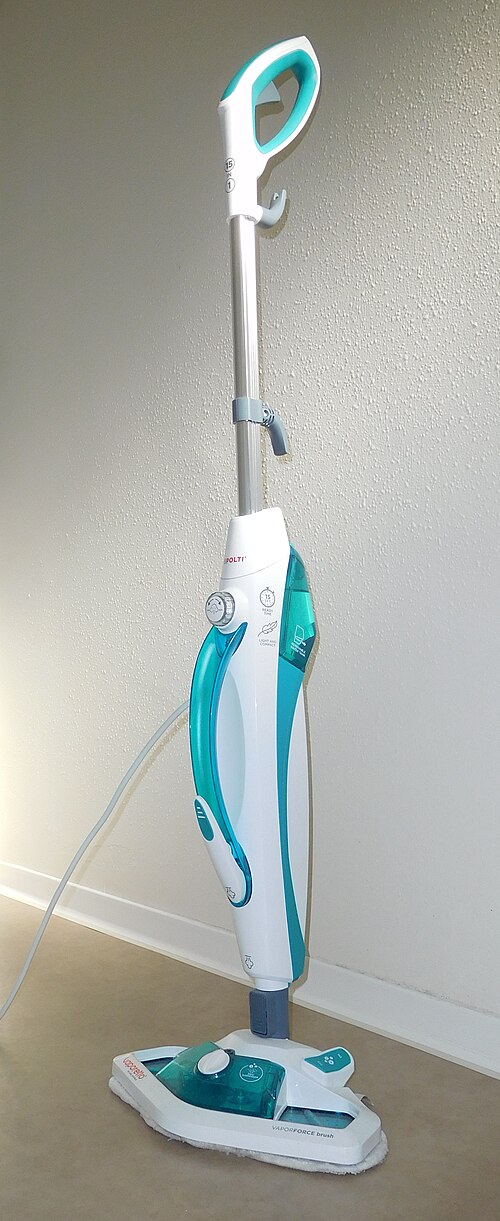
Using a steam mop on your wood floors can cause damage over time. The heat and moisture break down the floor’s finish, allowing water to seep into the wood.
This often leads to swelling, warping, or buckling. To protect your floors, avoid steam mops and stick to gentler cleaning methods.
Allowing direct sunlight to fade floors
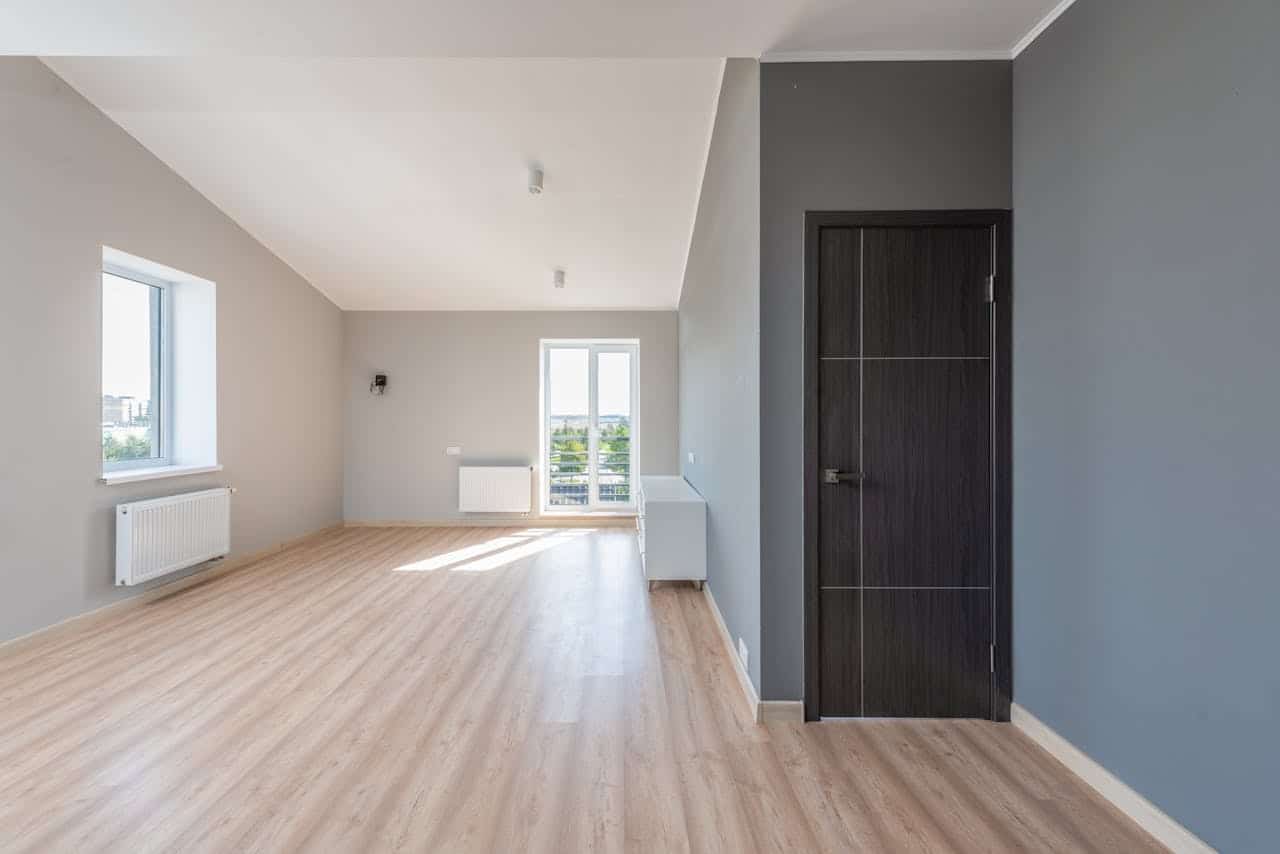
When sunlight streams into your home, it can slowly fade your wood floors. UV rays break down the wood’s finish, causing uneven discoloration over time.
To protect your floors, try moving rugs and furniture occasionally. This helps avoid noticeable faded lines where sunlight hits the floor directly.
Using curtains or UV window films is another simple way to reduce sun damage. Keeping sunlight controlled preserves your floor’s natural look longer.
Using vacuum cleaners with beater brushes
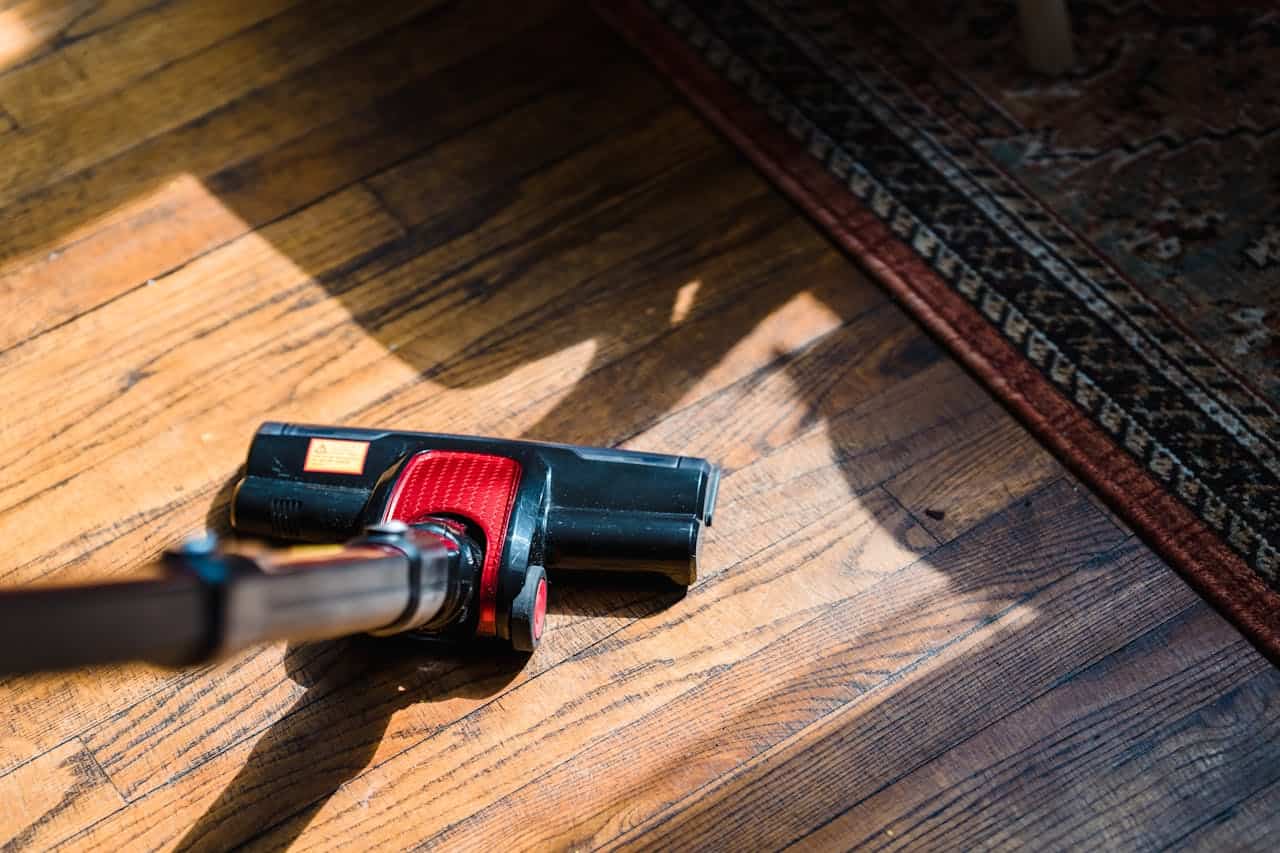
Using a vacuum with beater brushes on your wood floors can cause scratches. The spinning bristles can wear down the finish over time.
Some vacuums scatter dust instead of picking it up, making cleaning less effective.
To protect your wood, turn off the brushroll or use a vacuum designed for hardwood floors. This helps keep your floors smooth and looking their best.
Spilling bleach or ammonia on floors
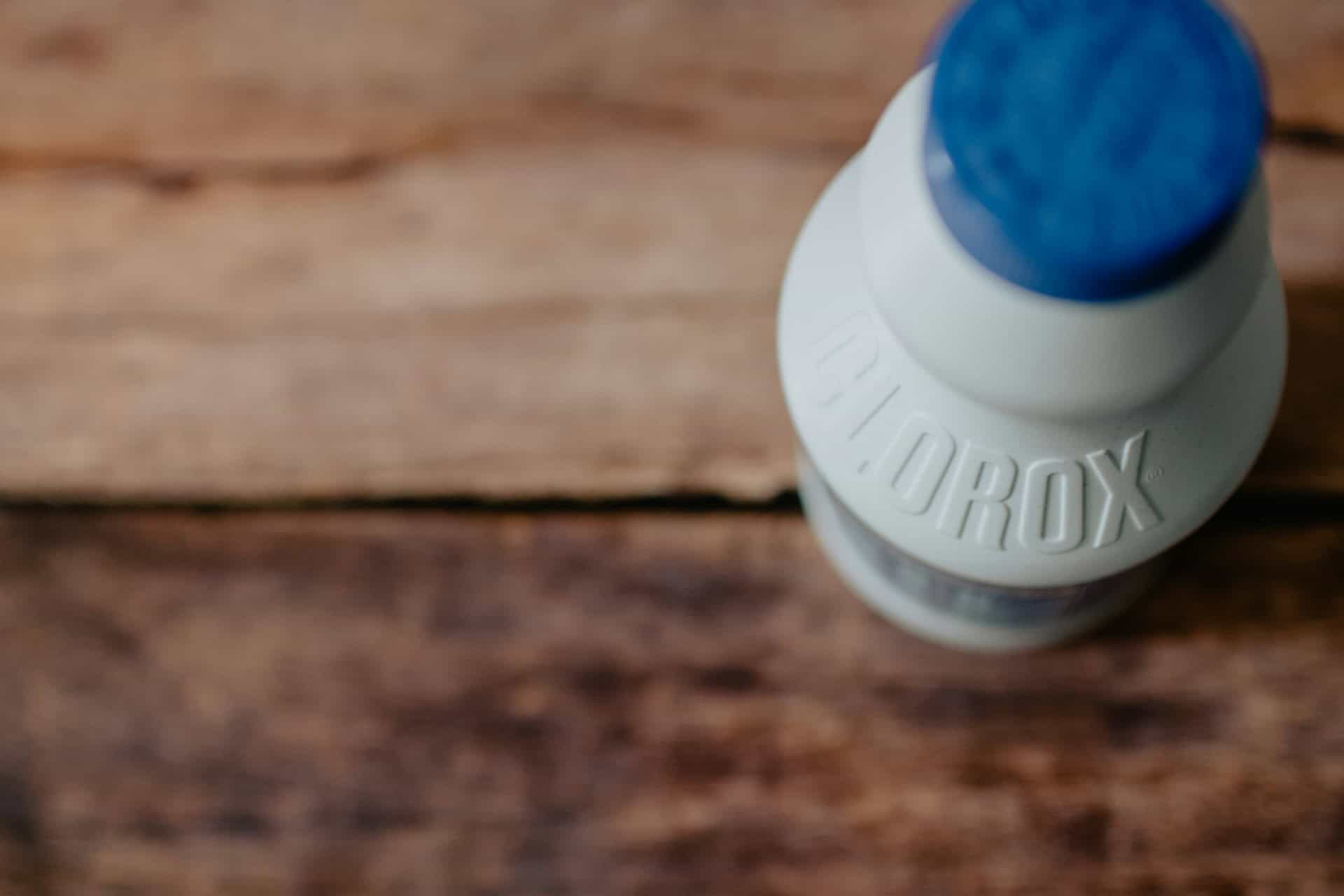
If you accidentally spill bleach on your wood floors, it can break down the finish and leave your floor vulnerable to damage.
Ammonia can dull and discolor the finish, making your floor look worn over time.
To reduce damage, mop the area with water several times and air it out. Mixing some white vinegar with warm water can help neutralize bleach too.
Not using furniture pads under legs
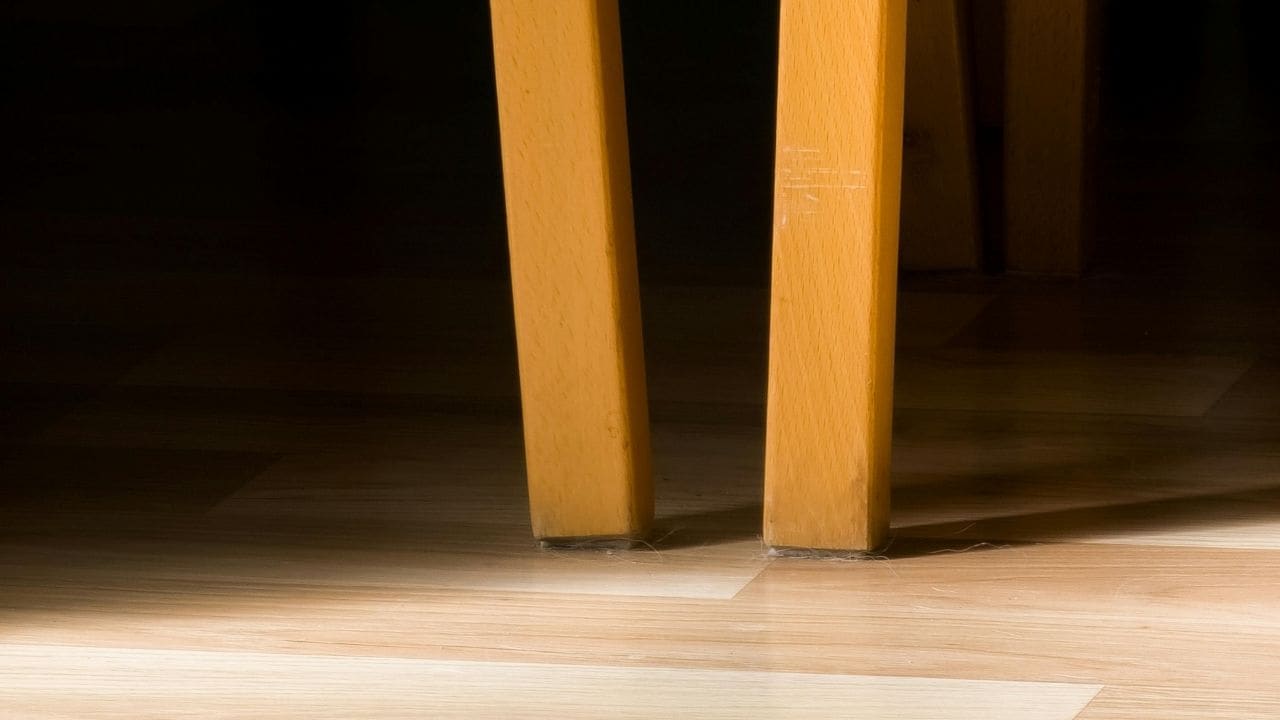
If you don’t use furniture pads under your furniture legs, your hardwood floors can get scratched easily. These pads create a soft barrier that helps prevent marks and dents when you move chairs or tables.
Make sure to choose quality pads that stick well or fit snugly. Avoid stick-on felt pads that slip off, as they can cause more damage.
Neglecting to sweep or dust regularly
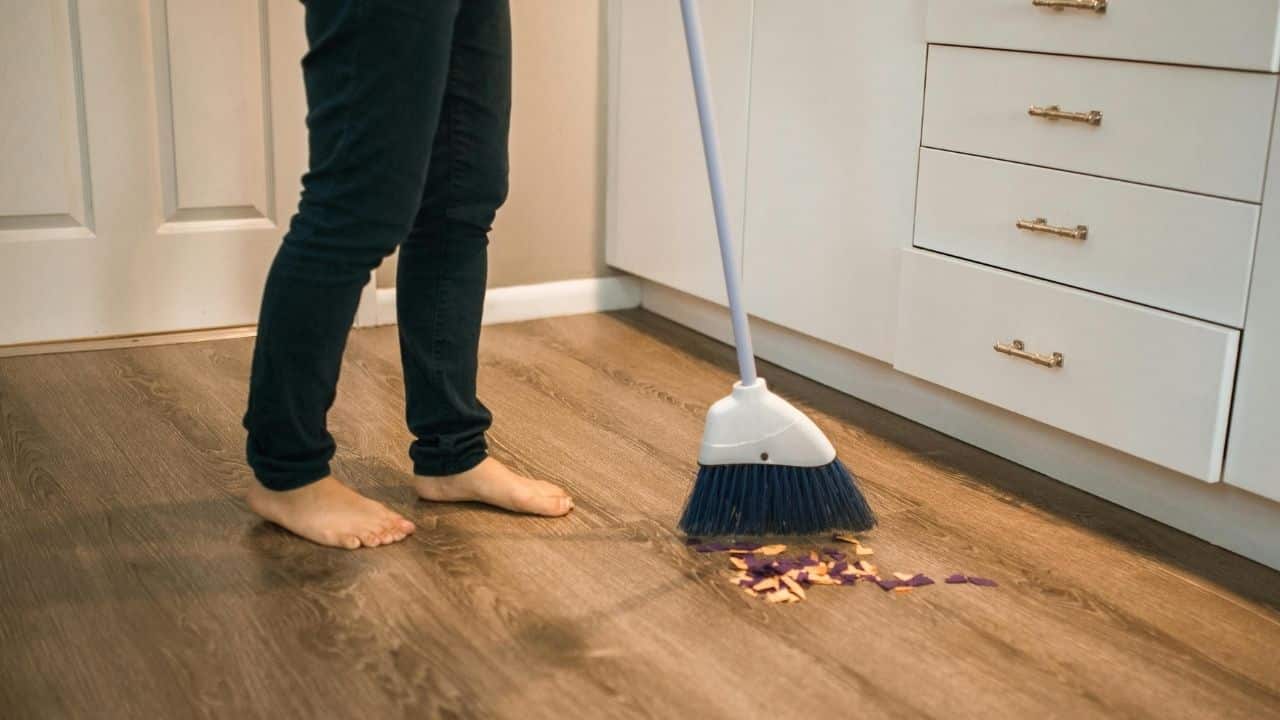
You might think skipping daily sweeping is harmless, but dirt and debris can wear down your wood floors. Small particles act like sandpaper, causing tiny scratches over time.
By dusting or sweeping frequently, you protect the finish and keep your floor looking smooth. It only takes a few minutes and helps avoid costly repairs later.
Wearing high heels or shoes indoors
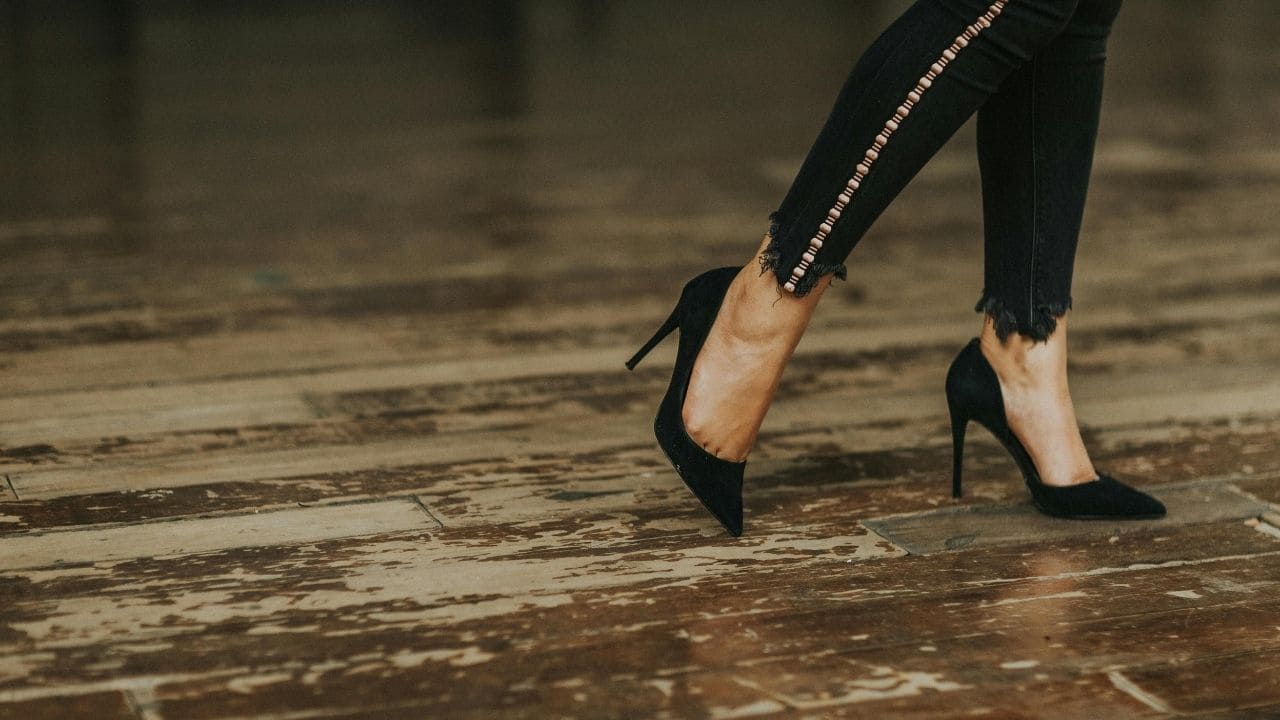
Wearing high heels indoors can cause dents and scratches on your wood floors. The narrow tips of heels focus your weight in a small area, which can leave lasting marks.
Even shoes with small debris like rocks can damage the surface. To protect your floors, try to remove shoes before walking around inside.
Using the wrong type of rugs or mats
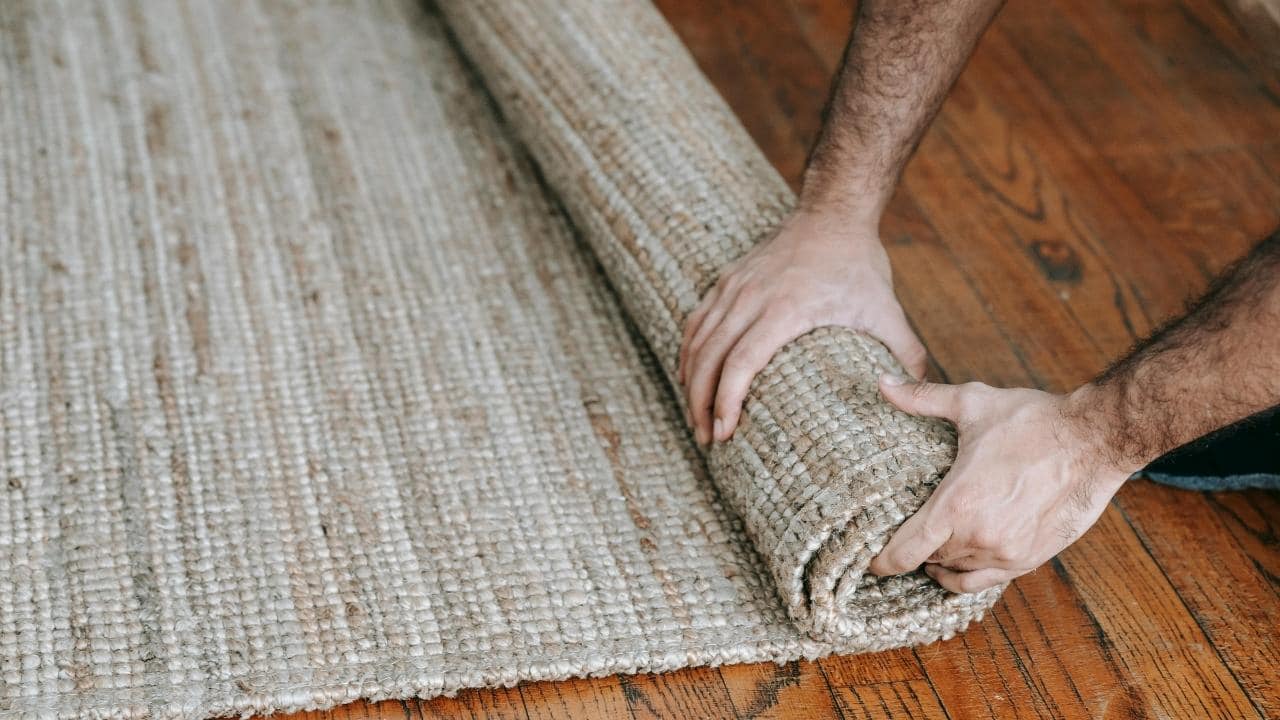
Using rugs or mats with plastic, PVC, or latex backing can harm your wood floors. These materials may trap moisture and cause discoloration or damage over time.
Rugs without proper padding can lead to scratches and abrasion. Choose natural fiber rugs and breathable pads to protect your floors while keeping them safe and looking good.
Ignoring water leaks or spills quickly
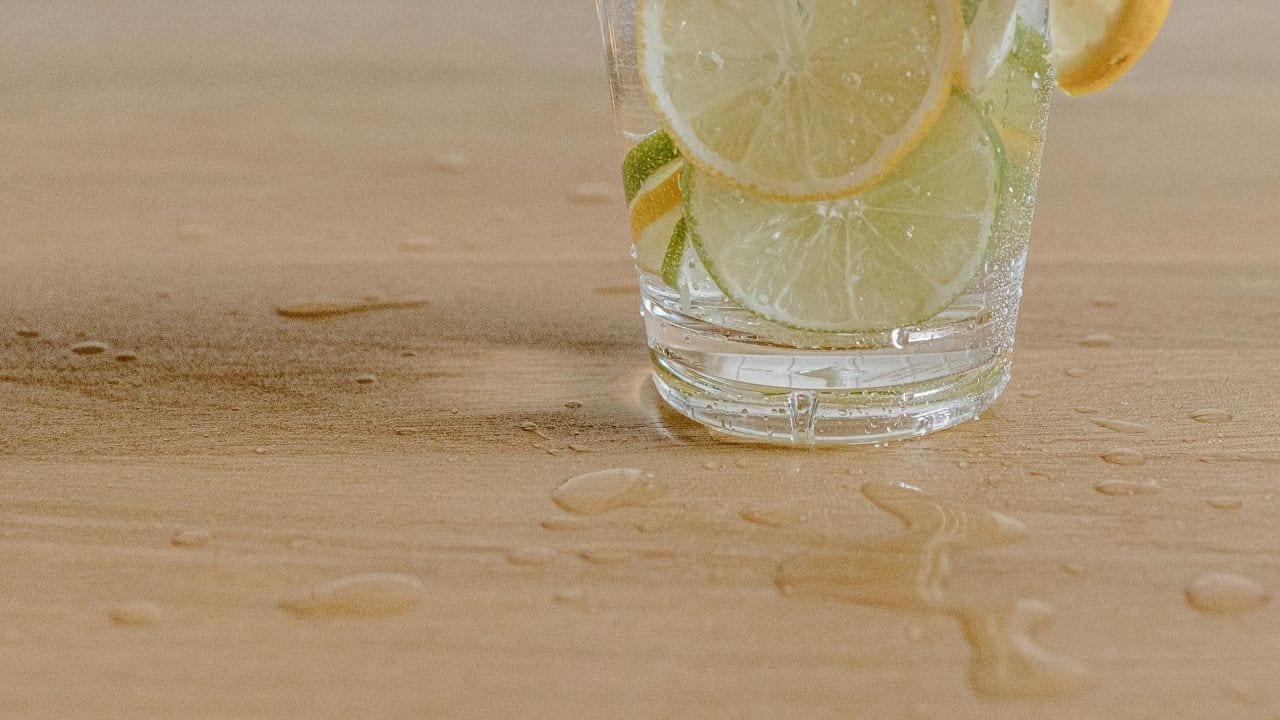
If you leave water on your wood floors for too long, it can cause damage like warping or staining. Even short periods, like a few hours, can lead to problems if the water soaks in.
You should wipe up spills and fix leaks as soon as you notice them. This helps protect the finish and the wood underneath.
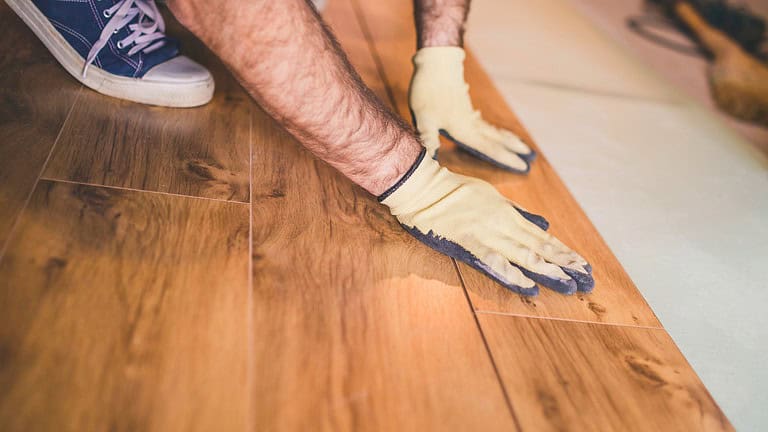
Improper installation like insufficient nails
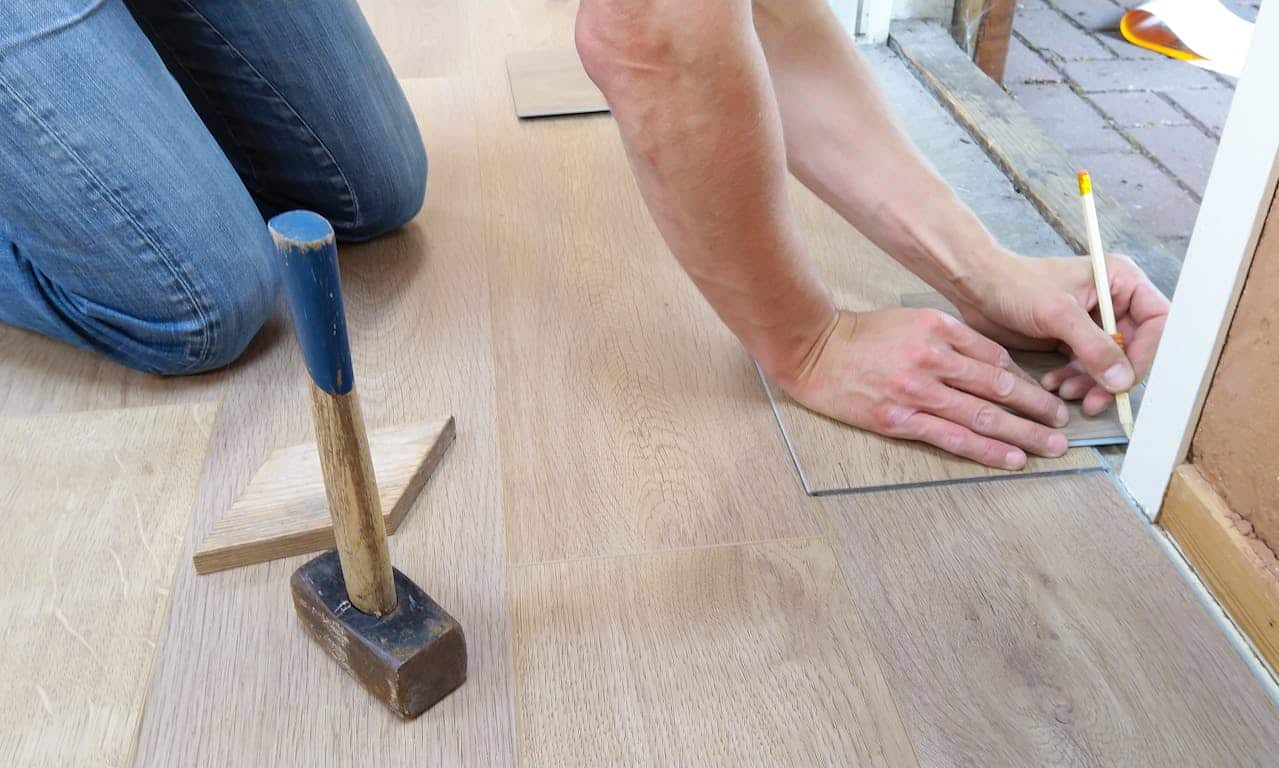
If your hardwood floor isn’t nailed down properly, the boards can shift or feel loose underfoot. Missing nail spots means the planks don’t stay secure, which may cause creaks or gaps over time.
Make sure your installer uses enough nails and places them correctly to keep your floor stable. Proper fastening helps prevent wobbling and extends the life of your wood floors.