Water is a precious resource, and your garden might be using more of it than necessary without you realizing. Many common gardening habits and setups can lead to significant water waste.
Understanding where and how your garden wastes water helps you save both water and money. With some simple changes, you can make your garden more efficient while keeping it healthy and thriving.
Advertisement
Leaks in sprinklers and hoses

You might not notice small leaks in your sprinklers or hoses, but they can waste thousands of gallons of water over time. Check for puddles or soft spots in your lawn that stay wetter than other areas.
Look closely at your sprinkler heads and hose connections for cracks or drips. Turning off your valves one by one can help you find the exact source of a leak.
Overwatering plants

You might think watering more helps your garden, but too much water can actually harm your plants. Overwatering can cause yellow leaves, wilting, and even root rot. Check your soil before watering by sticking your finger in it. If it feels moist, wait before adding more water.
Water-soaked spots or blisters on leaves can also signal that you’re giving your plants too much water. Be mindful to avoid waste and keep your plants healthy.
Watering during the heat of the day

Watering your garden in the heat of the day can cause a lot of water to evaporate before it reaches the soil. This means your plants don’t get enough moisture, and you end up wasting water.
Try watering early in the morning or late in the evening when temperatures are cooler. This helps water soak deeply into the soil and reach the roots where your plants need it most.
Water running off sidewalks or patios

When water runs off your sidewalks or patios, it’s often because the surface is hard and non-porous. This runoff wastes water by moving it away from your plants and soil.
You can reduce runoff by using porous materials like bricks, gravel, or permeable pavers. These let water soak into the ground instead of flowing away.
Adding a slight slope toward garden beds can help direct water where it’s needed. This way, your outdoor hardscapes support watering rather than wasting it.
Ignoring clogged or broken sprinkler heads

If you ignore clogged or broken sprinkler heads, your system won’t water your garden evenly. This can cause some areas to get too much water while others stay dry.
Broken heads often leak or spray water inefficiently. That wastes water and can harm your plants. Check your sprinkler heads regularly. Fixing or replacing them helps save water and keeps your garden healthy.
Not mulching around plants
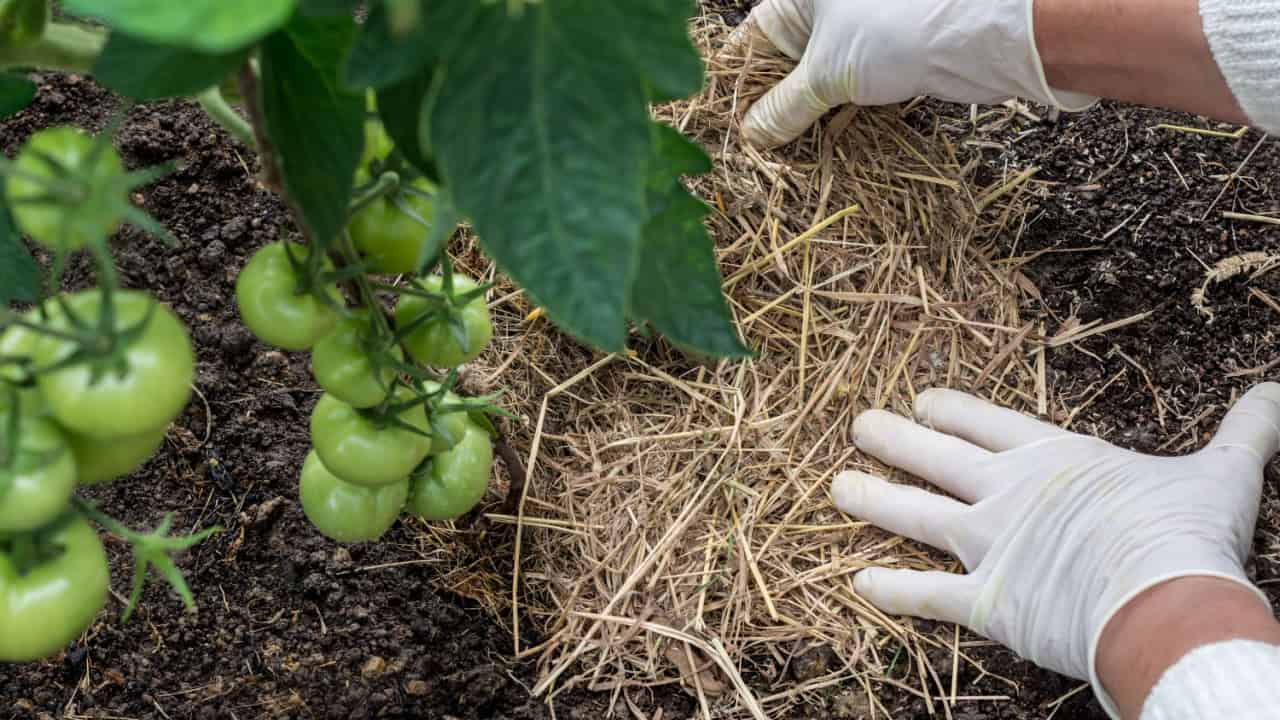
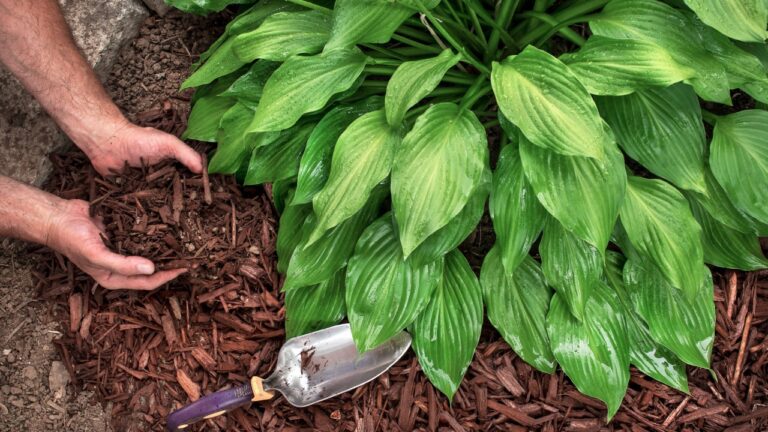
If you don’t mulch around your plants, more water will evaporate from the soil. Mulch helps lock in moisture, reducing how often you need to water.
It also keeps weeds down, which compete for water and nutrients. Without mulch, your garden may dry out faster and waste more water.
Adding a layer of mulch is an easy way to keep the soil cool and moist, helping your plants thrive with less water.
Allowing rainwater to wash away soil

When rainwater washes away your soil, you lose valuable nutrients that your plants need. This can leave your garden less healthy over time.
You can help prevent this by using methods like splash rocks or planting ground cover to slow down runoff. These steps keep the soil in place and help rainwater soak into the ground better. Managing how water flows in your garden protects the soil and makes your watering efforts more effective.
Using overhead watering instead of drip irrigation

When you water your garden overhead, much of the water can evaporate before it reaches the soil. This means you might be using more water than necessary.
Drip irrigation delivers water directly to the roots, reducing evaporation and runoff. It also helps keep leaves dry, which can lower the risk of some plant diseases.
Switching to drip irrigation can save water and improve your garden’s health. It’s a simple way to be more efficient with your watering routine.
Watering shallowly but frequently
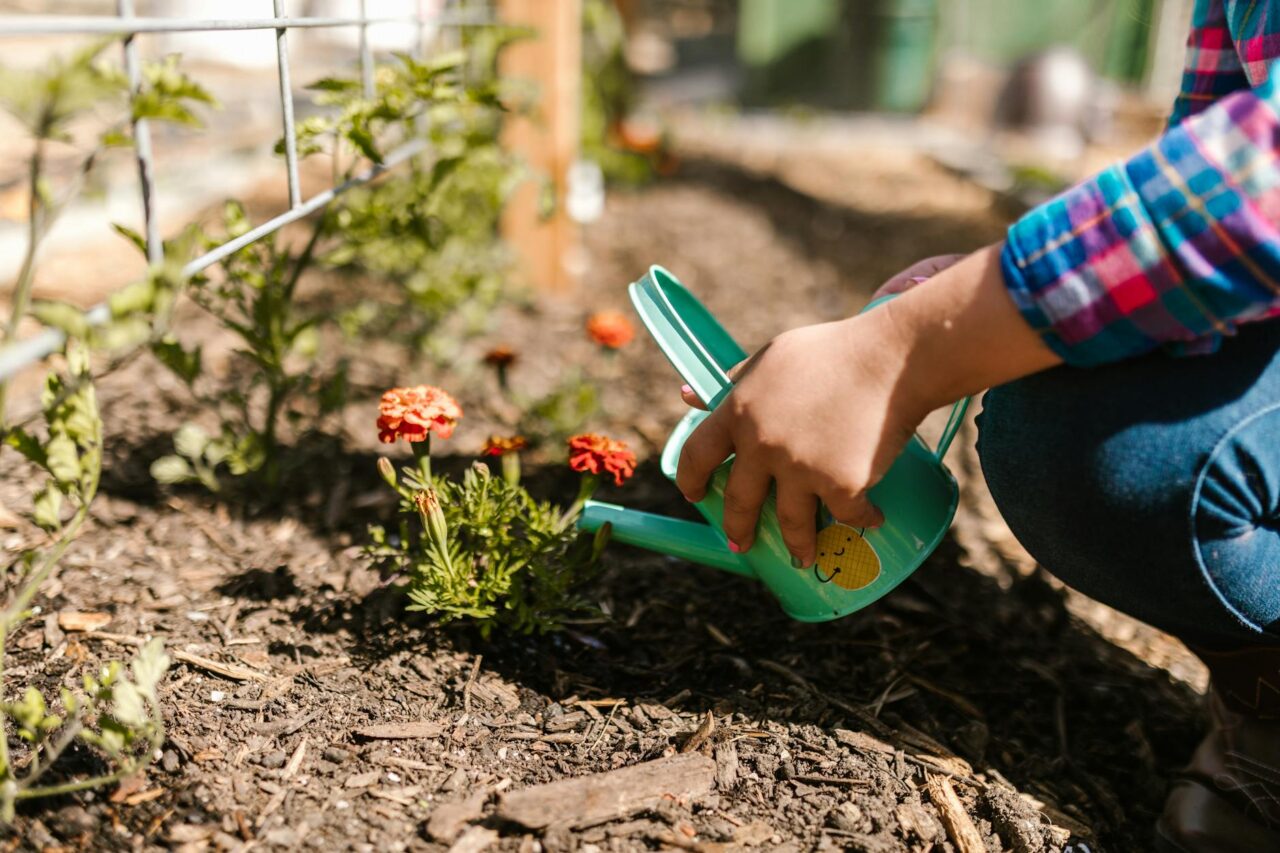
When you water your garden shallowly but often, water mostly stays near the surface. This encourages roots to grow close to the top instead of deep down.
Shallow roots make plants less drought-resistant and more likely to need extra water. Try to water less often but more deeply to promote strong root growth. This will help your plants use water more efficiently.
Letting water drip unattended

When you leave your drip irrigation system running too long, water collects without benefit. This can lead to waste and even create soggy soil that harms plants.
You should check your system regularly to make sure it’s watering just enough. Setting a timer can help you control watering times and avoid forgetfulness. Keeping an eye on your drip lines stops leaks that quietly waste water over time. Small habits make a big difference in saving water.
Allowing weeds to steal water

Weeds compete with your plants for water, nutrients, and sunlight. When you let them grow, they reduce the amount of water available to your garden plants.
Removing weeds early helps save water and keeps your plants healthier. Using a hoe or mulch can make weed control easier and limit water loss.
Not collecting rainwater

You might be missing an easy way to save water by not collecting rainwater. Capturing rain helps reduce your need to use tap water on your garden.
Rainwater is natural and often better for plants because it doesn’t have added chemicals. Setting up a rain barrel or rain garden can make a big difference.
By collecting rainwater, you also limit runoff, which helps keep your yard and local waterways cleaner. It’s a simple step with clear benefits for your garden.