Your garden is more than just a space for beauty and relaxation—it can also be a home for local wildlife. However, some common garden design choices might unintentionally make it harder for animals to thrive around your home.
Understanding how your garden design affects wildlife helps you create a space that supports nature rather than harms it. By becoming aware of these impacts, you can make thoughtful changes that benefit both your garden and the creatures that visit.
Advertisement
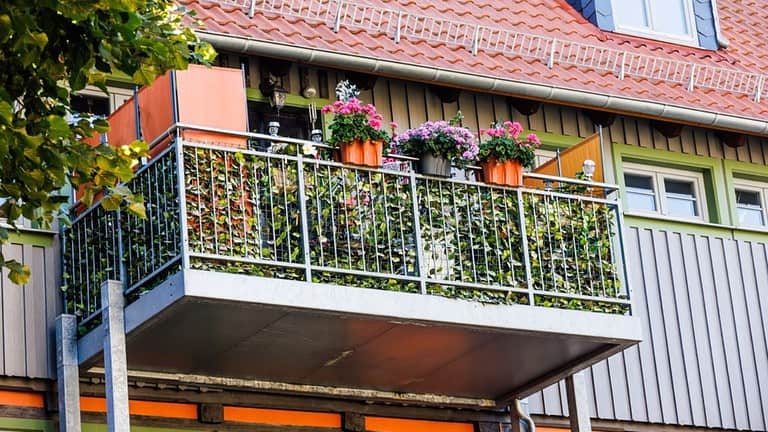
Using dense, impenetrable plantings that block wildlife movement
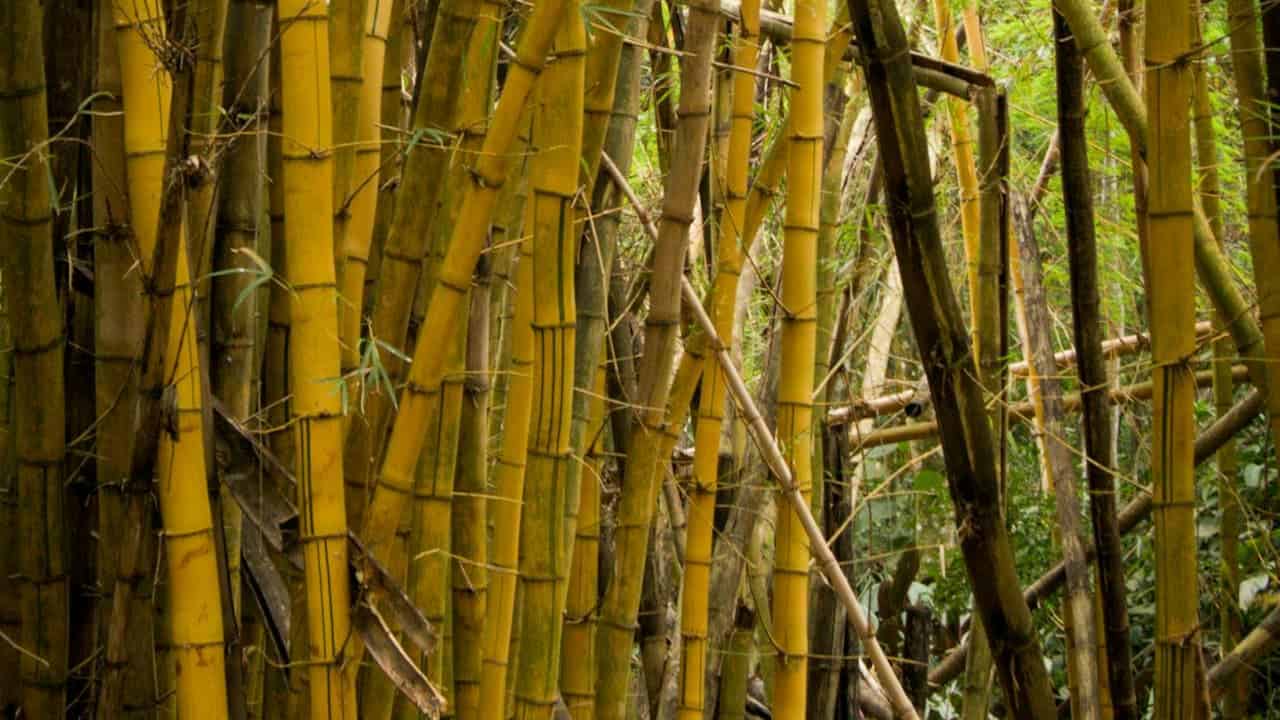
When you use very dense, thick plantings, it can create barriers that stop animals from moving freely. Wildlife like birds, small mammals, and insects need easy paths to find food and shelter.
Blocking these paths can make it harder for animals to survive in your garden. Instead, consider spacing plants to allow safe passage and avoid creating impenetrable walls of vegetation.
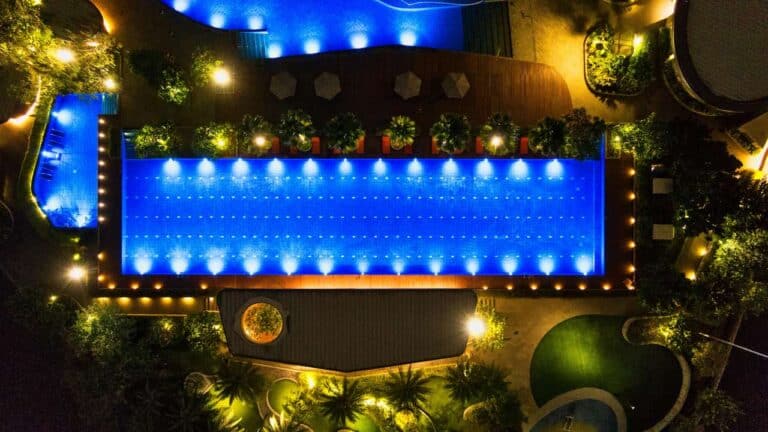
Installing motion sensor lights that disturb nocturnal animals

When you use motion sensor lights in your garden, you might unintentionally disrupt nocturnal animals. These sudden bursts of light can confuse creatures like bats and moths, interrupting their natural behaviors.
The constant switching on and off can also stress animals, affecting their ability to hunt or avoid predators. Choosing softer, warmer lights or limiting their use can help reduce this impact.
Creating overly manicured lawns with no natural habitat features

When your garden is mostly a manicured lawn, it doesn’t provide food or shelter for local wildlife. Tight, uniform grass offers little for insects, birds, or small animals to thrive.
Without native plants or natural areas, your yard misses the chance to support pollinators and other beneficial creatures. Adding shrubs, wildflowers, or native groundcovers can bring life and balance to your garden.
Planting fruit trees near public walkways that attract pests
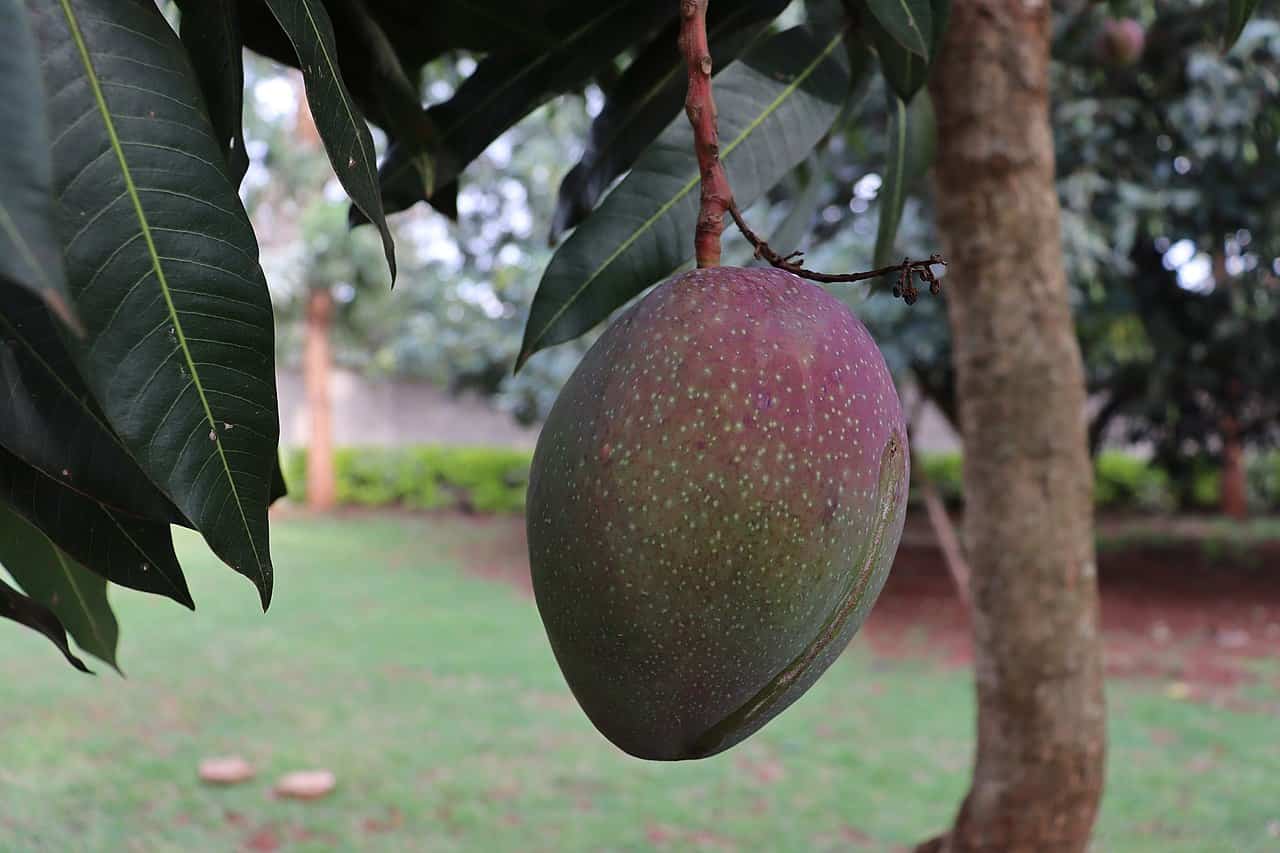
When you plant fruit trees close to sidewalks, you may unintentionally attract insects and rodents. These pests can create problems for people walking by and may cause safety concerns.
Fruit trees also require regular care, like pruning and pest control. Without proper maintenance, pests can become harder to manage and spread to nearby plants. Think carefully about their placement to keep both wildlife and people safe.
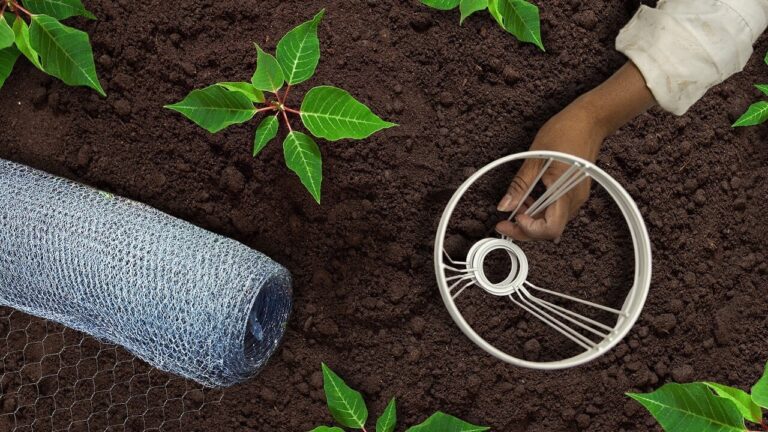
Building solid fences that prevent animals from passing through
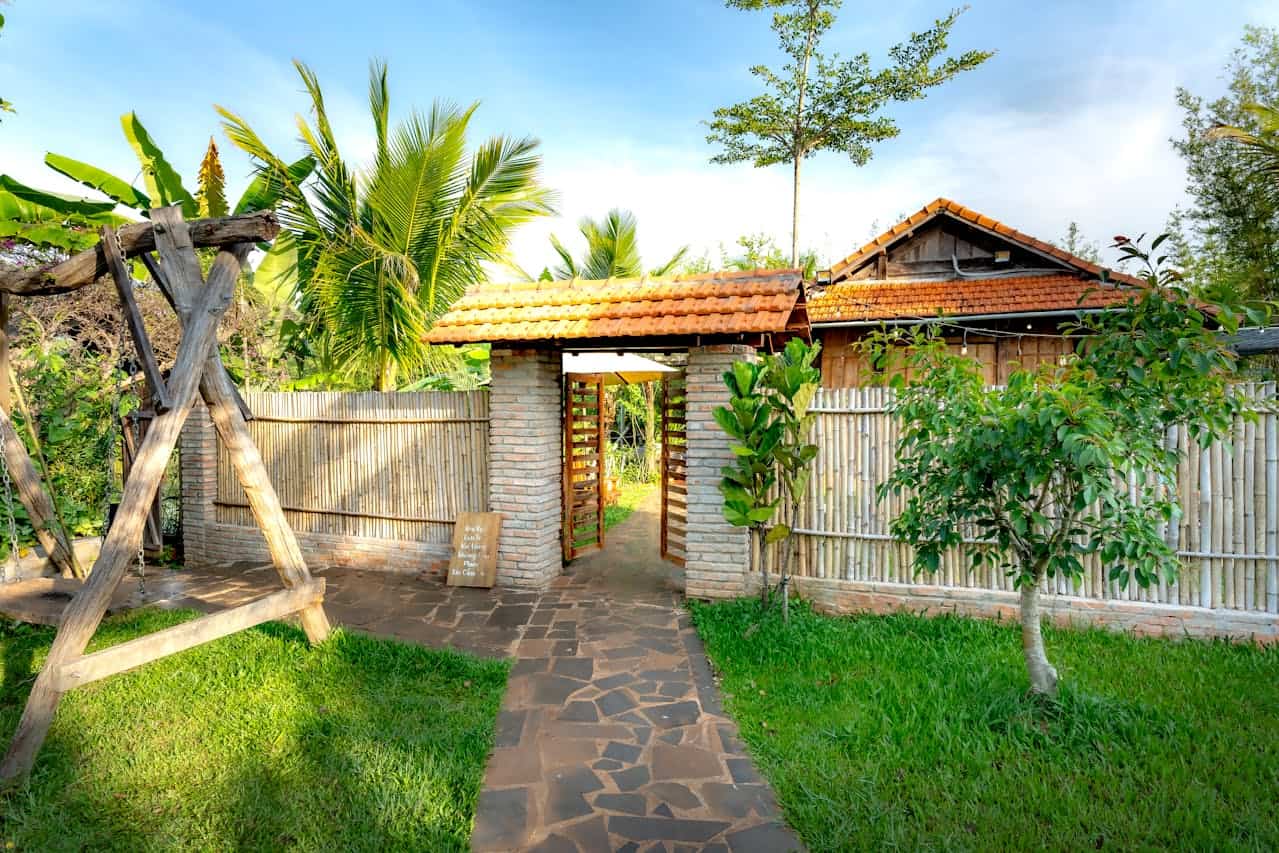
When you build solid fences, you might block animals from moving freely. Tall, continuous barriers stop wildlife from reaching food or water.
Using materials like small-mesh hardware cloth can keep out small animals from your garden. But be careful—tight fences can trap or injure creatures trying to cross.
Consider leaving small gaps or using wildlife-friendly fencing styles. This helps animals stay safe while protecting your plants.
Using harsh chemical pesticides and herbicides
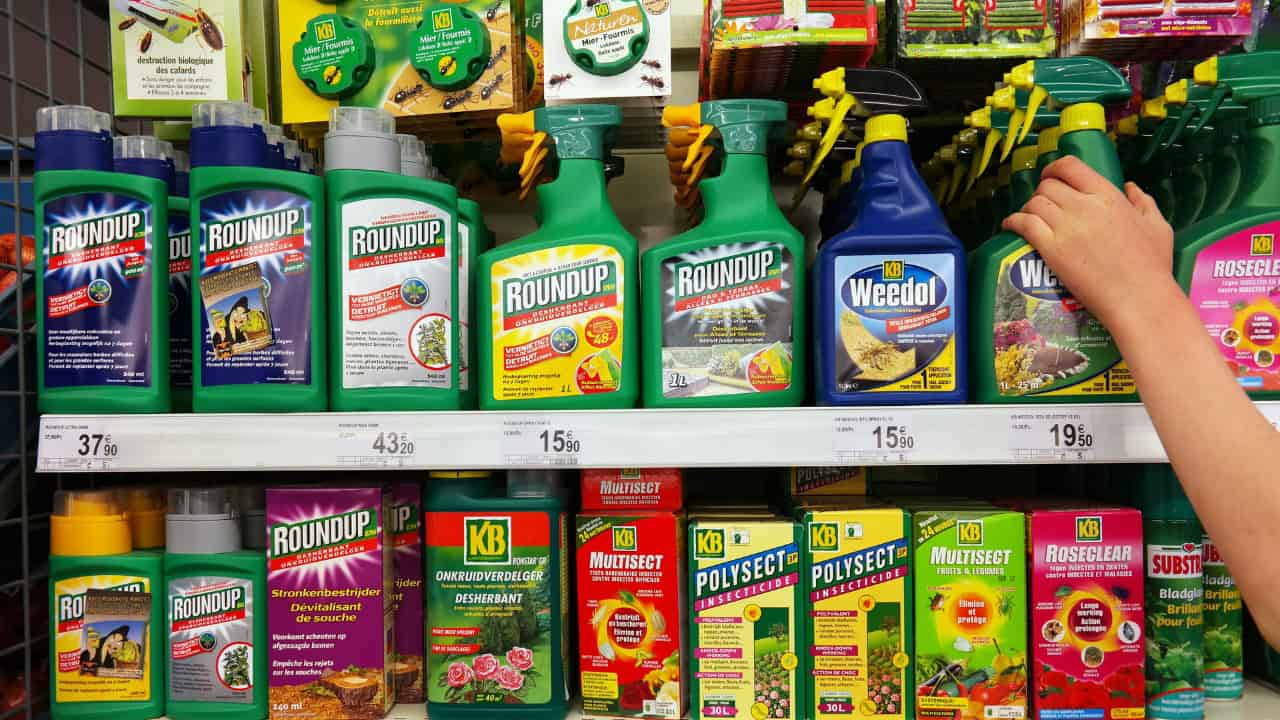
When you use harsh chemical pesticides and herbicides, they can harm more than just unwanted pests. These chemicals often affect beneficial insects, like pollinators, and other wildlife in your garden.
Runoff from your garden can carry these substances into nearby water sources, impacting aquatic life. Choosing less toxic alternatives helps protect the environment and supports a healthier garden ecosystem for you and nature.
Ignoring native plants that support local wildlife
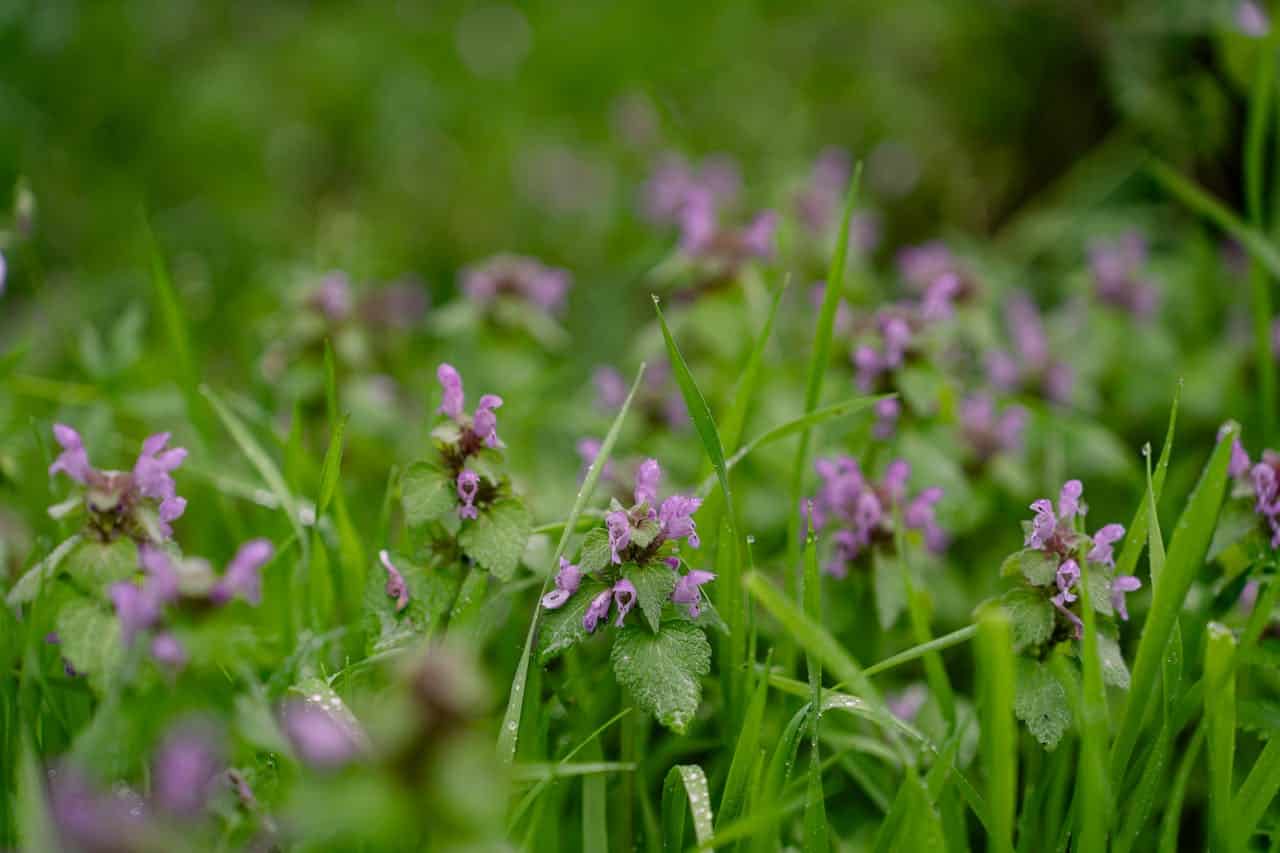
When you skip native plants in your garden, you miss out on crucial support for local wildlife. Native plants provide food and shelter that local insects, birds, and other animals rely on.
Choosing non-native plants might look nice but often doesn’t help native species thrive. Including native plants encourages a balanced ecosystem and better supports pollinators and wildlife in your area.
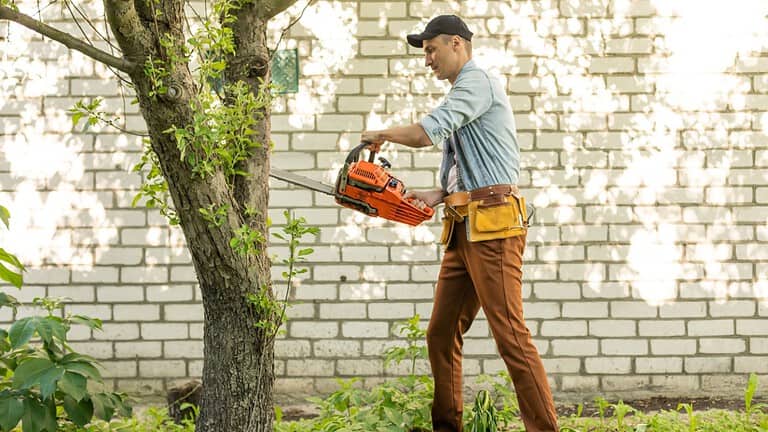
Leaving garden debris and leaf litter untouched
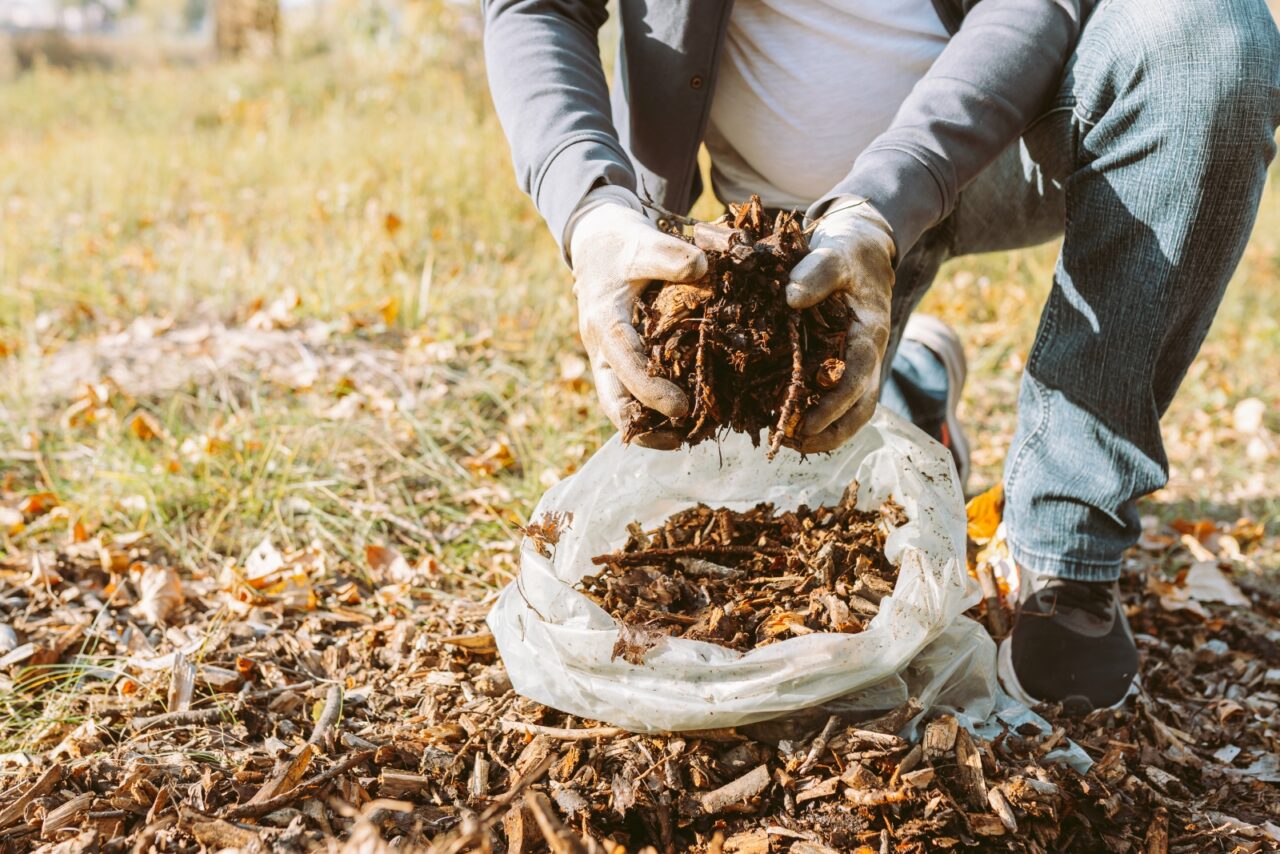
You might feel the urge to clear away every fallen leaf and twig, but leaving some debris can actually help local wildlife. Leaf litter provides shelter and food for insects, which are important for your garden’s ecosystem.
When you rake up all leaves, you risk disturbing insect larvae and eggs hidden beneath them. Instead, try leaving a thin layer around trees or in less visible areas to support biodiversity without harming your lawn.
Designing straight, uniform pathways that reduce shelter for small creatures

When you create straight, uniform pathways, you limit places where small animals can hide or find shelter. These smooth edges don’t offer shelter or safety from predators.
Adding natural materials like rocks or branches along your paths can make a big difference. It creates safe spots for amphibians and insects to rest while moving through your garden.
Think about curving your pathways or breaking them up with plantings. This adds variety and more nooks for wildlife to thrive.
Removing logs or rocks that serve as animal homes
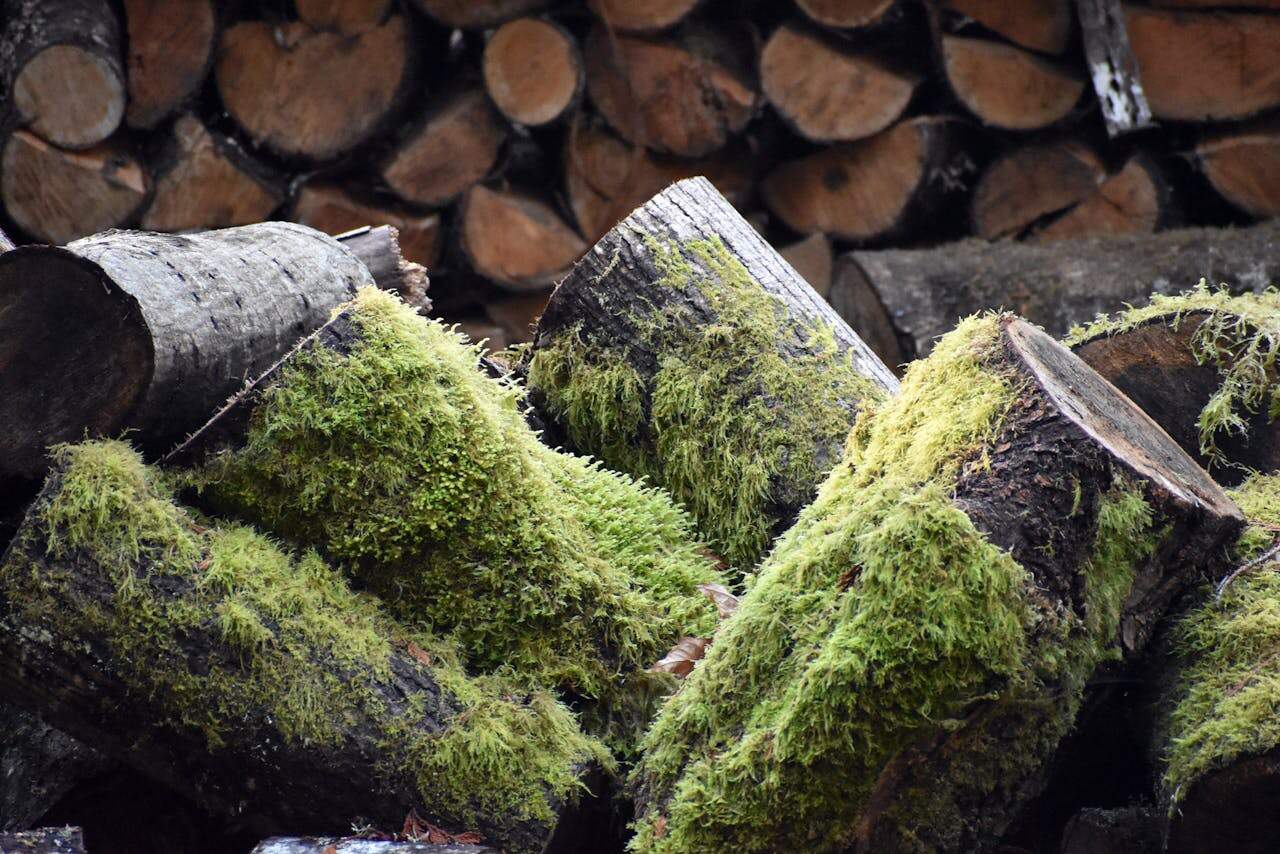
When you clear away logs or rocks, you remove important shelters for many small animals. These natural features provide safe spots for insects, amphibians, and reptiles to rest and hide.
Leaving some logs or rocks in your garden can help create a welcoming environment for wildlife. You don’t need to keep everything, just enough to support these creatures safely.
Planting invasive species that outcompete native flora
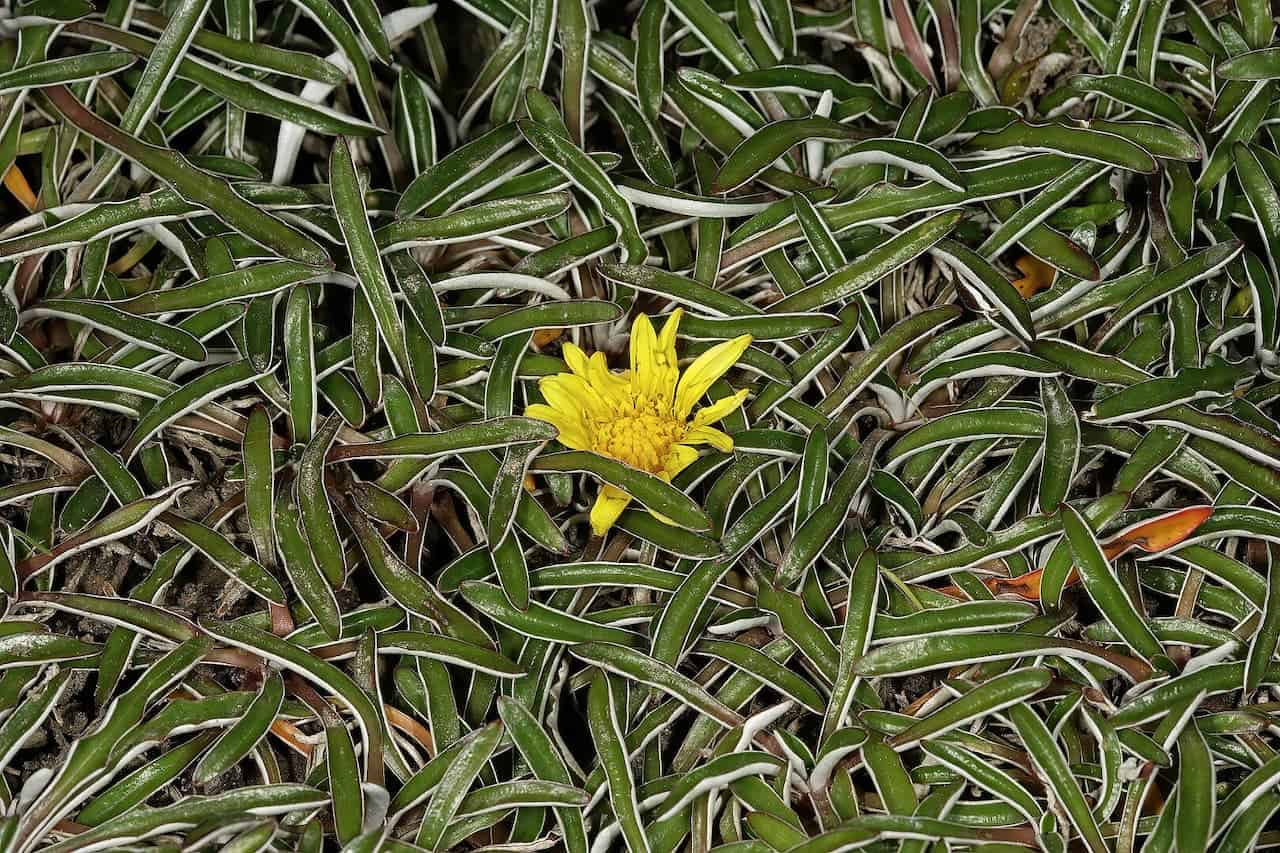
When you include invasive plants in your garden, they can quickly take over. These species grow fast and push out native plants that local wildlife depends on.
Choosing invasives means less food and shelter for pollinators and other animals. Instead, planting native species helps support local ecosystems and keeps your garden healthy.
Removing invasives and replacing them with native plants is a simple way to help wildlife thrive right in your yard.
Overusing mulch that hinders ground-dwelling insects
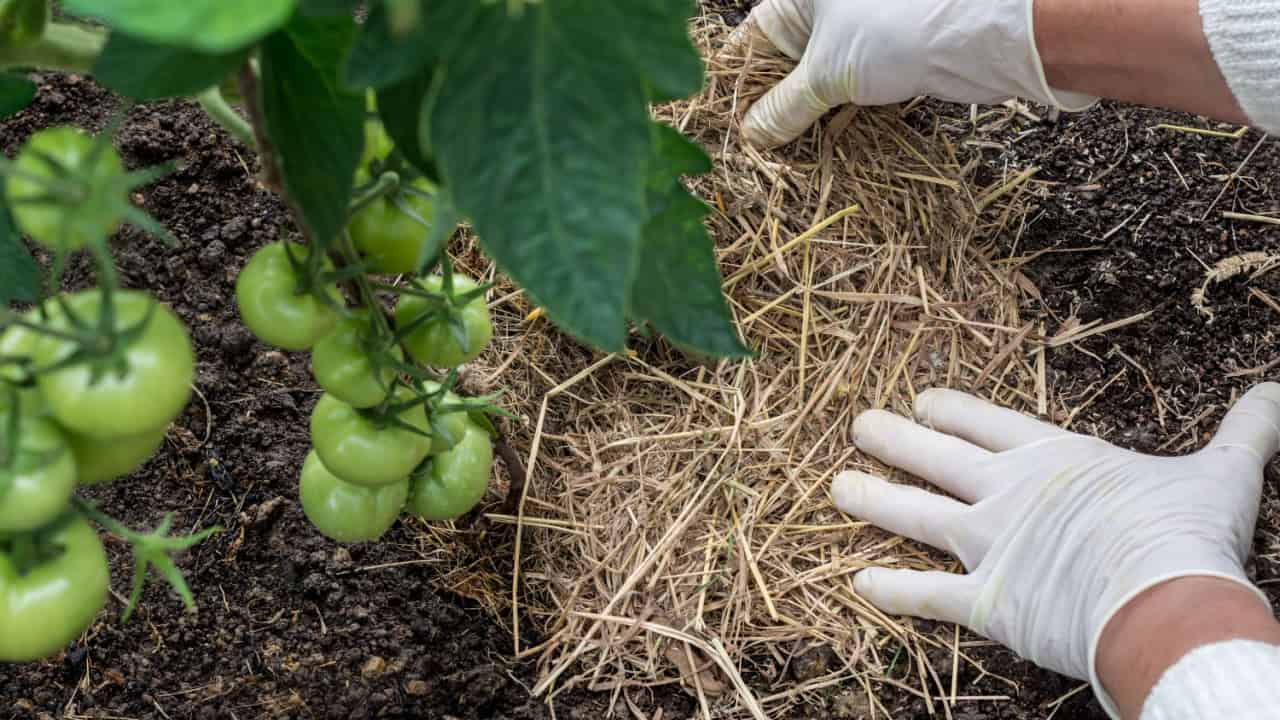
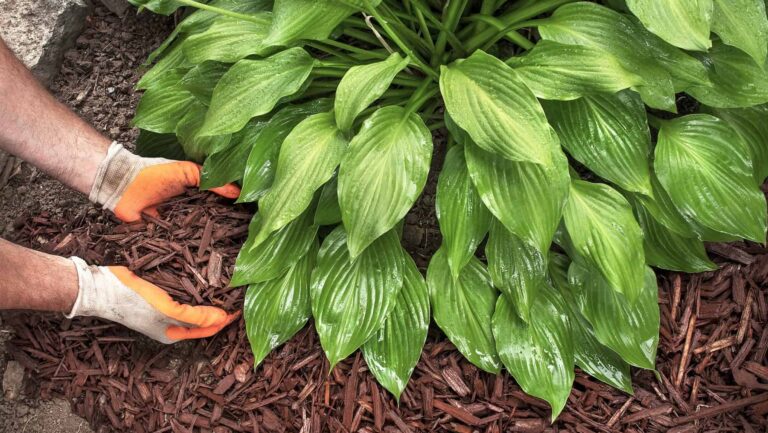
When you add too much mulch to your garden, it can make it harder for ground-dwelling insects to thrive. Thick layers may block access to the soil and reduce the variety of insects like bees that rely on bare ground.
Mulch can also cause the soil near the surface to dry out or become less hospitable. This affects insects and other small creatures that live there year-round.
Try to keep mulch layers thin and avoid covering the entire soil surface to help support a healthier insect community in your garden.