
12 Victorian-Era Flower Meanings You Didn’t Know About
In the Victorian era, flowers were more than just beautiful decorations; they held deep meanings and emotions. These floral symbols were a way for people to express their feelings without uttering a word, making them an essential part of social interactions. By exploring the fascinating meanings behind these flowers, you can gain insight into the secret language of love, friendship, and even rivalry during this intriguing period.
Many common flowers you might encounter today carried messages that could convey affection, regret, or even disdain. This unique aspect of floral arrangements could transform a simple bouquet into a powerful statement. Understanding these meanings can enhance your appreciation for flowers and their role in history and relationships.
Advertisement
Red Chrysanthemum: Symbolizes ‘I love you’

The red chrysanthemum is a beautiful flower that conveys deep emotions. When you gift someone red chrysanthemums, you express your affectionate feelings and devotion.
These blooms are often linked to love and passion. They remind your loved ones of your heartfelt declarations, making them a perfect choice for romantic occasions.
Orange Blossom: Denotes Chastity and Purity

The orange blossom is a beautiful flower that symbolizes chastity and purity. You might find it used in weddings, representing the bride’s innocence.
Its delicate white petals convey a sense of freshness and new beginnings. This flower has a delightful fragrance, adding to its charm in romantic settings.
Pink Carnations: Convey ‘I will never forget you’

Pink carnations carry a special meaning in the language of flowers. When you give or receive them, they express the sentiment “I will never forget you.”
These flowers are often associated with cherished memories and deep affection. Whether for a friend or loved one, pink carnations make a heartfelt statement about lasting connections.
White Carnations: Mean ‘You are so sweet’

White carnations have a charming meaning that conveys sweetness. Sending or receiving these flowers can express your affection and appreciation for someone special.
In the language of flowers, white carnations symbolize purity and good luck, making them a lovely choice for celebrating a friendship or a meaningful moment. You can brighten someone’s day by gifting these beautiful blooms.
Daisies: Represent Innocence

Daisies are a beautiful symbol of innocence. Their simple, charming appearance evokes a sense of purity and joy.
In the Victorian era, they were often given to express loyalty and devotion.
When you give someone a daisy, you share a message of fresh beginnings and a sincere heart.
These flowers remind you of the beauty in simplicity and can brighten anyone’s day.
Heather: Symbolizes admiration and protection

Heather flowers are a beautiful symbol of admiration. When you give or receive heather, it expresses a deep appreciation for someone’s qualities.
These lovely blooms also represent protection. They carry a sense of security, making them a thoughtful gift for someone you care about.
In the Victorian era, heather was cherished for these meanings, adding an extra layer of sentiment to your floral arrangements.
Poppies: Stand for Remembrance

Poppies are powerful symbols of remembrance, especially linked to those who served in the military. You often see them worn on Armistice Day, honoring sacrifices made during the First World War.
Their bright red color signifies not only loss but also hope for peace. By wearing a poppy, you participate in a meaningful tradition that connects you to history and those who came before you.
Crow-Flower: Known as ‘Fayre Mayde of France’

The crow-flower, affectionately dubbed the “Fayre Mayde of France,” holds a special place in Victorian flower symbolism. This delicate bloom is often associated with themes of kindness and youthful beauty.
During the Victorian era, people used flower arrangements to convey emotions. If you received a crow-flower, it might have conveyed admiration or appreciation. Understanding its meaning can deepen your appreciation for this charming flower.
Long Purples: Likened to Dead Men’s Hands
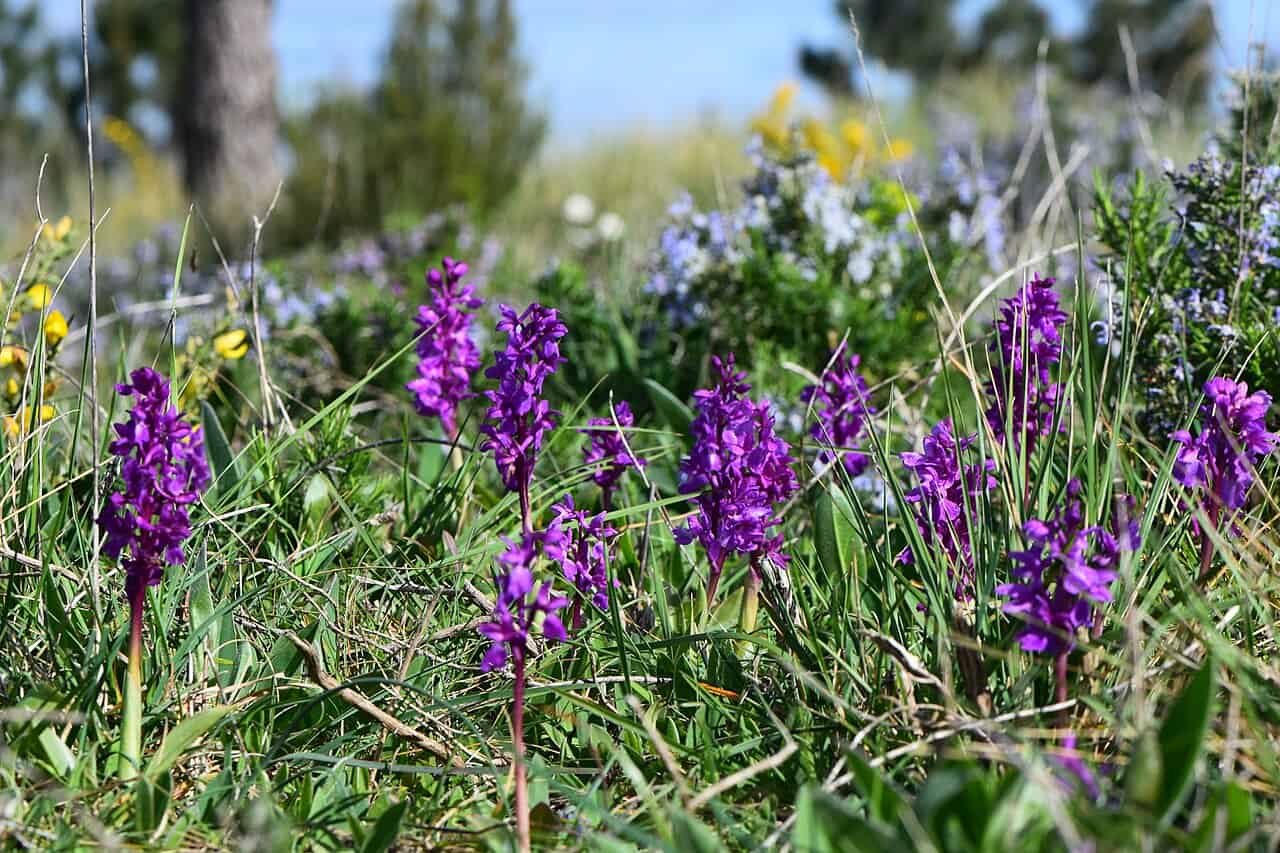
In Victorian flower symbolism, long purples are often associated with death and mourning. This flower, sometimes referred to as “dead men’s fingers,” evokes a haunting imagery linked to loss.
You might find that these flowers carry a message of sorrow and remembrance. Their delicate beauty can also remind you of the fragility of life.
Snapdragons: Indicate Deception

Snapdragons carry a unique meaning in the language of flowers. They symbolize both deception and grace.
Historically, these flowers were believed to act as a charm against falsehood.
In the Victorian era, giving someone snapdragons could convey a message about the complexities of trust and honesty in relationships.
This duality makes them quite intriguing in floral arrangements.
Yellow Carnations: Signify Disdain

Yellow carnations carry a strong message in the Victorian language of flowers. They symbolize total disdain and disappointment.
If you receive a yellow carnation, it often means “thanks, but no thanks.” Their bright color can be misleading, as they don’t convey cheerful sentiments. Instead, you should tread carefully with this flower’s meaning.
Basil: Represents Hatred

In the language of flowers during the Victorian era, basil carries a strong negative connotation. If you were to receive basil, it might signify feelings of hatred or deep dislike.
This unusual meaning makes basil a flower to avoid in romantic or friendly gestures. Instead, consider a different flower to express your true feelings.


