Donating items can feel like a great way to clear out clutter and help others, but not everything you give is as useful as you might think. Sometimes, what seems like a generous donation could end up being a hassle for the organizations receiving it.
Knowing which items to avoid donating can save you time and ensure your contributions really make a difference. This article will guide you through some common things people often regret donating, helping you make better choices next time you decide to give.
Advertisement
Expired food items
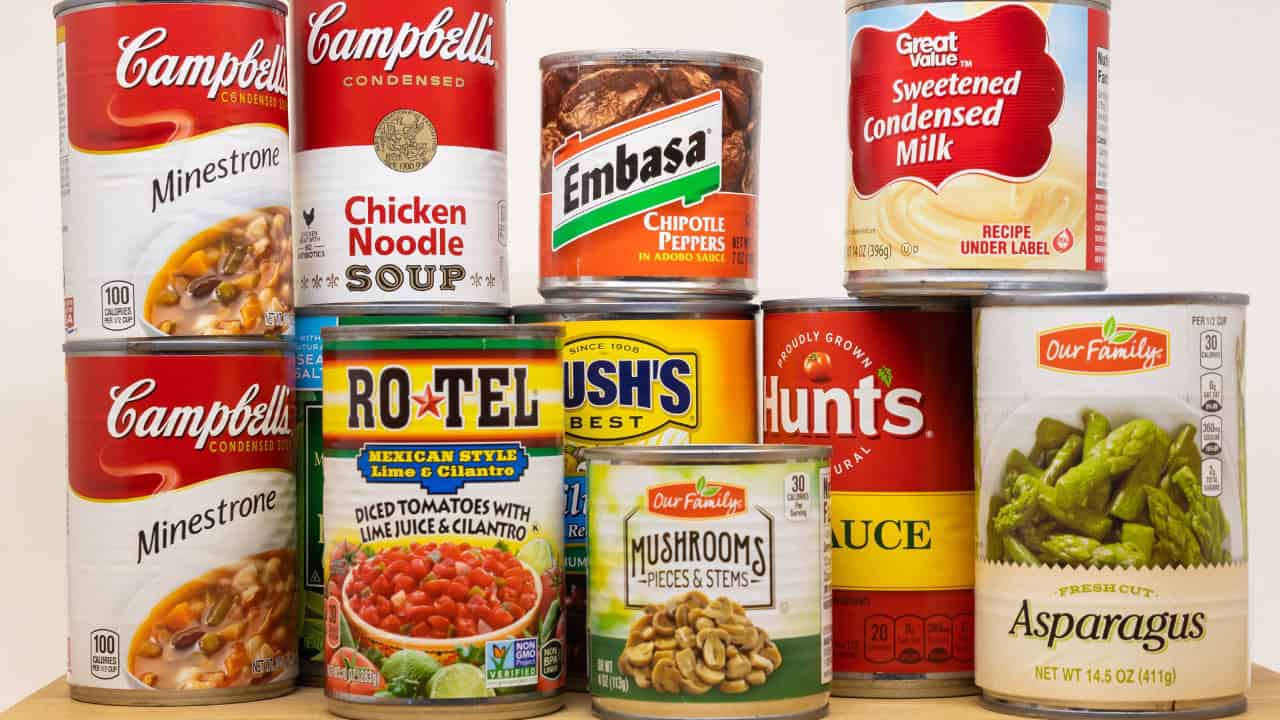
Donating expired food can cause more harm than good. These items might be unsafe to eat, even if they look fine. Food banks usually have to throw away expired products, which wastes your donation.
Stick to donating items you would feel comfortable eating yourself. This helps ensure your donation actually benefits someone in need.
Used mattresses
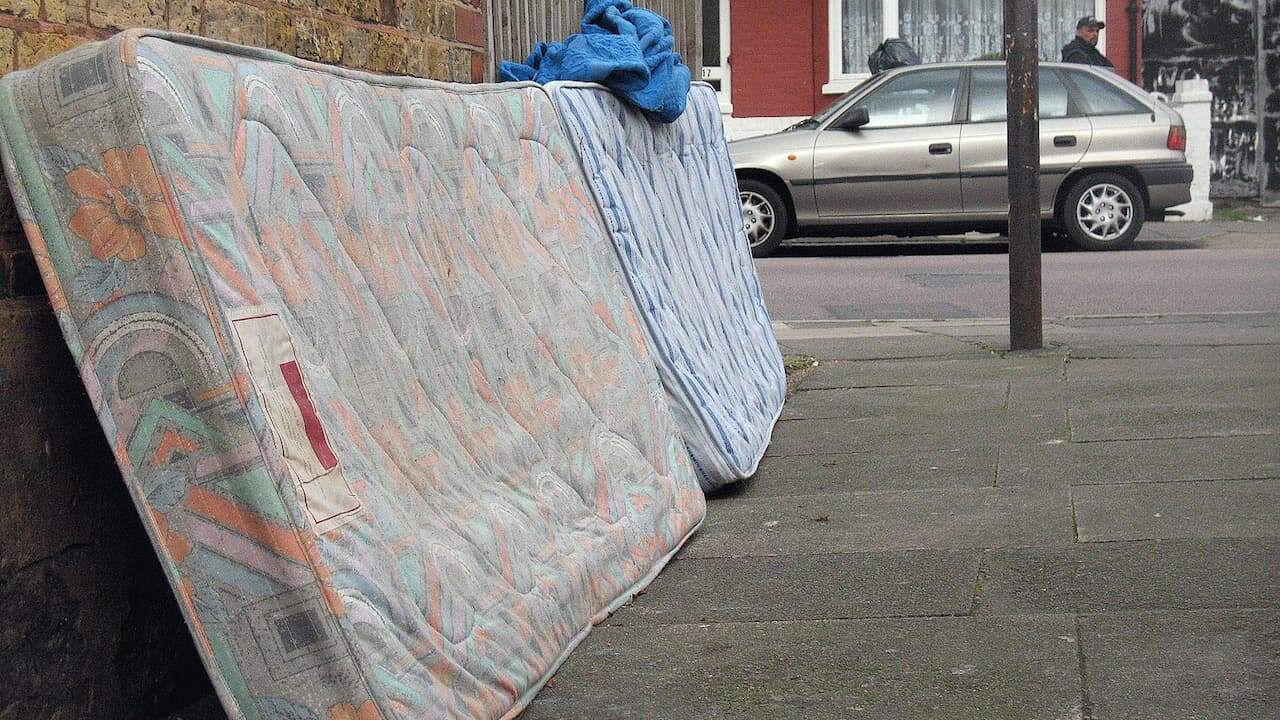
You might think donating a mattress is helpful, but many places won’t accept them. This is mainly due to hygiene concerns and the risk of pests or bodily fluids.
If your mattress is in good condition, consider recycling programs or pet shelters instead. Otherwise, it’s often best to dispose of it properly rather than donate.
Broken electronics
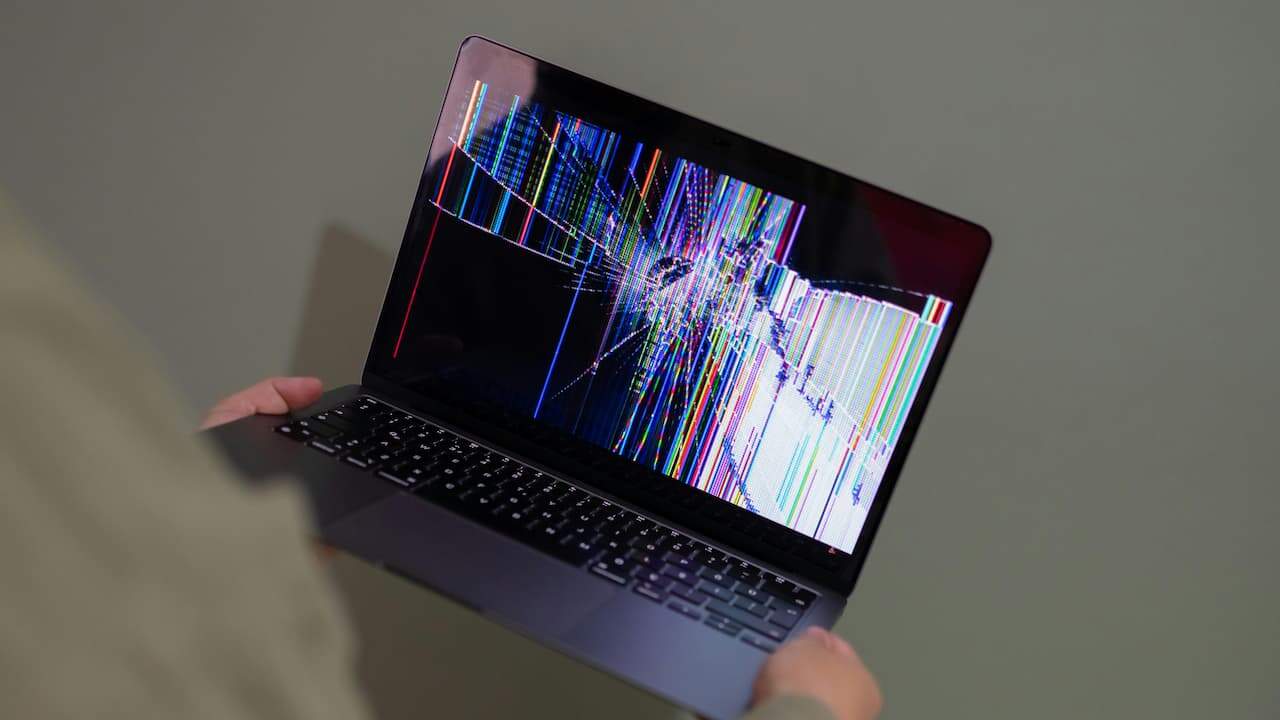
You might think donating broken electronics helps, but it can create more work for charities. Many organizations cannot accept devices that don’t turn on or have missing parts.
If you want to recycle, look for certified electronic recyclers instead. This keeps harmful materials out of landfills and supports programs that handle e-waste properly.
Before donating, try to repair your gadgets or check if the charity explicitly accepts broken items. This ensures your donation is truly useful.
Worn-out shoes
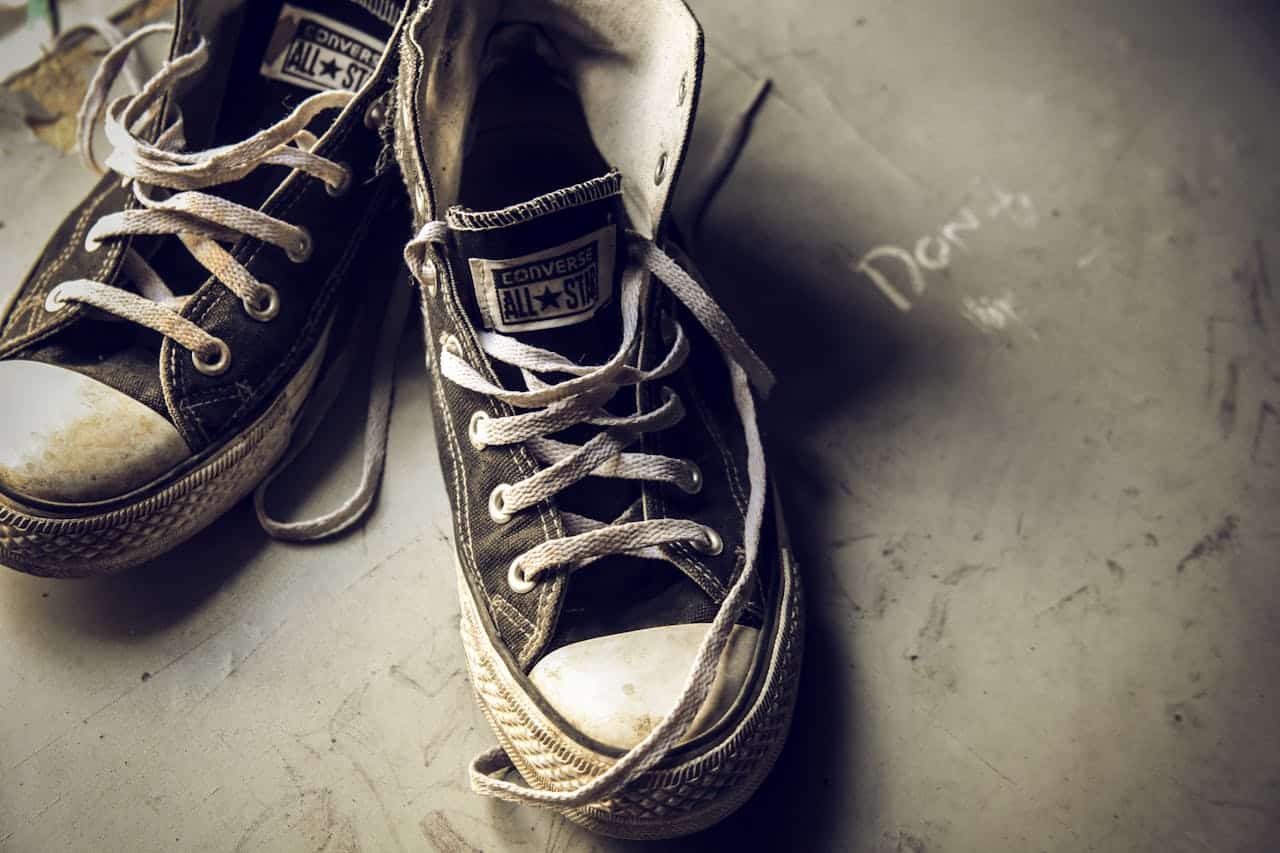
You might think donating old shoes is always helpful, but worn-out shoes can cause problems. Many charities can’t accept shoes that are too damaged or heavily used.
If your shoes are no longer wearable, consider recycling programs instead. Some stores and organizations take old shoes to repurpose materials or reduce waste. Donating only shoes in good condition ensures your gift is truly useful to someone else.
Stained clothing
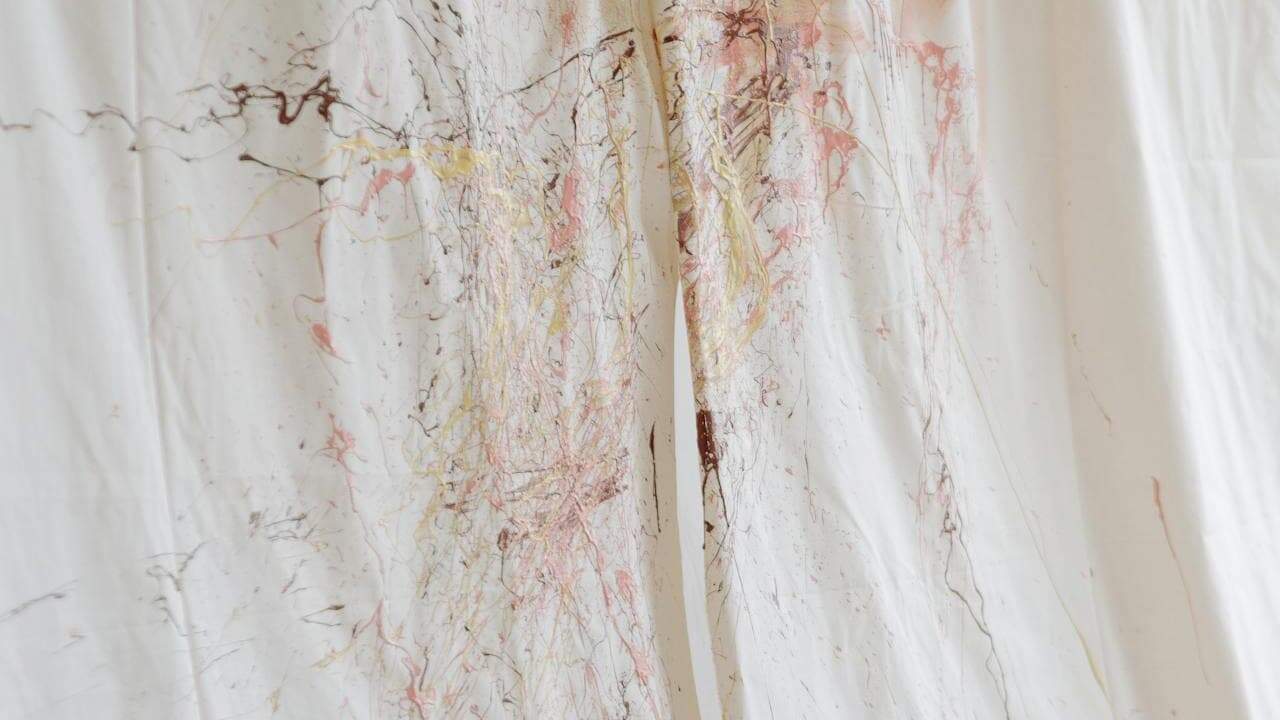
You might think donating stained clothes is no big deal, but thrift stores often can’t accept them. Fresh stains like blood, urine, or grease usually mean your items are discarded.
Even if stains seem minor, they can lower the chances your clothes will be reused. If your clothes are stained, it’s best to wash or repurpose them before donating. This helps keep donations useful and appreciated.
Old textbooks

You might think donating old textbooks is a good idea, but you could regret it. Many textbooks are outdated quickly, so they won’t always help the person you donate to.
Some places only accept certain subjects or editions. It’s better to check before you give them away. If you’re unsure, try selling or recycling them instead.
Outdated medical equipment
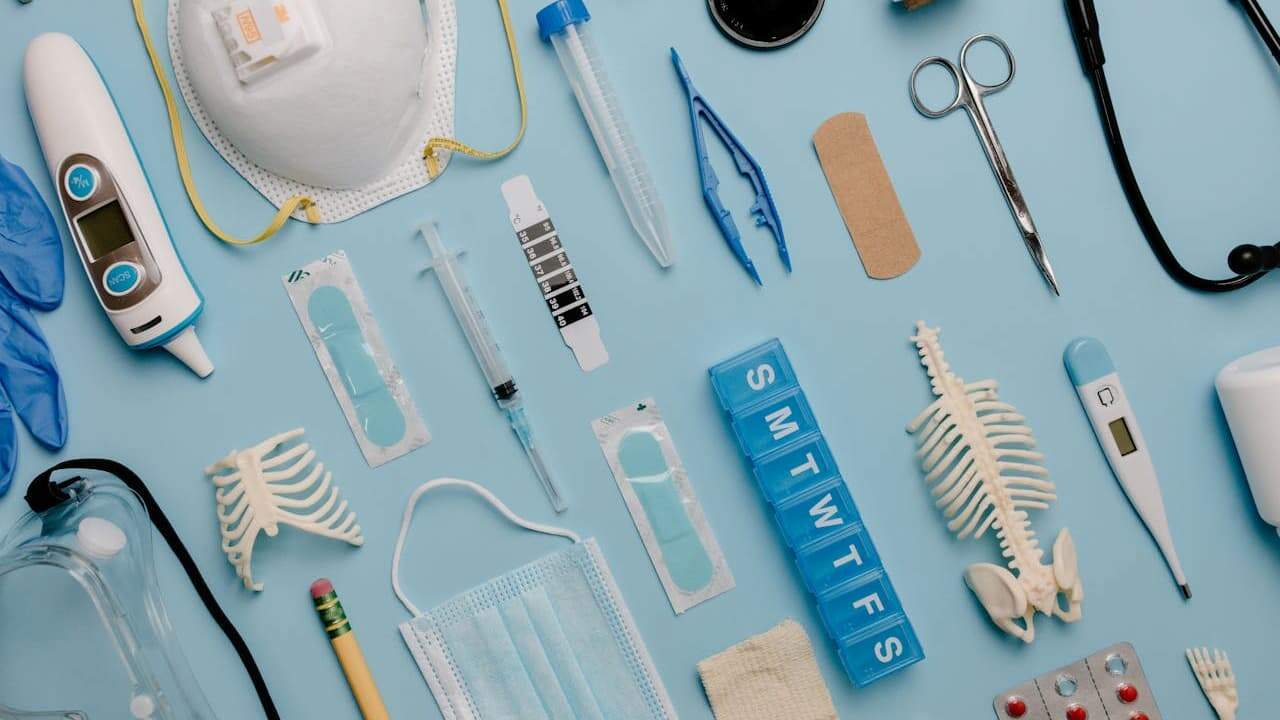
You might think donating old medical gear is helpful, but outdated equipment can be more trouble than it’s worth. Items like mercury thermometers or rusty scissors often don’t meet current safety standards.
Hospitals and clinics usually prefer modern tools that comply with health regulations. Donating old devices can create waste or confusion rather than aid. It’s better to check with the recipient first before giving old medical supplies.
Used personal care products
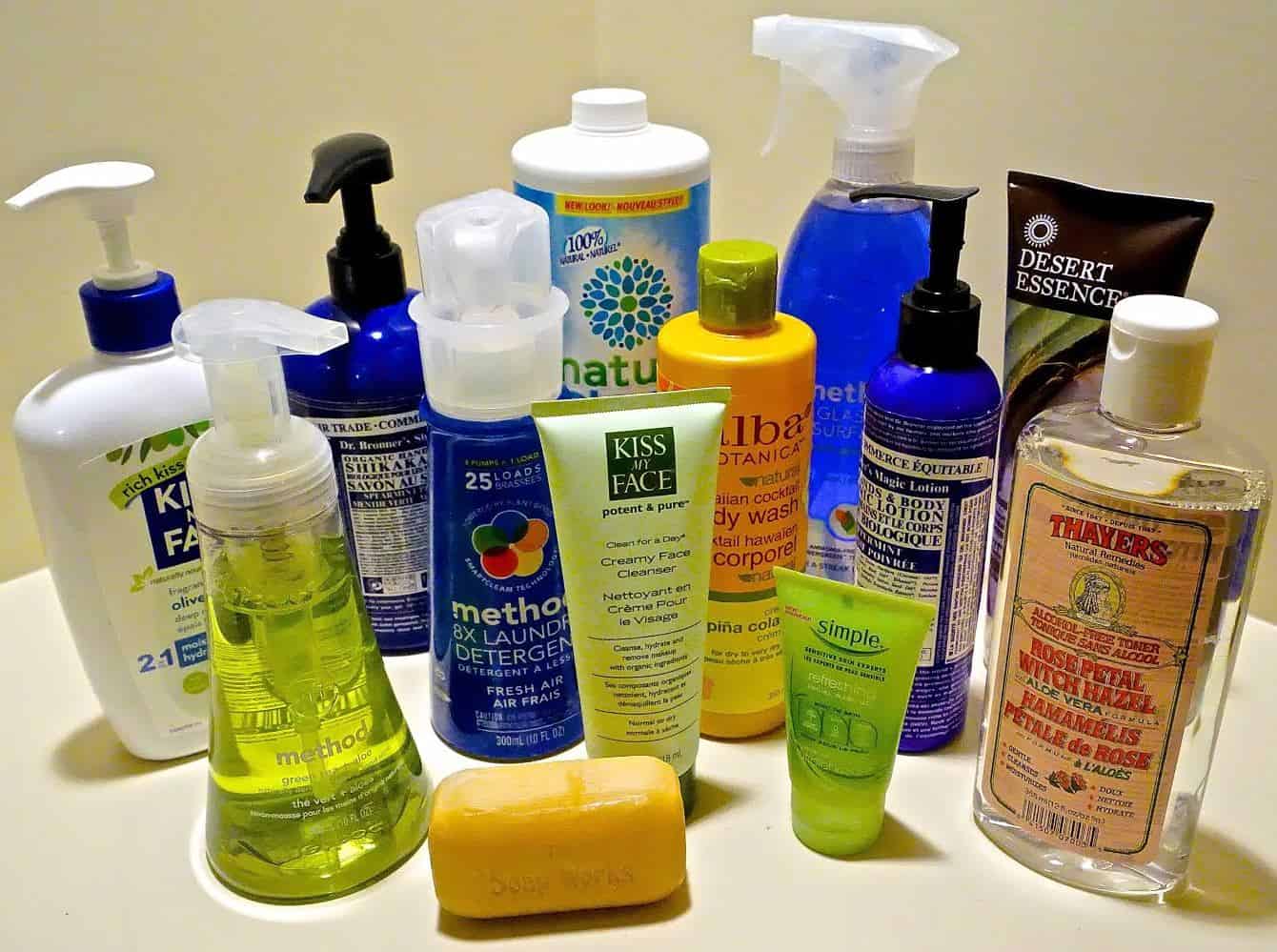
You might think donating half-used lotions or makeup is helpful, but thrift stores can’t resell these for health reasons. Opened cosmetics might carry germs or allergens that cause problems.
If you want to help, consider giving only new or unopened personal care items. That way, your donation is safe and truly appreciated.
Children’s toys with missing parts

If you donate children’s toys missing small pieces, they may not be useful to others. Missing parts can make toys unsafe or frustrating to use.
You might feel good clearing clutter, but consider keeping these toys until you can find replacement parts. This way, the toys stay complete and fun for another child. Before donating, check if the toy works as intended. If not, it’s better to recycle or discard it instead.
Non-functional kitchen appliances

You might think donating old kitchen gadgets is helpful, but non-working appliances often end up as trash. Thrift stores usually can’t repair or sell broken blenders, toasters, or coffee makers.
If your appliance no longer works, recycling or proper disposal is a better option. This helps avoid clutter and frustration for donation centers.
Cracked dishware

You might think cracked dishes are useless, but holding on to a few can save you from last-minute replacements. They’re perfect for non-food uses like plant trays or art projects.
Donating cracked dishware can be tricky, as many places won’t accept damaged items. If you really want to let them go, consider turning broken pieces into mosaics or other crafts first.
Unwashed stuffed animals
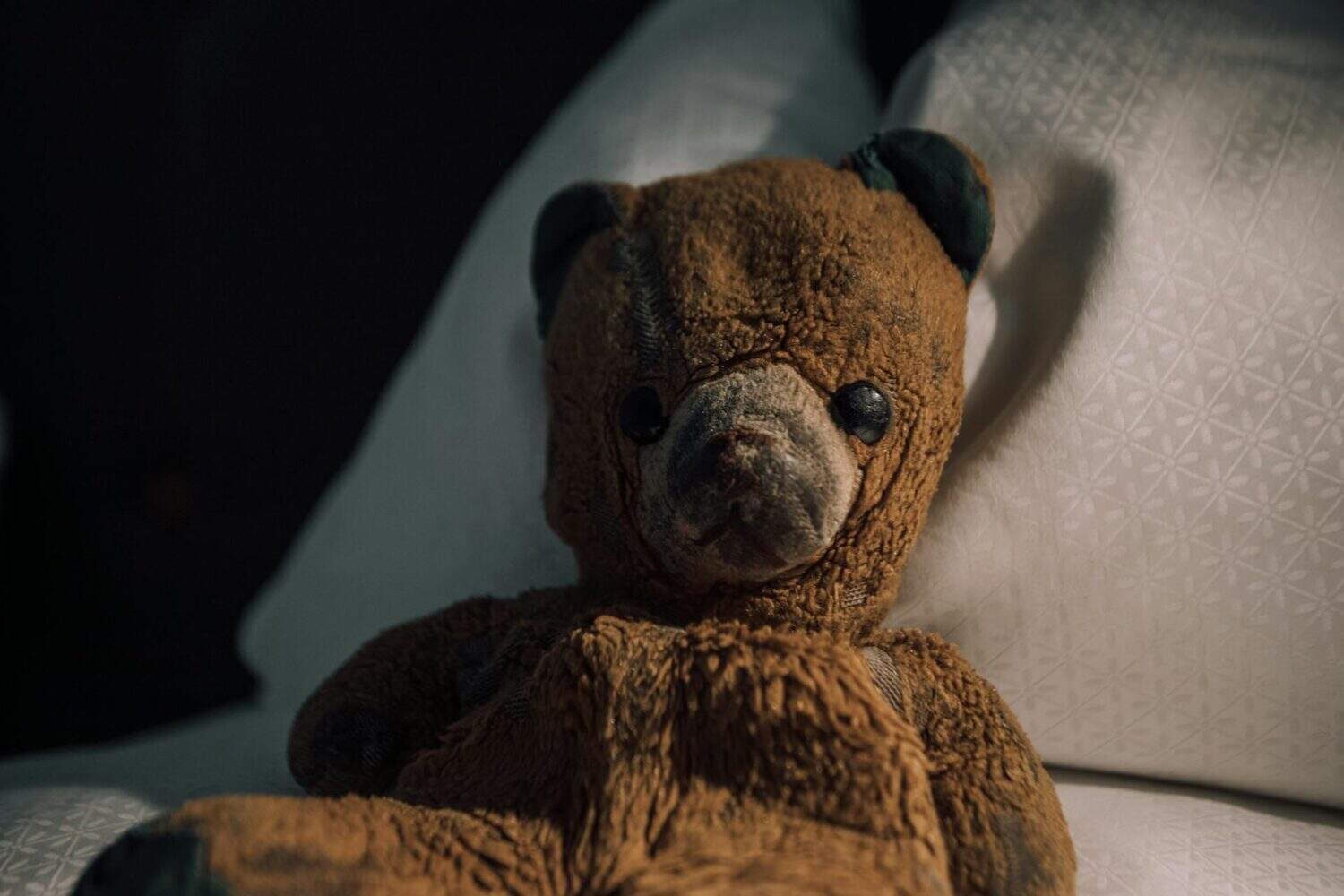
If you donate stuffed animals without washing them first, you might unintentionally pass along dirt, germs, or allergens.
It’s best to clean them thoroughly to ensure they’re safe and pleasant for the next person. Taking a little extra time to wash your stuffed toys shows care and respect for those who will receive them.