When you think about American homes in the 1950s, a unique blend of style and practicality comes to mind. This era was defined by distinct furnishings, colors, and appliances that reflected the social dynamics and aesthetic preferences of the time. You’ll discover that certain items were staples in every household, making them emblematic of mid-century American life.
From the cheerful pastel colors of kitchens to the iconic furnishings that filled living rooms, each element tells a story of a bygone era. Understanding these fixtures not only connects you to history but also provides insight into the daily lives of families during this vibrant decade.
Advertisement
Rotary Dial Phone
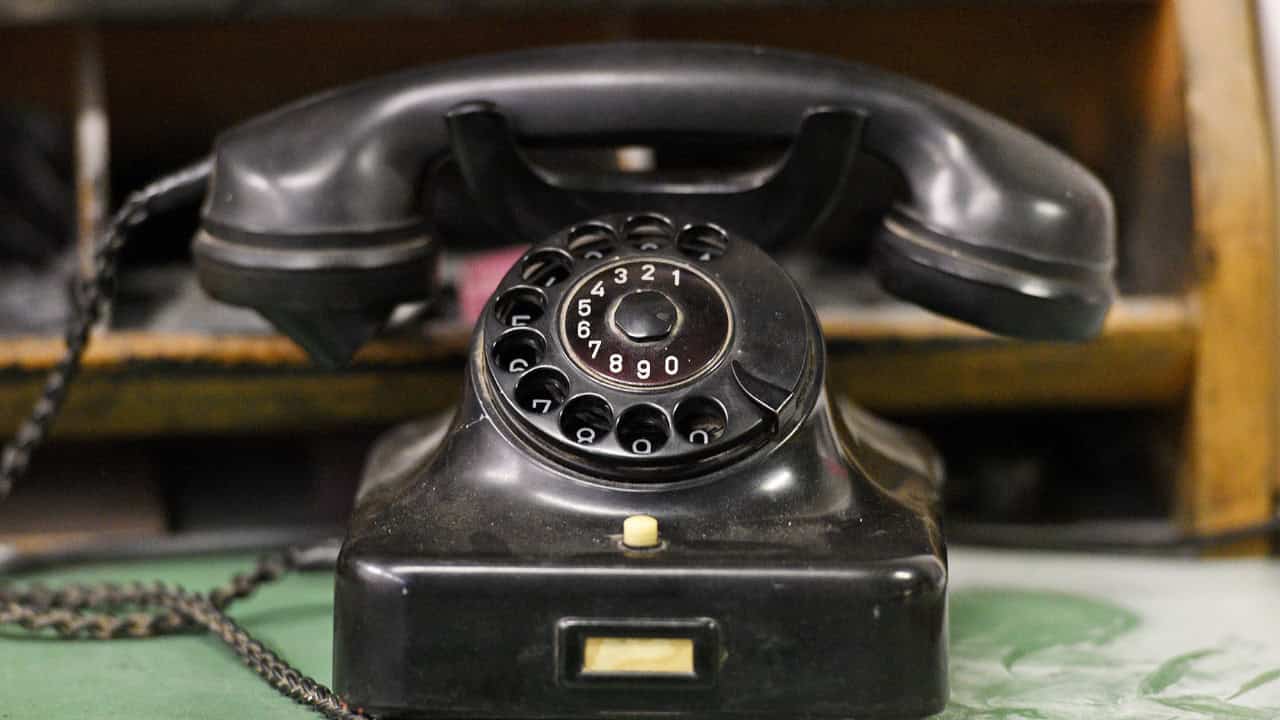
In your 1950s American home, a rotary dial phone was a common fixture. You would have seen it perched on the kitchen counter or hung on the wall.
Using it involved rotating the dial for each number, a simple yet charming process. The distinctive ring of the bell when a call came in added to the experience, making phone conversations feel special.
Party line connection
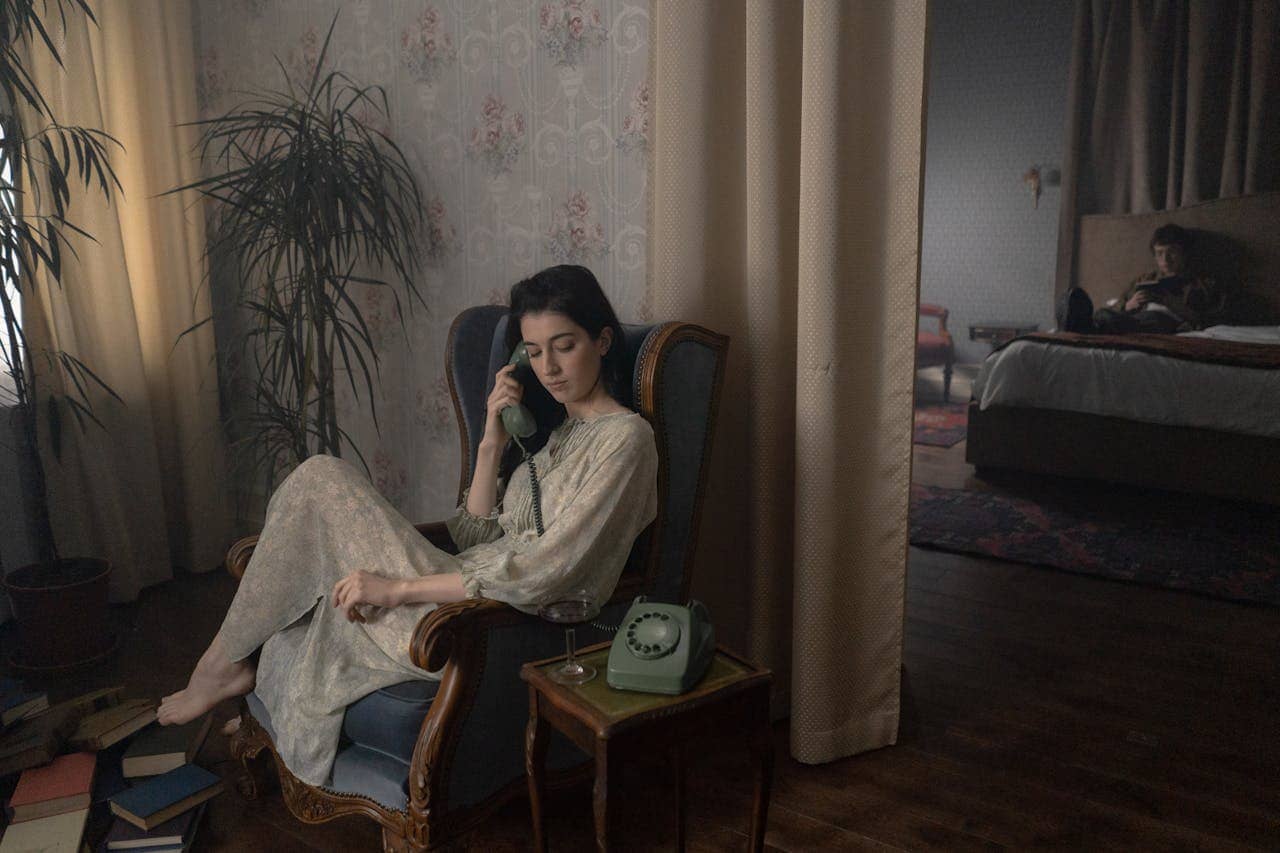
In many 1950s American homes, you would find a party line connection. This meant that multiple households shared the same telephone line.
You might pick up the receiver and hear the conversation of your neighbors, making it both a convenient and social experience. While it was cost-effective, it often led to privacy issues. You had to be careful when calling, as others might be listening in.
Cheerful pastel kitchen
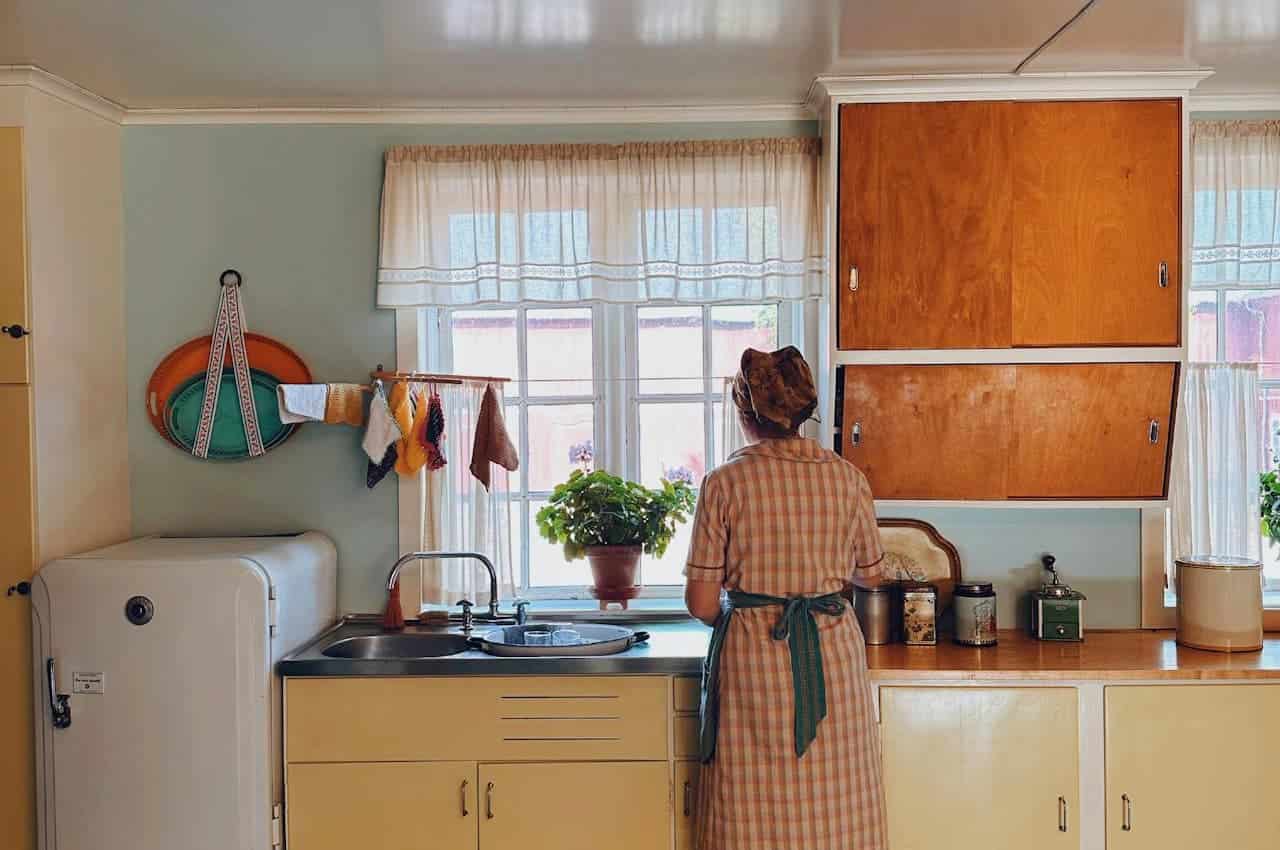
Picture your kitchen adorned with soft pastel colors, a hallmark of 1950s design. Imagine walls painted in shades of pink, blue, or yellow, creating a warm and inviting atmosphere.
These cheerful tones made cooking feel joyous and lively. Pastel appliances, like refrigerators and stoves, added a touch of whimsy, making your kitchen not just functional, but also a delightful space to gather with family and friends.
Hard liquor cabinet
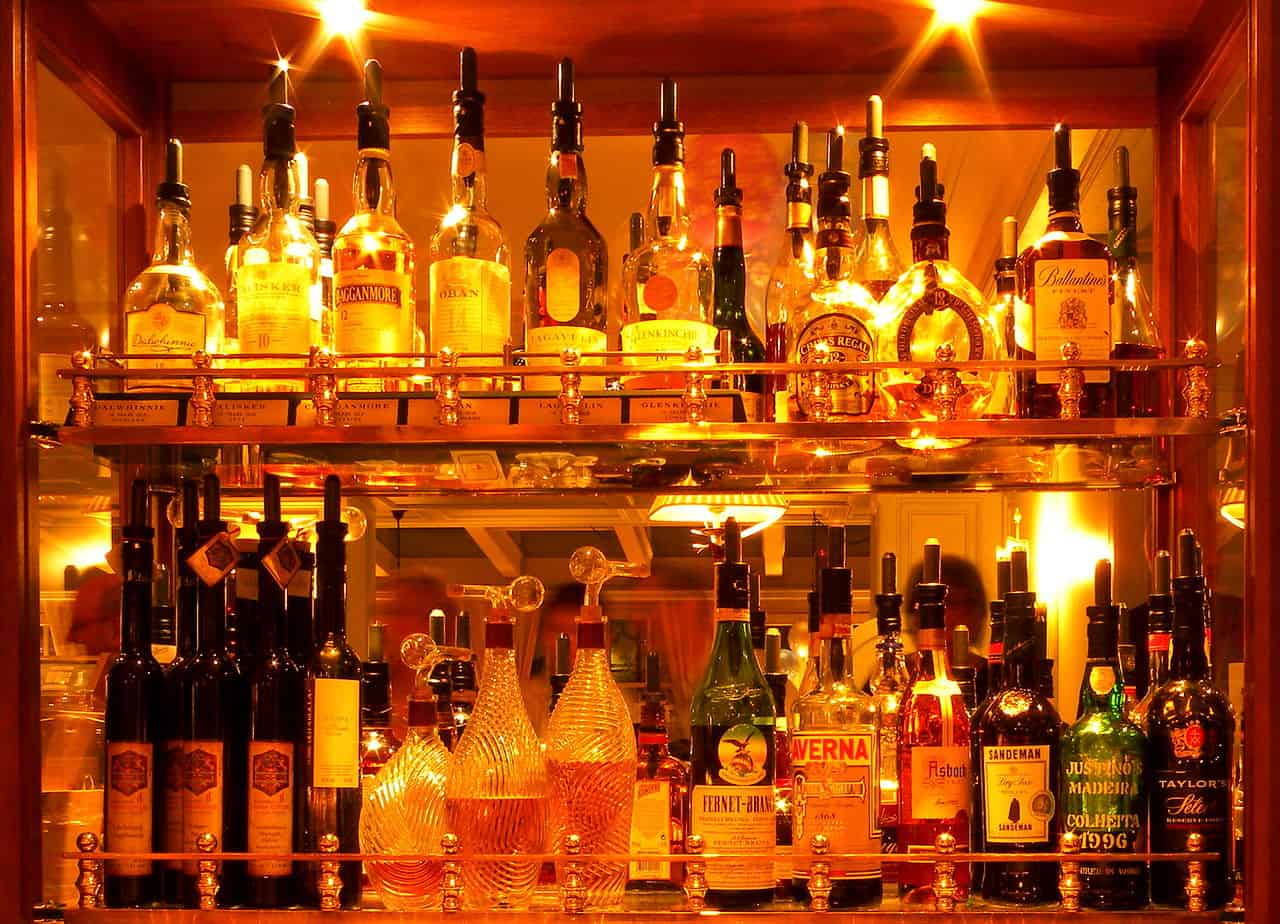
In a 1950s American home, the hard liquor cabinet was a staple. You’d often find it in the living room or dining area, showcasing an array of spirits.
These cabinets were not just for storage; they were a decorative piece, often made of stylish wood.
When hosting, you could impress guests with selections for classic cocktails. It was essential to keep your liquor collection well-stocked and ready for entertaining.
Fringed Armchair
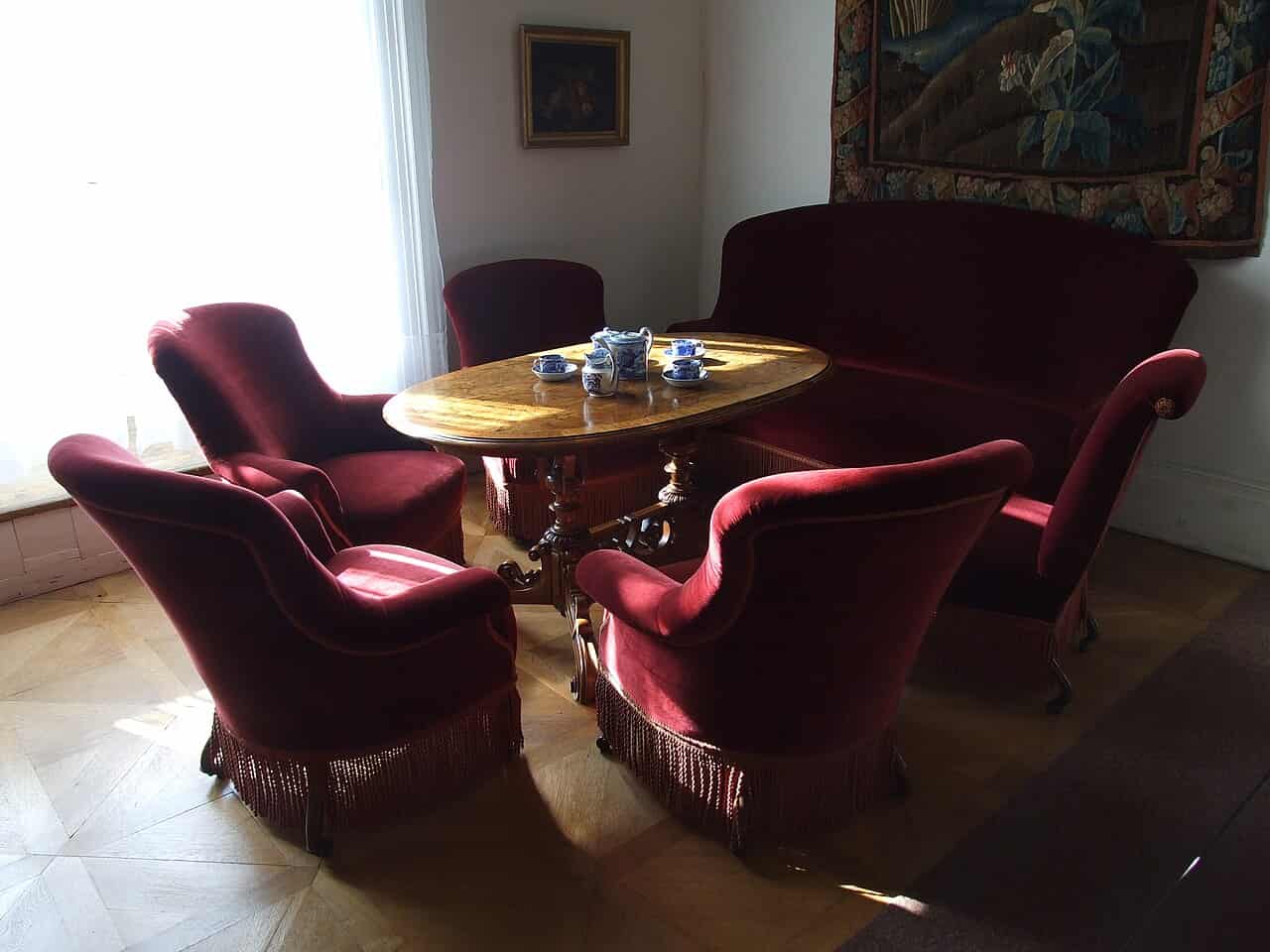
You could always find a fringed armchair in a 1950s American home. These chairs added a touch of whimsy and comfort to living rooms.
The fringed design brought a playful quality, complementing the bright colors and patterns of the time. They were perfect for curling up with a book or chatting with friends.
A stylish choice, the fringed armchair reflected the era’s love for bold and fun interior design.
Three-piece living room set
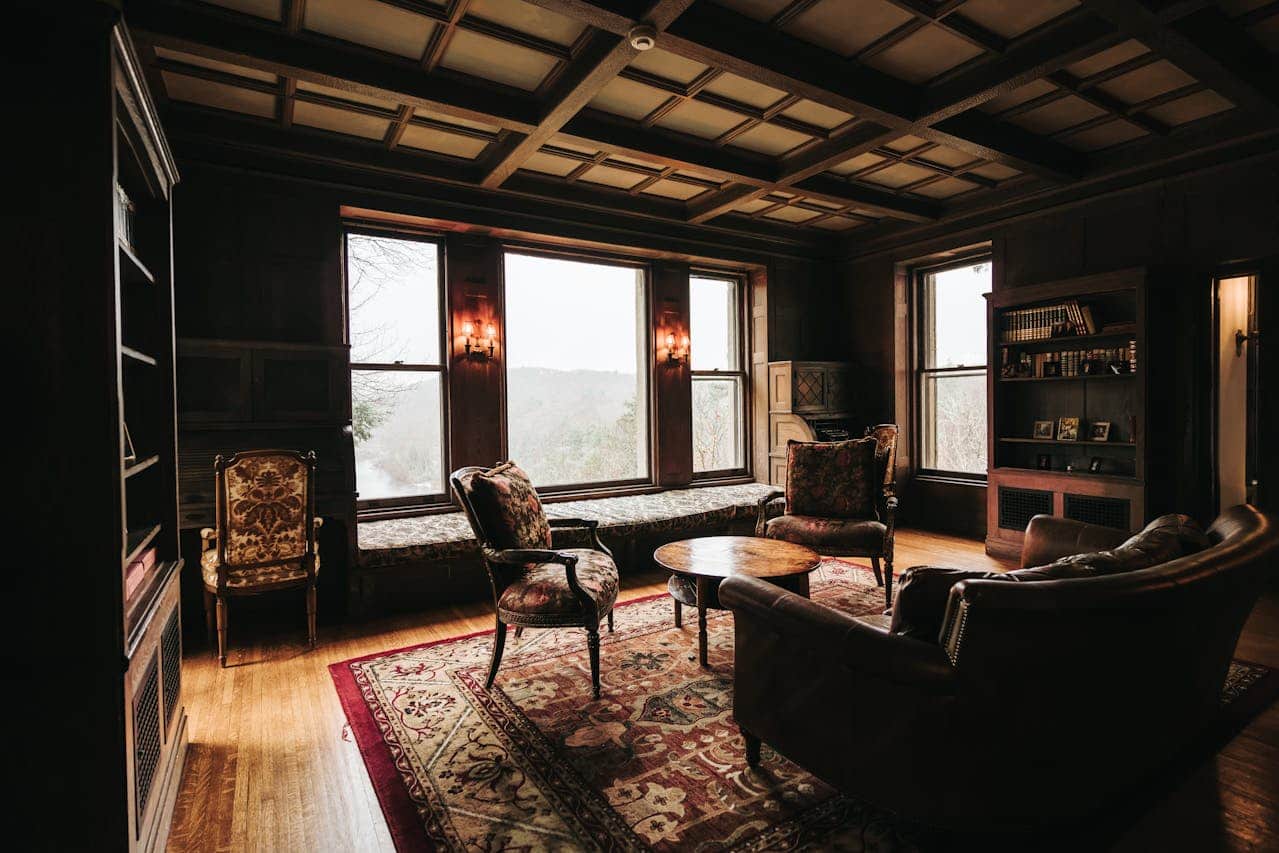
In a 1950s American home, you would typically find a three-piece living room set. This usually consisted of a sofa and two matching chairs, all designed for comfort and style.
These sets often featured bold fabrics and mid-century designs, creating a warm, inviting space for family gatherings. You might also notice wooden legs that added a touch of elegance to your living area.
Console Television Set
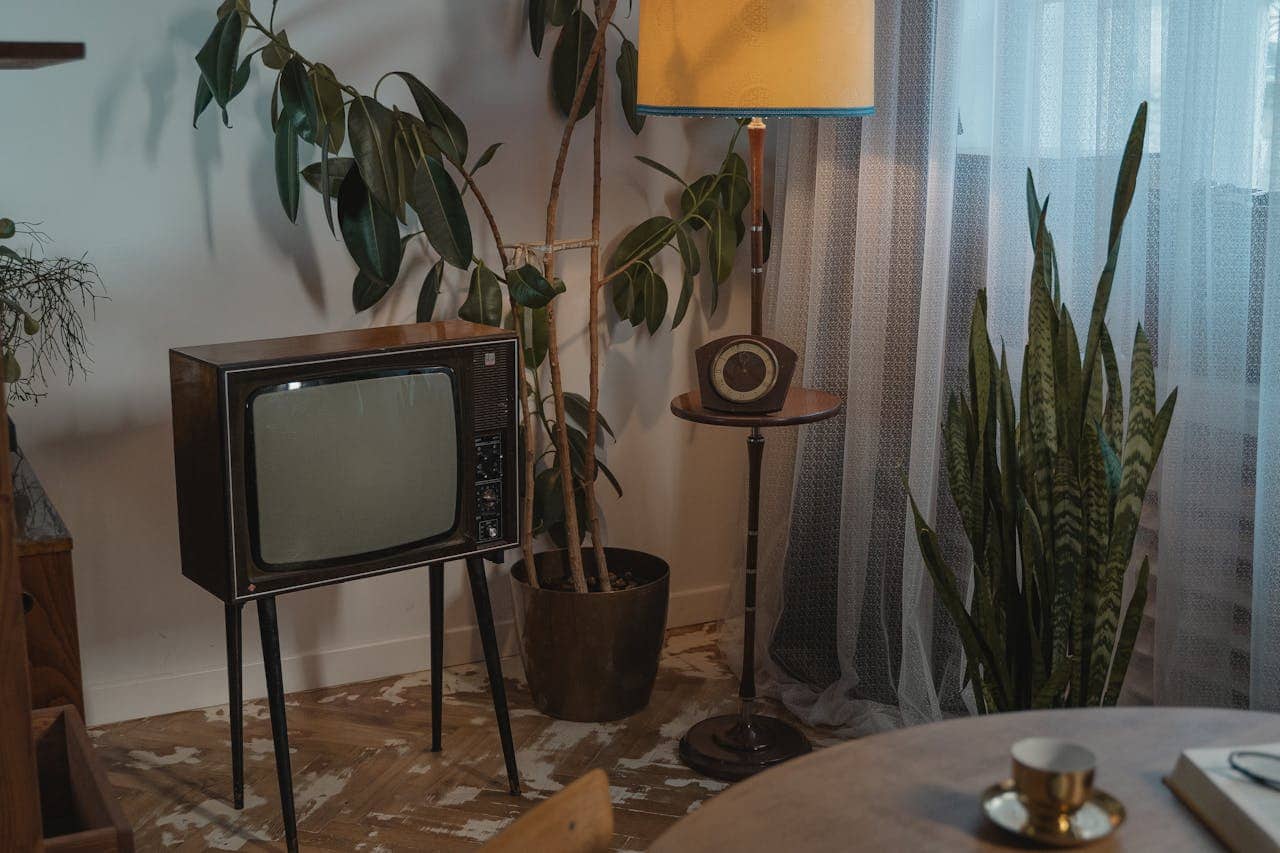
In a 1950s American home, you would likely find a console television set as a central piece of furniture. These bulky units often featured wooden cabinets designed to blend with living room decor.
You might remember the warm glow of the screen and the crackle of the speakers. Families gathered around to watch their favorite shows, making it a hub for entertainment and conversation.
Built-in Ironing Board Closet
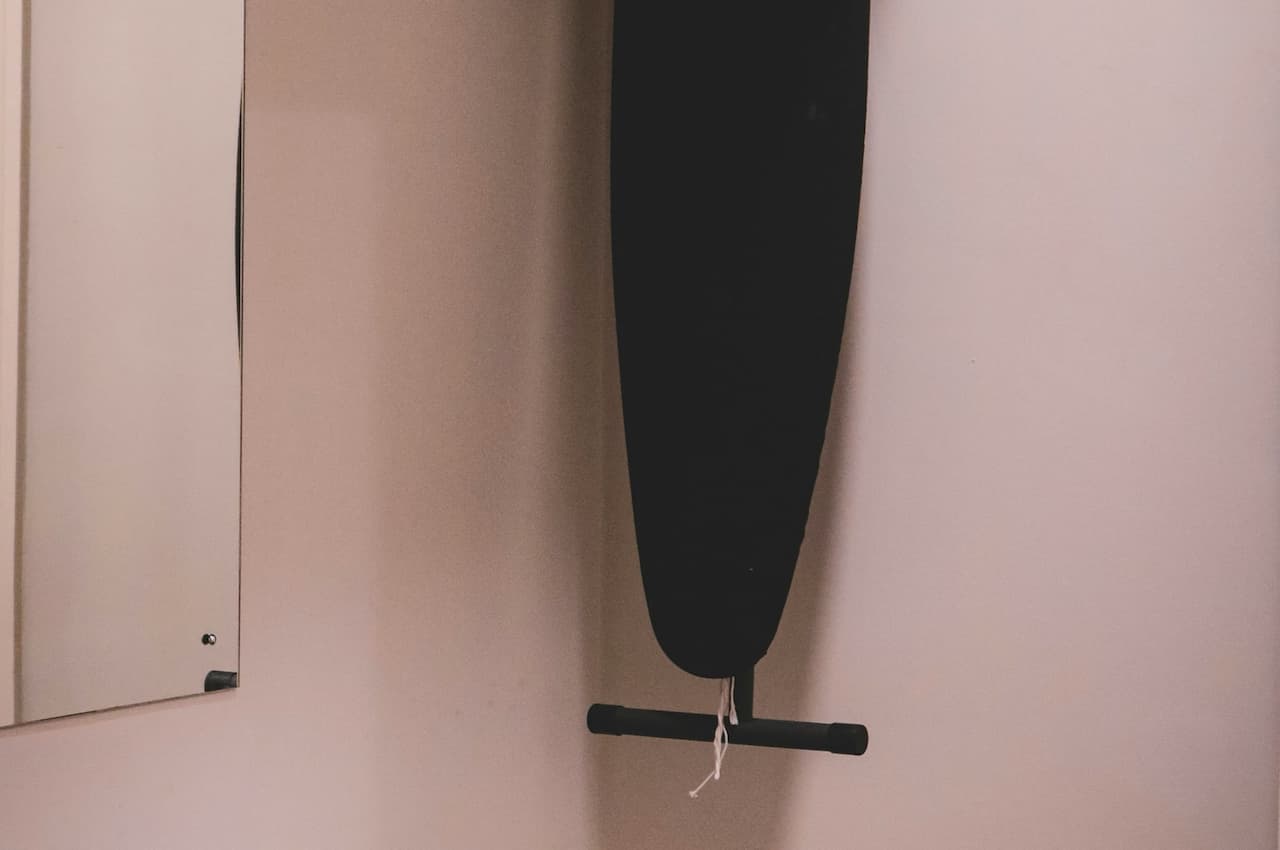
A built-in ironing board closet is a clever feature you’ll often find in 1950s homes. These specialized spaces allow you to tuck away an ironing board when it’s not in use, keeping your home tidy.
When you want to iron, simply flip the board down and get to work. This design reflects the era’s focus on efficiency and convenience in daily living.
Asbestos-containing tiles
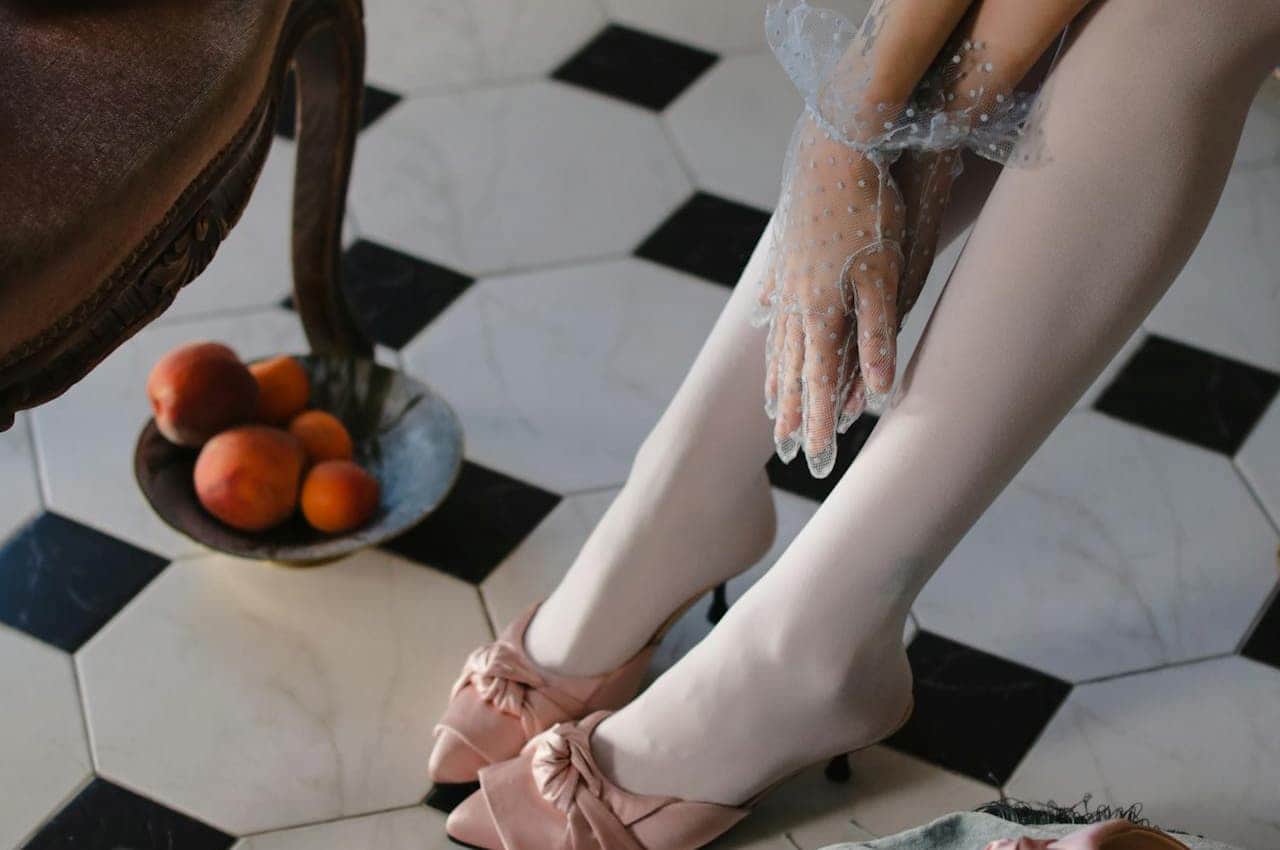
In many homes from the 1950s, you might find flooring materials that contain asbestos. This was common due to asbestos’s durability and fire-resistant properties.
Vinyl and asphalt tiles were often used, and while they can be unsuspecting, they may pose health risks if damaged. If you’re remodeling, it’s wise to check for these materials and consider professional assistance for safe removal.
Tropical Motif Curtain
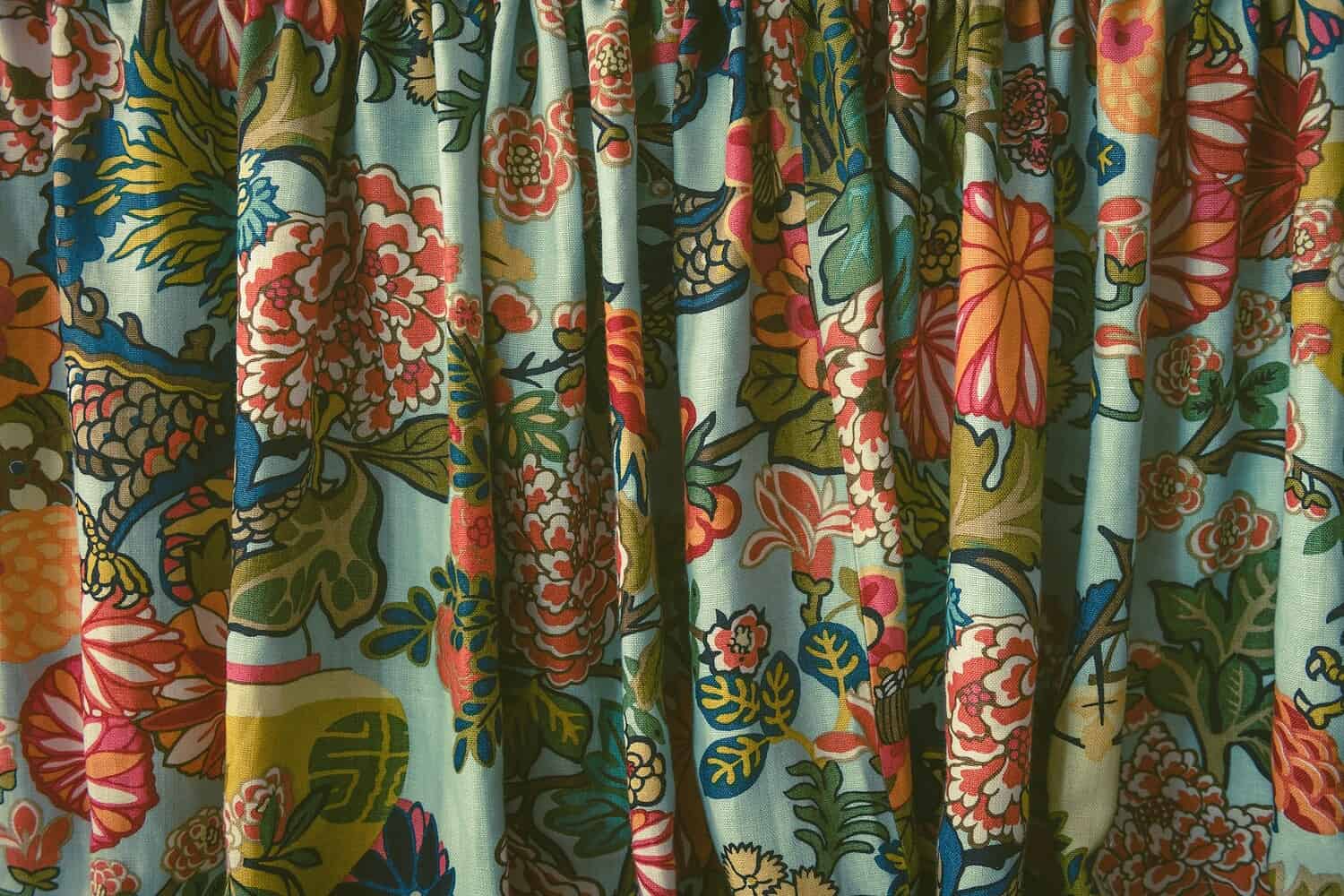
In the 1950s, tropical motifs were a popular choice for home decor. You’d likely find bright, vibrant curtains featuring palm leaves and exotic flowers in living areas.
These curtains added a playful touch to your space and perfectly complemented Mid-Century furniture. The lively patterns brought a sense of warmth and relaxation into your home, reminding you of vacation vibes even while relaxing indoors.
Stiff, scratchy upholstery
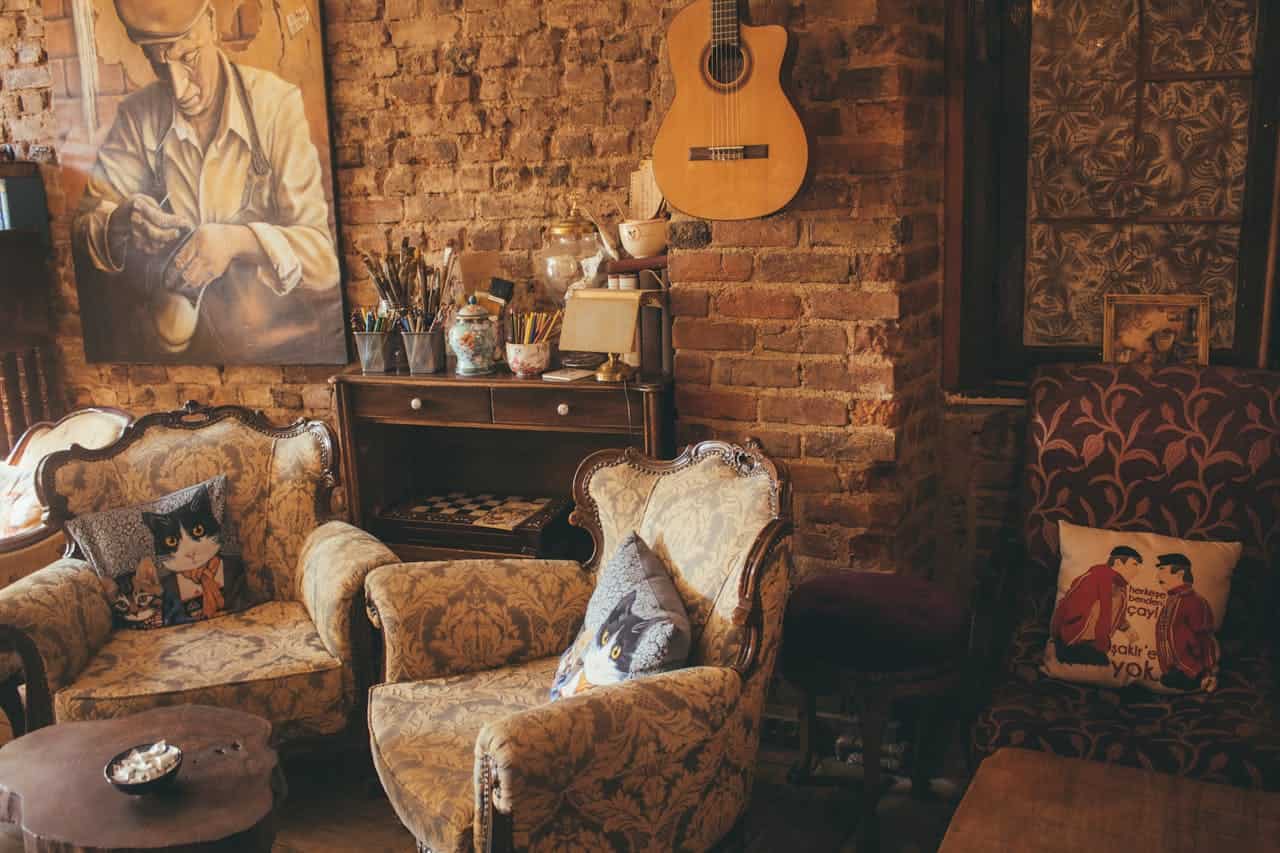
In a 1950s American home, you would often find furniture covered in stiff and scratchy upholstery. Fabrics like brocade or rougher weaves were popular choices, making some sofas and chairs uncomfortable for lounging.
These materials were designed for durability, sometimes sacrificing comfort for style. You might recall the distinct feel of sitting on one of those vintage pieces, where comfort wasn’t a priority.
Black and white checkered floor
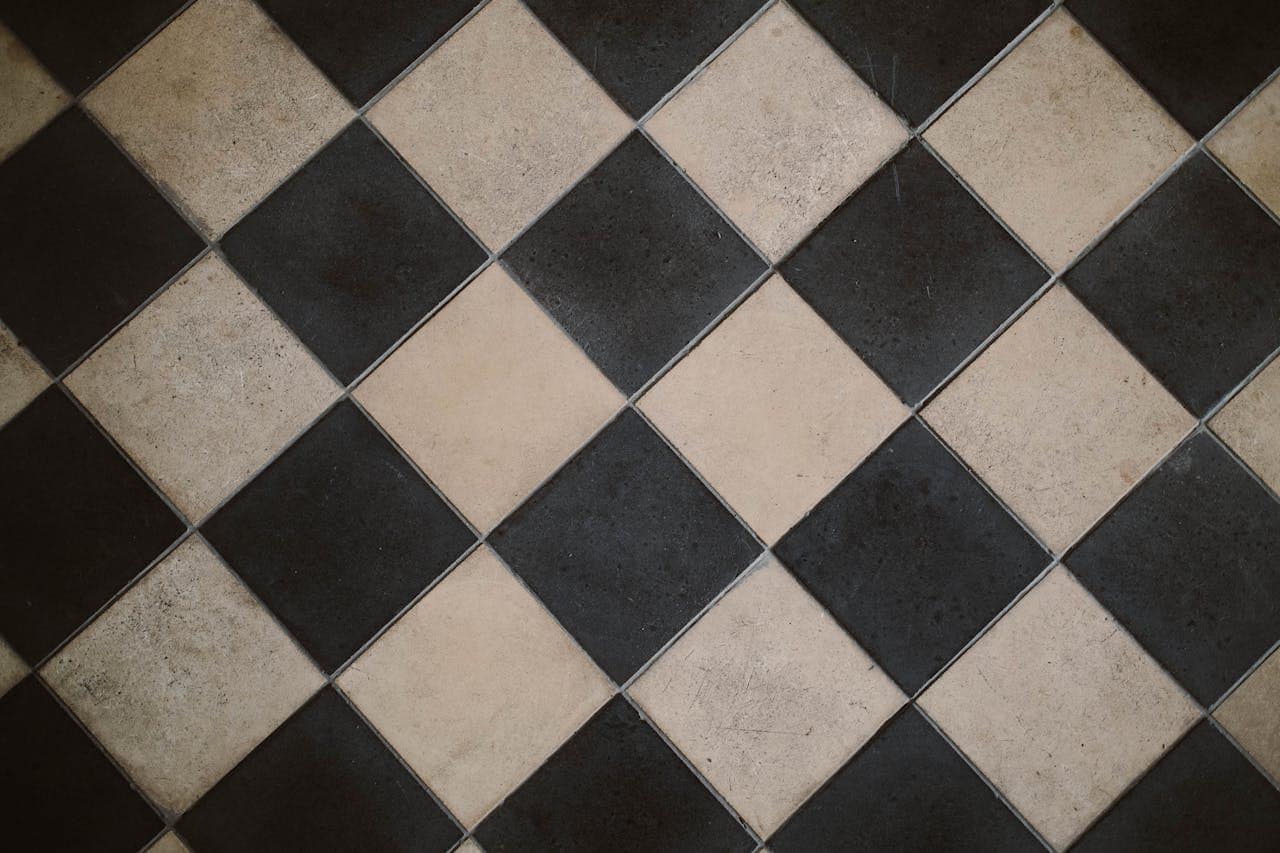
You’ll often find black and white checkered floors in a 1950s American home. This classic design adds a touch of retro charm and style to any space.
These floors are not just visually striking; they offer a sense of nostalgia that many still appreciate today. The contrasting colors can brighten up areas like kitchens and dining rooms, making them lively and inviting.