When enjoying a cozy fire in your fireplace, it’s essential to consider what materials are safe to burn. Many common items might seem harmless but can produce harmful emissions or even damage your fireplace. Knowing which items to avoid burning helps keep your home safe and ensures a healthier environment.
In this article, you’ll find a list of twelve things you should never burn in your fireplace. Being aware of these items can prevent potential hazards and maintain the efficiency of your heating system. Embracing this knowledge allows you to enjoy your fires while protecting your home and loved ones.
Advertisement
1. Treated or painted wood
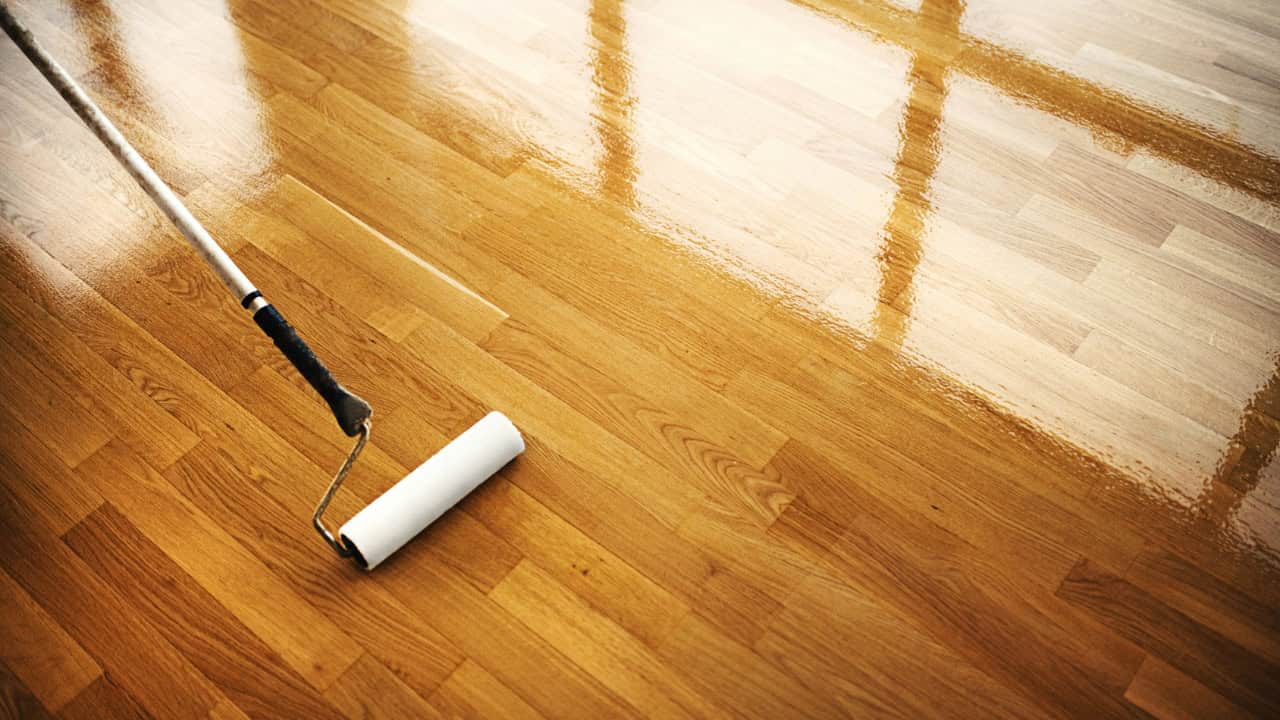
You should never burn treated or painted wood in your fireplace. This type of wood often contains harmful chemicals, like arsenic from pressure treatments.
When burned, these chemicals can release toxic fumes into the air, which can be dangerous to your health. Additionally, burning painted wood can produce harmful smoke and contribute to creosote buildup in your chimney.
For a safe and enjoyable fire, stick to natural, untreated wood. Your lungs will thank you!
2. Wet firewood
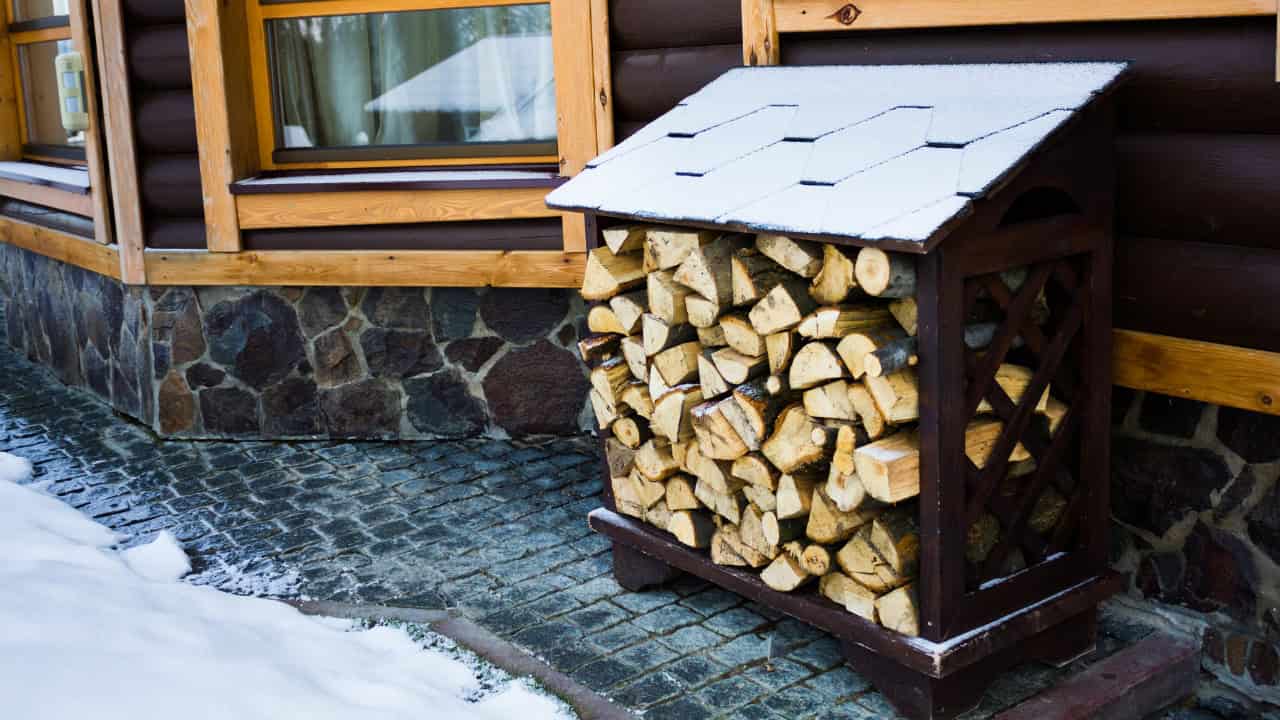
Burning wet firewood can lead to significant issues in your fireplace. When the wood is moist, it produces excessive smoke and creates a lot of creosote.
Creosote builds up in your chimney, which can increase the risk of a chimney fire. Additionally, wet wood makes it harder to light a fire, leaving you frustrated.
To ensure a better burning experience, always use seasoned wood that has been properly dried. This will not only enhance your fire but also make your fireplace safer.
3. Charcoal from barbecue grill

Using charcoal from your barbecue grill in your fireplace might seem convenient, but it poses serious risks. When burned, charcoal releases carbon monoxide, a harmful gas that can accumulate indoors.
Your fireplace is designed for specific types of wood and can’t handle the toxins that charcoal emits. Instead of warming your home, you could be creating a hazardous atmosphere.
For your safety, always keep charcoal outside and opt for seasoned firewood to enjoy a cozy fire.
4. Driftwood

You might think driftwood is an easy option for firewood, especially if you live near the coast. However, it’s best to avoid burning it in your fireplace.
Driftwood often absorbs salt and other minerals from seawater, which can create harmful smoke when burned.
Additionally, it may be treated with chemicals that release toxins into the air. For a safer and cleaner fire, stick with seasoned firewood.
5. Plastics
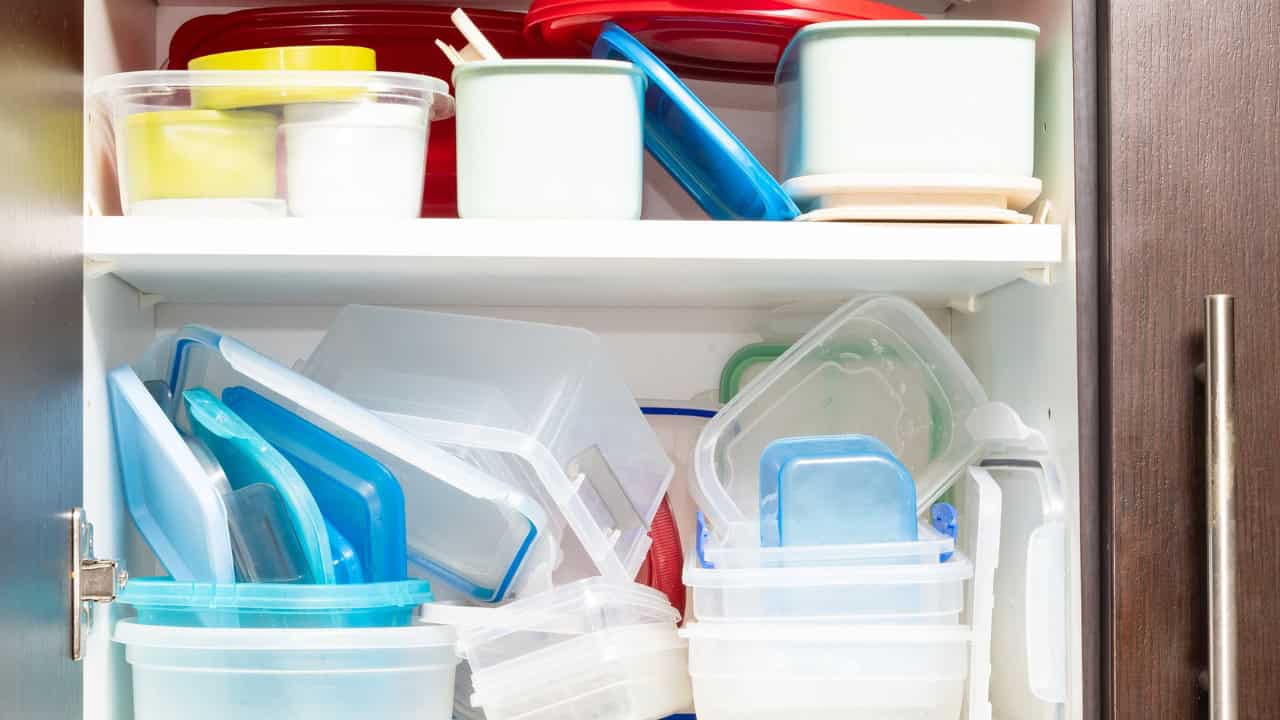
You should never burn plastics in your fireplace. Items like plastic bags, containers, and Styrofoam can release toxic chemicals when burned.
These substances can produce harmful fumes such as dioxins, which are dangerous to your health.
It’s best to dispose of plastics through recycling programs rather than risking your safety and the environment by burning them.
6. Papers with colored ink

When it comes to burning papers, it’s best to steer clear of those with colored ink. These inks can contain harmful chemicals that release toxic fumes when burned.
Colored papers, such as magazines and gift wrap, may seem appealing to toss in the fire. However, the potential risks to your health and environment make it a poor choice. Stick to burning plain, uncolored paper for a safer fireplace experience.
7. Cardboard
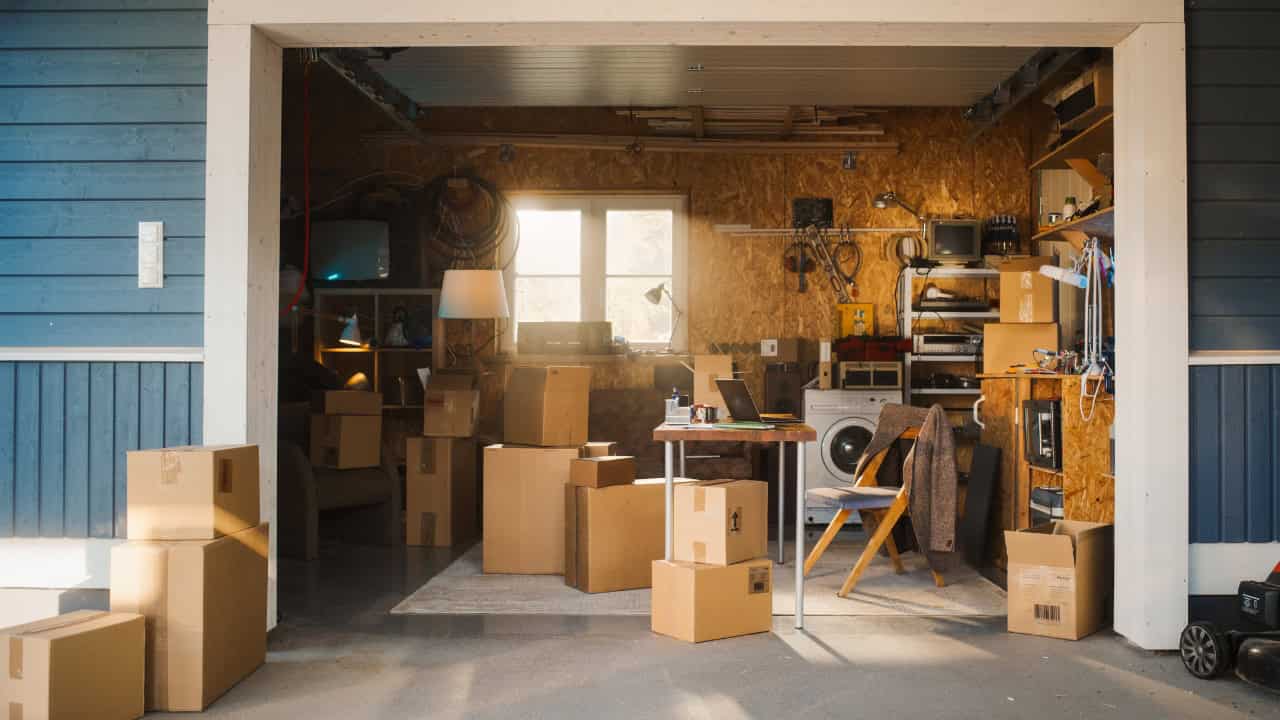
You might think burning cardboard is an easy way to start your fire, but it can actually be harmful. Cardboard is often treated with chemicals and inks that can release toxic fumes when burned.
These fumes are not only bad for your health but can also contribute to chimney buildup. Instead of tossing in cardboard, consider using seasoned firewood for a safer and cleaner burn.
8. Magazines

You might think burning magazines in your fireplace is harmless, but it can release toxic fumes. The inks and coatings used in magazines are not safe to inhale.
Instead of burning them, recycle your old magazines. This not only keeps your home safe but also helps the environment.
Consider creating a designated space for organizing magazines that you no longer read. This way, you can keep your fireplace for safe burning materials.
9. Trash
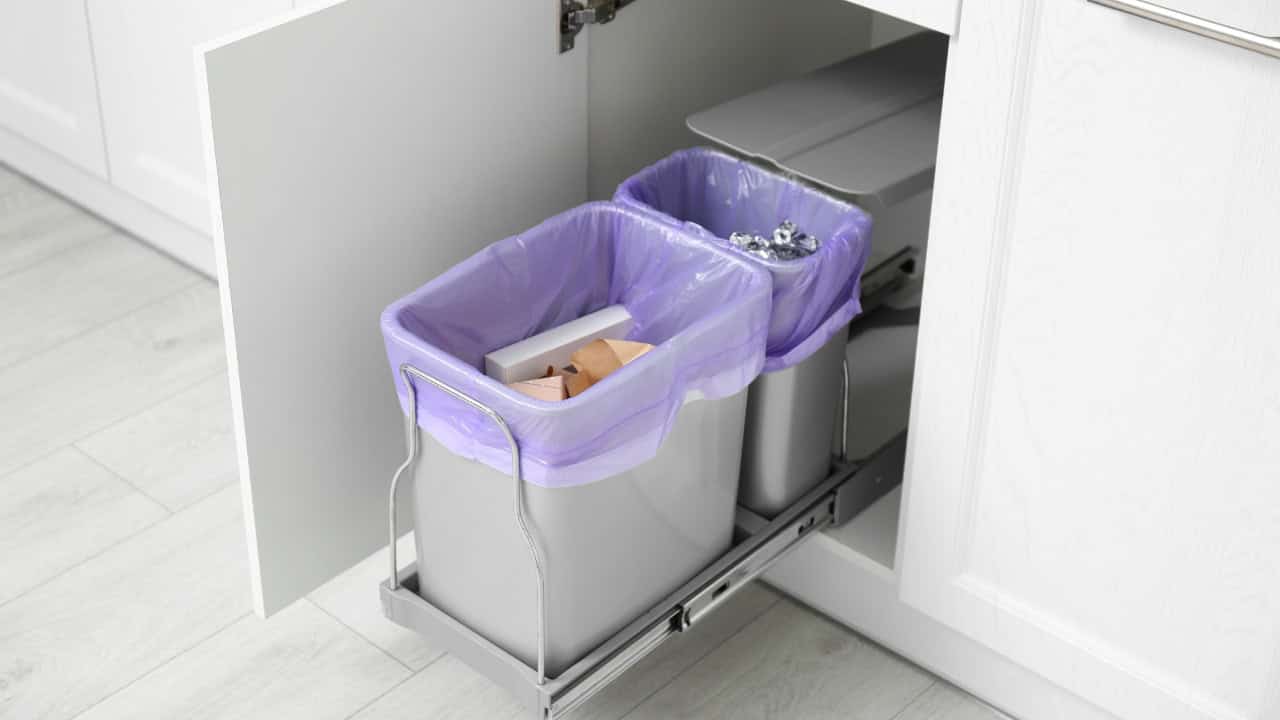
You might think that a fireplace can double as a trash can, but that’s a risky idea. Burning trash can release harmful fumes into your home.
Items like food wrappers, leftover food, and various household garbage can create toxic emissions.
Instead of tossing trash into the fire, take a moment to dispose of it properly. Your health and safety will thank you!
10. Green or freshly cut wood

You should avoid burning green or freshly cut wood in your fireplace. This type of wood contains a high moisture content, making it difficult to ignite.
When you burn green wood, it produces excessive smoke and can lead to dangerous creosote buildup in your chimney. This increases the risk of chimney fires, which can be hazardous for your home.
It’s best to use seasoned wood that has dried for at least six to twelve months. This ensures a more efficient and safer burning experience, allowing you to enjoy your fireplace without worry.
11. Sappy wood like pine

When it comes to burning wood, sappy varieties like pine should be avoided. Pine has a high resin content, which can create a lot of smoke and soot.
Burning pine can lead to a buildup of creosote in your chimney. This accumulation increases the risk of chimney fires, which can be dangerous for your home.
While it may seem tempting to use leftover pine, it’s best to choose hardwoods for your fireplace instead. They burn cleaner and produce less smoke overall. Stick with options like oak or maple for a safer, more enjoyable fire experience.
12. Construction waste

When it comes to your fireplace, construction waste should never be on your to-burn list. This type of waste often includes materials like drywall, insulation, and treated wood.
Burning these items can release harmful chemicals into your home. In addition, they can create excessive smoke and dangerous fumes that pose health risks to you and your family.
Always dispose of construction debris properly. Finding an appropriate disposal method helps keep your home safe and contributes to a healthier environment.
*This article was created with the help of AI.