We’ve all been there: a move, a downsizing, or a sudden influx of gifts and you find yourself in need of a storage unit. It seems like a logical solution to the clutter – just pack it all up and store it away.
But while storage can be a lifesaver, it can also turn into a black hole where items go in and never come back out. After years of renting storage units, I’ve come to realize that some things simply aren’t worth storing. Here are the 12 things I wish I’d never put in storage.
Advertisement
1. Family Photos
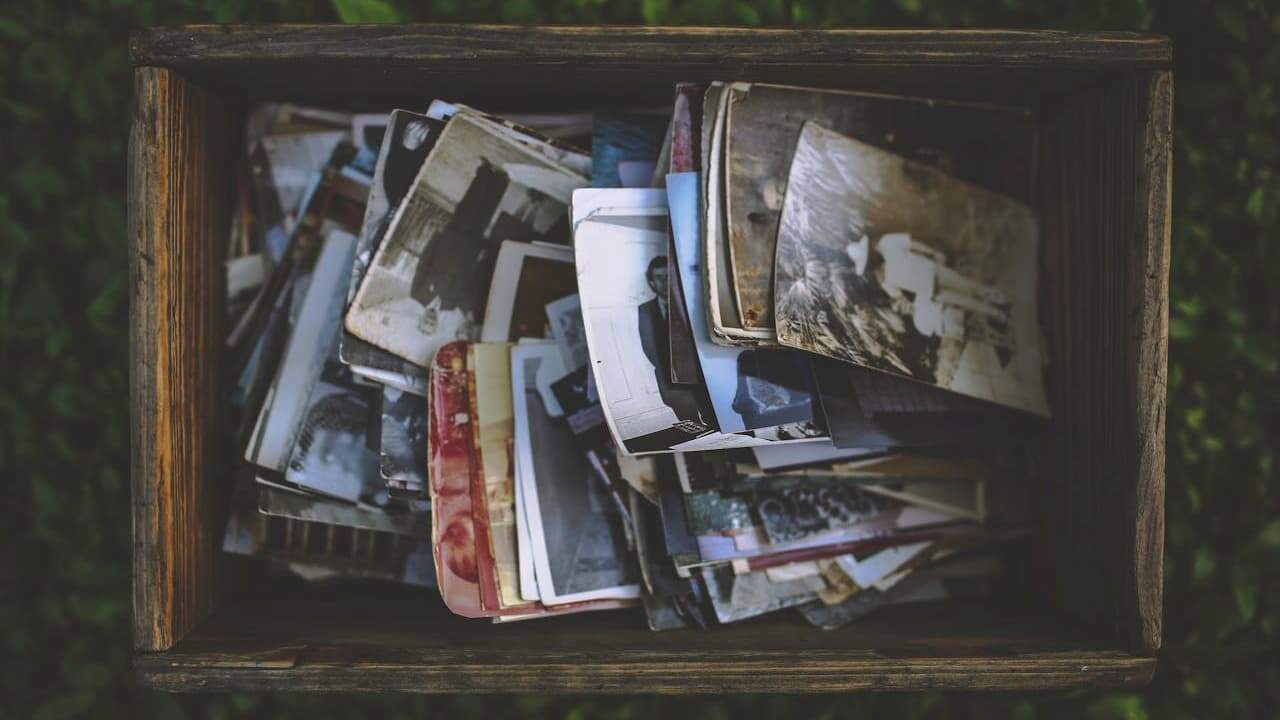
Family photos are priceless, but they can also be a pain to store. They’re sensitive to temperature and humidity, and if not stored properly, they can deteriorate over time. I learned this the hard way when I took out a box of old family photos from storage and found them stuck together and discolored.
In hindsight, I wish I had taken the time to digitize the photos. There are numerous services available that will scan and digitally restore your photos, saving them from potential damage. Plus, digital photos are easier to share with family members and take up no physical space.
2. Old Electronics

I thought I was being smart by storing away my old desktop computer and a box of outdated phones. I figured they might come in handy one day, or maybe they’d become collectibles. But technology evolves quickly, and by the time I decided to clean out my storage, these items were just outdated junk.
Electronics are not a good candidate for long-term storage. They lose value as newer models are released, and they can even become hazardous if their batteries leak. It’s better to sell, recycle, or donate old electronics rather than storing them.
3. Mattresses

Mattresses are bulky and expensive, which makes them a common storage unit resident. But the truth is, mattresses don’t fare well in storage. They can absorb moisture, which leads to mold, and the materials can break down over time.
If you have a mattress that you don’t need right now but might need in the future, consider selling it and using the money to buy a new one when the time comes. If that’s not an option, make sure to store the mattress properly. It should be wrapped in a breathable plastic cover and stored flat to prevent damage.
4. Fragile Antiques
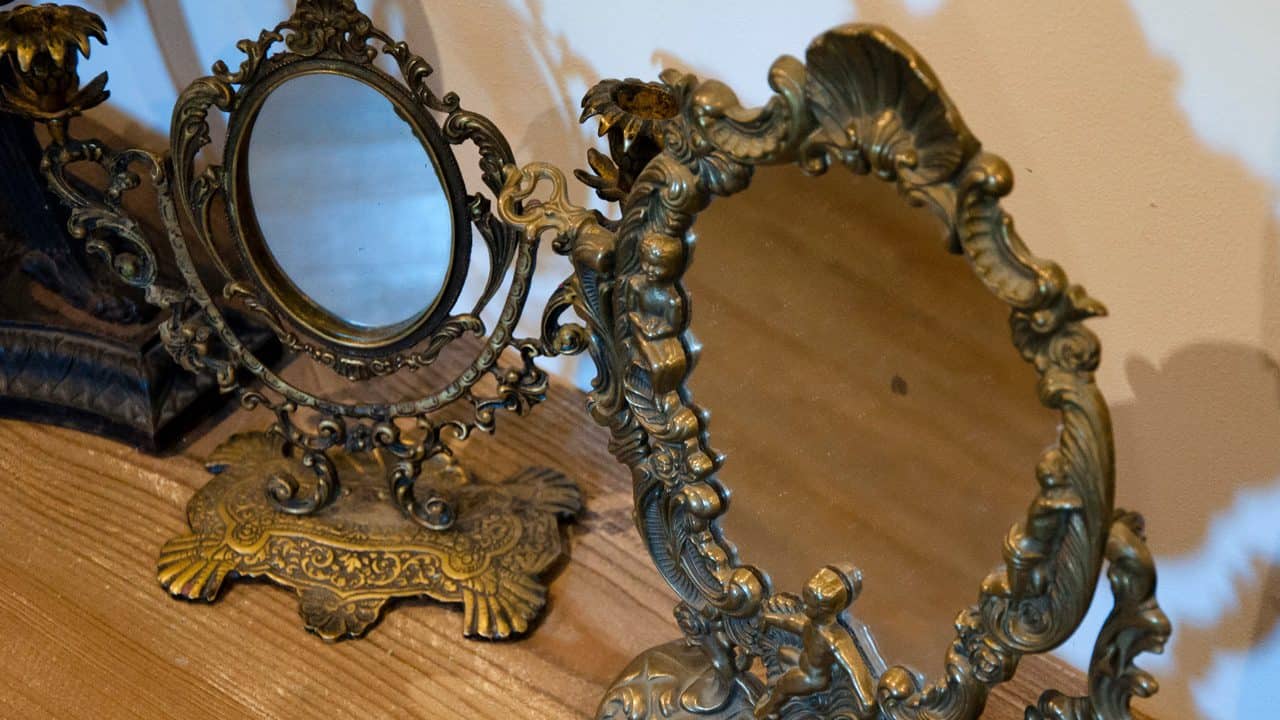
Antiques are often cherished possessions, but they can be a real headache to store. Changes in temperature and humidity can cause wood to warp, metal to rust, and glass to crack. I thought my grandmother’s antique mirror would be safe in storage, but it ended up with a big crack down the middle.
If you’re storing antiques, take the time to research the best storage conditions for each item. And remember, some things are better off displayed in your home where you can enjoy them, rather than being tucked away in a storage unit.
5. Important Documents
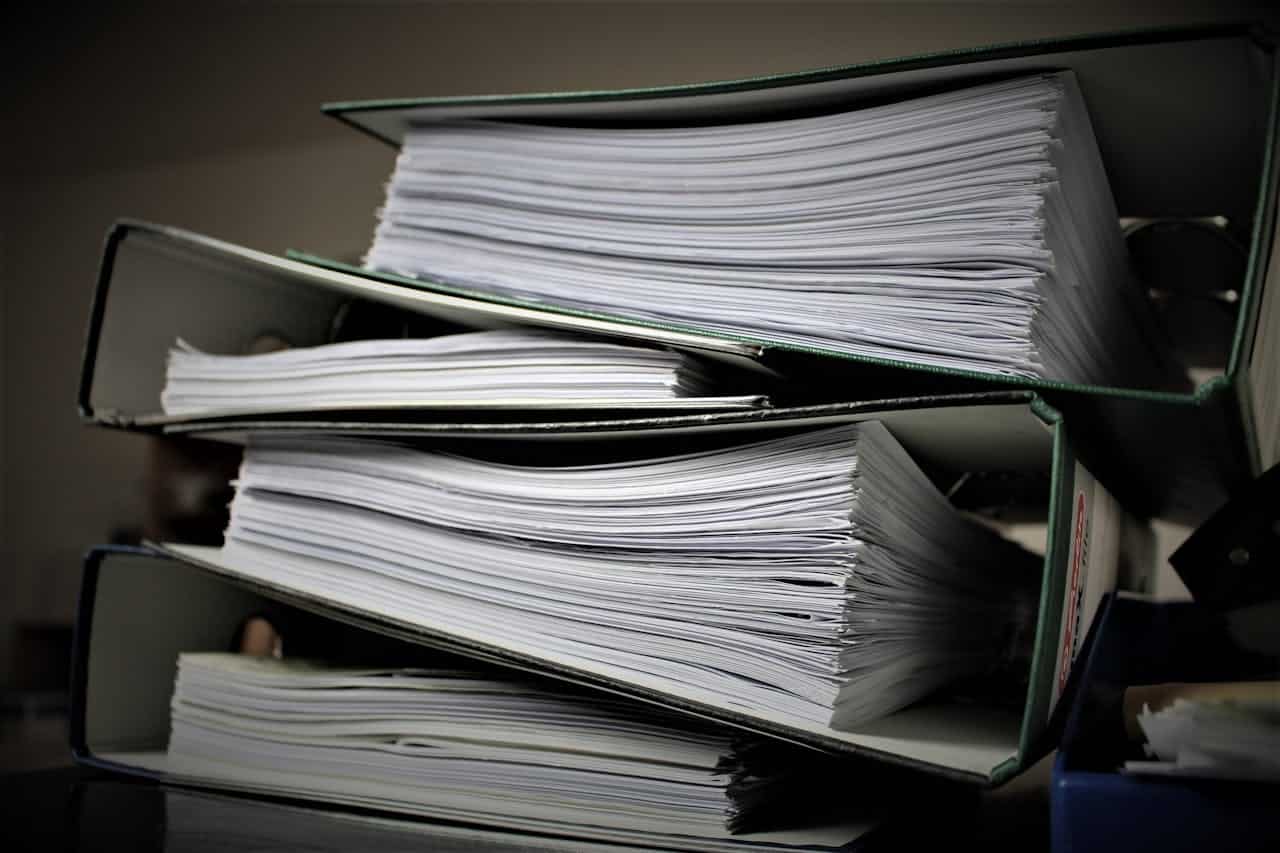
I once stored a box of important documents – birth certificates, tax returns, the deed to my house – in my storage unit. It seemed like a good idea at the time, but when I needed to access these documents quickly, I realized what a mistake I had made.
Important documents should be kept in a safe place where you can access them easily. Consider investing in a fireproof and waterproof safe for your home, or rent a safety deposit box at your bank. And remember to keep digital copies as a backup.
6. Clothing
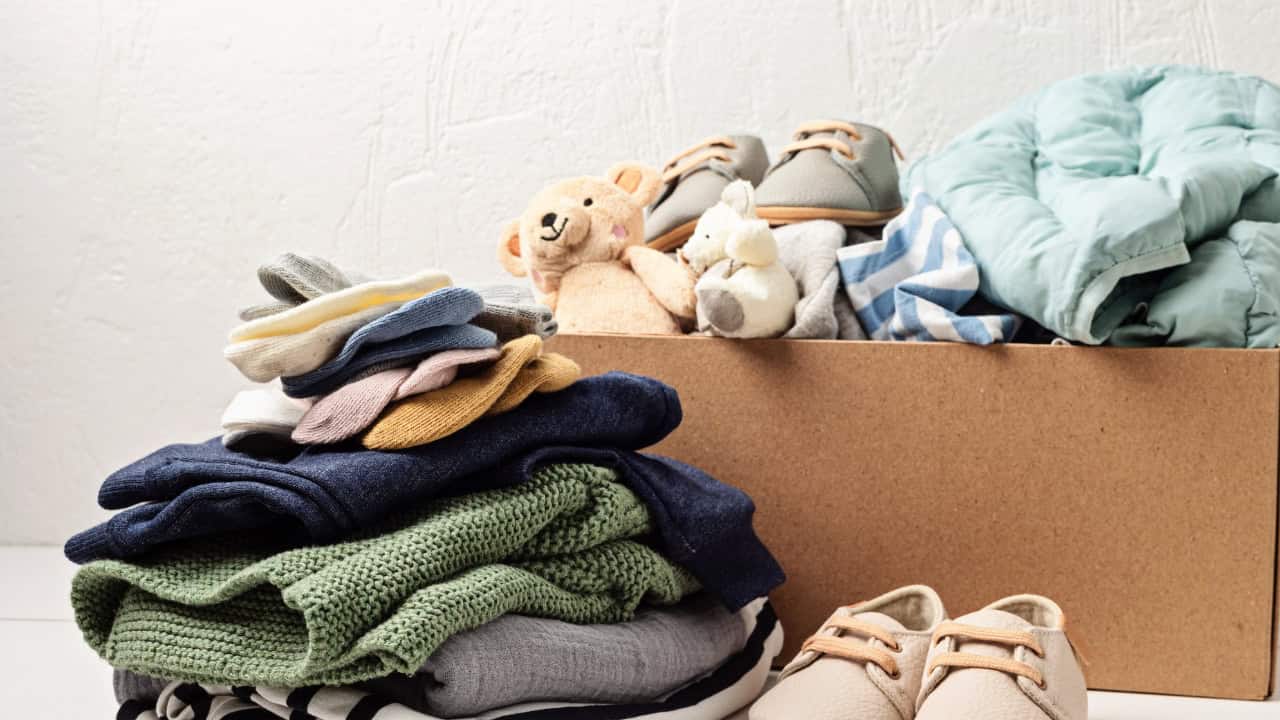
Clothing seems like a no-brainer to store, but it can be more trouble than it’s worth. Clothes can attract pests, get moldy, or simply go out of style while they’re sitting in storage. I once stored a box of my favorite clothes, only to find them moth-eaten and musty when I finally opened the box.
If you have clothes that you’re not wearing but can’t bear to part with, consider donating them to charity or selling them online. If you must store clothes, make sure they’re clean, dry, and stored in airtight containers to protect them from pests and moisture.
7. Perishable Food
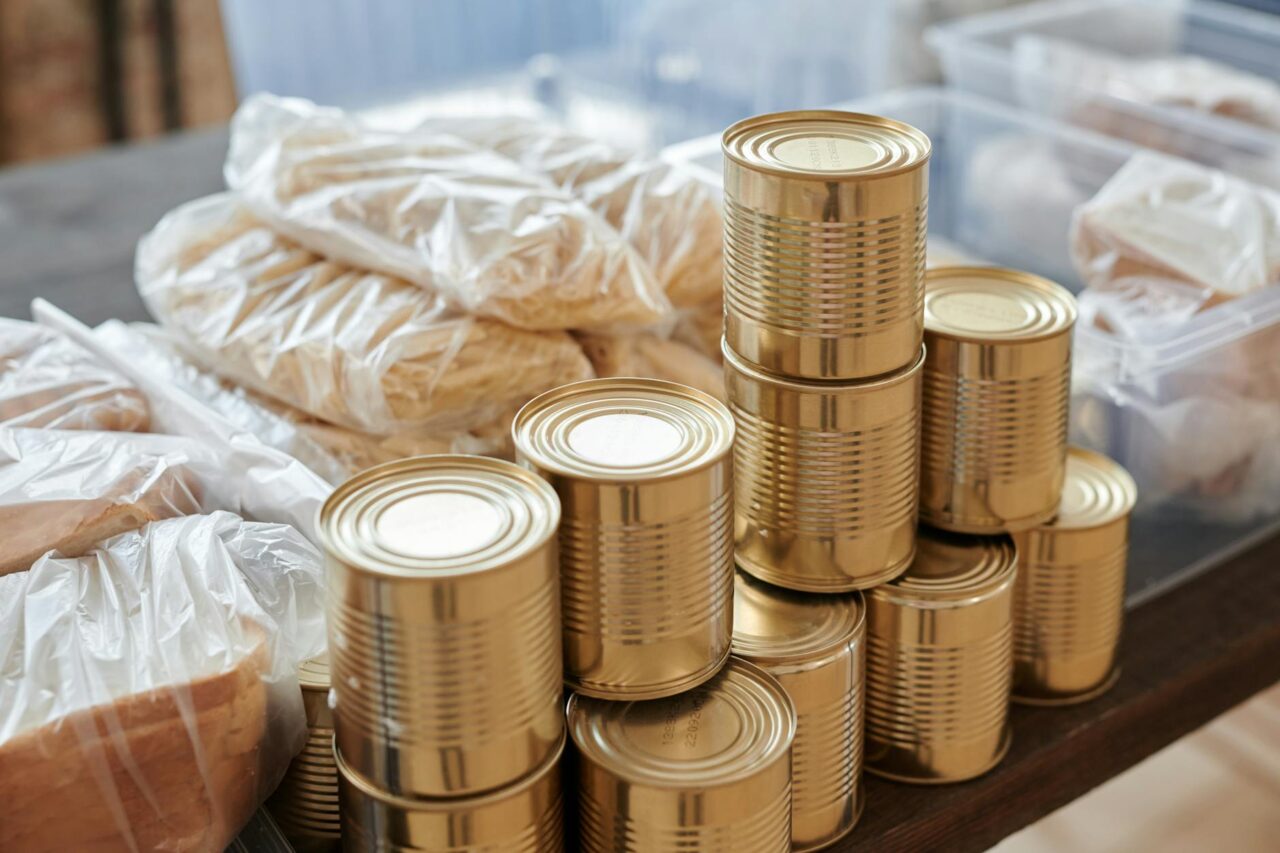
This one seems obvious, but you’d be surprised how many people try to store food in their storage units. I once thought it would be a good idea to store a box of canned goods, but I quickly learned that storage units are not designed to keep food safe.
Perishable food can attract pests, and even non-perishable food can spoil if it’s exposed to extreme temperatures or humidity. It’s better to keep your food in your pantry where you can monitor it and use it regularly.
8. Fine Art
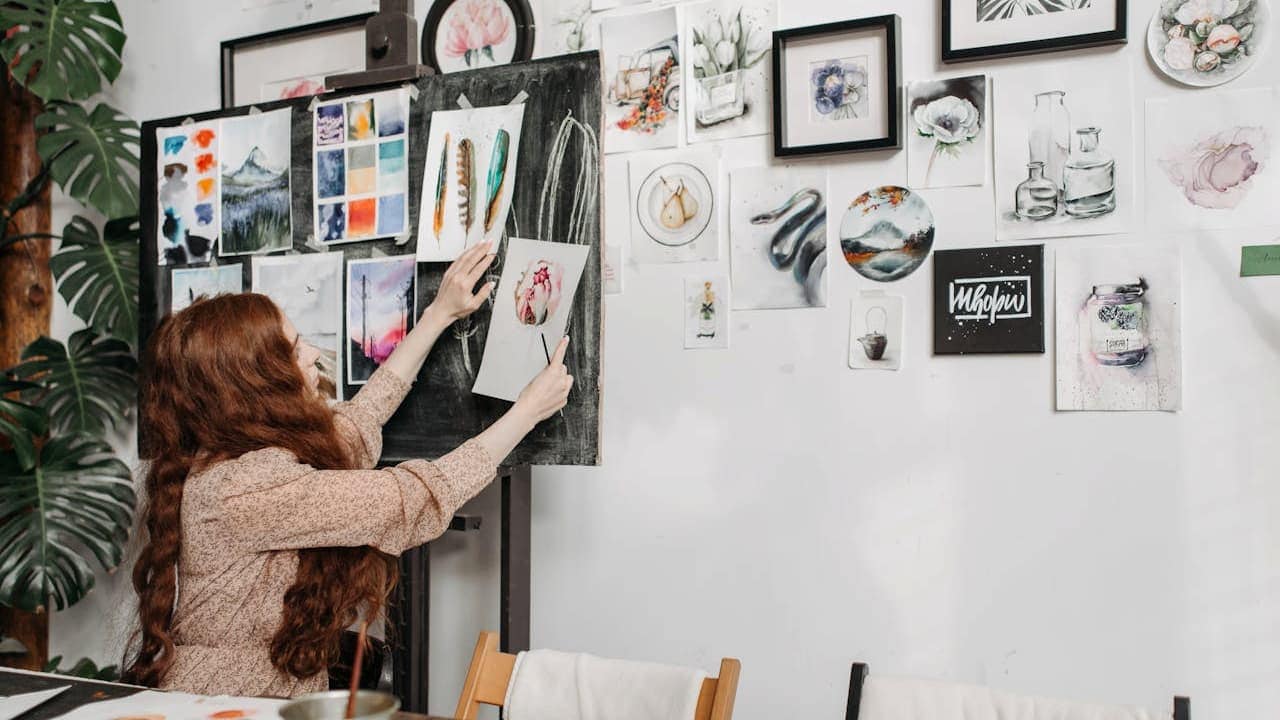
Fine art can be a great investment, but it’s not a good candidate for storage. Art can be sensitive to changes in temperature and humidity, and it can be easily damaged if it’s not stored properly.
If you have artwork that you’re not displaying, consider selling it or lending it to a local museum. If you must store artwork, do your research to ensure it’s stored in the right conditions and properly insured.
9. Plants
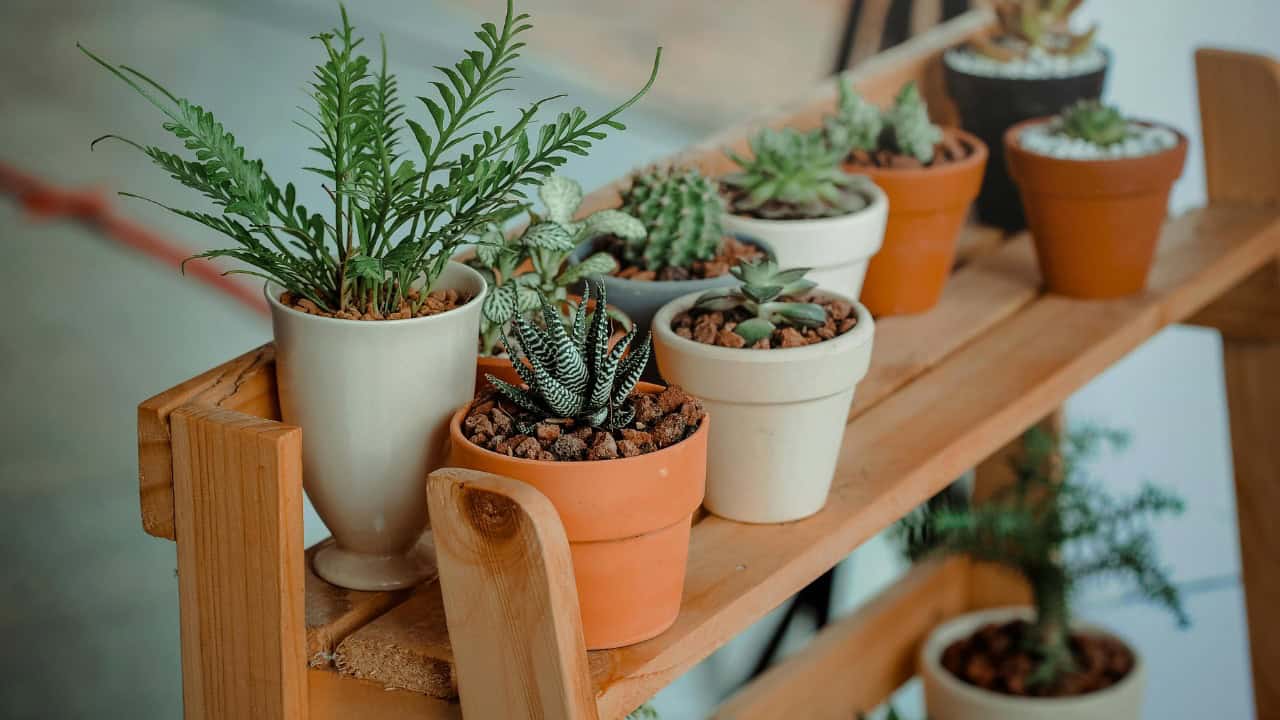
I once tried to store a couple of my favorite plants while I was moving. It was a disaster. Plants need light, water, and fresh air to survive, none of which are available in a storage unit.
If you need to move and can’t take your plants with you, consider giving them to a friend or family member who can care for them. If you must store plants, look for a greenhouse or plant-sitting service in your area.
10. Musical Instruments
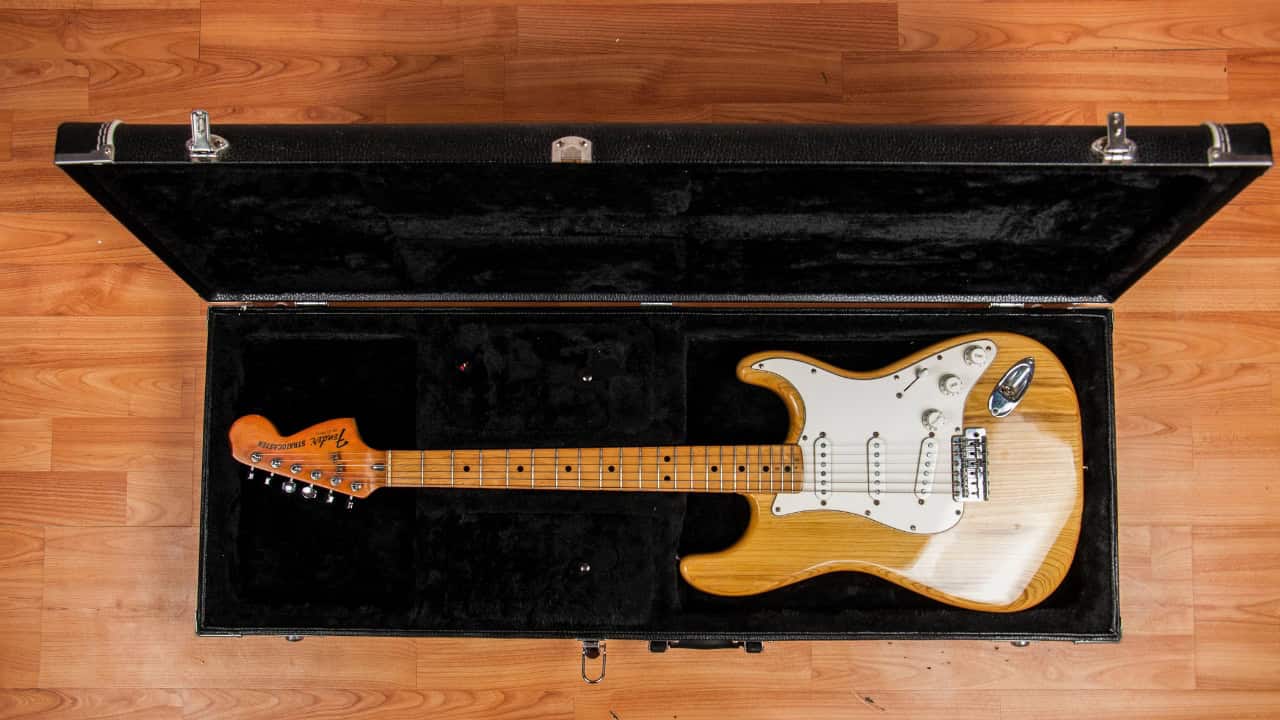
Musical instruments are another item that doesn’t fare well in storage. They can be damaged by changes in temperature and humidity, and they can be a target for thieves.
If you have a musical instrument that you’re not using, consider selling it or lending it to a local school or community center. If you must store an instrument, ensure it’s stored in the right conditions and properly insured.
11. Wine

Wine is a popular item to store, but it needs very specific conditions to age properly. I once stored a case of expensive wine in my storage unit, only to find that it had turned to vinegar when I finally opened it.
If you’re a wine enthusiast, consider investing in a wine fridge or a professional wine storage facility. These options can provide the right temperature and humidity for your wine and will protect your investment.
12. Sentimental Items
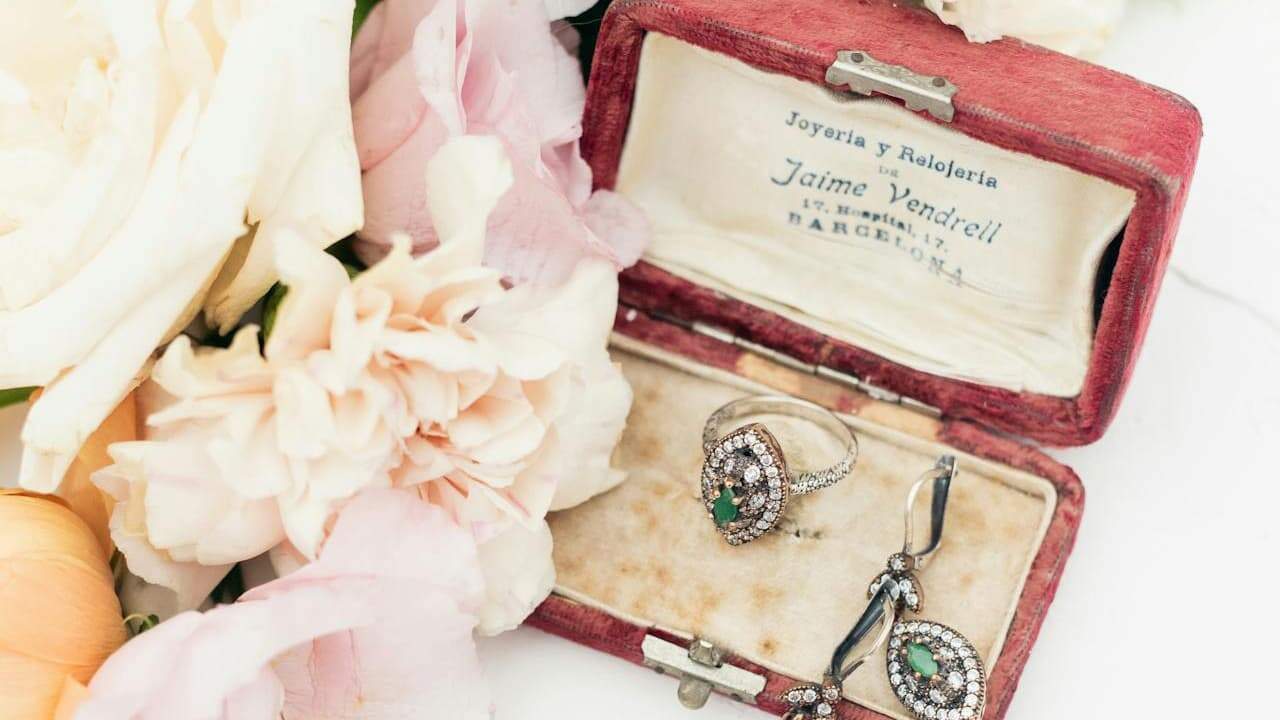
The hardest items to part with are often the ones with sentimental value. But keeping these items in storage can actually diminish their value. They’re out of sight, out of mind, and you can’t enjoy them.
Instead of storing sentimental items, consider finding a place for them in your home. If you don’t have the space, consider taking photos or creating a digital record of these items. This way, you can keep the memories without the clutter.