Gardening enthusiasts and homeowners alike know the frustration, the endless battles with pests that invade and destroy our beloved yards. These uninvited guests can wreak havoc, causing significant damage to plants, lawn, and even the structure of the house. However, I found that it wasn’t just about what I was doing to combat these pests, but what I was doing that was actually attracting them. Through trial and error, I identified 12 things I stopped doing that made my yard pest-free. Here are those tips, hoping that they can help you too.
1. Overwatering My Plants
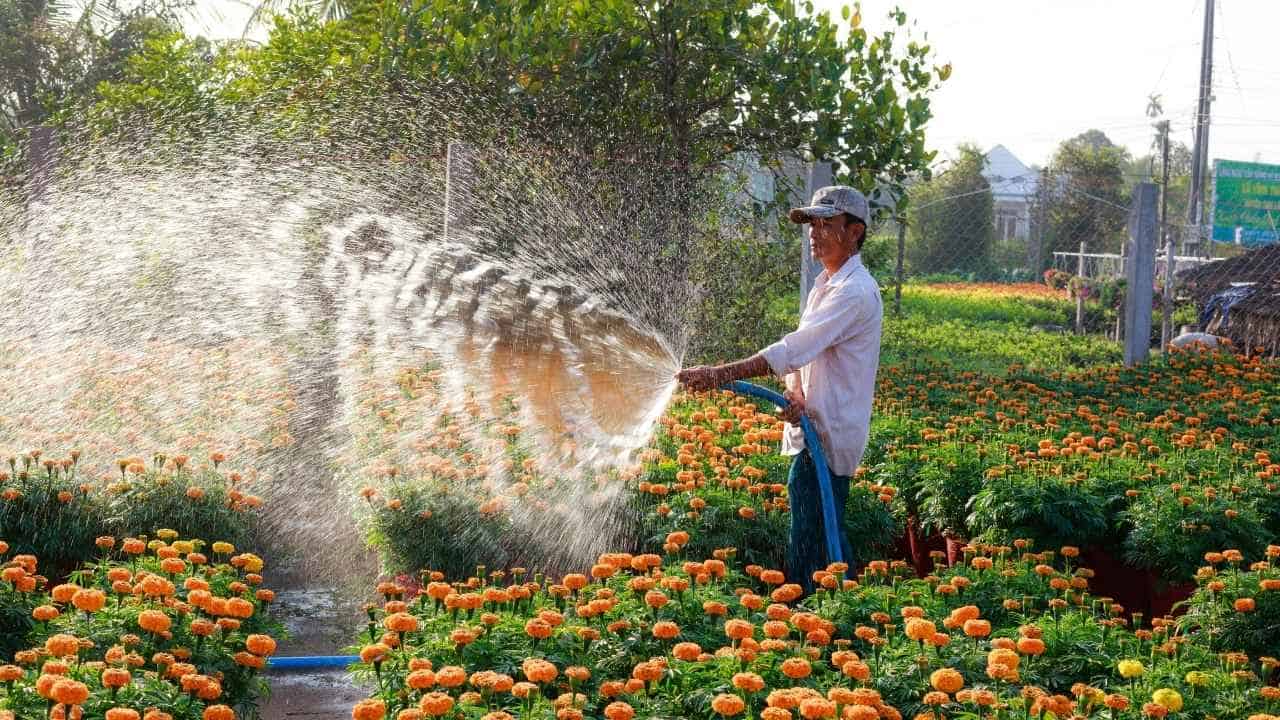
Overwatering plants not only leads to root rot but also attracts mosquitoes, snails, and slugs. These pests love damp conditions and overwatering creates the perfect environment for them.
Advertisement
I started to water my plants only when they needed it, usually when the topsoil felt dry to touch. It’s vital to understand that different plants have different water needs, so it’s crucial to research your specific plants and adjust their watering schedule accordingly.
2. Leaving Out Standing Water
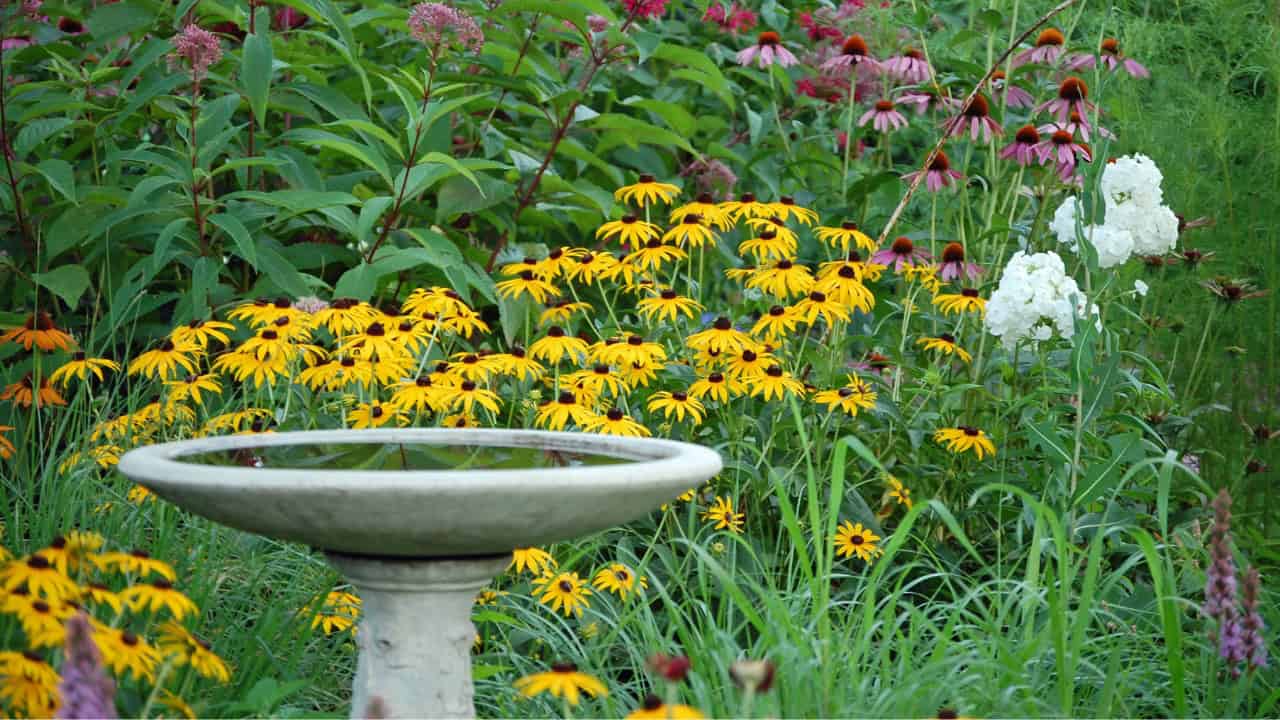
Standing water, like in birdbaths or pet dishes, is a breeding ground for mosquitoes. I made a habit of emptying and refilling birdbaths and pet dishes every day to prevent mosquitoes from laying eggs.
If you have other containers that could collect rainwater, it’s a good idea to store them upside down or in a sheltered area. For larger bodies of water like ponds, consider introducing mosquito-eating fish or using a water agitator to disrupt the water surface.
3. Ignoring Compost Management

A poorly managed compost pile can attract a host of pests, from rodents to cockroaches. I realized the importance of turning my compost regularly to speed up the decomposition process and reduce smells that attract pests.
Only compost appropriate items. Avoid adding meats, dairy, and diseased plants which can attract pests and create a smelly, slow-decomposing pile. Ensure your compost pile is a balanced mix of greens and browns for efficient composting.
4. Leaving Pet Food Outside
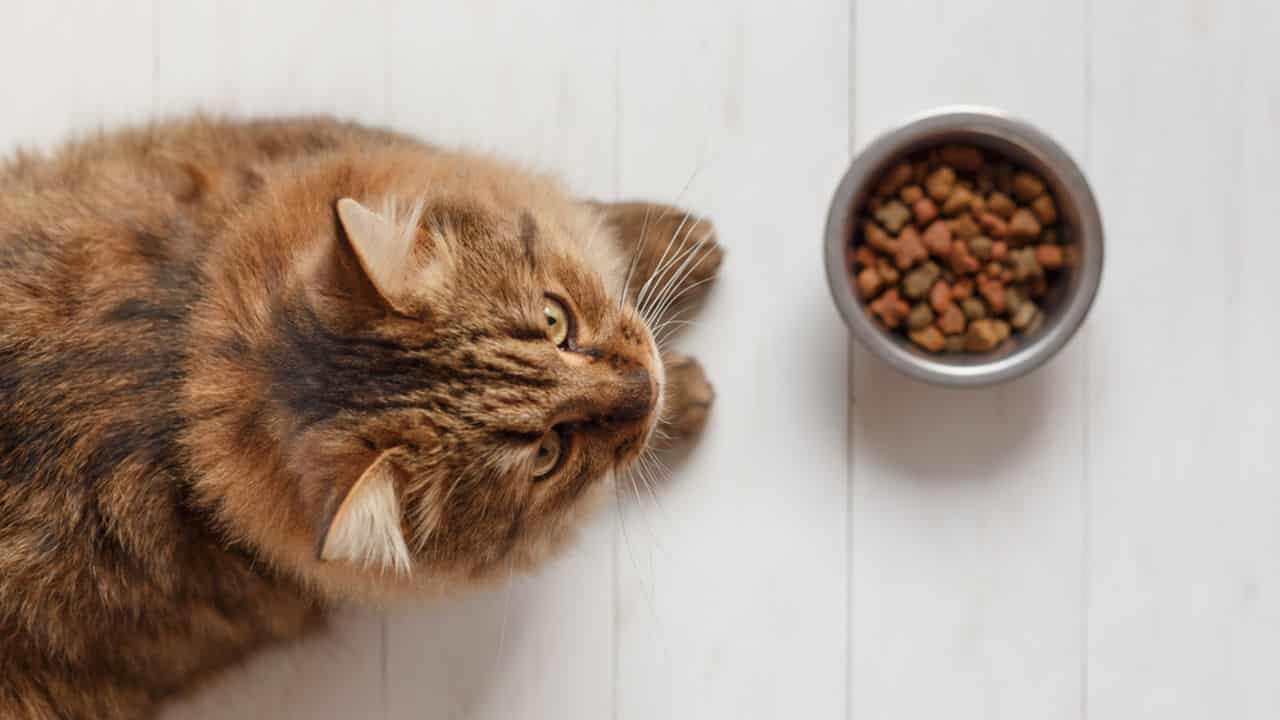
Leaving pet food outside was like sending an open invitation to pests. I started feeding my pets indoors or, if feeding outside, making sure to remove any leftovers promptly.
Ants, in particular, are attracted to pet food. If you have an ant problem, consider using a moat-style ant-proof pet bowl, or create your own by placing your pet’s dish in a larger dish filled with water.
5. Having Poor Outdoor Lighting

The type of outdoor lighting I used was attracting night-flying pests. I switched to yellow bug lights, which are less attractive to insects.
It’s also important to position outdoor lights away from doors and windows, where they could attract pests inside your home. Use light shades or directional lighting to minimize the light spill and still maintain the outdoor illumination you need.
6. Not Sealing Cracks and Crevices
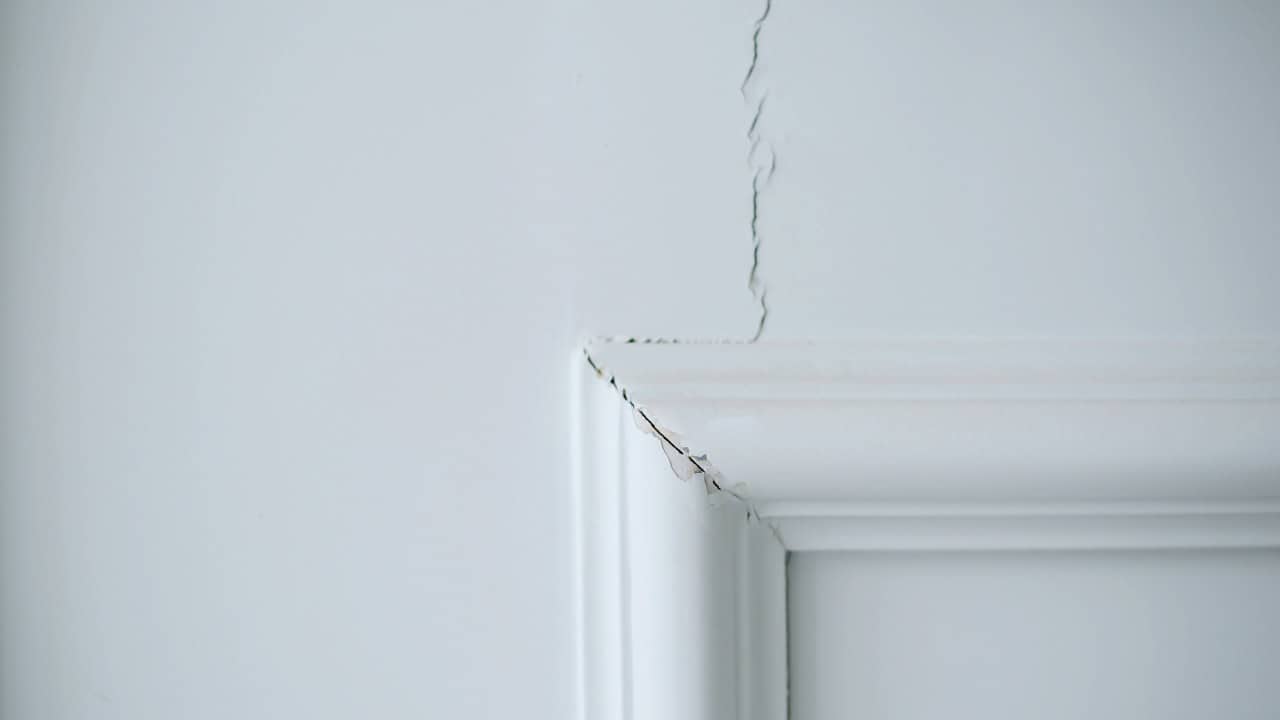
Cracks and crevices in my house’s exterior were providing easy access points for pests. I started inspecting my home regularly and promptly sealing any potential entrances I found.
Common culprits are gaps around doors and windows, cracks in the foundation, and openings for utilities. Silicone or acrylic latex caulk is perfect for most small cracks, while larger gaps can be filled with a foam sealant.
7. Neglecting Regular Maintenance of Outdoor Spaces

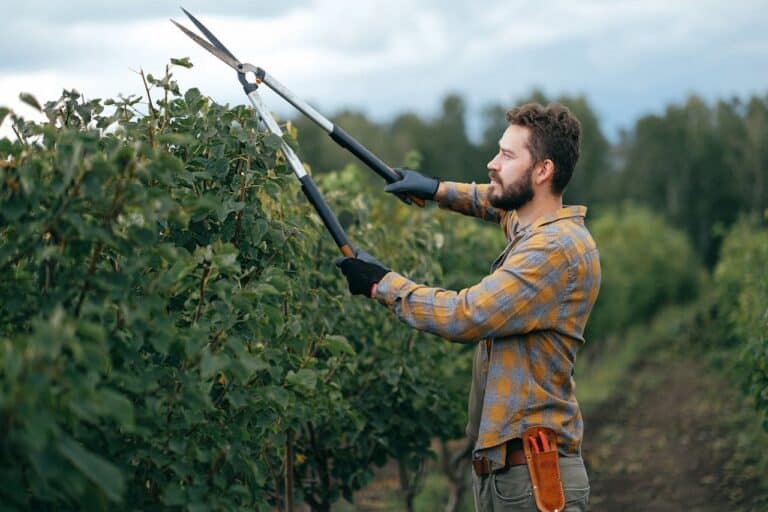
Overgrown vegetation and cluttered yards provide perfect hiding spots for pests. Regular maintenance of my yard became a priority, ensuring all vegetation was well-trimmed and yard clutter was cleared.
Pests like ticks and fleas prefer overgrown, shady areas. By regularly mowing the lawn and trimming bushes and trees, you can reduce these pests’ preferred habitats. Clearing yard clutter also removes potential hiding spots for pests.
8. Ignoring the Gutters
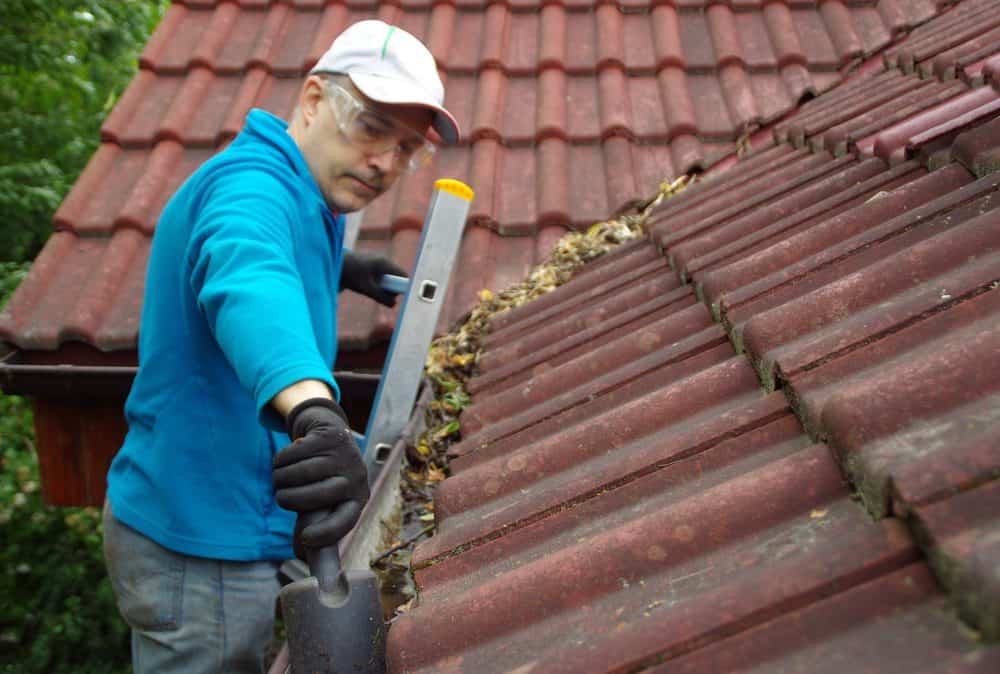
Blocked gutters can collect water and debris, attracting pests like mosquitoes, ants, and termites. Regularly cleaning and maintaining my gutters helped prevent pest infestations.
Gutters should be cleaned at least twice a year, in the spring and fall. Installing gutter guards can also help prevent debris buildup and reduce maintenance needs.
9. Not Using Mulch Properly

While mulch can help maintain soil moisture and suppress weeds, it can also create a damp, dark environment that attracts pests like ants, earwigs, and slugs. I started to use less mulch and ensure it wasn’t piled against the house or plant stems.
A 2-3 inch layer of mulch is usually sufficient. Consider using pest-repellent mulch types like cedar or cypress heartwood, or inorganic mulches like rocks or gravel.
10. Keeping Firewood Close to the House
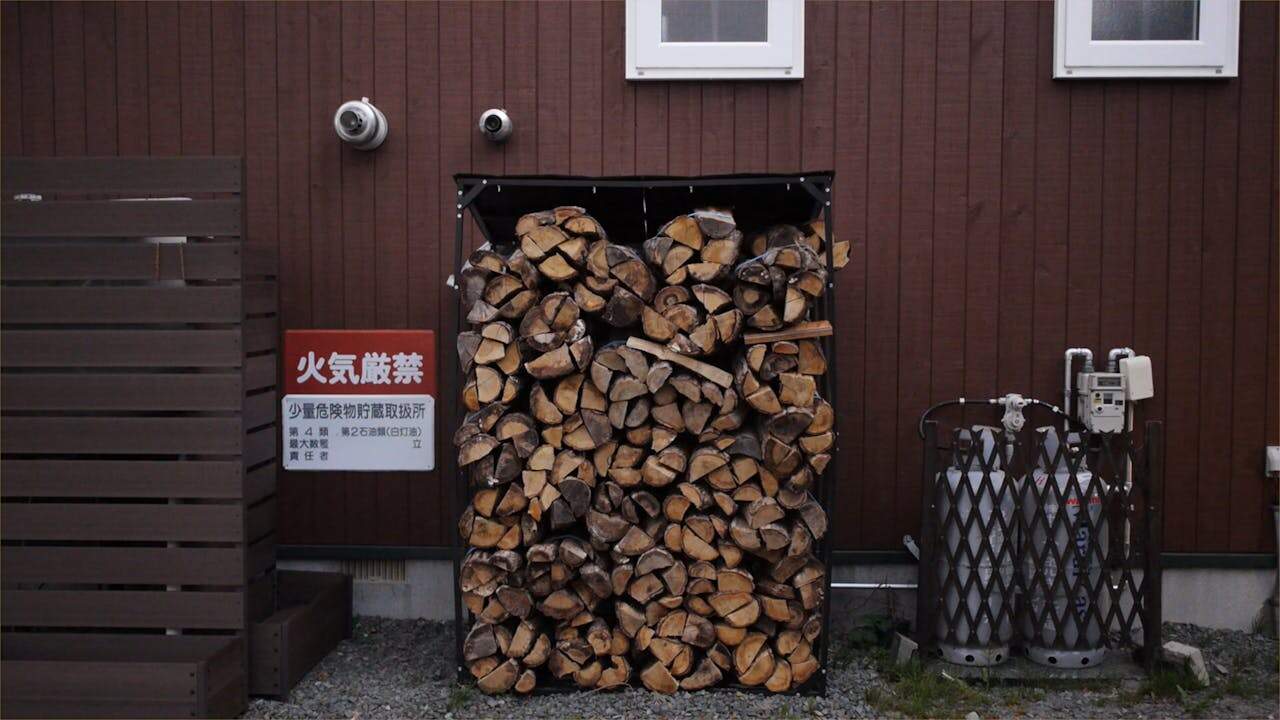
Keeping firewood stacked against the house or on the porch seemed convenient but was attracting pests like termites and spiders. I moved my firewood storage at least 20 feet away from the house and kept it elevated off the ground.
Ideally, firewood should be stored under a cover to keep it dry, but make sure it’s well-ventilated to prevent moisture buildup. Regularly inspect your firewood for signs of pests before bringing it indoors.
11. Growing Plants That Attract Pests

Some plants in my yard were attracting pests. By researching and choosing plants wisely, I was able to create a garden that repels pests instead.
Plants like marigolds, chrysanthemums, and lavender can repel pests like mosquitoes, aphids, and other insects. Conversely, avoid planting things that are known to attract pests in your area.
12. Using Chemical Pesticides Excessively

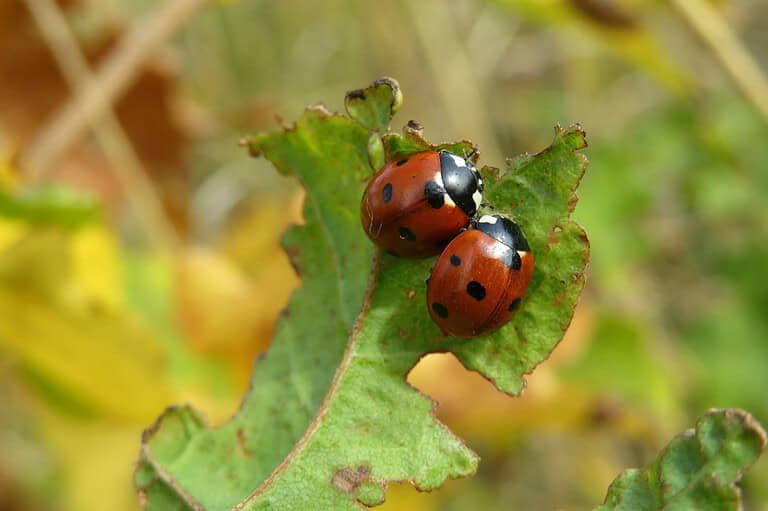
While chemical pesticides can be effective, their overuse can lead to pesticide resistance in pests, harm beneficial insects, and have potential health risks. I started to use more natural pest control methods and use chemical pesticides as a last resort only.
Natural pest control methods include introducing beneficial insects, using organic sprays or diatomaceous earth, and practicing companion planting. Always read and follow the label instructions when using chemical pesticides.
By stopping these habits, I was able to create a more balanced, healthier, and pest-free yard. It’s not always about fighting against nature, but working with it. Happy gardening!