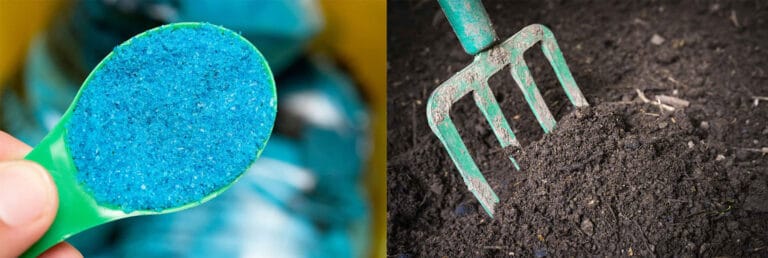
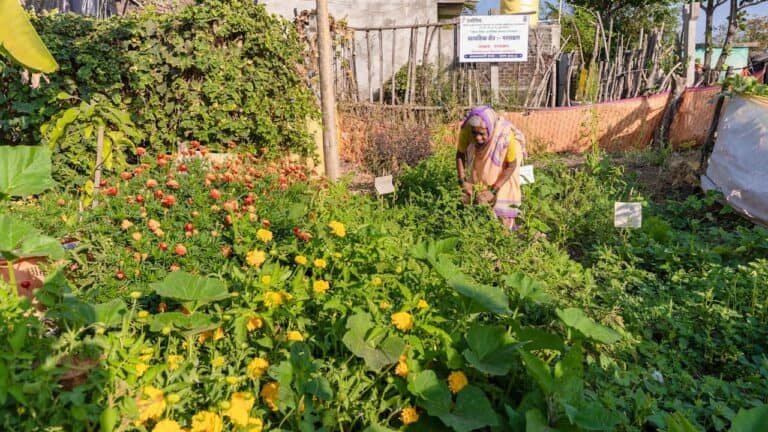
Gardening is a therapeutic activity that can bring immense joy and satisfaction. However, it can also be quite challenging, especially if your plants don’t seem to be thriving as much as you’d like. Over the years, I’ve discovered that sometimes the problem isn’t what we’re not doing, but rather what we’re doing too much.
I’ve compiled a list of 12 things I stopped doing which resulted in a thriving garden. I hope these tips help you as much as they’ve helped me.
Advertisement
1. Overwatering
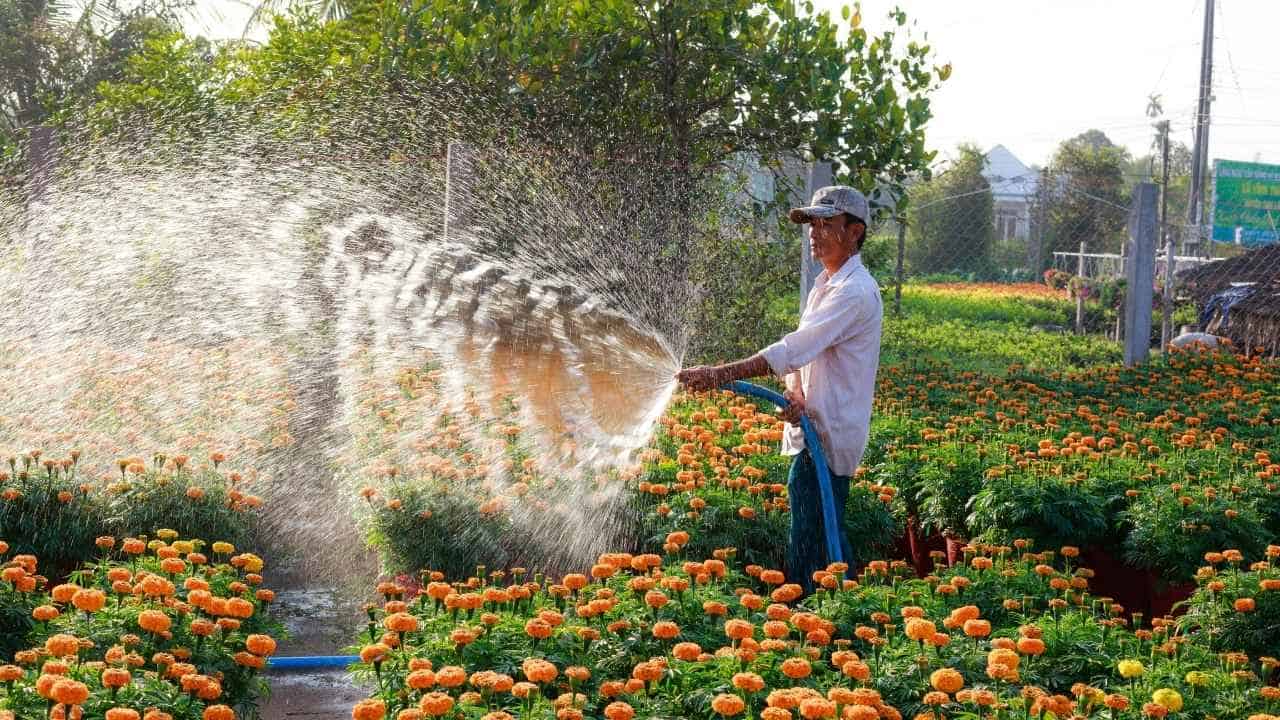
You might think that you’re doing your plants a favor by giving them plenty of water, but overwatering is actually one of the most common causes of plant death. Just like us, plants need a good balance – they can drown if they get too much water.
Overwatering can lead to root rot, which is a harmful condition that can kill a plant if it’s not caught early. Instead, establish a watering schedule based on the type of plant and its specific needs. For example, succulents need less water compared to leafy tropical plants. Always check the soil before watering – if it’s still damp from the last watering, hold off.
2. Ignoring the Soil

Healthy soil is the foundation of a thriving garden. I used to think any soil could support plant growth, but I learned that different plants have different soil requirements.
For instance, some plants thrive in acidic soil while others prefer alkaline soil. Test your soil to know its pH level and nutrient content. You can amend the soil according to your plants’ needs by adding organic matter like compost or manure. Remember, healthy soil equals healthy plants.
3. Over-fertilizing
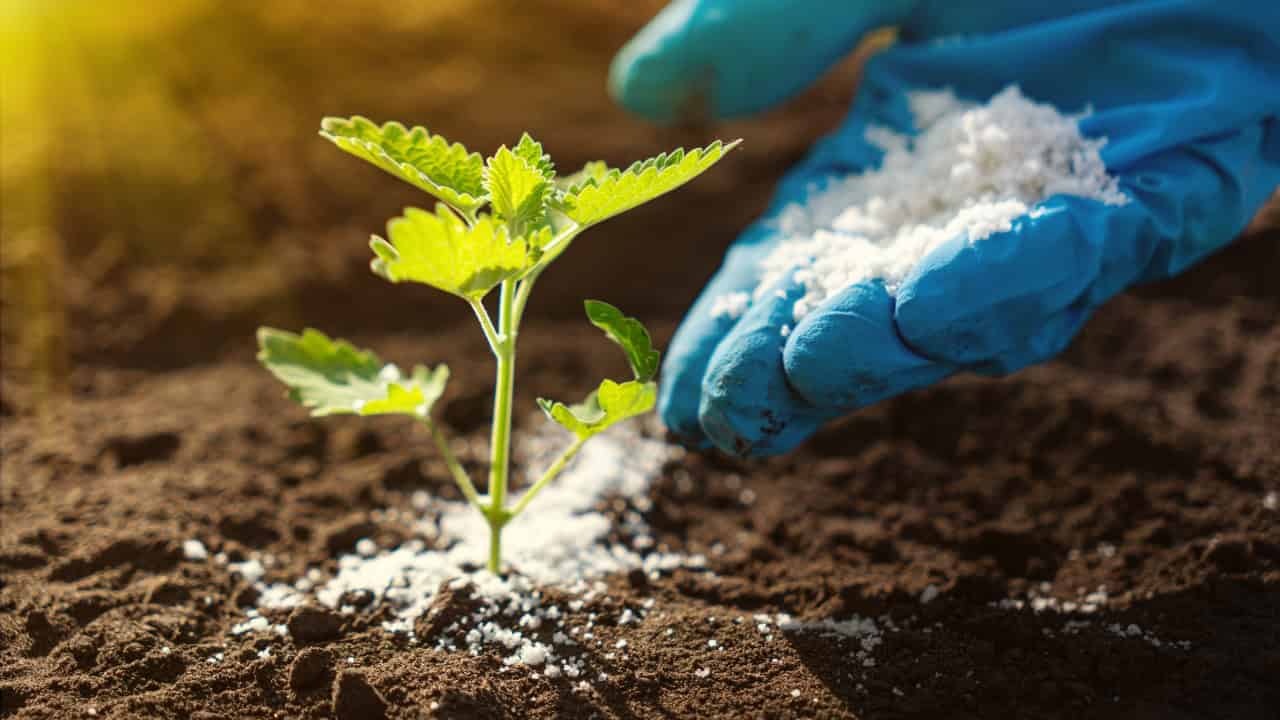
Over-fertilizing is another common gardening mistake. While plants need nutrients to grow, too much of a good thing can be harmful.
Excessive fertilizer can lead to a buildup of salts that can burn plant roots, resulting in yellowing leaves, slow growth, or even plant death. It’s important to use the right type and amount of fertilizer based on your plants’ needs. Always follow the recommended application rates on the fertilizer label.
4. Planting Too Close Together

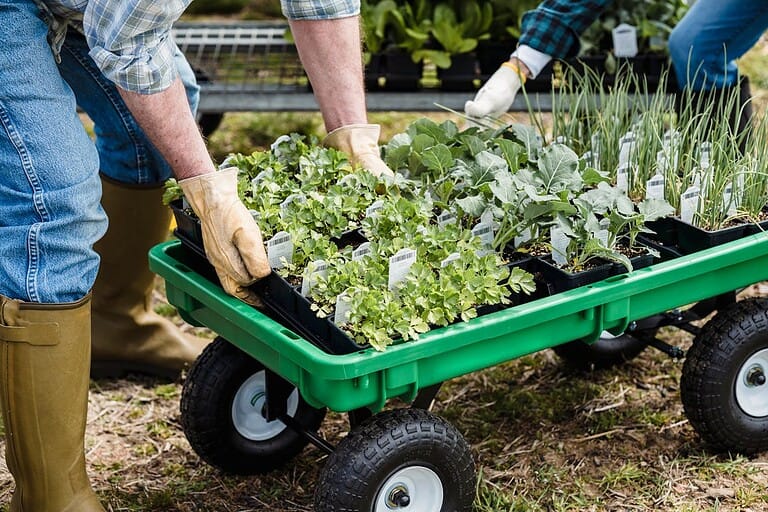
In my eagerness to have a lush garden, I used to plant my seedlings too close together. I learned the hard way that plants need space to grow and breathe.
Crowded plants are more prone to diseases as the airflow is restricted. Plus, the plants will compete for light, water, and nutrients, leading to stunted growth. Always check the recommended spacing for your plants and give them room to flourish.
5. Ignoring Pests

Pests can wreak havoc on your garden. In the past, I would ignore a few insects, thinking they weren’t a big deal. But pests can multiply quickly, and before you know it, they’ve taken over your garden.
Monitor your plants regularly for signs of pests. If you spot any, take action immediately. There are many organic pest control methods available, such as using beneficial insects, homemade sprays, or traps.
6. Neglecting Pruning

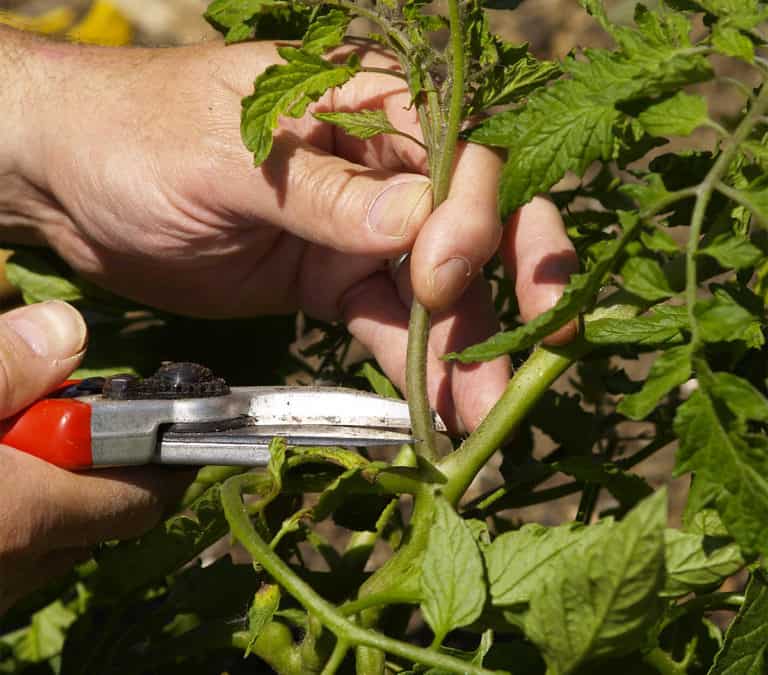
I used to think that pruning was only necessary for aesthetic purposes. However, pruning is essential for the health and productivity of your plants.
Pruning helps to remove dead or diseased branches, allowing for new growth. It also improves air circulation and light penetration. Make sure you know the right time and method to prune your specific plants as incorrect pruning can lead to plant stress.
7. Not Mulching

I stopped leaving my soil bare and started using mulch, and it made a massive difference to my garden. Mulch helps to retain soil moisture, suppress weeds, and regulate soil temperature.
Plus, organic mulches like compost, straw, or wood chips can improve soil fertility as they decompose. Apply a 2-3 inch layer of mulch around your plants, but don’t pile it up against the stems as it can lead to rot.
8. Planting in the Wrong Spot

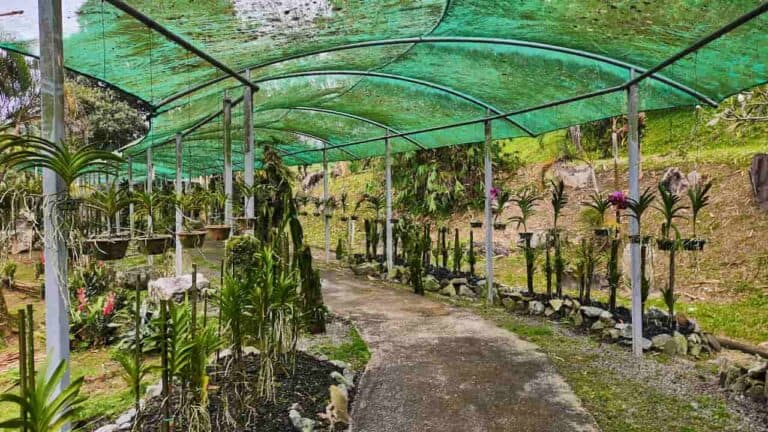
Not all spots in your garden will be suitable for all plants. Some plants need full sun, while others need partial shade.
Before planting, research the light requirements of your plants and choose their location accordingly. Placing a sun-loving plant in a shady spot or vice versa can stress the plant and lead to poor growth.
9. Ignoring Weather Conditions
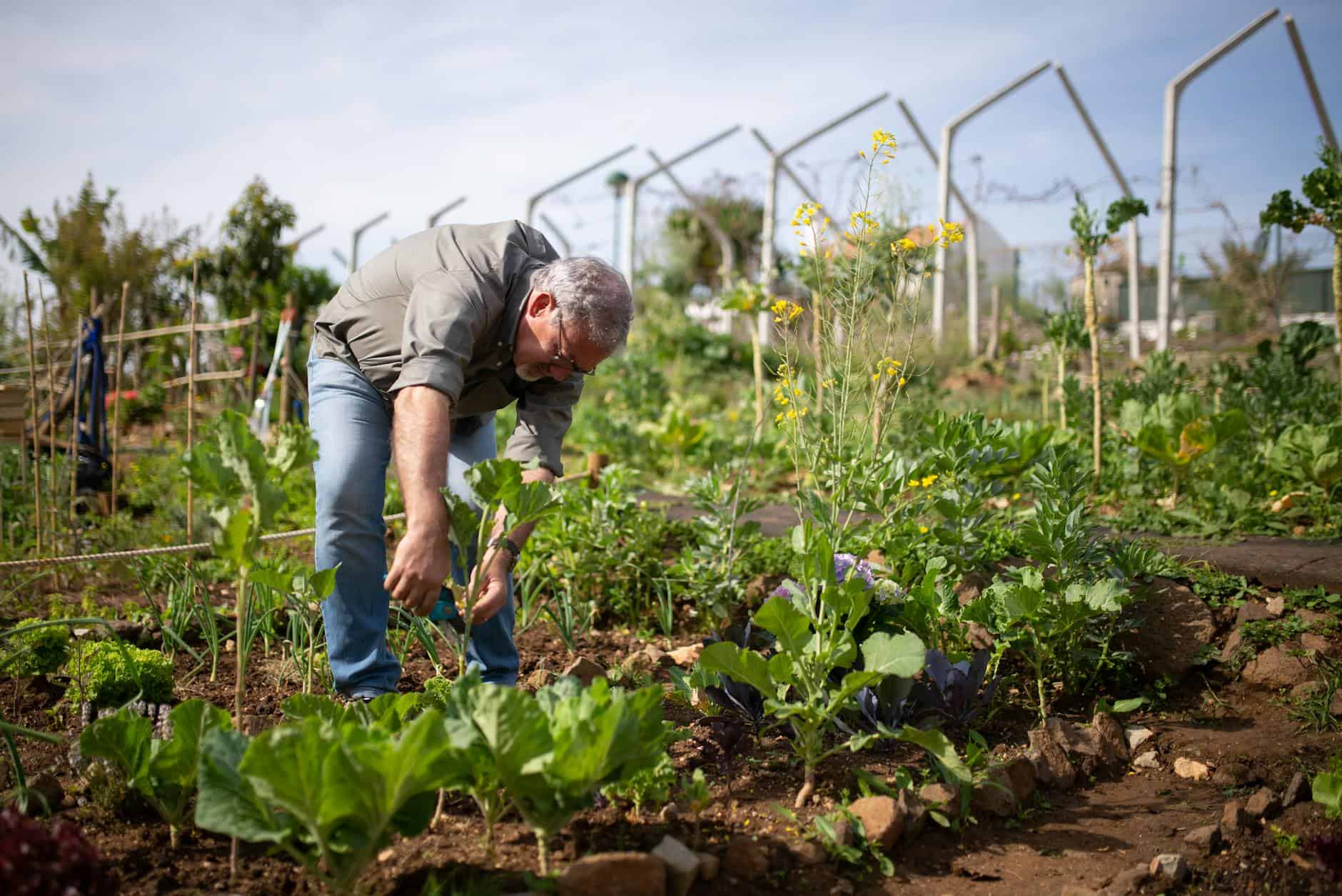
Just like us, plants are affected by the weather. I used to plant without considering the weather, resulting in many plant losses.
Check the weather forecast before planting. Avoid planting on hot, sunny days as it can cause transplant shock. Instead, plant in the evening or on a cloudy day when conditions are less stressful for plants.
10. Planting Without Planning

A garden needs a plan. I used to plant randomly, which led to a chaotic and unproductive garden.
Draw a basic sketch of your garden and plan where each plant will go based on its size, growth habit, and light requirements. Think about companion planting too, where certain plants are grown together for their mutual benefit.
11. Overlooking Plant Hardiness
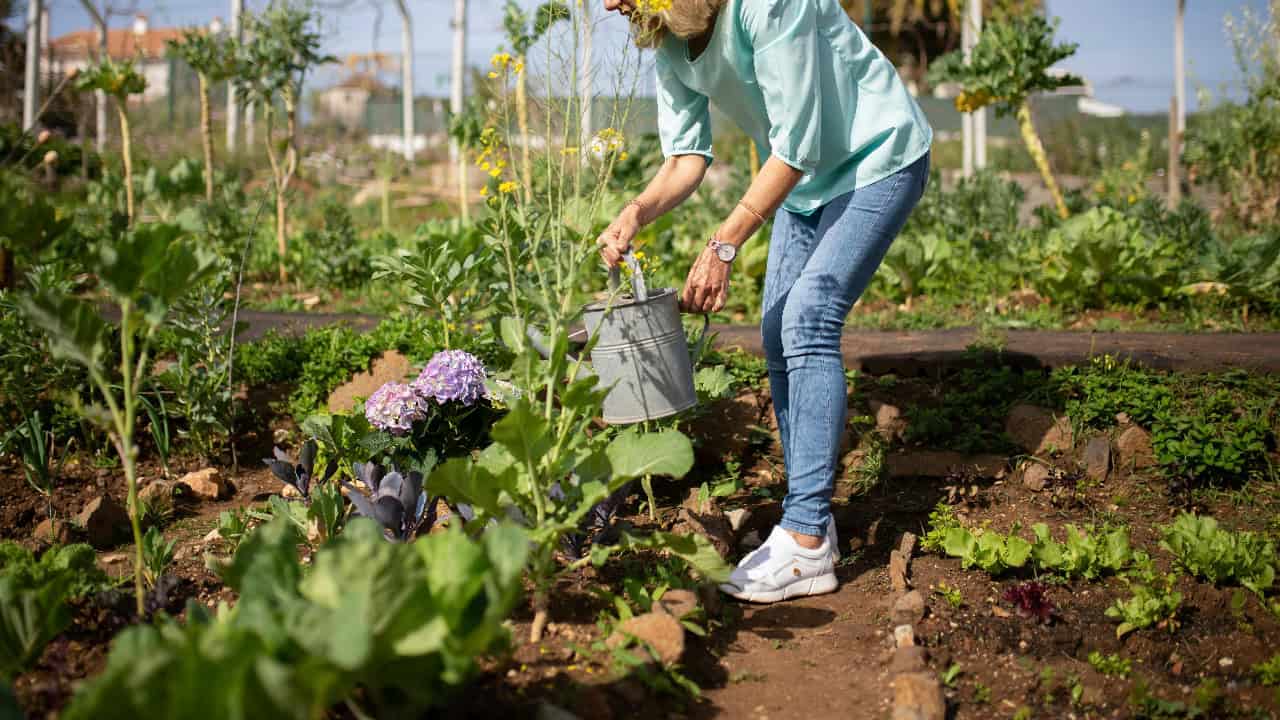
I used to choose plants based on their looks without considering their hardiness. This resulted in many plants not surviving our local climate conditions.
Know your USDA hardiness zone, and choose plants that can thrive in that zone. Local garden centers usually carry plants suitable for the region.
12. Not Enjoying the Process

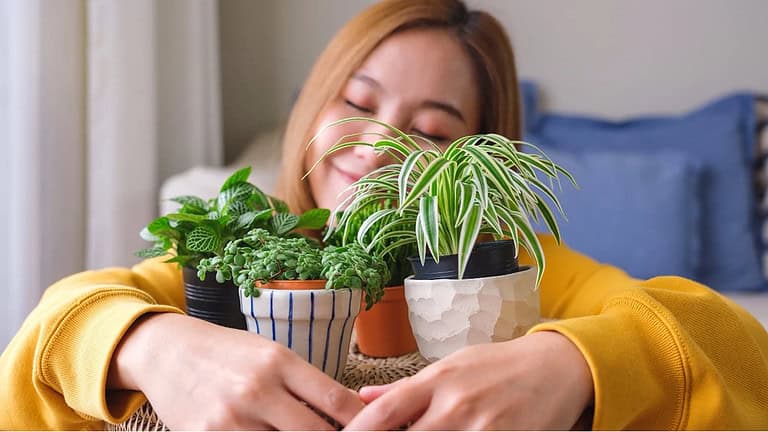
Gardening is not just about the end result, but about the journey too. I stopped stressing over every little thing and started enjoying the process.
Remember, everyone makes mistakes, and no garden is perfect. Learn from your mistakes and celebrate your successes, no matter how small. Happy gardening!