A garden is a beautiful place to unwind, connect with nature, and grow your own food. However, achieving a thriving and productive garden isn’t always a walk in the park. It requires careful planning, commitment, and an understanding of what works and what doesn’t.
Often, our gardening habits, which we believe are helping our plants flourish, may actually be doing the opposite. Here are 12 things I stopped doing, which made my garden more productive and healthier than ever before.
Advertisement
1. Overwatering

Water is essential for plants, but too much of it can be harmful. Overwatering was one of the mistakes I made regularly. I assumed that the more water I gave my plants, the more they would grow. But, I learned the hard way that overwatering can cause root rot and suffocate the plants.
To avoid this, it’s important to understand the watering needs of each plant. Some plants require more water than others. For instance, vegetables like cucumbers and tomatoes need a lot of water, while herbs like rosemary and thyme prefer drier soil. Use a moisture meter or your finger to check the soil’s moisture level before watering. If the top inch of the soil is dry, it’s time to water.
2. Neglecting soil health

Soil health is fundamental to a productive garden. Initially, I paid little attention to the soil, focusing more on the plants. But when my plants started showing signs of poor growth, I realized the importance of maintaining healthy soil.
To enhance soil health, it’s crucial to add organic matter like compost or manure regularly. These materials improve soil structure, increase its ability to hold water and nutrients, and promote beneficial microbial activity. Also, try to avoid tilling the soil as it can disrupt the soil structure and harm the beneficial organisms. Instead, use a method called “no-till gardening” where you add organic matter on top and let the earthworms and microbes do the tilling for you.
3. Planting too close together

In my eagerness to grow more plants, I often planted them too close together. This practice resulted in competition for resources and led to weak and stunted growth.
It’s essential to give each plant enough space to grow and spread. The spacing depends on the type of plant and its growth habit. For instance, tomato plants need about 2 feet of space between them, while carrots can be planted about 3 inches apart. Proper spacing also helps in air circulation, reducing the risk of fungal diseases.
4. Ignoring beneficial insects
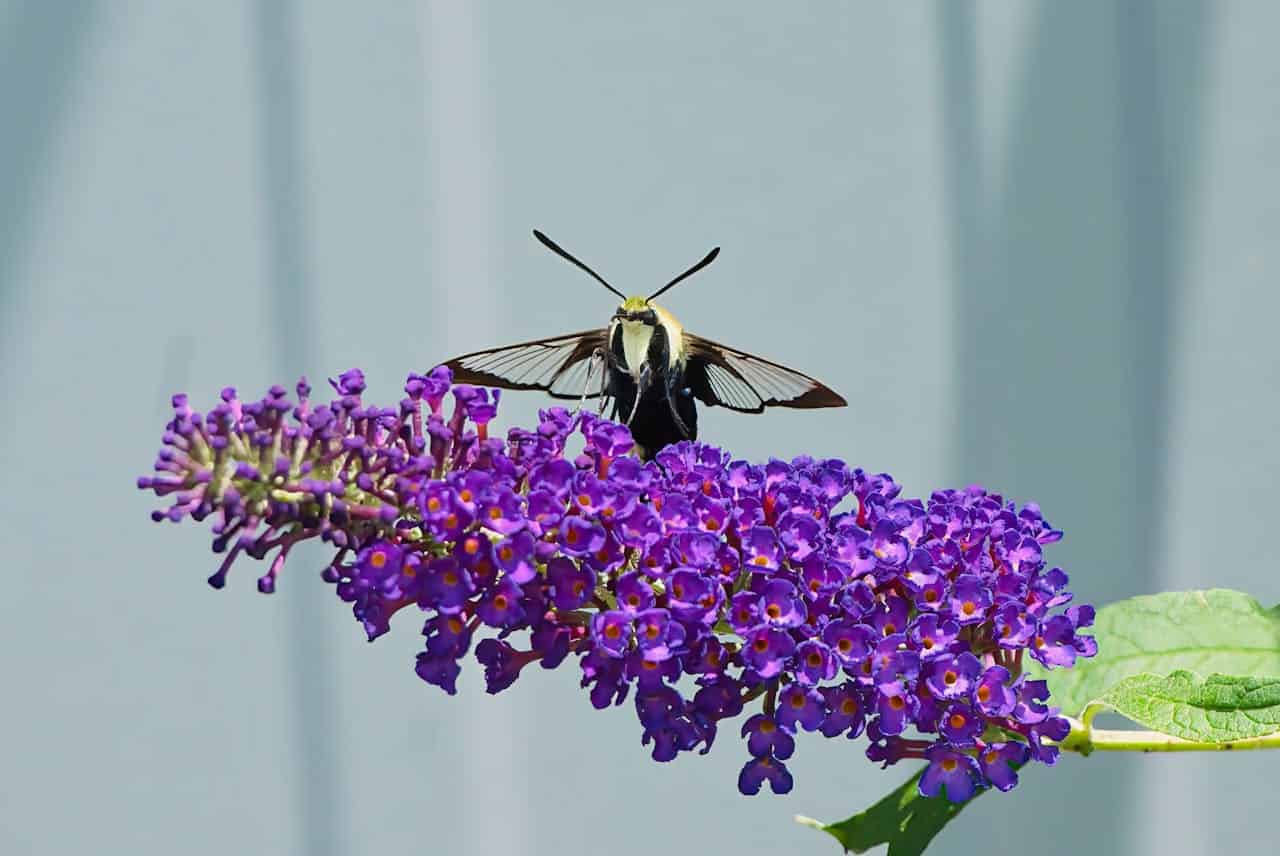
Earlier, I used to be alarmed at the sight of any insect in my garden, assuming it to be a pest. But I later learned that not all insects are harmful. Many are beneficial and play a vital role in pest control and pollination.
To attract beneficial insects like ladybugs, bees, and butterflies, plant a variety of flowers and herbs in your garden. Also, avoid using harmful pesticides, which can kill these beneficial insects. Instead, opt for organic pest control methods.
5. Over-fertilizing
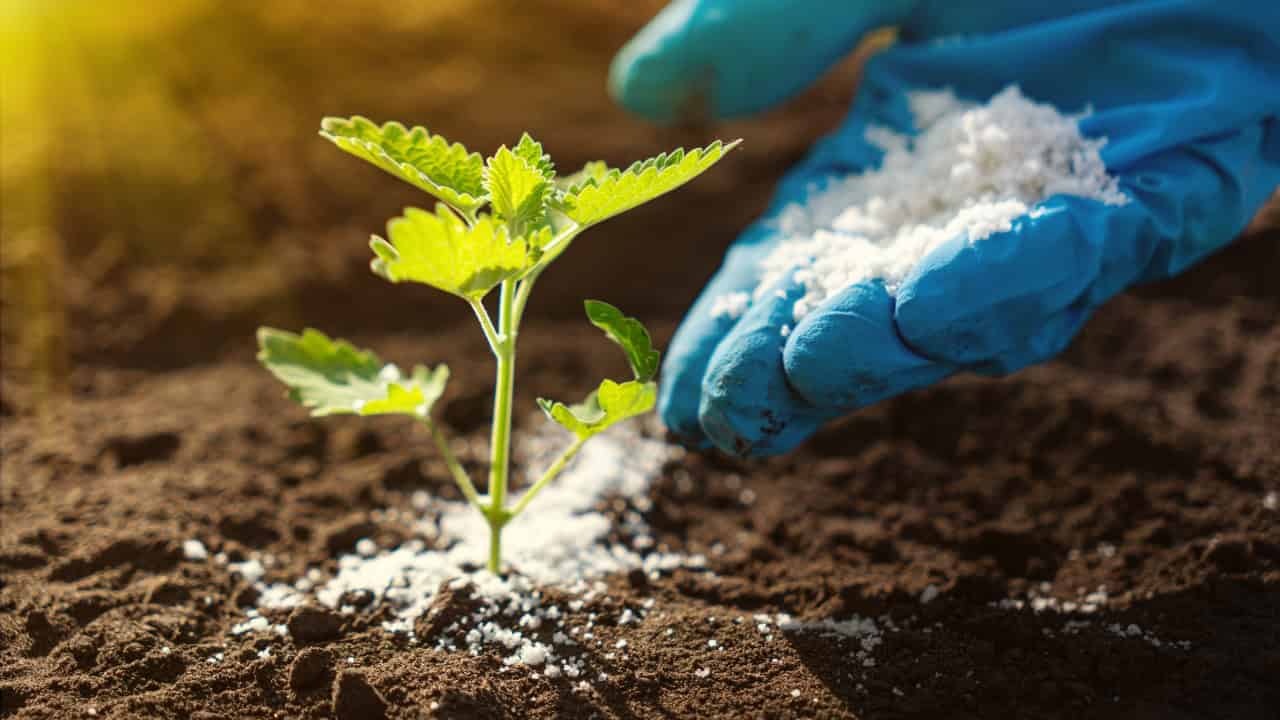
Like water, nutrients too are vital for plant growth. But over-fertilizing can cause more harm than benefit. Excessive fertilizer can lead to a buildup of salts in the soil, which can damage the plant roots and hinder water uptake.
To prevent this, it’s important to understand the nutrient requirements of each plant. Conduct a soil test to determine the nutrient levels in your soil and then add fertilizers accordingly. Also, use organic fertilizers, which release nutrients slowly and are less likely to cause harm.
6. Not mulching

Mulching was something I ignored in my initial gardening days. But once I started using it, I saw a significant improvement in my garden’s productivity.
Mulch helps in conserving soil moisture, suppressing weeds, and moderating soil temperature. It also adds organic matter to the soil as it decomposes. Use materials like straw, shredded leaves, or wood chips for mulching. Just ensure to leave some space around the plant base to prevent rot.
7. Not rotating crops
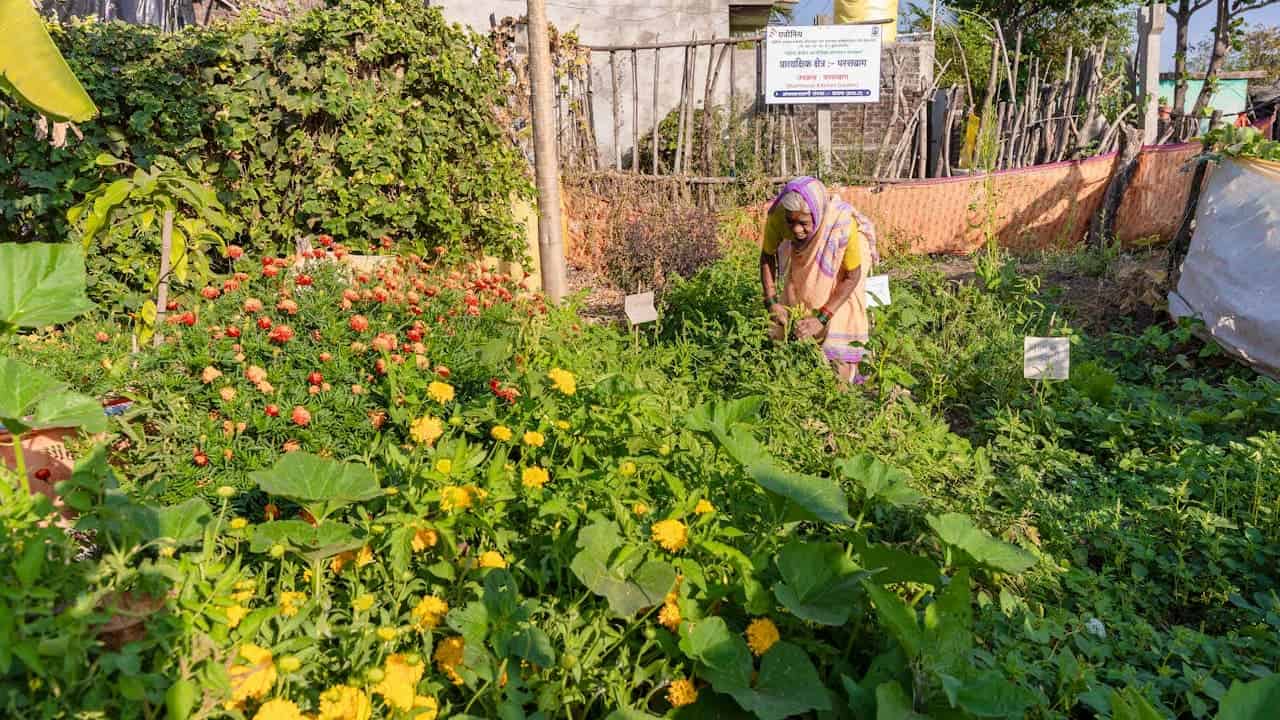
For years, I planted the same crops in the same spots, and my garden’s productivity gradually declined. It was then that I learned about the importance of crop rotation.
Crop rotation helps in preventing the buildup of pests and diseases and improves soil fertility. Try to rotate crops from different families. For instance, if you planted tomatoes (a nightshade family) in a spot this year, plant beans (a legume family) there next year.
8. Ignoring the weather

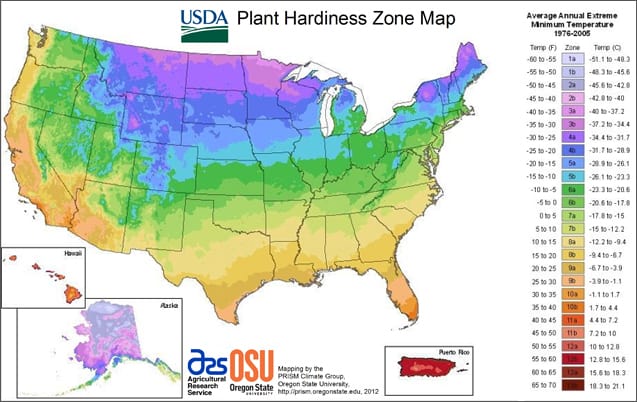
Ignoring the weather and planting out of season was another practice I had to ditch. Plants have their own preferred growing seasons, and ignoring this can lead to poor growth or even plant death.
To ensure your plants thrive, understand their preferred growing season. Cool-season crops like lettuce and peas prefer spring or fall, while warm-season crops like tomatoes and peppers prefer summer. Also, pay attention to the weather forecast before planting.
9. Neglecting plant support
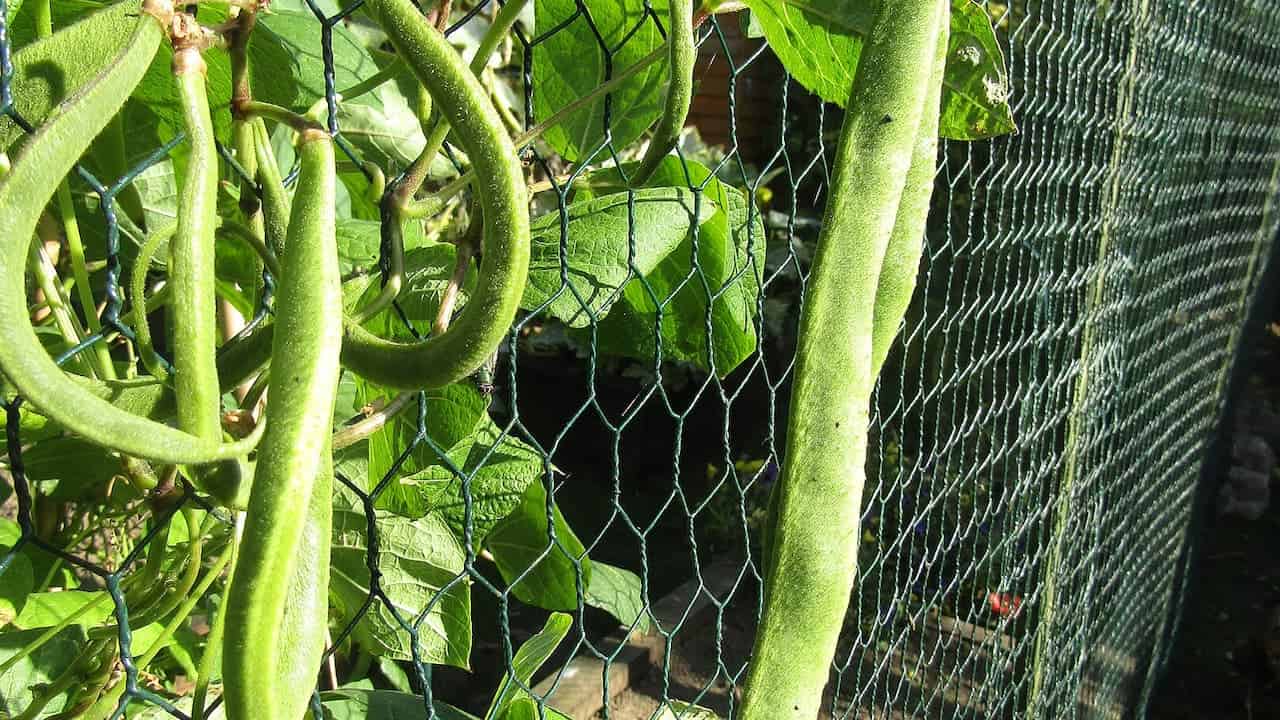
I used to think that plant supports were only for large plants, but even smaller plants like tomatoes and peppers can benefit from some support.
Supports help plants grow upright, ensure better air circulation, and make harvesting easier. They also prevent fruits from touching the ground, reducing the risk of rot and pests. Use stakes, cages, or trellises for supporting your plants.
10. Not pruning
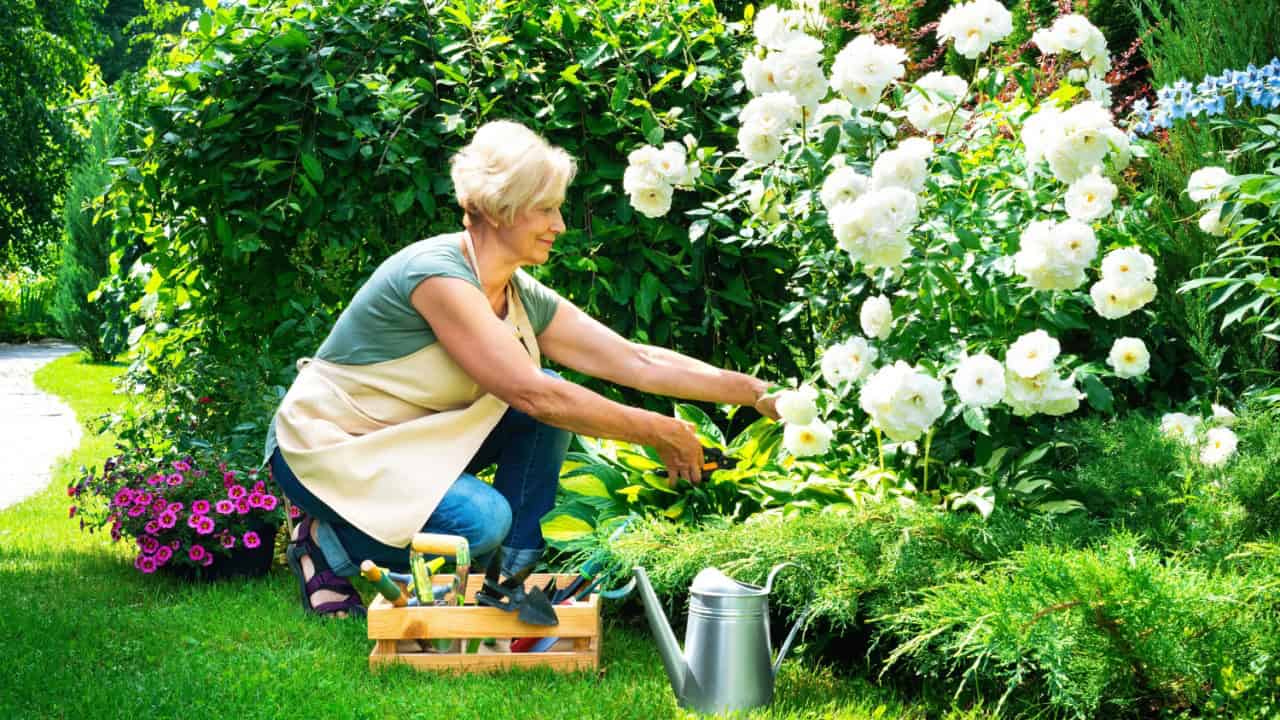
Not pruning, especially for fruiting plants, was another mistake I made. Pruning helps in shaping the plant, controlling its size, and ensuring better light penetration and air circulation.
Prune your plants in their dormant season to remove diseased, damaged, or crowded branches. But avoid excessive pruning as it can stress the plant. Always use clean and sharp pruning tools to prevent the spread of diseases.
11. Planting everything at once

In my excitement, I used to plant everything at once, only to be overwhelmed later with all the maintenance work. Also, it led to a glut of produce all at once.
Stagger your planting to ensure a steady supply of produce. This practice, known as succession planting, also helps in utilizing the garden space effectively.
12. Not keeping a garden journal

I used to rely on my memory for remembering what worked and what didn’t in my garden. But with so many variables at play, I often forgot the details. Keeping a garden journal solved this problem.
A garden journal helps in tracking your garden’s progress, noting down what worked and what didn’t, and planning for the next season. It can be a simple notebook or a digital journal. Just ensure to update it regularly.
By avoiding these practices, I was able to transform my garden and make it more productive. Remember, gardening is a learning process, and it’s okay to make mistakes. What’s important is to learn from them and keep improving. Happy gardening!