We all love shopping for new things, particularly when it comes to outdoor items. Whether it’s garden furniture, barbeque grills, or even that cute little bird feeder that caught your eye at the store, these purchases can quickly lead to an overcrowded and cluttered outdoor space. However, by being more mindful about our purchases, we can effectively reduce outdoor clutter and create a more spacious and relaxing environment. Here are twelve things I stopped buying that have significantly helped in reducing my outdoor clutter.
1. Excessive Garden Furniture

We often get carried away with buying garden furniture, thinking that each new piece will add value to our outdoor space. However, more often than not, this just leads to overcrowding and less room to move around.
Advertisement
Garden furniture is essential, but it’s crucial to strike a balance between functionality and aesthetics. Think about the utility each piece brings. For instance, if you already have a comfortable seating arrangement, you might not need that extra hammock. Remember, a clutter-free garden is more inviting and relaxing.
2. Duplicate Tools
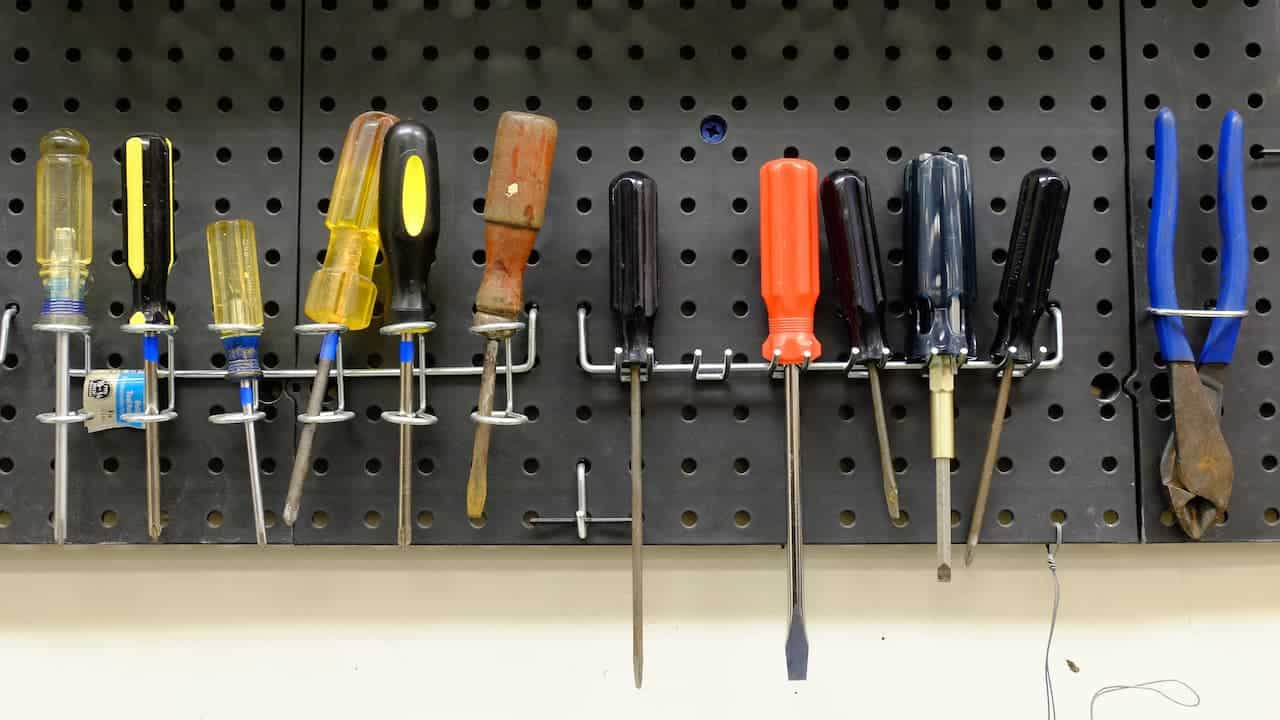
Many of us are guilty of buying duplicate tools. Whether it’s because we can’t find the original or simply because the new one is shinier, this habit contributes significantly to outdoor clutter.
One practical way to avoid this is by setting up a dedicated storage system for your tools. This could be a toolbox or even a pegboard in your garage. When every tool has its place, it’s easier to keep track of what you have, making you less likely to buy duplicates.
3. Unnecessary Decorations
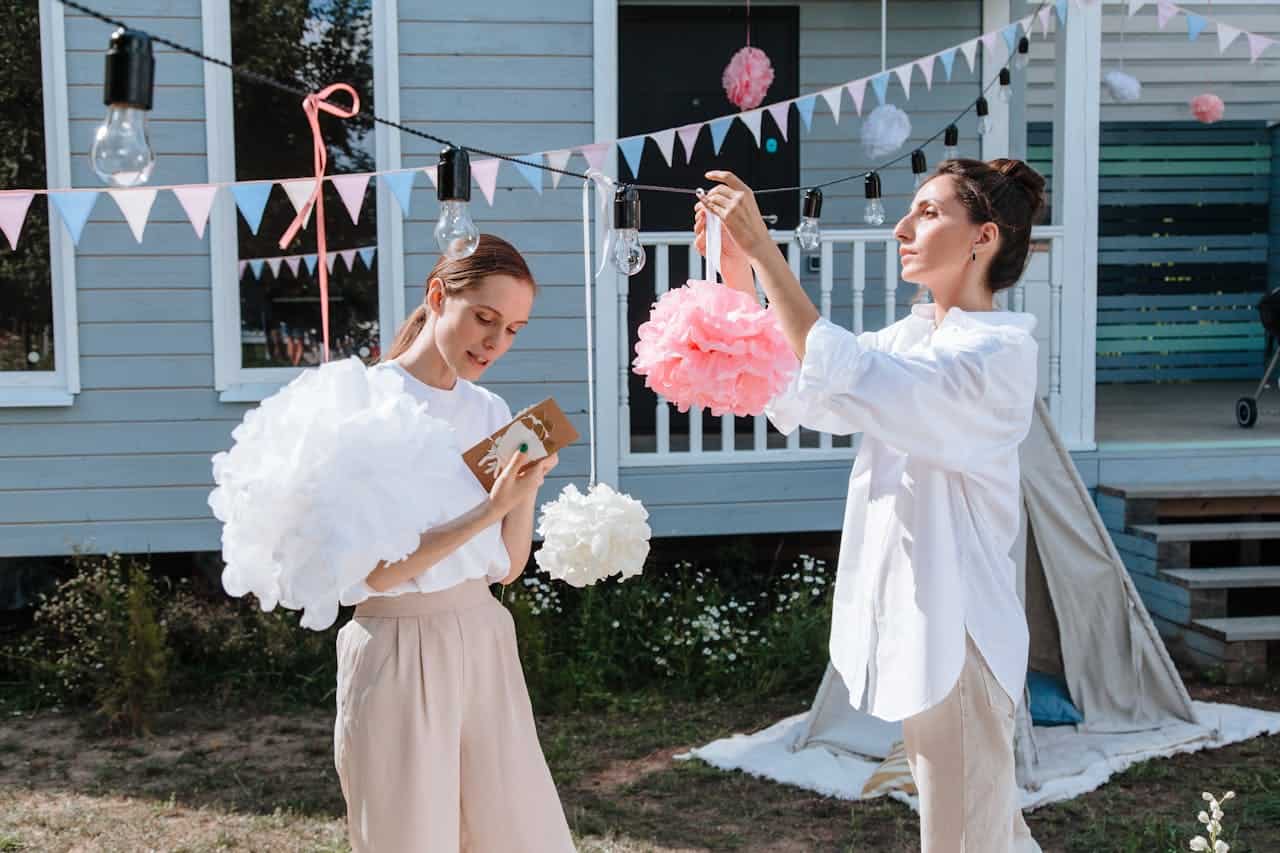
Outdoor decorations can add a unique touch to your garden, but overdoing it can lead to a cluttered and chaotic environment.
Instead of impulsively buying every decorative item you lay your eyes on, plan your garden’s design in advance. Choose a few key pieces that align with your aesthetic, and stick to that. Remember, less is often more when it comes to design.
4. Excessive Lighting
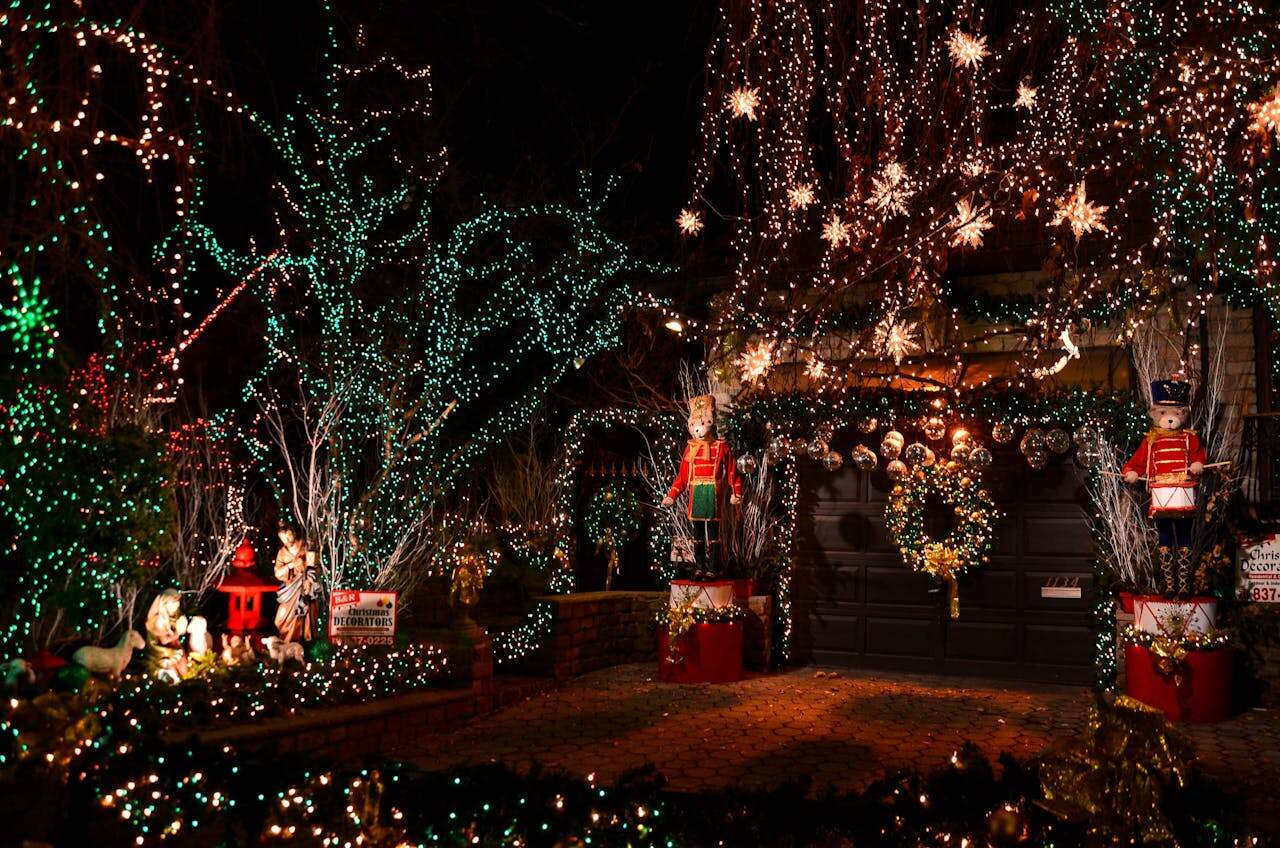
Outdoor lights can create a beautiful and warm ambiance. However, too many lights can make your garden look like a Christmas tree and can be a magnet for insects during the summer.
Consider what you need the lights for. If it’s for security, one or two motion sensor lights might be enough. If it’s for aesthetics, carefully placed solar or LED lights can do the trick without creating clutter or increasing your electricity bill.
5. Plants Without a Home
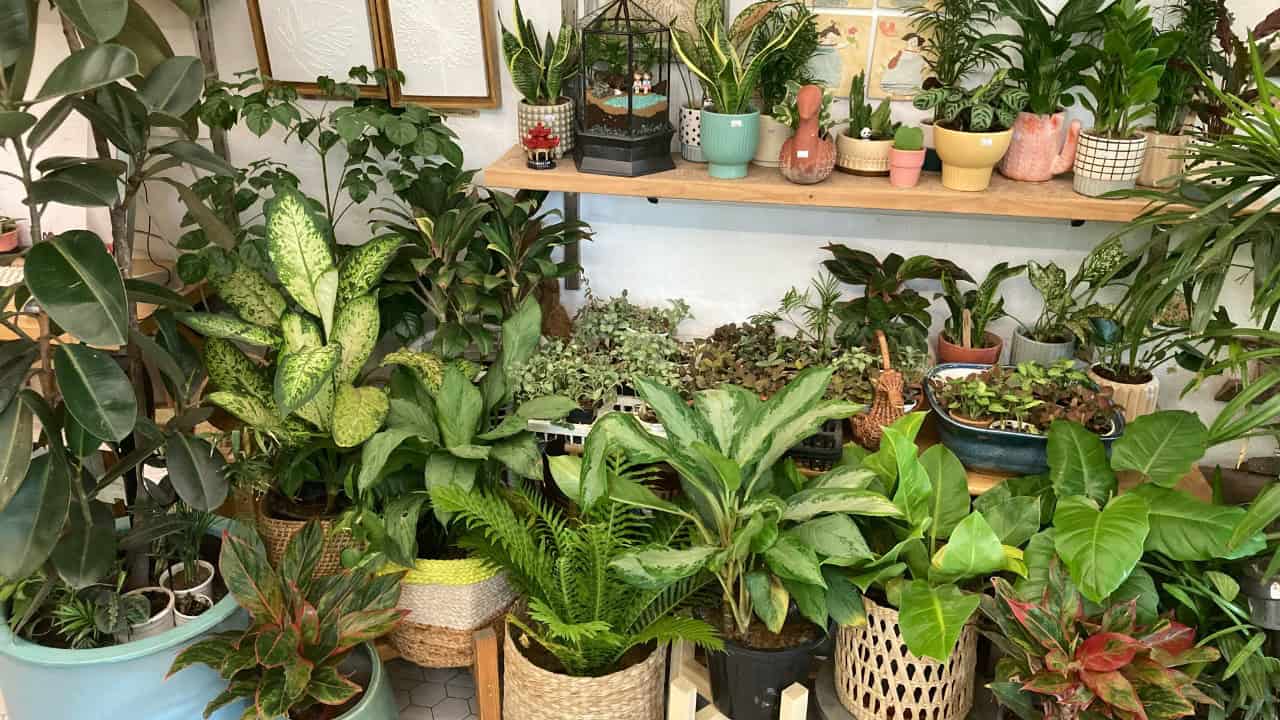
When we buy plants without planning where to put them, they end up cluttering our outdoor space.
Before purchasing a plant, consider where it will go and whether you have enough space for it. If space is limited, consider vertical gardening or choosing plants that thrive in pots.
6. Extra Pots and Planters
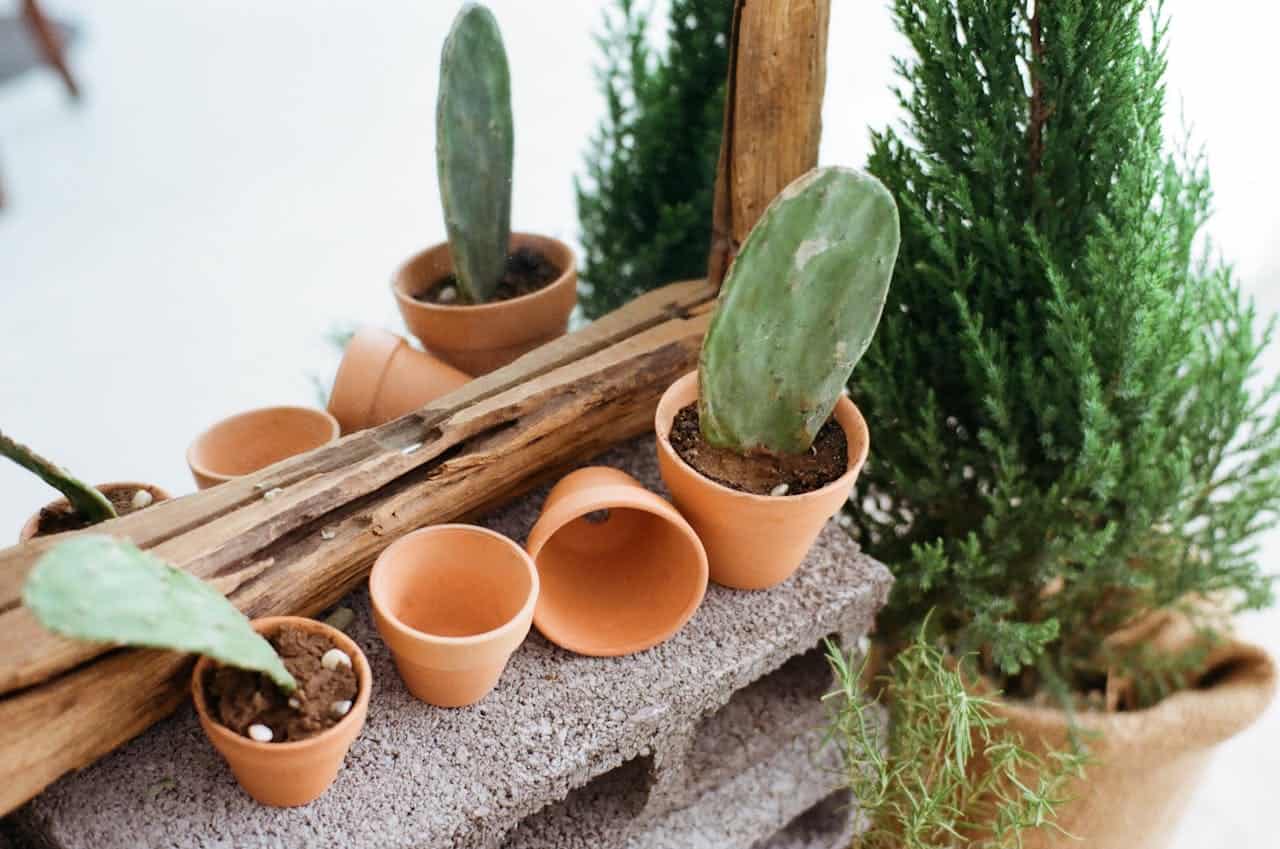
While it’s tempting to buy every cute pot or planter you see, they can take up a lot of space and create clutter.
Try to only buy pots when you have a specific plant to put in them. If you have a lot of empty pots lying around, consider donating them or using them in a DIY project.
7. Unused Barbecue Grills
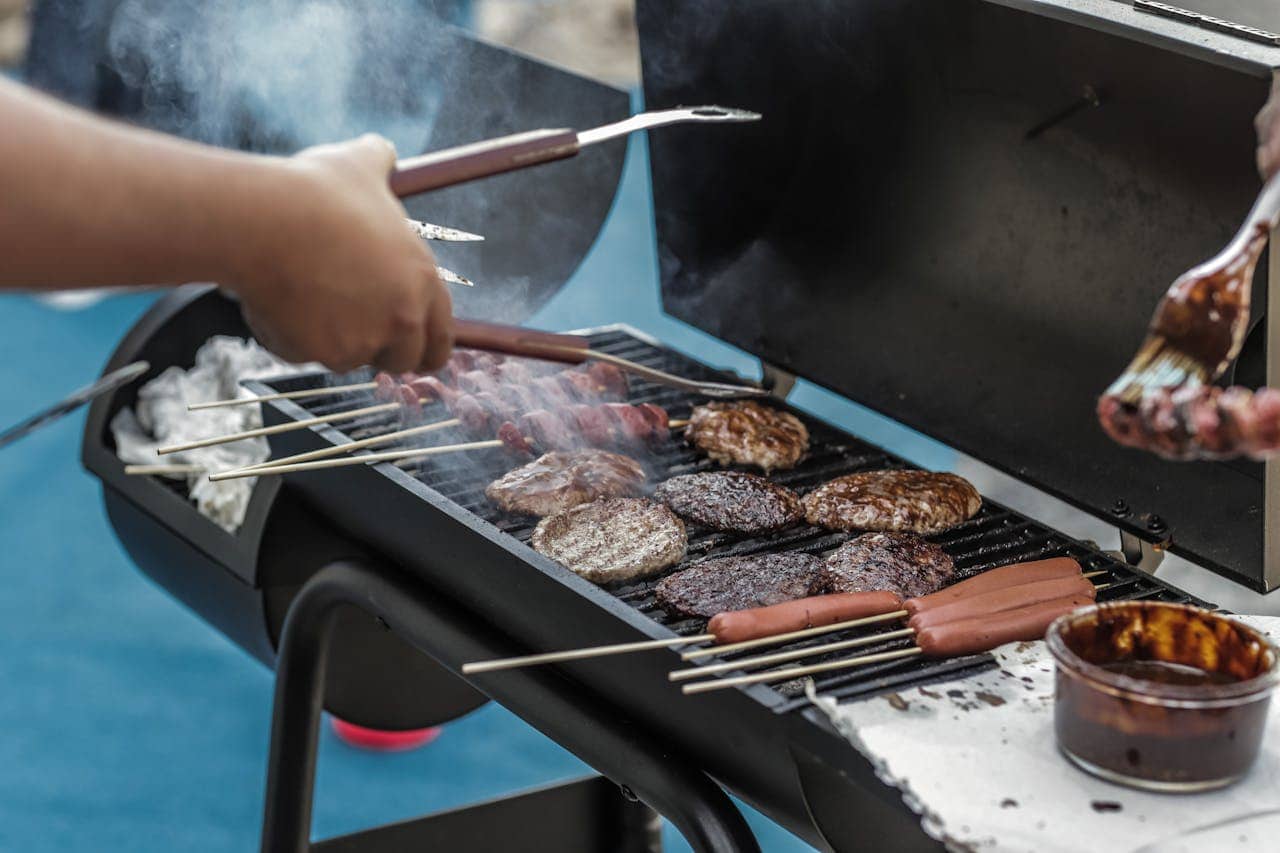
Having multiple grills can seem like a good idea, especially if you enjoy hosting. However, they can take up a lot of space and are often left unused.
If you already have a working grill, resist the urge to buy another one. If you need more grilling space for parties, consider borrowing a grill or buying a larger one that can accommodate your needs.
8. Children’s Outdoor Toys
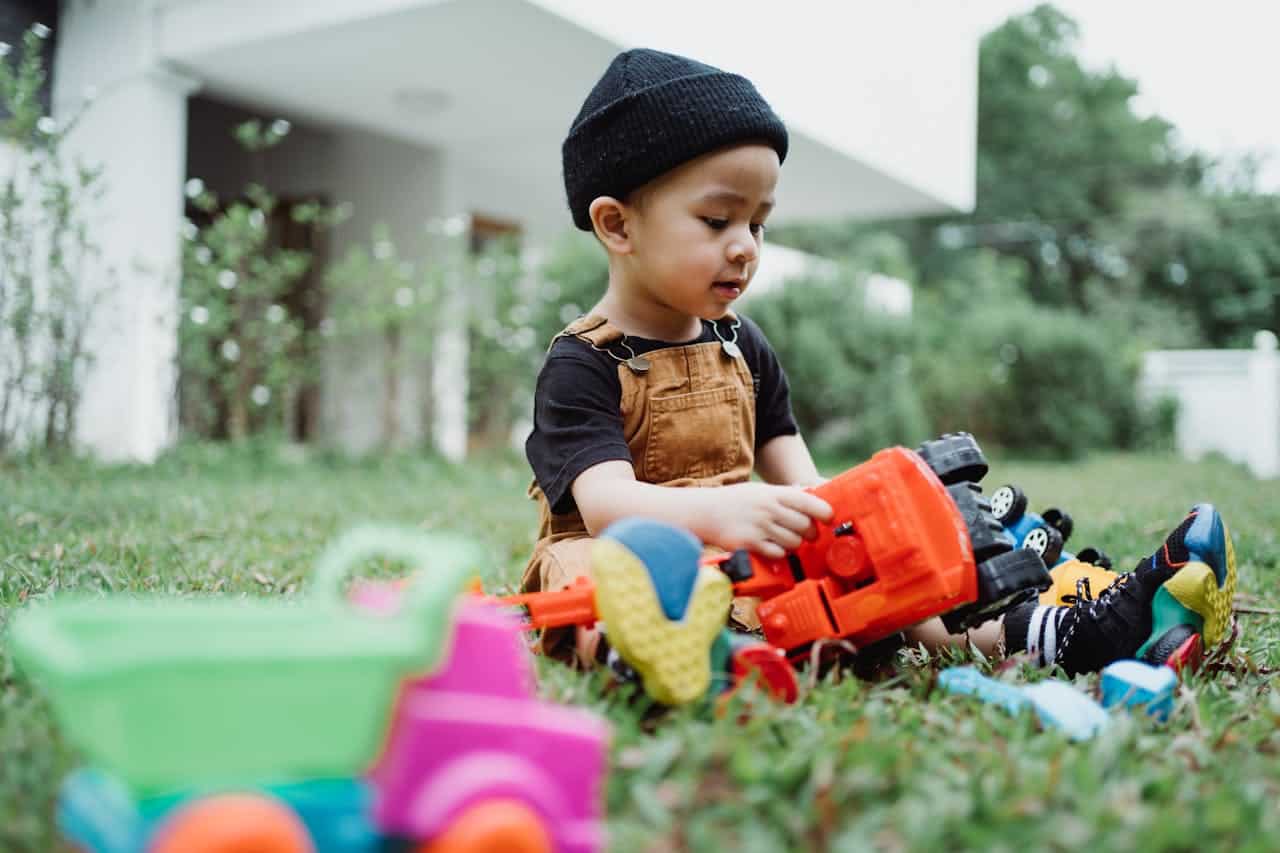
Children’s toys can quickly clutter your outdoor space, especially if they are not regularly used.
Encourage your children to only keep the toys they regularly play with. The rest can be donated or sold, freeing up space and teaching your children the value of decluttering.
9. Swimming Pools and Accessories

Swimming pools, even the inflatable ones, can take up a lot of space. The same goes for pool accessories like floats, toys, and cleaning equipment.
Consider whether you use your pool enough to justify the space it takes up. If not, it might be worth considering alternatives like public pools or splash pads.
10. Excessive Garden Ornaments

Garden ornaments can add personality to your outdoor space, but too many can make it look cluttered and messy.
Be selective with your ornaments. Choose a few that you really love and that add value to your garden, rather than filling it with every cute gnome or fairy you find.
11. Dead Plants

It can be hard to part with plants, even when they’re dead. But dead plants don’t add any value to your garden and can make it look unkempt.
Get into the habit of regularly checking your plants and removing any that have died. This will not only reduce clutter but also make your garden healthier.
12. Unnecessary Garden Buildings
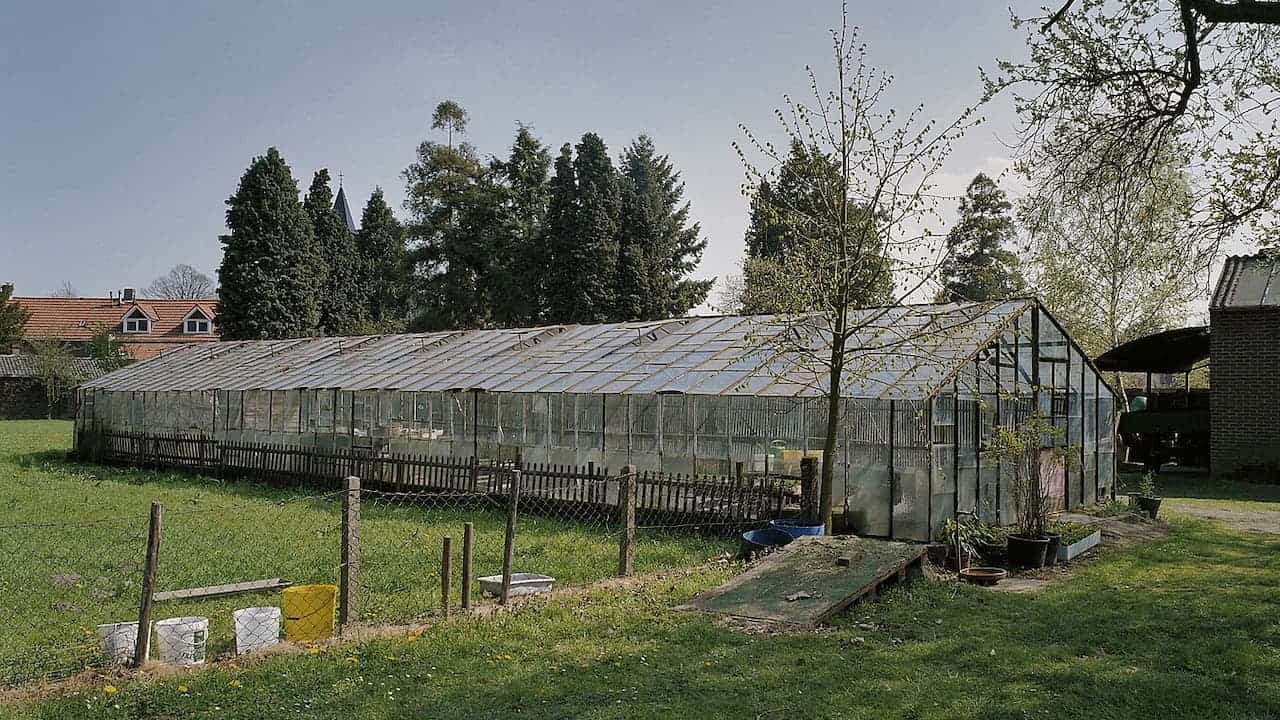
Garden buildings like sheds, greenhouses, and summer houses can be useful, but they can also take up a lot of space and often end up being used for storage rather than their intended purpose.
If you’re considering a garden building, think about whether you have enough space and whether you’ll use it enough to justify the cost and the room it will take up. If you already have a garden building that you’re not using, consider repurposing it or getting rid of it to free up space.