When you venture into the great outdoors, being prepared isn’t just a Boy Scout motto—it’s a necessity. Whether you’re embarking on a leisurely day hike or a week-long wilderness adventure, unpredictable weather, terrain, and situations can present challenges.
Your safety and survival could depend on the contents of your backpack. That’s why I always make sure to pack my outdoor emergency kit with these 12 essential items.
Advertisement
1. First Aid Kit
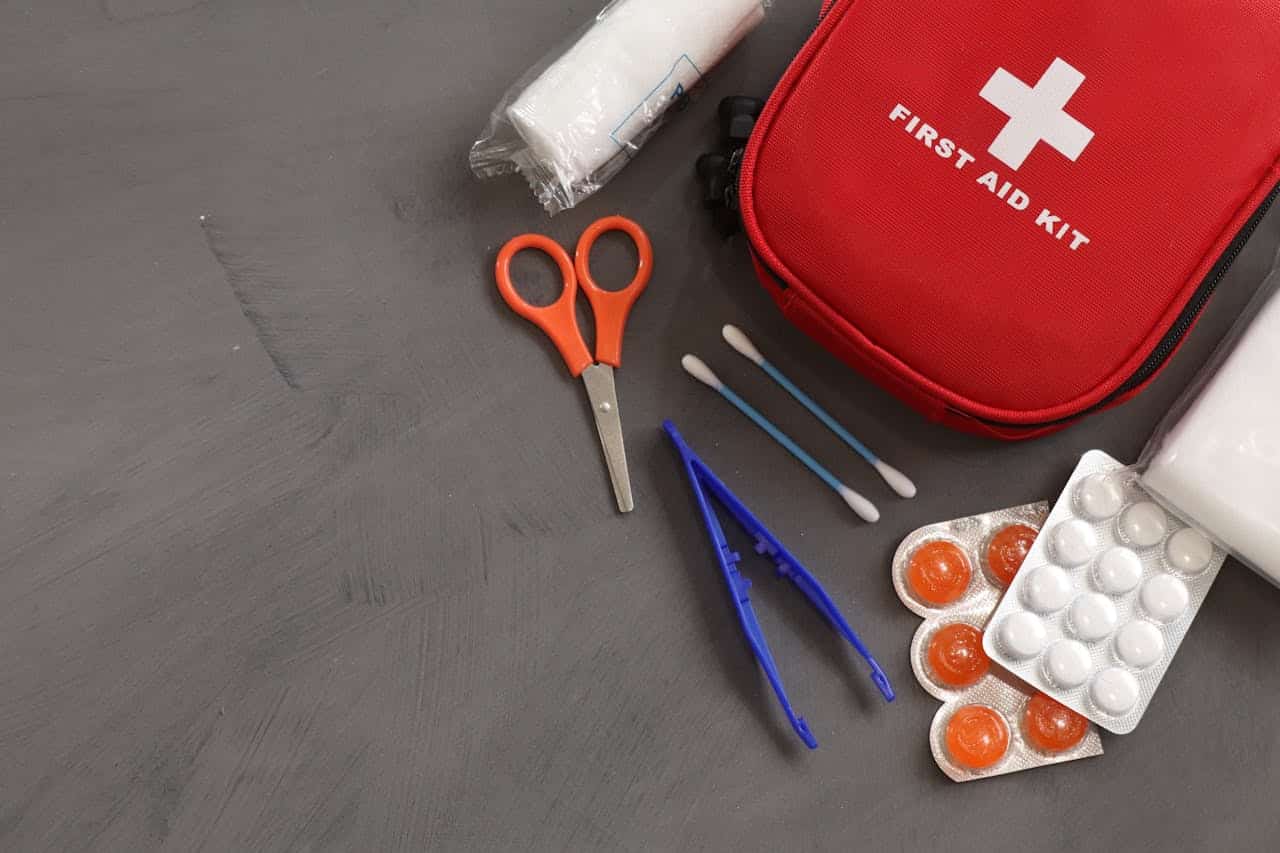
The first thing I always include in my outdoor emergency kit is a comprehensive first aid kit. This should be more than just a box of Band-Aids. It should include a variety of bandages, gauze, antiseptic wipes, tweezers, medical tape, and pain relievers.
With a well-stocked first aid kit, you can treat everything from minor cuts and scrapes to more serious injuries. For example, if you sprain your ankle while hiking, having an elastic bandage on hand can provide the necessary support to help you make it back to civilization.
2. Multi-tool
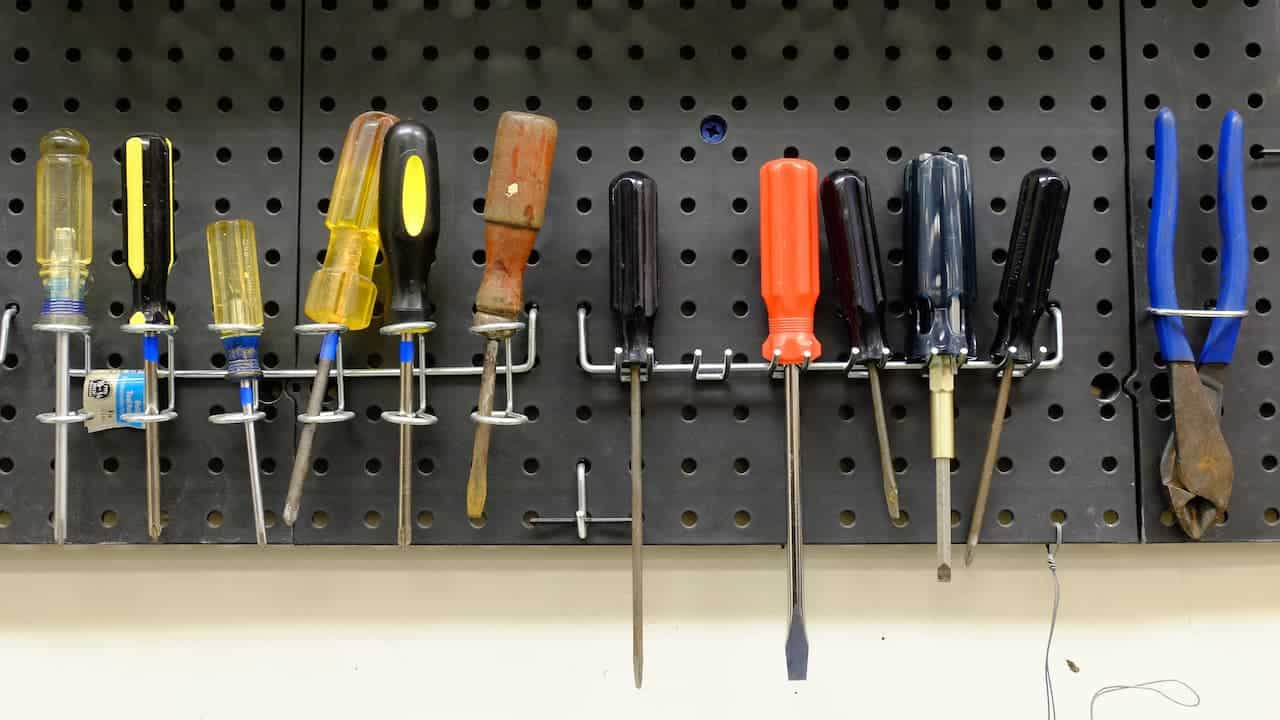
The second item I never leave home without is a sturdy multi-tool. This handy gadget combines numerous tools in one compact package, including a knife, scissors, can opener, screwdriver, and more.
A multi-tool can be used for a variety of tasks in an outdoor emergency scenario. For instance, you can use the knife to cut bandages or wood for a fire, the screwdriver to repair gear, and the can opener to access food. The versatility of a multi-tool makes it an invaluable addition to any emergency kit.
3. Fire Starter
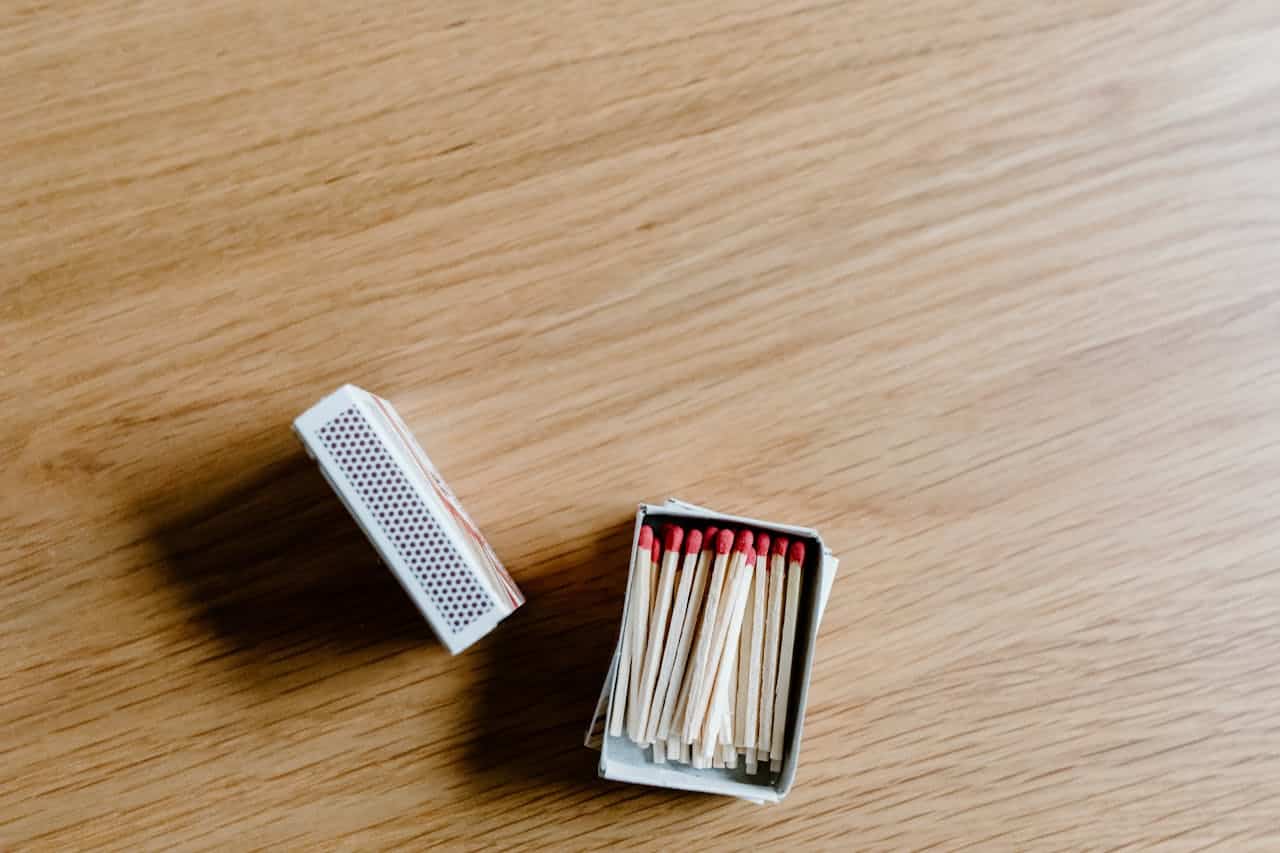
Fire is a fundamental survival tool. It provides warmth, light, and a way to cook food and purify water. That’s why a reliable fire starter is the third item on my list.
You can choose from a variety of fire starters, such as matches, lighters, or ferro rods. Whichever you choose, make sure it’s waterproof and easy to use. You never know when you might need to start a fire in less-than-ideal conditions.
4. Water Purification System
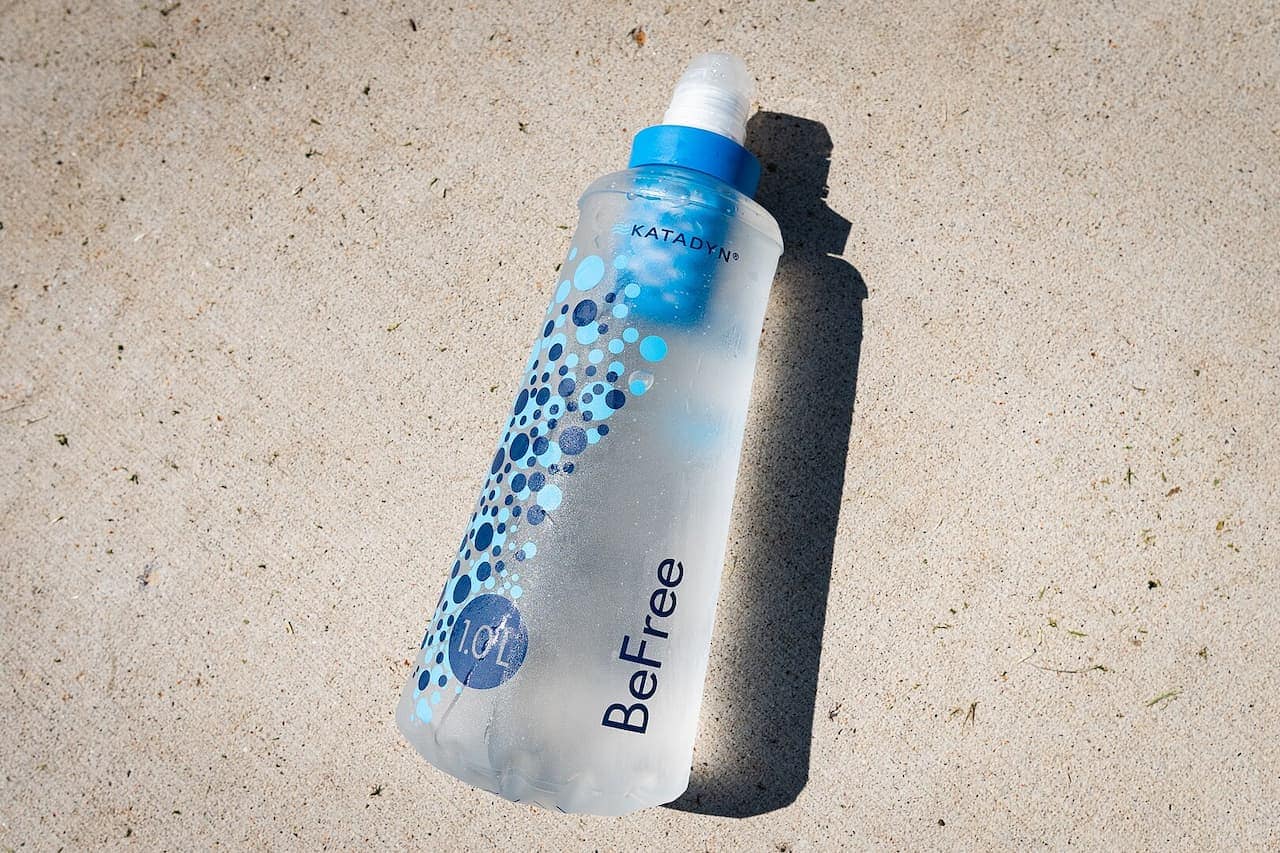
Water is essential for survival, but not all water sources are safe to drink from. To ensure I always have access to clean, potable water, I carry a portable water purification system in my emergency kit.
These systems vary in design and complexity, from simple iodine tablets to sophisticated hand pump filters. No matter which system you choose, it can literally be a lifesaver if you find yourself without a safe water source.
5. Emergency Blanket
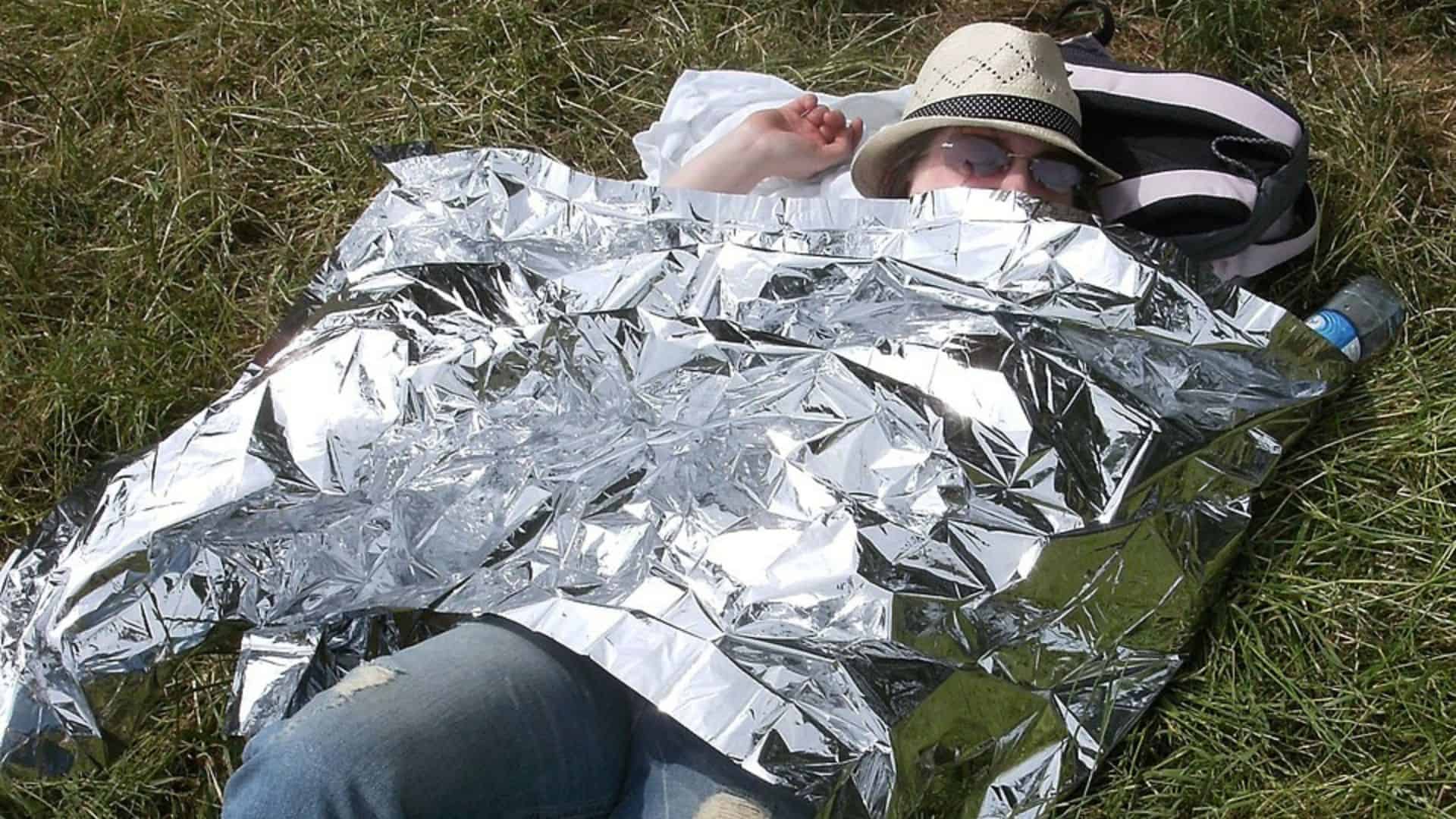
Even in the summer, temperatures can drop significantly at night. An emergency blanket, also known as a space blanket, is a lightweight and compact item that can help you retain body heat and prevent hypothermia.
These blankets are designed to reflect back up to 90% of your body heat, making them incredibly efficient. They’re also waterproof and windproof, making them an excellent shelter in adverse weather conditions.
6. Food and Snacks

Hiking and other outdoor activities can burn hundreds of calories per hour. It’s vital to replenish these calories to maintain energy and strength. I always include high-energy, non-perishable food items in my emergency kit.
Include items that are lightweight and easy to eat on the go, like energy bars, trail mix, or jerky. Remember, these items are not just for sustenance. In a stressful situation, the simple act of eating can also provide a much-needed morale boost.
7. Navigation Tools
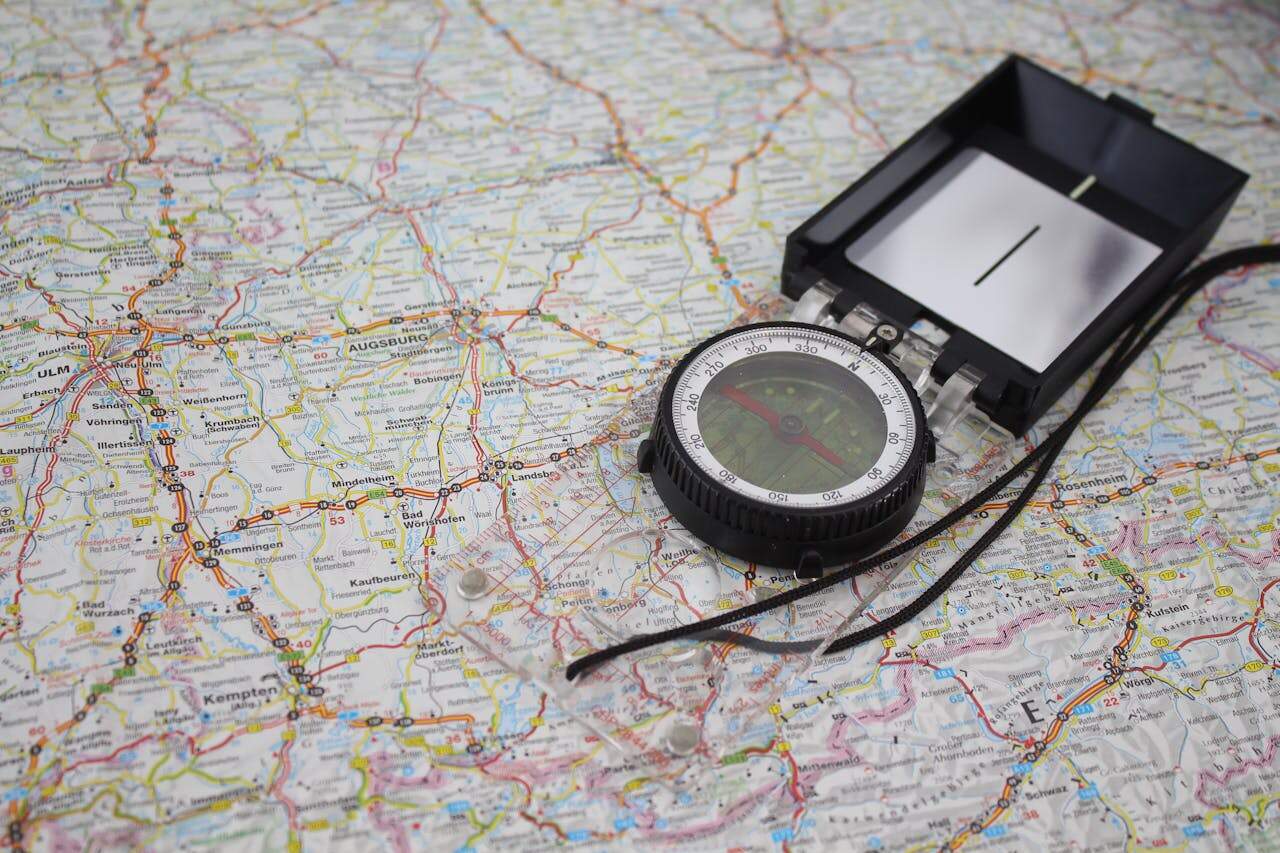
In the age of smartphones and GPS, it’s easy to forget about traditional navigation tools. But batteries die, and signals can be weak or non-existent in remote areas. That’s why I always carry a compass and a map in my emergency kit.
Knowing how to use these tools is just as important as having them. Consider taking a navigation course or practicing in a local park before heading out into the wilderness.
8. Emergency Whistle
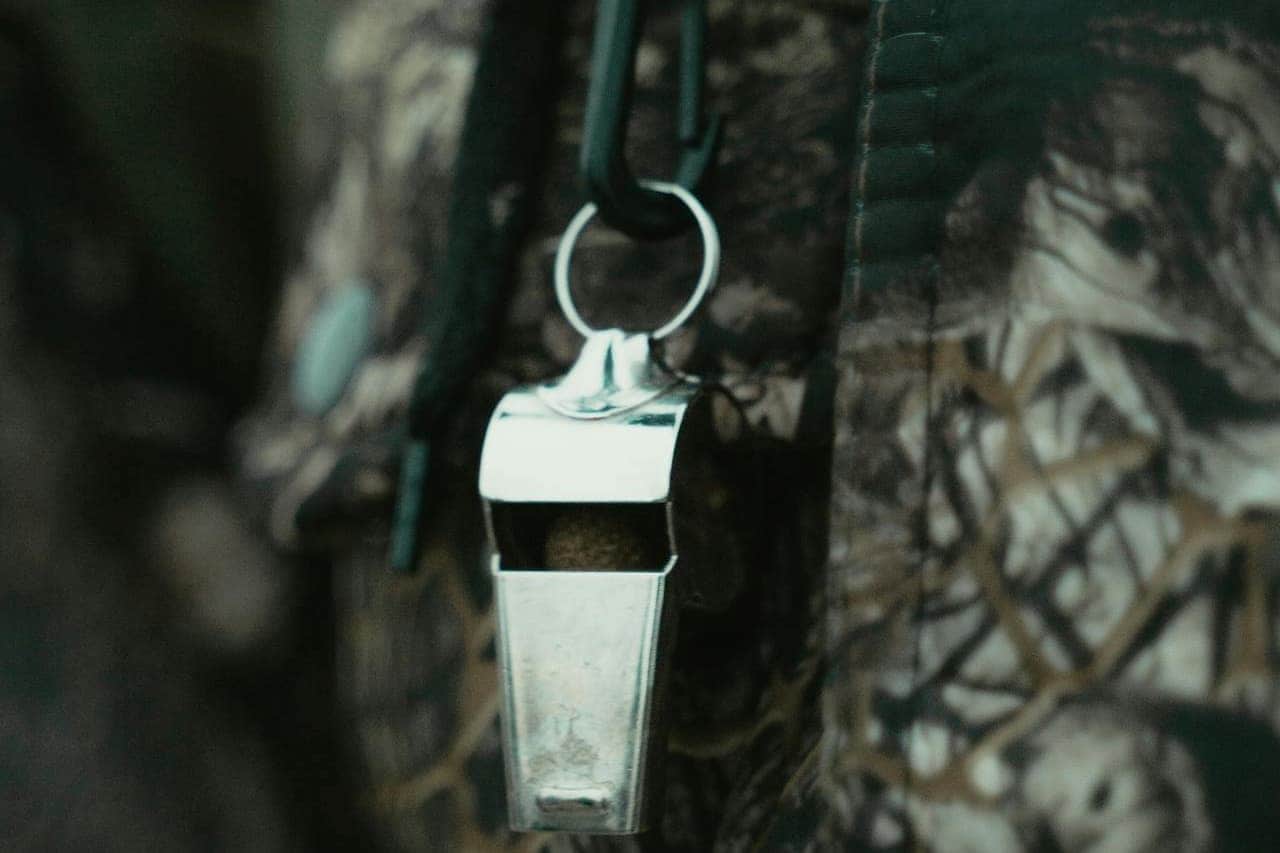
An emergency whistle is a small, lightweight item that can make a big difference in a survival situation. The loud, shrill sound of a whistle can be heard over long distances, making it an effective way to signal for help if you’re lost or injured.
Unlike shouting, blowing a whistle doesn’t strain your voice or dehydrate you. This makes it an efficient way to attract attention and increase your chances of being found.
9. Headlamp or Flashlight
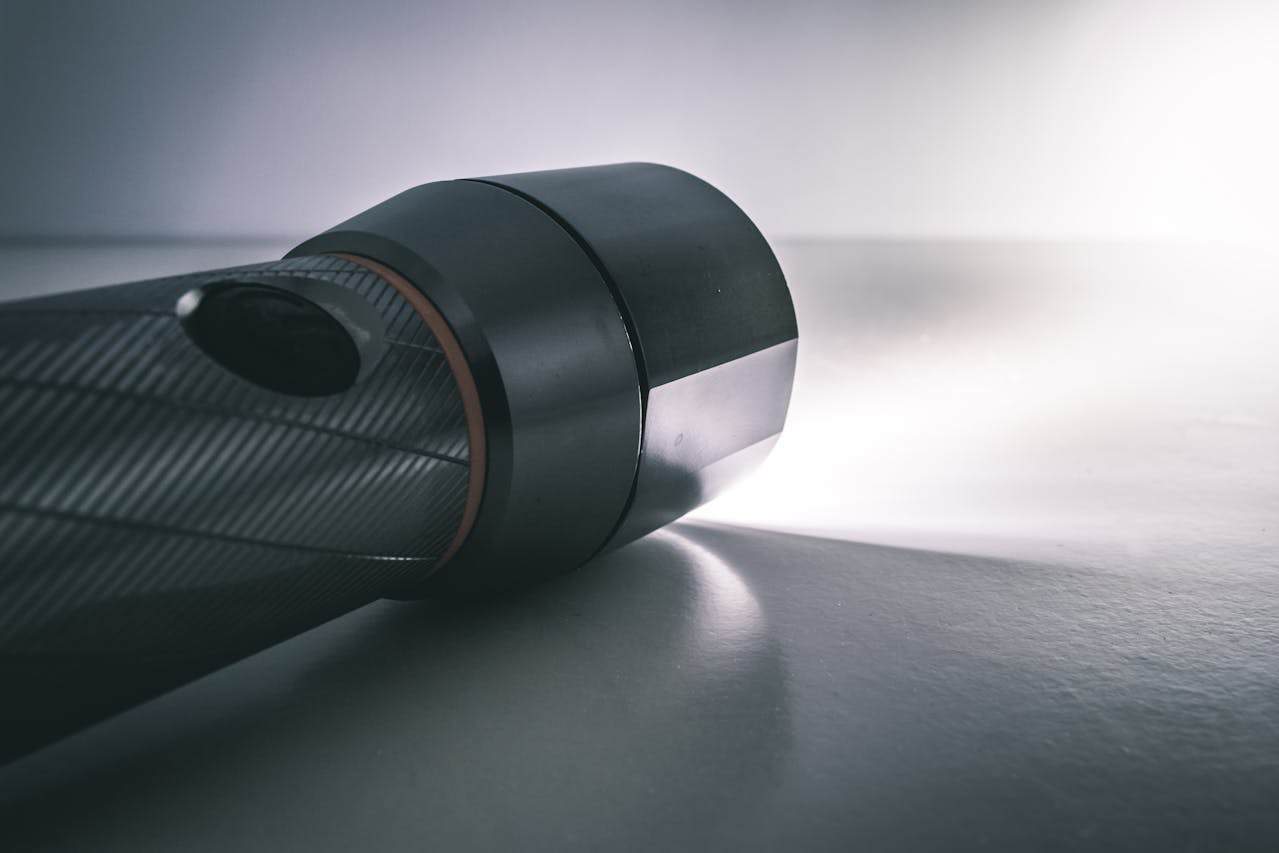
A reliable source of light is crucial in an outdoor emergency kit. I prefer a headlamp because it allows me to keep my hands free, but a flashlight works just as well.
Remember to always carry spare batteries. A light source can help you navigate in the dark, signal for help, or perform tasks like setting up a shelter or treating an injury.
10. Paracord
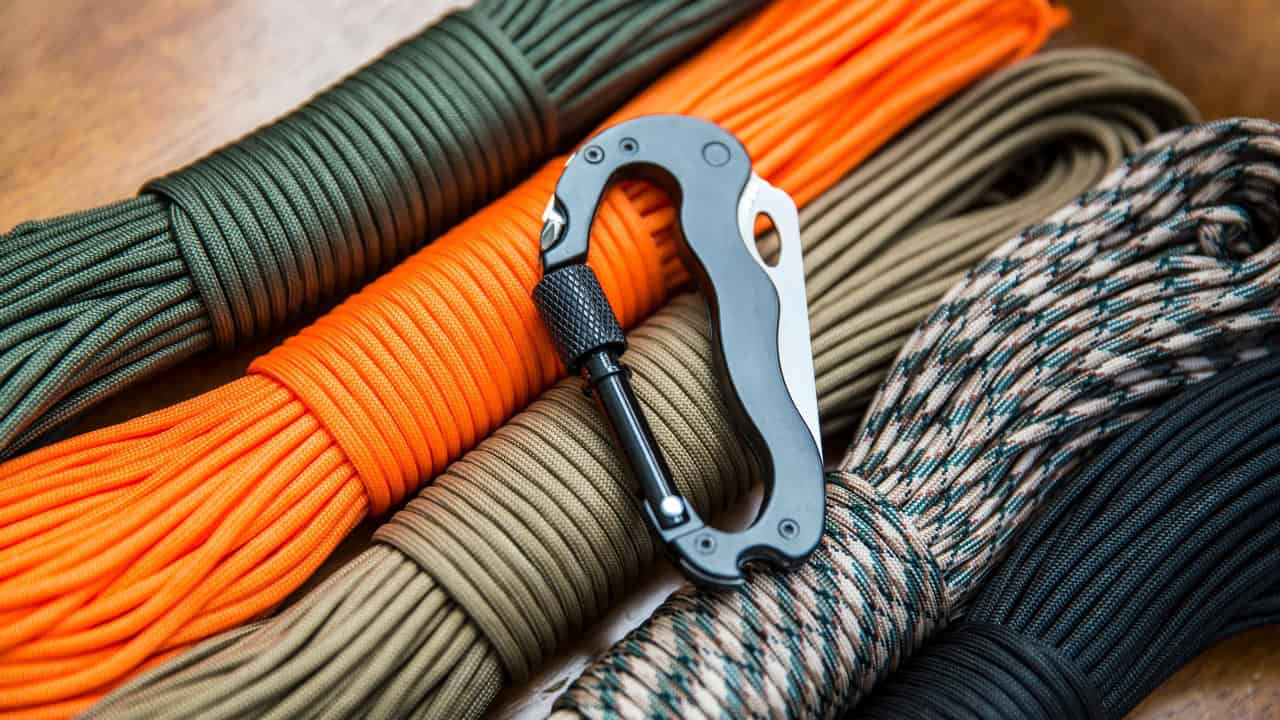
Paracord, short for parachute cord, is an incredibly versatile survival tool. This lightweight, strong, and compact rope can be used for a variety of tasks, from setting up a shelter to fishing.
Paracord is made up of multiple strands that can be separated and used individually, making it even more versatile. For example, the inner strands can be used as fishing line, sewing thread, or even dental floss.
11. Personal Locator Beacon (PLB)
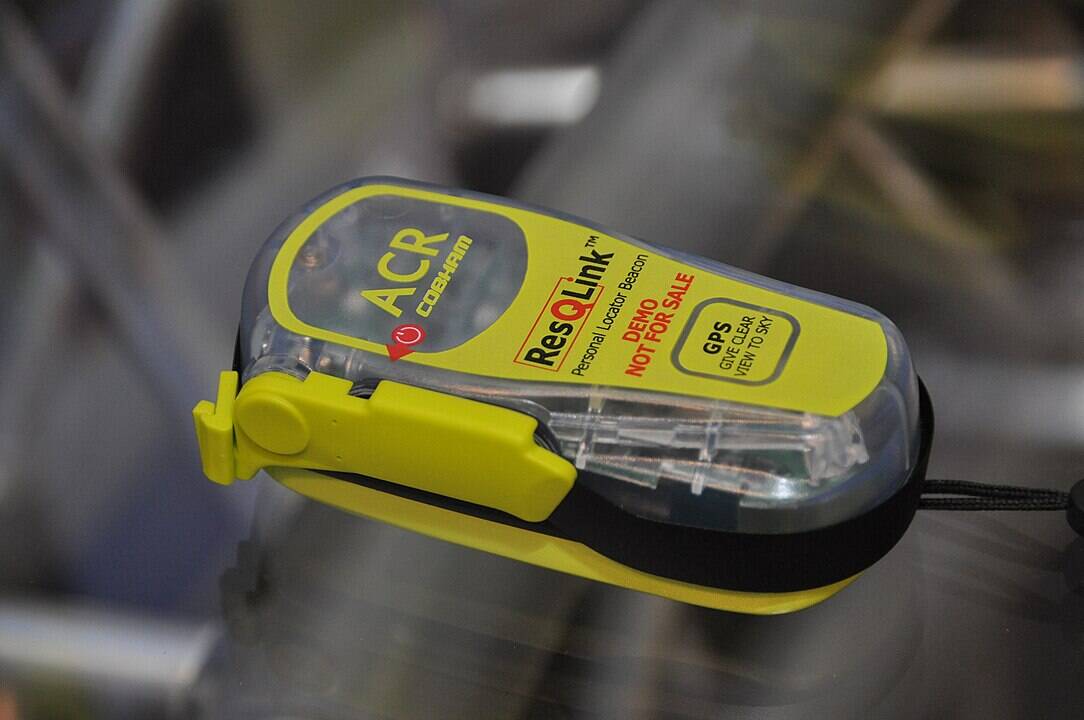
A Personal Locator Beacon (PLB) is a high-tech gadget that can be a lifesaver in a survival situation. When activated, a PLB sends out a distress signal with your location to search and rescue services.
While a PLB is more expensive than other items on this list, it can be invaluable if you’re lost or injured in a remote area. Remember, a PLB is not a substitute for telling someone your plans before you head out.
12. Extra Clothing
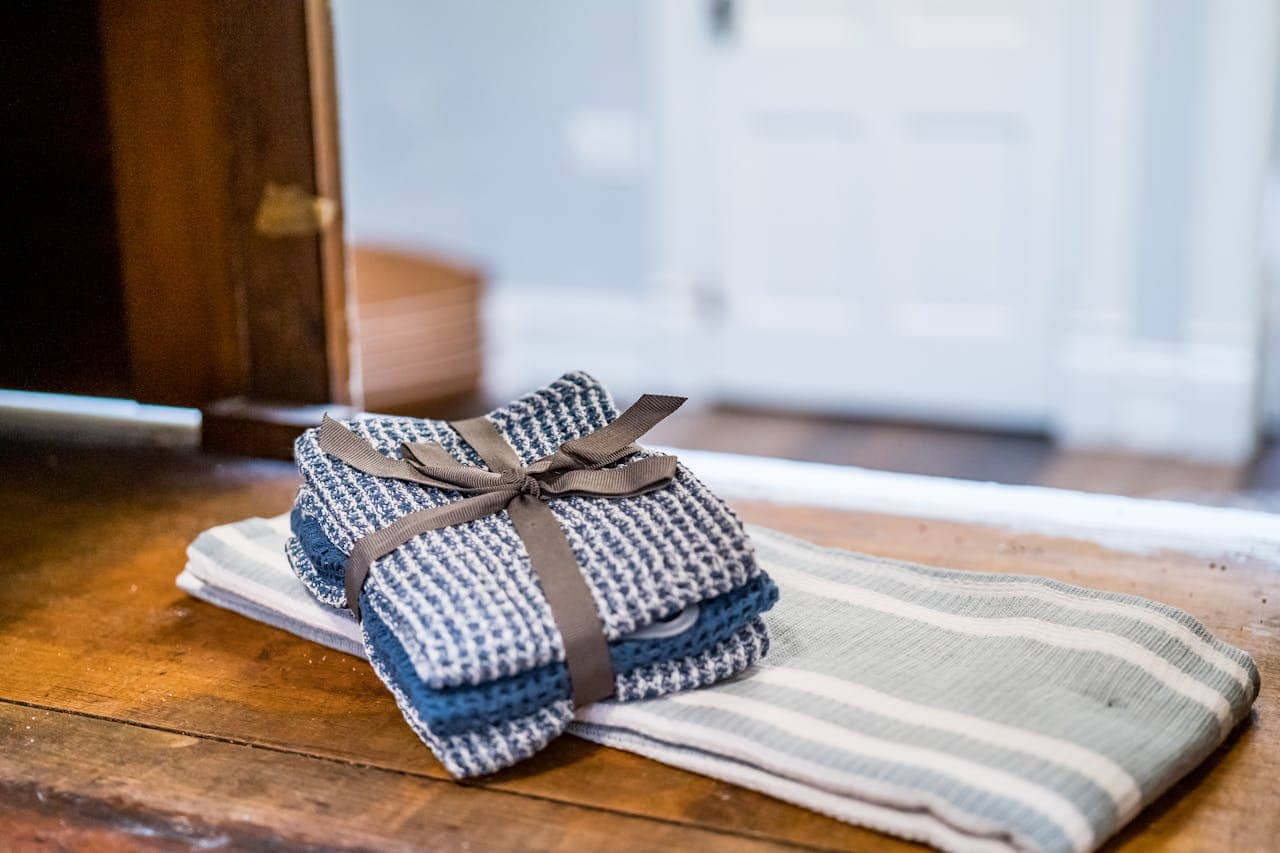
Last but not least, I always pack extra clothing in my emergency kit. This includes a hat, gloves, socks, and an extra layer of warm clothing.
Even if the forecast looks clear, weather can change quickly in the outdoors. Having extra clothing can help you stay warm and dry in unexpected conditions. Plus, in a pinch, clothing can be used for other purposes, like bandages or a makeshift bag.