As you navigate your daily life, you may start to notice some familiar things slowly fading away. This article explores 12 things that are disappearing from everyday American life, highlighting how changing technology and cultural shifts affect what we once considered staples. From common practices to physical items, the transformation is unfolding right before your eyes.
You might wonder how these changes influence your daily routines and interactions. Recognizing these disappearing elements not only sheds light on societal evolution but also encourages you to appreciate what remains.
Advertisement
Pay Phones
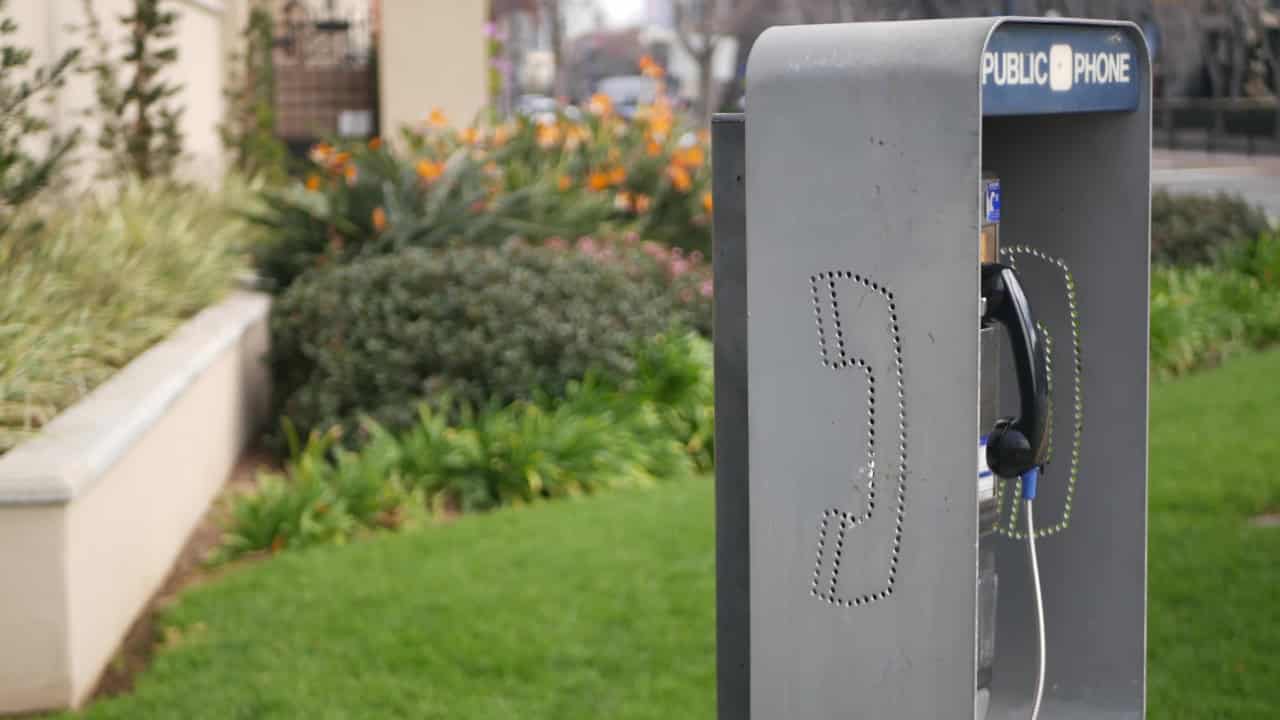
Pay phones used to be a common sight in cities and towns. They provided a way for you to make a call when you were out and about without a cell phone.
However, their numbers have dramatically declined. Many pay phones were removed starting in the early 2000s, leading to a significant decrease in their availability. Now, finding one can be quite a challenge!
Blockbuster Video
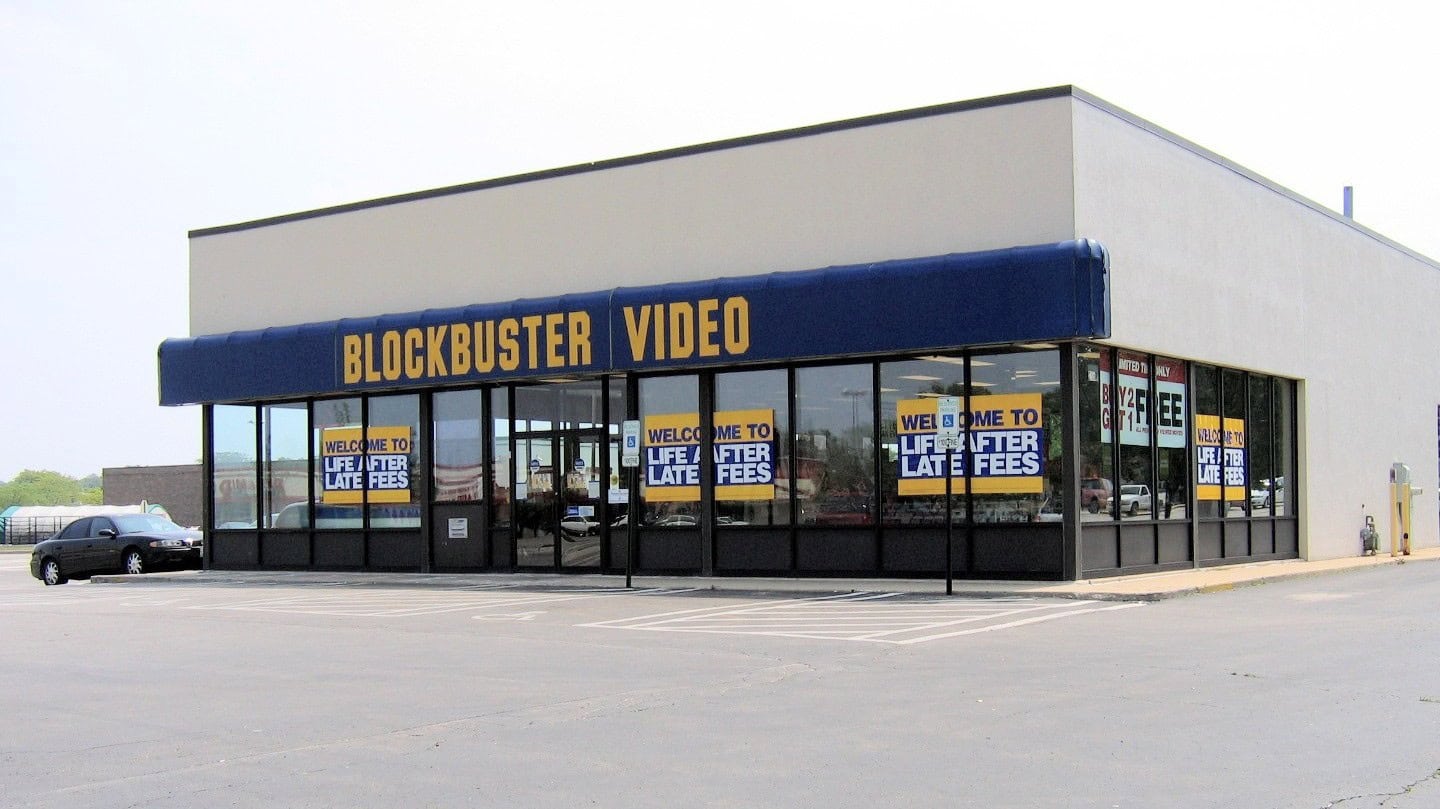
You may remember a time when renting movies meant a trip to your local Blockbuster. With its bright blue and yellow signage, it was a weekend staple for many.
Now, there’s only one Blockbuster left in Bend, Oregon, serving as a nostalgic reminder of a bygone era. Digital streaming services have largely replaced the need for physical rentals, making visits to video stores a rarity today.
K-Mart
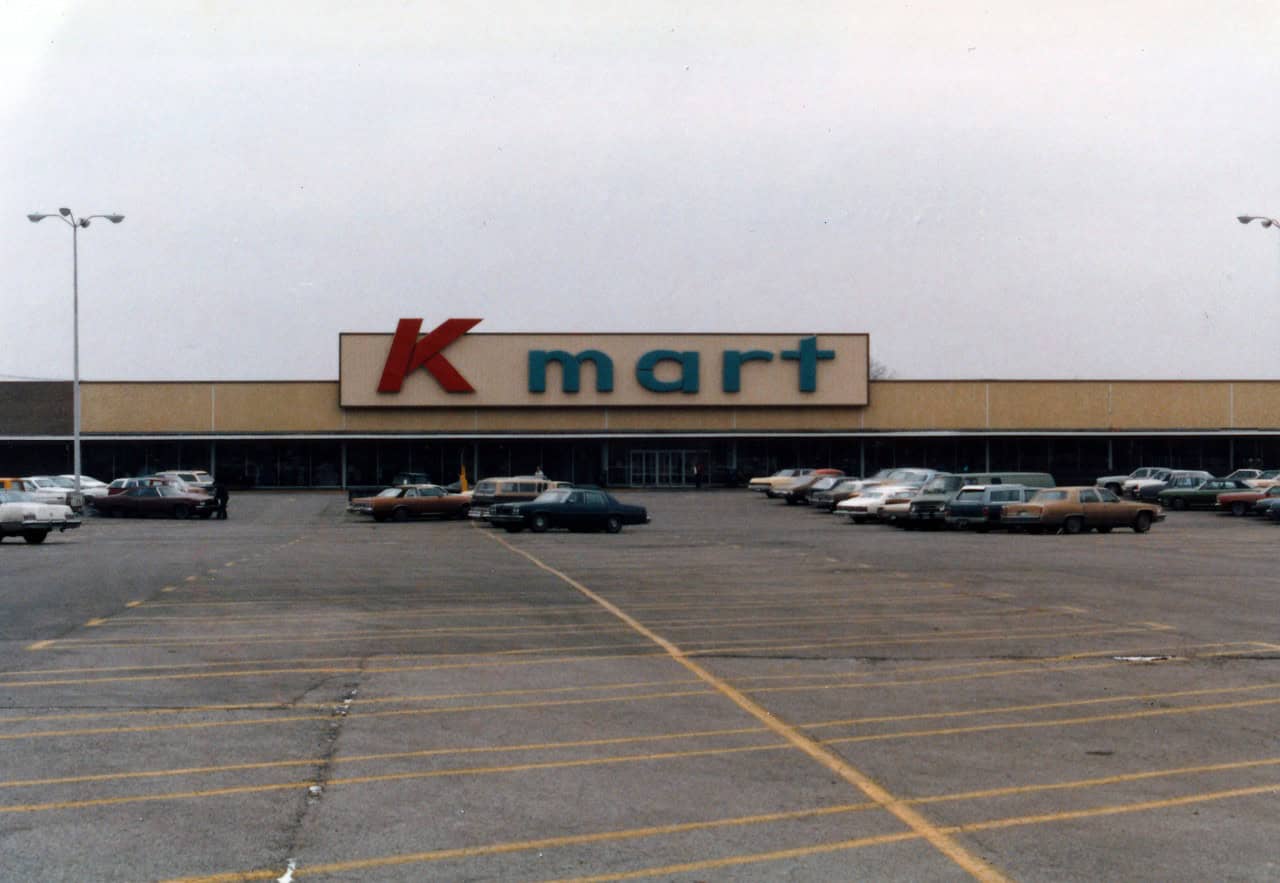
You may remember K-Mart as a staple of American shopping. Once a major retail player, it had thousands of stores across the country.
Today, fewer than 12 K-Mart locations remain in the U.S. The rise of e-commerce and changing shopping habits contributed to its decline. If you’re looking for nostalgia, K-Mart represents a piece of retail history that many fondly recall.
Textbooks

Textbooks have changed significantly over the years. Many schools now rely on digital resources instead of traditional printed books. This shift means you may never experience the feel of a well-worn textbook in your hands.
With online learning becoming more common, physical textbooks are disappearing from classrooms. You might find lessons taught through apps and digital platforms. This evolution reflects the way technology shapes education today.
Heelys (shoes with wheels)
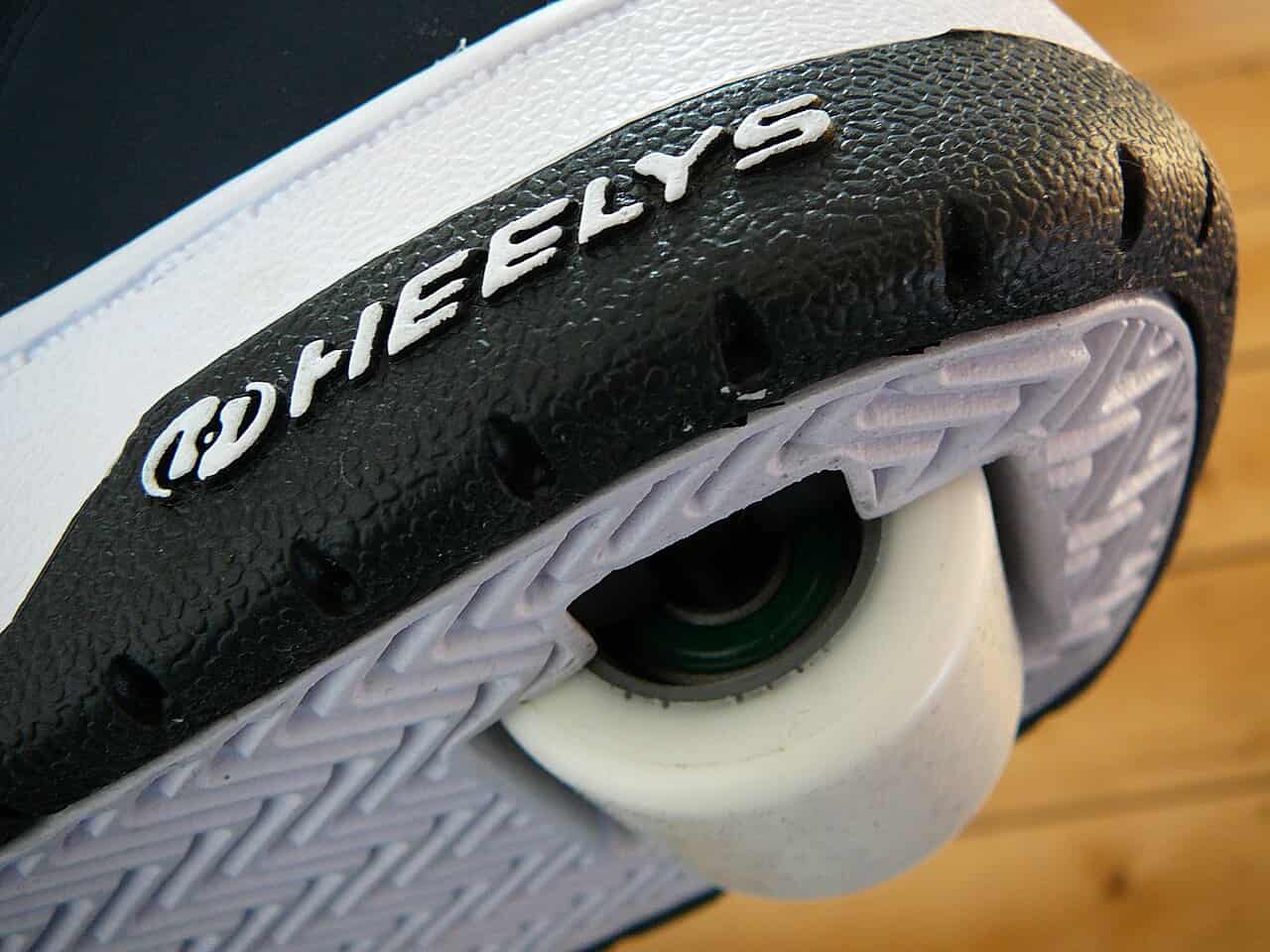
Heelys are those fun shoes with wheels that let you glide around effortlessly. They became popular in the early 2000s, especially among kids.
You may remember the excitement of cruising down the hallways at school. While they’re not as common now, you can still find a selection of Heelys online, reminiscent of those carefree days.
They offer a unique mix of style and fun that many still enjoy.
Paper Maps

You might remember using paper maps for directions during road trips. They were essential tools for planning your route before GPS took over.
While technology makes navigation easy, many people still appreciate the charm of unfolding a map. Paper maps offer a tangible connection to the journey, allowing you to see the big picture of your travels.
VHS Tapes
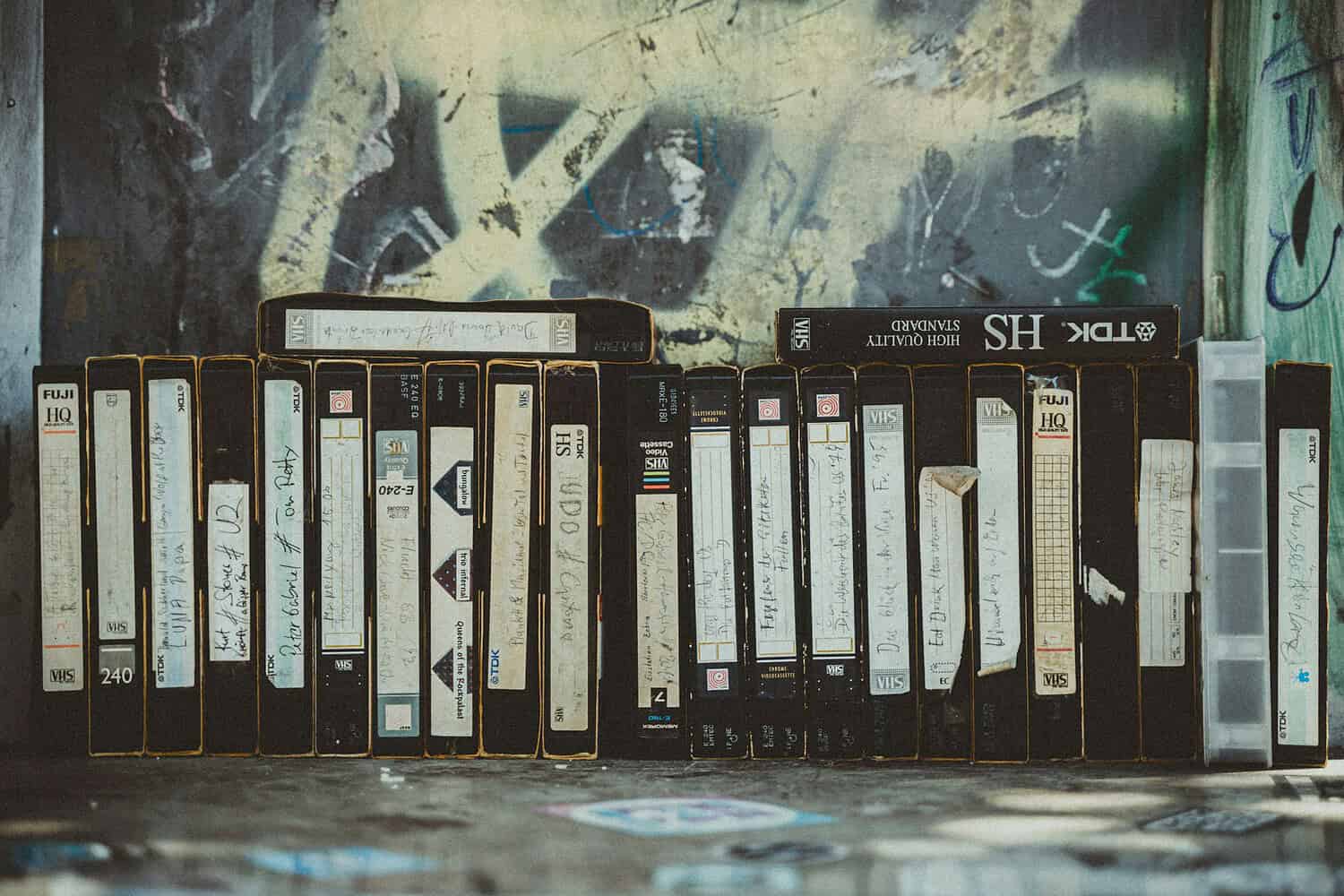
VHS tapes were once a staple in every home, storing countless memories and movies. Many people still have their old VCRs tucked away, along with boxes of tapes.
Today, you might notice fewer rental stores and less interest in these formats. Digital streaming has taken over, making access to films faster and easier. You may want to consider converting your precious tapes to digital formats before they deteriorate.
Disposable Cameras
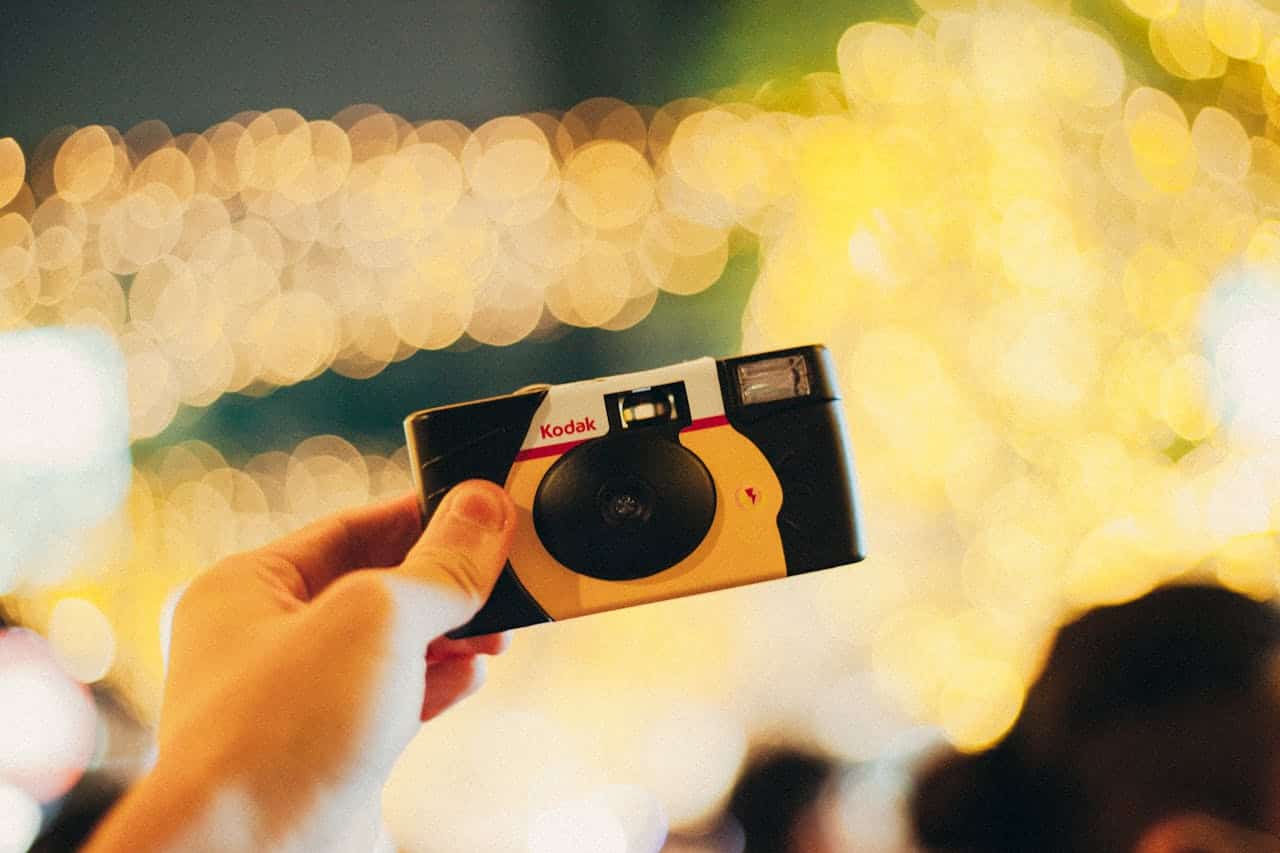
Disposable cameras were once a staple for capturing memories. You could take them on vacations, parties, or family gatherings without worrying about damage.
Today, they are becoming less common as digital devices dominate the market. Yet, there’s a nostalgic charm to using a disposable camera that many people still appreciate.
If you’ve ever used one, you know the excitement of waiting to see your developed photos. It’s a simple pleasure that seems to be fading from everyday life.
Flip Phones
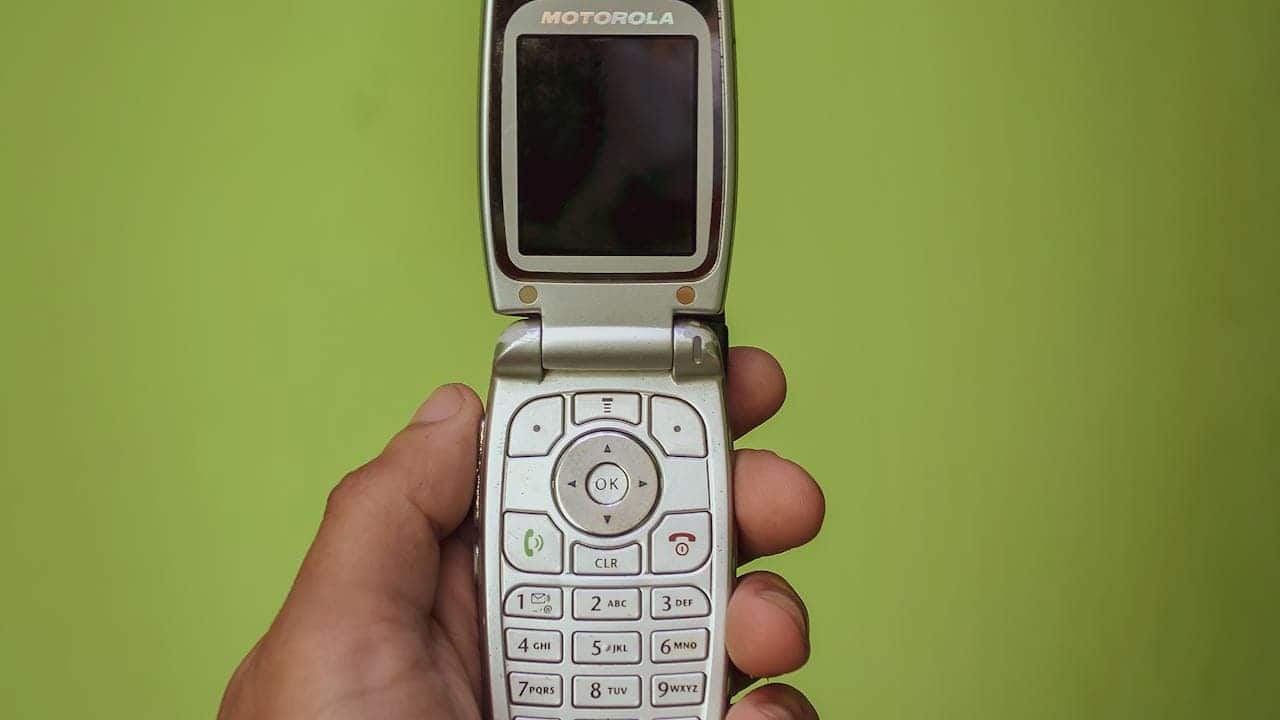
Remember flip phones? These compact devices provided a sense of nostalgia with their simple design. You could easily snap them shut after a call, making conversations feel more personal.
Today, most people rely on smartphones for their many features. Yet some are revisiting flip phones for a break from constant notifications and distractions. It’s an interesting way to reconnect with a simpler lifestyle.
Rotary Phones
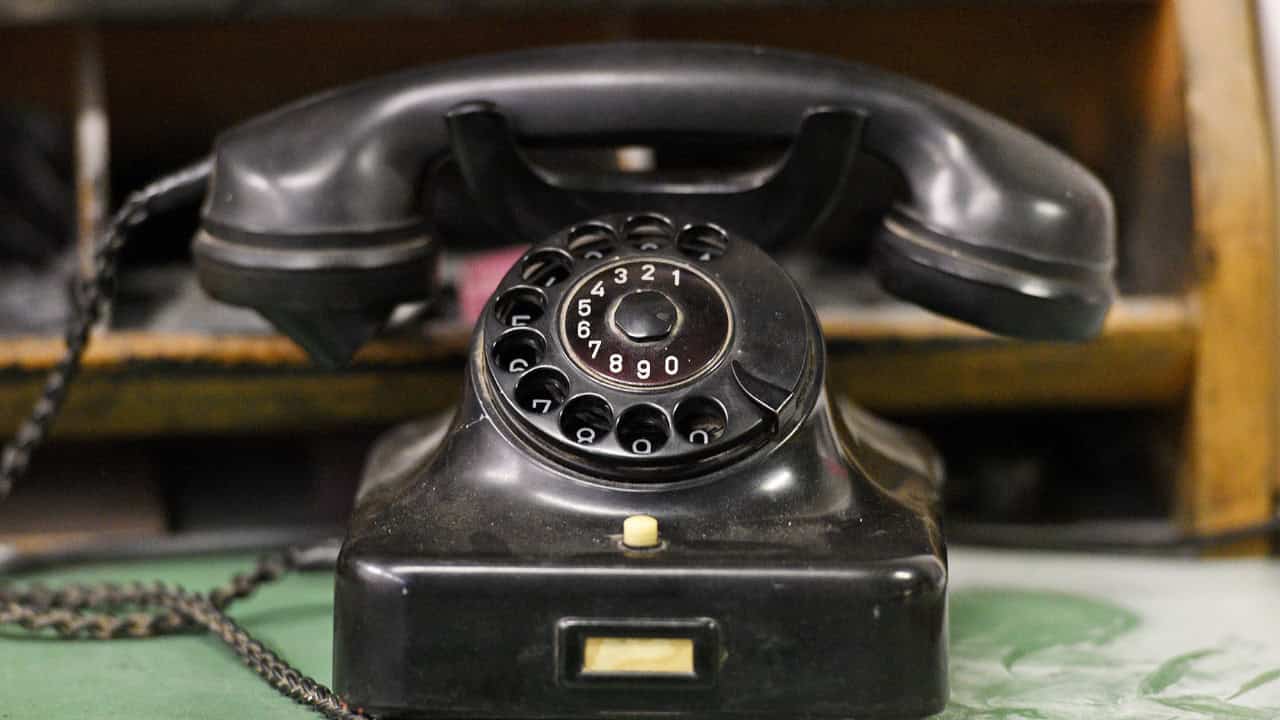
You might remember rotary phones as a staple in many households. These vintage devices required you to dial numbers by rotating a dial, which many found to be a unique experience.
Although they were once common, rotary phones have mostly vanished from everyday life. Today, you likely rely on smartphones for convenience, leaving these classic pieces of technology behind in the past.
Physical Encyclopedias

Physical encyclopedias used to be a staple in many homes. You might remember browsing through thick volumes, discovering facts and ideas.
Today, digital resources have largely replaced them. With the internet at your fingertips, quick searches have become the norm.
As a result, traditional printed encyclopedias are fading into obscurity. Many people now access information in ways that don’t involve turning physical pages.