I never thought I’d become an accidental expert on mouse behavior, but a memorable autumn evening changed that forever. While working late in my home office, I heard the telltale skittering that would launch me into months of research and surprising discoveries about these tiny home invaders.
What shocked me most wasn’t just finding mice in my meticulously kept home – it was learning how many everyday items and habits were essentially rolling out the red carpet for them. Here are the unexpected mouse magnets I discovered in my own home, and now regularly spot in others:
Advertisement
Cardboard Boxes in Storage

When I first moved into my home, I convinced myself that keeping those sturdy Amazon boxes was just smart recycling. “They’ll come in handy,” I’d tell myself, stacking them neatly in the garage. What I didn’t realize was that I was essentially constructing a mouse resort. Cardboard isn’t just a material to mice – it’s a multipurpose treasure. They chew it into soft fibers for nesting, use it as shelter from predators, and even consume the glue used in box construction as a food source.
The worst part? Those boxes in your garage likely sit undisturbed for months, giving mice plenty of time to establish their homes. Even more concerning, cardboard absorbs moisture, creating the humid environment mice prefer. After finding a family of mice had converted my stored moving boxes into a multi-level condominium, I learned to immediately break down and recycle boxes or store them in sealed plastic containers.
Gaps Under Kitchen Cabinets

The moment I discovered mice were using my kitchen cabinet toe kicks as their personal transit system was both fascinating and horrifying. That seemingly insignificant space – typically a quarter-inch gap under your cabinets – is a mouse superhighway hiding in plain sight. These gaps serve as perfect covered runways, protecting mice from predators and human detection while giving them access to your entire kitchen.
What makes these spaces particularly problematic is their interconnectedness; once mice find one entry point, they can travel behind your cabinets to any part of your kitchen without ever being seen. The darkness and protection these gaps provide make them ideal for mice to establish territories and create nesting sites. After consulting with a pest control expert, I learned that these spaces can be easily sealed with specialized rubber strips or metal kick plates – a simple fix I wish I’d known about sooner.
Plants Along Your Foundation

The day I proudly planted a row of lush hydrangeas along my foundation was the same day I unknowingly created a mouse protection program. These beautiful shrubs, which I’d chosen for their flowing blooms and easy maintenance, became an unintended security system – for mice, not my home. Dense foundation plantings create what pest experts call a “living bridge,” offering rodents complete concealment as they scout your home’s perimeter.
The problem is compounded in winter when these plants provide crucial shelter from predators and harsh weather. What’s worse, the soil around foundation plants tends to be warmer and softer, perfect for burrowing. After consulting with a landscaper, I learned to maintain at least an 18-inch gap between my foundation and any plantings, and to regularly trim back branches that could provide cover. This simple adjustment dramatically reduced mouse activity without sacrificing my home’s curb appeal.
Pet Food Storage

My wake-up call came one morning when I found suspicious droppings scattered around my dog’s food storage area in the garage. Like many pet owners, I’d been storing food in its original bag, rolled up with a sturdy clip, thinking this was sufficient. How wrong I was. Mice can smell these protein-rich morsels through virtually any plastic packaging, and their powerful teeth make quick work of bags.
Even more surprising was learning that mice can detect the scent of pet food from remarkable distances – up to 10 meters away. The solution wasn’t just switching to airtight containers; it required a complete rethinking of pet food storage. Metal containers proved superior to plastic, as mice can’t chew through them, and elevating storage off the ground removed their preferred feeding zones. Now, all pet food goes immediately into sealed metal bins with locking lids.
Compost Bins and Piles

My commitment to environmental sustainability hit an unexpected snag when I discovered my composting practices were essentially running a 24/7 mouse restaurant. The problems weren’t with composting itself, but with my casual approach to it. Fresh fruit and vegetable scraps tossed on top of the pile created an irresistible aromatic beacon for local rodents. Even worse, my compost bin’s location – conveniently close to the house for easy kitchen access – was creating a mouse attraction zone right next to my foundation.
The solution required multiple adjustments: burying fresh scraps deep in the pile, maintaining proper brown-to-green ratios, and moving the bin further from the house. Adding hardware cloth beneath the bin prevented mice from burrowing up from below, while a secure lid with small air holes maintained proper decomposition without creating a rodent entry point.
Holes Around Pipes

The moment I shone a flashlight around my utility pipe entries changed everything. These seemingly minor gaps where pipes enter your home – often hidden under sinks or behind appliances – are like open doors to mice. A space as small as a dime is all they need, and most homes have multiple such entry points.
The real challenge isn’t just finding these gaps; it’s properly sealing them without interfering with the pipes’ necessary movement. Standard caulk often cracks as pipes expand and contract with temperature changes, creating new entry points. Through trial and error, I discovered that copper mesh combined with expandable foam provides the best solution, allowing for pipe movement while maintaining a mouse-proof seal. Regular inspections of these areas, particularly before winter, became a crucial part of my home maintenance routine.
Bird Feeders Near the House
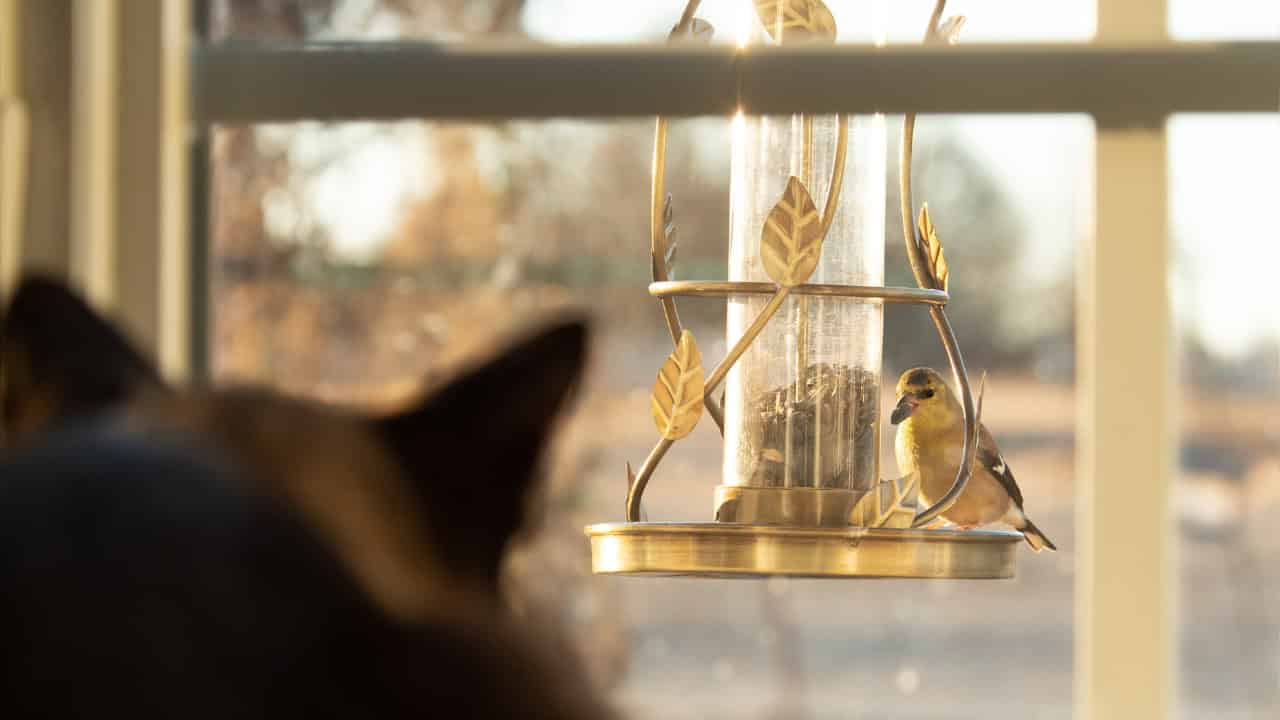
My bird-watching hobby taught me an unexpected lesson about mouse behavior. I’d positioned my feeders close to the house, thinking it would provide the best viewing angles from my kitchen window. Little did I know I was creating a mouse magnet. These clever creatures weren’t just foraging fallen seeds from the ground – they were actually climbing nearby branches to access the feeders directly. The revelation came one evening when my motion-activated porch light caught a mouse performing acrobatic feats worthy of an Olympic gymnast, shimmying down the shepherd’s hook holding my favorite feeder.
Beyond the immediate access to seeds, the steady supply of dropped bird food was creating a sustainable food source that kept mice returning night after night. I’ve since relocated my feeders at least 30 feet from the house and installed seed catchers to minimize ground scatter. The birds still visit regularly, but now their dining area doesn’t double as a mouse attraction zone.
Basement and Garage Clutter
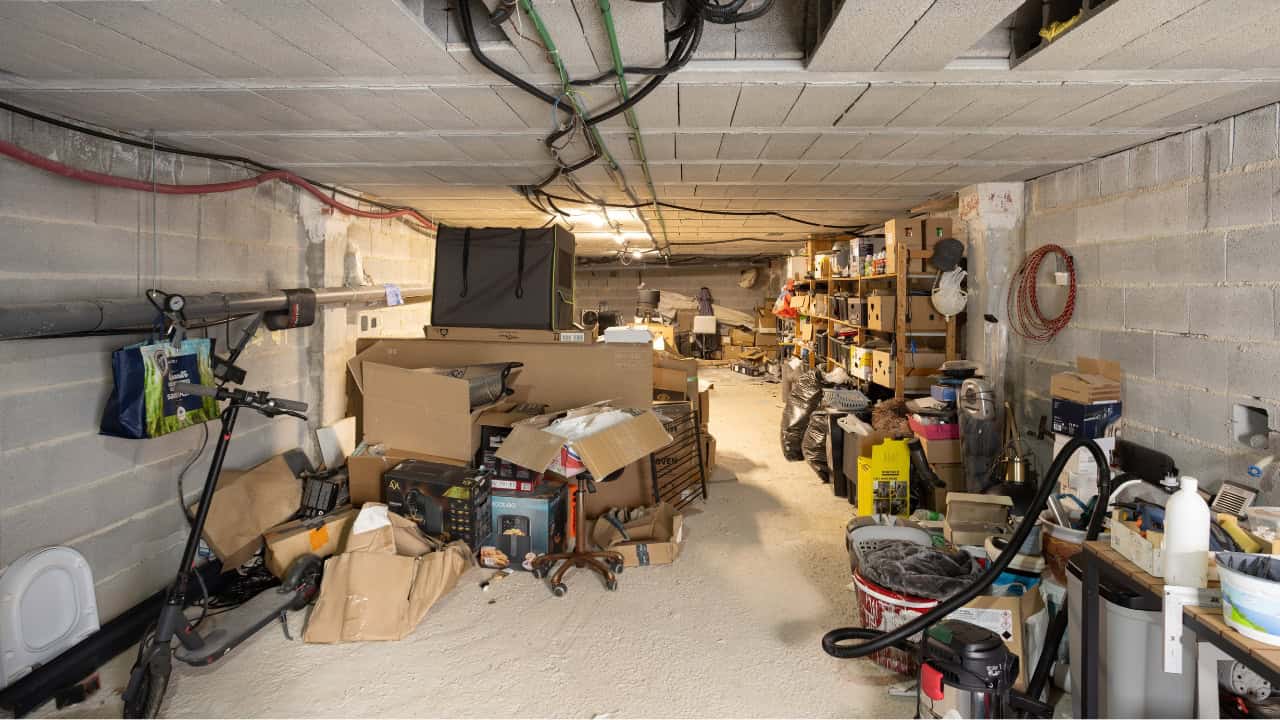
The wake-up call came during a basement organization project. As I shifted old boxes and storage bins, the evidence of mouse activity became impossible to ignore. What I’d considered “organized storage” – stacks of boxes filled with old papers, holiday decorations, and forgotten projects – was actually prime mouse real estate. These undisturbed areas provided everything mice need: shelter, nesting material, and security from predators.
The darkness and lack of human activity made it even more appealing. My solution involved a complete storage overhaul: replacing cardboard boxes with sealed plastic containers, elevating everything at least six inches off the floor, and creating clear pathways for regular inspection. The most crucial change was establishing a quarterly rotation schedule, ensuring no area remains undisturbed long enough to become a permanent mouse residence.
Poorly Stored Trash

My “aha” moment with trash management came after installing a security camera that captured nighttime activity around my garbage bins. The small gaps I’d left between the bins and the house wall, which seemed insignificant, were actually serving as protected mouse corridors. More concerning was my casual approach to recyclables – those not-quite-clean containers were like weekly dinner invitations to local rodents.
The solution required a multi-faceted approach: thoroughly cleaning recyclables before storage, maintaining a three-foot gap between bins and walls, and investing in bins with secure, chew-proof lids. Regular cleaning of the bin area with a vinegar solution helps eliminate attractive food odors, while storing bins on a concrete pad prevents mice from burrowing underneath.
Ivy on Your Walls

The charming English ivy covering my home’s exterior was my pride and joy until I discovered its dark secret. This classic decoration was essentially building a covered highway system for mice to access upper floors. The dense network of vines creates perfect climbing conditions, offering both camouflage and easy grip for small rodents. What’s worse, the space between the ivy and wall becomes a protected corridor, allowing mice to explore entry points around windows, vents, and rooflines without exposure to predators.
After consulting with both a pest control expert and a landscaper, I made the difficult decision to remove the ivy entirely. The replacement? A series of trellised climbing roses, spaced away from the wall, offering similar aesthetic appeal without creating continuous rodent pathways.
Firewood Storage
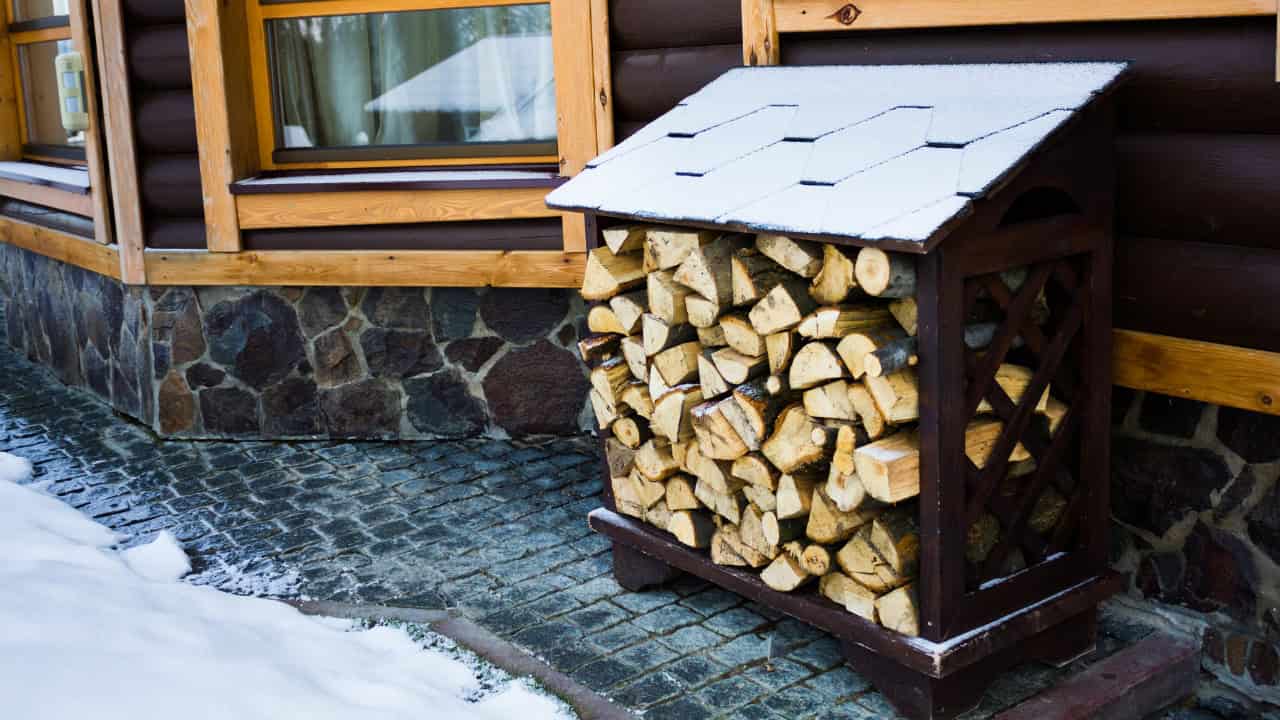
As an avid fireplace user, my habit of stacking wood against the house seemed perfectly logical – until I learned about its role in my mouse problem. The space between logs creates an intricate maze of protected tunnels, while the gradually decaying wood attracts insects that mice feed on. This combination makes firewood piles an ideal staging area for house invasion.
More concerning was discovering that mice often nest in wood piles during warmer months, meaning I was potentially bringing them directly inside during winter fire-building. Now, my firewood storage follows strict guidelines: elevated at least 18 inches off the ground, stored at minimum 20 feet from the house, and covered with a water-resistant, breathable cover that denies additional shelter opportunities.
Old Weather Stripping
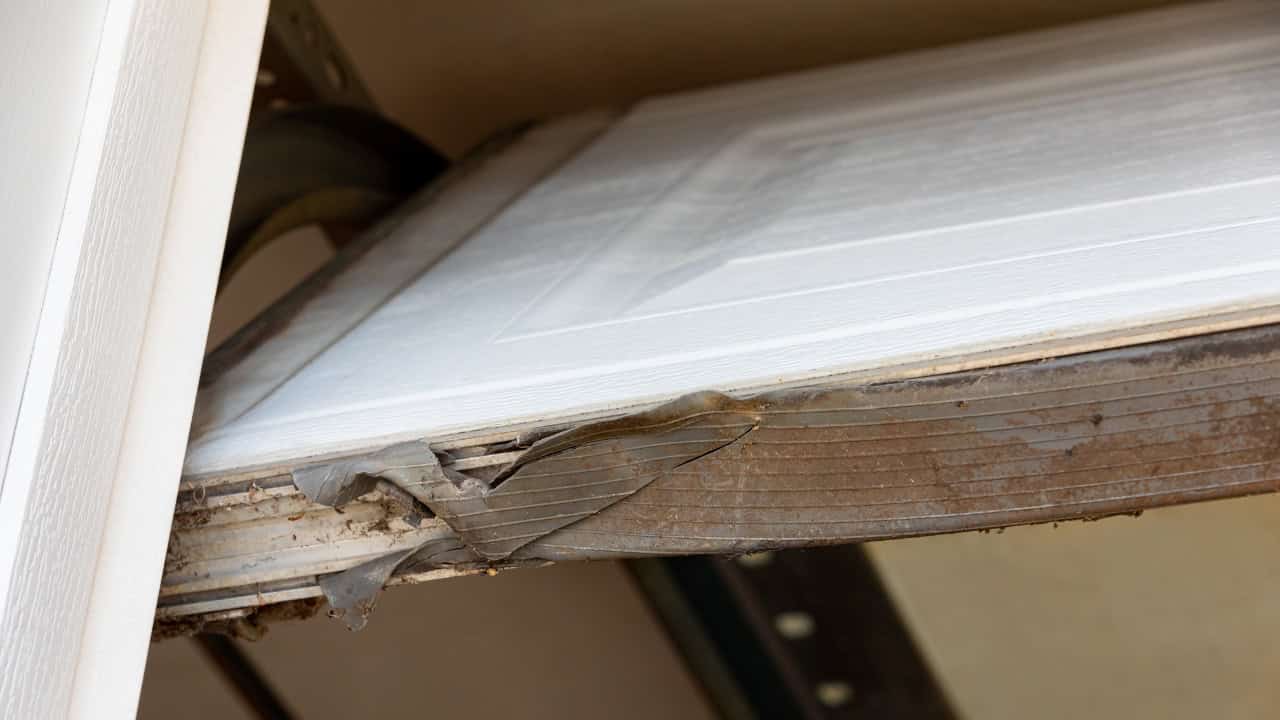
The true impact of worn weather stripping became apparent during a home energy audit. Using an infrared camera, the inspector showed me how these seemingly minor gaps were affecting my heating bill. But the temperature loss was just the beginning – these same gaps were providing mice with easy access points. Most surprising was learning that mice can compress their bodies to squeeze through gaps as small as a quarter inch, meaning even slightly worn weather stripping becomes an open invitation.
The solution isn’t just replacement – it’s regular inspection and upgrading to high-quality, mouse-resistant materials. I now perform monthly checks of all door sweeps and weather stripping, paying special attention to garage doors and utility entrances where gaps are most likely to develop.
*This article was created with the help of AI.