Selling a home can feel like a whirlwind experience, and there’s a lot more to it than just putting a “For Sale” sign in the yard. As someone who’s experienced the ups and downs of this process, I’ve realized how the small details can make a big difference. Getting these details right is crucial if you want to capture the interest of potential buyers and clinch a great deal.
When the time came for me to sell my home, I learned that effective staging could make or break the process. Homes that are inviting and well-presented catch the eye quicker than those that aren’t. With so many competing listings out there, ensuring my space stood out was essential to drawing in and holding buyers’ attention.
Advertisement
1. Overpersonalizing Your Space

I get it, your home is a reflection of who you are. But when selling, personal touches can be a hurdle for potential buyers. They need to picture their own lives in the space, and this is tough if family photos and unique decor dominate every room.
I always find it helpful to imagine I’m shopping for a new place. Would I want to navigate around someone else’s memories? Neutralizing decor allows potential buyers to visualize their belongings there, which can make all the difference in closing a sale.
Swapping out bold, personalized items with more neutral choices can set the right mood. It’s like rolling out a welcome mat that says, “Imagine your life here!”
2. Ignoring Clutter in Key Areas

When staging a home, I make sure to pay attention to clutter, especially in areas like the kitchen and living room. These spaces are where potential buyers imagine themselves spending a lot of time.
If I leave unnecessary items on countertops or shelves, it can feel cramped or chaotic. Even small knick-knacks or piles of mail can make a space seem less inviting. I find it essential to keep these areas as open and streamlined as possible.
I also focus on organizing closets and storage spaces. Buyers often peek inside them to gauge how much room they’ll have. A cluttered closet might suggest there’s not enough storage in the home. By keeping clutter at bay, I help buyers see the home’s potential clearly.
3. Forgettable Curb Appeal

I always think first impressions matter, especially when it comes to selling a home. If the exterior doesn’t catch the eye, potential buyers might lose interest before they even step inside. Overgrown landscaping or a faded exterior can quickly become an issue. Making sure everything is neat and maintained can really boost the home’s allure.
I noticed that small details make a big difference. Outdated address numbers or an old mailbox can seem insignificant, but they contribute to the overall appearance. Freshening these up can add to the exterior charm and create that welcoming vibe.
Even addressing basic things like peeling paint can create a positive impact. Keeping everything looking fresh and inviting will go a long way. Taking some time to improve these details offers a great return, potentially raising the home’s value and making it stand out on the market.
4. Overstuffing With Furniture

I’ve noticed that cramming too much furniture into a space is like trying to fit an oversized couch into a tiny room. It just doesn’t work. Buyers can feel claustrophobic and overwhelmed, making it hard for them to visualize their own style in the space.
When I stage a home, I focus on creating a spacious feel. Too much furniture hides a property’s potential. It’s important for buyers to easily move around and imagine where their belongings could go.
Given my experience, I’d suggest opting for a few versatile and appropriately sized pieces. This approach highlights a room’s dimensions without cluttering. It’s vital that each piece of furniture serves a purpose and complements the room’s layout. This strategy enhances openness, making it more appealing.
5. Bad Lighting Choices

I’ve learned that the wrong lighting can really mess up a home’s vibe. Poor lighting makes rooms feel smaller and less inviting. No one wants to feel like they’re living in a cave, right?
Natural light is a must, so I always try to maximize it. Switching out harsh lights for bulbs that mimic daylight helps a lot. It makes spaces look bright and welcoming, which is key for attracting buyers.
I also pay attention to fixtures. Outdated or unattractive lights can turn people off. Spending some time updating these can make a big difference in how a home is perceived. Lighting can truly make or break a sale.
6. Untidy Garages and Storage Rooms

Whenever I check out a house, I always peek into the garage and storage rooms. These spaces tell me a lot about how the home is maintained. If they’re messy or cluttered, it gives off a bad vibe, suggesting neglect.
I’ve learned that buyers love ample space. A crowded storage room or garage can make it seem like there’s no room for their belongings. It’s important to create a feeling of ample space.
Keeping these areas tidy also shows you’ve taken care of the home. A clean, organized space can make a big difference in how I perceive the rest of the house. It’s easier for me to imagine myself living there when things are orderly.
7. Leaving Pet Items in View

Whenever I’m prepping my home for a showing, it’s easy to forget about all the pet accessories scattered around. Things like pet beds, toys, or feeding bowls can make the place feel cluttered and uninviting. I always try to gather up these items and store them out of sight.
Having these items out distracts potential buyers and shifts the focus away from the space itself. It also might raise concerns for those who aren’t pet lovers or worry about odors or pet damage. So, I always ensure everything looks tidy and neutral during showings.
By minimizing visible signs of pets, I create a more welcoming environment that helps buyers envision their own lives in the space. Plus, it gives the impression of a cleaner, well-maintained home, which is crucial for making the best impression.
8. Overdesigning Rooms
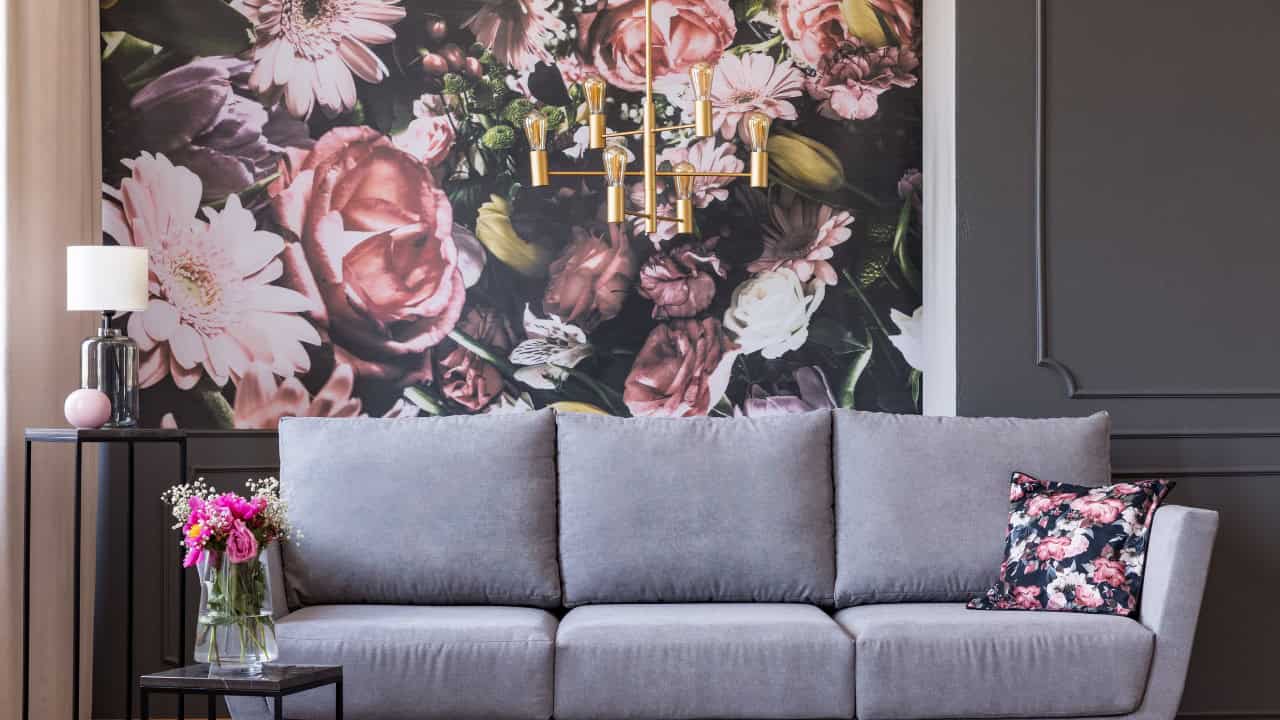
I’ve learned that one common mistake in staging a home is overdesigning rooms. It’s tempting to fill them with everything that looks stylish, but this can often overwhelm potential buyers. They need to imagine themselves in the space, and an overly designed room might distract from that.
Instead, I focus on creating spaces that are simple and inviting. I aim for a balance between tasteful decoration and functional living areas. By keeping it understated, I help others visualize how they might use the home for themselves. Removing a few pieces can greatly enhance the overall feel of the room.
9. Displaying Fake Plants or Decor

When I’m staging a home, I stay clear of fake plants or decor. They often look out of place and might give the wrong impression to potential buyers. Authenticity is key, and real plants can bring a space to life.
I remember the time I used fake fruit, thinking it added charm. It didn’t. Instead, it looked tacky and distracted from the home’s actual features. This is a common opinion among experts, like those at Realtor.com, who emphasize the importance of keeping it real.
Real plants, if maintained well, can boost the home’s appeal. They add color and a touch of nature. Plus, it’s easy to replace a wilted plant if necessary, unlike plastic counterparts that can look dusty and outdated.
10. Lack of a Cohesive Style

When I’m staging a home, I always try to avoid creating a chaotic look. Mixing too many styles can be distracting. It’s essential for me to keep it consistent across the rooms. When everything flows together, potential buyers can imagine their lives in the space.
I focus on a unified color palette and complementary furniture. Keeping a common theme ties the entire place together. If I switch styles between rooms, it might confuse buyers or make the home feel smaller than it is.
I find that simplicity is key. A cohesive design lets people focus on the home’s features rather than being distracted by mismatched decor. When selecting items, I ensure they fit together and promote harmony.
11. Poor Furniture Arrangement

When I walk into a room, the way the furniture is arranged can either make me feel welcomed or cause me to stumble around. Poor furniture arrangement can disrupt the flow of a room and make it feel cramped or uninviting.
I’ve found that angling furniture oddly or placing pieces too close together can confuse potential buyers. It’s like trying to navigate a maze when all you want is an open path.
Also, neglecting to create inviting conversation areas is a misstep. I love when a room feels like a space where I’d want to linger and chat. A little thought and effort in rearranging the furniture can make a big difference in how appealing the room feels.
12. Neglecting Minor Repairs

I know it’s easy to overlook little things, but minor repairs can make a big difference when selling a home. Buyers often notice small issues like leaky faucets or creaky doors, and these can send a negative signal.
Not addressing these minor problems might make buyers feel like there’s more significant trouble lurking beneath the surface. It’s amazing how small fixes can enhance the overall perception of your home.
I’ve realized that even the tiniest repairs can prevent buyers from thinking they need to negotiate a lower price or move on to another property. It’s definitely worth taking the time to handle these details before listing.
*This article was created with the help of AI.