Many homeowners find themselves unprepared when dealing with plumbing issues. Understanding the ins and outs of what plumbers know can save you time and money while helping you make informed decisions. Knowing the secrets your plumber won’t share can empower you in maintaining your home and addressing potential problems before they escalate.
Your plumbing system is often out of sight and out of mind, but it plays a crucial role in your daily life. By uncovering the hidden truths about plumbing, you can take charge of your home maintenance and avoid costly surprises. These twelve key insights can transform your perspective on plumbing services and help you navigate these often-confusing situations more effectively.
Advertisement
1. Watch out for silent leaks—they can wreak havoc before you know it!
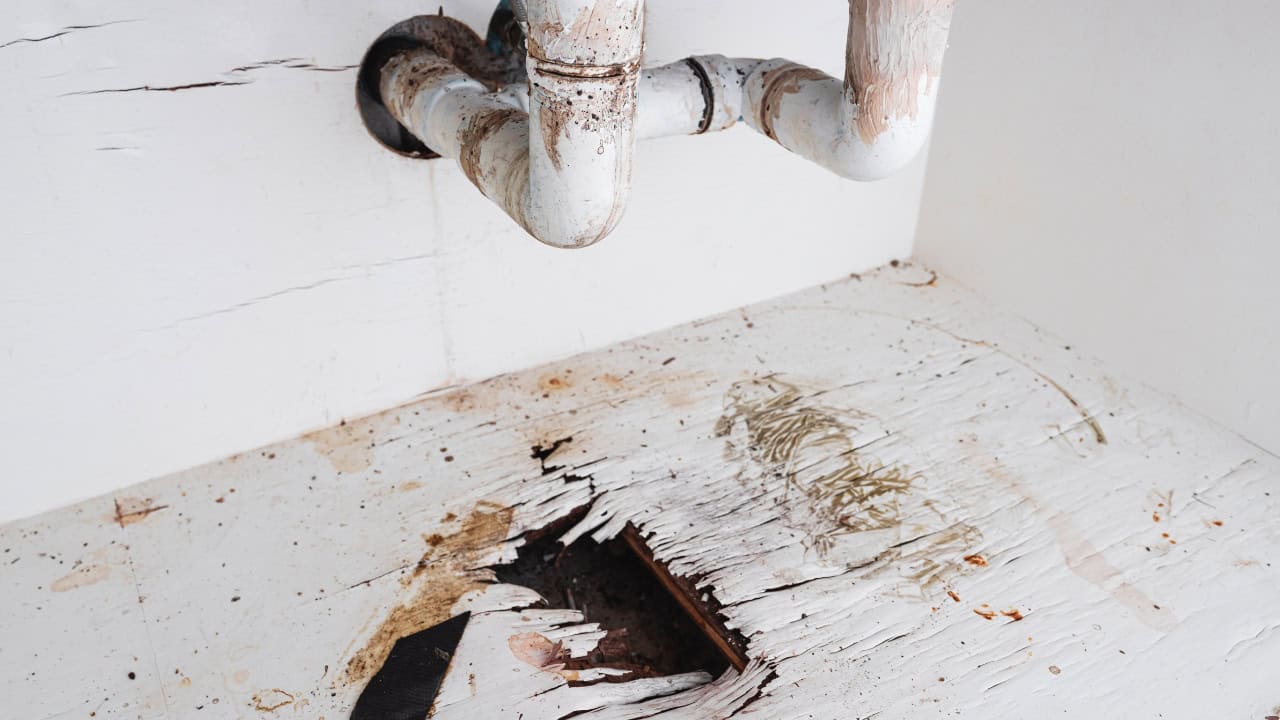
Silent leaks can go undetected for a long time. You might notice a slight increase in your water bill, but not understand why.
These leaks often happen behind walls or under floors, causing damage that’s difficult to see until it’s too late. Water can lead to mold growth and structural issues.
To protect your home, keep an eye on your water meter and address any unexplained fluctuations. Regular inspections can help you catch these sneaky problems early.
2. Mondays are the busiest call-out day.
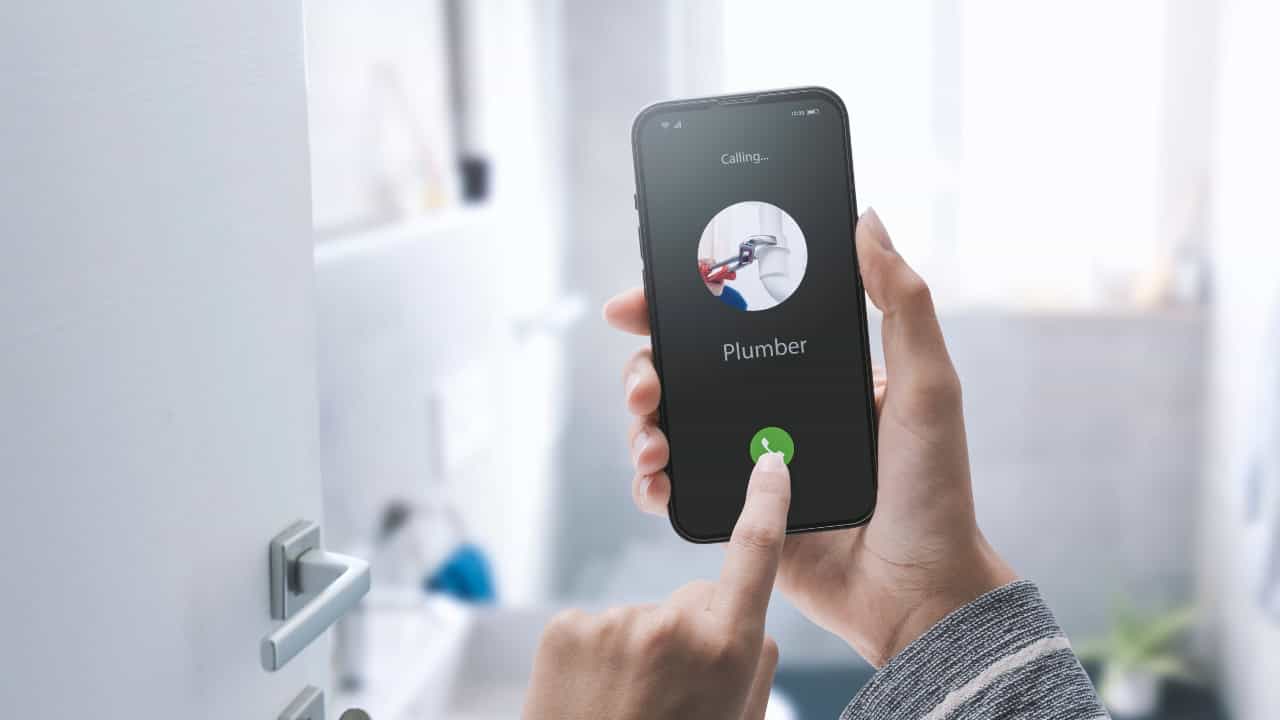
You might not realize it, but Monday is a plumber’s busiest day of the week. Many homeowners find themselves in a bind after tackling DIY plumbing projects over the weekend.
If you decide to fix a leaky faucet or unclog a drain, it’s crucial to know what you’re doing. Many people call plumbers on Monday for help with issues that arose from weekend attempts.
This pattern happens because the weekend can lead to little mistakes that escalate quickly. Being aware of this trend might save you some time and stress.
3. Replace rubber hoses with stainless steel to avoid burst issues.
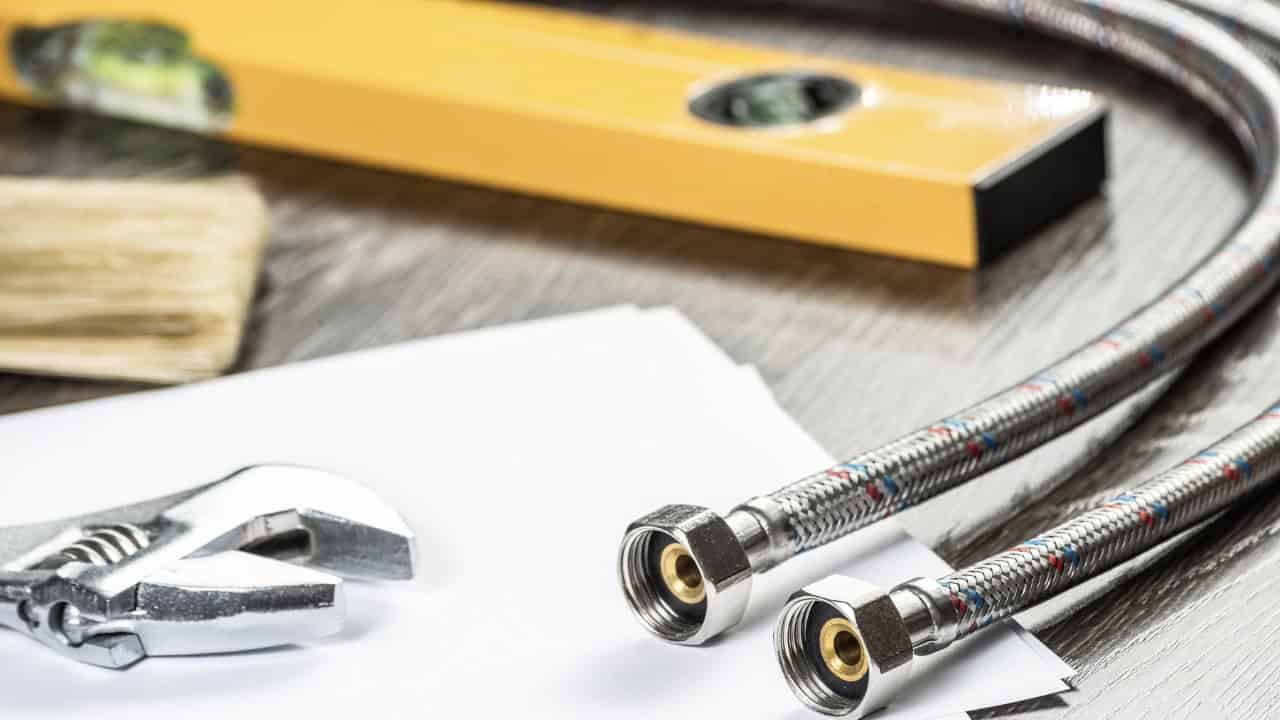
Rubber hoses are prone to wear and tear over time. They can crack or burst, causing significant water damage in your home.
Switching to stainless steel braided hoses is a smart choice. These hoses are more durable and resistant to high pressure, reducing the risk of leaks and bursts.
Routine inspections can help catch any potential issues early. Consider replacing your old rubber hoses with stainless steel to enhance the safety and reliability of your plumbing system.
4. Always know where your main water shutoff valve is located.
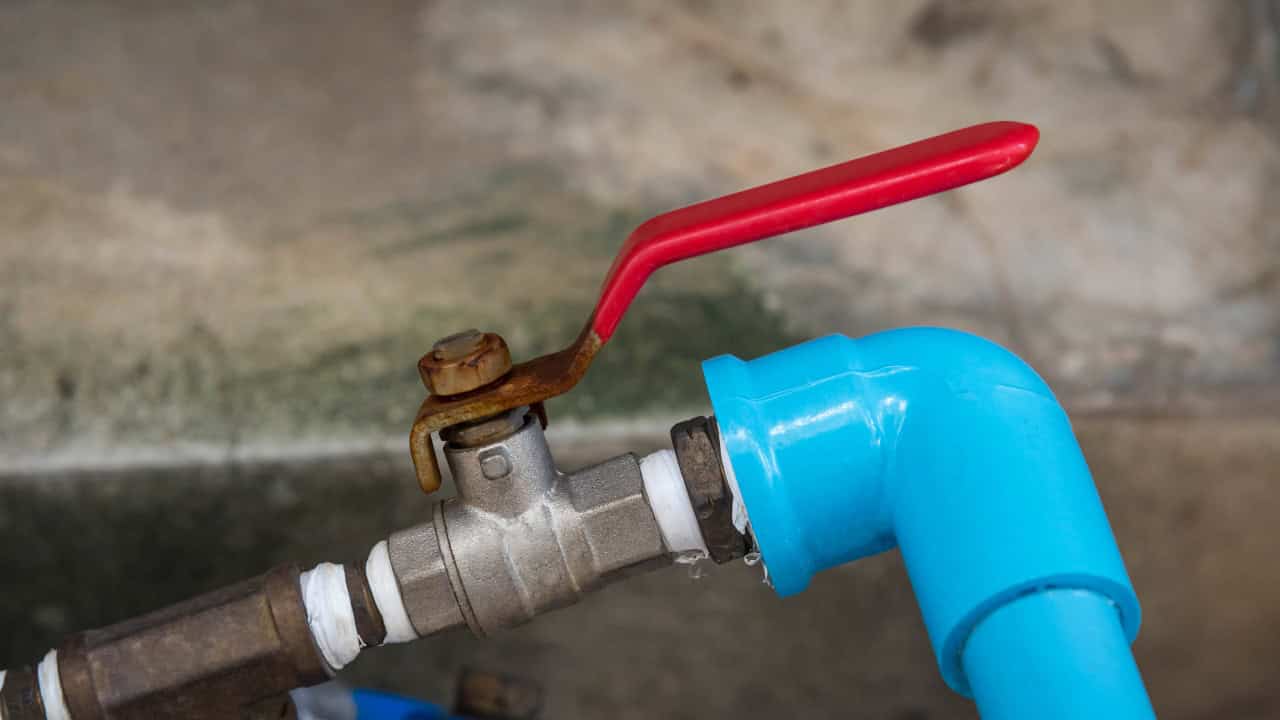
Knowing the location of your main water shutoff valve is essential for any homeowner. In case of a leak or plumbing emergency, you can quickly turn off the water supply to prevent further damage.
You typically find the valve near your water heater, in a basement, or close to the point where the water line enters your home. It can vary in appearance, often being a ball valve or a gate valve.
Take a moment to locate it and familiarize yourself with how it operates. A little preparation can save you big headaches down the line.
5. Those drain cleaners can corrode pipes; use sparingly.
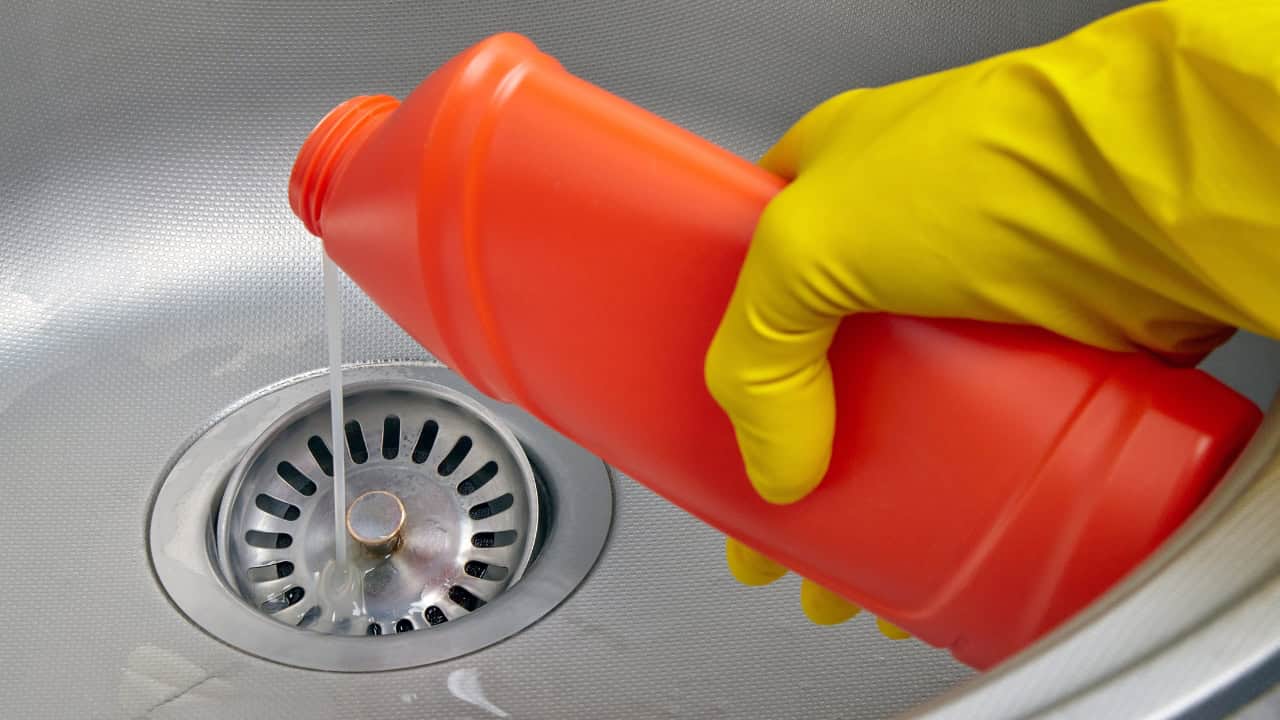
Using chemical drain cleaners can be tempting when faced with stubborn clogs. However, these products often contain harsh ingredients that can weaken and corrode your pipes over time.
If you frequently rely on these cleaners, you might find yourself dealing with costly repairs later. Instead, consider using a plumbing snake or natural alternatives to address minor clogs.
By taking a more cautious approach, you can help protect your plumbing system and avoid unnecessary damage. Your pipes will appreciate it!
6. Some plumbers have weekend rates—plan your appointments!
Many plumbers charge higher rates for weekend services. This is often due to increased demand and the nature of emergency work.
It’s smart to plan ahead. If you can schedule your plumbing needs during the week, you’ll likely save money.
Some companies offer standard weekday pricing, which can be more budget-friendly.
Remember to ask about rates when you contact a plumber. This way, you can avoid surprises and plan according to your budget.
7. Not everything is flushable, even if it says so on the label.
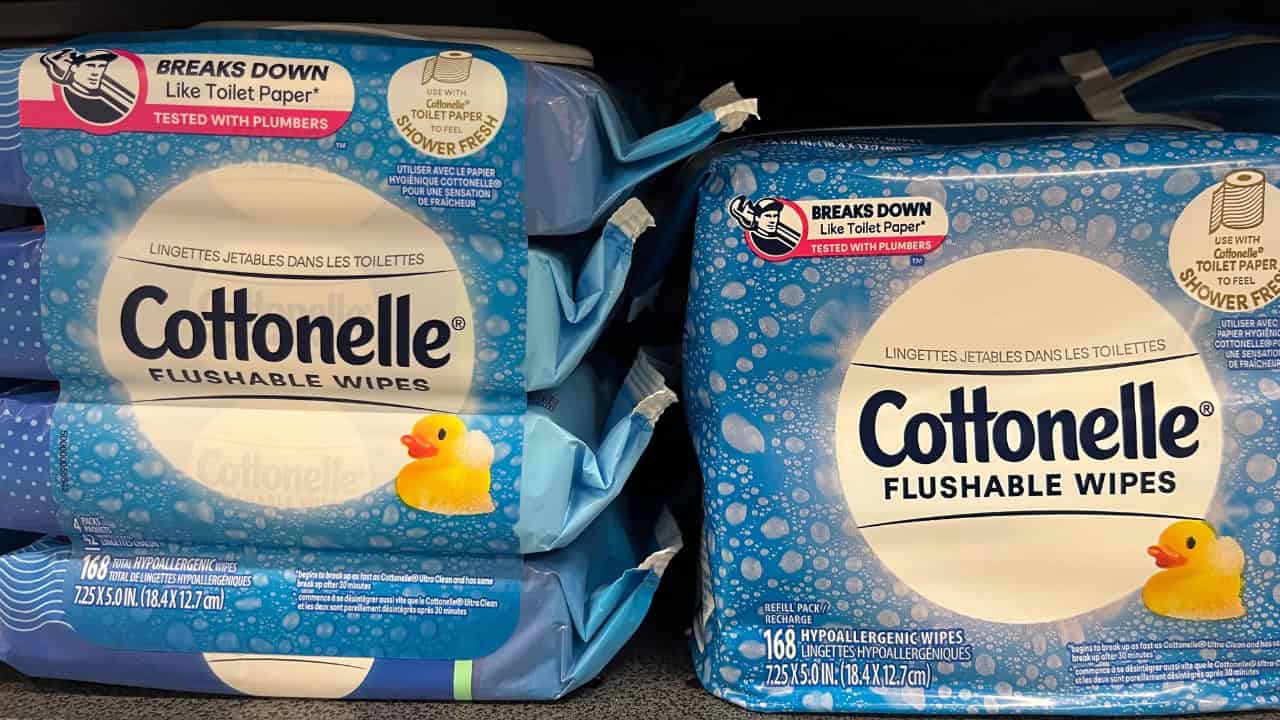
You might think that products labeled as “flushable” can safely go down the toilet. However, this isn’t always true. Many items marketed as flushable do not break down easily in water.
For instance, a study found that no product labeled as flushable passed a test for actual flushability. Items like certain wipes, paper towels, and even some cat litters can cause clogs and plumbing issues.
To keep your plumbing in good shape, only flush human waste and toilet paper. It’s best to dispose of other items in the trash to avoid costly plumbing problems.
8. Leaky faucets can waste a lot of water; fix them promptly.
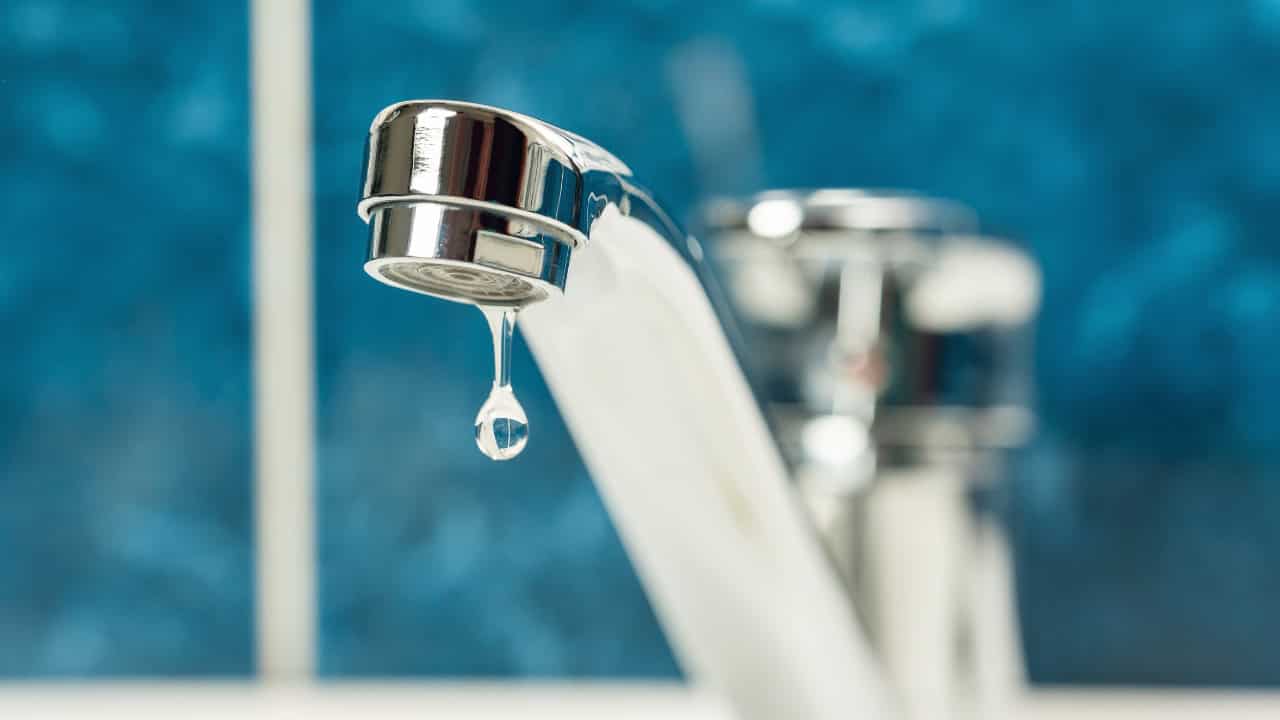
A leaky faucet may seem like a minor issue, but it can lead to significant water waste. Just a single drip can waste up to 20 gallons of water a day. That’s enough to impact both your water bill and the environment.
Ignoring that steady drip can seem easy, but the numbers add up quickly. A dripping faucet could waste more than 3,000 gallons annually.
Fixing a leaky faucet is often simple. Check the washers and gaskets for wear. Replacement is straightforward and can save you money in the long run. Don’t put it off—your home and the planet will thank you!
9. A yearly plumbing inspection can prevent costly repairs.
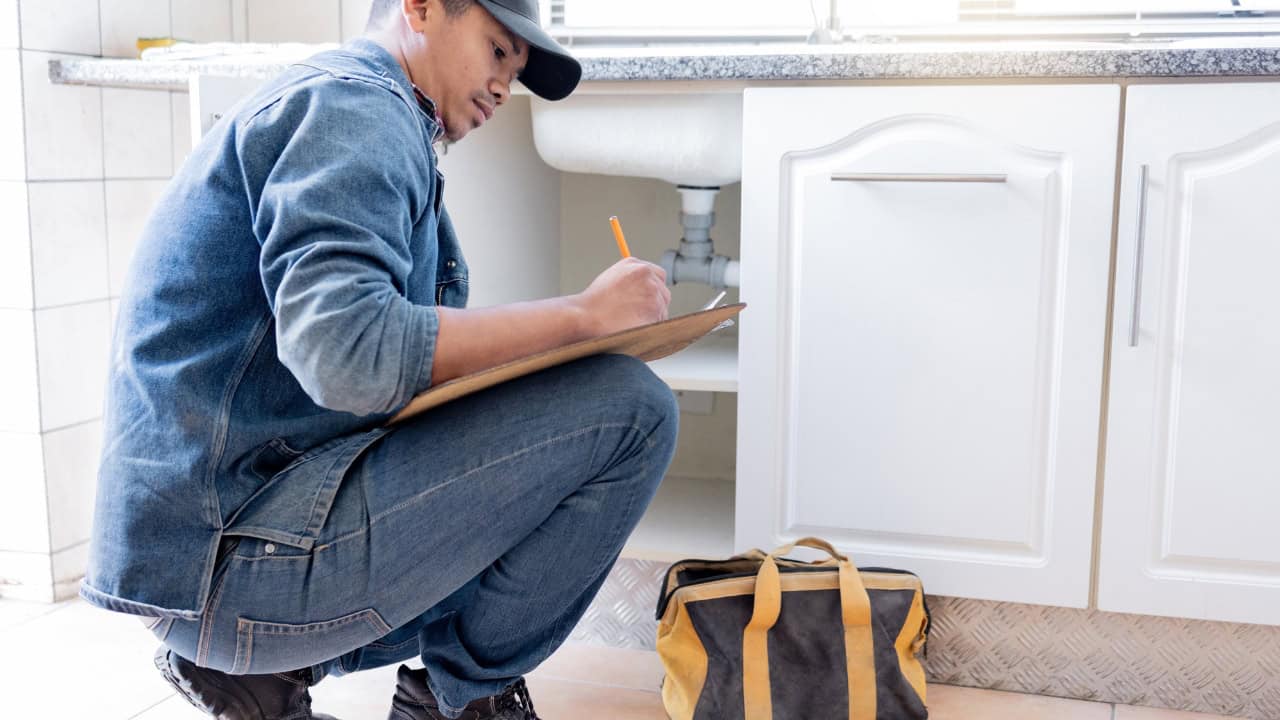
Scheduling a yearly plumbing inspection can be a smart move for your home. By catching minor issues early, you can avoid expensive repairs down the line.
Small leaks, clogs, or corrosion might seem insignificant now, but they can escalate quickly if left unchecked. Regular inspections help ensure everything is functioning properly.
In the long run, investing in this maintenance can save you money. Addressing problems early keeps your plumbing system in good shape and can extend its lifespan.
10. Don’t ignore small signs of plumbing issues; they can escalate.
It’s easy to brush off minor plumbing issues, but this approach can lead to bigger problems down the line. Things like slow drains or minor leaks may seem insignificant now, but they often signal deeper issues.
Ignoring these small signs can result in costly repairs. For instance, a tiny leak can lead to mold or water damage if left unchecked.
Pay attention to odd noises from pipes or unexpected increases in your water bill. If you notice any unusual changes, it’s wise to contact a plumber before the issue worsens. Taking action early can save you money and hassle in the long run.
11. Insulating pipes can prevent bursts in cold weather.
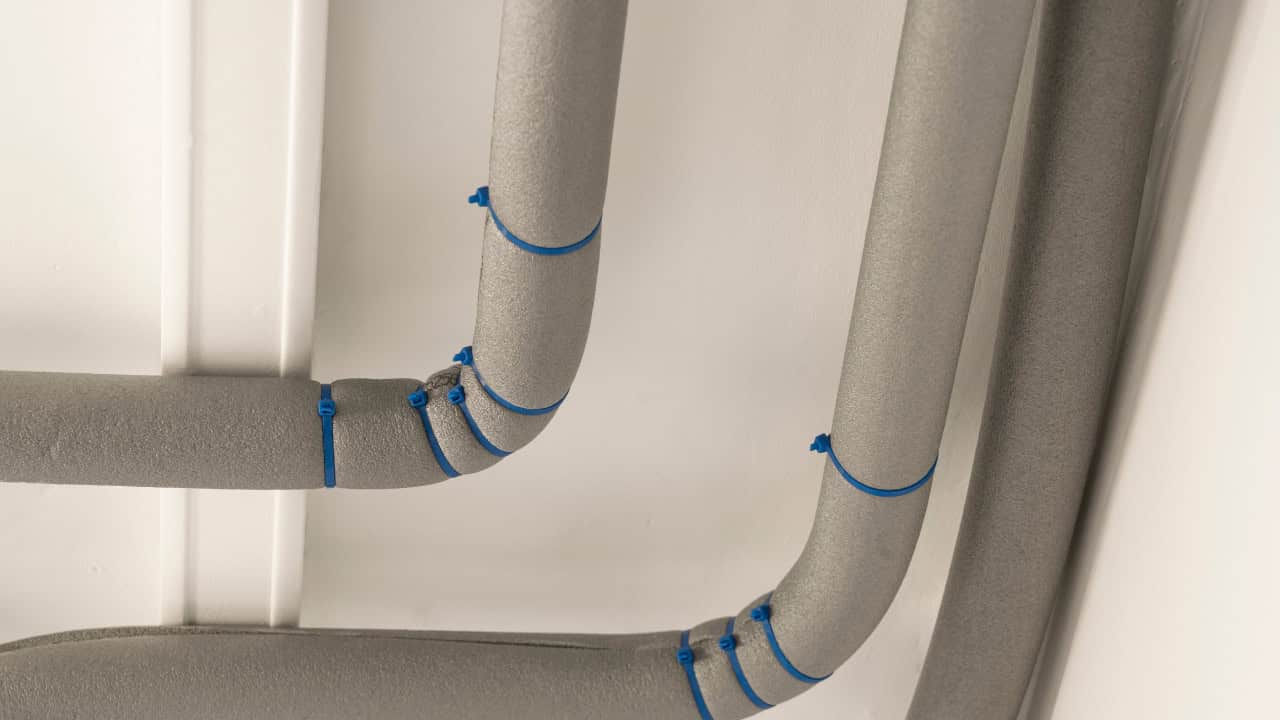
Insulating your pipes is a simple yet effective way to protect them from freezing. When temperatures drop, uninsulated pipes are at risk of freezing, which can lead to bursts and costly repairs.
Using foam insulation or pipe sleeves can significantly reduce this risk. Focus on areas like crawl spaces, attics, and exterior walls, where pipes are most vulnerable.
Additionally, insulating helps maintain the temperature of your water. This means you not only prevent bursts but also save on energy costs.
12. Piggybacking on DIY repairs can lead to bigger problems.
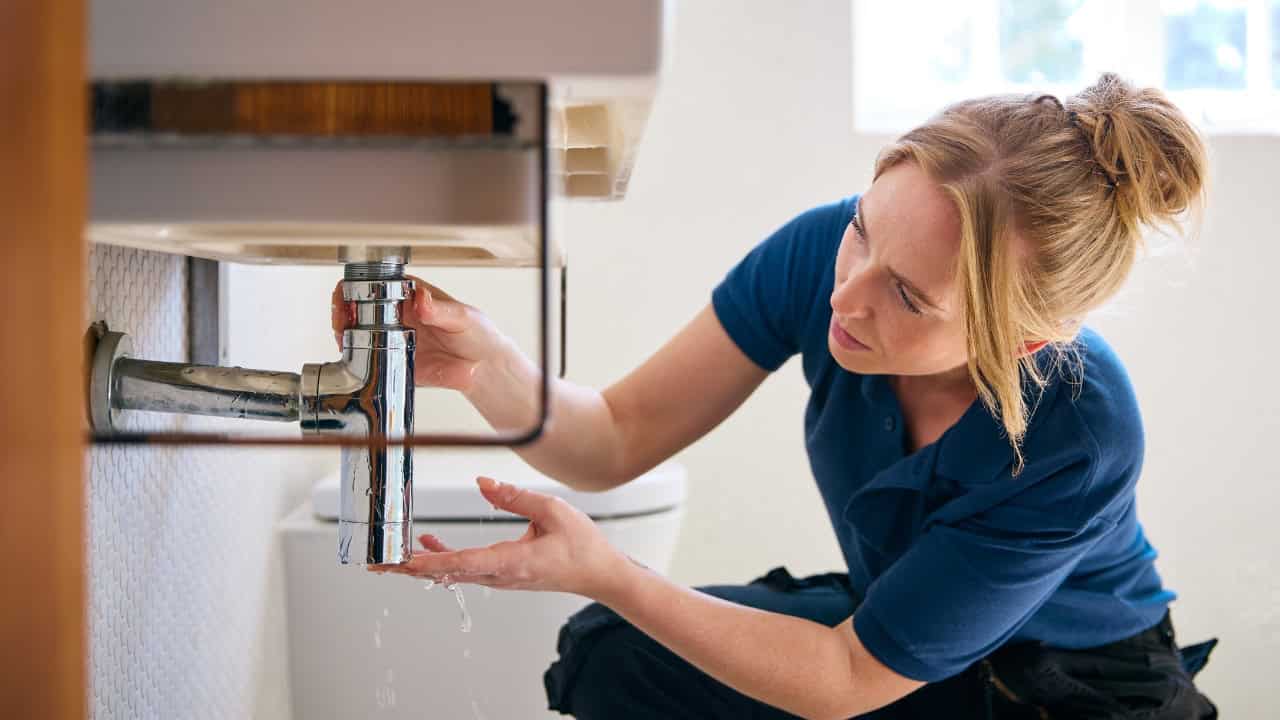
DIY plumbing repairs can often seem like a cost-effective solution. However, they can create complications that escalate issues rather than solve them.
You might misdiagnose a problem without the right experience, leading to ineffective fixes. Using incorrect tools or materials can further damage your plumbing.
If you don’t follow local building codes, you risk fines or complications when selling your home. Rather than saving money, you could end up spending more on repairs.
Consider reaching out to a professional plumber for complex issues to avoid future headaches.
*This article was created with the help of AI.