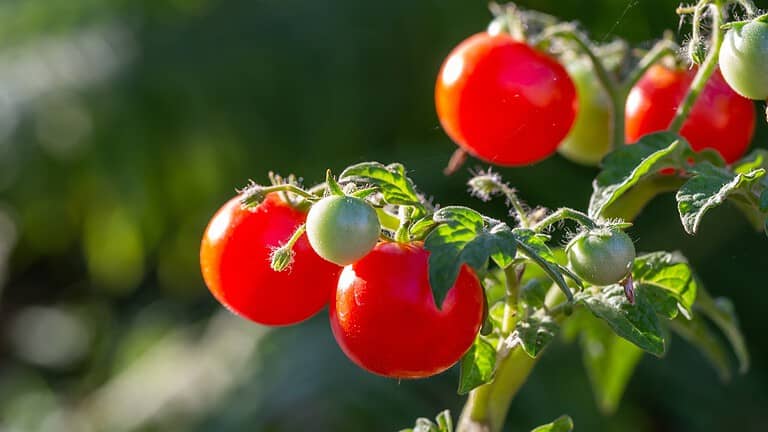
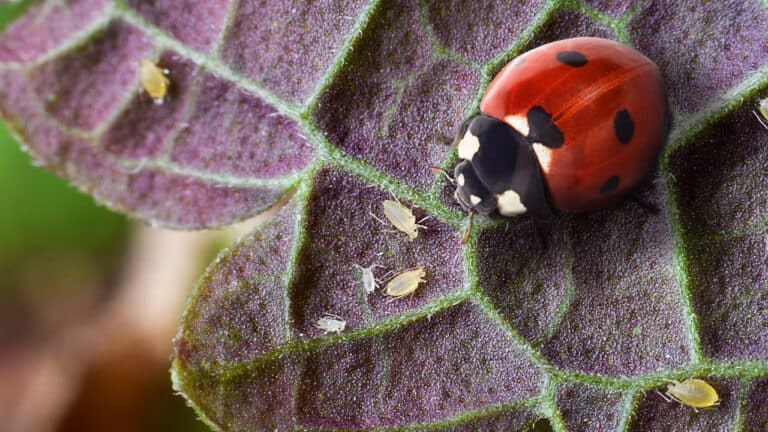
Are you dreaming of having fresh vegetables from your own garden throughout the year? Cultivating a year-round vegetable garden is no longer a dream. With the right strategies, you can make it a reality. This post will provide you with 12 practical seasonal planting tips to ensure you have a continuous harvest of vegetables all year round.
1. Know Your Hardiness Zone
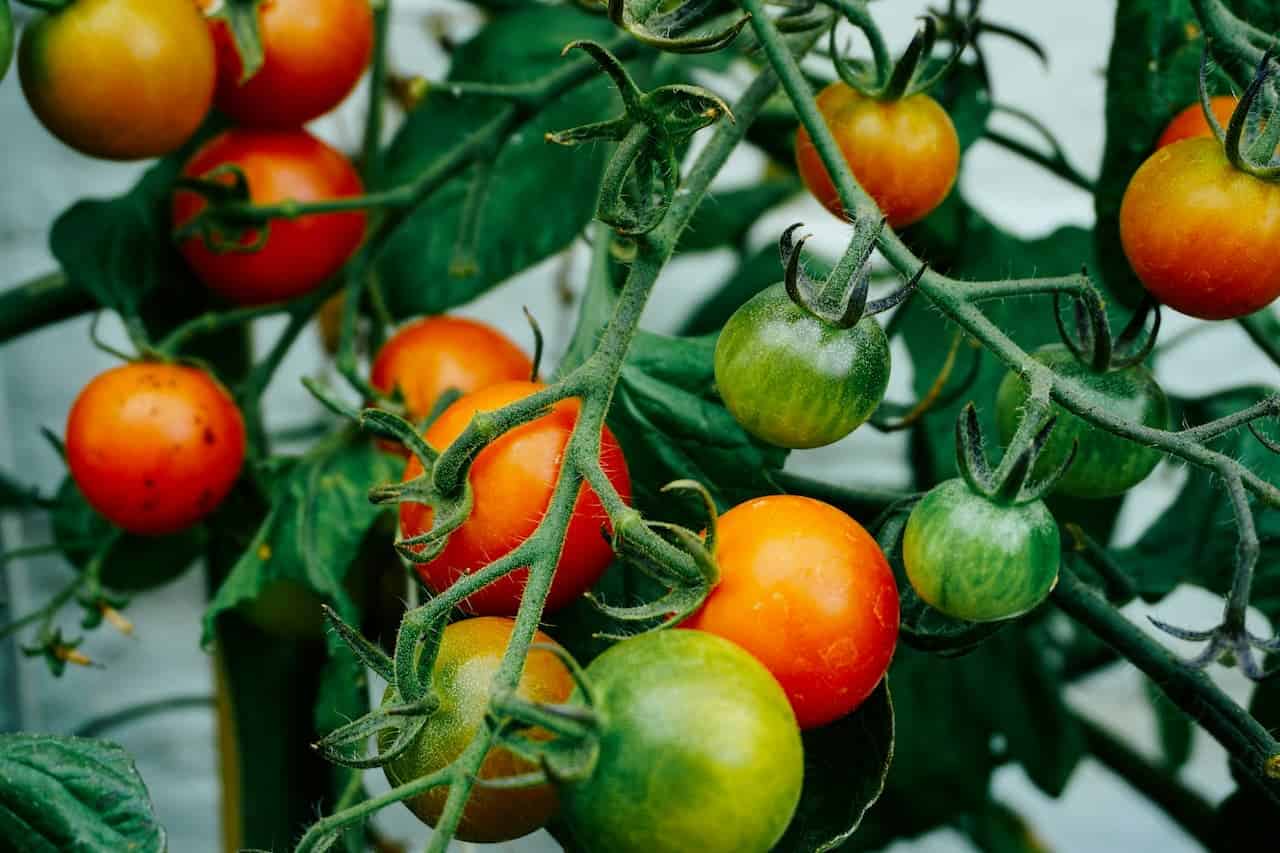
The first step to successful year-round gardening is understanding your USDA Hardiness Zone. This system breaks the U.S. down into different zones based on the average minimum winter temperature. Knowing your zone can help you decide when to plant certain vegetables.
Advertisement
For instance, gardeners in the warmer Zone 9 can plant tomatoes as early as February, while those in the cooler Zone 5 may have to wait until May. It’s also essential to know the frost dates in your area as this can help avoid damage to your plants.
2. Choose the Right Plants for Each Season
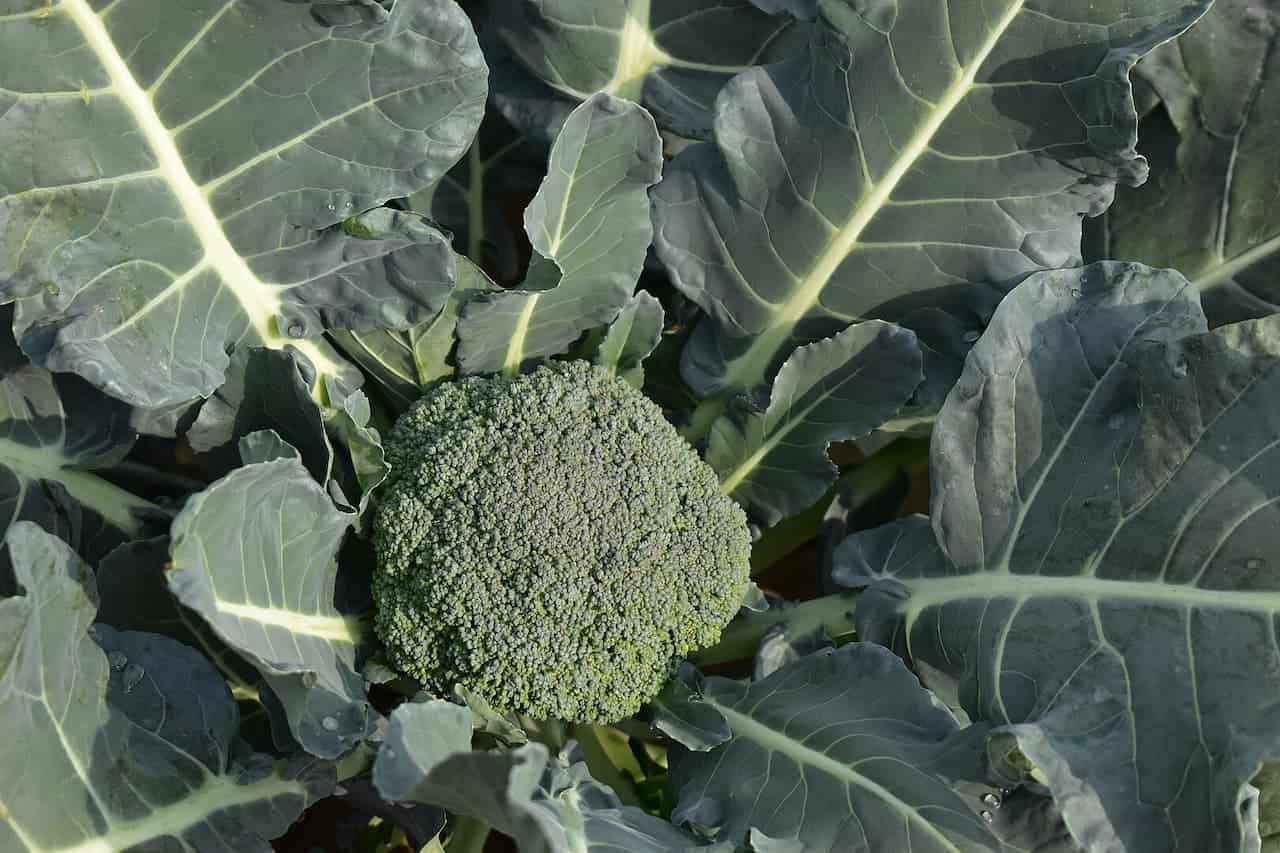
Different vegetables thrive in different seasons. Cool-season vegetables like broccoli, spinach, and peas can tolerate frost and can be planted in early spring or fall. On the other hand, warm-season vegetables like tomatoes, cucumbers, and peppers need warmer temperatures and should be planted after the last frost date.
Selecting the right plants for each season not only optimizes your garden’s productivity but also ensures that you have a variety of fresh vegetables throughout the year. For example, you can enjoy fresh salads in the spring with lettuce and radishes, and hearty soups in the fall with carrots and potatoes.
3. Practice Succession Planting

Succession planting involves planting a new crop as soon as you harvest the previous one. This method ensures a continuous supply of vegetables throughout the year.
For example, after harvesting spring peas, you can plant a quick-growing summer crop like bush beans in the same space. Likewise, after harvesting summer crops, you can plant fall crops like radishes and spinach. Just make sure to replenish the soil with compost or organic fertilizer before planting the next crop.
4. Use a Greenhouse or Cold Frame

If you live in a region with harsh winters, consider investing in a greenhouse or cold frame. These structures can provide a controlled environment for your plants, protecting them from extreme weather conditions and extending their growing season.
For instance, you can start planting seeds in a greenhouse in late winter when it’s still too cold outside. In the fall, a cold frame can help protect cool-season vegetables from early frosts. This allows you to grow vegetables like lettuce, kale, and spinach much longer than you could outdoors.
5. Grow Perennial Vegetables
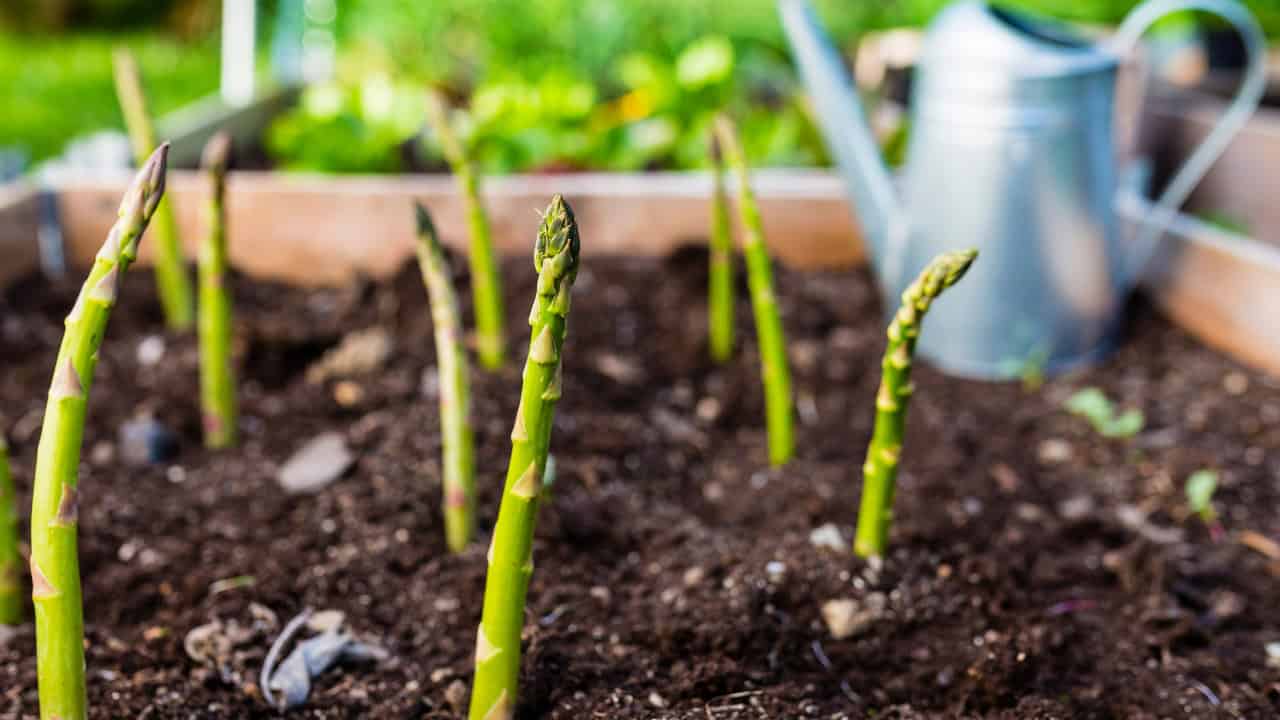
Perennial vegetables are plants that keep coming back year after year, providing a continuous supply of food with minimal effort. Examples of perennial vegetables include asparagus, rhubarb, and artichokes.
Unlike annuals, which need to be replanted every year, perennials only need to be planted once. They also tend to be more resilient and require less maintenance, making them a great choice for year-round vegetable gardens.
6. Make Use of Vertical Space
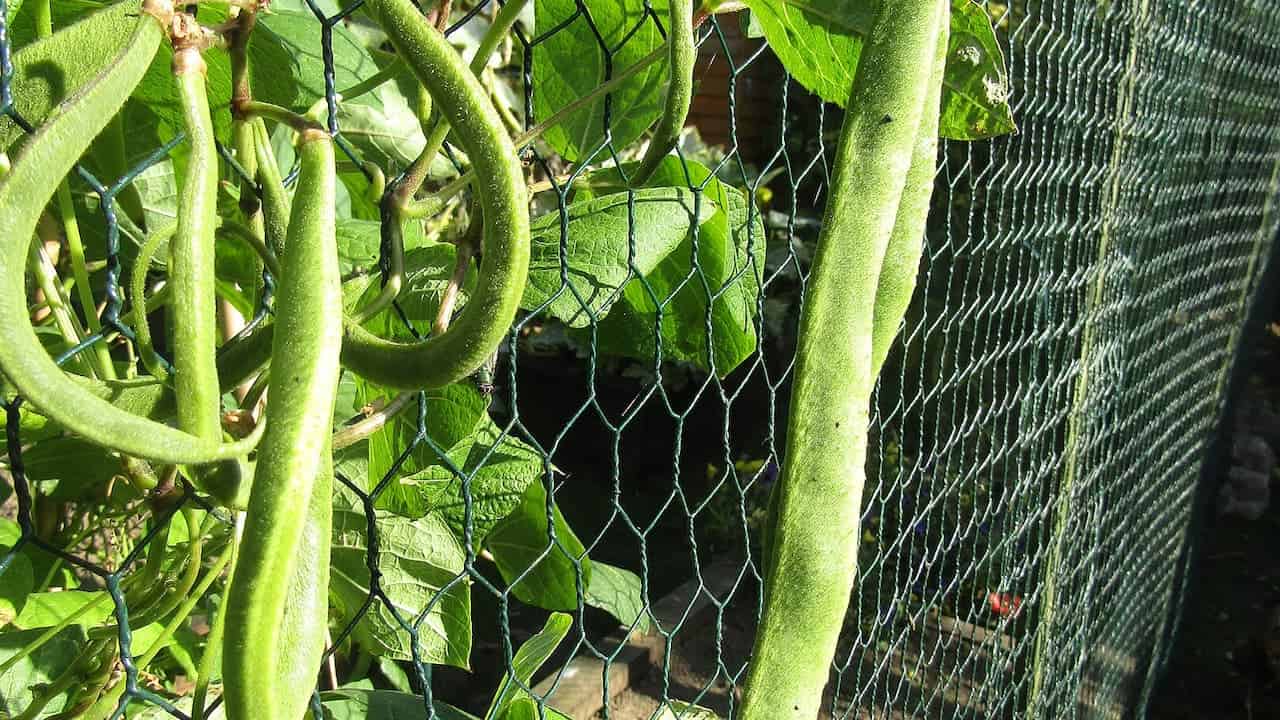
If you’re limited on space, growing vertically can help maximize your harvest. Many vegetables like cucumbers, beans, and tomatoes can be trained to grow up trellises, fences, or poles.
Vertical gardening not only saves space but also improves air circulation, reducing the risk of diseases. Plus, it makes harvesting easier as you won’t have to bend down to pick your vegetables.
7. Plant a Variety of Crops

Planting a variety of crops not only provides a diverse range of vegetables for your kitchen but also promotes a healthier garden. Different plants attract different beneficial insects and deter various pests, creating a balanced ecosystem in your garden.
Moreover, different vegetables have different nutrient requirements. By rotating crops, you can prevent nutrient depletion in the soil.
8. Preserve Your Harvest
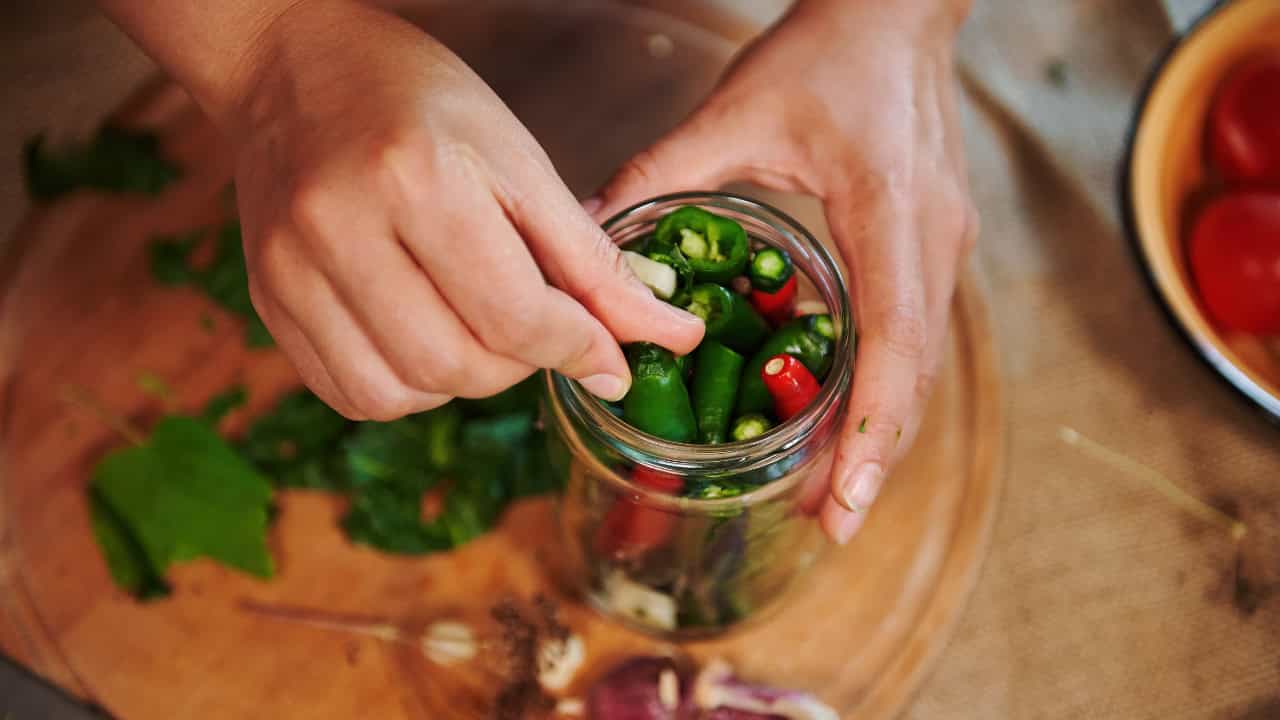
Sometimes, you may end up with more vegetables than you can eat fresh. Preserving your excess harvest can ensure you have homegrown vegetables to enjoy even when they’re out of season.
There are various ways to preserve vegetables, from canning and freezing to drying and pickling. For example, you can make tomato sauce or salsa and can it for winter use. Or, you can freeze green beans and enjoy them in the middle of winter.
9. Pay Attention to Soil Health
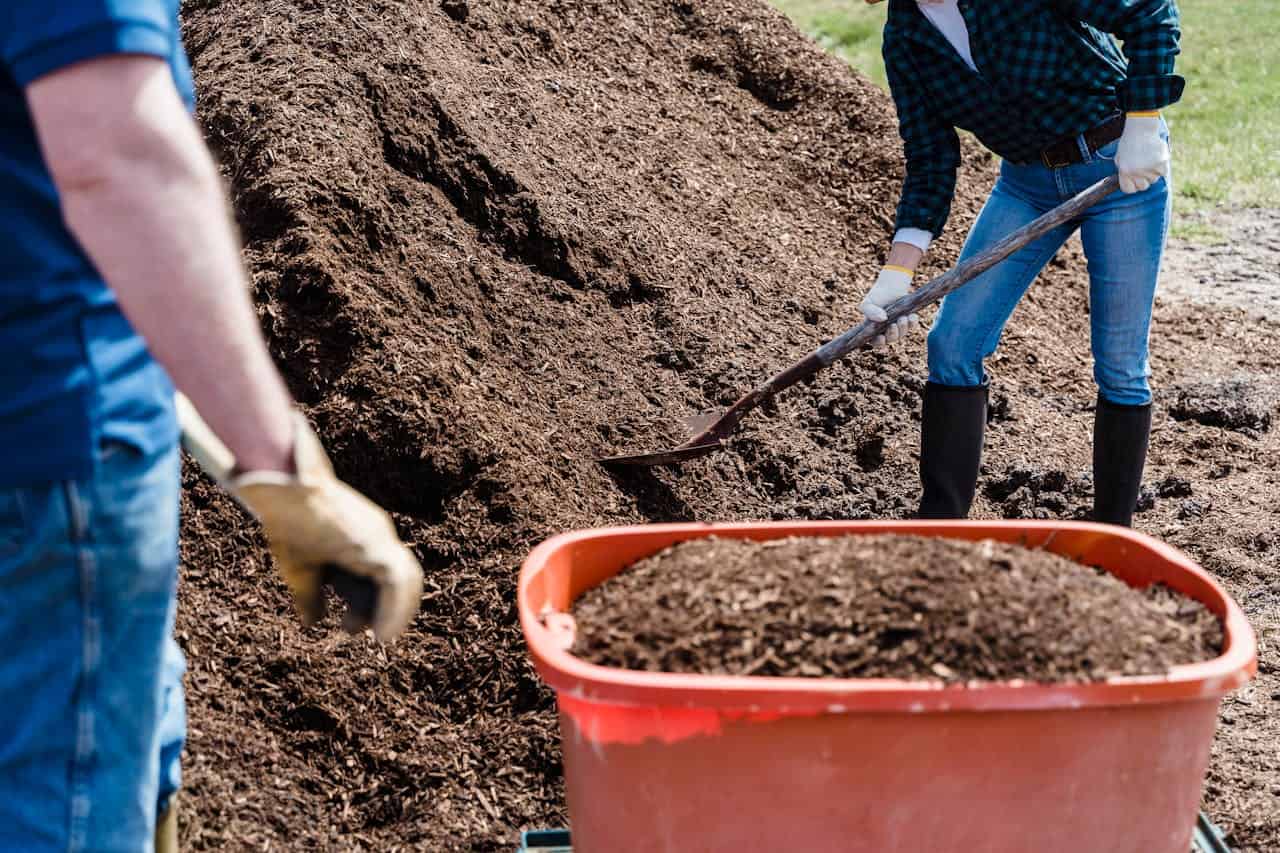
Healthy soil is key to a productive garden. Regularly adding organic matter like compost or aged manure can improve soil fertility and structure, promoting healthier plants and higher yields.
It’s also important to regularly test your soil’s pH and nutrient levels. This can help you adjust your fertilization strategy to meet the specific needs of your plants.
10. Use Season Extenders

Season extenders like row covers and cloches can help protect your plants from frost, allowing you to plant earlier in the spring and harvest later in the fall.
For example, you can use a row cover to protect early plantings of lettuce from late spring frosts. Or, you can use a cloche to protect a late planting of kale from early fall frosts.
11. Grow in Raised Beds

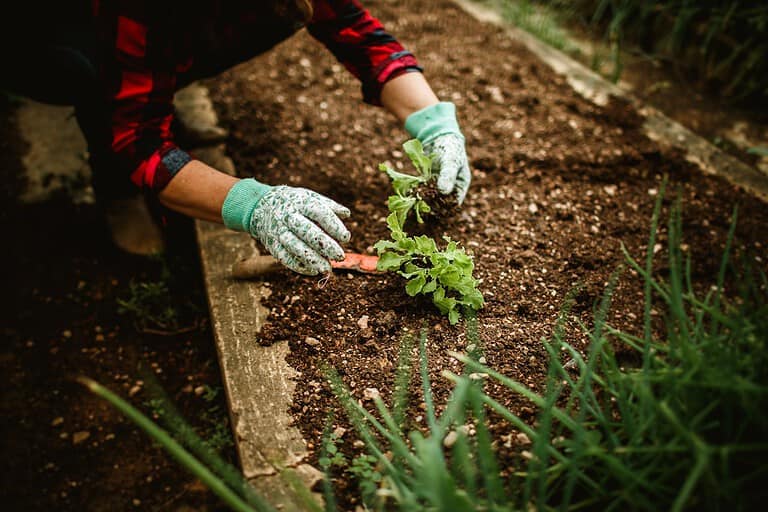
Raised beds warm up faster in the spring and drain better, allowing you to plant earlier. They also allow you to control the soil quality better, which can lead to healthier plants and higher yields.
Moreover, raised beds can make gardening easier on your back as you won’t have to bend down as much to plant, weed, and harvest.
12. Keep a Garden Journal

Keeping a garden journal can help you track what works and what doesn’t in your garden. Record when you plant and harvest each crop, any pest or disease issues, and the weather conditions.
Over time, this information can help you fine-tune your gardening strategies, leading to more successful harvests. Plus, it’s a great way to learn from your mistakes and celebrate your successes.