As a gardener, one of the biggest threats to your beloved plants is the vast array of pests and diseases that can harm or even kill your hard work. Whether you’re a seasoned pro or a gardening newbie, being prepared for these potential problems is key to maintaining a healthy and vibrant garden. From voracious insects to debilitating diseases, each season brings its own set of challenges. But don’t worry, this guide is here to help. We will walk you through 12 common seasonal pest and disease problems that every gardener should be aware of, and how you can tackle them head on.
1. Aphids in Spring

Spring is a time of renewal and growth, but it’s also prime time for aphids. These tiny insects can quickly infest your plants, sucking out their sap and causing damage. Aphids reproduce rapidly and can spread diseases, so it’s important to take action quickly.
Advertisement
Aphids can be controlled with insecticidal soaps or with natural predators such as ladybugs. Keep an eye on the undersides of leaves, as this is where aphids often gather. If you see a large infestation, consider removing the affected plant to prevent the aphids from spreading.
2. Powdery Mildew in Summer
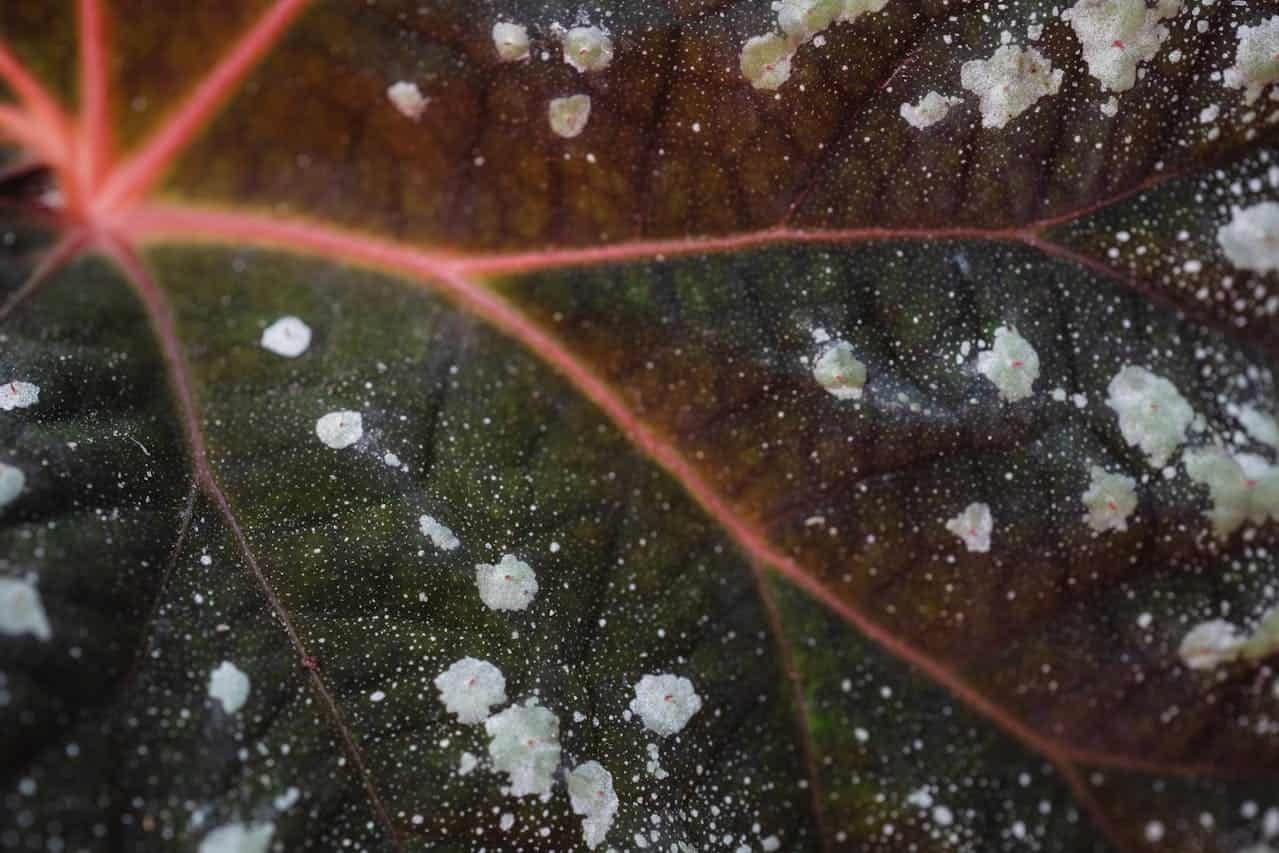
When the weather heats up, powdery mildew can become a problem. This fungal disease appears as a white, powdery coating on leaves and can quickly spread throughout your garden if left unchecked.
To prevent powdery mildew, make sure your plants have good air circulation and avoid watering in the evenings. If you notice powdery mildew, treat it immediately with a fungicide. Regularly removing affected leaves can also help to control the spread of this disease.
3. Slugs and Snails in Autumn
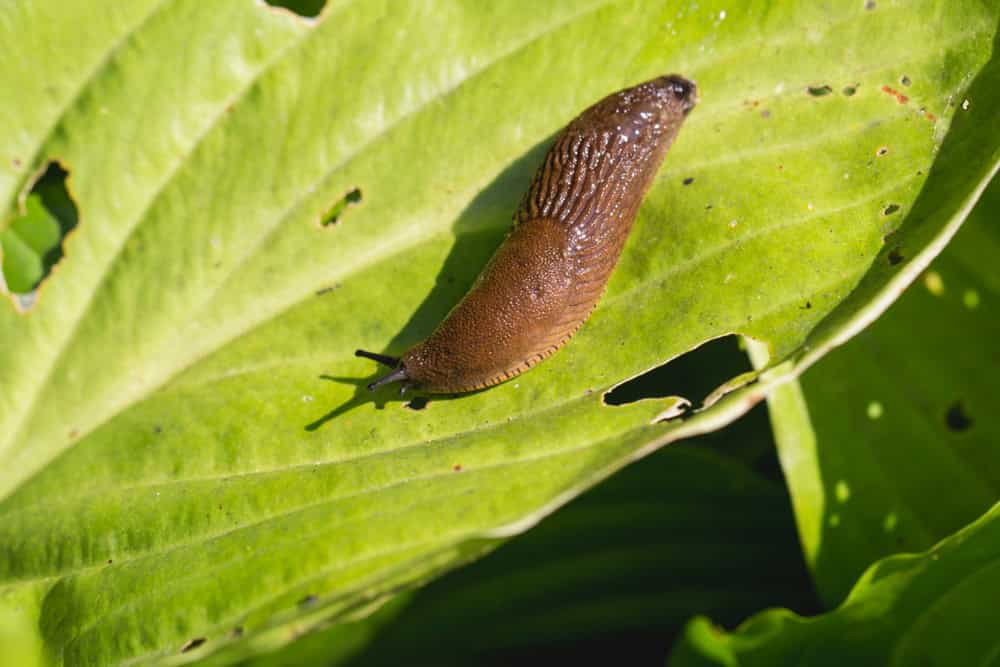
As the weather cools down in autumn, slugs and snails come out in force. These slimy pests can cause significant damage to your plants, munching through leaves, stems, and even fruits.
Slugs and snails can be controlled with beer traps, copper tape, or by encouraging natural predators into your garden. Remember to regularly check your garden for these pests, especially after it has rained.
4. Winter Moths
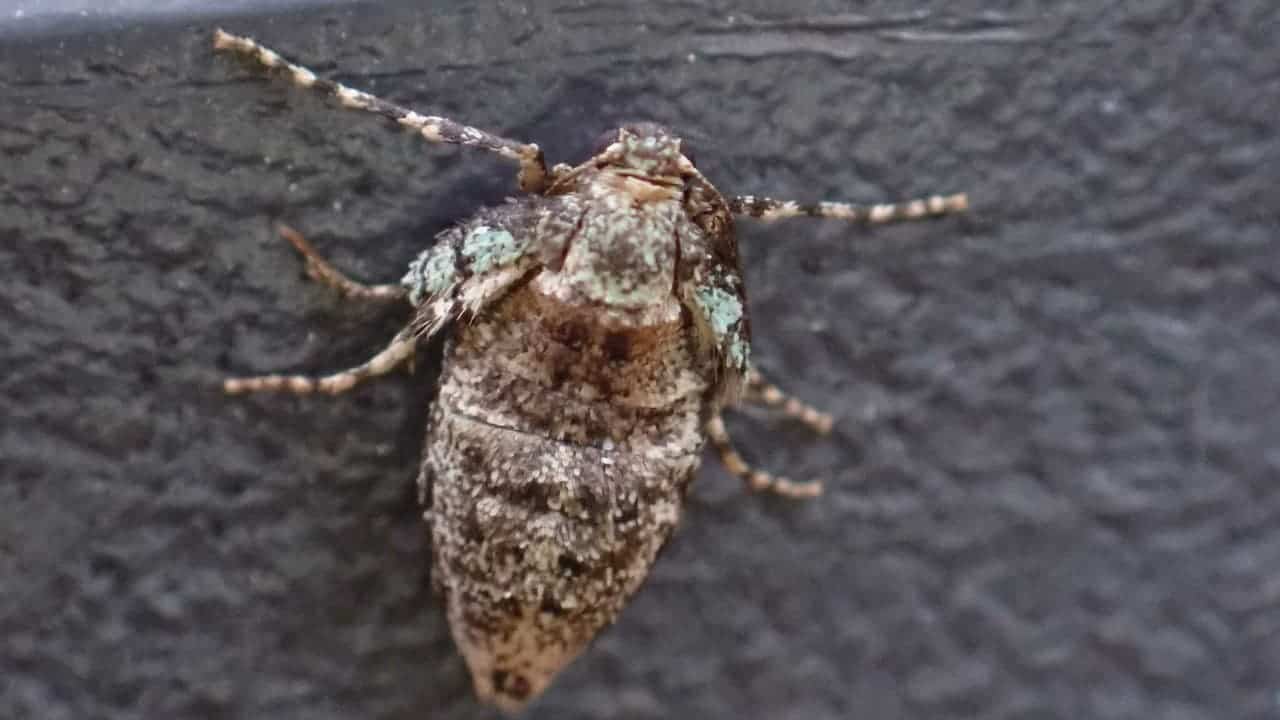
Winter is a quiet time in the garden, but that doesn’t mean pests aren’t a problem. Winter moths lay their eggs in late autumn and the larvae emerge in winter, causing damage to trees and shrubs.
To prevent winter moth damage, wrap tree trunks with a burlap barrier in late autumn to prevent the moths from laying their eggs. If you notice winter moth larvae, consider using a horticultural oil to kill them.
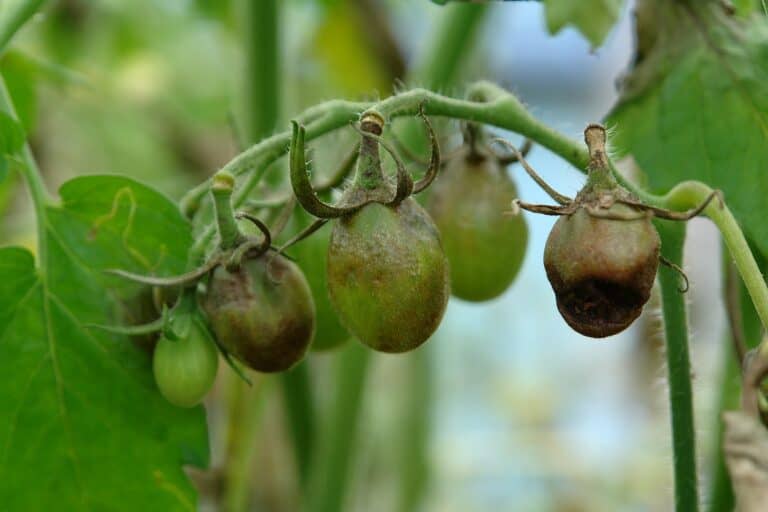
5. Tomato Blight in Late Summer

Tomato blight is a common problem for many gardeners. This disease, caused by a fungus, can wipe out an entire tomato crop in a matter of days.
Prevent tomato blight by rotating your crops each year and avoid watering from above, as the fungus spreads through water. If you notice the first signs of blight, remove and dispose of the affected plants immediately to prevent the disease from spreading.
6. Cabbage Worms in Spring
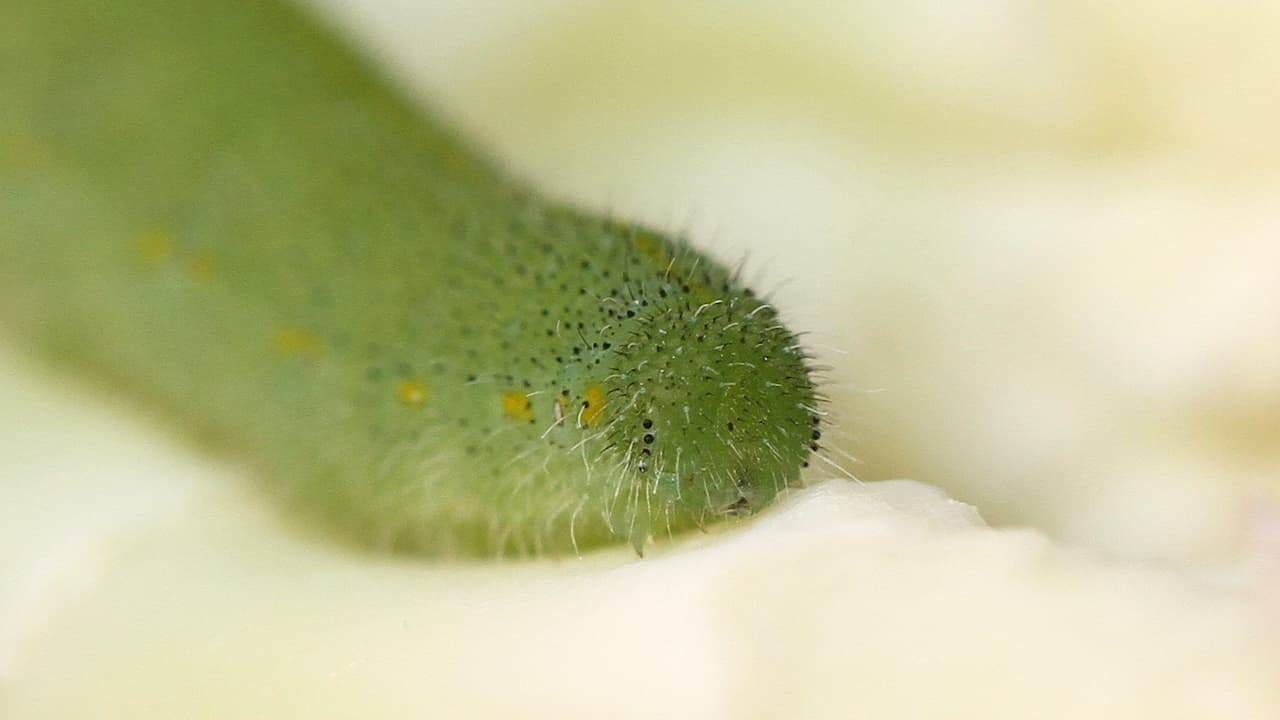
Cabbage worms are a common problem for brassica crops in spring. These green caterpillars can quickly decimate your cabbage, broccoli, and other related plants.
Prevent cabbage worm damage by covering your plants with a row cover to prevent the adult butterflies from laying their eggs. If you notice cabbage worms on your plants, you can remove them by hand or treat the plants with Bacillus thuringiensis, a natural bacteria that kills the caterpillars.
7. Spider Mites in Summer

Spider mites thrive in hot, dry conditions, making them a common problem in summer. These tiny pests can cause significant damage to a wide range of plants.
Prevent spider mite infestations by keeping your plants well watered and encouraging natural predators into your garden. If you notice spider mites, treat your plants with an insecticidal soap or a strong jet of water to knock them off.
8. Club Root in Autumn
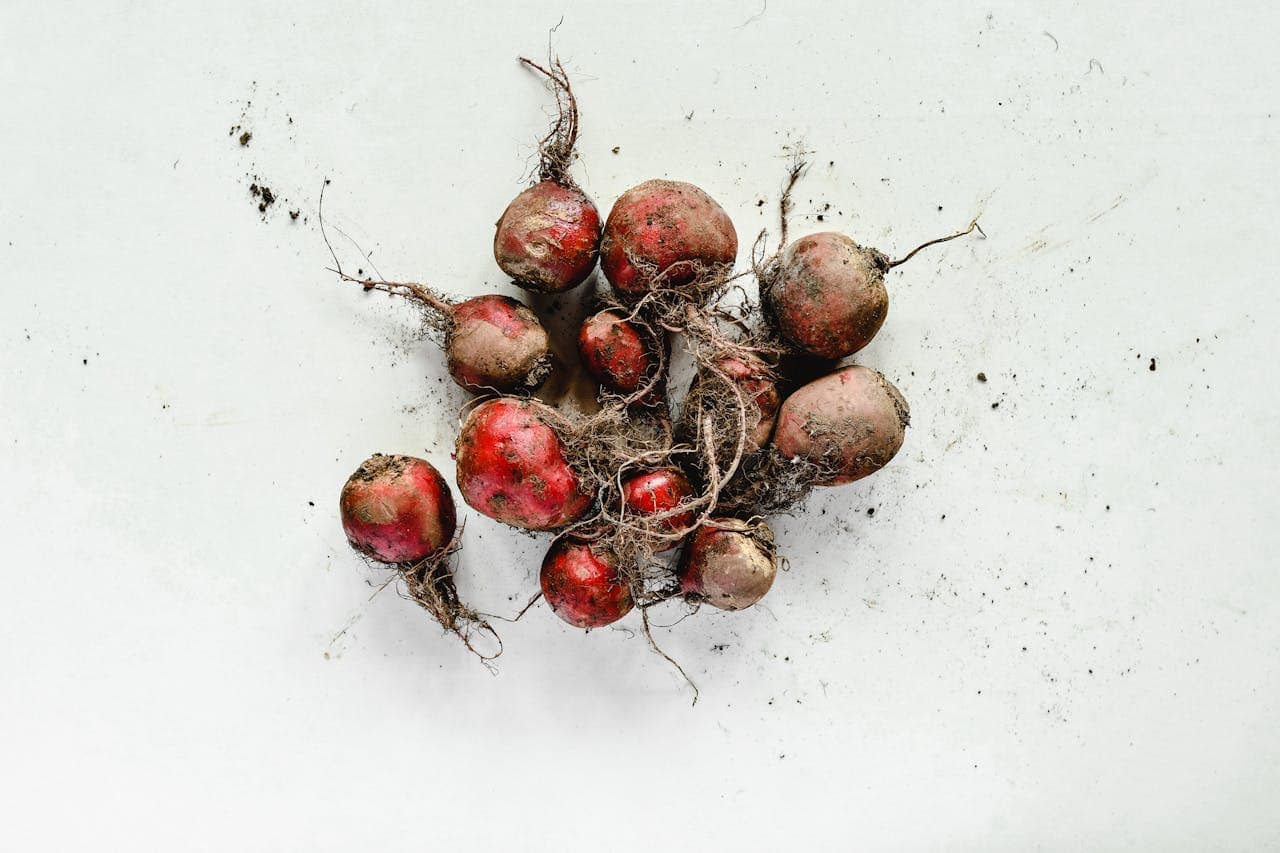
Club root is a common problem for brassica crops in autumn. This soil-borne disease causes swollen roots and stunted growth.
Prevent club root by rotating your crops and liming your soil to raise its pH. If you notice club root, remove and dispose of the affected plants and do not plant brassicas in that area for at least seven years.
9. Vine Weevil in Winter

Vine weevil is a common problem in winter. These pests lay their eggs in the soil and the larvae eat the roots of plants, often killing them.
Prevent vine weevil damage by regularly checking your plants for signs of infestation and treating the soil with a nematode solution. If you notice vine weevil, remove and dispose of the affected plants.
10. Rust Fungus in Late Summer

Rust fungus is a common problem in late summer. This disease causes orange, rust-like spots on the leaves of plants and can weaken them.
Prevent rust fungus by ensuring good air circulation around your plants and watering in the mornings. If you notice rust fungus, remove and dispose of the affected leaves and treat the plant with a fungicide.
11. Squash Vine Borer in Spring

The squash vine borer is a common problem for squash and pumpkin plants in spring. These pests burrow into the stems of plants, causing them to wilt and die.
Prevent squash vine borer damage by covering your plants with a row cover to prevent the adult moths from laying their eggs. If you notice squash vine borers, you can remove them by hand or treat the plants with an insecticide.
12. Black Spot on Roses in Summer
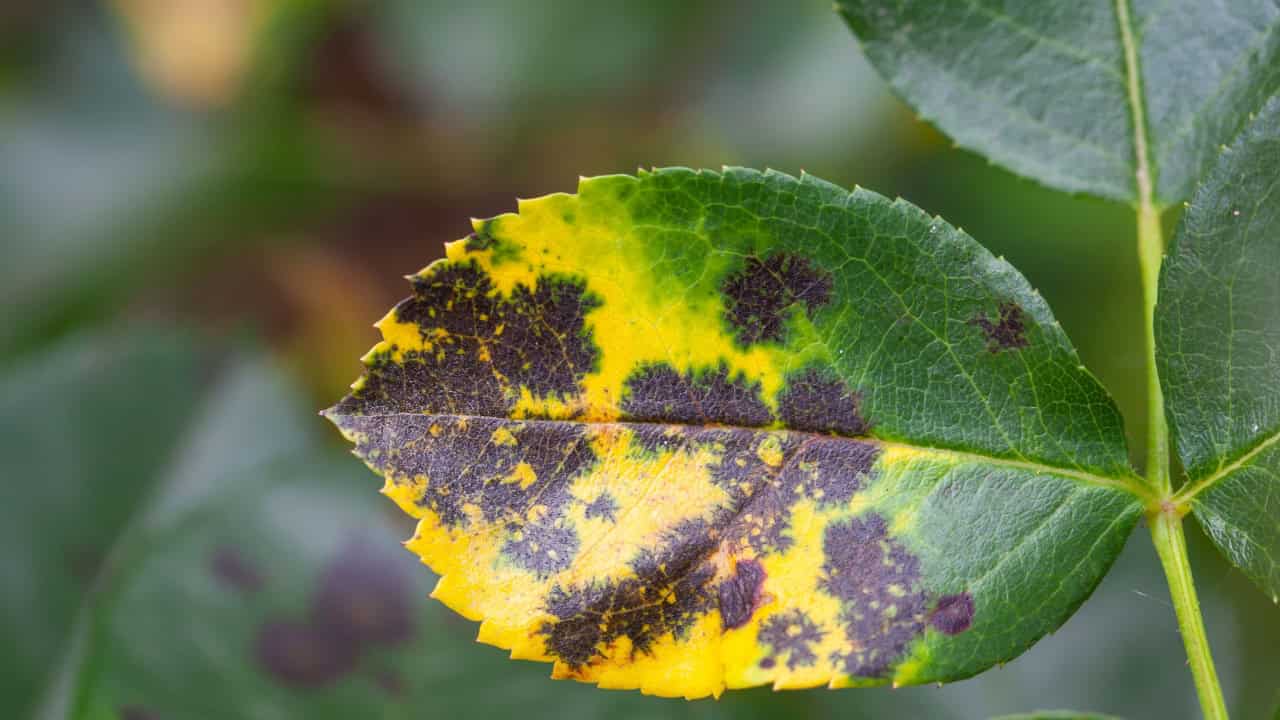
Black spot is a common disease for roses in summer. This fungal disease causes black spots on the leaves of roses and can weaken the plant.
Prevent black spot by ensuring good air circulation around your roses and watering in the mornings. If you notice black spot, remove and dispose of the affected leaves and treat the plant with a fungicide.