Trying to grow vegetables can be frustrating when things don’t go as planned. Maybe your plants look weak, don’t produce much, or die off early. Understanding why your garden keeps failing can save you time and effort.
There are many common reasons your vegetable garden struggles, and knowing what to look for will help you fix the problems. This article will help you spot what might be wrong so you can get your garden back on track.
Advertisement
Poor soil quality lacking nutrients

If your soil is low in key nutrients, your plants won’t grow well. They can get weak and be more likely to get sick.
You need things like potassium, nitrogen, and phosphorus for healthy veggies. Adding compost or manure can help fix poor soil naturally. Good soil means better roots, stronger plants, and more fruits or veggies for you to enjoy.
Overwatering causing root damage

If you water your garden too much, the soil can stay soggy. This cuts off the oxygen to the roots, which need air to stay healthy.
When roots don’t get enough oxygen, they can start to rot and die. This makes it hard for your plants to take up water and nutrients. Try to water only when the soil feels dry a few inches down. This helps keep your roots healthy and your plants growing strong.
Underwatering leading to stress
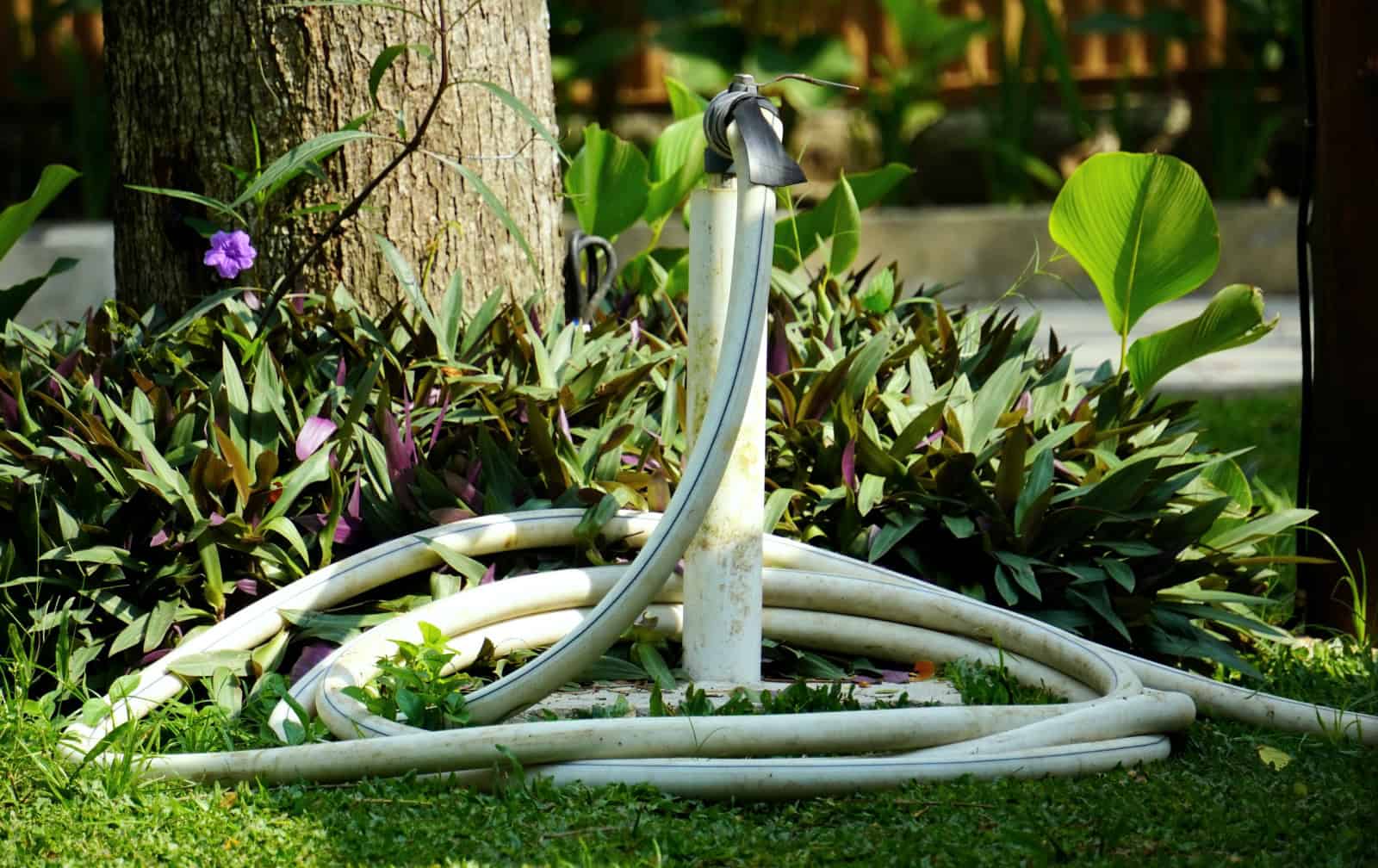
If you don’t water your garden enough, your plants will start to suffer. Their roots can’t grow well because the soil is too dry.
This makes it hard for your plants to get the nutrients they need. Leaves may wilt or turn brown when they’re thirsty. You want to keep the soil moist but not soaked. Regular watering helps your garden stay healthy and strong.
Planting seeds too deep
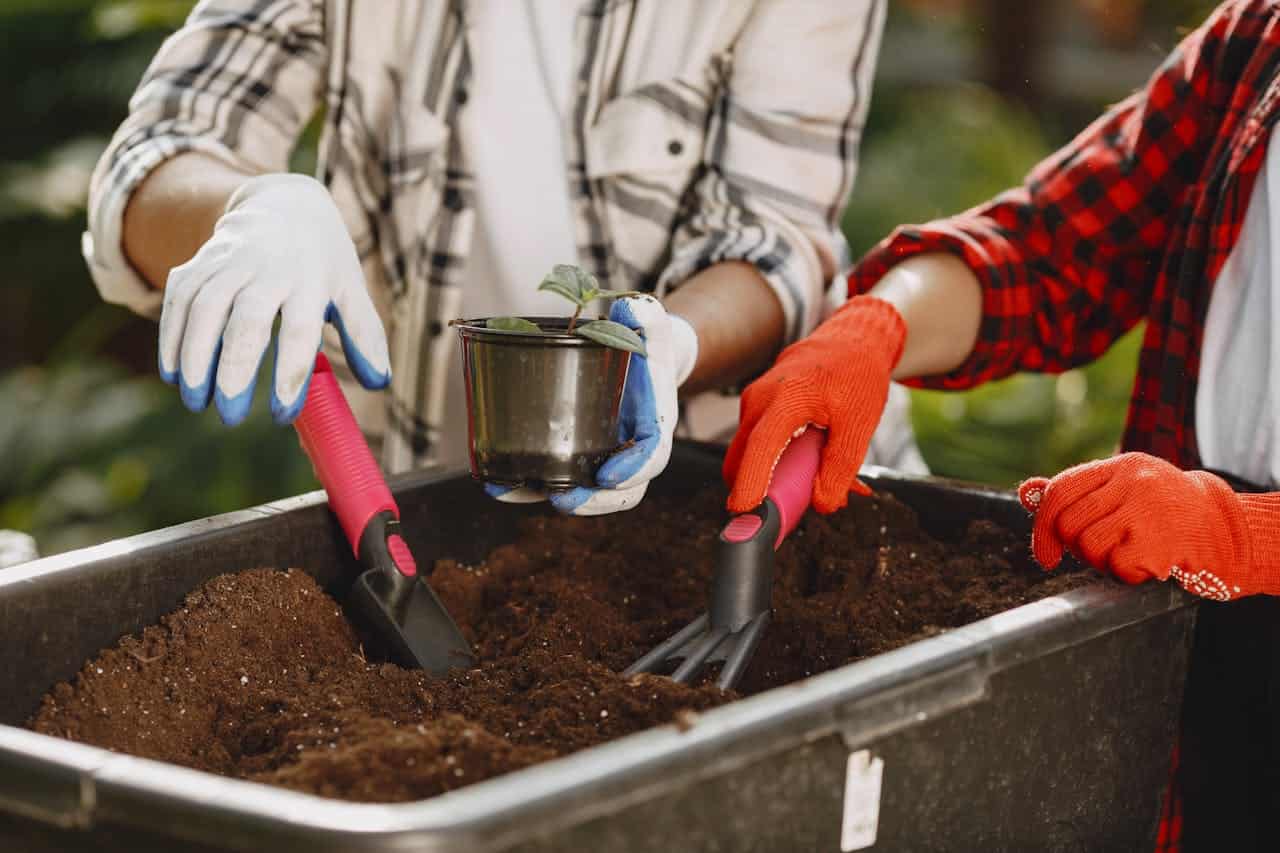
If you plant your seeds too deep, they may have a hard time breaking through the soil. Small seeds especially need just a light covering of dirt.
When seeds are too deep, they might not get enough oxygen or light, which slows down germination. Try to follow seed packet instructions for the right depth. Usually, bigger seeds can go deeper, but even then, don’t bury them too much.
Soil too acidic for vegetables

If your soil is too acidic, your veggies might struggle to take in the nutrients they need. This can lead to slow growth or weak plants.
You can test your soil’s pH with a kit or meter. If it’s too low, add lime to balance it out. This helps your garden grow better.
Not enough sunlight daily
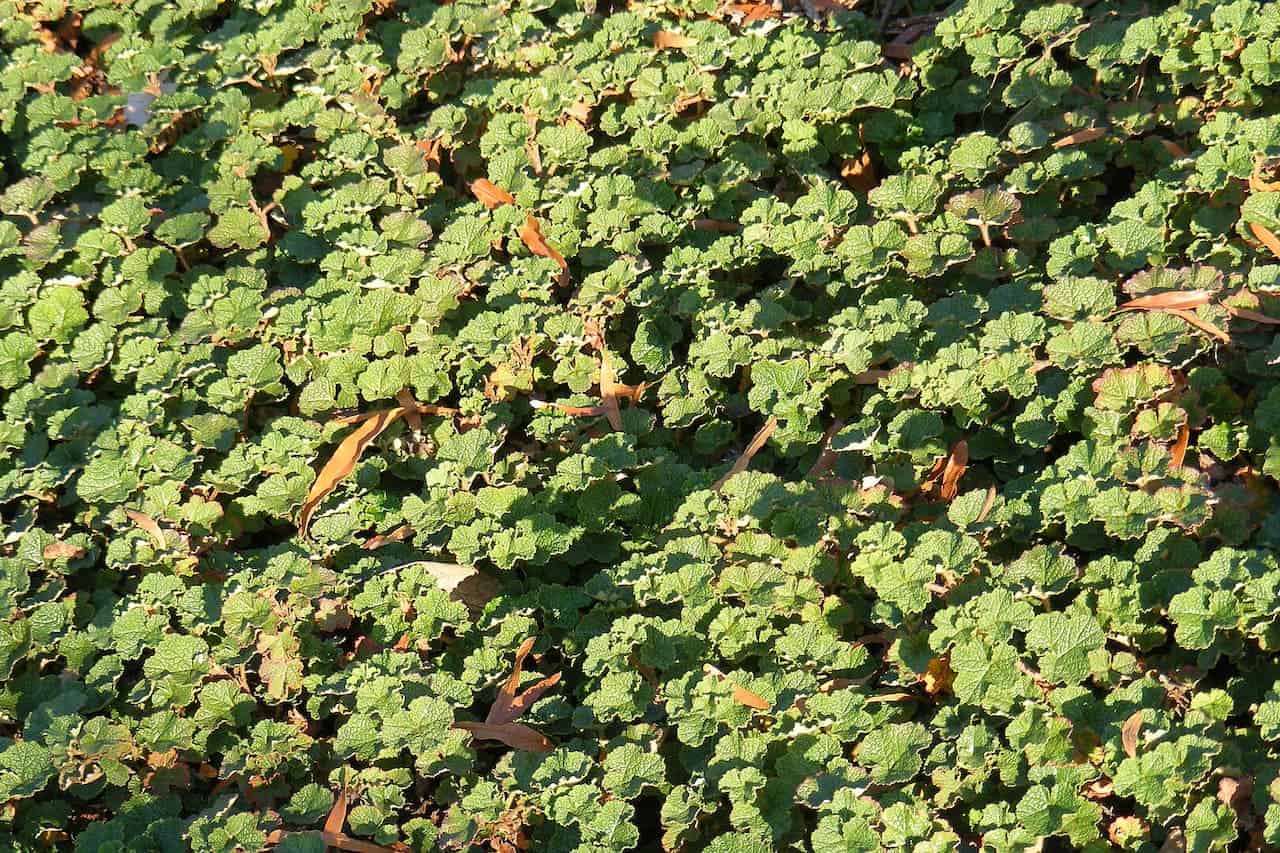
If your garden isn’t getting enough sunlight, your veggies won’t grow well. Most vegetables need at least 6 hours of direct sun each day to thrive.
Without enough light, plants can become weak and spindly as they stretch toward any available sun. Check your garden’s location and try to remove shade from trees or buildings if you can.
Pests eating leaves and stems
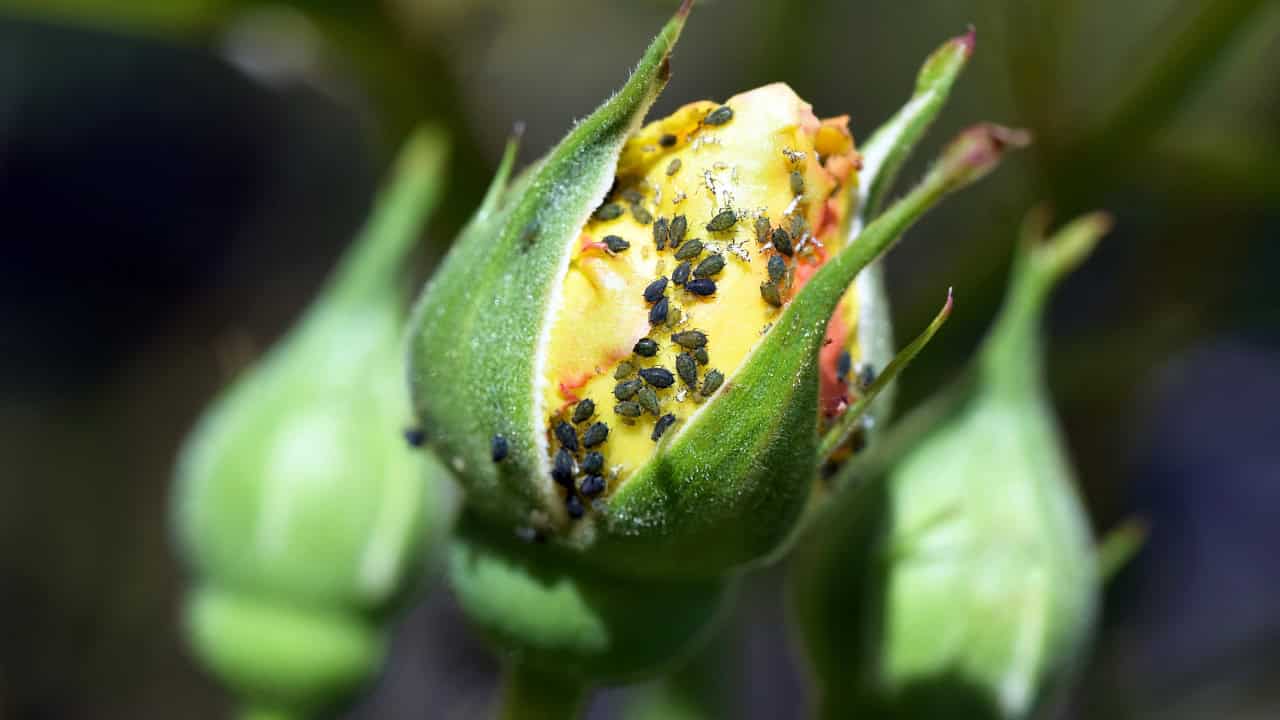
If you notice holes or chewed parts on your plants, pests like cutworms or beetles might be the cause. Cutworms are active at night and hide near the soil during the day.
Other insects, like thrips and aphids, can suck the sap from leaves and stems, making your plants weak. Keep an eye on your veggies and check under leaves regularly to catch pests early.
Diseases like blight or mildew

If your garden keeps failing, diseases like blight or mildew might be a cause. Blight often hits tomatoes and spreads through soil spores. Mildew looks like powdery or fuzzy white patches on leaves.
These diseases happen when plants stay wet for a long time. Using mulch and avoiding overhead watering can help keep your plants dry and healthy.
Weeds competing for nutrients

Weeds can steal water and nutrients that your vegetables need to grow. If you let them take over, your plants might not get enough food from the soil.
You should pull weeds regularly to keep them from crowding your vegetable garden. This will help your veggies grow stronger and healthier.
Soil temperature too cold at planting

If the soil is too cold when you plant, your seeds might not sprout. Most vegetable seeds need soil temperatures around 65°-75°F to grow well.
Cold soil slows down how seeds absorb nutrients and water. This makes them take longer to grow or stop growing altogether. Planting too early in cold soil can hurt your garden’s success, so waiting for warmer soil helps your plants get a good start.
Using the wrong vegetable variety for climate

You need to pick veggies that match your local weather. Some plants like cool climates, while others need lots of heat.
If you choose the wrong type, your plants might grow slowly or not at all. Check what crops do well in your area before planting. This way, your garden has a better chance to thrive and produce more food.
Ignoring mulch to retain moisture

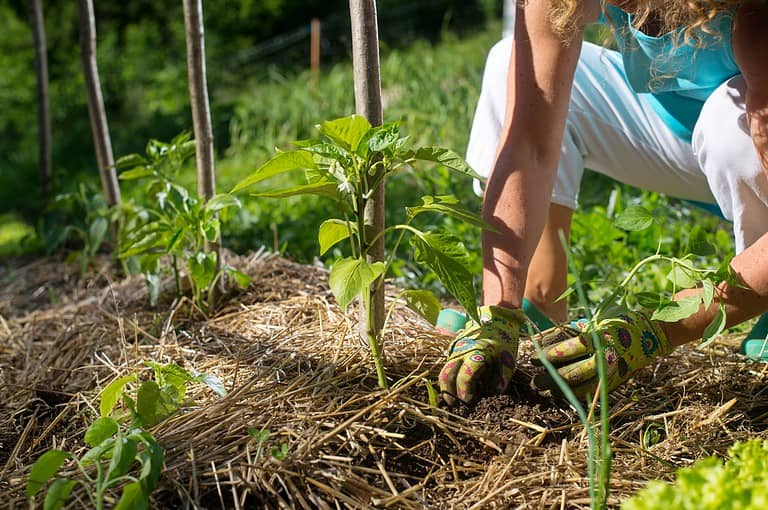
If you skip mulch, your soil can dry out faster. Mulch helps keep moisture in by blocking heat and wind. Without it, your plants may need more water than necessary.
Adding about 3-4 inches of mulch can reduce watering and stop weeds from taking over your garden. Not using mulch could be why your vegetables struggle or grow slowly.