Growing crops in raised beds can be a rewarding way to garden, but it also comes with challenges that can harm your plants if not addressed. Many gardeners face common pitfalls that reduce crop health and yield without realizing it.
Knowing which mistakes to avoid can save your plants and improve your garden’s success. This article highlights key errors to help you protect your crops and make the most of your raised bed garden.
Advertisement
Using potting soil that drains too quickly

If your potting soil drains too fast, your plants won’t get enough water between watering. This leaves roots dry and stressed. You want soil that holds moisture but still drains well. Too much drainage means nutrients can wash away, leaving your plants hungry.
Choose a balanced mix with organic matter like compost to keep moisture steady. This helps your crops grow stronger and healthier.
Building beds too wide to reach the middle
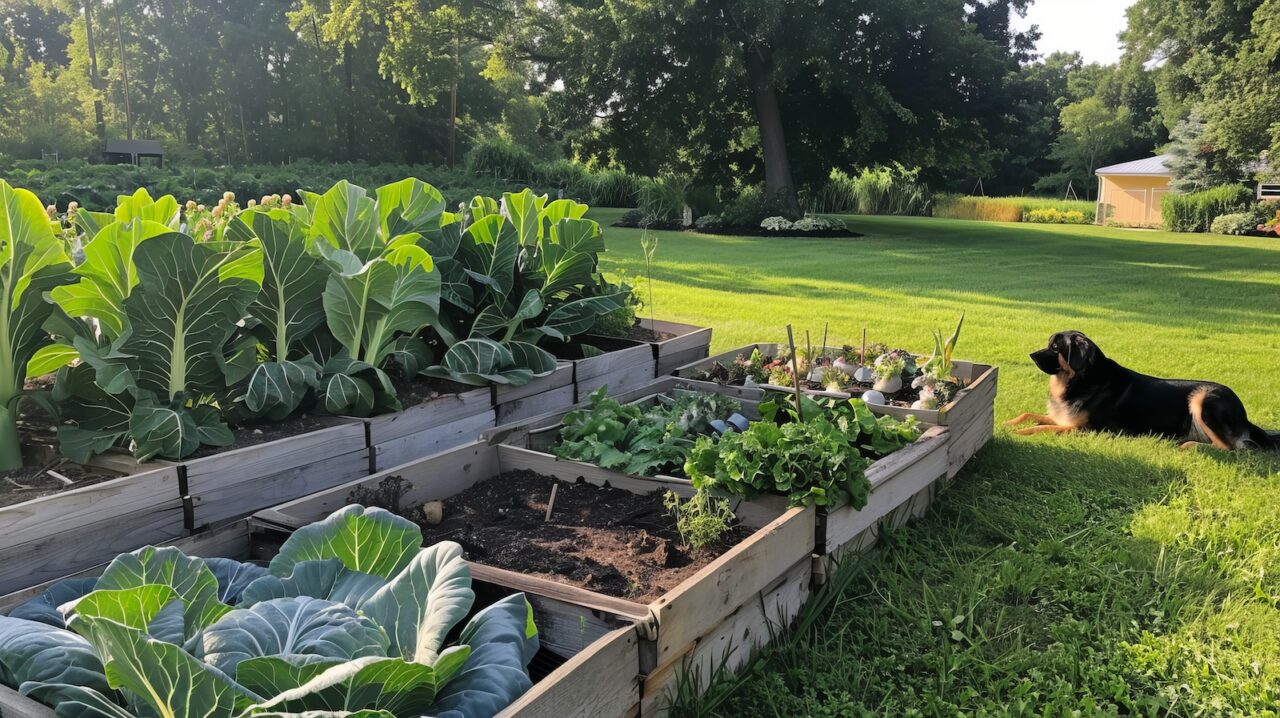
If your raised bed is too wide, you won’t be able to reach the middle easily. This can make planting, weeding, and harvesting difficult.
A good rule is to keep beds no wider than 4 feet. This way, you can comfortably tend to your crops without stepping into the bed and compacting the soil. Planning the right width saves you effort and protects your plants.
Placing raised beds in shady or poor sunlight spots

You want your plants to get enough sunlight to grow strong and healthy. Raised beds put in shady areas usually struggle because most vegetables need at least six hours of direct sun daily.
If your beds don’t get enough light, plants may grow leggy or produce fewer fruits and vegetables. Choose a spot with good sun exposure to help your garden thrive.
Skipping soil testing before planting

You might think soil testing is an extra step, but it’s important for healthy plants. Testing your soil helps you understand nutrient levels and pH balance.
Without this info, you could add the wrong fertilizers or miss important adjustments. Getting a soil test close to planting time gives you the most accurate results. This simple check can help you avoid problems before they start.
Not adding enough organic matter or compost
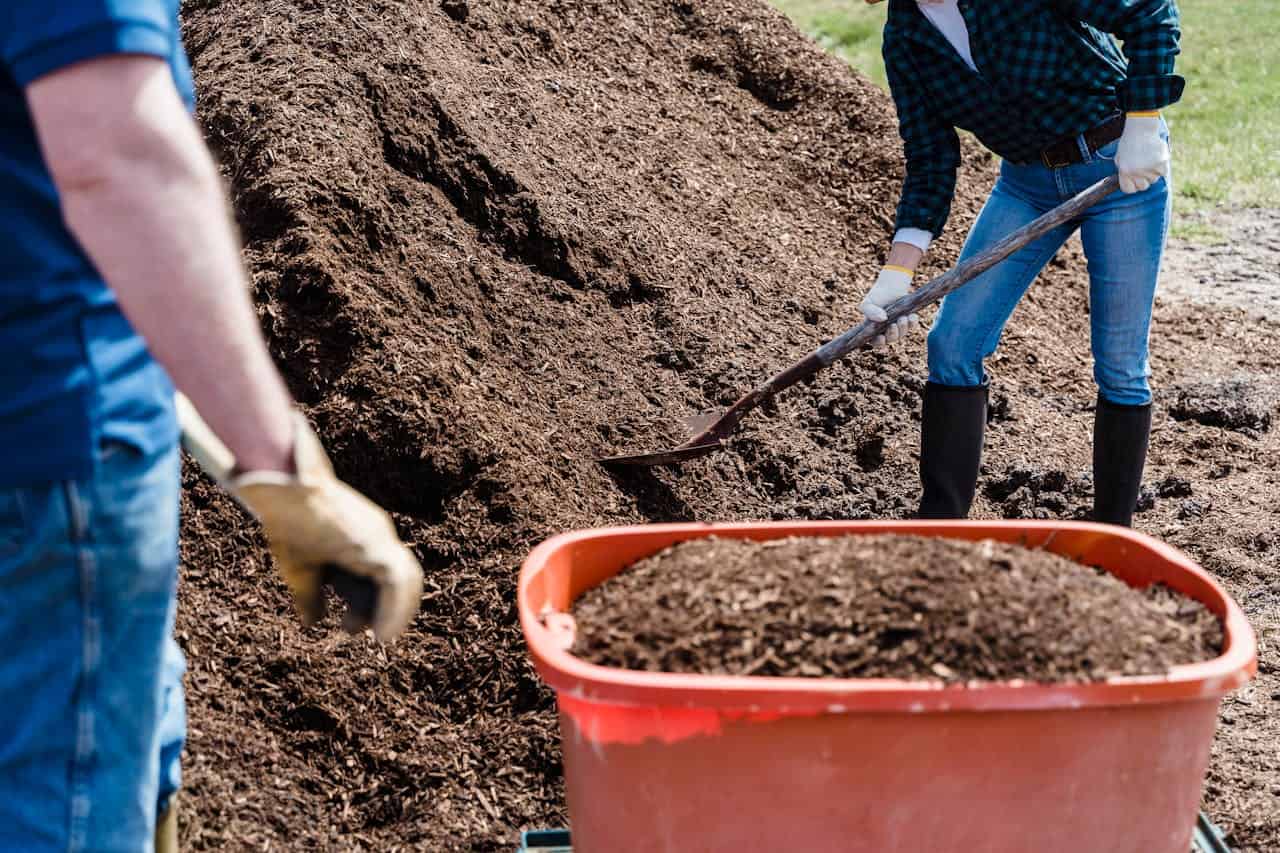
Your soil needs organic matter to stay healthy and support strong plant growth. Without enough compost, your raised bed soil can become compacted and nutrient-poor.
Adding compost improves soil texture, water retention, and provides essential nutrients. Aim to mix in fresh organic matter each season to keep your beds productive and thriving.
Overwatering or underwatering raised beds
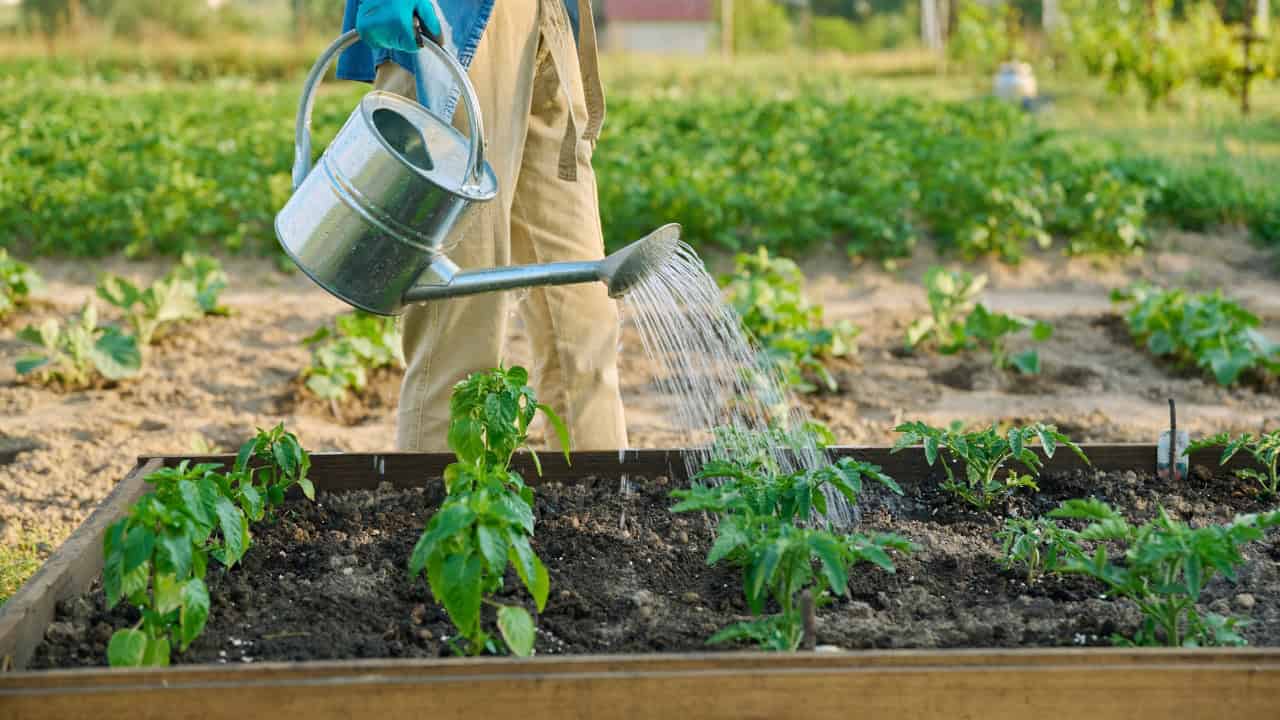
You might think more water is better, but overwatering can drown your plants and cause root rot. On the other hand, underwatering makes it tough for roots to absorb nutrients.
Both problems show similar signs like wilting or yellow leaves, so it’s easy to mistake one for the other. Check soil moisture regularly to find the right balance for your raised beds.
Ignoring soil pH balance

You might not realize how important soil pH is for your raised bed plants. If the pH is too high or too low, nutrients become less available, even if your soil looks healthy.
Adjusting pH suddenly can harm your existing plants, so avoid harsh acidifiers or quick fixes.
Instead, adding organic matter like compost helps gently balance pH while improving soil health. Regular testing keeps you on track for happy crops.
Planting large crops like corn or broccoli in small beds

When you plant large crops such as corn or broccoli in a small raised bed, they can quickly use up the soil’s nutrients. This leaves little for other plants and can stunt overall growth.
These crops also need more space for roots and air circulation. Crowding them in small beds may lead to weaker plants and lower yields.
Using fungicides that kill beneficial fungi
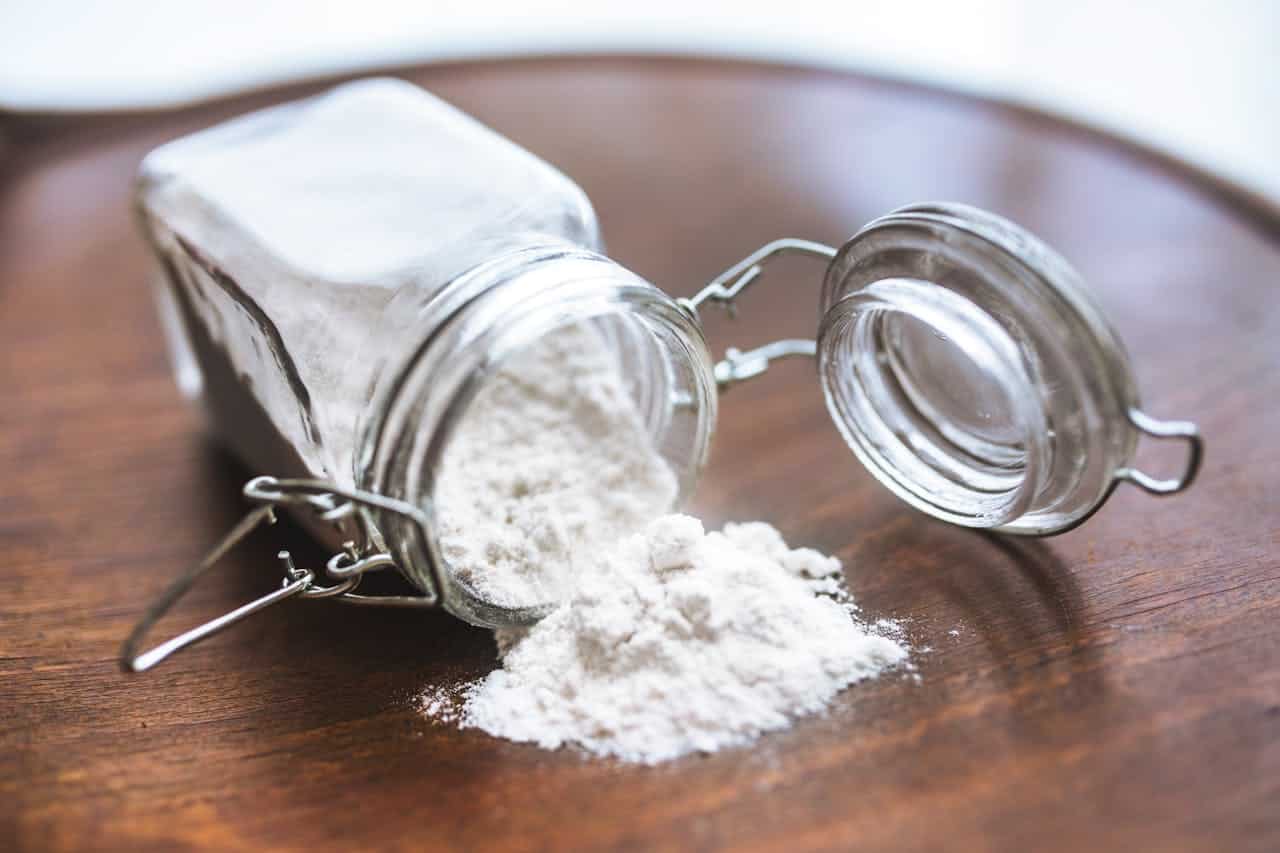
When you use fungicides, be careful—they can harm the good fungi in your soil. These beneficial fungi help break down nutrients and support your plants’ roots.
Overusing strong fungicides can disrupt this natural balance. Instead, try milder options like baking soda or vinegar in small amounts.
Protect the helpful microbes so your raised bed stays healthy and productive.
Failing to prevent pest infestations early

You might overlook tiny pests until you see damage, but catching them early makes a big difference. Starting with physical barriers like row covers can stop many insects from reaching your plants.
Regularly check your raised beds for signs of pests. Removing affected leaves or using natural remedies quickly helps keep small problems from becoming large ones.
Ignoring early pest control often leads to crop loss. Staying proactive helps protect your crops without harsh chemicals.
Neglecting to install drip irrigation or soaker hoses

If you skip installing drip irrigation or soaker hoses, your plants may not get consistent moisture. Watering by hand can be uneven and stress your crops.
Soaker hoses deliver water directly to the soil, avoiding wet leaves that cause disease. Drip systems are even more precise, saving water and reducing waste.
Using one of these methods helps maintain healthy roots and steady growth in your raised beds. It also saves time and effort compared to frequent hand watering.
Using black tarp incorrectly during soil prep

If you use black tarp for too long, it can kill beneficial soil microbes and worms. These organisms are important for healthy soil, so keep tarp use limited.
The tarp heats the soil by trapping sunlight, which can help kill weeds. However, if left on in very hot weather, it might also harm the soil life you want to keep.
To protect your soil, remove the tarp once weeds are dead and consider adding compost or cover crops afterward. This helps restore soil health and supports better crop growth.