As gardeners, we often focus on planting beautiful flowers, shrubs, and trees, but there may be some hidden dangers lurking in your yard. Some of the most common plants can be surprisingly toxic if not handled with care. Whether you’re gardening with kids, pets, or just want to ensure a safe environment for everyone, it’s important to be aware of the poisonous plants that could be growing right under your nose.
Here’s a list of 12 toxic plants that could be hiding in your yard—take a look and make sure you know how to handle them safely!
Advertisement
Poison Ivy

Poison Ivy is one of the most notorious plants for causing skin irritation. The toxic resin, urushiol, is found in all parts of the plant, and even the slightest contact can cause a nasty rash. The plant grows in various forms, including vines and shrubs, and it thrives in many yards and natural areas.
If you have Poison Ivy in your yard, make sure to wear gloves, long sleeves, and pants when dealing with it. Be sure to remove it carefully and wash any tools or clothing that come into contact with the plant.
Deadly Nightshade

Deadly Nightshade, also known as Belladonna, is a highly toxic plant that can cause hallucinations, delirium, and even death if consumed. It has dark green leaves and bell-shaped purple flowers, followed by round berries that look deceptively sweet.
Keep this plant out of your garden if you have children or pets. It’s important to be extra cautious when handling it—wear gloves and avoid consuming any part of the plant.
Hemlock

Hemlock is an extremely poisonous plant that has been infamous throughout history, often associated with poisonings in ancient Greece. It has feathery green leaves and small white flowers that appear in clusters. All parts of the plant contain toxic alkaloids that can be fatal if ingested.
If you have Hemlock in your yard, it’s best to remove it carefully and wear gloves while doing so. Avoid any direct contact, and never consume any part of this plant.
Oleander
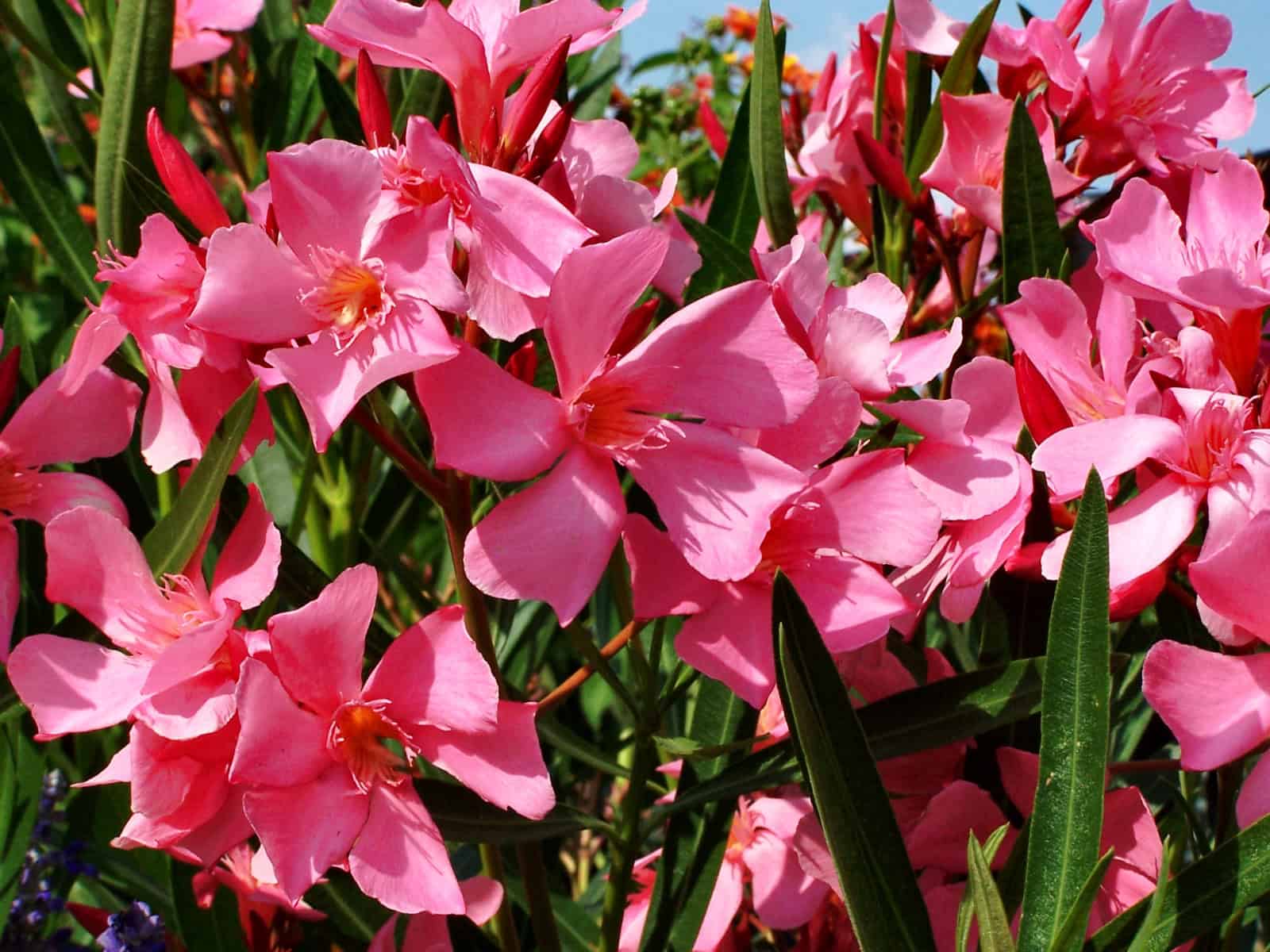
Oleander is a beautiful, flowering shrub with fragrant blooms that come in shades of pink, red, and white. However, it’s highly toxic to both humans and animals, with the potential to cause heart problems, nausea, and even death if ingested.
If you have Oleander in your yard, keep it out of reach of children and pets, and wear gloves when pruning or handling the plant. Always dispose of clippings carefully.
Foxglove

Foxglove is a lovely plant with tall spikes of bell-shaped flowers that come in shades of purple, pink, and white. While beautiful, it contains compounds called cardiac glycosides that can be harmful to the heart if consumed.
To stay safe, wear gloves when handling Foxglove, and make sure children and pets stay away from the plant. Even the seeds can be toxic if eaten.
Angel’s Trumpet

With its large, fragrant flowers, Angel’s Trumpet can add a dramatic touch to your garden, but this plant is anything but harmless. It contains toxic alkaloids that can cause hallucinations, confusion, and even death if ingested.
If you grow Angel’s Trumpet, take extra care to plant it out of reach of children and pets. Handle it with gloves, and always wash your hands thoroughly after coming into contact with the plant.
Castor Bean

The Castor Bean plant is easy to grow and produces striking red and green foliage, but the seeds of the plant contain ricin, one of the most toxic substances in the world. Just a few seeds can cause nausea, vomiting, and even organ failure if ingested.
If you have Castor Beans in your yard, make sure the seeds are never accessible to children or animals. Always wear gloves when handling the plant, and take extra care when pruning.
Yew

Yew trees are commonly found in yards, but the berries and foliage of the plant are highly toxic. While the fleshy part of the berry is safe to eat, the seeds and foliage contain compounds that can cause severe digestive issues, heart problems, and even death if consumed.
If you have Yew trees, ensure they’re planted in a place where pets and children can’t easily reach them. Wear gloves when handling the plant and be cautious when disposing of clippings.
Autumn Crocus

Autumn Crocus is another deceptively beautiful plant that can be harmful if ingested. The bulbs contain colchicine, a potent toxin that can cause severe gastrointestinal distress, organ failure, and even death if eaten.
Be sure to handle Autumn Crocus bulbs with care, and keep them out of reach of children and pets. Always wear gloves when planting or handling the bulbs.
Lily of the Valley
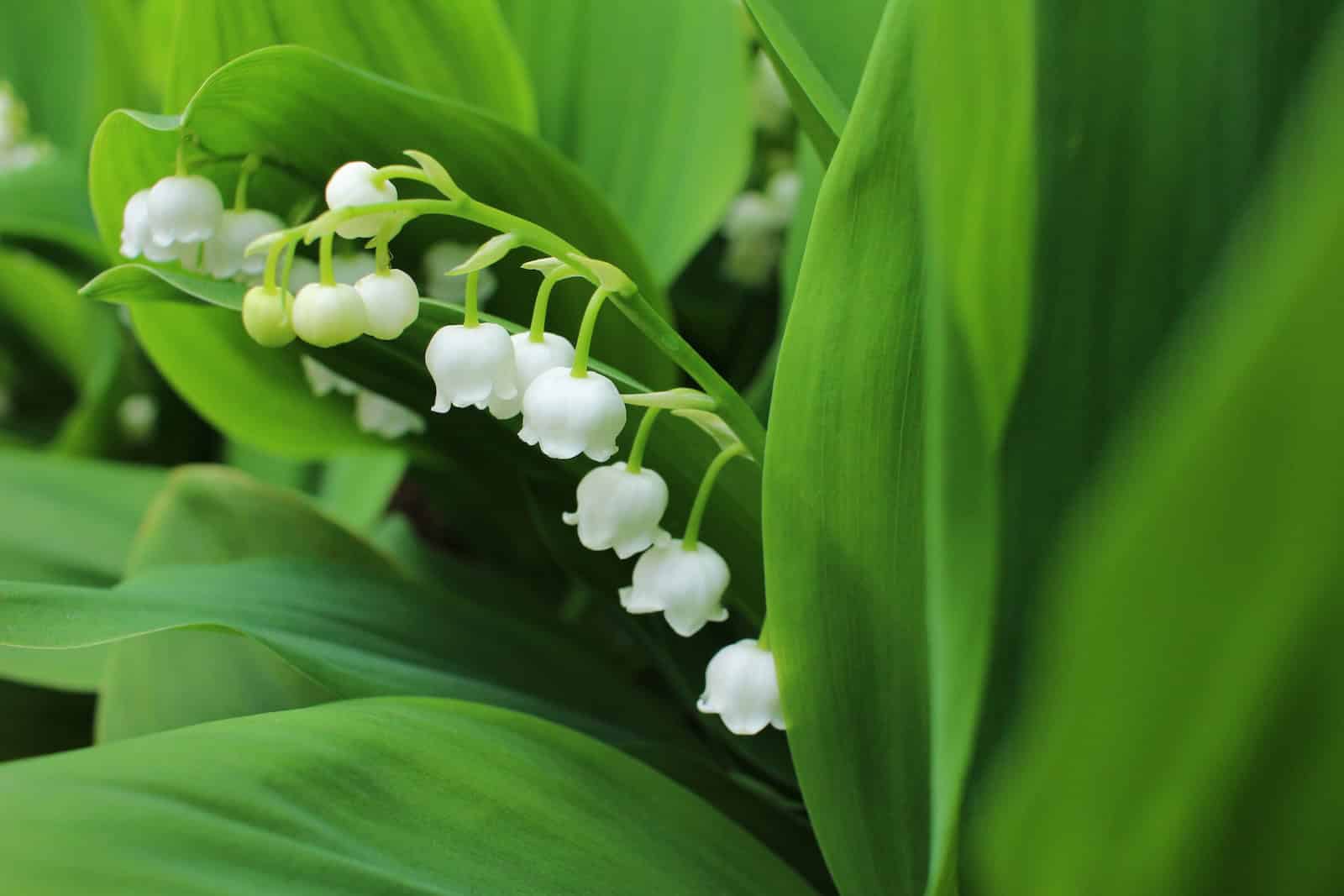
Lily of the Valley is a beloved springtime flower with its delicate, fragrant blooms. However, this plant contains compounds that can cause serious heart issues if consumed. Even a small amount can lead to nausea, vomiting, and heart arrhythmia.
When planting Lily of the Valley, keep it away from pets and children. Always wear gloves when handling the plant and dispose of any clippings carefully.
Rhododendron
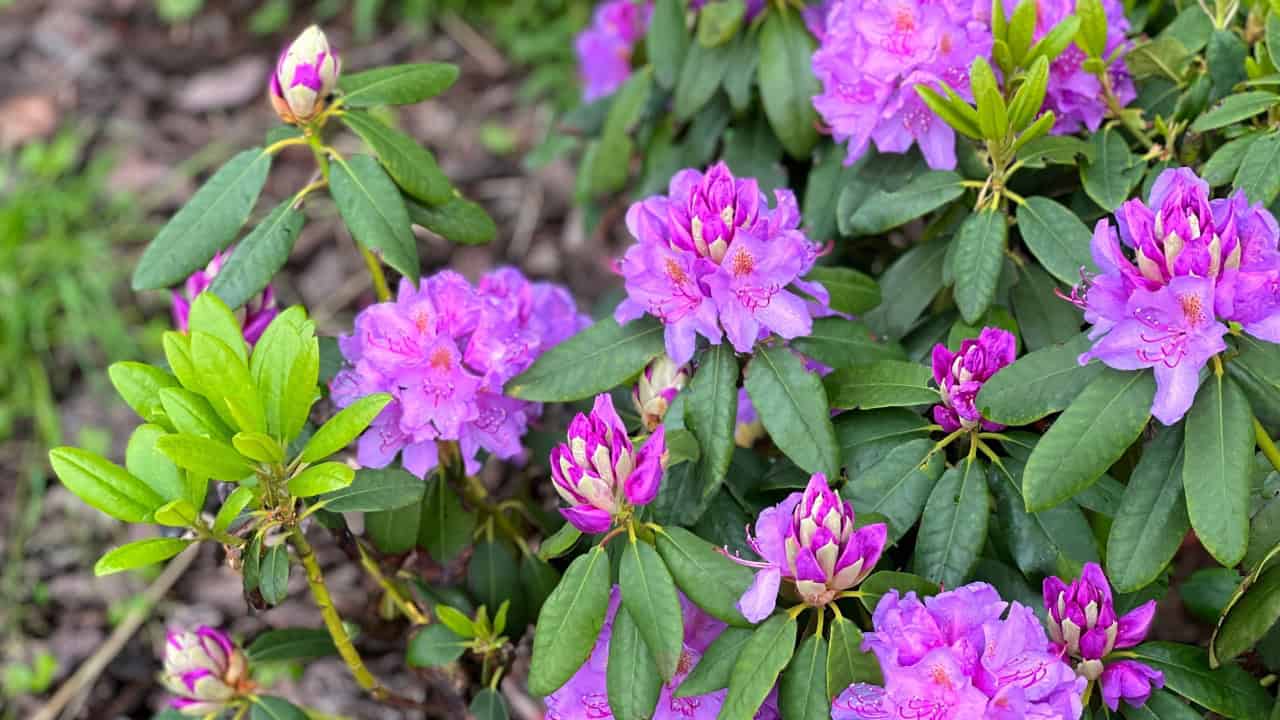
Rhododendrons are popular ornamental shrubs that produce stunning flowers in spring. However, they contain grayanotoxins, which can cause symptoms like nausea, vomiting, and confusion if ingested. The leaves and nectar can be toxic, and even consuming honey made from their nectar has been known to cause poisoning.
If you have Rhododendrons, make sure children and pets stay away from them. Always handle the plant with gloves and be cautious when disposing of leaves and flowers.
Daffodil

Daffodils are one of the first signs of spring, with their cheerful yellow blooms. But their bulbs contain lycorine, a compound that can cause nausea, vomiting, and stomach pain if eaten. Children and pets may be attracted to the bulbs, so it’s essential to plant them safely.
When working with Daffodils, wear gloves and keep the bulbs out of reach of little hands and paws. Be cautious when digging up the bulbs and always wash your hands afterward.