Gardening can be really rewarding, but sometimes certain plants can take over and harm your overall garden. You might notice your flowers or veggies struggling, even when you’re doing everything right.
Knowing which plants to remove can make a huge difference in saving your garden’s health and appearance. Pulling out the wrong plants might seem tough, but it’s often necessary to give your garden a fresh start and let the good ones thrive.
Advertisement
Invasive bamboo spreading too fast

If you’ve ever dealt with running bamboo, you know how quickly it can take over. It sends out underground runners that pop up far away from the original plant, making it hard to control.
Without a root barrier, the bamboo can easily invade your entire yard. Cutting it down helps but won’t solve the problem unless you also dig up the roots regularly. Trenching around your yard about 18 inches deep can slow it down if your neighbor is willing to help with their side too.
Aggressive bindweed choking other plants

Bindweed wraps around your plants tightly, blocking sunlight and slowing their growth. It spreads fast and digs deep roots that are hard to remove.
You can try cutting it back repeatedly at soil level to weaken it. Planting strong competitors nearby, like comfrey, may help slow it down. Using heavy mulch can also reduce its spread but needs regular maintenance. For more tips, see controlling bindweed methods.
Wild ivy tearing through fences

You might not notice at first, but wild ivy can quickly overtake your fences. It slips through cracks and spreads fast, making your boundary look messy and worn out.
If left unchecked, it can damage wood and metal by holding moisture against the surface. You’re allowed to trim any ivy crossing into your yard, but be sure to offer the cuttings back to your neighbor if it’s their plant source.
Mountain mint overtaking flower beds
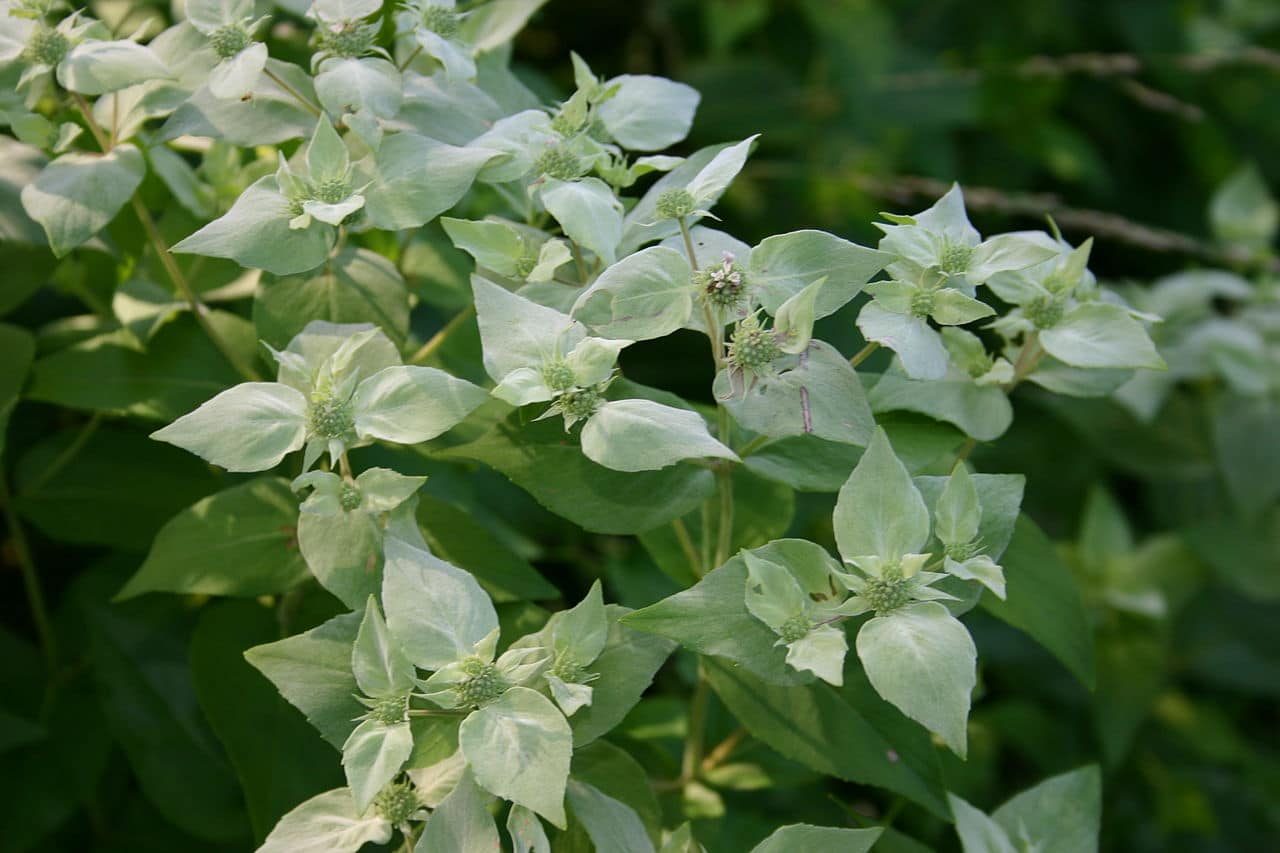
If you plant mountain mint, be ready for it to spread fast. It’s great for pollinators, but it can quickly take over your flower beds if left unchecked.
You might find it popping up in spots you didn’t expect, crowding out other plants. Trimming it back helps, but it’s a constant battle to keep it in line.
Some gardeners use barriers or containers to keep it from spreading too much. Otherwise, it can become a green carpet before you know it.
Blue mistflower crowding out roses
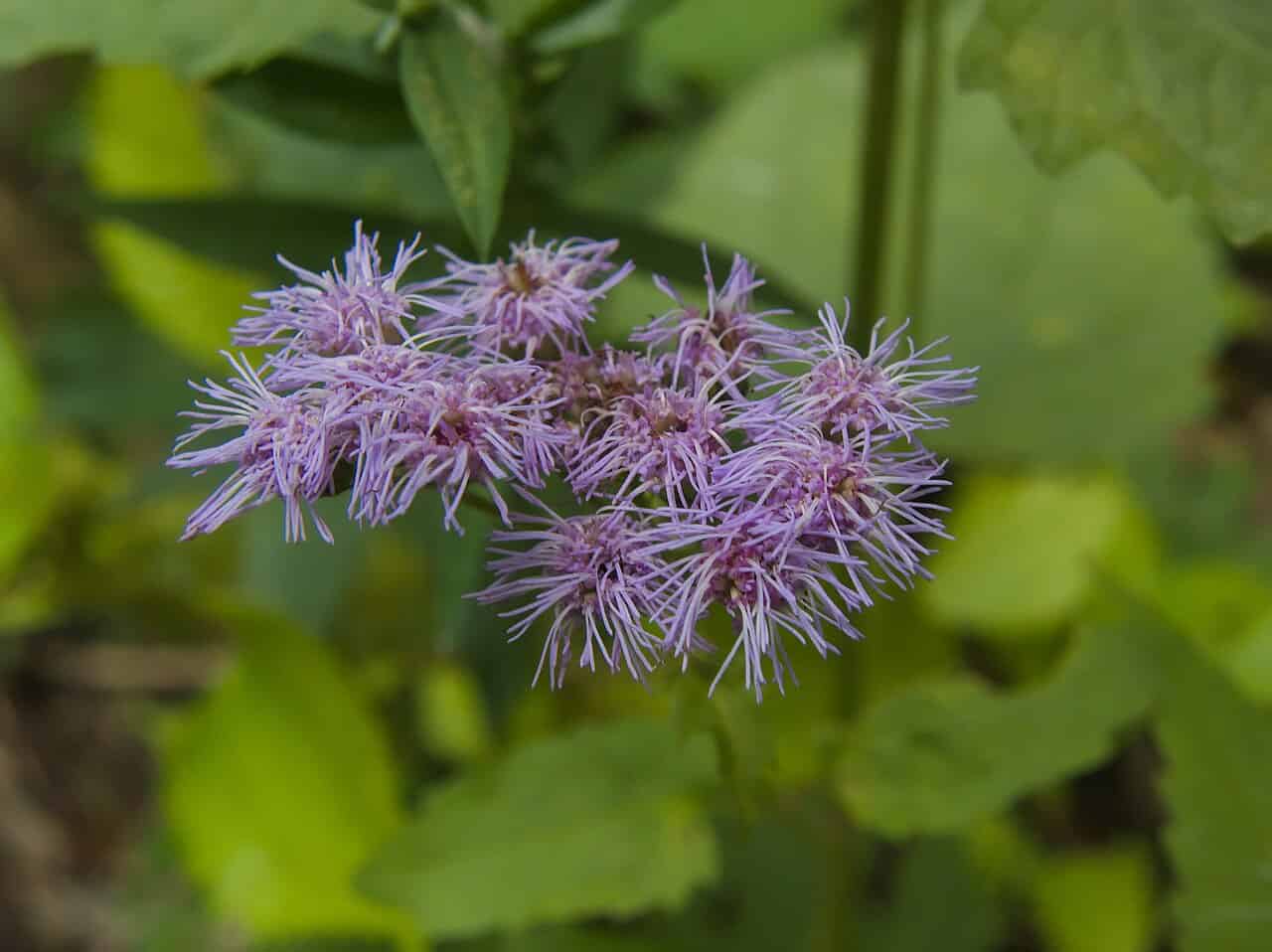
Blue mistflower grows fast and spreads easily. You might find it taking over space where your roses should be shining.
Its dense growth can block sunlight and crowd rose roots. This makes it harder for your roses to thrive.
If you want your roses to get enough air and light, it’s a good idea to pull out some of that blue mistflower. You’ll see a noticeable difference.
Bee balm taking more space than wanted
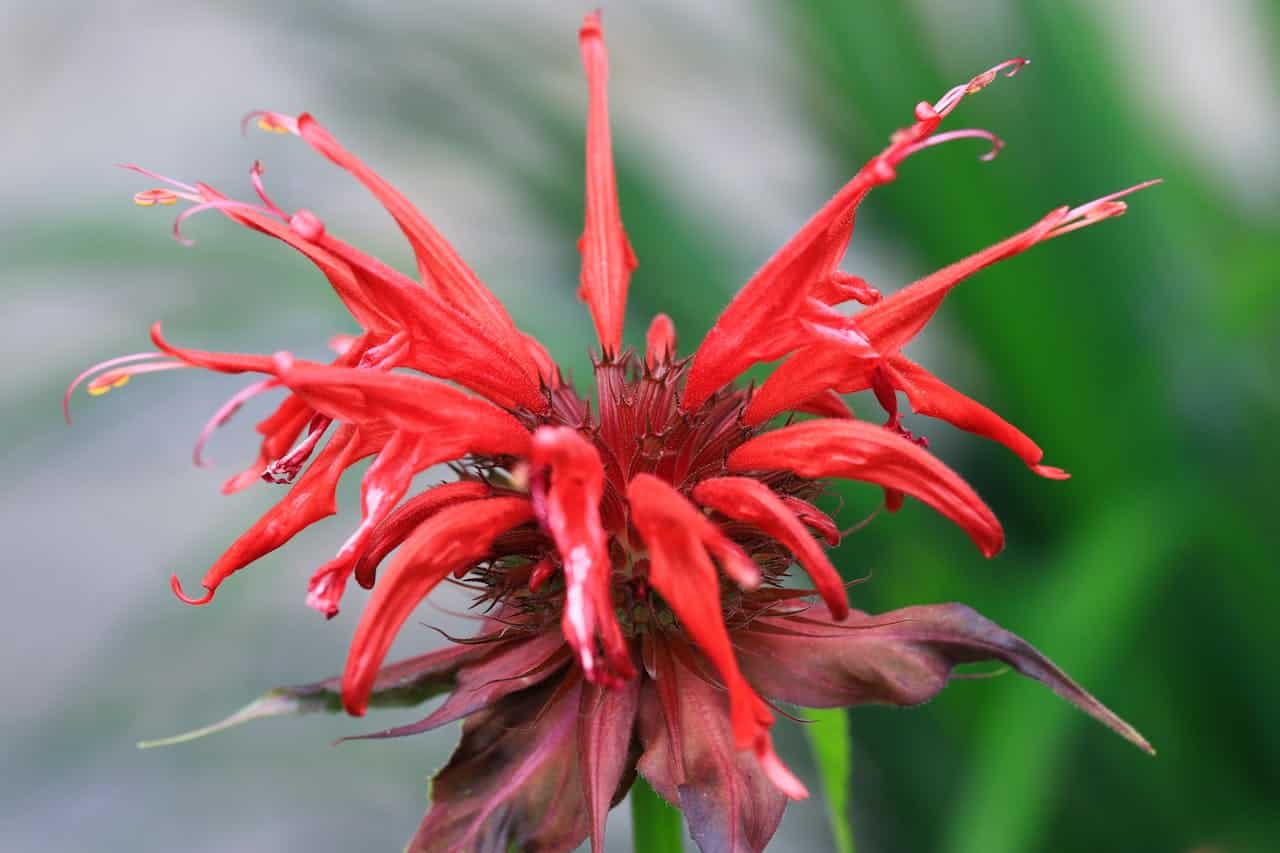
If you’ve ever planted bee balm, you know it spreads fast. It can quickly take over spots you didn’t plan for, sneaking into flower beds and crowding other plants.
You might find yourself digging out bee balm roots to keep it in check. It’s not just tall; it’s pretty aggressive with space, so plan to give it plenty of room or be ready to control it regularly.
Gray dogwood sprouting everywhere
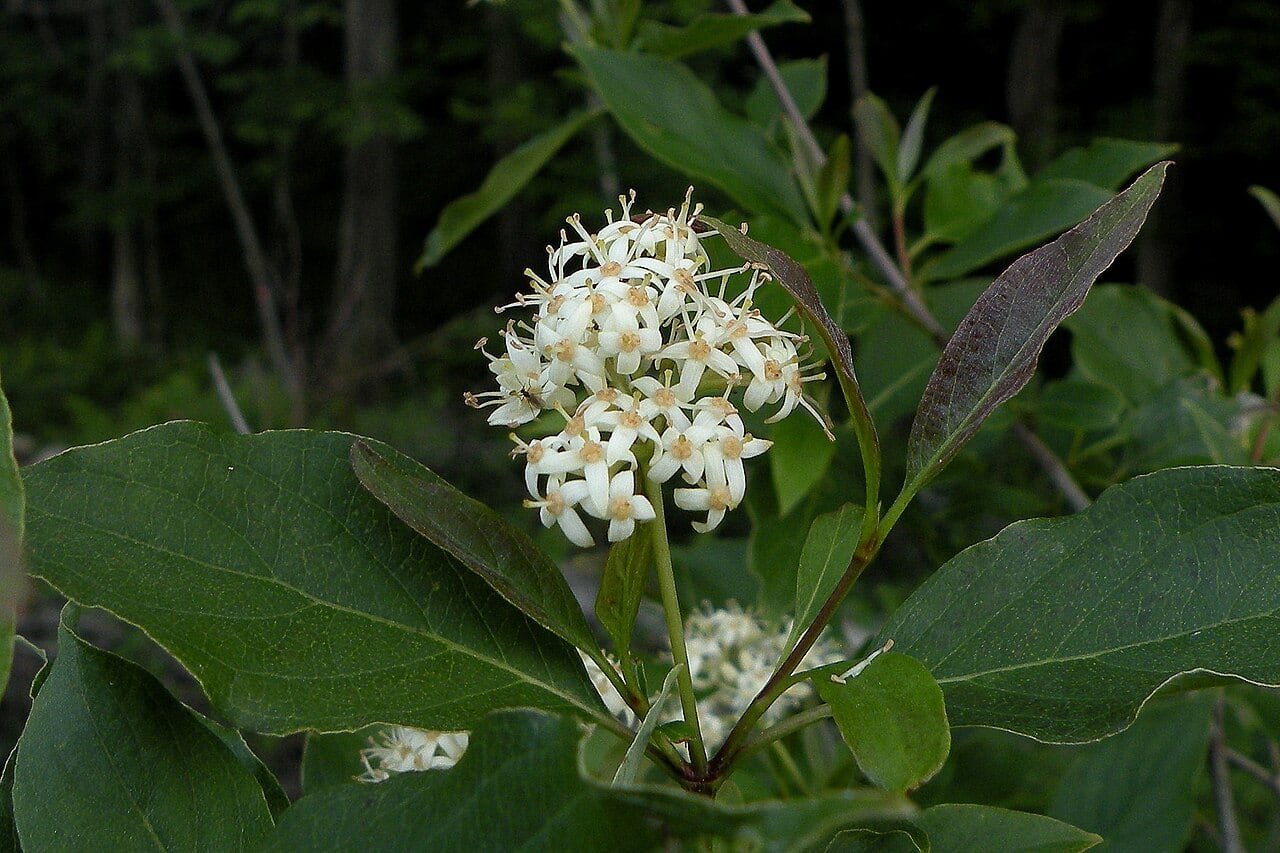
If you have gray dogwood in your garden, be ready for it to sprout up all over the place. It sends out suckers that grow into new plants, which can quickly take over a spot.
You might find yourself pulling shoots constantly to keep it from spreading too much. It’s a tough native, but sometimes that toughness means more work for you.
Milk thistle poking up like a hazard
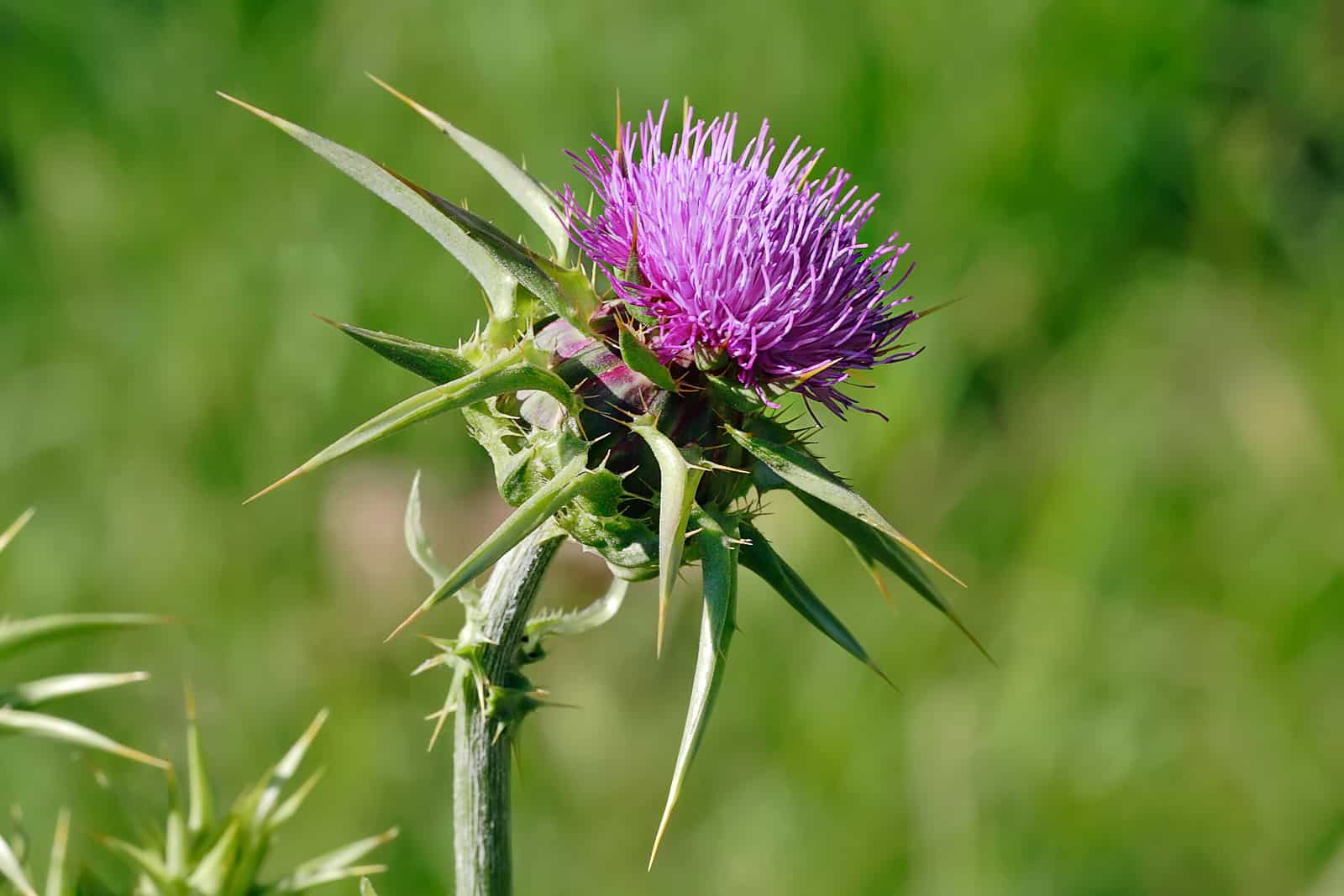
Milk thistle can quickly take over your garden if you don’t keep an eye on it. It grows tall and spreads seeds easily, making it tough to control.
You’ll want to cut off flower heads before seeds drop to stop it from spreading. Hand-pulling is a good option if you want to avoid herbicides.
Syringa mistaken as weed
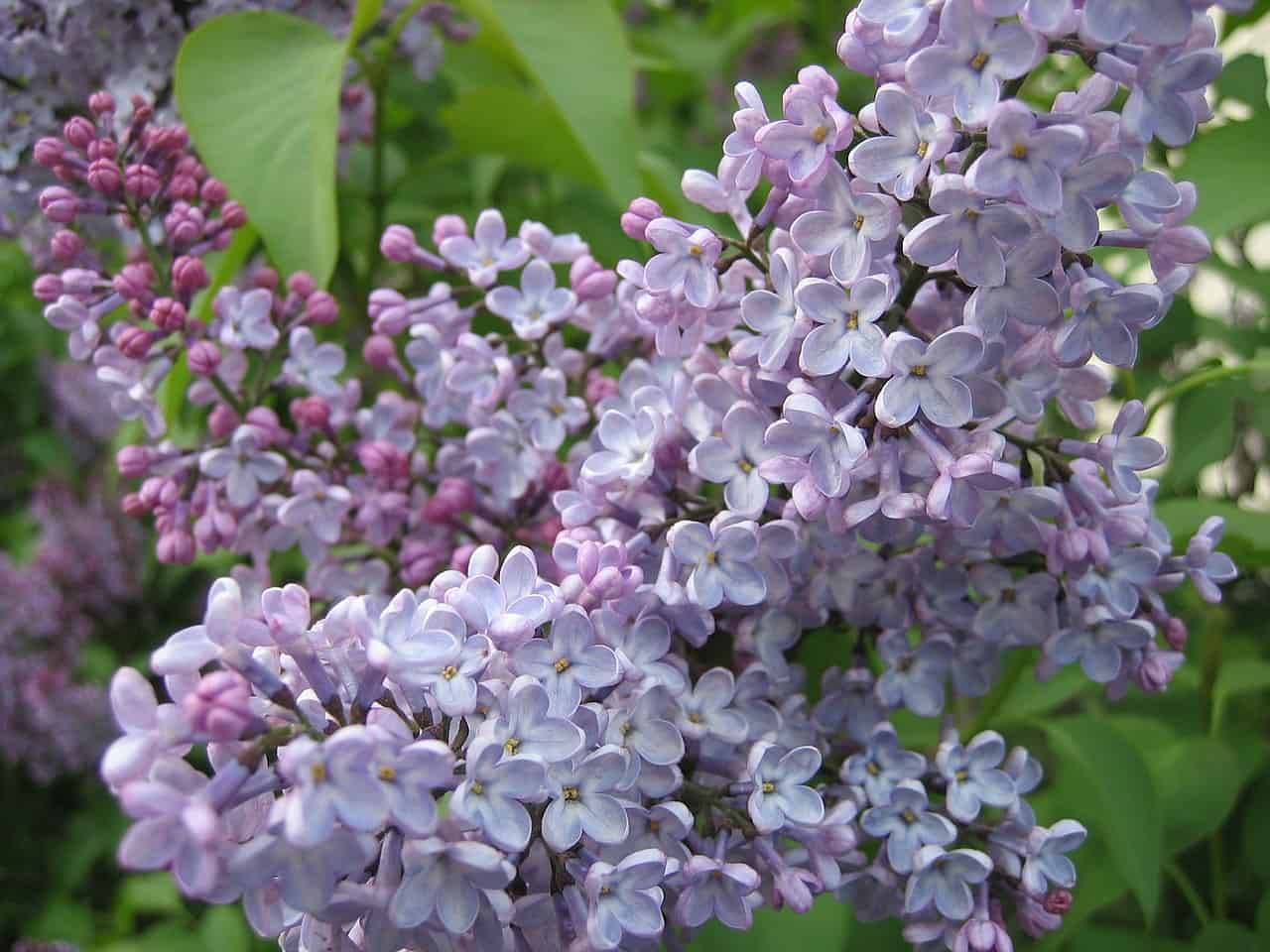
You might accidentally pull out Syringa, thinking it’s just a weed. Its leaves can look a bit like common garden nuisances.
This plant, also known as lilac, actually adds nice blooms and fragrance to your garden. Next time, double-check before yanking it out to avoid losing something beautiful. If you’re unsure, look for its characteristic flowers or ask a gardening friend to confirm first.
Tomato plants getting ripped up by animals

If you come back to your garden and find tomato plants shredded, animals are often the culprits. Rats, rabbits, and squirrels love gnawing on stems and leaves, which can quickly ruin your plants.
You might spot broken main stems or missing fruit, signs that critters are visiting. Keeping an eye out and using barriers can help protect your tomatoes from getting destroyed.
Weeds like dandelion invading lawn

If your lawn is suddenly full of dandelions, you’re not alone. These weeds spread easily because their seeds catch the wind and travel far.
They can quickly take over small gardens, making it tough to keep grass healthy.
Controlling dandelions means staying on top of them early. Mulching and regular weeding help stop seeds from settling in your lawn.
Check out this guide on garden weeds for more tips on dealing with dandelions.
Roses that needed constant staking
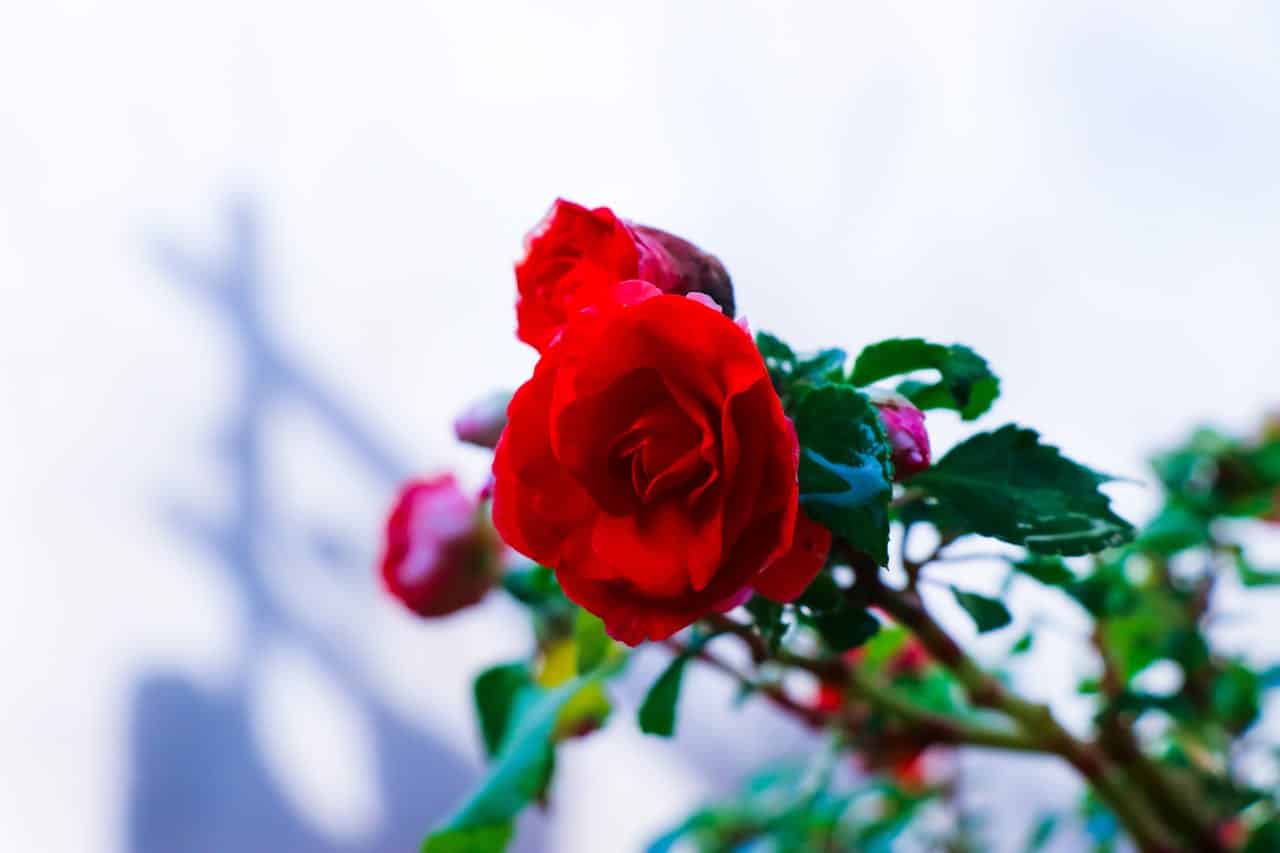
You might think staking roses is just part of caring for them, but some varieties demand it more than others. If you’re constantly tying them up or propping them with stakes, it can quickly become a hassle.
These roses often grow long, heavy canes that flop over without support. Instead of dealing with this all season, I chose to remove them and plant less needy varieties. If you want to learn more, check out tips on managing climbing roses here.