Taking care of your outdoor spaces can save you from unexpected and expensive repairs down the line. Regular maintenance helps protect your home’s exterior, keeping it in good shape and reducing the chance of damage caused by weather, pests, or general wear and tear.
By staying on top of simple outdoor tasks, you can prevent bigger problems that cost more time and money to fix. These tasks don’t just maintain your home’s value—they also keep your living space safe and comfortable throughout the year.
Advertisement
Clean gutters and extend downspouts to prevent water damage
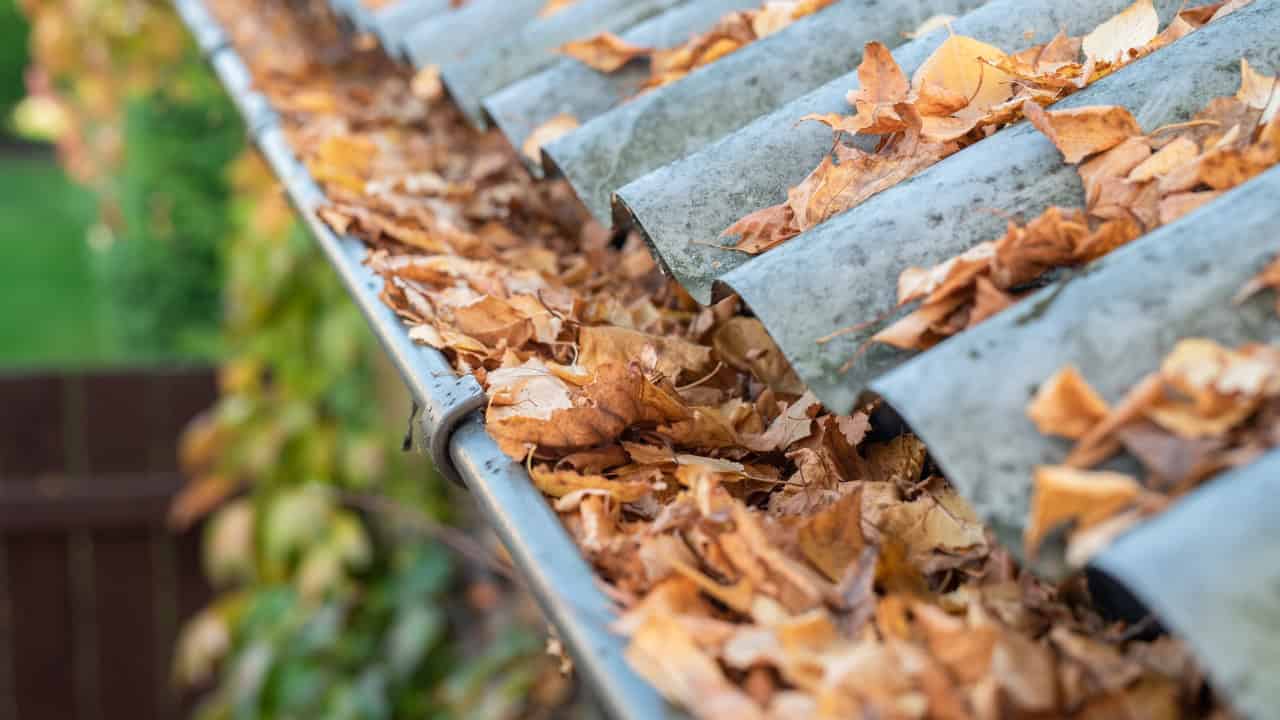
You should regularly clean your gutters to remove leaves and debris. This helps water flow freely and prevents clogs.
Extending your downspouts directs water further from your home’s foundation. This reduces the risk of leaks and erosion around your house.
Keep gutters well-maintained to avoid expensive repairs from water damage. Small efforts now can save you trouble later.
Inspect and seal foundation cracks promptly
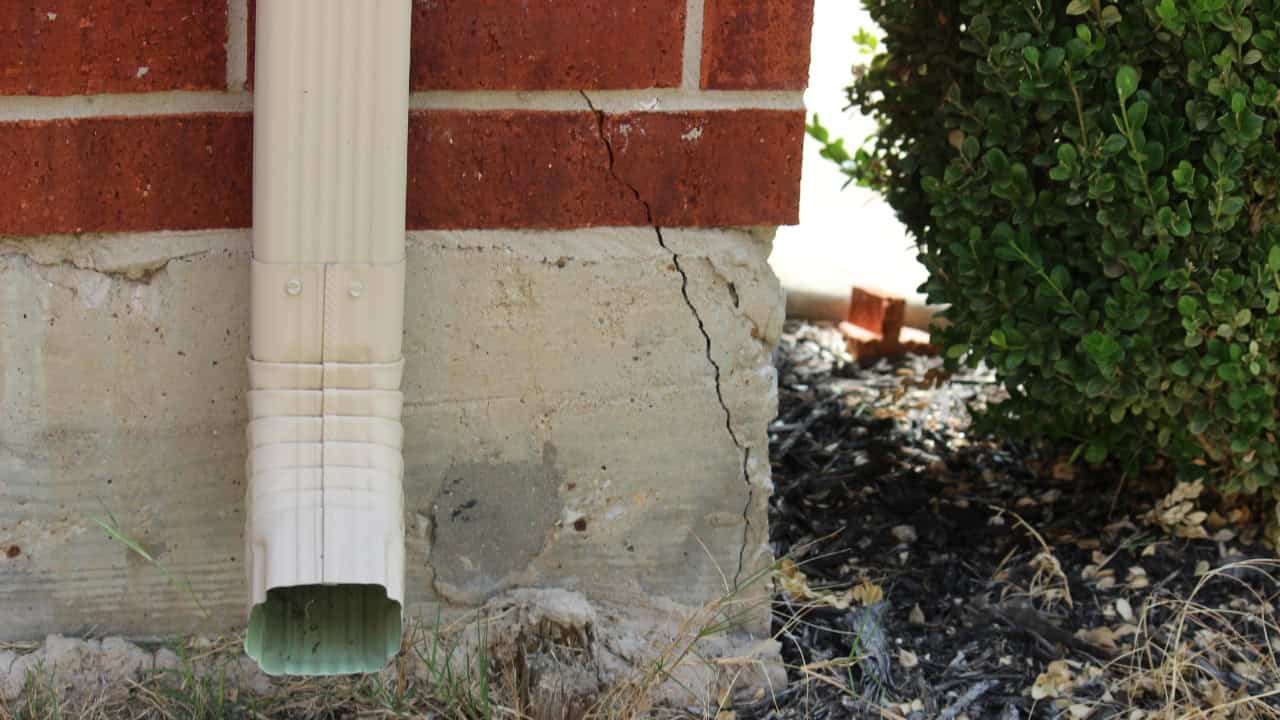
You should check your foundation regularly for cracks. Small cracks can quickly become bigger problems if left unattended.
Sealing these cracks early prevents water from seeping in and causing damage inside your home.
Using an epoxy injection or a similar sealant is an effective way to fix cracks yourself. Prompt repairs help maintain your foundation’s stability and save you money in the long run.
Trim overhanging tree branches near the house
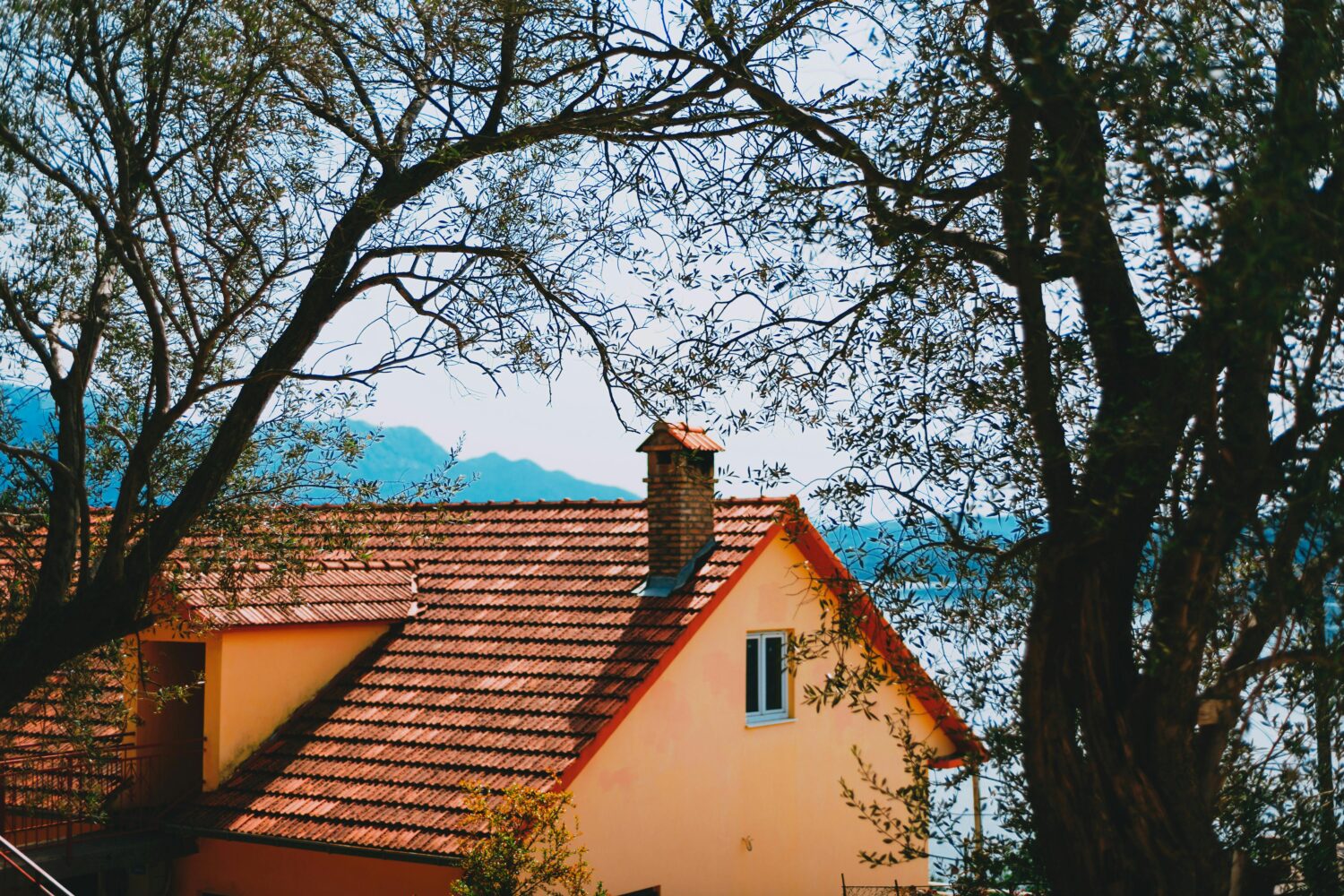
You should trim tree branches that hang over your roof or near your house. These branches can cause damage during storms or encourage pests like ants.
Make sure to cut only from your property to avoid disputes. If the job feels risky, consider hiring a certified arborist for safety and proper care.
Check and repair irrigation system leaks

You should inspect your irrigation system regularly for leaks. Look closely at pipes, valves, and sprinkler heads for wet spots or unusual water flow.
If you find a leak, tighten connections or replace damaged parts as needed. Fixing leaks promptly saves water and prevents bigger system issues.
Checking your water meter while the system is off can help spot hidden leaks. Small repairs you do yourself can avoid costly professional calls.
Power wash exterior siding and walkways
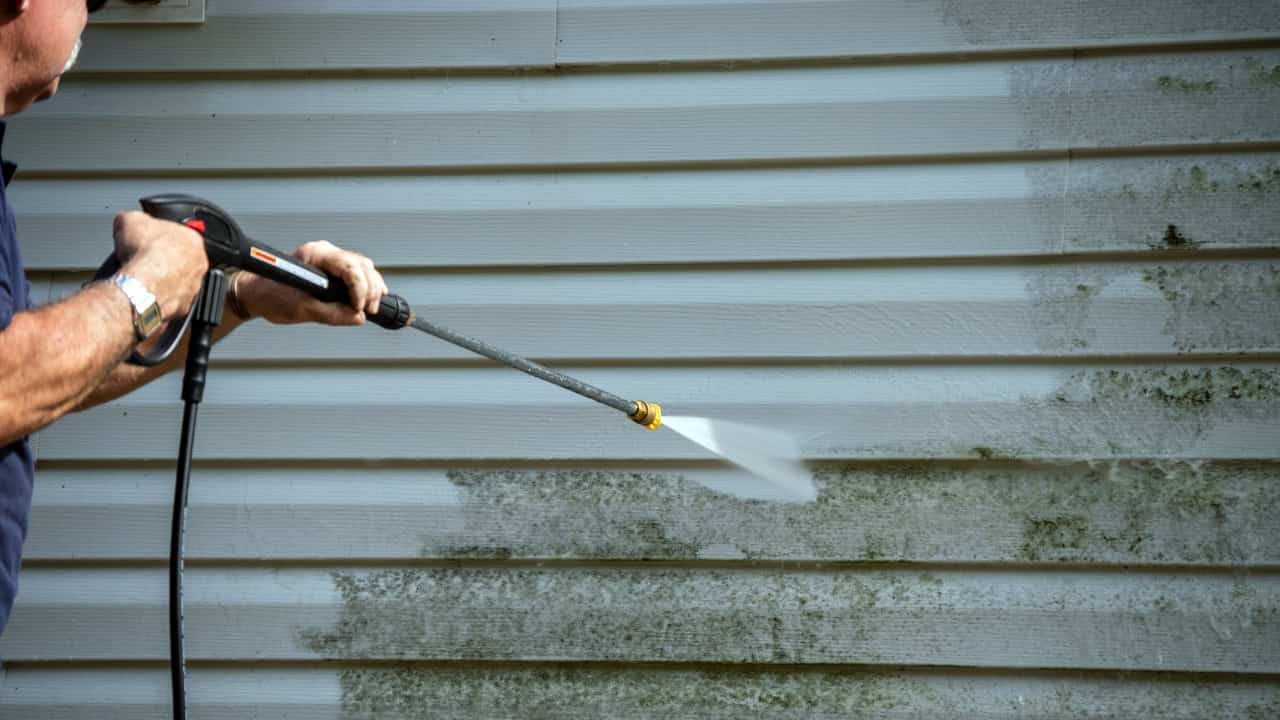
You can keep your siding and walkways looking fresh by power washing regularly. This removes dirt, mold, and mildew that build up over time.
When these contaminants stay too long, they can cause damage or staining. Power washing helps prevent this and keeps surfaces in better condition.
It also brightens faded paint and makes outdoor spaces more inviting. A clean surface is easier to maintain and can extend the life of your siding and walkways.
Replace damaged or missing roof shingles
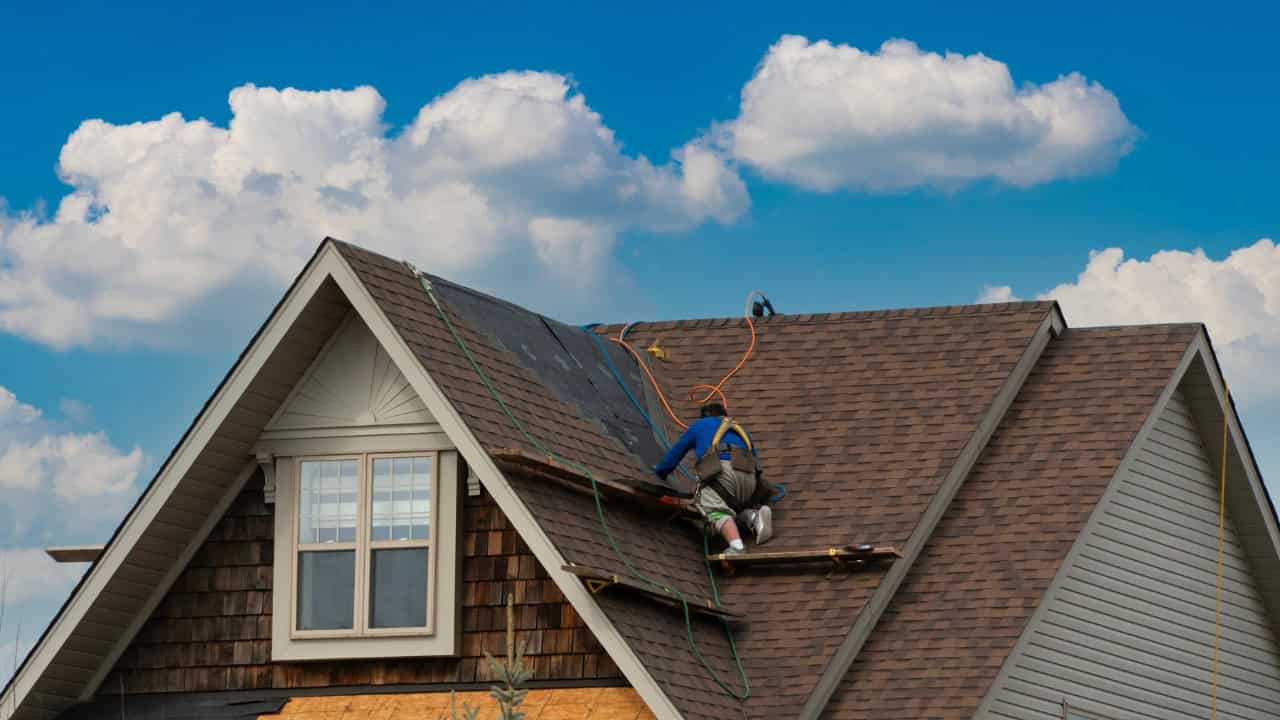
Keep an eye on your roof for damaged or missing shingles. Catching issues early helps you avoid bigger repairs later.
To replace a shingle, first remove the damaged one carefully. Then slide a new shingle into place under the row above it.
Make sure it fits well and nail it securely. Taking care of this on time keeps your roof strong and protected.
Service and lubricate outdoor machinery seasonally
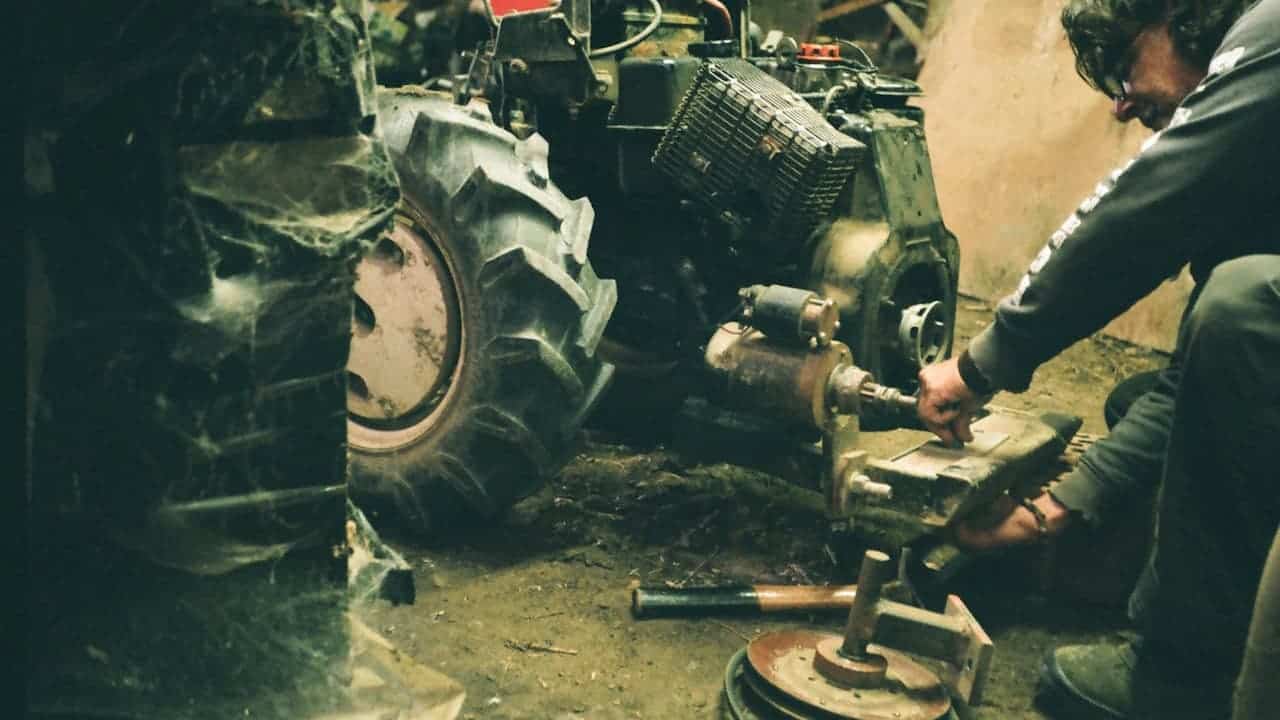
You should service your outdoor machinery at the start of each season to keep it running smoothly. This includes cleaning, checking for worn parts, and changing oil if needed.
Lubricate moving parts regularly to prevent rust and reduce friction. Pay attention to hoses and seals, especially in hot weather, to avoid cracks or leaks.
Seasonal maintenance helps you avoid unexpected breakdowns and extends the life of your equipment.
Store and maintain garden tools to avoid rust

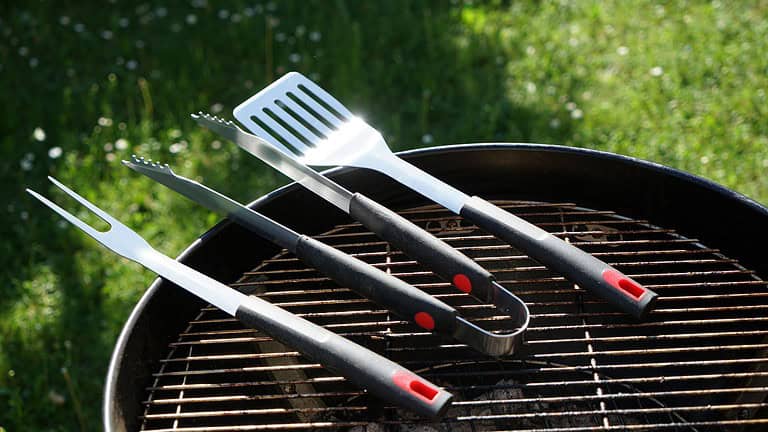
You should clean and dry your garden tools thoroughly after each use. Moisture left on metal parts causes rust, which can damage your tools over time.
Applying a light coat of oil, like mineral or linseed oil, helps protect against rust. Wrap tools in anti-rust paper or store them in a dry place to keep them in good condition. Regular maintenance saves you money by extending your tools’ lifespan.
Clean and protect outdoor furniture before winter

You should start by cleaning your outdoor furniture with warm water and mild soap. Use a soft brush or cloth to gently remove dirt without damaging the surface.
Make sure your furniture is completely dry before covering it. This helps stop mold and mildew from growing during cold months.
Finally, protect your furniture by covering it with weatherproof covers. This keeps it safe from rain, snow, and UV damage, saving you money on repairs later.
Remove window screens and install storm windows
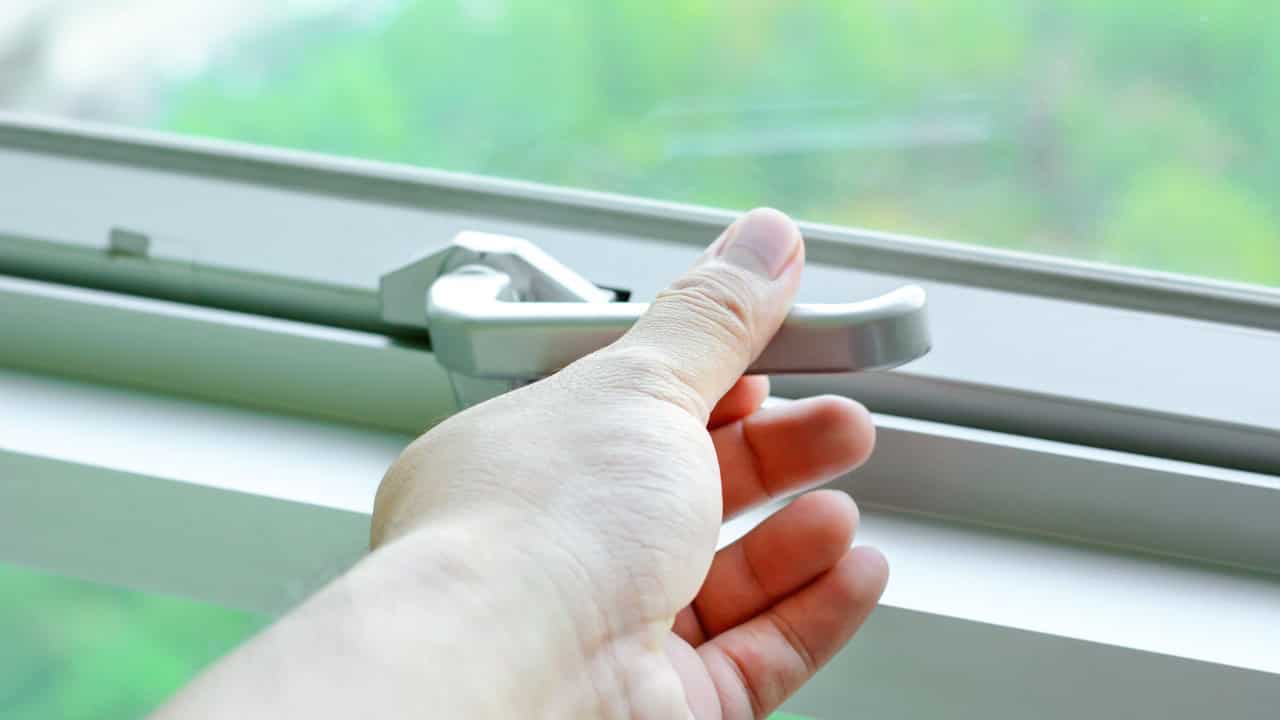
You should remove your window screens before cold weather arrives. This helps prevent damage and allows you to install storm windows easily.
Storm windows provide an extra layer of protection to your regular windows. They improve insulation and reduce noise, which can save on heating costs.
Installing storm windows also protects your main window glass from weather damage, potentially preventing costly repairs in the future.
Repaint fences and exterior wood surfaces
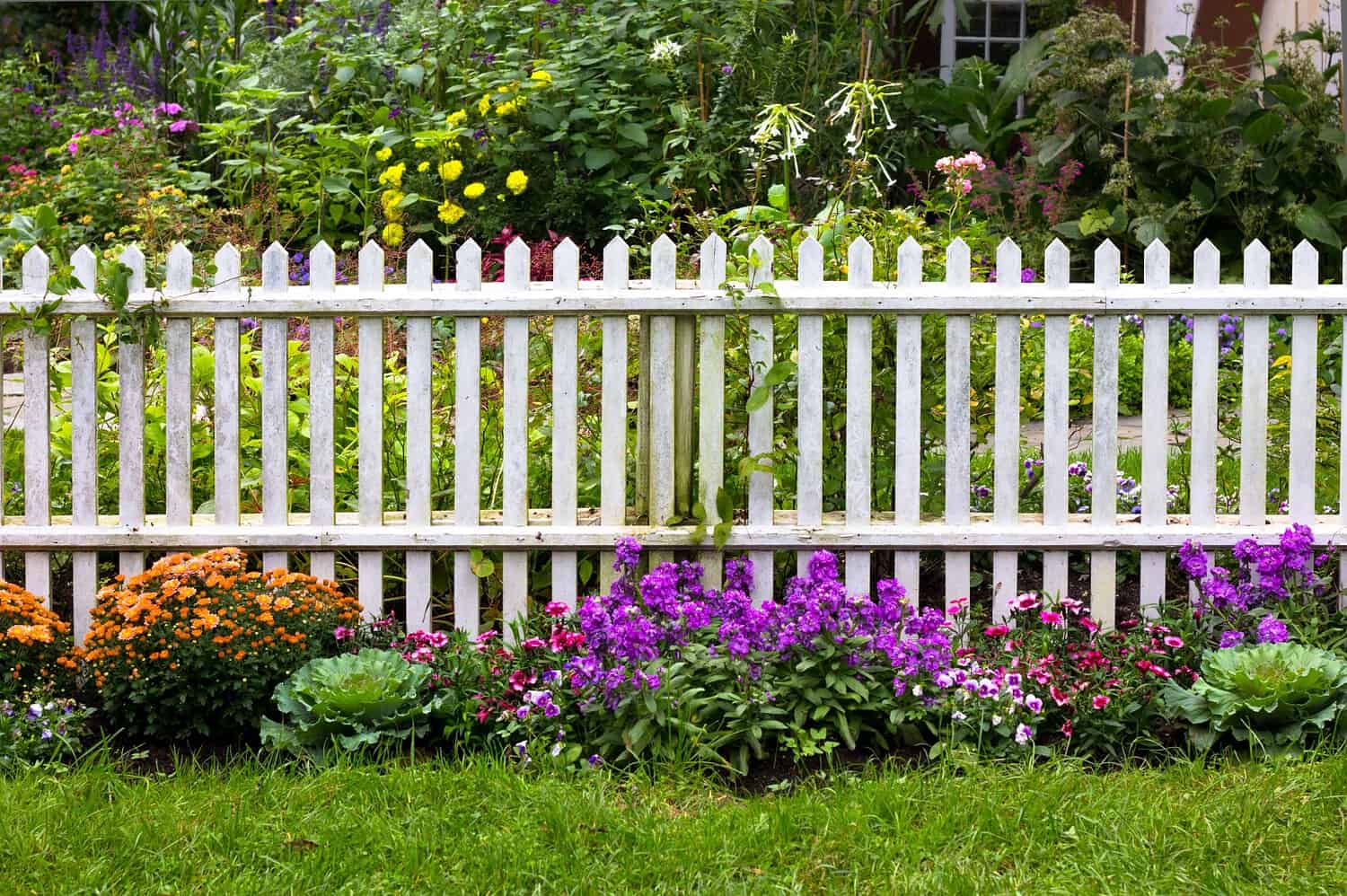
You should repaint or stain your fences and wood surfaces regularly to protect them from weather damage. This helps prevent moisture from seeping in, which can cause wood to rot or warp.
Touching up paint also keeps your wood looking fresh and stops peeling or cracking. A well-maintained surface lasts longer and saves you money on costly repairs later.
Clear debris from drainage paths and driveways

You should regularly remove leaves, dirt, and other debris from your drainage paths and driveways. This helps water flow smoothly and prevents blockages.
Clogged drainage can lead to standing water, which may cause damage to your yard or driveway. Keeping these areas clear reduces your risk of costly repairs.
A simple sweep or hose-down can make a big difference. Check frequently, especially after storms or heavy winds.