Mulching is an easy way to help your garden stay healthy and look good, but it’s not as simple as just spreading stuff on the soil. If you don’t do it right, mulching can actually hurt your plants instead of helping them grow.
This will help you spot common mulching mistakes so you can avoid them and keep your plants safe and thriving. Knowing what to watch out for makes your gardening work easier and more effective.
Advertisement
Using too much mulch and suffocating roots
Daniel Watson / pexels
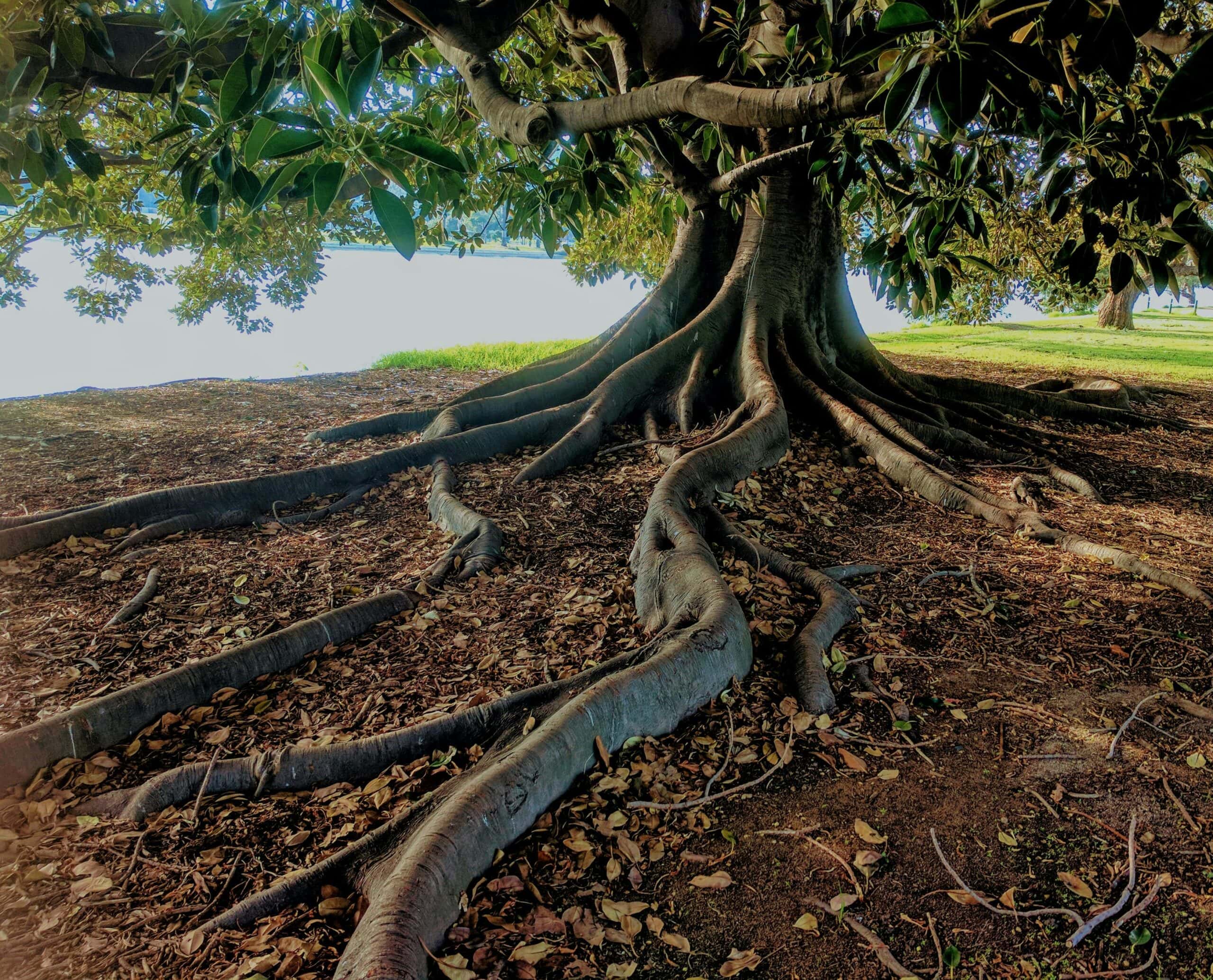
If you pile mulch too thick, like over three inches, it can block air and water from getting to your plant roots.
When roots don’t get enough air, they can start to rot or stop growing well.
Keep the mulch layer thin enough so your plants can breathe and stay healthy.
Piling mulch up against tree trunks causing rot
You should never pile mulch directly against tree trunks. When mulch touches the bark, it traps moisture and stops air from reaching the tree. This can cause the bark to rot.
Rot weakens your tree and makes it easier for insects and diseases to attack. Keep mulch a few inches away from the trunk to help your tree stay healthy.
Mixing mulch directly into the soil
Greta Hoffman/ pexels
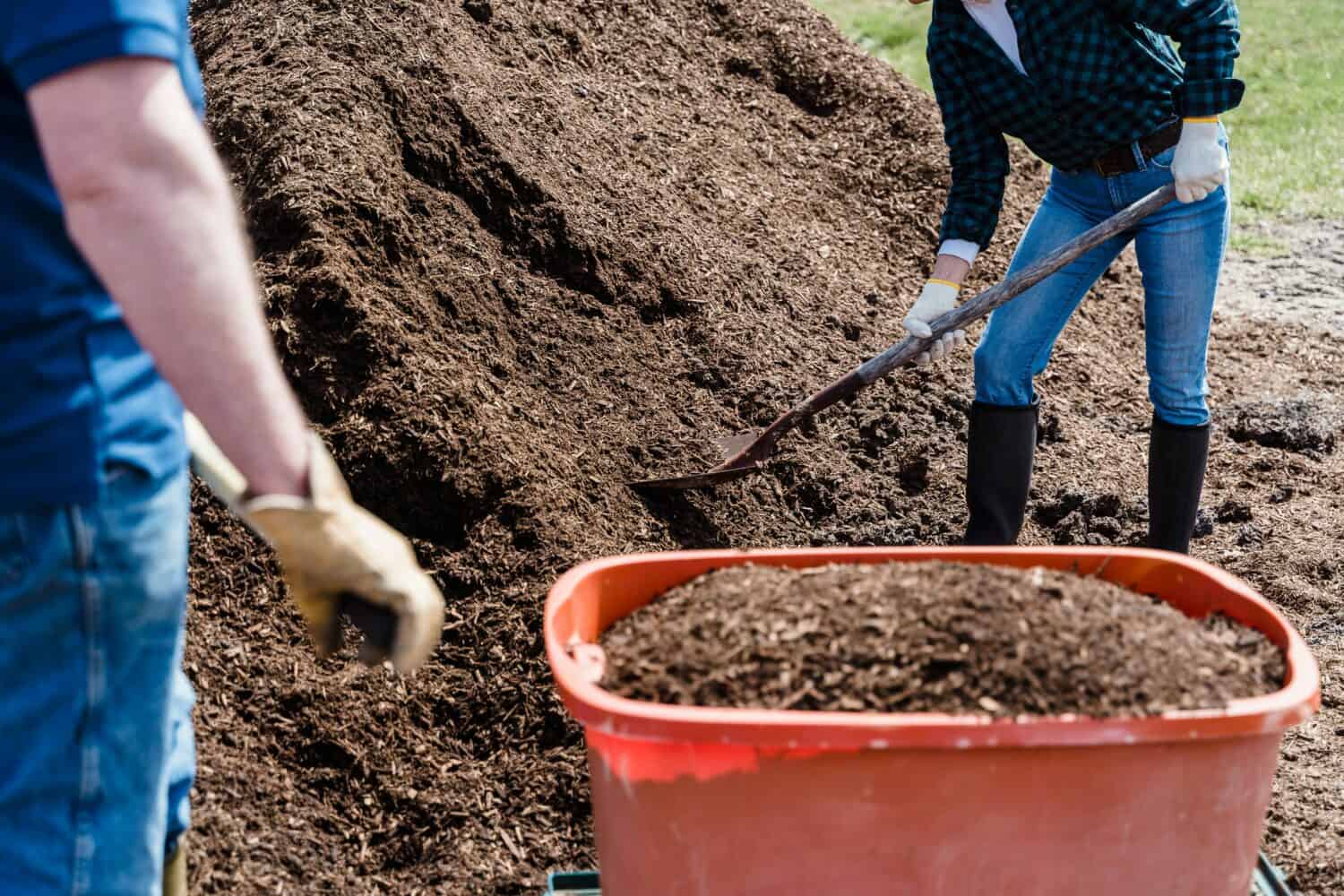
You might think mixing mulch into the soil is a good idea, but it can cause problems. Mulch needs to sit on top to protect the soil and keep moisture in.
When you mix it in, the mulch starts to break down too fast. This can use up nutrients that your plants need to grow. Keep mulch as a layer on the surface to help your plants the best.
Using fresh green cuttings that heat up and harm plants
Kaboompics.com/ pexels
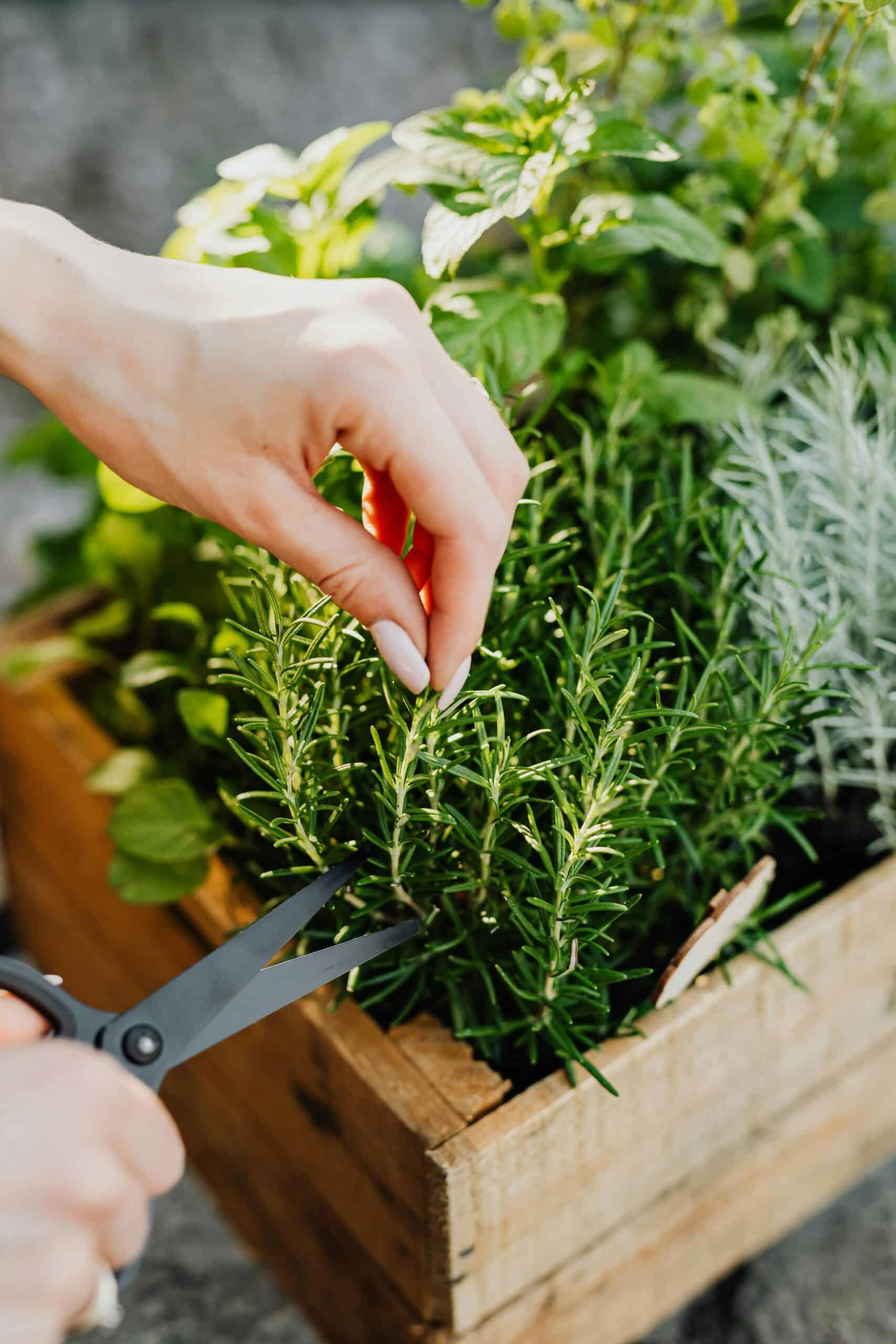
If you use fresh green cuttings like grass clippings as mulch, be careful. When they pile up too thick, they can heat up overnight. This heat can damage your plants, especially tender ones.
To avoid this, spread the clippings in thin layers. Give some space so the mulch can cool down and not hurt your plants.
Skipping weeding before mulching

If you don’t pull weeds before you mulch, those weeds will keep growing right through the mulch. This can make your garden look messy and take nutrients away from your plants.
Weeding first helps your mulch do its job better by blocking light weeds need to grow. So, take some time to clear the area before you spread mulch.
Choosing low-quality mulch with contaminants
Mikhail Nilov/ pexels
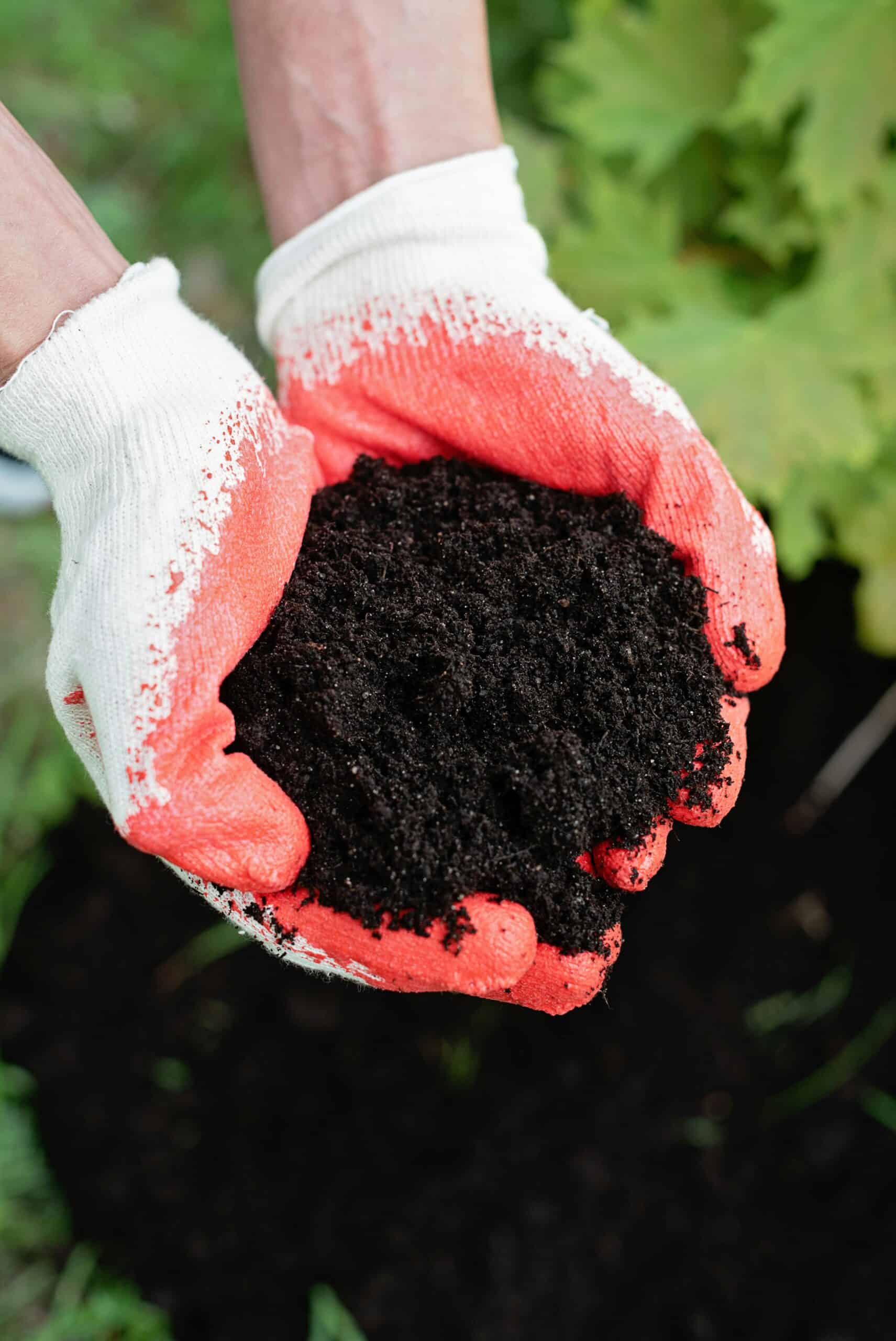
You want to be careful about the mulch you pick. Low-quality mulch can have harmful stuff like pests or diseases.
Using bad mulch can hurt your plants instead of helping them. It might even bring weeds or chemicals you don’t want in your garden.
Try to get mulch from a trusted source. Avoid things that look cheap or come from unknown places.
Applying mulch too thin and not getting benefits
Helena Lopes/ pexels
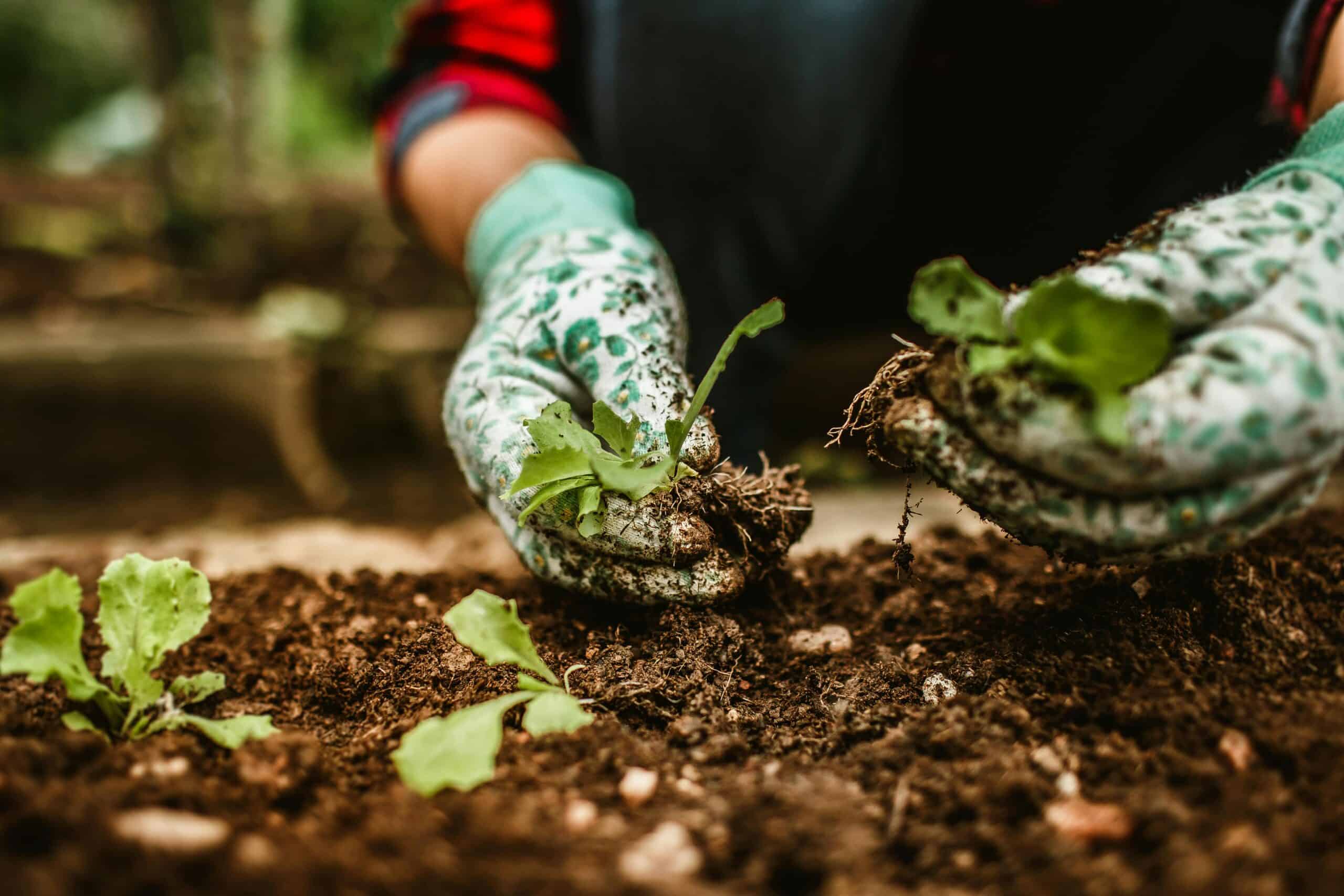
If you spread mulch too thin, it won’t do much to protect your plants. A thin layer can dry out quickly and let weeds grow through.
You need a thick enough layer to keep soil moist and cool. This helps your plants stay healthy and saves you from watering too often.
Ignoring the type of mulch suitable for your plants
Sasha Kim/ pexels
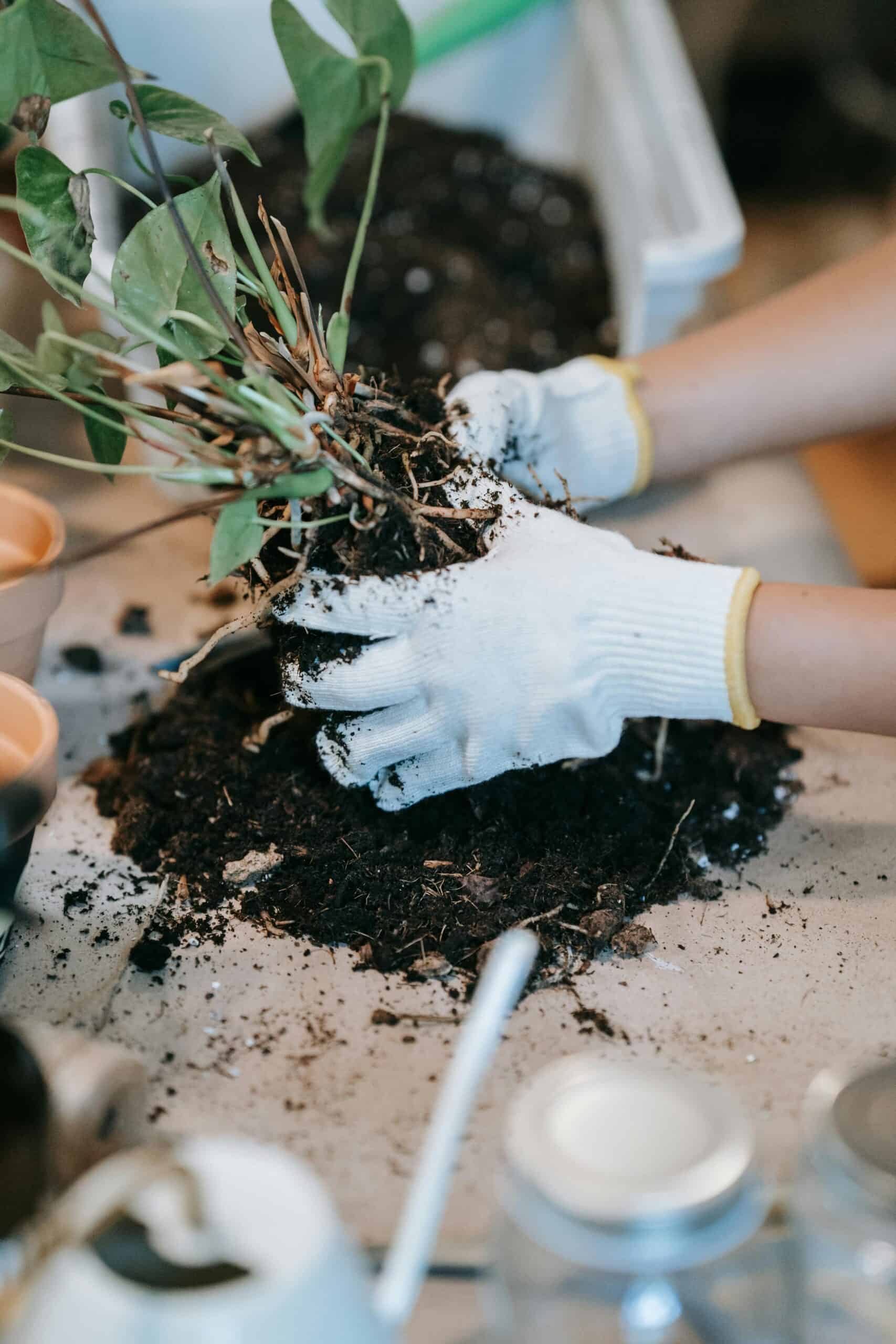
You need to pick the right mulch for your plants. Some mulches soak up too much water, leaving your soil dry.
Other types might not keep moisture well or could even take nutrients from the soil.
Using the wrong mulch can also let weeds grow or harm delicate roots. Always check what works best for your plants.
Using dyed mulch with petroleum-based dyes
RDNE Stock project/ pexels
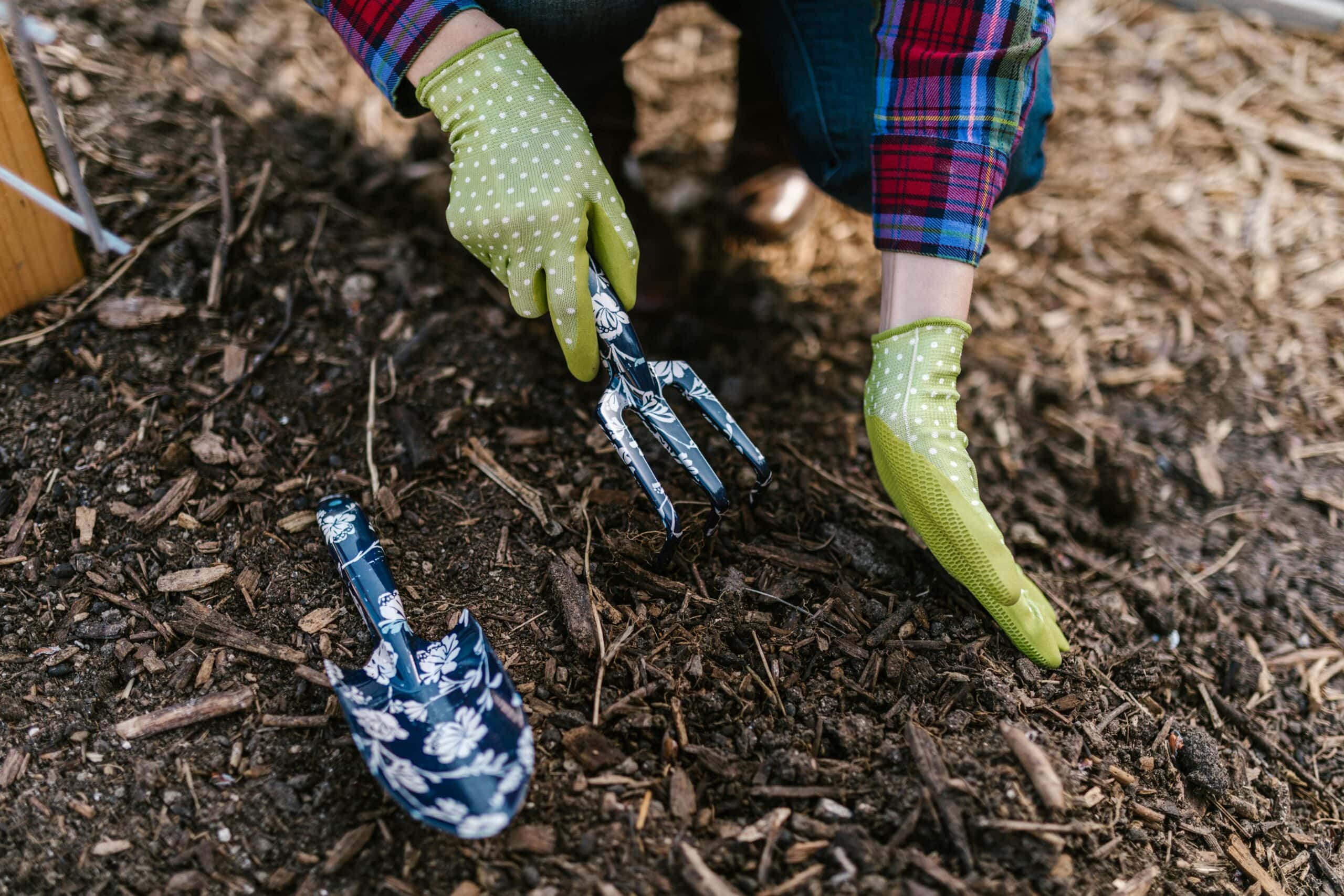
If you use dyed mulch with petroleum-based dyes, it can cause problems for your plants. These dyes might introduce chemicals that harm the soil life.
The mulch also breaks down slower, which can make it harder for your plants to get nutrients.
Try to pick mulch dyed with natural or vegetable-based colors to keep your garden safer.
Letting creeping plants grow within the mulch layer
Helena Lopes/ pexels
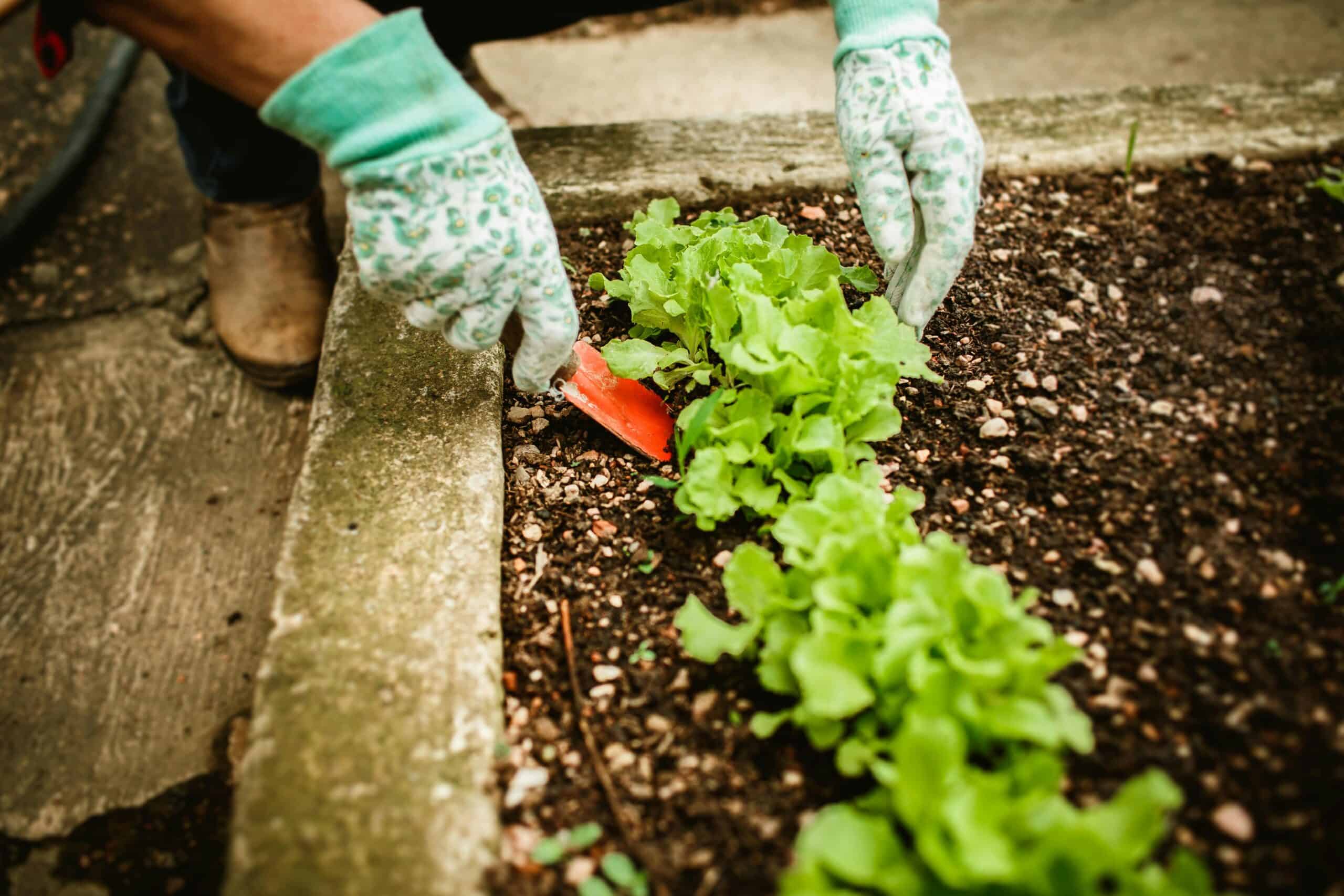
You need to watch out for creeping plants like Bermuda grass or ivy growing in your mulch. These plants can spread quickly and take over your garden.
If they grow inside the mulch, they compete with your flowers and shrubs for water and nutrients. It’s best to remove them often to keep your garden healthy.
Using mulch mixed with soil instead of a distinct layer
Alfo Medeiros/ pexels
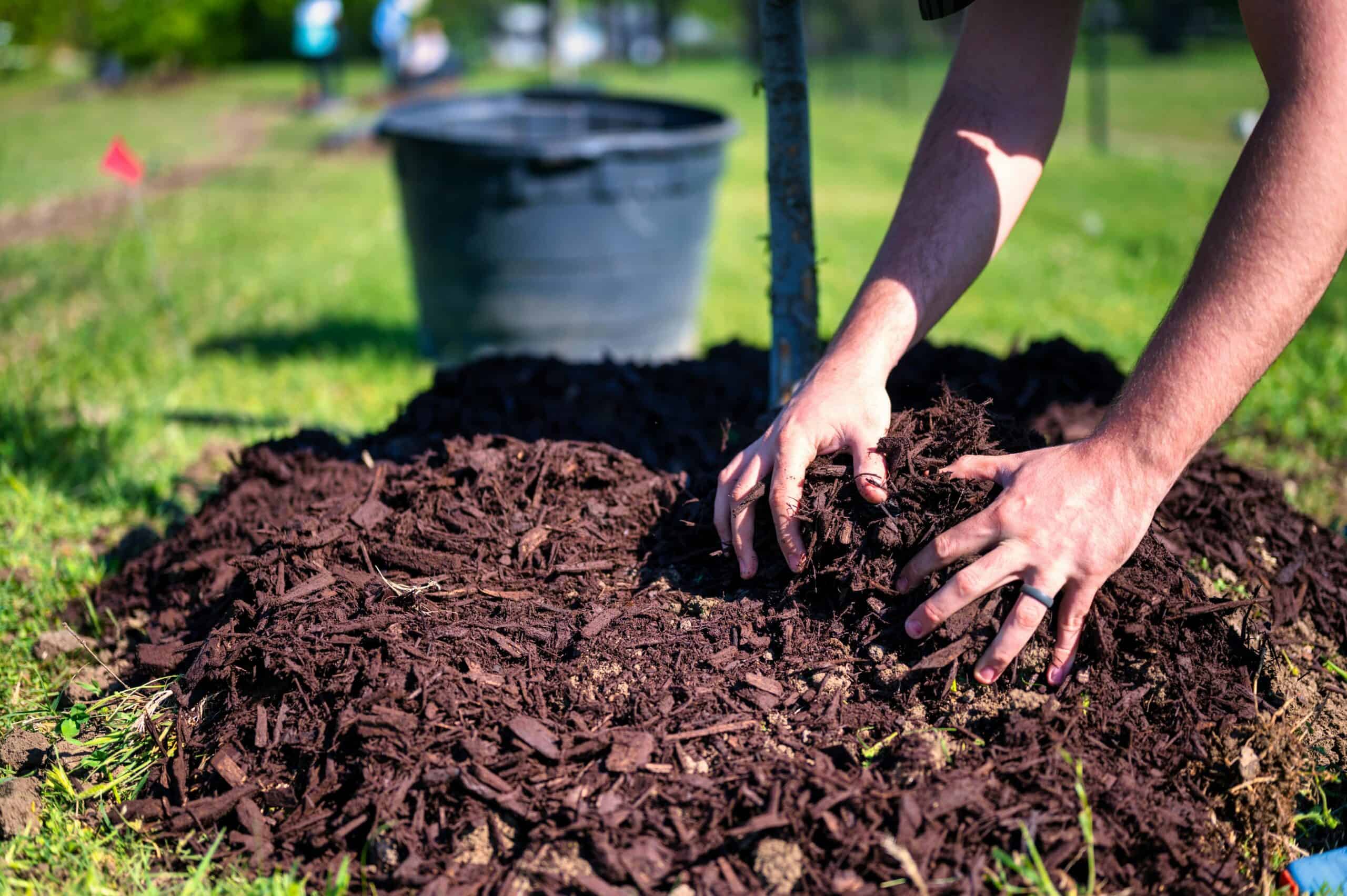
You want your mulch to sit on top of the soil, not mixed in with it. When mulch is blended into the soil, it loses its ability to protect and retain moisture.
A clear layer helps keep weeds down and prevents soil from drying out too fast. Always spread mulch evenly and keep it separate from the dirt below for the best results.
Ignoring mulch depth—too shallow or too thick
Helena Lopes/ pexels
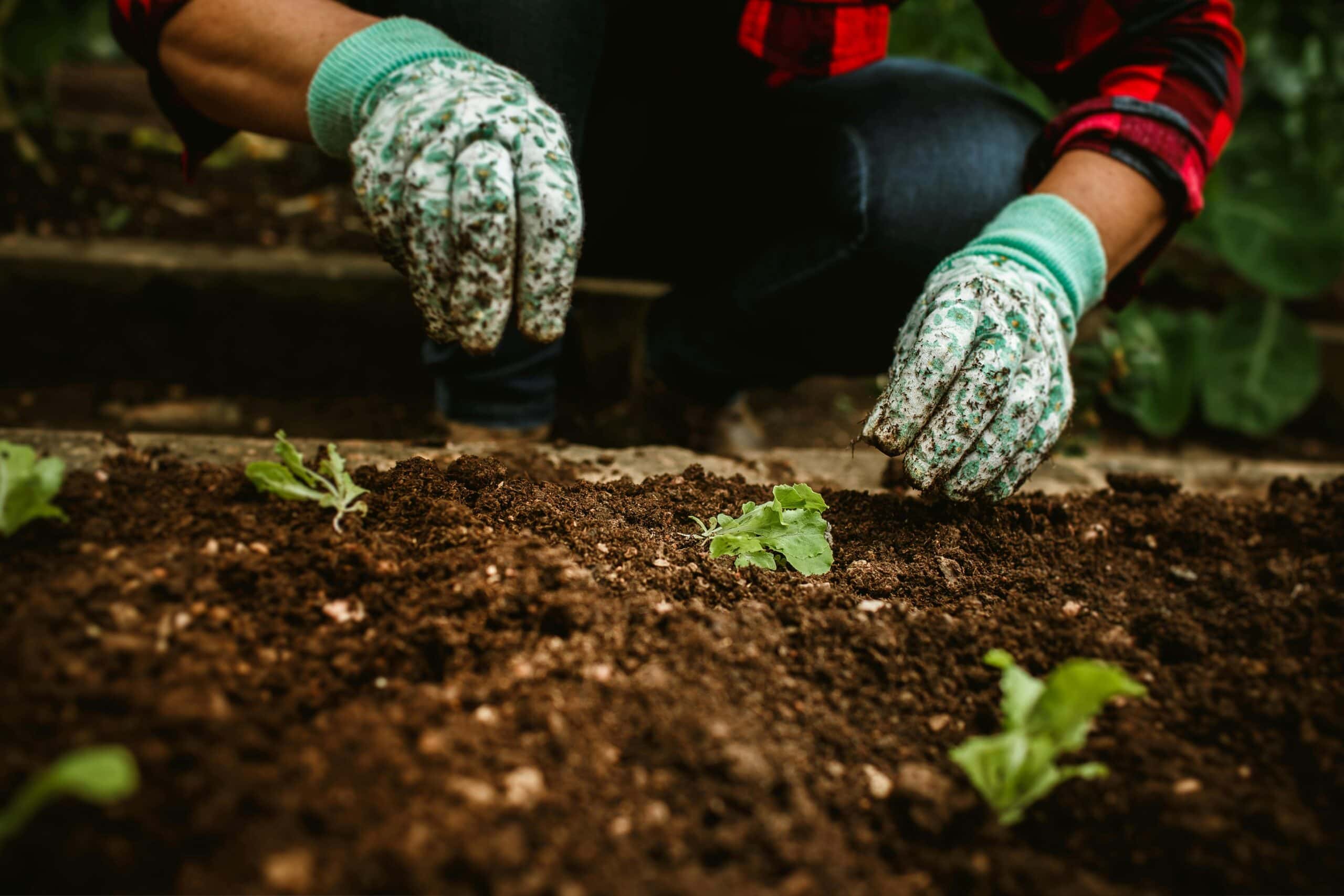
You want to keep your mulch between 2 and 4 inches deep. Too thin, and it won’t hold moisture or stop weeds well.
If it’s too thick, your plants may get too hot or roots might not breathe right.
Finding the right balance helps your plants stay healthy and happy.