# 12 Monthly Tasks for a Year-Round Flower Gardening Calendar
Gardening is a fantastic hobby that not only adds beauty to your surroundings but can also be incredibly therapeutic. However, cultivating a garden that blooms year-round requires careful planning and regular maintenance. To help you enjoy vibrant colors and fragrant blooms throughout the year, we’ve compiled a list of monthly tasks for a flower gardening calendar. These tips will ensure your garden is in its best health and appearance, no matter the season.
Advertisement
1. January: Rest and Reflect

January is generally a quiet month in the gardening calendar. While your garden is resting, take this time to reflect on what worked and what didn’t in the previous year. Evaluate the health and appearance of your plants. Did some plants struggle while others thrived? These observations can provide valuable insights into what changes need to be made for the upcoming year.
Start planning your garden for the year ahead. Browse through seed catalogs and gardening websites to find new flower varieties you’d like to try. Consider factors like color, blooming period, and how they will fit in with your existing plants. It’s also a good time to clean and sharpen your gardening tools.
2. February: Start Seeds Indoors

In colder regions, February is still too early to start gardening outdoors. However, you can start sowing seeds indoors. Choose a variety of flowers like marigolds, petunias, or begonias that can be started indoors.
Make sure the seeds have adequate light, warmth, and moisture. Use a special seed-starting mix and place the containers in a sunny window or under grow lights. Don’t forget to turn the containers every few days to ensure even growth.
3. March: Prepare the Soil

As the soil begins to thaw, start preparing your flower beds. Remove any leftover debris from last year. This includes leaves, twigs, and any old mulch. Once the debris is cleared, work some compost or manure into the soil to enrich it.
Take the time to get your soil tested. This will give you an idea of its pH and nutrient levels. Based on the results, you can add the necessary amendments to create the perfect environment for your plants.
4. April: Plant Hardy Annuals

April is the time to plant hardy annuals. These flowers can handle a little frost and will start blooming early. Some examples of hardy annuals include pansies, primroses, and sweet peas.
Before planting, ensure the soil is well-drained and enriched with organic matter. Plant the flowers at the recommended depth and spacing. Water them well, and keep an eye on the weather forecast. If a late frost is predicted, cover the plants with a frost blanket.
5. May: Plant Tender Annuals

By May, the risk of frost has generally passed, making it safe to plant tender annuals. These include flowers like marigolds, zinnias, and petunias.
Before planting, make sure the soil is well-prepared and enriched with compost. Plant the flowers at the recommended depth and spacing. Water them well and keep an eye on the weather. If a late frost is predicted, cover the plants with a frost blanket.
6. June: Mulch and Water
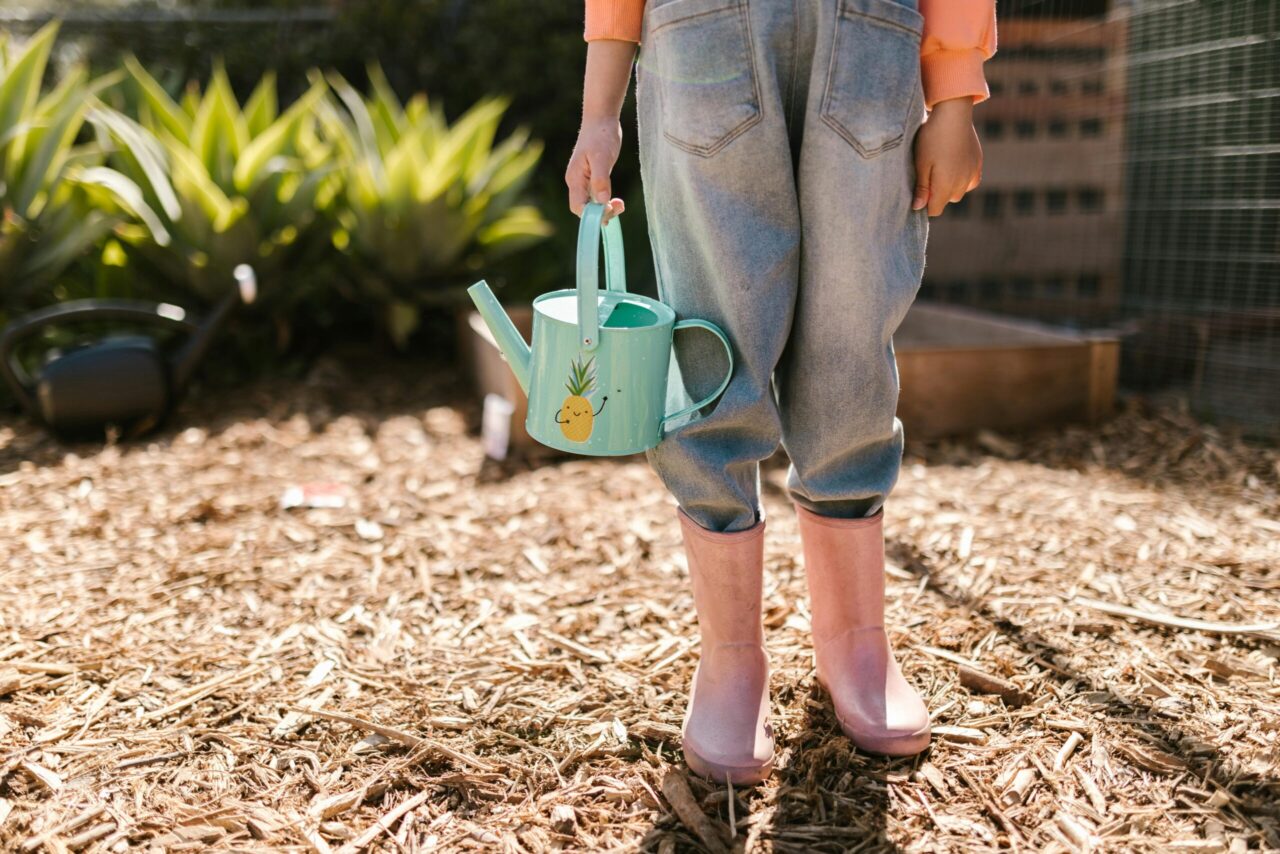
Mulching is an important task in June. A layer of mulch helps retain moisture in the soil, suppresses weeds, and adds nutrients.
Watering is also crucial, especially in warmer regions. Water deeply and infrequently to encourage deep root growth. Avoid watering in the heat of the day to prevent evaporation and potential leaf scorch.
7. July: Deadhead and Pinch Back

July is the time to deadhead spent blooms. This not only keeps your garden looking neat but also encourages more flowers to bloom.
Also consider pinching back leggy plants. This will make them bushier and more compact. Don’t be afraid to cut back aggressively if necessary; most plants will bounce back quickly.
8. August: Monitor and Treat for Pests

In August, keep a close eye on your plants for signs of pests. Common garden pests include aphids, slugs, and Japanese beetles.
If you notice any damage, identify the culprit and treat accordingly. Preferably, use organic pest control methods to keep your garden safe for beneficial insects and birds.
9. September: Divide Perennials

September is a good time to divide perennials. This not only helps control the size of the plants but also improves their health and vigor.
Carefully dig up the plants, divide the root ball, and replant the divisions. Water them well and apply a layer of mulch to help them get established before winter.
10. October: Plant Spring Bulbs

October is the perfect time to plant spring bulbs like tulips, daffodils, and hyacinths. These bulbs need a period of cold dormancy before they can bloom in the spring.
Plant the bulbs at the recommended depth and spacing. Make sure the pointy end is facing up. Cover them with soil and apply a layer of mulch for winter protection.
11. November: Clean Up

In November, start cleaning up your garden. Remove spent annuals and cut back perennials. Rake up leaves and add them to your compost pile.
Also, protect tender perennials and roses from the harsh winter weather. You can do this by applying a thick layer of mulch or wrapping them in burlap.
12. December: Enjoy the Rest

Finally, in December, take a break and enjoy the fruits of your labor. Take a walk in your garden and appreciate the beauty and tranquility it brings.
Also, take this time to plan for the next gardening season. Reflect on what worked and what didn’t, and come up with a plan to improve your garden. Consider trying new flower varieties or experimenting with different garden layouts.