Starting a garden seems simple enough—stick some plants in the ground, water them, and wait for fresh veggies, right? But ask any experienced gardener, and they’ll tell you how easy it is to make mistakes that leave you frustrated, staring at stunted plants and empty tomato cages.
New gardeners often get caught up in the excitement and overlook the basics. Small mistakes can lead to a whole lot of unnecessary work. The good news? Most of these mistakes are easy to avoid once you know what to watch for.
Advertisement
A little planning and a few adjustments can make all the difference between a struggling garden and one that actually thrives. Here’s what to look out for so you can start growing with confidence.
Planting More Than You Can Handle

It’s easy to get excited and plant way more than you can realistically care for. Those tiny seedlings don’t look like much at first, but they grow fast, and before you know it, you’re drowning in weeds, struggling to keep up with watering, and overwhelmed by produce you don’t have time to harvest.
Start small. Pick a few crops you actually like to eat and learn how to take care of them first. As you get the hang of things, you can add more. A smaller, well-maintained garden will always do better than a massive, neglected one.
Not Every Plant Needs the Same Care

You wouldn’t feed a cactus and a tomato the same way, so why treat all your crops the same? Some need deep, infrequent watering, while others prefer a steady supply. Fertilizing is another story—too much can burn delicate plants, but too little won’t get you anywhere.
Take a little time to understand what each plant actually needs. Group crops with similar water and soil requirements together, and don’t assume one-size-fits-all care will work.
Crowding Your Plants

It’s tempting to squeeze in as many plants as possible, especially when they’re small. But once they start growing, overcrowding leads to stunted plants, poor airflow, and more pests and disease. You’ll end up with weaker crops and a lot of frustration.
Check spacing recommendations before planting. It might seem like wasted space at first, but proper spacing gives roots room to grow, allows airflow to prevent disease, and makes harvesting easier. If you’re working with a small area, look into vertical gardening or compact varieties instead of cramming everything together.
Using Chemicals the Wrong Way

Spraying your garden with the wrong chemical—or even the right one at the wrong time—can do more harm than good. Pesticides can wipe out helpful bugs along with the bad ones, and overusing fertilizers can burn plants or pollute your soil.
Before using anything, read the label and follow directions carefully. Consider natural alternatives like compost, mulch, or companion planting to keep things in balance. If you do use chemicals, apply them when pollinators aren’t active, and always store them safely away from kids and pets.
Guessing Instead of Identifying the Problem

When something’s wrong in the garden, it’s easy to assume and react without actually figuring out what’s going on. Yellow leaves? Must need more water. Bugs on the plants? Time for pesticide. But treating the wrong issue can make things worse, leaving your plants struggling even more.
Take a minute to investigate before jumping to a fix. Check for pests, inspect the soil, and consider the weather. Sometimes, a simple solution—like adjusting watering or adding mulch—does the trick.
Skipping Soil Prep

Healthy soil makes all the difference, but new gardeners often plant without checking if their dirt is even worth growing in. If your soil is too sandy, too compacted, or missing key nutrients, your plants will struggle no matter how much water or fertilizer you throw at them.
Before planting, test your soil. You can get a kit online or take a sample to a local extension office. Adding compost, manure, or other organic matter can fix a lot of problems before they start. Good soil means strong plants and fewer headaches down the road.
Putting Your Garden Where You’ll Forget It
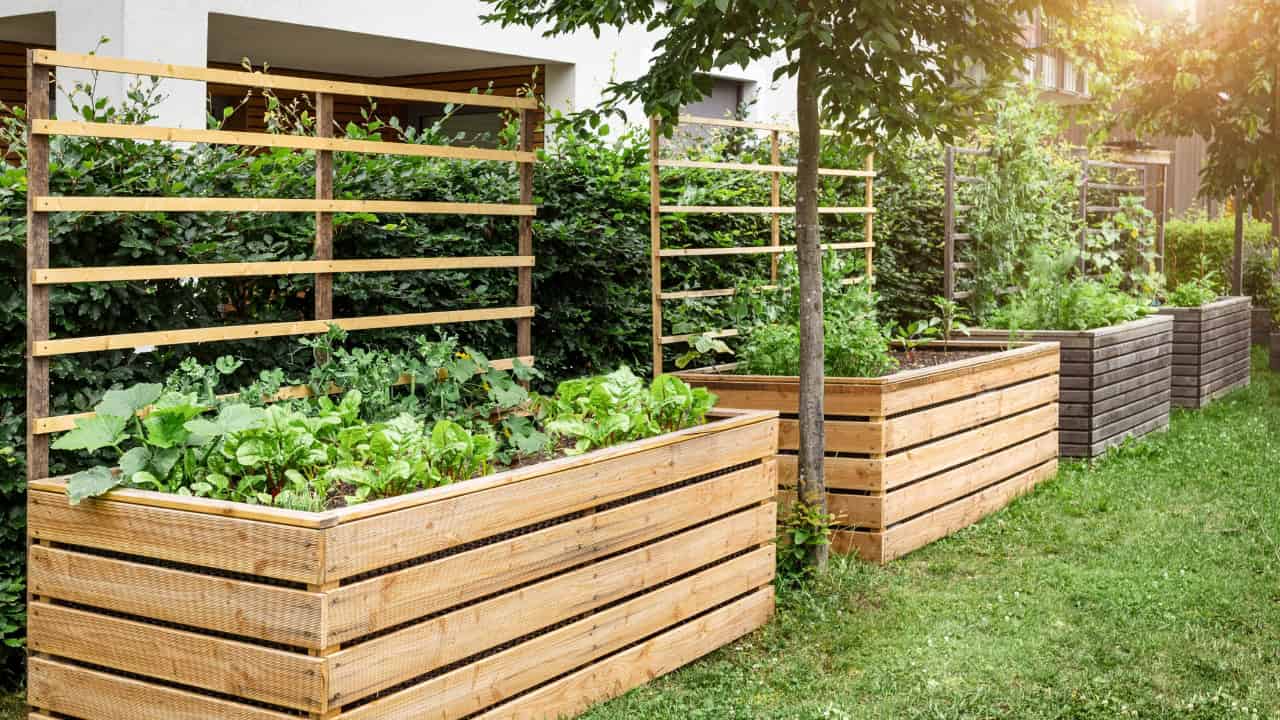
Out of sight, out of mind. If your garden is tucked away in the back corner of your yard, it’s easy to forget about it until things start wilting. Missed watering, unnoticed pests, and overgrown weeds can turn a thriving garden into a mess fast.
Plant where you’ll see it every day—near a walkway, close to the kitchen, or anywhere you’ll pass by regularly. The more you see your garden, the more likely you are to take care of it. A little attention every day makes a huge difference.
Bad Timing with Planting
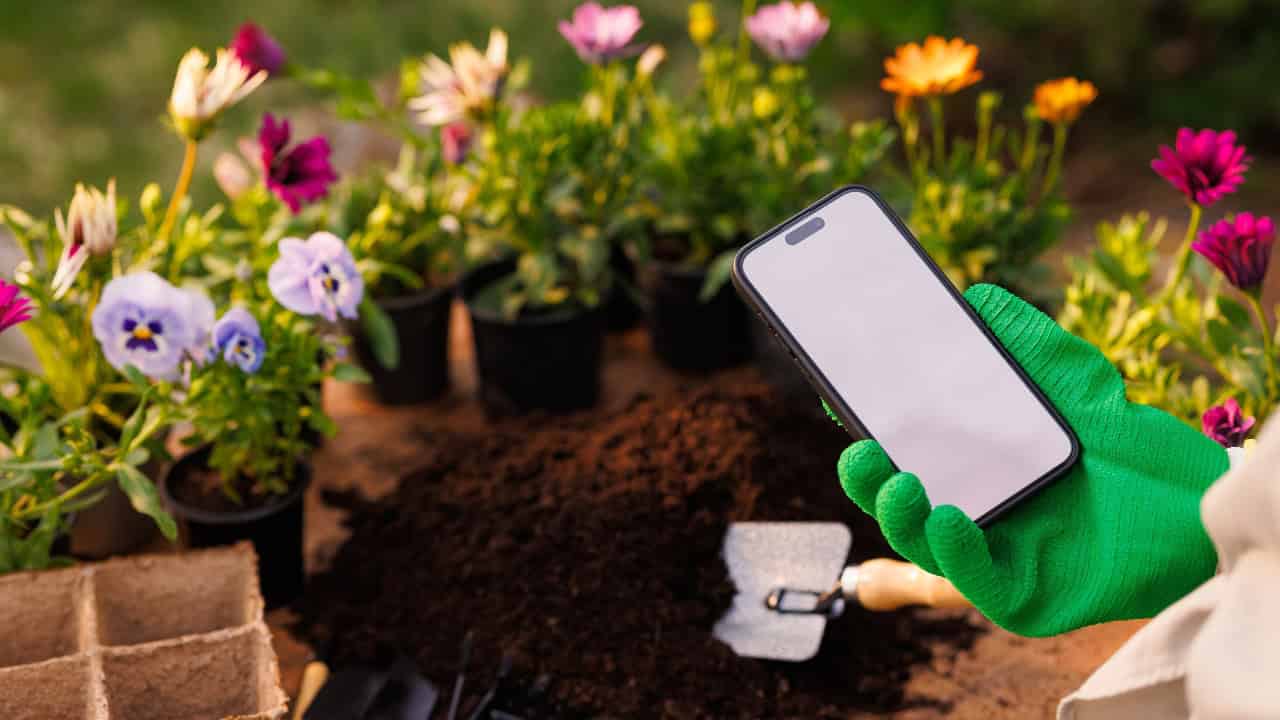
Getting too eager and planting too early can leave crops stunted by cold weather. Waiting too long means they might not have enough time to grow before the season ends. Either way, your garden won’t produce the way you want it to.
Check your local planting calendar before you put anything in the ground. Pay attention to frost dates and soil temperatures, and don’t assume that warm afternoons mean it’s safe to plant.
Planting in the Shade
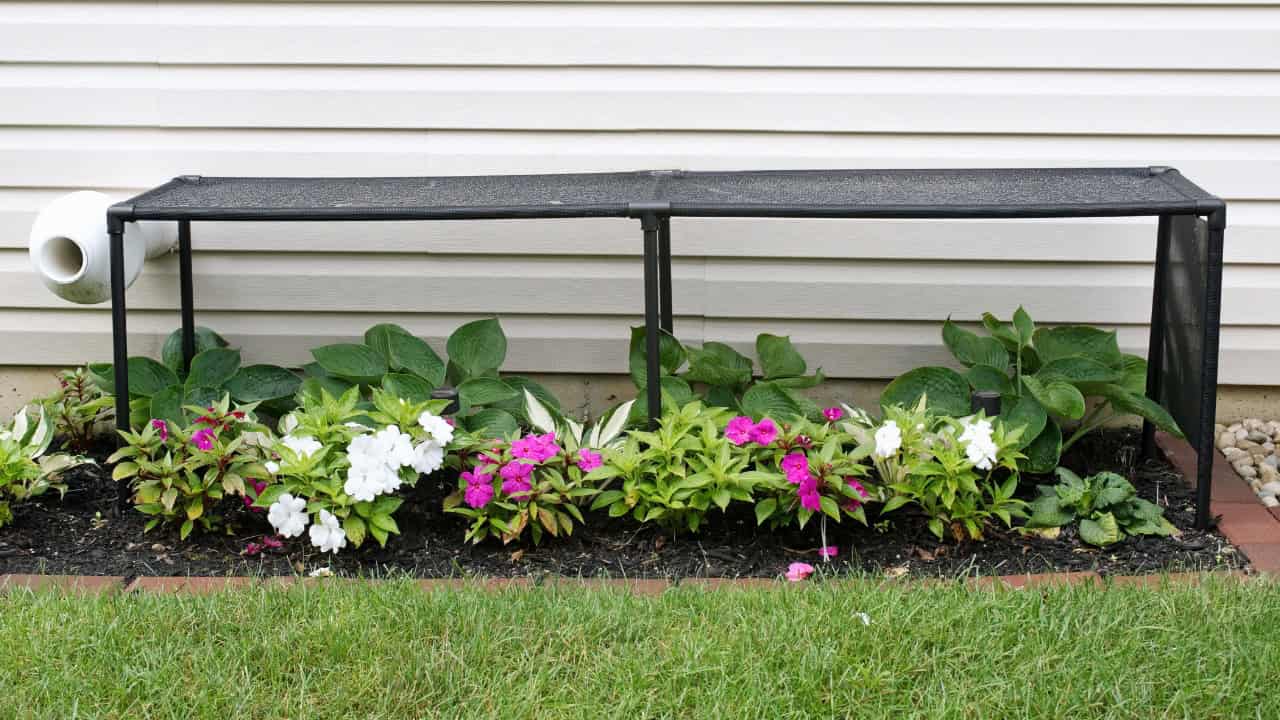
Sun-loving plants won’t thrive if they don’t get enough light. It’s easy to underestimate how much sun a spot gets, especially if trees or buildings cast shadows at different times of the day. Without enough sunlight, plants grow leggy, produce less, and take forever to ripen—if they make it at all.
Watch your yard throughout the day before deciding where to plant. Most vegetables need at least six hours of direct sun, while some, like tomatoes and peppers, do better with eight or more. If shade is unavoidable, stick to crops that can handle it, like lettuce or herbs.
Planting Too Far from the Hose

Hauling watering cans across the yard gets old fast, and when watering becomes a hassle, it’s easy to start slacking. Plants need consistent moisture, especially in the summer, and if they’re too far from a water source, they’re more likely to suffer during dry spells.
Plan your garden where it’s easy to water. If you’re working with a large space, consider running a soaker hose or drip irrigation to save time. The easier it is to give your plants what they need, the more likely you are to keep up with it.
Forgetting to Feed Your Plants
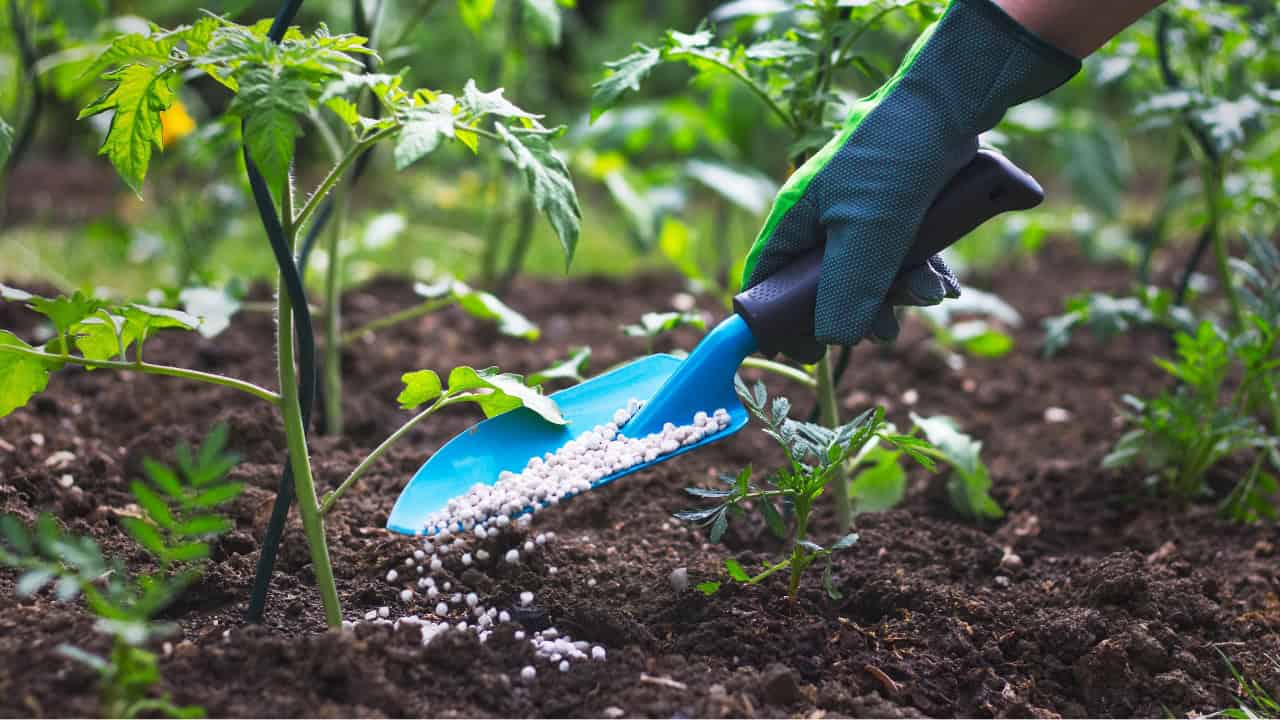
Good soil is a great start, but most plants need extra nutrients to grow strong and produce well. If your crops look weak, grow slowly, or don’t yield much, they might not be getting enough to eat. Skipping fertilizer leaves plants struggling to reach their full potential.
Use compost, well-balanced fertilizer, or natural amendments to give your plants the nutrients they need. Some plants, like tomatoes and squash, are heavy feeders, while others need less. Pay attention to what each crop requires, and feed accordingly to keep your garden thriving.
Letting Crops Go Too Long

A garden can go from thriving to overgrown fast if you don’t keep up with harvesting. Waiting too long can make veggies tough, bitter, or full of seeds. Plus, when plants aren’t picked regularly, they slow down production, meaning fewer harvests overall.
Check your garden daily and pick things as soon as they’re ripe. If you end up with more than you can eat, share with friends, freeze extras, or learn to can.
*This article was created with the assistance of AI.