Lavender is a popular choice for many gardeners in the U.S. because of its pleasant fragrance, beautiful blooms, and versatility. Whether you have a large garden or a small outdoor space, growing lavender can add both color and aroma to your surroundings.
You’ll find that certain lavender varieties are better suited to different climates and soil conditions across the U.S. Knowing which types thrive in your area can help you create a healthy and vibrant garden that lasts year after year.
Advertisement
English Lavender (Lavandula angustifolia)
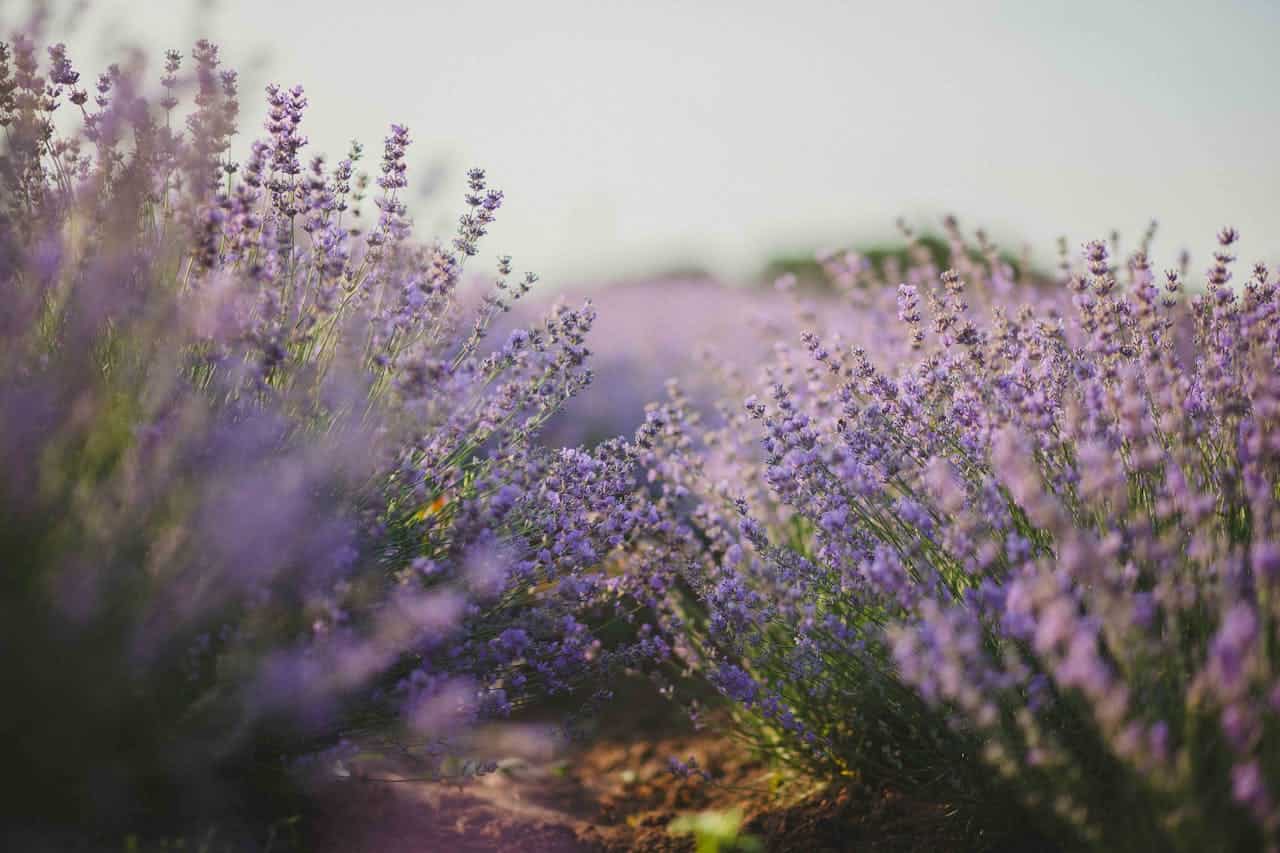
English Lavender is a great choice if you want a fragrant, easy-to-grow plant. It produces compact flower spikes with violet-purple blooms and attractive silver-green leaves.
You’ll find it works well in zones 5 to 8 and is perfect for edging walkways or in herb gardens. Plus, it’s valued for its sweet scent and hardy nature.
Hidcote English Lavender
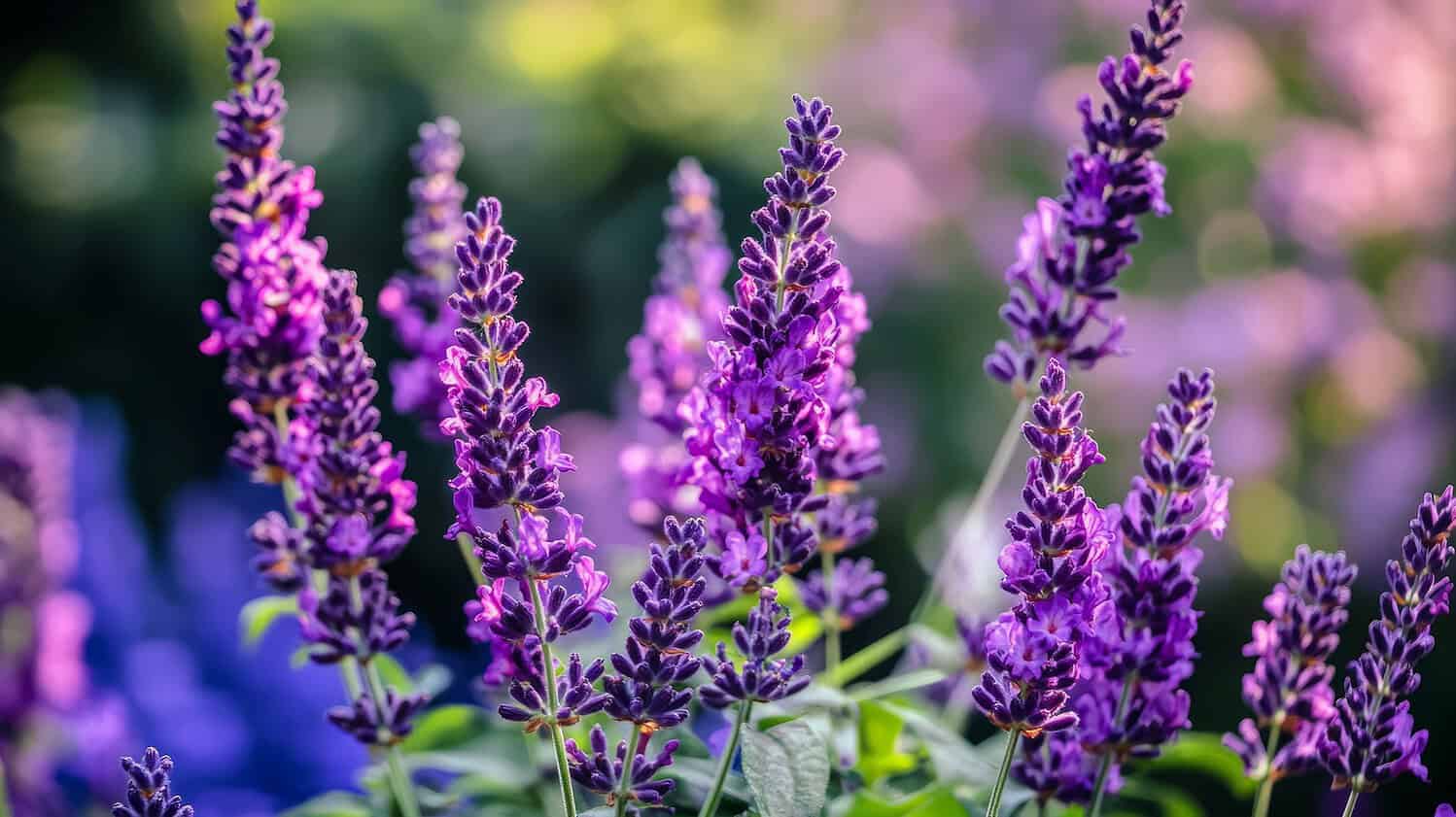
You’ll find Hidcote English Lavender perfect for adding color and fragrance to your garden. Its compact size makes it great for borders, containers, or hedges.
The purple-blue flower spikes bloom from early to late summer, attracting pollinators. It’s easy to care for and brings lasting beauty wherever you plant it.
Munstead English Lavender

Munstead English Lavender is a great choice if you want a hardy and easy-to-grow variety. You’ll enjoy its fragrant, cool lavender-blue flowers and gray-green foliage.
It has a clear, sweet scent without any strong medicinal notes, making it perfect for your garden or drying projects. This variety adapts well to many climates and garden settings.
French Hybrid Lavender
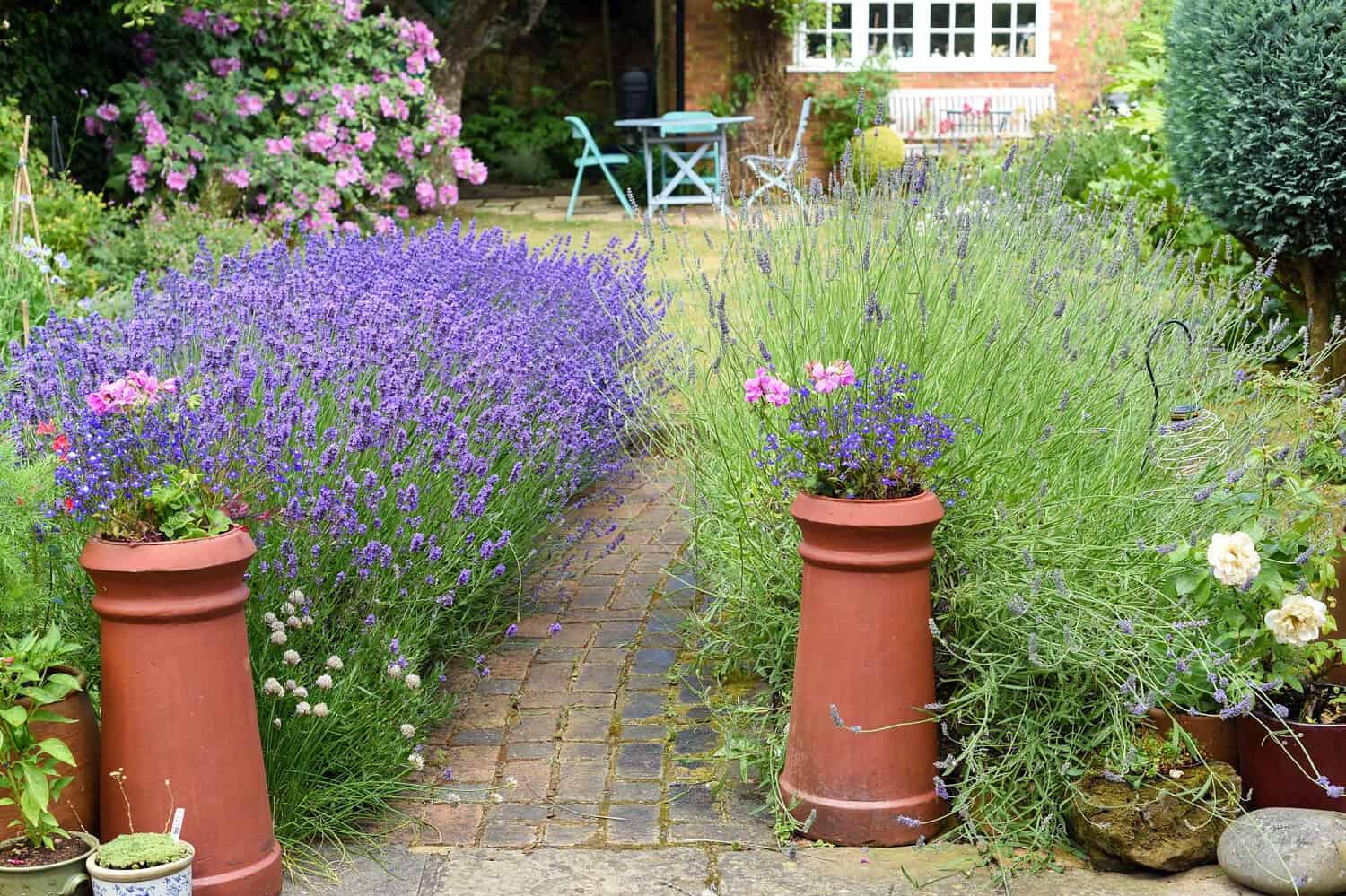
French hybrid lavender, like Lavandula intermedia ‘Gros Bleu,’ offers strong fragrance and durability. You’ll find it does well in mild climates and can tolerate some cold.
These lavenders have fluffy, serrated leaves and produce dense flower spikes. They are a great choice if you want a fragrant, hardy plant for your garden.
Spanish Lavender
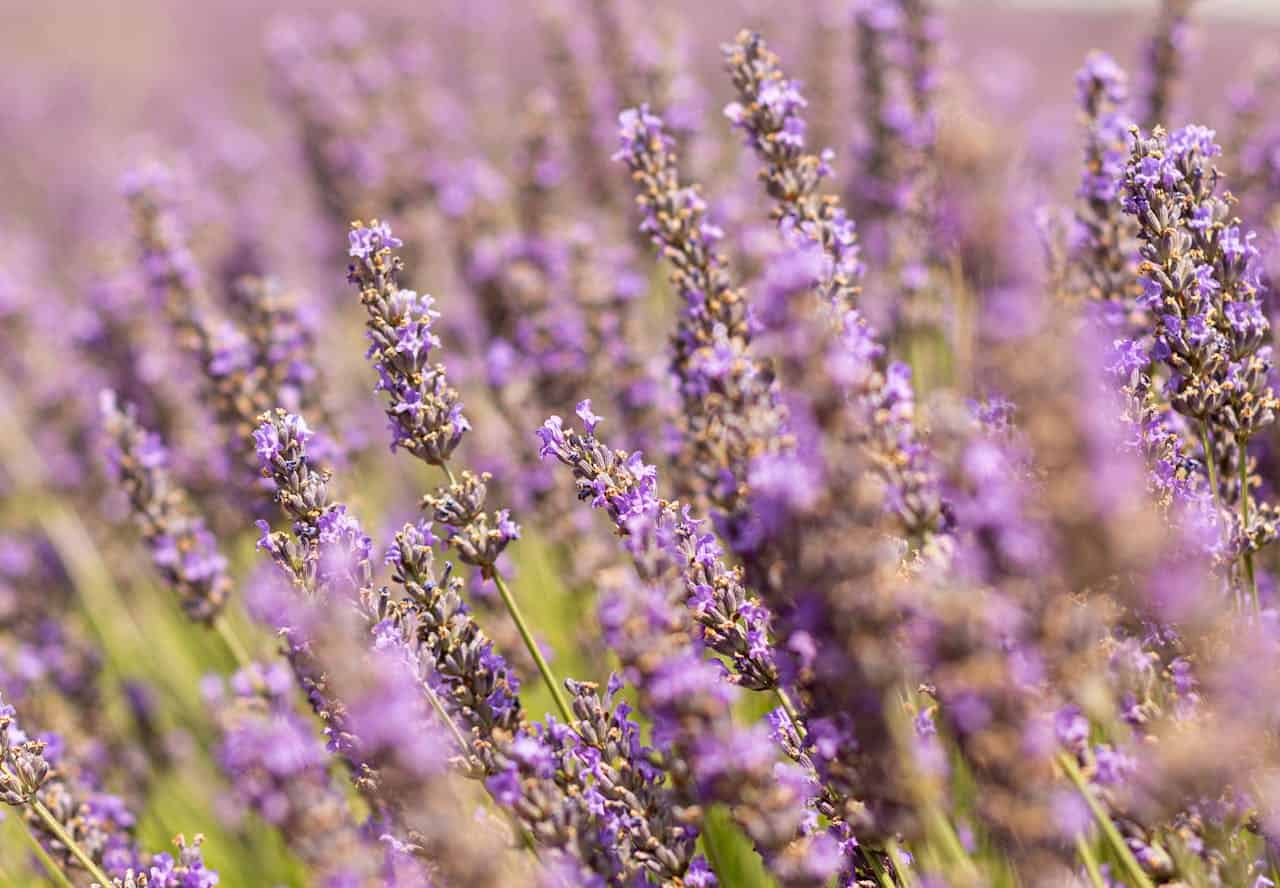
If you want a lavender that handles heat and humidity well, Spanish lavender is a great choice. It has unique, pineapple-shaped flowers that add a different look to your garden.
This variety thrives in warmer climates and blooms beautifully with the right care. You’ll find it adds lovely texture and color while being fairly low-maintenance.
Woolly Lavender (Lavandula lanata)
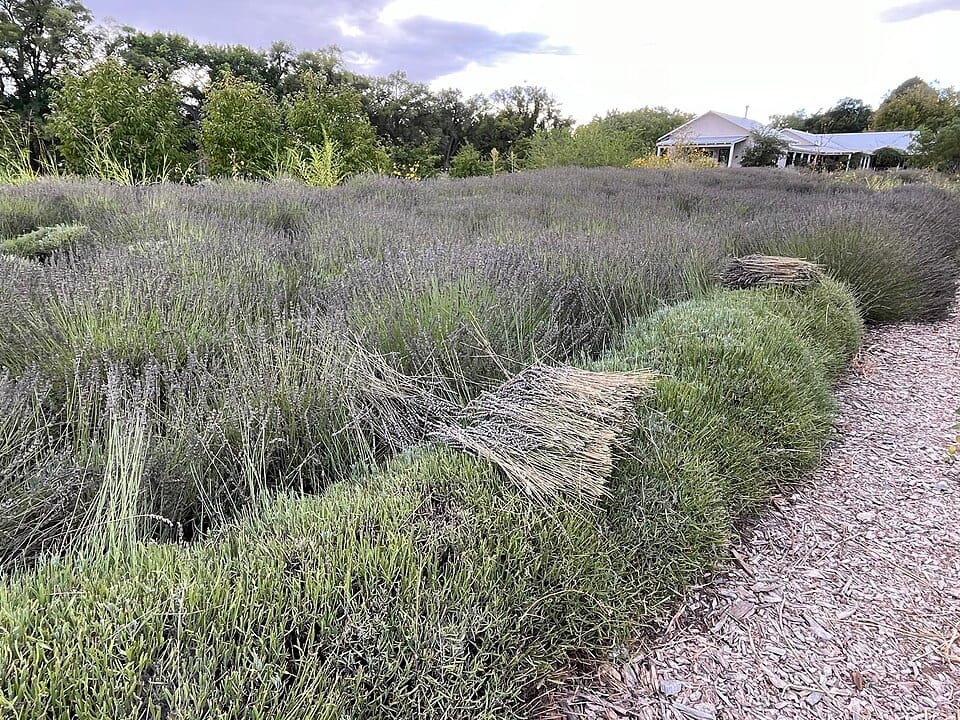
Woolly lavender is a bushy shrub known for its soft, silver-white foliage. You’ll appreciate its drought tolerance, making it great for dry gardens. It produces smoky, dark purple blossoms that bloom later than other types, extending your lavender season. Make sure your soil drains well to keep this variety happy and thriving.
Phenomenal Lavender
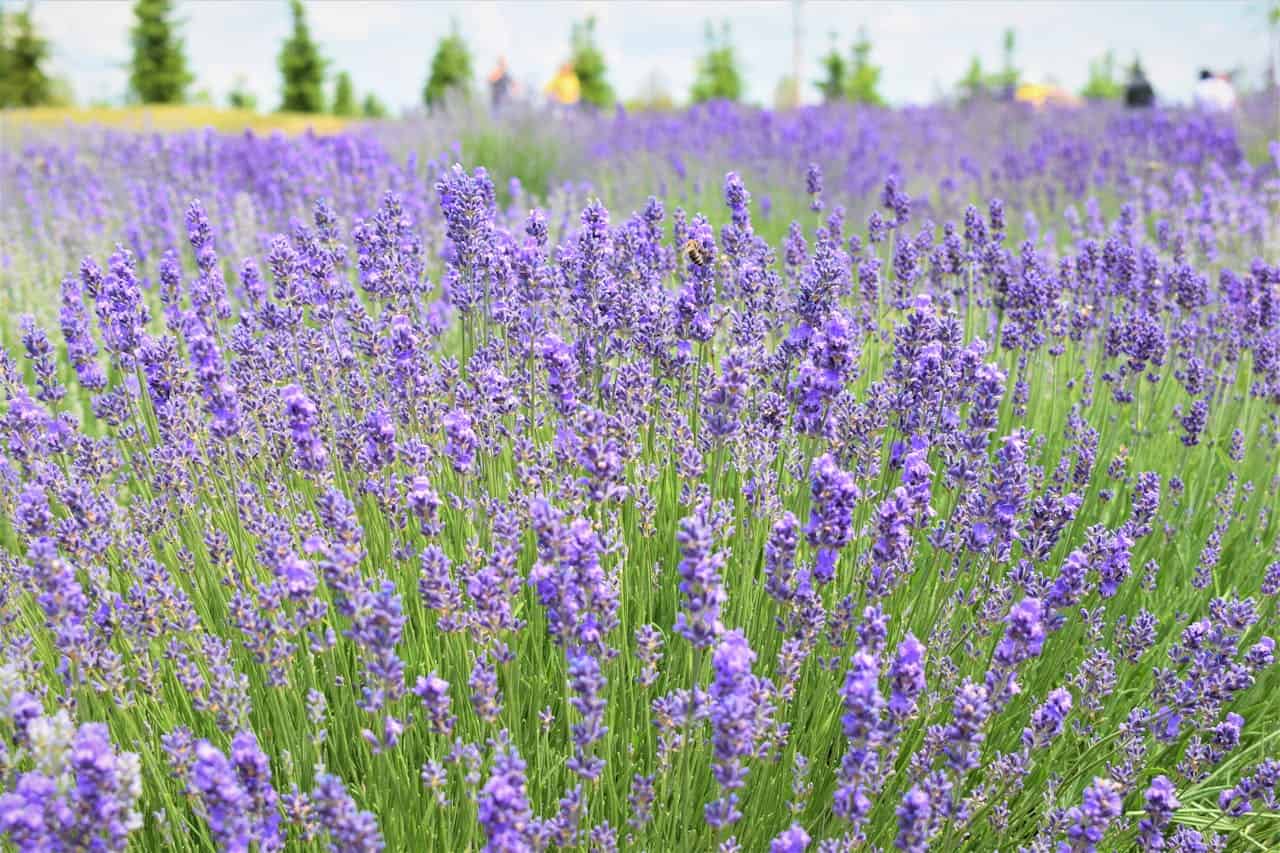
Phenomenal Lavender is great if you need a plant that handles both hot summers and cold winters. You’ll find it grows well in many U.S. regions, from Texas to Florida.
Its silvery-green foliage and rich purple flowers create a lovely border or cut flower. You’ll appreciate how easy it is to maintain.
Provence Lavender

If you want a fragrant and tall lavender, Provence Lavender is a great pick. It grows 30-36 inches tall with beautiful mauve-purple spikes and silver-green leaves.
This variety handles hot and humid climates better than many others. You can use it to create aromatic hedges or add lovely scent to your garden.
Aromatico Blue Lavender
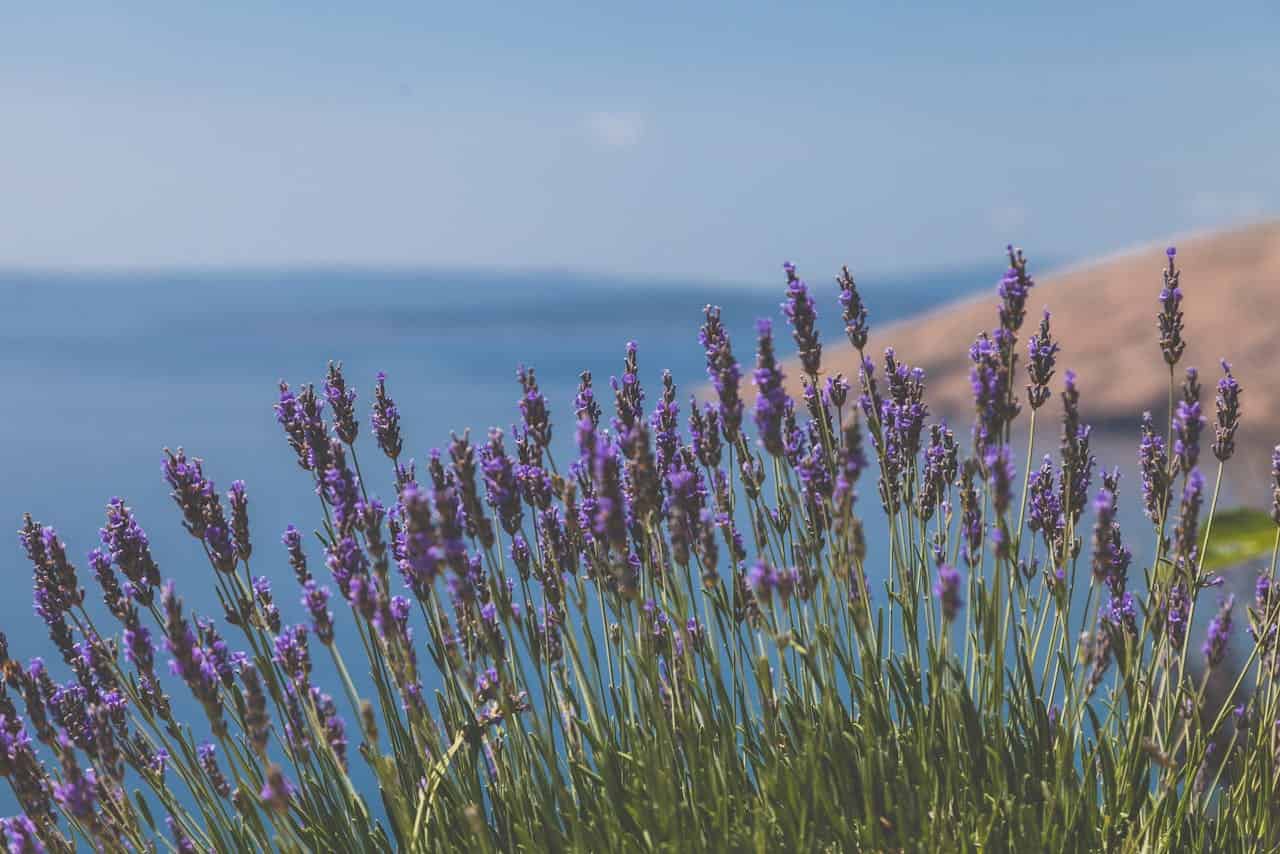
You’ll like Aromatico Blue Lavender for its strong, pleasant fragrance that fills your garden when touched. It grows 14 to 20 inches tall, making it ideal for edging paths or garden beds.
This variety blooms from late spring into summer, providing color and scent for months. It’s also drought tolerant and attracts pollinators, adding more life to your outdoor space.
Grosso Lavender
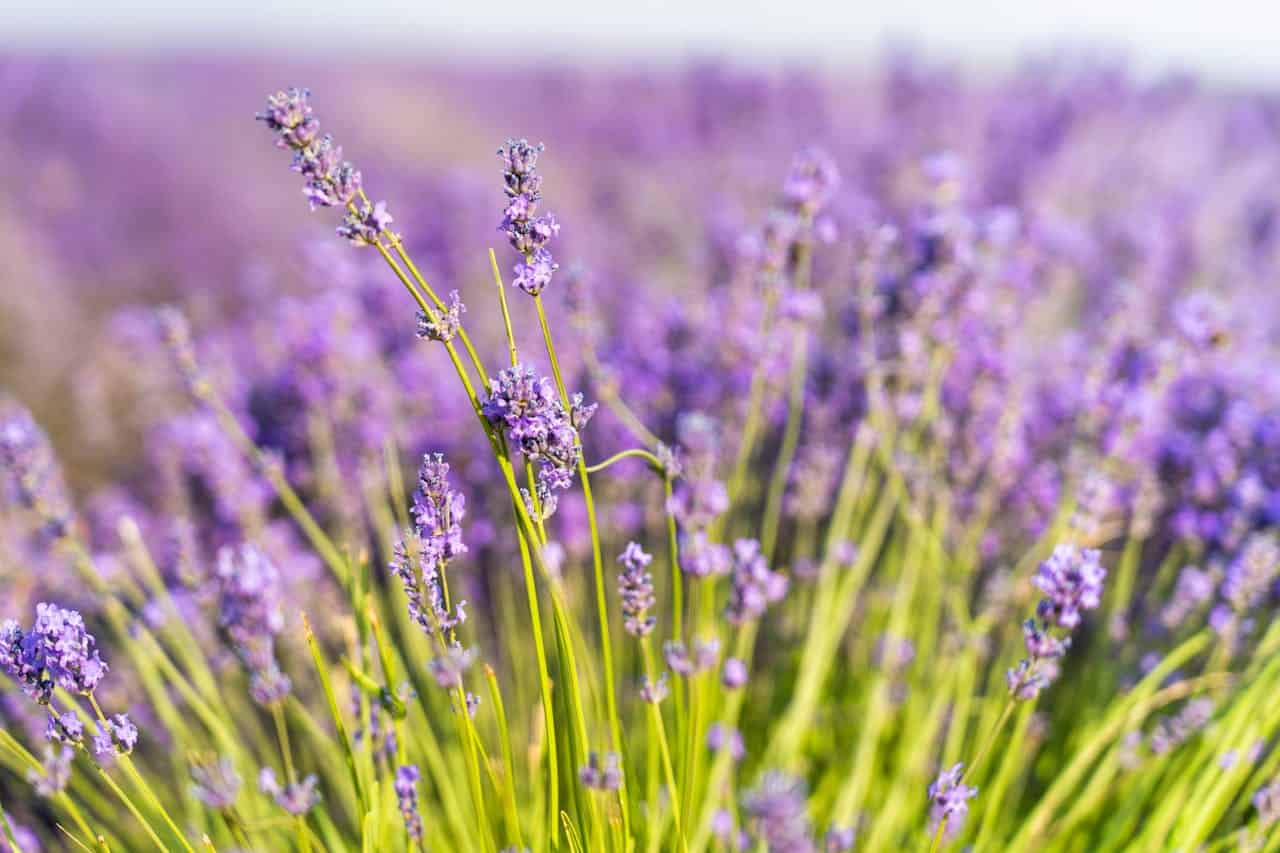
Grosso Lavender is a popular choice if you want a strong fragrance in your garden. It produces deep purple flowers that attract pollinators like bees and butterflies.
In the first year, expect your plant to focus on root growth. By the third year, your Grosso Lavender should bloom fully and reach its mature size. It’s a hardy option suited for many U.S. climates.
Betty’s Blue Lavender

Betty’s Blue Lavender is a great choice for your garden if you want a reliable and fragrant plant. It forms tidy, rounded mounds with beautiful pink-purple flower spikes.
This variety thrives best in full sun, needing at least 6-8 hours of sunlight each day. You can use it for low hedges, containers, or cut flowers.
Sweet Romance Lavender
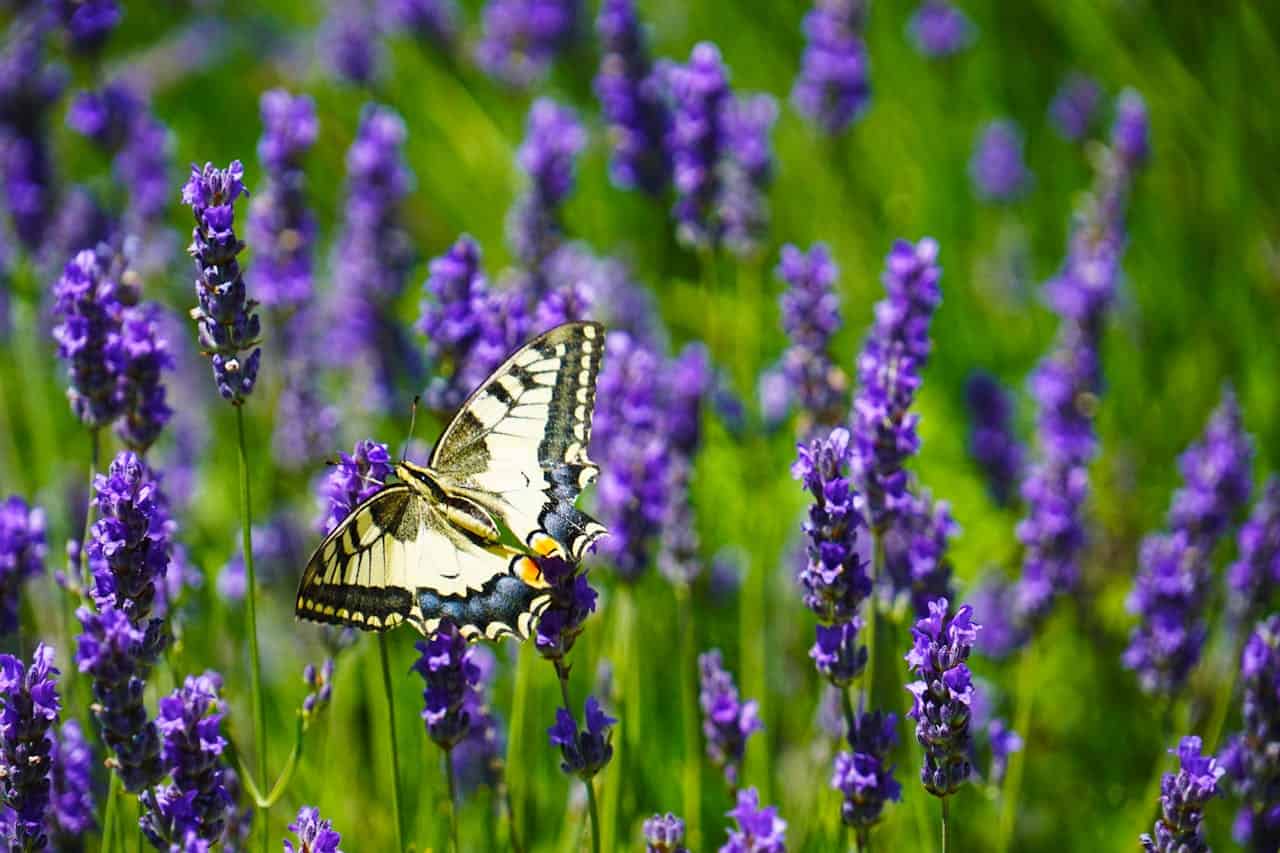
Sweet Romance Lavender grows between 12 and 18 inches tall, making it a great choice if you want a compact plant. You’ll enjoy its beautiful purple flowers and silvery green foliage.
It thrives best in full sun and can tolerate a range of climates, especially in zones 5 through 9. This variety also produces fragrant flowers and foliage, perfect for fresh or dried arrangements.