Home renovations can be an exciting way to upgrade your living space, but not all projects are created equal. Many homeowners unwittingly take on tasks that are illegal or require special permits. Knowing which renovations can lead to fines or penalties helps you avoid costly mistakes.
Whether you’re considering a minor update or a major overhaul, it’s crucial to understand the legal implications of certain home improvements. Ignoring regulations can result in hefty fines and complications with your home insurance or resale value. By staying informed, you can ensure that your projects are both safe and compliant.
Advertisement
1. Removing Load-Bearing Walls Without a Permit
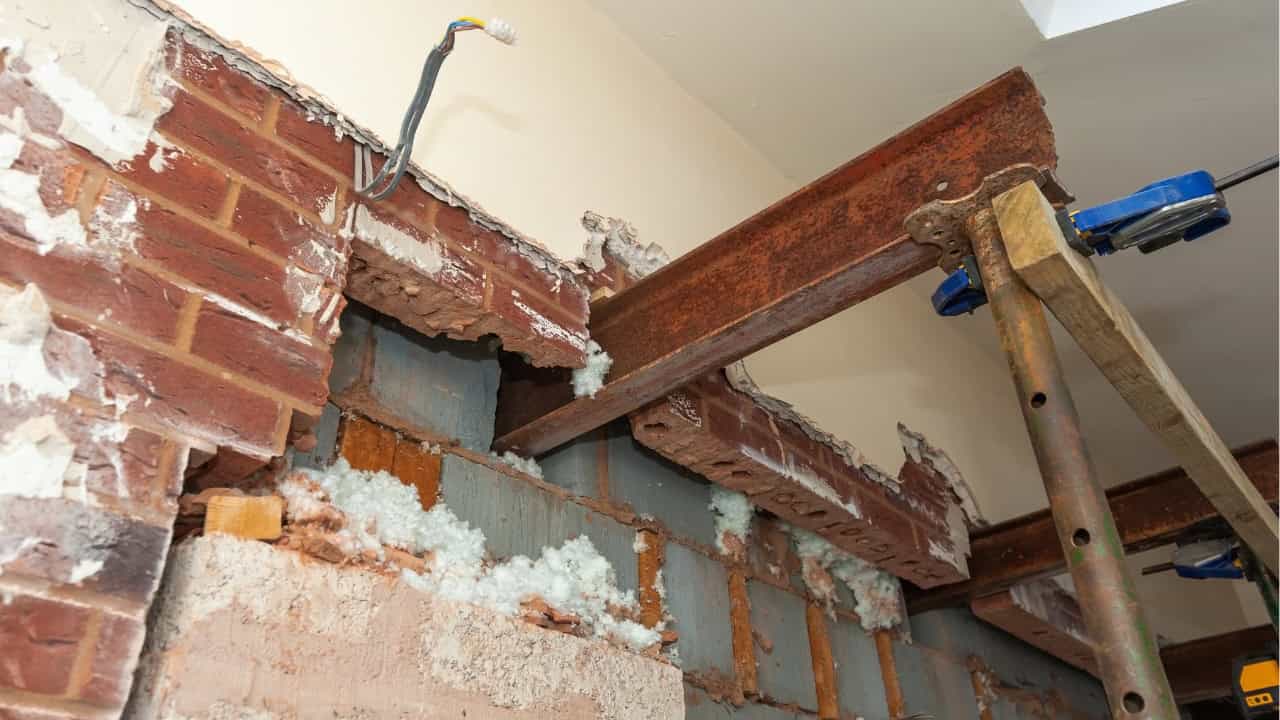
Removing a load-bearing wall might seem like a smart renovation, but doing it without a permit can lead to serious issues. Local building codes require permits for this type of work to ensure safety.
By bypassing the permit process, you risk hefty fines and potential structural damage to your home. If something goes wrong, like a collapse, it could be extremely costly to fix.
Consulting with a professional and obtaining the necessary permits can save you from these expensive headaches. Always check local regulations before proceeding with major changes.
2. DIY Electrical Wiring
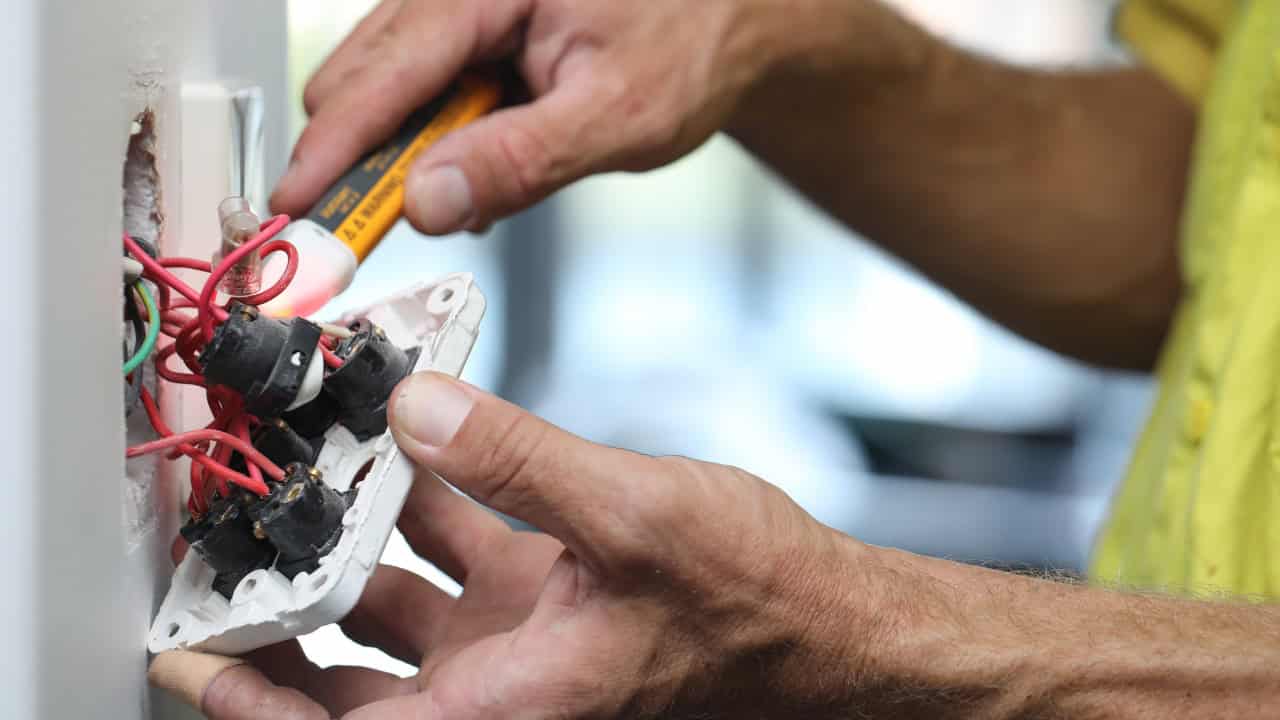
When it comes to DIY electrical wiring, you need to be cautious. Many states require a licensed electrician for electrical work. Attempting to do it yourself can lead to serious safety hazards.
Faulty wiring is a common cause of home fires. Your home insurance might not cover damages if unlicensed work is discovered. It’s best to hire a professional to ensure the job is done safely and legally. Protect your home and your investment by seeking qualified help for electrical projects.
3. Unlicensed Plumbing Repairs
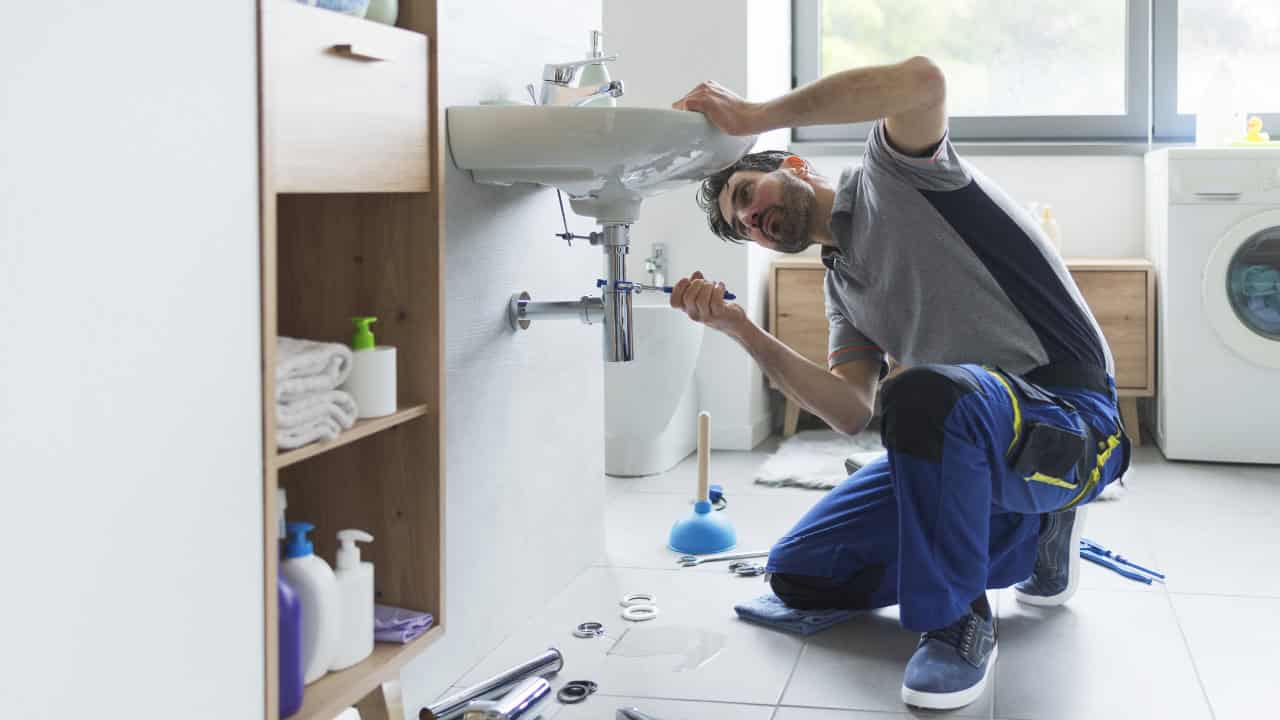
Taking on plumbing repairs without a license can lead to serious issues. Many areas require professionals to handle plumbing work to ensure safety and compliance with local codes.
When you attempt unlicensed plumbing repairs, you risk creating more problems than you solve. Issues such as leaks or improper installations can lead to costly water damage.
Moreover, if something goes wrong, your insurance may not cover the damages. Always consider hiring a licensed plumber to protect your home and finances.
4. Asbestos Removal Without Proper Training
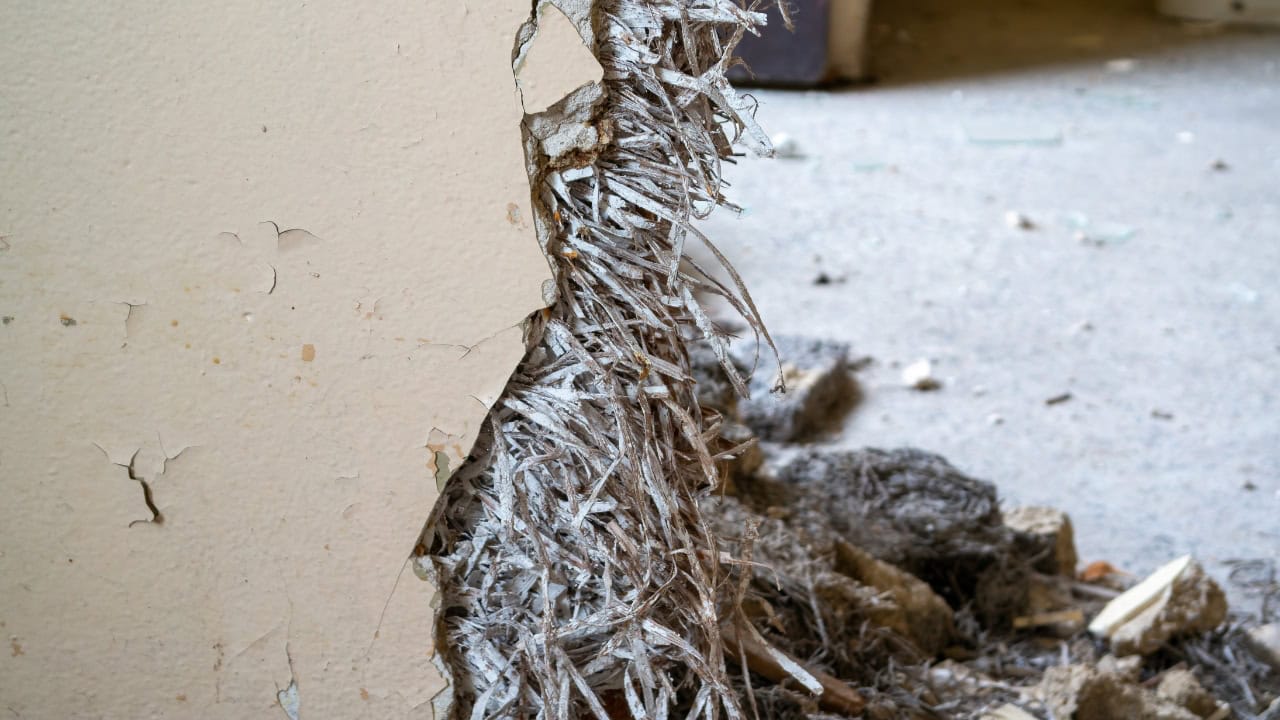
Attempting to remove asbestos without the right training can be risky. You may expose yourself and others to harmful asbestos fibers, leading to serious health issues.
Improper removal practices often result in more extensive contamination. This could significantly increase cleanup costs and create a longer project timeline.
Hiring a licensed professional ensures that removal is handled safely and effectively. Trained experts follow strict guidelines to minimize risks and protect your home.
5. DIY Furnace Installations
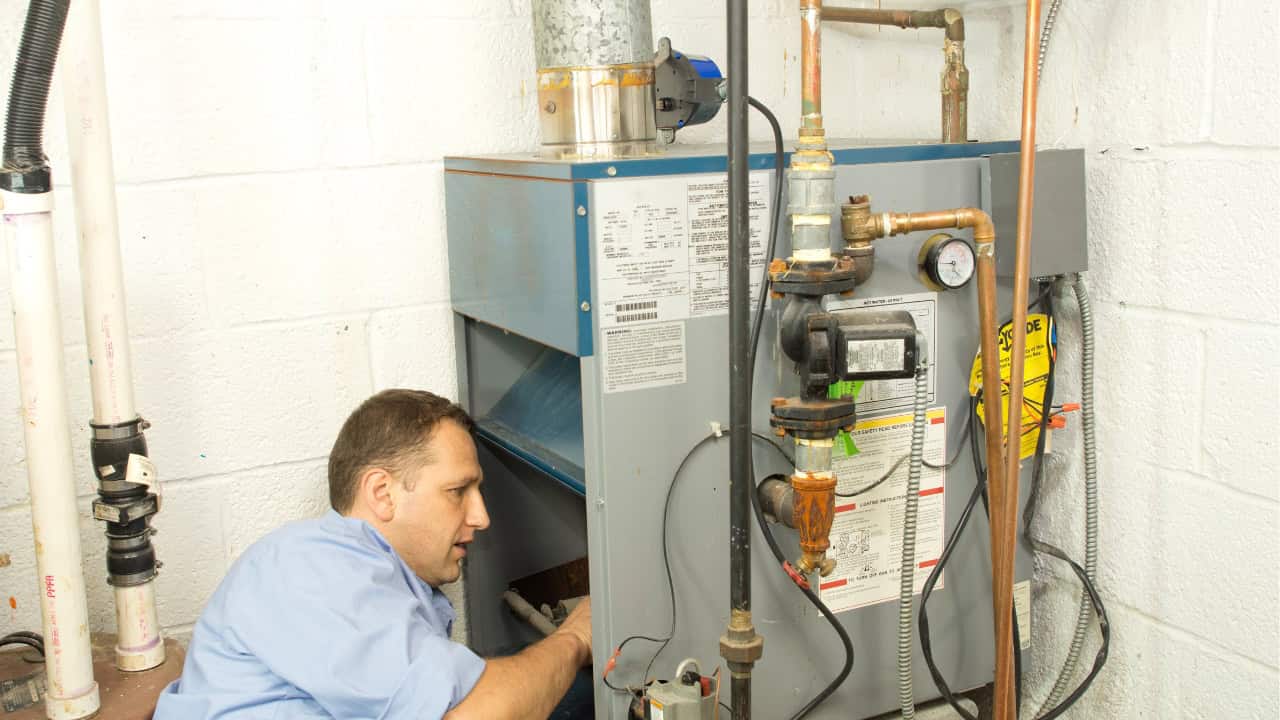
Installing your own furnace may seem like a money-saving idea. However, it’s important to recognize the legal implications involved. Many jurisdictions require a licensed technician for furnace installations.
If you attempt a DIY installation, you could face penalties or fines. Additionally, mishandling the installation can lead to dangerous situations, such as gas leaks or fires.
You might also void warranties, leaving you unprotected if something goes wrong. It’s often wise to leave this complex task to the professionals who understand the regulations and safety standards.
6. Constructing a New Room Without Approval
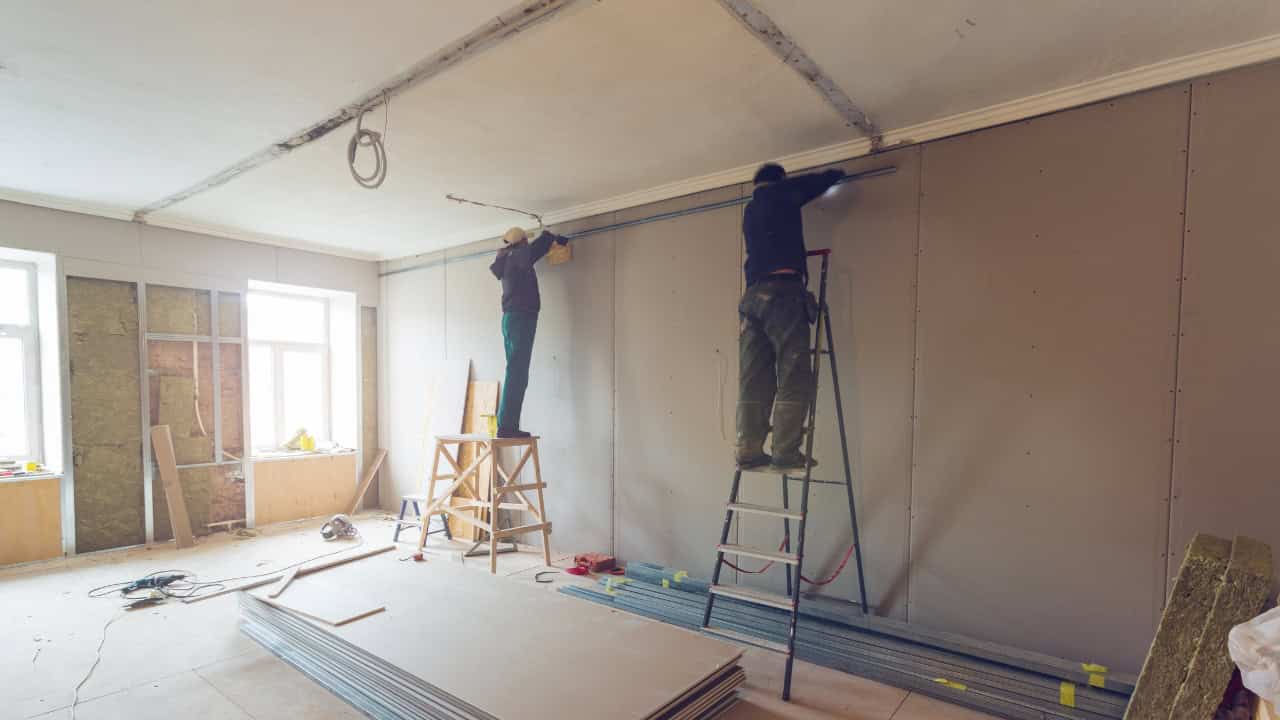
Constructing a new room without the necessary approvals can lead to significant consequences. Local building codes are in place to ensure safety and compliance. Skipping this step might compromise the structural integrity of your home.
If caught, you may face hefty fines or even be required to demolish the newly constructed room. Additionally, unpermitted work can complicate future home sales, as you’ll need to disclose any renovations made without approval.
Your homeowners’ insurance may also be affected. Claims might be denied if the work was not officially sanctioned. Ensuring your renovations are approved is a smart way to protect your investment.
7. Unpermitted Roof Modifications
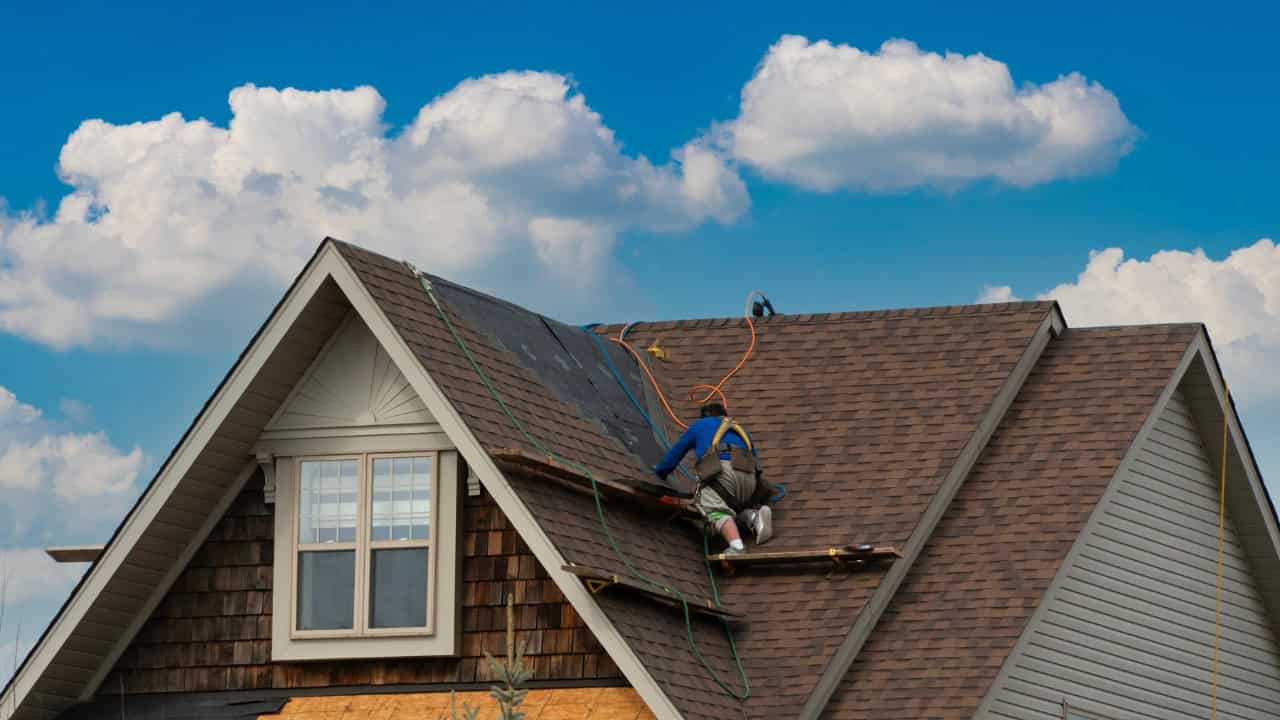
Making changes to your roof without obtaining the proper permit can bring serious consequences. Local authorities view any unpermitted work as illegal, which might lead to fines or the requirement to reverse the modifications.
Insurance companies may refuse coverage for damages if the work wasn’t approved. This could mean hefty out-of-pocket expenses for you.
Additionally, unpermitted roof modifications can lower your home’s appraisal value. Properties with approved renovations typically fare better than those without. Always check local regulations before starting any roofing project to avoid these issues.
8. Installing New Windows Without Permits
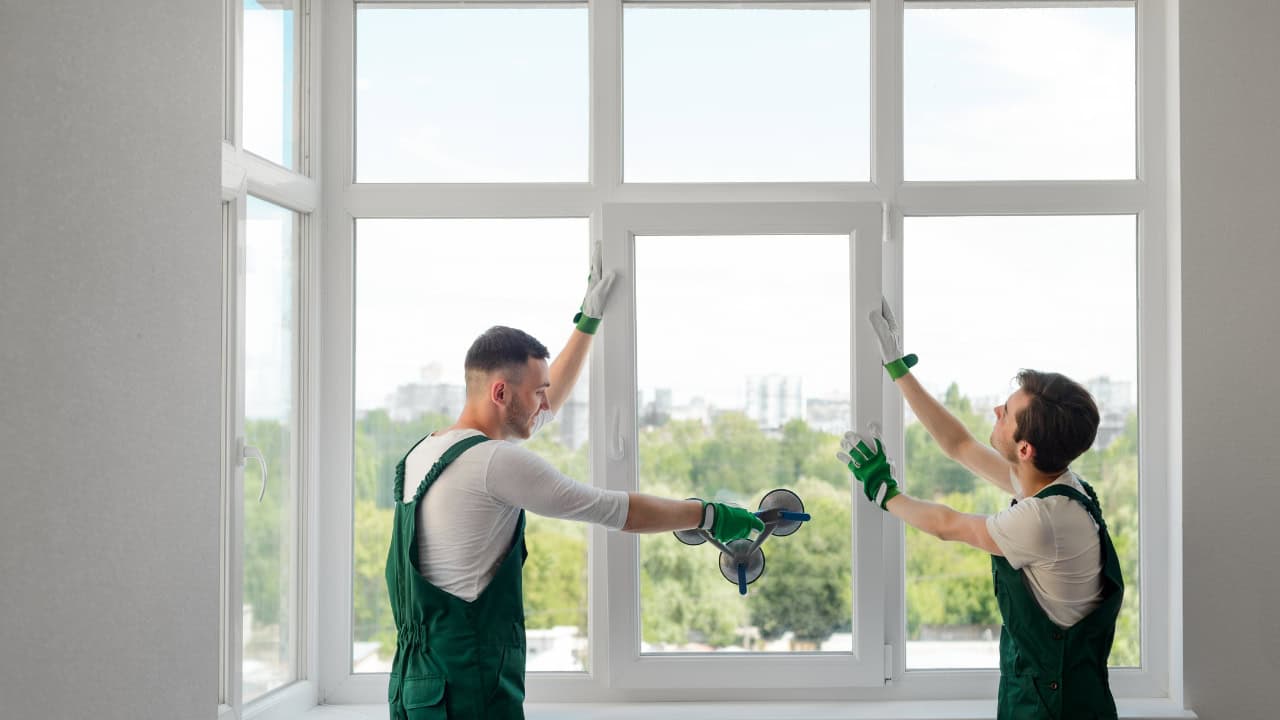
Installing new windows can improve your home’s appearance and energy efficiency. However, doing it without the necessary permits can lead to complications.
You might not need a permit for simple replacements, but if you’re changing the size or adding new windows, permits are often required. Skipping this step can result in fines or the need to reverse your work.
If the authorities catch you, it may also complicate the sale of your home later on. So, it’s best to check your local regulations before starting.
9. Unauthorized Structural Alterations
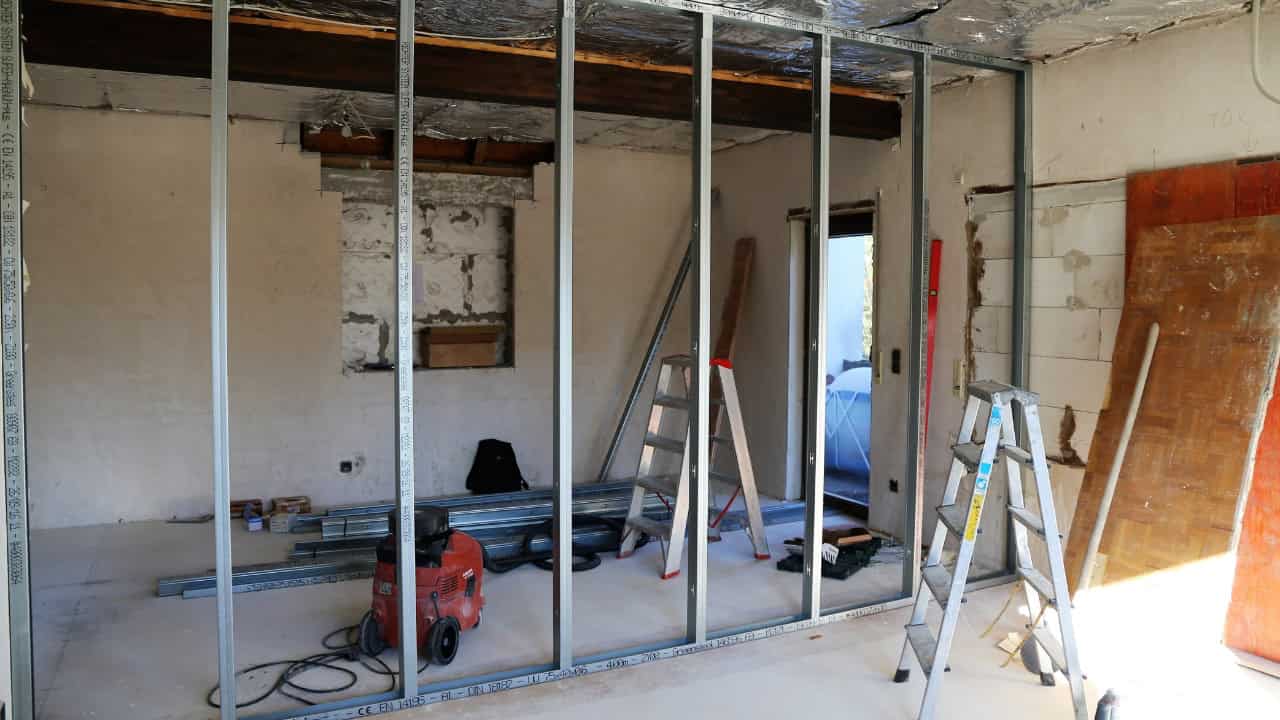
When you consider making changes to your home, be cautious of unauthorized structural alterations. These modifications can impact the building’s integrity and safety.
Examples include removing load-bearing walls or altering the foundation without permits. Such changes often violate local building codes.
If you proceed without the necessary approvals, you risk hefty fines. You might also face costly repairs to return your home to compliance. Always check with your local authorities before making significant changes.
10. Illegally Converting a Basement
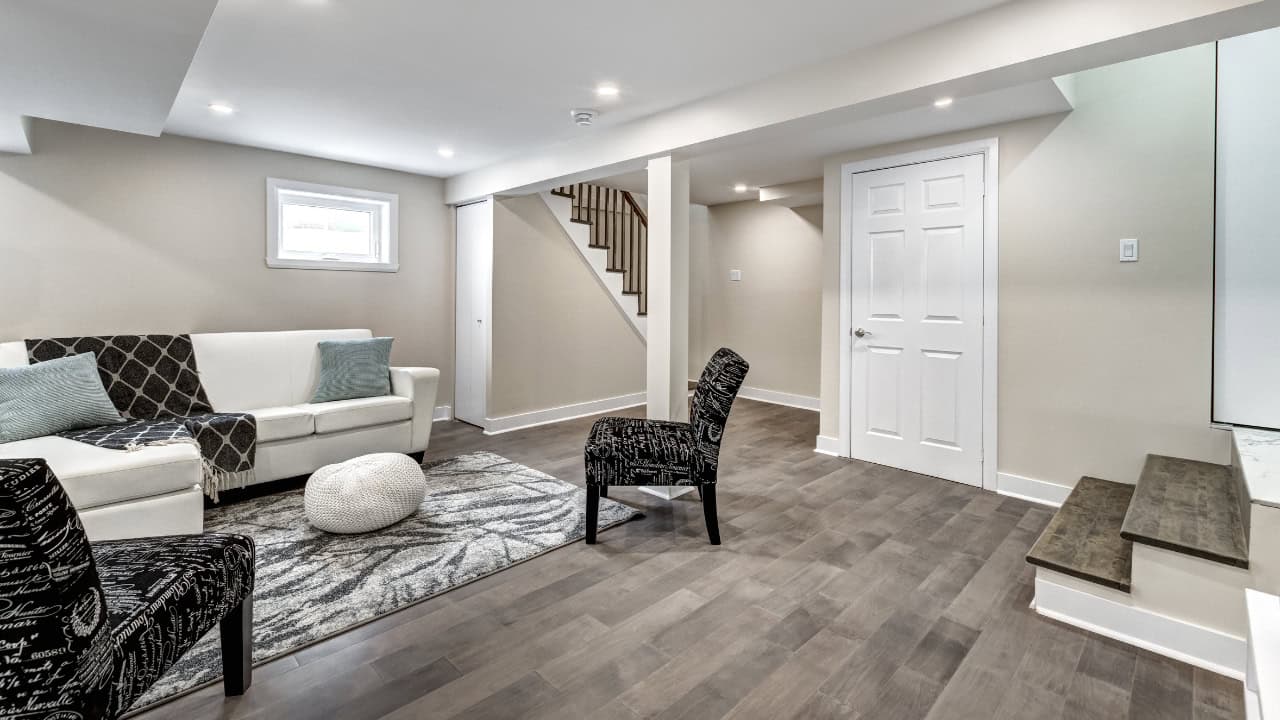
Converting your basement can be tempting for extra living space or rental income. However, illegal conversions can lead to serious consequences.
Many homeowners attempt to create additional units without proper permits. This can result in safety hazards, such as inadequate exits and poor ventilation.
It’s essential to check local building codes before starting any renovation. Reporting illegal conversions can be necessary to ensure safety for everyone.
11. Installing Gas Lines Without Certification
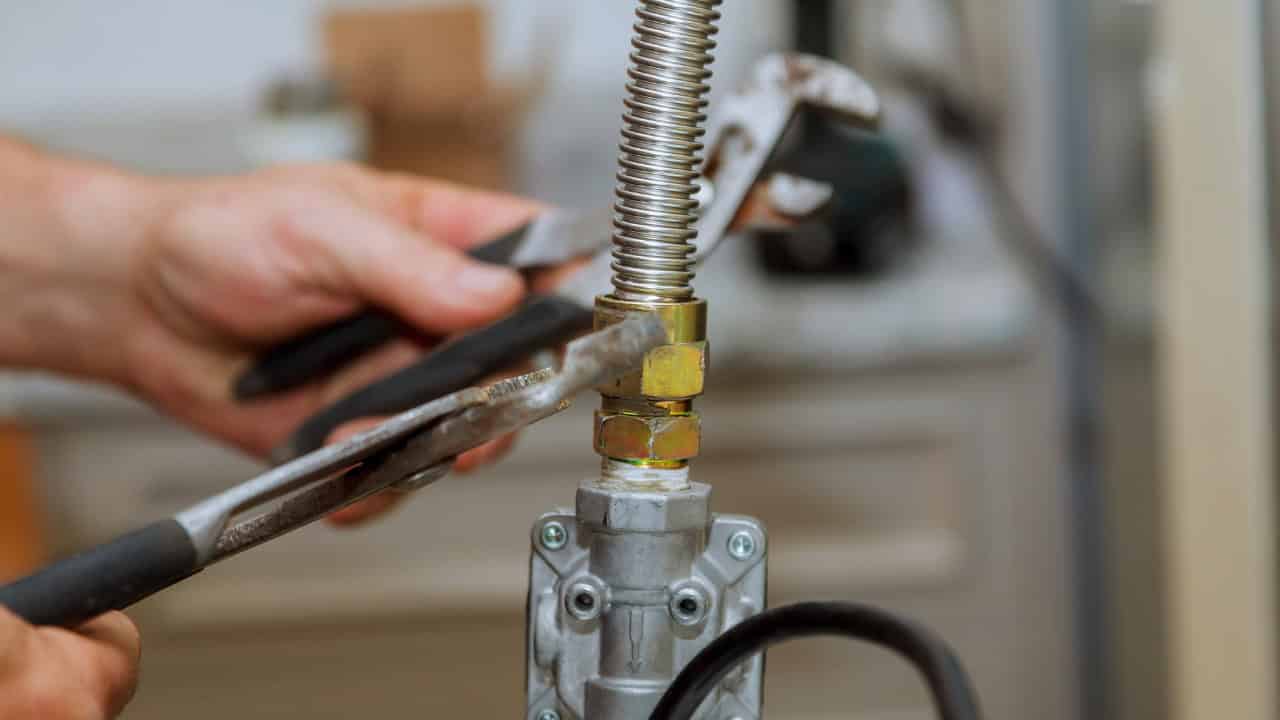
Installing gas lines can seem straightforward, but it’s a task that requires certification. Doing this work without the proper credentials is illegal and can pose serious risks.
Improperly installed gas lines may lead to dangerous leaks. In fact, these leaks can result in severe accidents or even fatalities.
Always hire a licensed professional for any gas line work. They ensure everything is up to code and functioning safely, allowing you peace of mind in your home.
12. Hacking Structural Walls
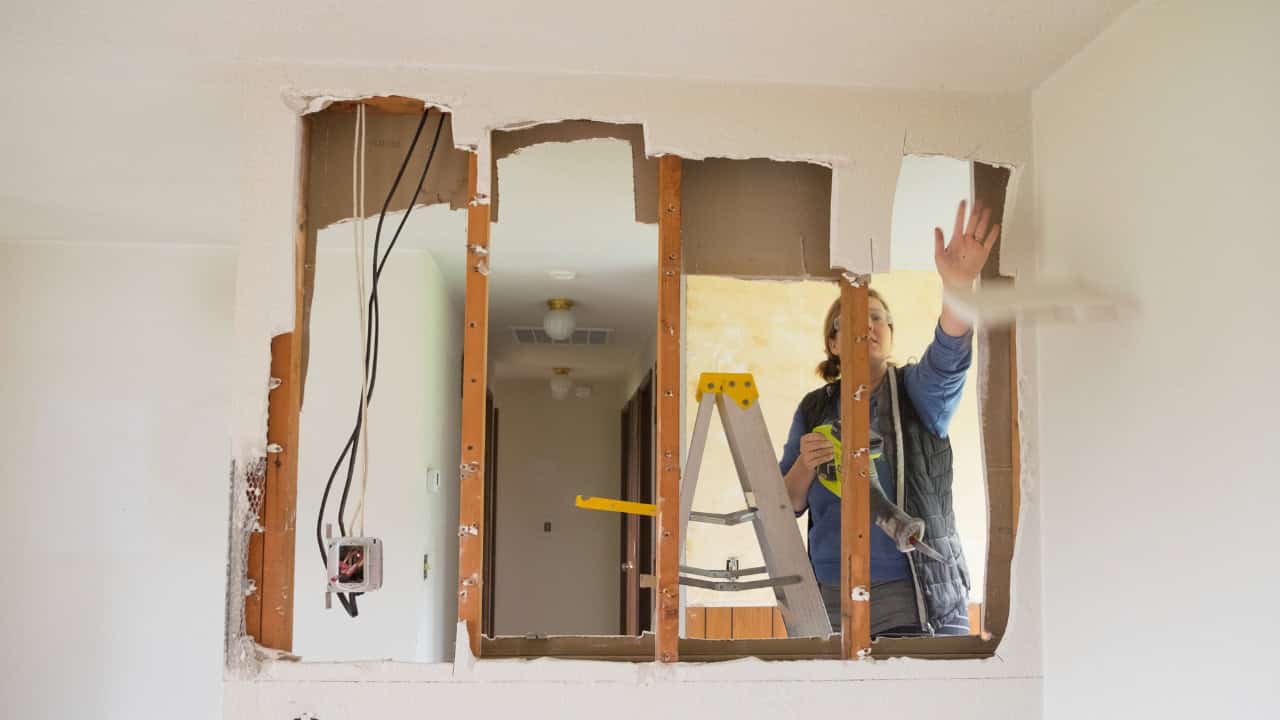
Hacking structural walls might seem like a tempting way to increase your living space. However, it’s crucial to understand that these walls play a vital role in maintaining your home’s stability.
Removing or altering them can lead to severe structural damage. This could compromise the safety of your entire home.
If you’re considering a renovation, always check your HDB floor plan. Avoid any walls marked as structural or load-bearing.
Consulting a licensed contractor before making changes ensures you’re following regulations and protecting your investment.
*This article was created with the help of AI.