When planning your outdoor space, it’s important to consider how much time and effort you’re willing to spend on maintenance. Some landscaping features can demand a lot of attention, which might not fit your lifestyle or budget.
Avoiding high-maintenance outdoor features can save you time, money, and frustration down the road. Knowing which elements to steer clear of helps you create a yard that looks great and stays manageable year-round.
Advertisement
Elaborate water features with pumps and filters

If you choose elaborate water features, be ready for regular maintenance. You’ll need to clean pumps and filters often to keep the water clear and flowing.
Checking water levels and topping up is also important. Pumps and filters can get damaged in freezing weather, so protecting them from cold is key.
These features look nice but require your time and attention to function well throughout the year.
Large manicured lawns requiring frequent mowing
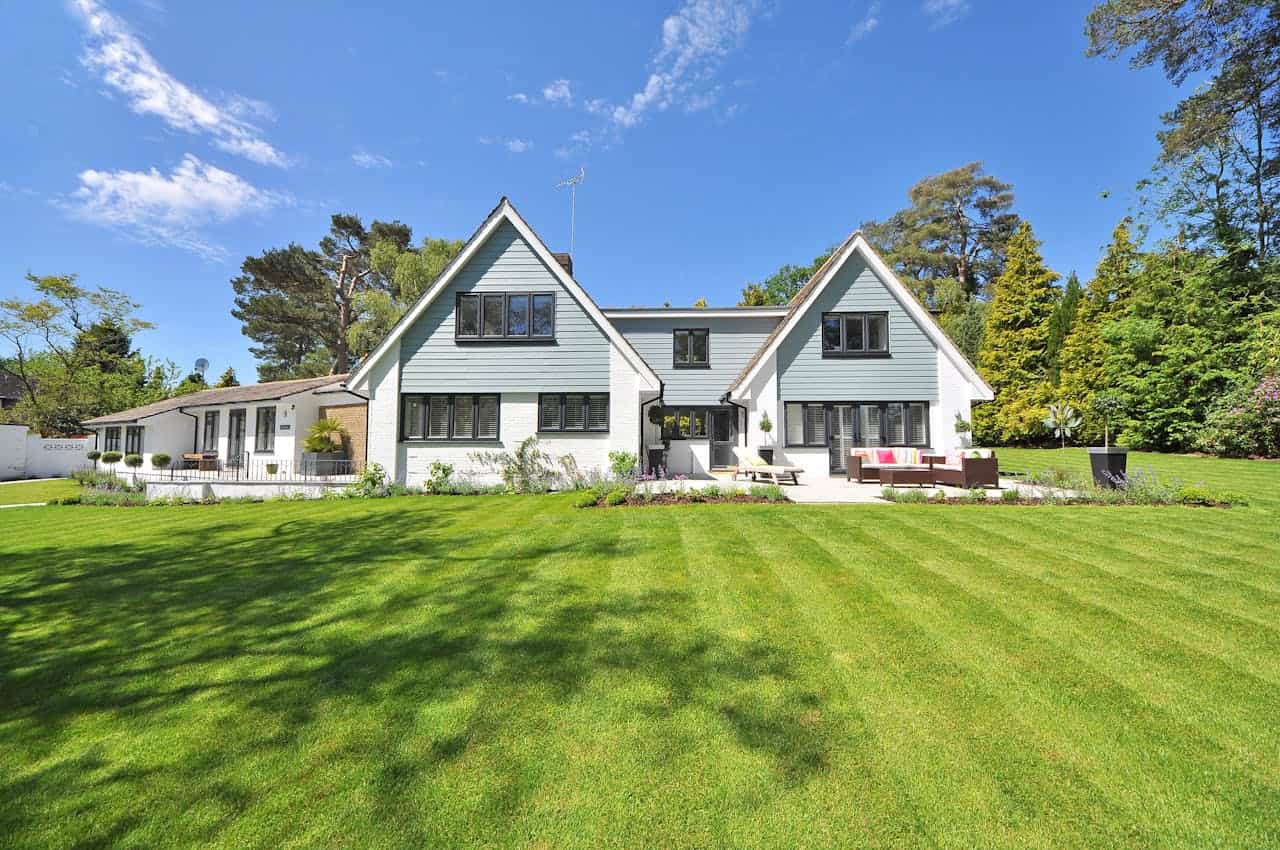
If you want a large manicured lawn, be ready to spend a lot of time mowing. Frequent mowing is necessary to keep it looking neat and healthy.
This upkeep can also add noise and carbon emissions around your home.
Switching to a lower-maintenance alternative could save you time and reduce your outdoor noise.
Complex flower beds with rare, high-maintenance plants

If you want a low-stress garden, avoid complex flower beds filled with rare plants. These plants often need specific soil, water, and light conditions that can be hard to manage.
You might spend more time troubleshooting issues than enjoying your garden. Instead, choose hardy plants that fit your local climate and require less daily care. This keeps your outdoor space beautiful without extra effort.
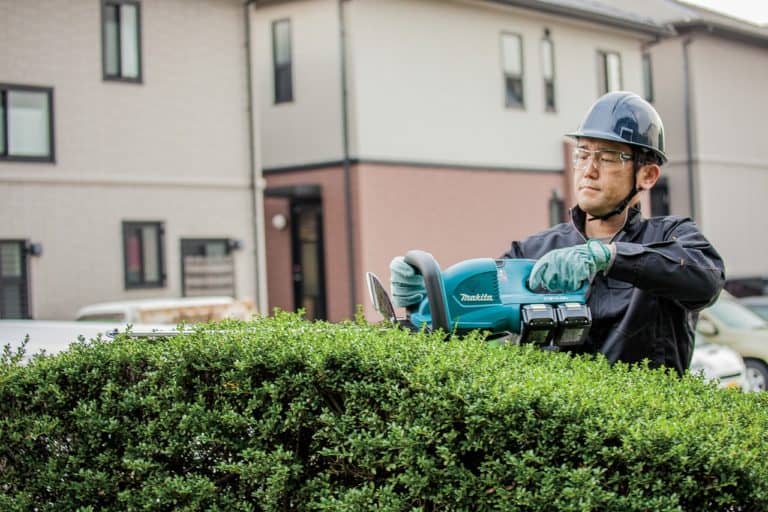
Boxwood hedges needing regular trimming

If you choose boxwood hedges, be ready to trim them regularly. You should prune them every spring to encourage healthy growth.
During the summer, trimming every six months helps keep their shape tidy. If you skip regular trimming, your boxwoods can quickly become overgrown and harder to manage.
Delaying pruning after winter damage is important until new growth starts. This keeps your hedges healthy while reducing stress on the plants.
Artificial turf that can heat up and degrade

If you choose artificial turf, be aware it can get very hot in direct sunlight. This makes it uncomfortable to walk or play on during warm days.
Also, fake grass blocks water absorption, which can cause the ground underneath to degrade over time. The plastic materials may break down and release gases, adding to maintenance issues.
Consider these factors before installing artificial turf in your yard.
Checkerboard grass patterns that are hard to maintain
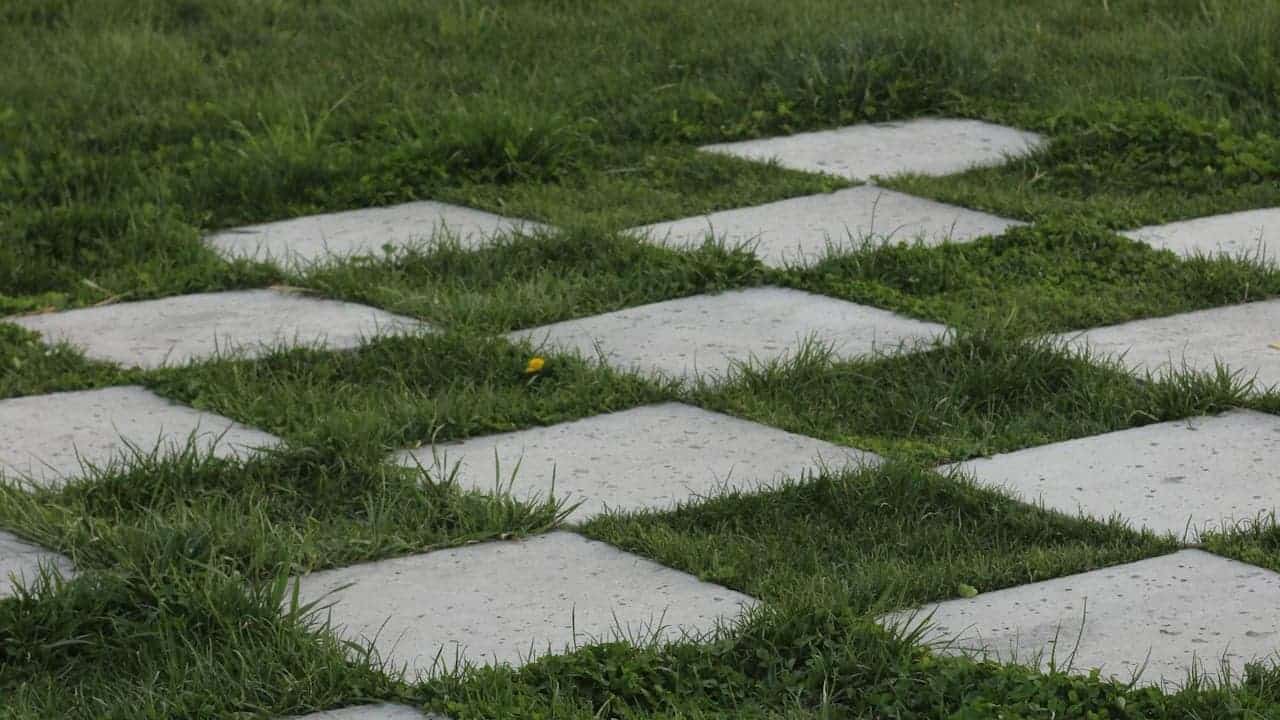
If you choose a checkerboard grass pattern, be ready for extra work. These patterns often use artificial turf, which can feel less natural over time.
Keeping the edges sharp requires frequent trimming and careful mowing.
You may find it harder to repair damaged sections without ruining the overall look. It’s not the best choice if you want low-maintenance greenery.
Extensive irrigation systems prone to leaks and overwatering

If your irrigation system is large and complex, you might face frequent leaks. Small breaks in pipes or faulty bubblers can waste a lot of water quickly.
Overwatering is another common issue. Your system might run too long or too often, which can harm plants and increase water bills.
Regularly check tubing and sprinkler heads. Keeping your system well-maintained helps avoid problems and saves water.
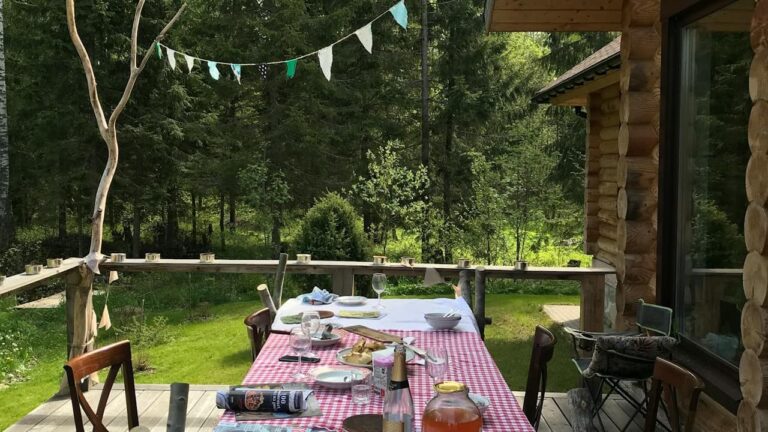
Expansive decks that need constant repair
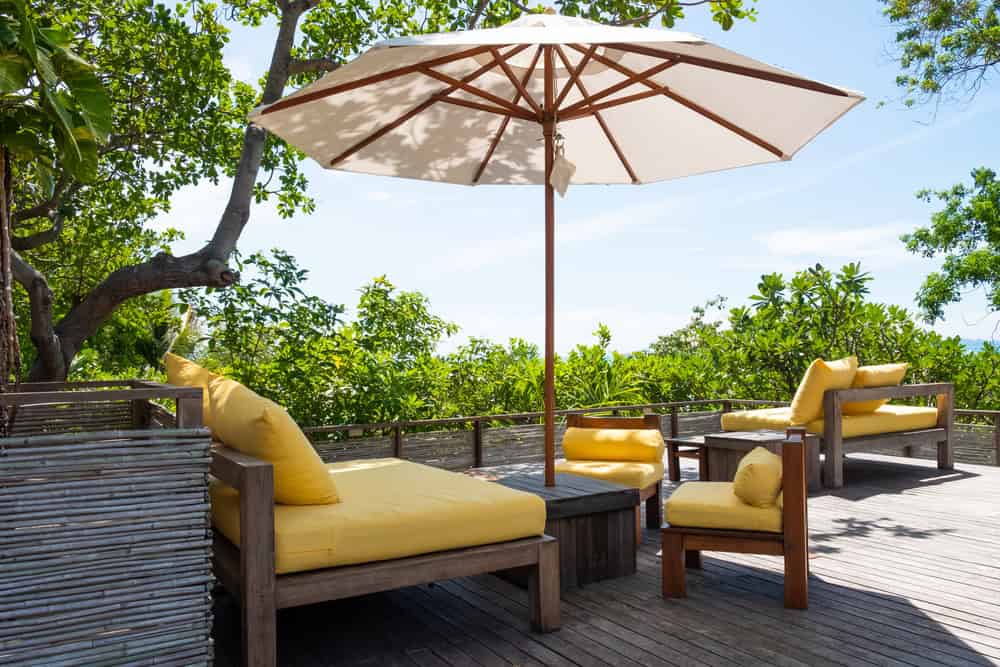
If you choose a large deck, be ready for frequent upkeep. Expansive decks, especially made of wood, can develop issues like rot, mildew, and warping over time.
You’ll need to clean regularly and watch for moisture damage, which can weaken the structure. Without proper maintenance, repairs will become a regular chore.
To reduce hassle, consider materials with lower upkeep or smaller deck sizes. That way, you can still enjoy your outdoor space without constant repairs.
Dim outdoor lighting that requires regular bulb changes

If your outdoor lights are dim and need frequent bulb replacements, they can become a hassle. You’ll spend time checking bulbs and swapping them out just to keep your space visible.
Choosing low-maintenance options like LED lights can help. They last longer and use less energy, saving you effort and money over time. Regular bulb changes disrupt your outdoor ambiance and add unnecessary tasks to your routine.
Cracked or broken fence slats needing frequent fixes
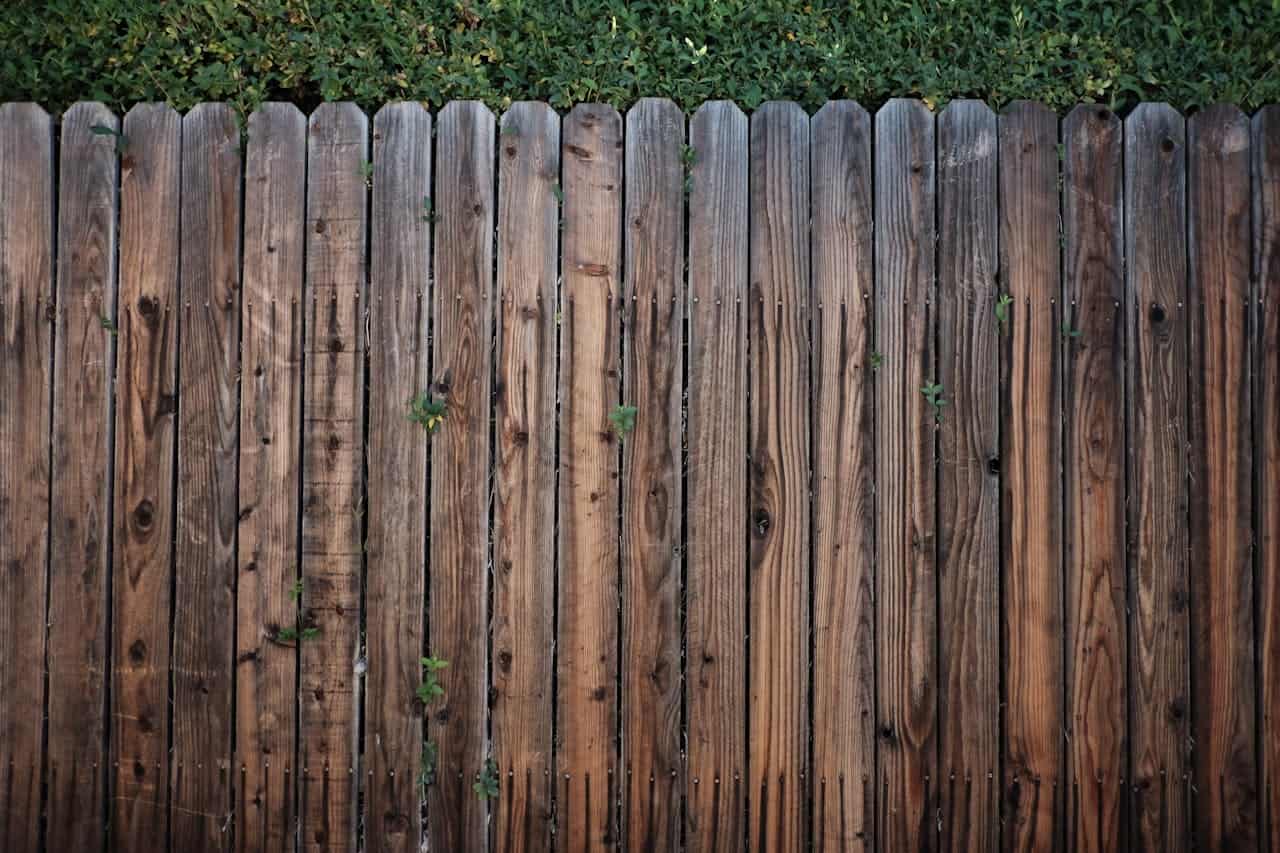
If your fence slats crack or break often, it can become a constant hassle. You’ll spend time filling gaps or replacing damaged wood regularly.
Wood fences are especially prone to wear without proper protection like paint or preservatives.
Frequent repairs can add up, so you might want to consider lower-maintenance options instead.
Invasive plants that spread aggressively

You want to avoid plants that quickly take over your yard and crowd out other vegetation. Invasive species like Japanese honeysuckle, English ivy, and butterfly bush grow rapidly and can be hard to control.
These plants demand extra effort to keep them in check. Choosing less aggressive alternatives will save you time and protect your garden’s health.
Huge trees planted too close to the house

You should avoid planting large trees too close to your home. Their roots can spread widely and may damage your foundation or underground pipes.
Keeping trees at least 15 to 25 feet away from the house helps prevent costly repairs. Plus, big trees near your walls can cause moisture problems and block natural light.
Choosing the right distance makes maintenance easier and protects your home over time.