As the mercury rises and buds begin to burst, our gardens awaken from their winter slumber, beckoning us to don those gardening gloves and breathe in the blissful scent of spring. It’s the perfect time to roll up your sleeves and get to work preparing your garden for the growing season. Whether you’re an experienced gardener or a green-thumbed newbie, navigating the myriad tasks of spring can be overwhelming.
Hence, I’ve distilled my spring gardening routine into 12 essential tasks that I never miss out on. Stick to these and your garden will be bursting with life and color in no time!
Advertisement
1. Cleaning Up
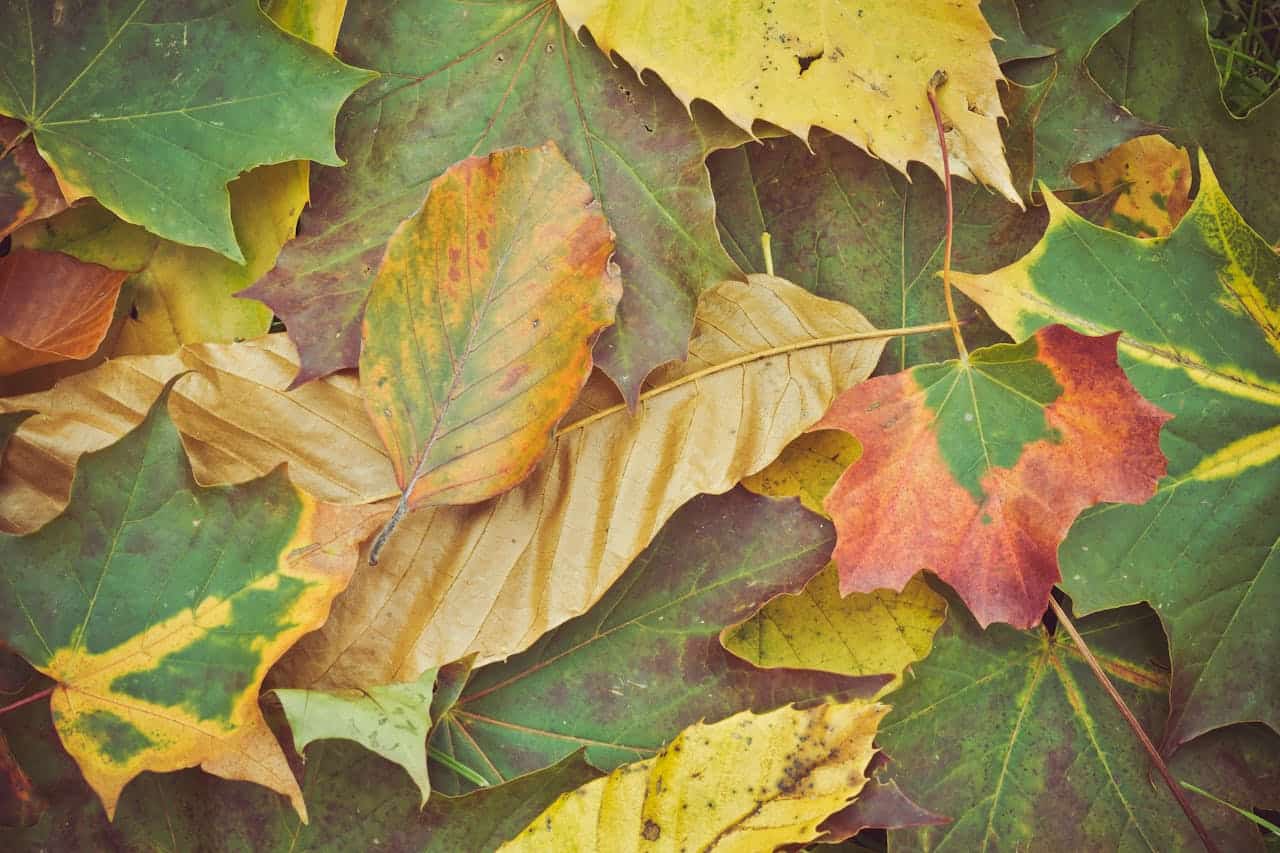
Spring cleaning isn’t just for the house. Your garden needs it too. I always begin by cleaning up all the debris that has accumulated over the winter—fallen leaves, dead plants, and other detritus. It’s also the ideal time to inspect your garden for any signs of winter damage.
A tidy garden isn’t just aesthetically pleasing. It also prevents pests and diseases from proliferating and gives your plants the breathing room they need to grow. Remember, even the most beautiful flowers will struggle to shine if they’re surrounded by clutter.
2. Pruning

Pruning is another task I never skip in spring. It involves trimming back the dead or overgrown branches of trees and shrubs. This might seem like a drastic measure, but it’s actually beneficial for your plants.
By removing the old or damaged parts, you’re allowing the plant to focus its energy on new growth. Plus, it helps to maintain the shape and size of your plants, keeping your garden looking neat and tidy. Always remember to use clean, sharp tools to make clean cuts, reducing the risk of disease transmission.
3. Soil Preparation

Before planting anything, I always make sure to prepare the soil. This involves turning it over with a garden fork or tiller to break up any compacted areas, which can restrict root growth and water absorption.
I also take this opportunity to enrich the soil with organic matter, like compost or well-rotted manure. These additions not only provide essential nutrients but also improve the soil structure, boosting its water retention and aeration properties.
4. Mulching
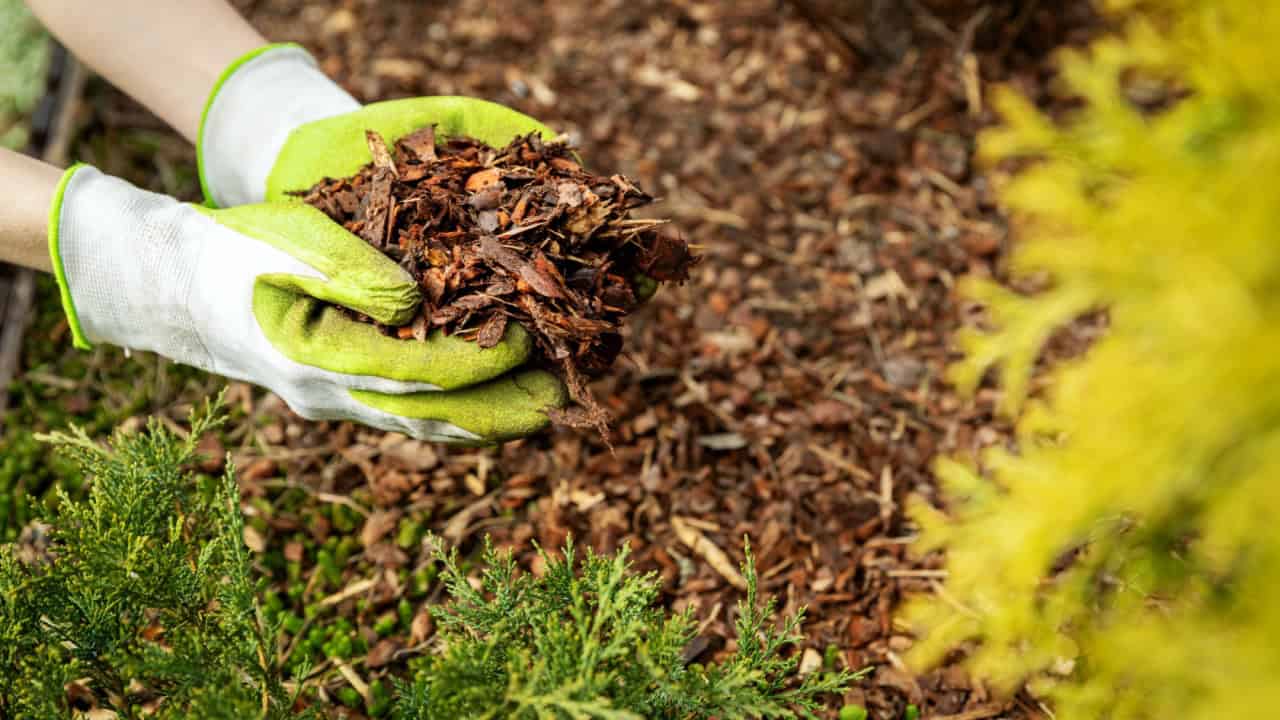
Next on my list is mulching. Mulch is a layer of organic or inorganic material that is spread over the surface of the soil. It serves multiple purposes—it conserves moisture, suppresses weeds, and enriches the soil as it decomposes.
I prefer to use organic mulches like compost, shredded leaves, or straw. They might need to be replenished more often than inorganic options, but they provide the added benefit of improving soil fertility over time.
5. Planting

Spring is the perfect time to get planting. I typically start by dividing and transplanting any perennials that have outgrown their spots or become less vigorous. This rejuvenates them and provides new plants for free.
I also sow hardy annuals and plant out any summer-flowering bulbs. Remember to water them in well and keep an eye on the weather forecast—spring frosts can still pose a threat to young plants.
6. Watering
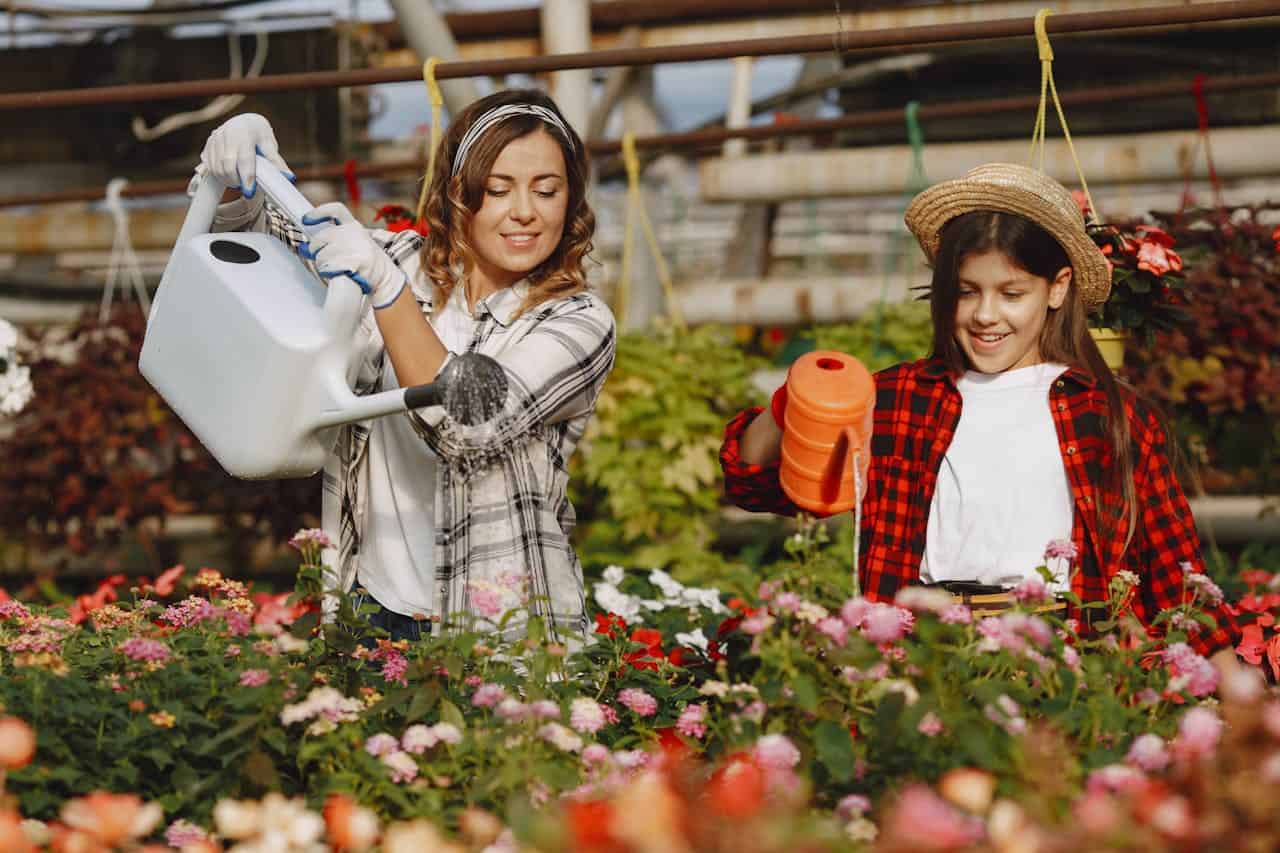
Watering is a crucial garden task that can make or break your plants’ success. In spring, I always ensure that my plants are well-watered, especially those that are newly planted or emerging from dormancy.
While it’s important to keep the soil moist, avoid over-watering as this can lead to root rot. The goal is to aim for consistently damp soil, not soggy.
7. Weed Control

In spring, not only do our beloved plants start to grow, but so do the pesky weeds. I make it a point to keep on top of weeding tasks throughout the spring.
By removing weeds early on, you can prevent them from spreading and competing with your plants for nutrients and water. Hand-pulling or hoeing is effective for most garden weeds, but for more stubborn ones, you might need to resort to a weed killer.
8. Lawn Care
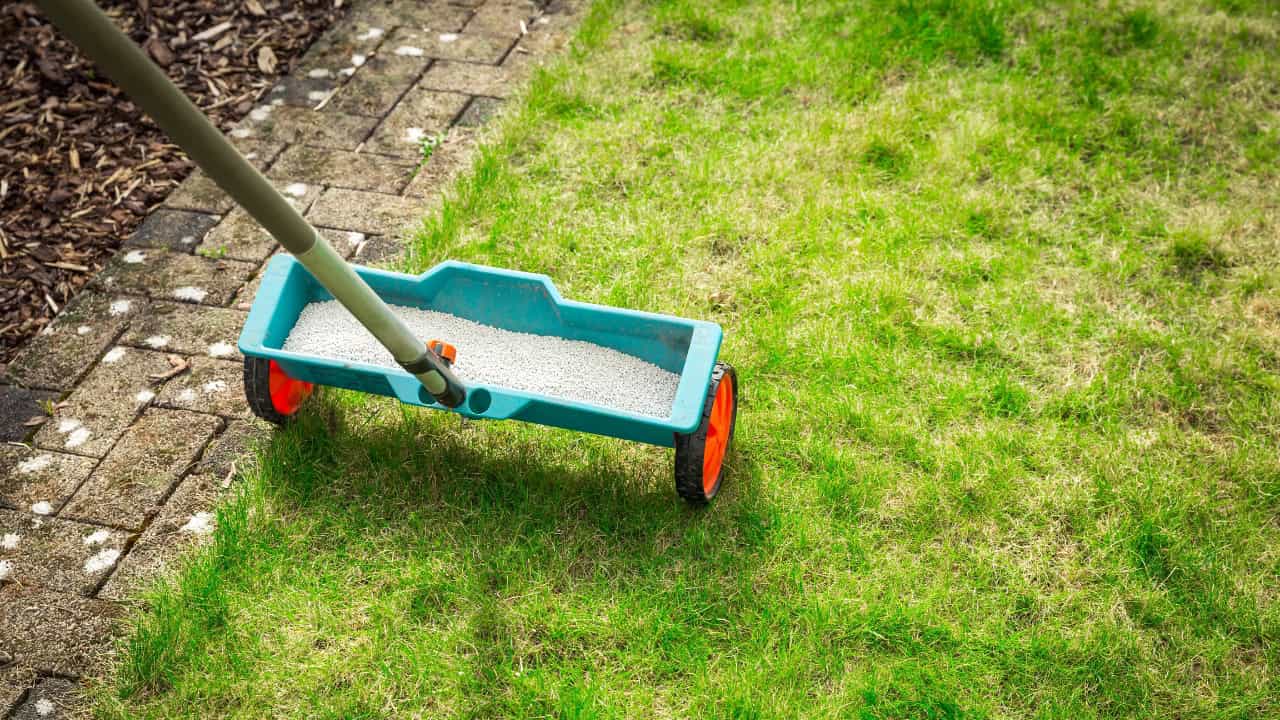
If you have a lawn, spring is the time to give it some TLC. I usually start by raking the lawn to remove any thatch and winter debris. This also helps to aerate the soil and stimulate new growth.
Next, I apply a slow-release lawn fertilizer to provide the grass with the nutrients it needs to green up and grow strong. If there are any bare patches, I reseed them and keep them well-watered until the new grass establishes.
9. Pest Control

Spring is also when many garden pests become active. I always keep a close eye on my plants for any signs of pest damage, like chewed leaves or stunted growth.
Depending on the pest, control methods can range from hand-picking or using a hose to spray them off, to applying insecticidal soap or other pest control products. Remember, early detection and intervention is key in pest management.
10. Support Structures
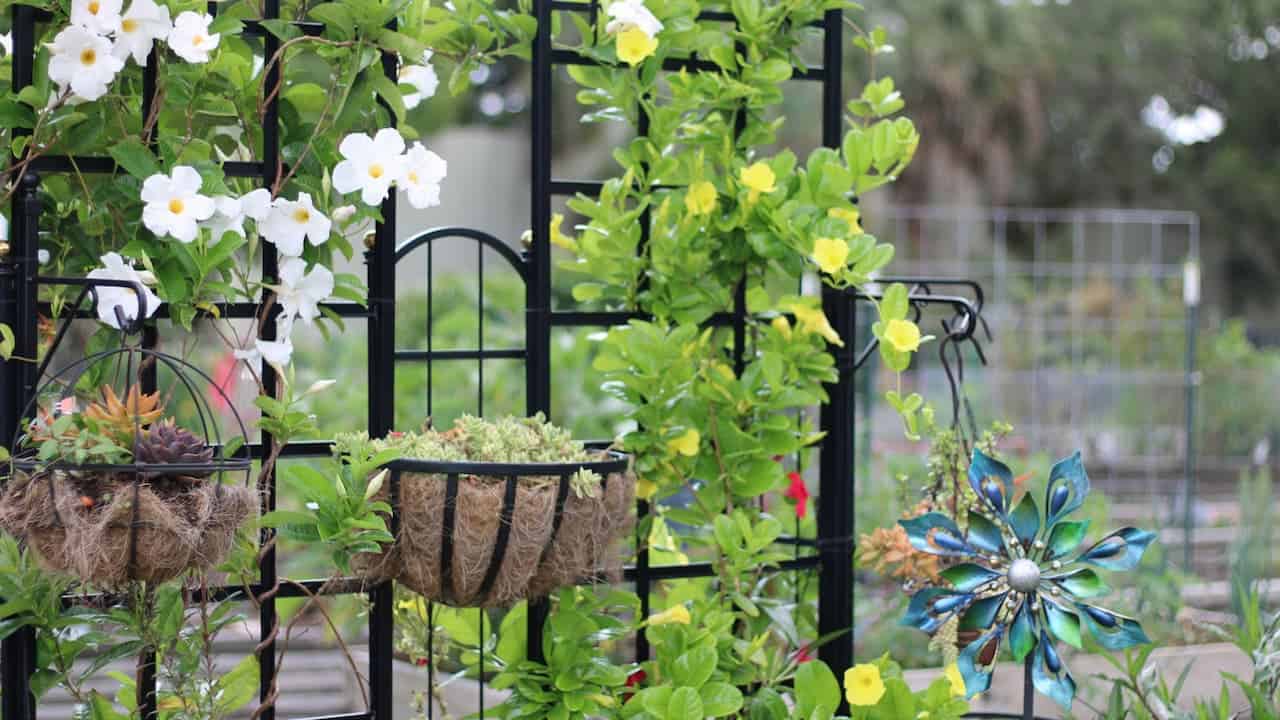
Before the growing season gets into full swing, I make sure to set up any necessary support structures. This includes stakes for tall plants, trellises for climbers, and cages for tomatoes.
Installing these supports early on helps to prevent damage to the plants’ roots if they were put in later. It also guides the plants to grow in the desired direction, keeping your garden neat and organized.
11. Tool Maintenance
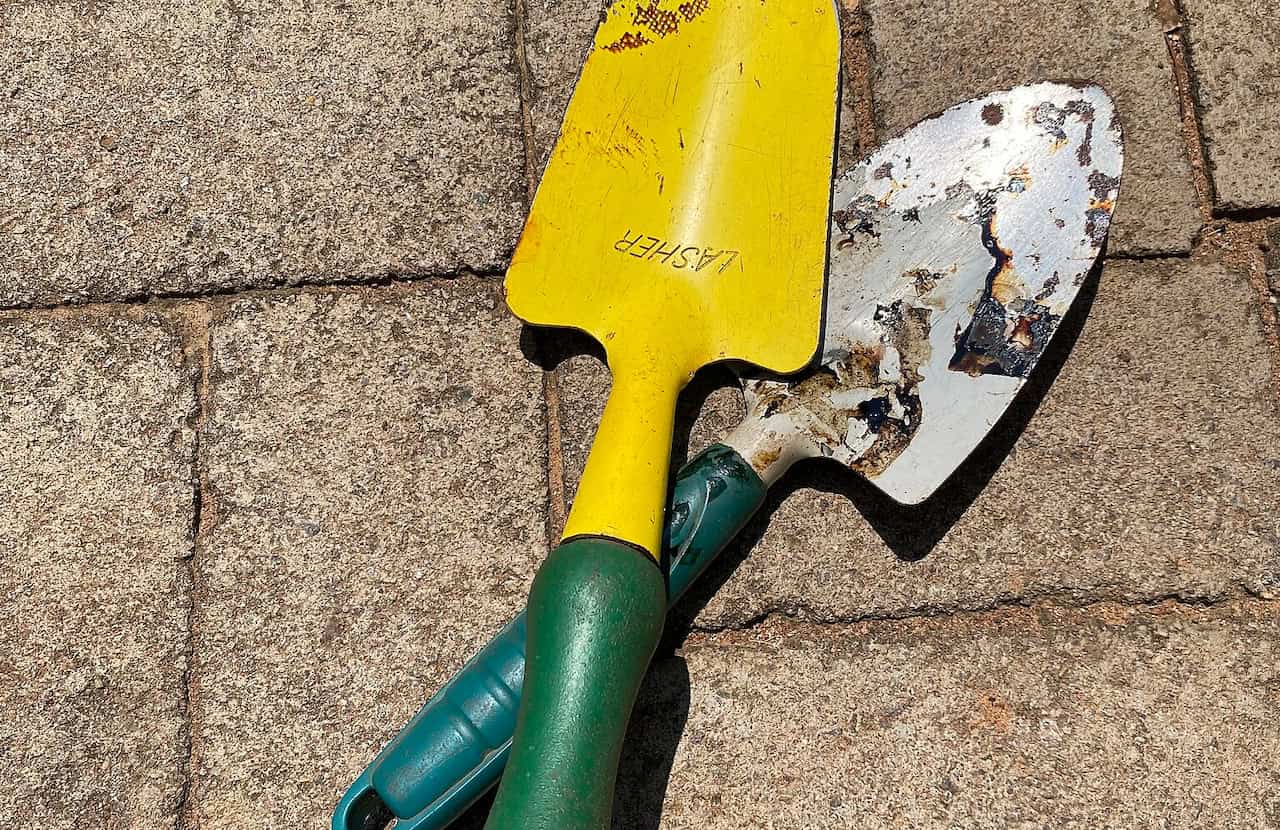
A gardener is only as good as their tools, so spring is the ideal time to give them a once-over. I make sure to clean, sharpen, and oil all my garden tools, and repair or replace any that are damaged.
Well-maintained tools not only make gardening tasks easier, but they also prevent the spread of diseases between plants. Plus, they’ll last much longer, saving you money in the long run.
12. Enjoying Your Garden

Last but certainly not least, I always make time to enjoy my garden. Whether it’s sipping a cup of coffee in the morning sun, watching the birds flit about, or simply taking a leisurely stroll amongst the flowers, these moments of quiet joy are what gardening is all about.
So, while it’s important to stay on top of your garden tasks, don’t forget to take a step back, take a deep breath, and appreciate the beauty you’ve helped to create. After all, a garden is more than just a collection of plants—it’s a sanctuary, a source of happiness, and a testament to the miraculous power of nature.