Gardening can sometimes feel overwhelming when problems arise, especially if you’re on a budget. Finding simple, affordable fixes can make your gardening experience more enjoyable and less stressful.
This article shows you how to tackle 12 common garden issues with solutions that cost just $1 each, making your garden healthier and easier to maintain without breaking the bank. These quick tips help you save money while keeping your garden thriving.
Advertisement
Use burlap sacks to protect plants from frost

You can use burlap sacks to shield your plants from frost without spending much. Burlap lets air circulate while blocking cold winds, making it better than plastic covers that can trap moisture and harm plants.
Set up stakes around your plant and drape the burlap loosely over them. This keeps the fabric away from fragile leaves and helps prevent freezing damage. Adding cardboard around the base can improve insulation.
Sprinkle vinegar on weeds to kill them naturally
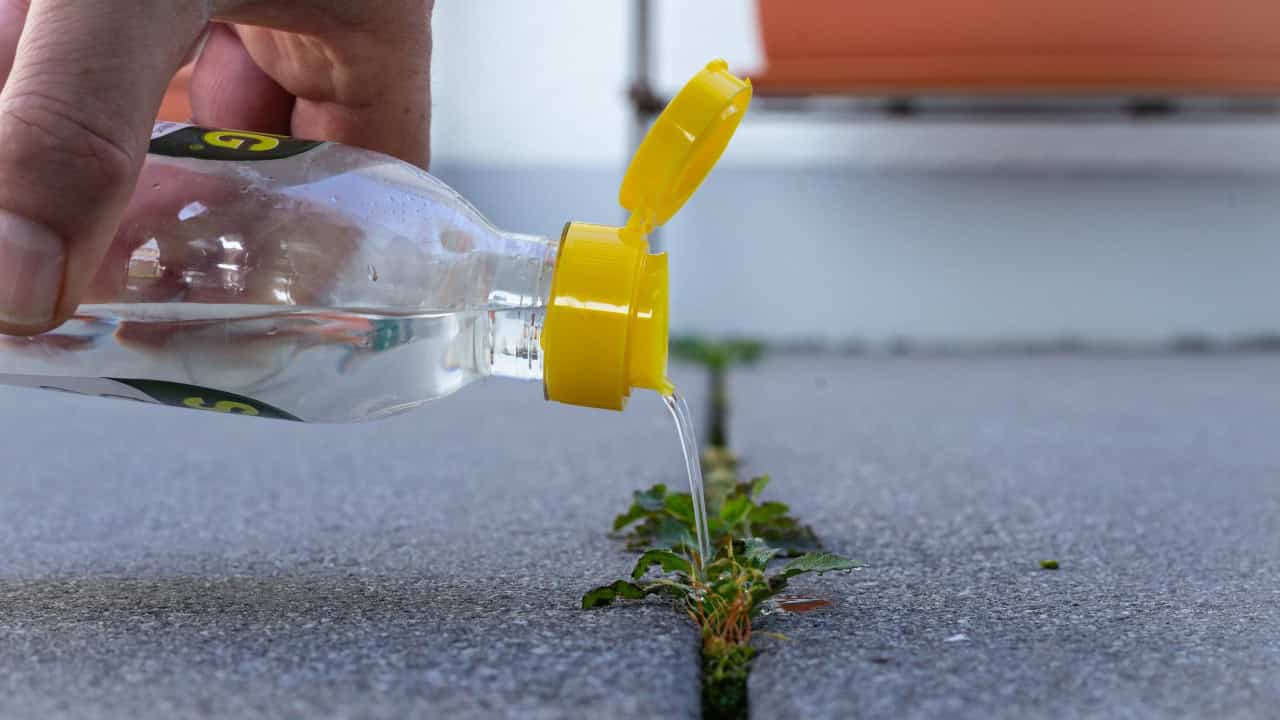
You can use vinegar as a simple, natural weed killer. Just mix white vinegar with a little dish soap and spray it directly on the weeds.
This method works best on small, young weeds and may take a few hours to start showing effects. For larger weeds, you might need to spray more than once. Avoid spraying on plants you want to keep, as vinegar can harm them too.
Apply baking soda around plants to prevent fungal growth
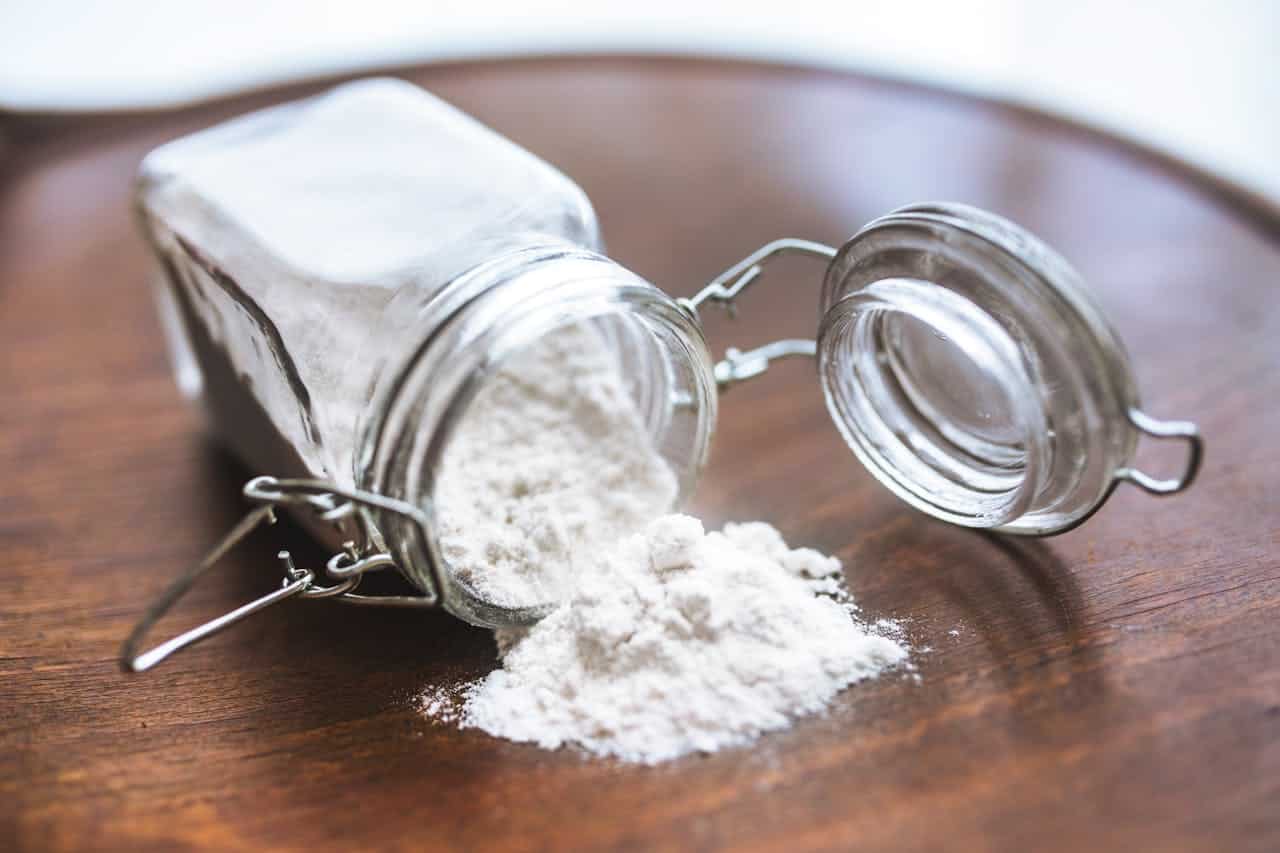
You can use baking soda to help keep fungal problems at bay. Mix about one tablespoon of baking soda in one gallon of water and apply it to the soil around your plants.
Be careful not to spray the mixture directly on leaves or flowers. Regular applications every few weeks can reduce fungal spores and protect your garden. This simple step is easy and inexpensive.
Plant thyme in gravel areas to create a low-maintenance ground cover

You can use creeping thyme to cover gravel patches easily. It grows well in tough conditions and adds a soft, green touch.
Thyme is hardy and low-maintenance, needing little care once established. It can handle light foot traffic, but avoid heavy stepping to keep it healthy.
To plant, lay thyme over gravel and water it regularly at first. This creates a pretty and practical ground cover without much work.
Use $1 type A grass seed to patch bare lawn spots

You can easily fix bare patches in your lawn by using affordable type A grass seed. Start by loosening the soil with a rake or garden tool to help seeds settle in.
Spread the seed evenly over the bare spots. Lightly cover with peat moss or soil to protect seeds and keep moisture in.
Water the area gently and keep it moist until grass starts to grow. You’ll see new grass in about a week.
Create DIY garden markers from recycled cardboard

You can easily make garden markers using old cardboard pieces. Cut them into small rectangles or shapes that suit your garden style.
Write the plant names on the cardboard with a permanent marker. To protect them from moisture, cover the cardboard with clear tape or a homemade sealant.
Stick the markers into the soil near your plants. This method is simple, cheap, and helps you reuse materials you already have.
Mix salt with water to clear moss from stone paths

You can easily remove moss by mixing salt with water. Dissolve rock salt in water to create a natural moss killer.
Pour the solution onto your stone paths, especially focusing on cracks where moss tends to grow.
The salt helps dry out the moss and stops it from returning quickly. Be careful to avoid nearby plants, as salt can harm them.
Use cheap burlap and cardboard to build mini greenhouses
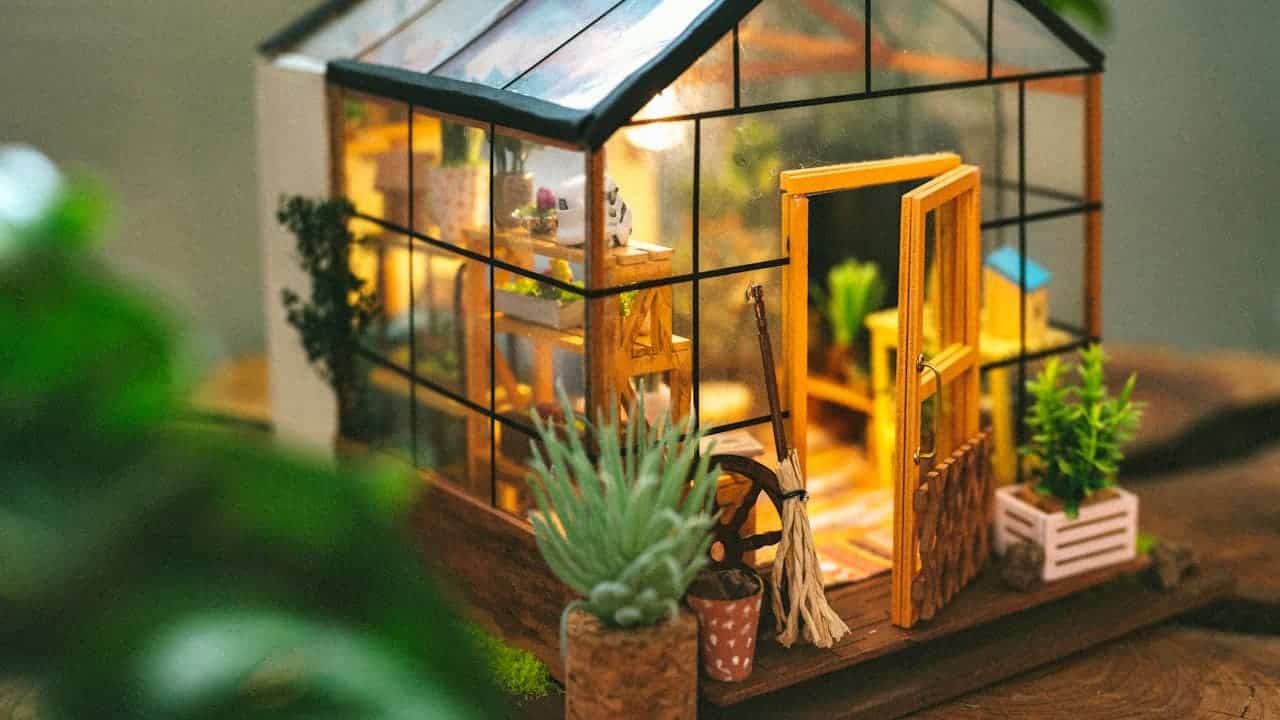
You can create mini greenhouses using burlap sacks and cardboard for about a dollar. Burlap is breathable, allowing air circulation while protecting your plants from harsh weather.
Cardboard adds structure and stability, making the greenhouse more sturdy. Just shape the cardboard around your plants and cover it with burlap to keep warmth in. This simple setup helps seedlings grow without costing much.
Plant ferns in shady spots as lawn substitutes
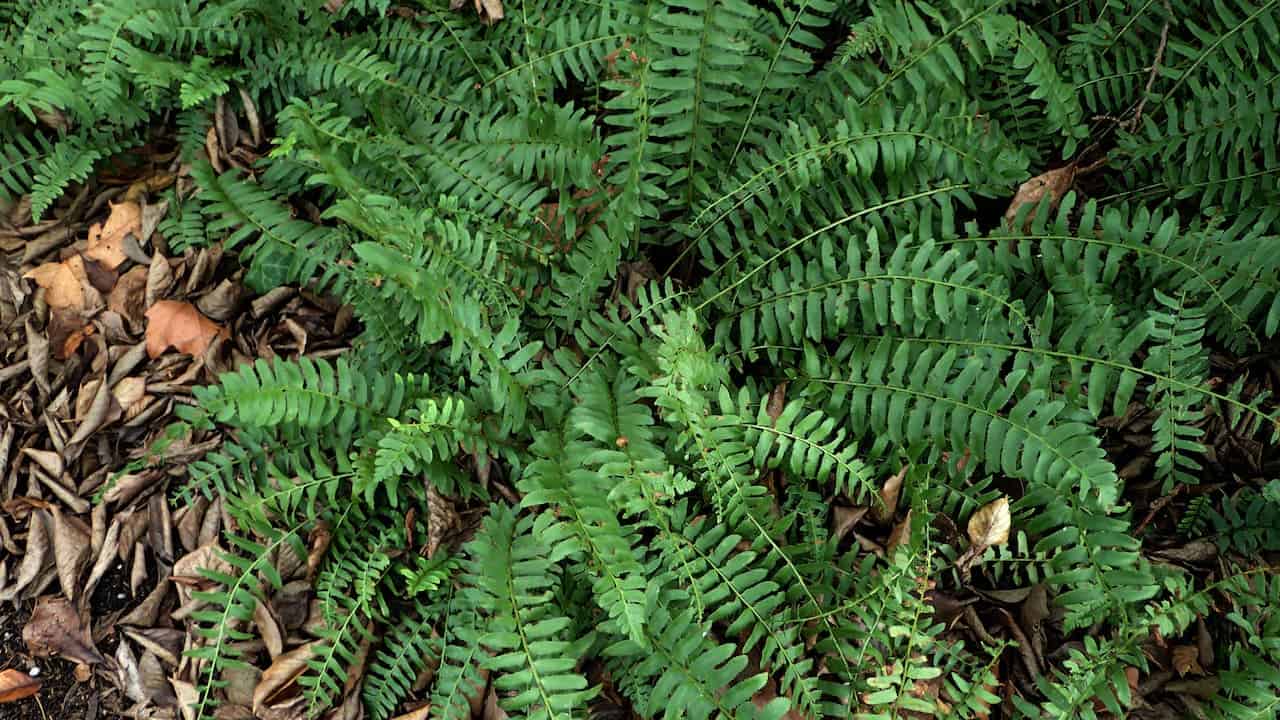
If you have a shady area where grass struggles to grow, consider planting ferns instead. Ferns thrive in low light and add a lush, green texture to your yard.
They require minimal maintenance once established and can fill bare spots effectively. Using ferns saves you time and the cost of reseeding or lawn repair. Your shady garden will feel more natural and inviting.
Use $1 burlap sacks to store garden tools
You can grab burlap sacks for about $1 at hardware stores. They’re sturdy and breathable, making them great for tossing in your garden tools.
The sacks keep your tools organized and easy to carry around. Plus, burlap is durable enough to handle dirt and moisture.
Using burlap also helps prevent rust by allowing air to circulate. It’s a simple, cheap way to keep your workspace tidy.
Spread baking soda on soil to balance pH
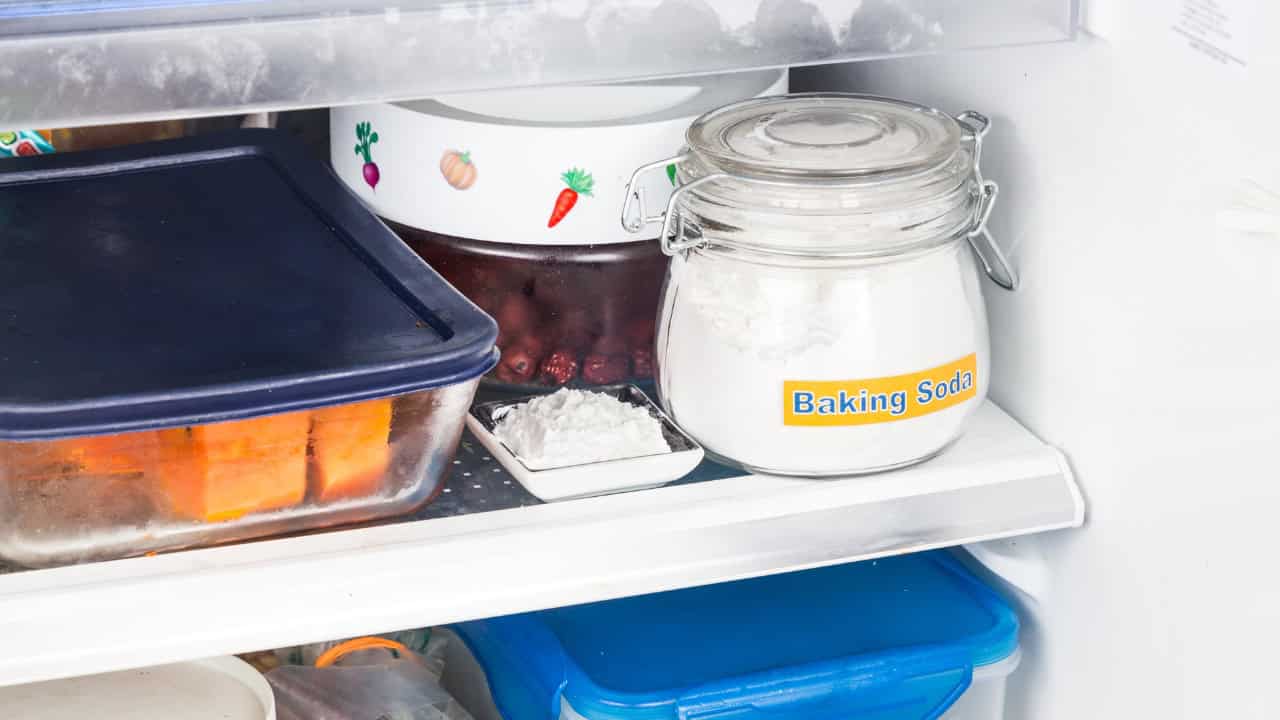
You can use baking soda to test if your soil is acidic. Sprinkle a bit on wet soil; if it fizzes, your soil’s pH is low.
To raise the pH, mix a small amount of baking soda in water and spread it lightly over your garden soil.
Be careful not to overdo it—too much baking soda can harm plants. Adjust gradually and monitor your soil’s reaction.
Wrap young trees with burlap for pest protection
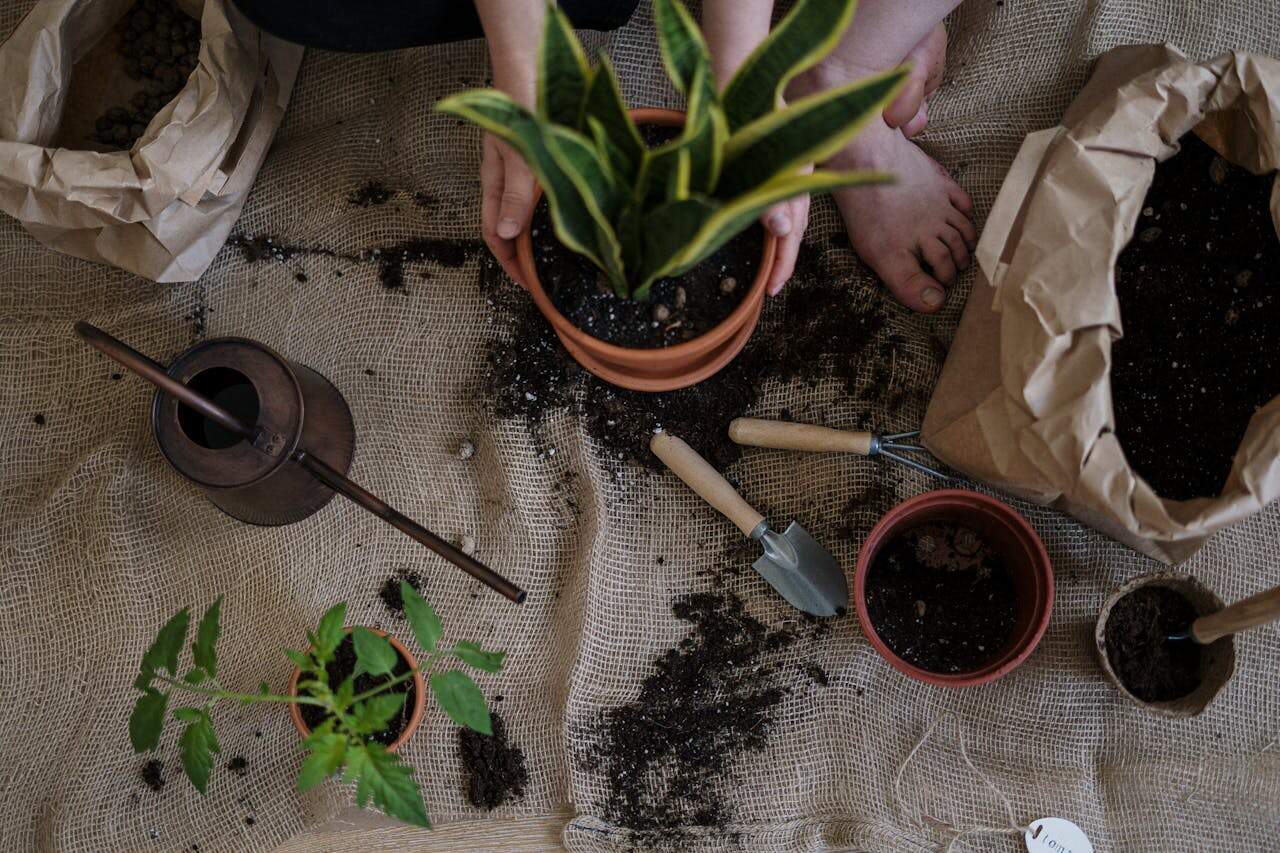
You can use burlap to wrap young trees and protect them from pests like spongy moths. The fabric creates a barrier that helps keep insects from damaging the bark and leaves.
Wrapping also shields your tree from harsh winds and sun, which can stress young plants. It’s an easy, low-cost way to give your tree extra care during vulnerable times.