Mosquitoes can quickly turn your garden into an uncomfortable place, especially when certain conditions encourage them to multiply. Knowing what might unknowingly attract these pests can help you keep your outdoor space more enjoyable.
Understanding the common garden mistakes that lead to mosquito breeding is key to reducing their numbers around your home. By identifying and fixing these issues, you can create a yard that’s less inviting to mosquitoes and more pleasant for you and your family.
Advertisement
Ignoring standing water in saucers under potted plants

You might not realize it, but those saucers under your pots can hold enough water for mosquitoes to breed. After a rain or watering, water often collects there and stays stagnant.
Checking and emptying these saucers regularly helps stop mosquitoes from using them as a nursery. It’s a simple step that makes a big difference in keeping your garden comfortable.
Letting gutters and drains become clogged
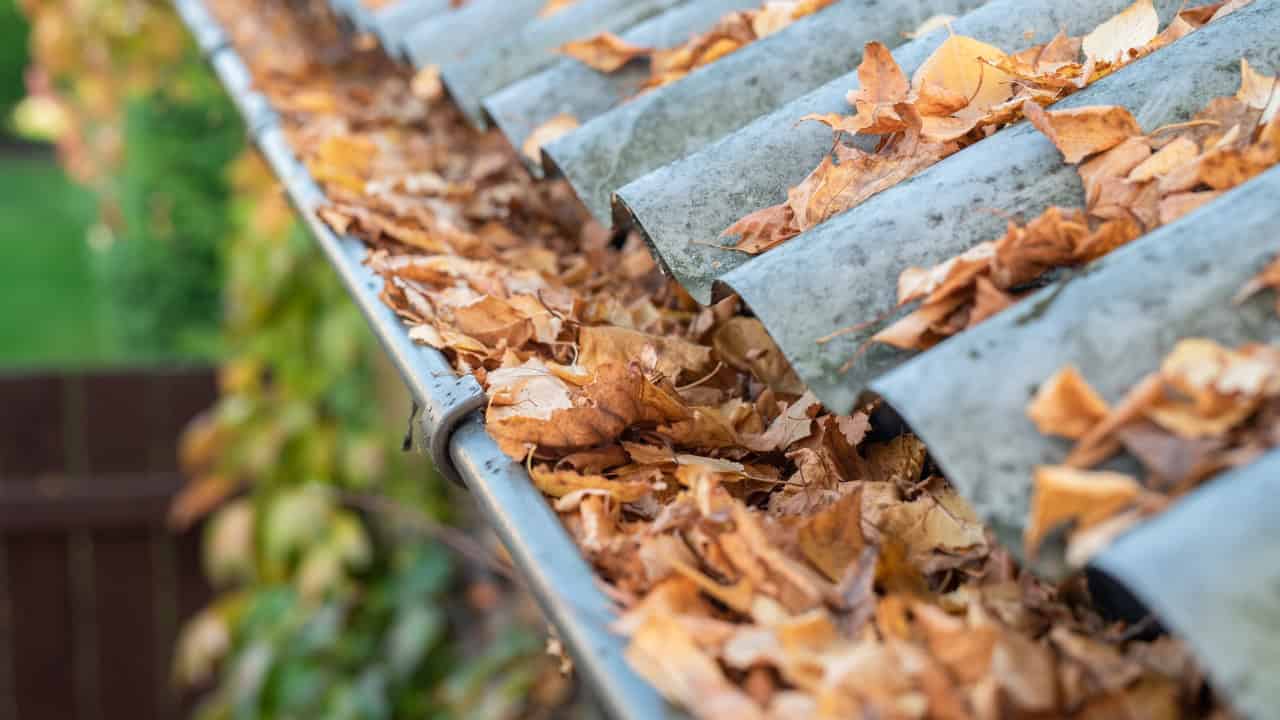
When gutters and drains get clogged, water can pool and create perfect spots for mosquitoes to lay eggs. Even small amounts of standing water in these areas are enough for breeding.
You should clean your gutters regularly to keep water flowing freely. Also, check drains for any blockages so water doesn’t collect and become a mosquito hotspot.
Leaving birdbaths uncleaned and filled with stagnant water
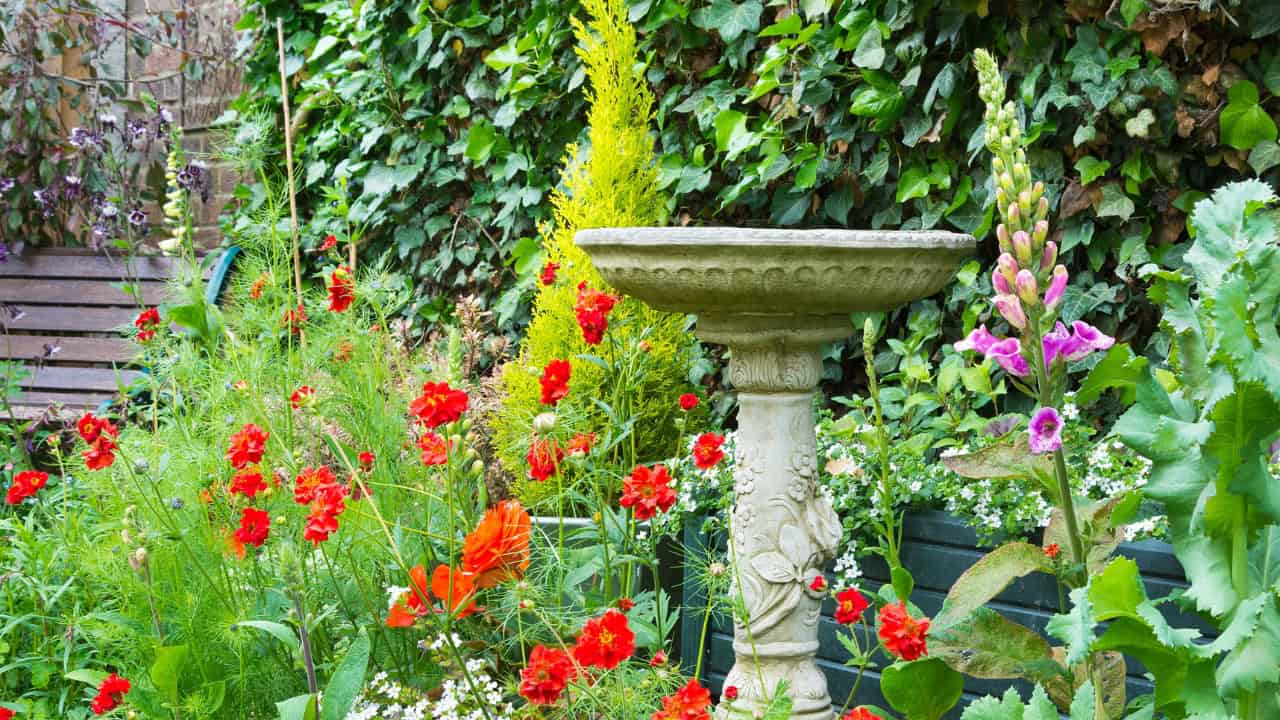
If you leave your birdbath filled with stagnant water, it becomes a perfect spot for mosquitoes to lay eggs. Female mosquitoes are attracted to still water for breeding.
You can prevent this by refreshing the water every few days. Cleaning your birdbath regularly also helps keep mosquito larvae from developing. Your birds will appreciate the clean water too!
Allowing grass to grow too tall and stay damp

If you let your grass grow tall, it creates a perfect resting place for mosquitoes. They like the cool, shaded environment tall grass provides, especially when it’s damp.
Keeping your grass short helps reduce these hiding spots. Also, avoid overwatering to prevent moisture buildup that attracts mosquitoes.
Neglecting to empty old tires or containers holding rainwater
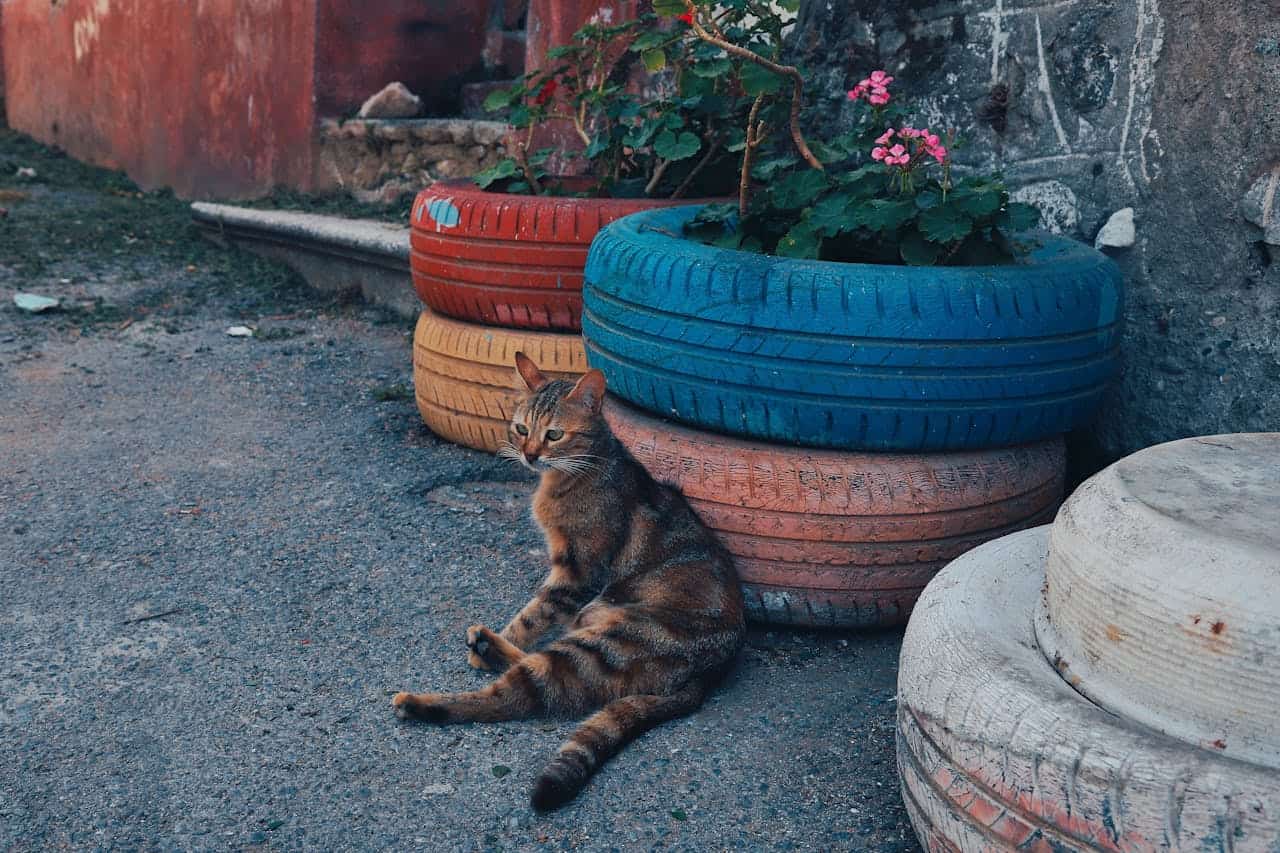
If you leave old tires or containers outside, rainwater can collect inside. This creates a perfect spot for mosquitoes to lay their eggs.
You should regularly empty or dispose of these items to stop water from sitting still. Even small amounts of water can encourage mosquito breeding.
Drilling holes in containers you want to keep can help water drain out. This simple step prevents mosquitoes from using them as nurseries.
Not draining unused pools or hot tubs regularly

If you have unused pools or hot tubs, they can quickly become mosquito breeding spots. Stagnant water left undisturbed for days allows mosquitoes to lay eggs.
Make sure to drain or cover your pools and hot tubs when they are not in use. If you use covers, remember to drain any water that collects on top at least once a week. This simple step helps keep mosquitoes away from your garden.
Overlooking puddles formed after rain showers
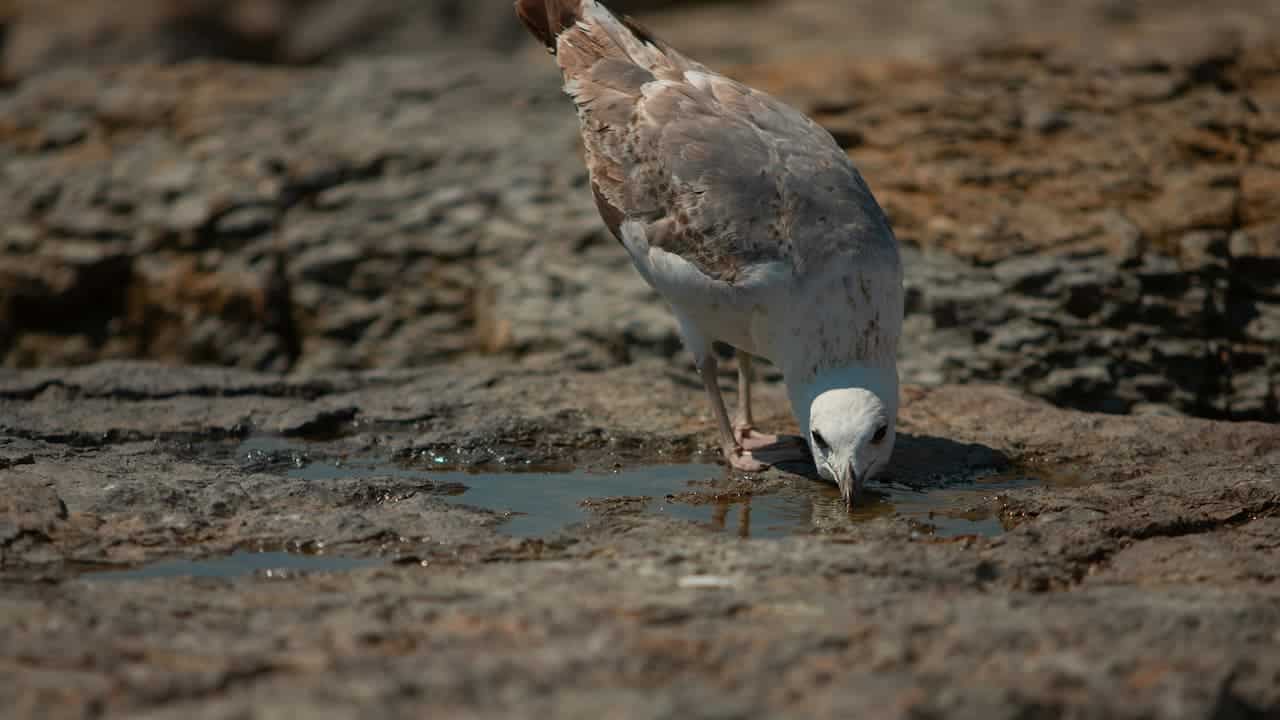
After it rains, small puddles often appear around your garden. These little pools might seem harmless, but they provide perfect spots for mosquitoes to lay eggs.
You should check your yard for any standing water, even in low spots or plant saucers. Regularly emptying or draining these areas can help reduce mosquito breeding.
Accumulating yard debris like leaves and sticks
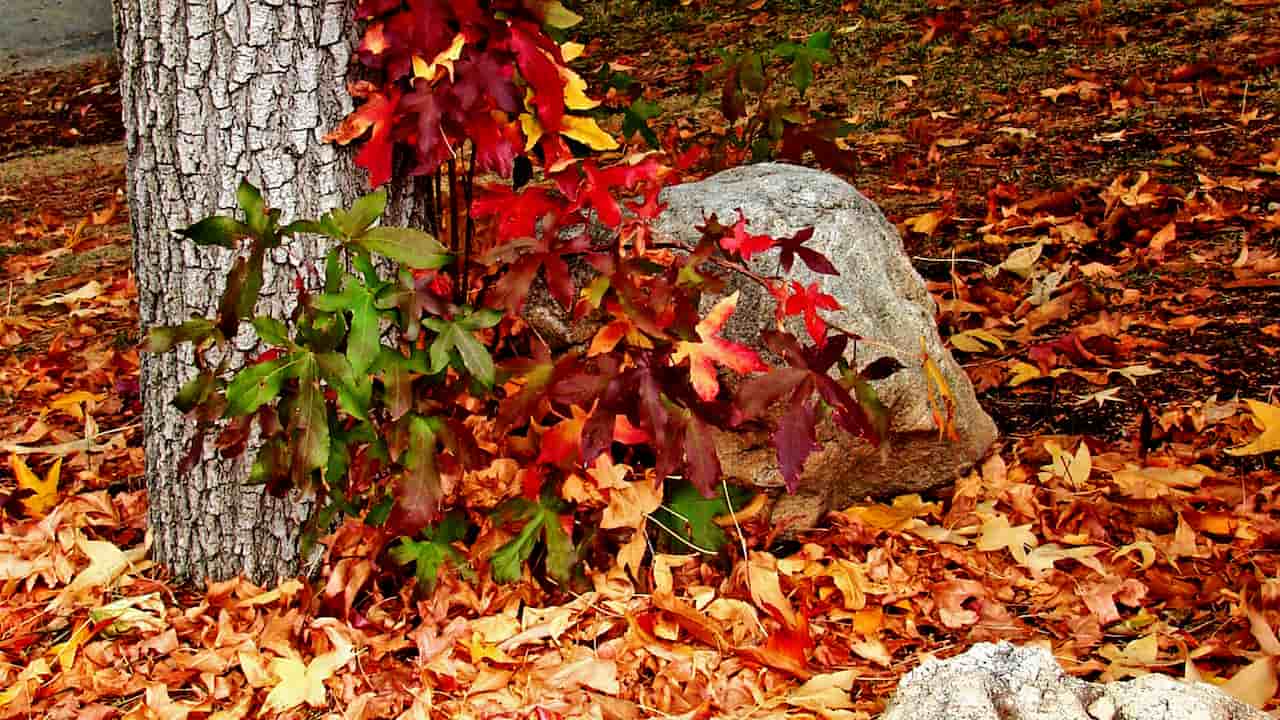
When leaves, sticks, and other yard debris pile up, they create cool, shady spots where mosquitoes can hide and breed. Wet piles especially hold moisture, which mosquitoes need to lay eggs.
You might not notice how quickly this debris collects, but keeping your yard clear helps reduce mosquito habitats. Regularly removing leaves and sticks makes your outdoor space less inviting for these pests.
Failing to clean pet water bowls daily

If you leave your pet’s water bowl unwashed, it can collect stagnant water. Mosquitoes love to lay eggs in still water, making bowls a perfect breeding ground.
Make it a habit to pour out old water and rinse the bowl every day. Fresh, moving water helps keep mosquitoes away and keeps your pet’s drinking water clean.
Leaving tarps or covers that collect rainwater
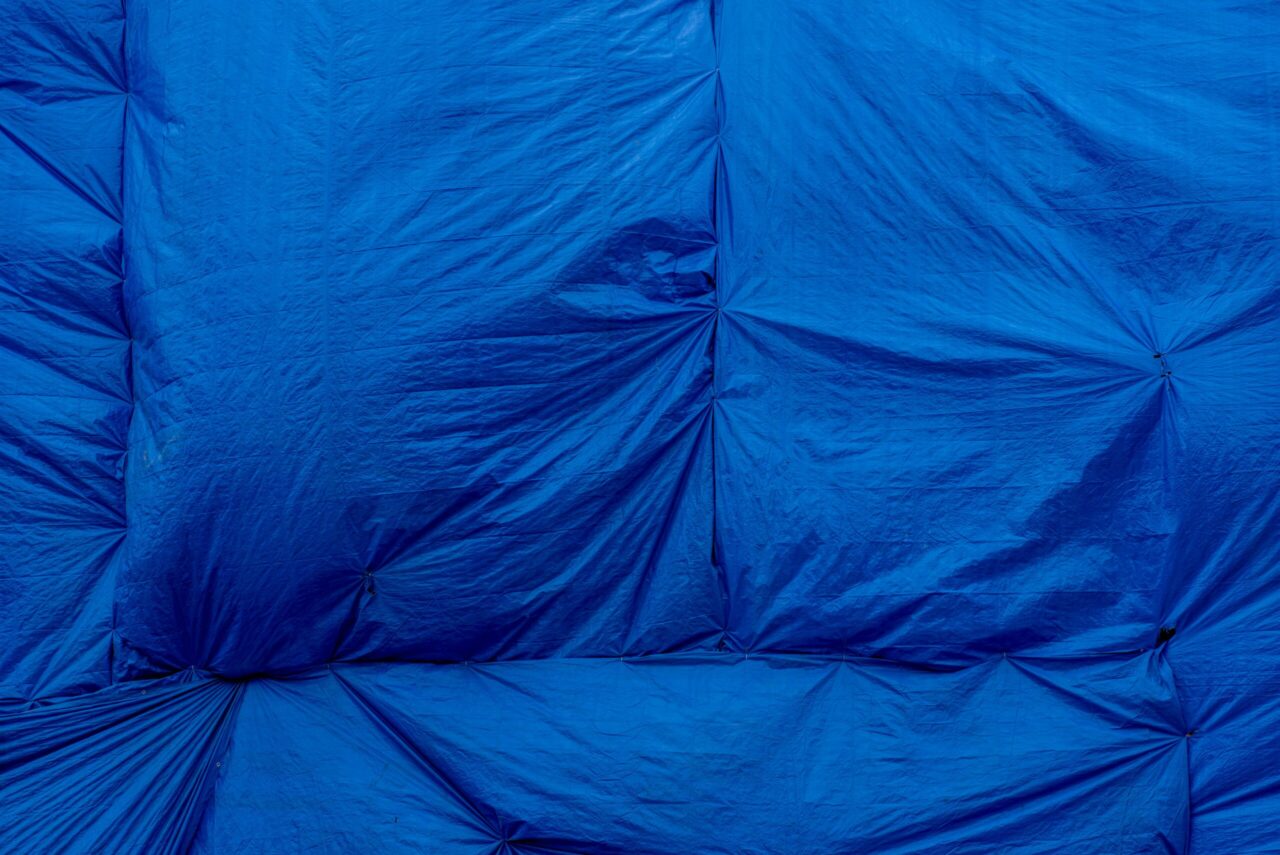
When you leave tarps or covers in your yard, water can easily pool in the folds. This standing water creates a perfect spot for mosquitoes to lay eggs.
To prevent this, make sure to tighten tarps and covers so water doesn’t collect. If water does gather, shake out the tarp at least once a week to keep it dry and less attractive to mosquitoes.
Ignoring clogged roof valleys where water pools

You might overlook roof valleys, but they can trap water after rain. When leaves and debris block these areas, water pools, creating a perfect spot for mosquitoes to lay eggs.
Regularly clearing debris keeps water flowing and stops it from standing. This simple step can reduce mosquito breeding around your home.
Not trimming dense shrubs that provide mosquito shelter

If you leave shrubs thick and untrimmed, you create perfect hiding spots for mosquitoes. These dense areas protect them from wind and predators.
By regularly trimming your shrubs, you reduce shelter for mosquitoes and help keep your garden less inviting. It’s a simple step that can make a noticeable difference in mosquito presence around your home.