Gardening can be a rewarding and relaxing hobby, but it often comes with challenges that slow you down. Finding simple tricks to make tasks easier and more efficient can change the way you care for your garden.
These 12 garden hacks will help you save time, effort, and resources, making your gardening experience more enjoyable and productive. Whether you’re a beginner or have some experience, these tips can help you get the most out of your outdoor space.
Advertisement
Use the Double Cup Method to keep seedlings moist longer
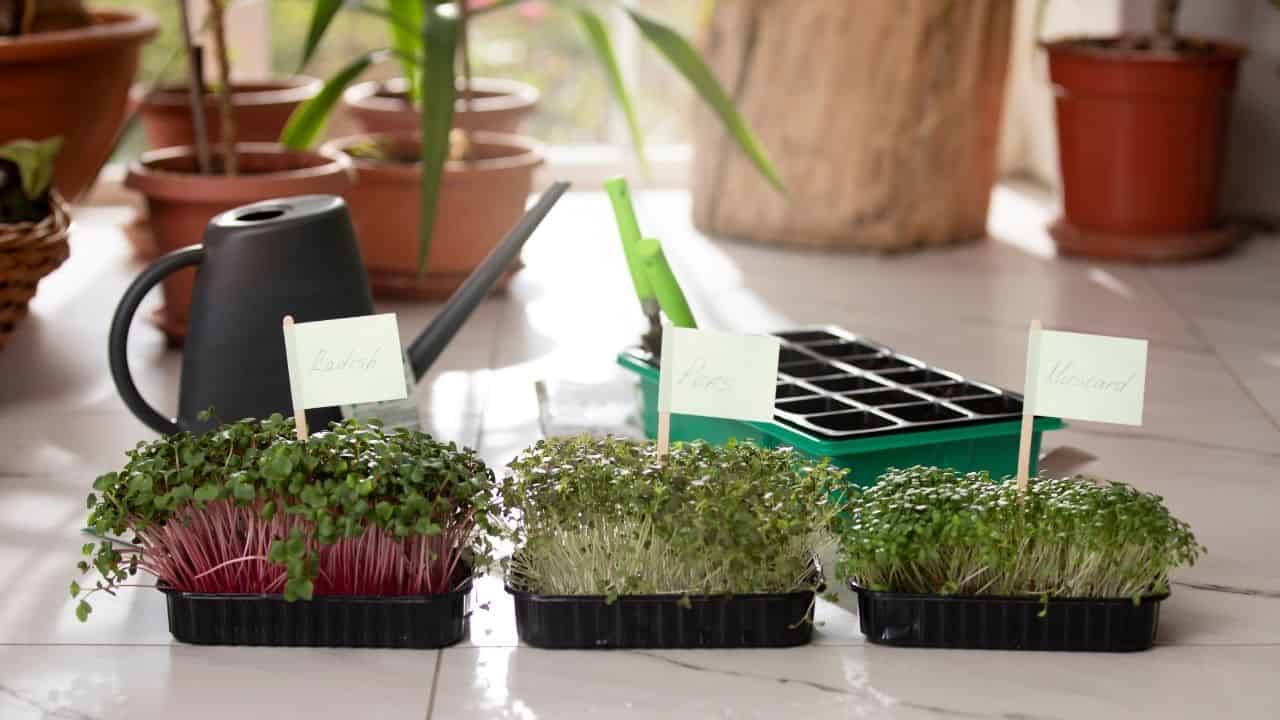
You can use two nested plastic cups to help your seedlings stay moist. Place a spacer, like pebbles, between the cups to create space for water at the bottom.
This method makes watering easier and keeps roots from sitting in too much water. Using a clear cup on the outside helps you see the water level without disturbing your plants.
Create self-watering containers using plastic bottles

You can turn old plastic bottles into simple self-watering planters. Cut the bottle in half and invert the top part into the bottom. Fill the top with soil and plant your seeds or seedlings.
Add water to the bottom section to keep the soil moist. This setup reduces watering frequency and helps your plants stay hydrated. It’s budget-friendly and eco-friendly too.
Sprinkle crushed eggshells around plants to deter pests
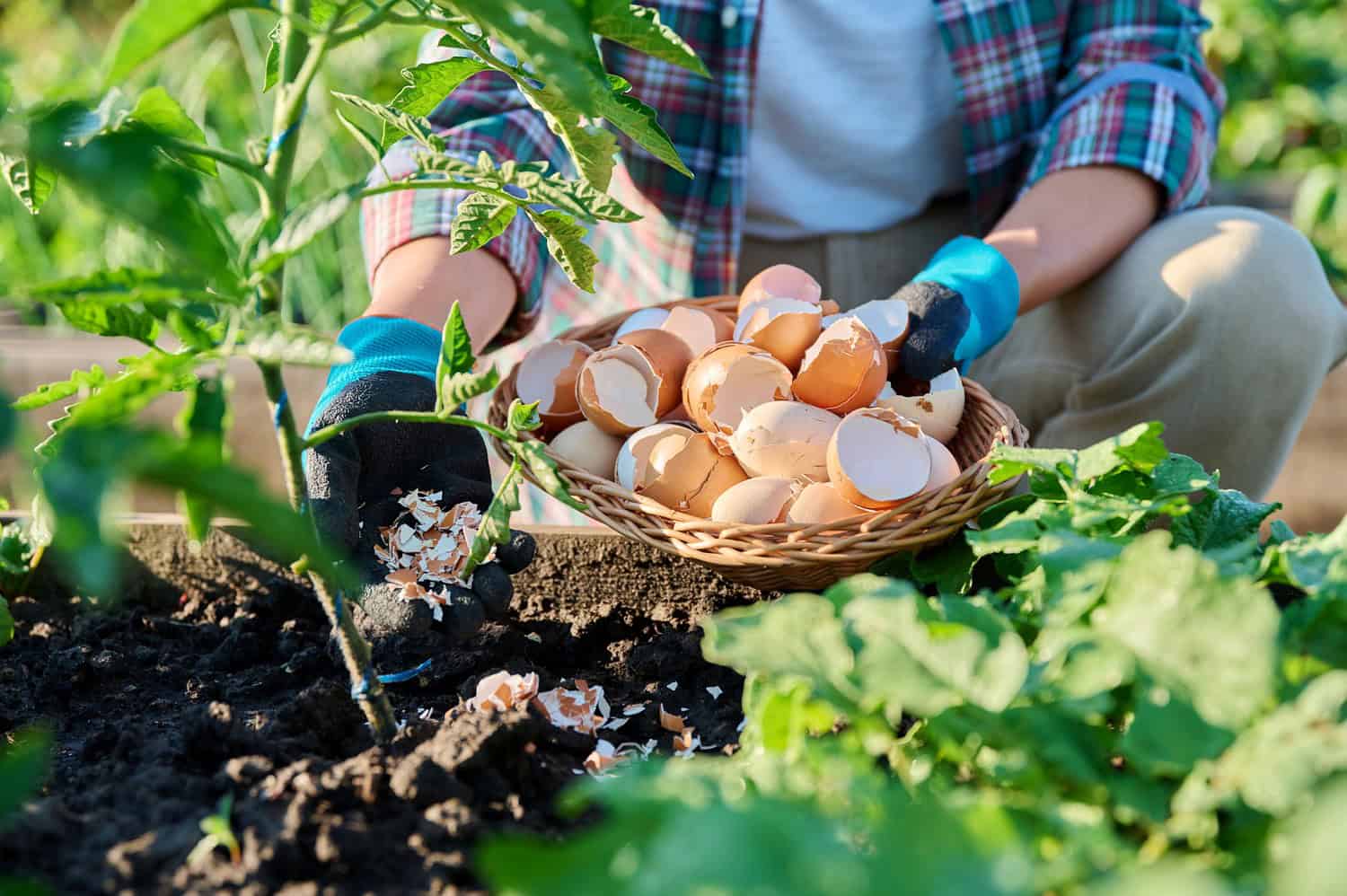
You can use crushed eggshells to keep pests like slugs and snails away from your plants. The sharp edges make it uncomfortable for these critters to crawl over.
Simply scatter crushed shells around the base of your plants. This creates a natural barrier that helps protect your garden without chemicals.
Plant marigolds to naturally repel insects

You can plant marigolds around your vegetable garden to help keep some pests at bay. Their scent may discourage insects like aphids and cabbage worms.
Marigolds also attract beneficial bugs that prey on harmful pests. Placing them in clumps or borders works well to create a natural shield for your plants.
Add coffee grounds to compost for nitrogen boost

You can add used coffee grounds to your compost to increase its nitrogen content. This helps balance the mix, making it richer for your plants.
Sprinkle the grounds thinly to avoid clumping and add them regularly. Over time, your compost will break down into nutrient-rich soil that benefits your entire garden.
Water plants in the morning to reduce fungal diseases

Watering your plants early in the morning gives leaves time to dry during the day. This helps prevent the growth of fungal diseases that thrive in damp conditions.
When plants dry quickly, it lowers the chance of mold and mildew spreading. You’ll also use water more efficiently before the heat of the day causes evaporation.
Morning watering sets your garden up for stronger, healthier plants throughout the season.
Use leftover tea bags to enrich garden soil
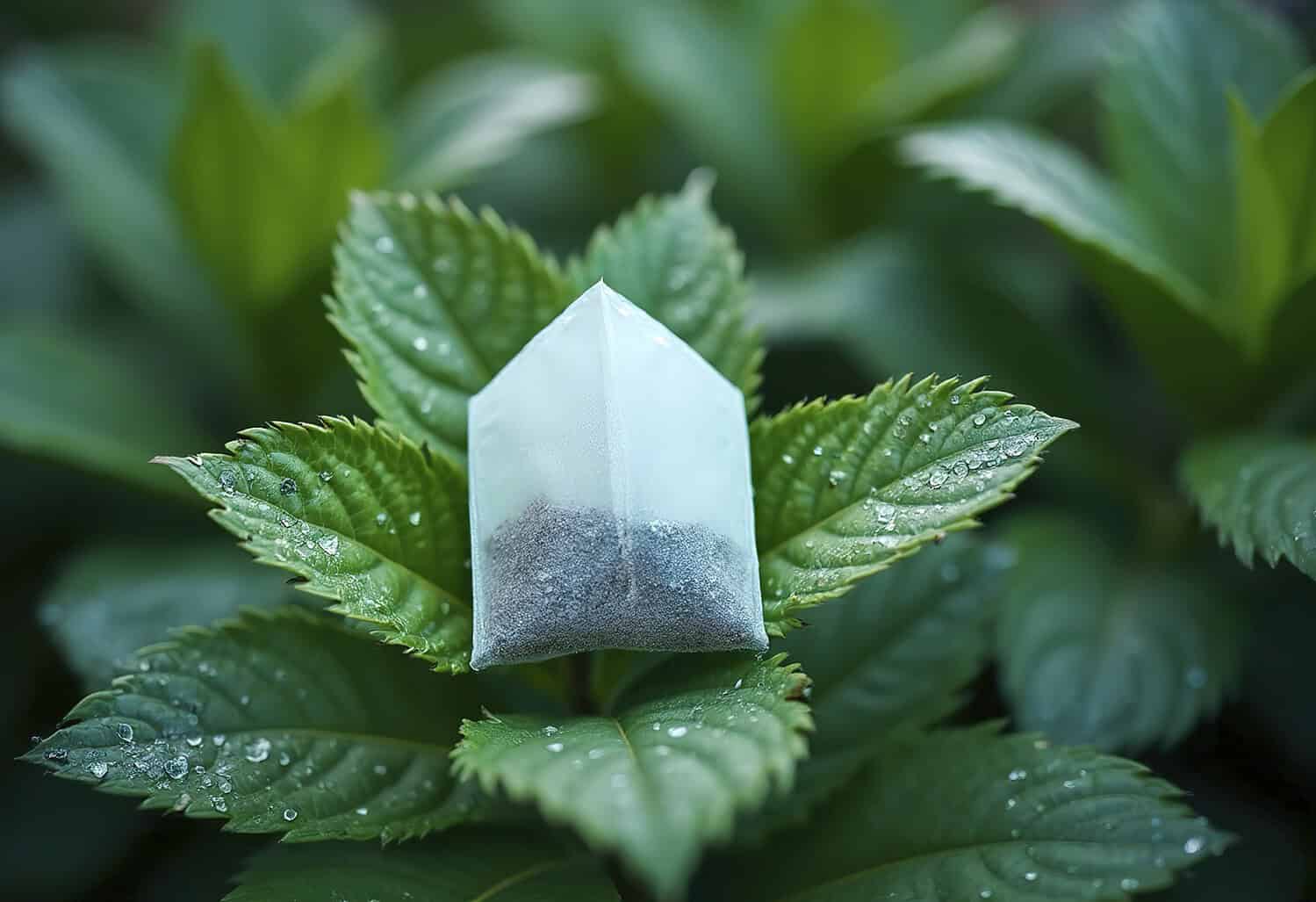
You can bury used tea bags just beneath the soil to help retain moisture. This supports healthy root growth for your plants.
Tea leaves contain nitrogen, which is an important nutrient for your garden. Adding tea bags to your compost pile also creates rich organic matter that feeds your soil.
Make sure to remove any staples from the tea bags before placing them in your garden. This simple step helps turn leftovers into a garden boost.
Build raised beds for better soil control

Building raised beds lets you control the soil quality more easily. You can fill them with the right mix of nutrients and avoid poor native soil.
Raised beds also improve drainage and make it easier to manage pests. They help keep your garden organized and reduce the need for bending, which can be easier on your back.
Mulch with straw to retain moisture and suppress weeds
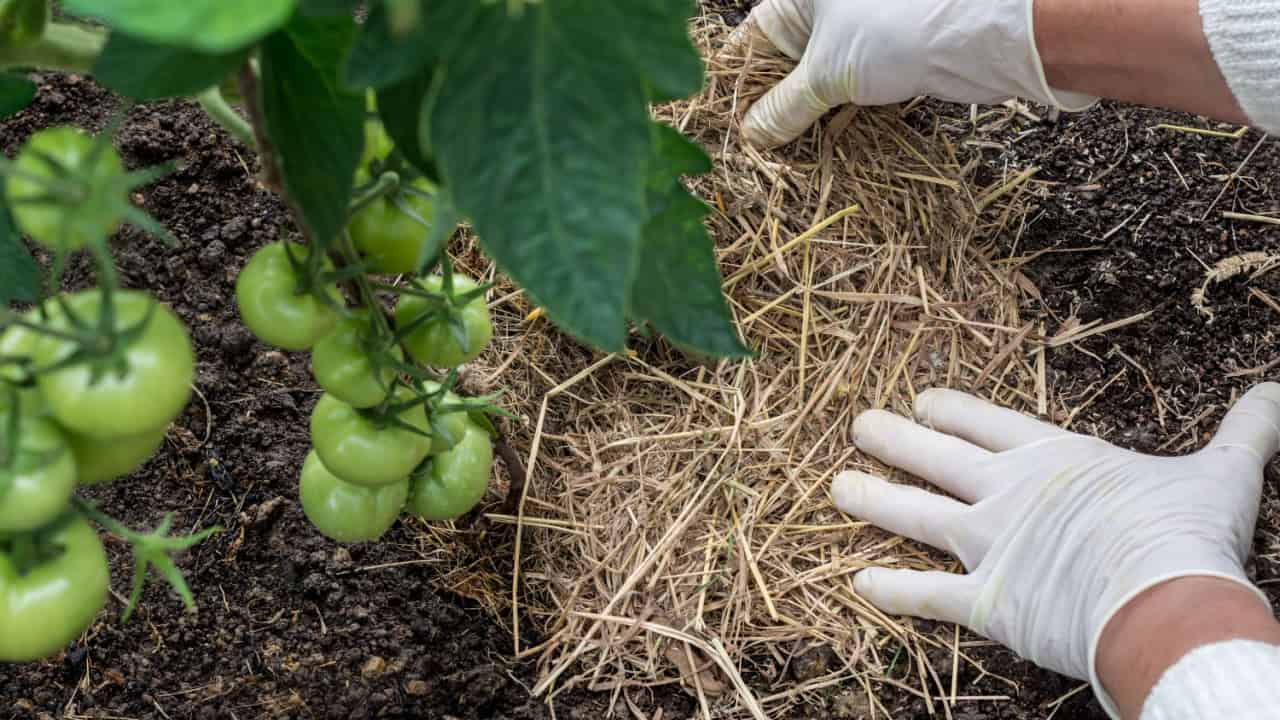
Using straw as mulch helps keep moisture in the soil longer, so you don’t have to water as often. It also blocks sunlight, which stops many weeds from growing around your plants.
Straw mulch is lightweight and easy to spread, making your gardening tasks simpler. Just be sure to layer it thick enough for the best results without smothering your plants.
Plant garlic near roses to prevent black spot
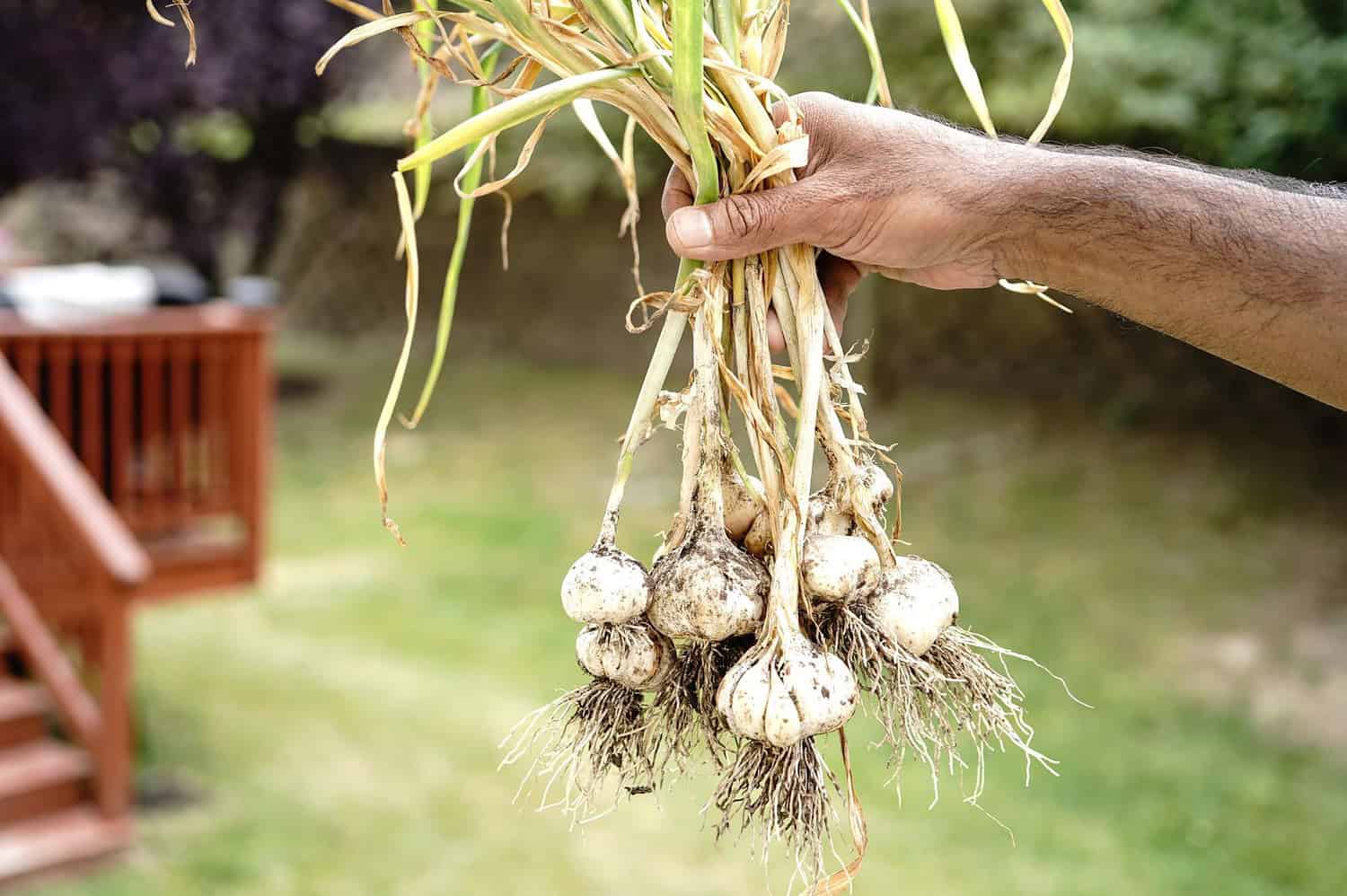
You can plant garlic near your roses to help reduce black spot. Garlic has natural anti-fungal properties, which may help keep the leaves healthier.
It also helps repel certain pests like aphids, making your roses less vulnerable. Plus, garlic can enhance your garden’s fragrance while supporting your roses’ overall health.
Recycle kitchen scraps as nutrient-rich mulch
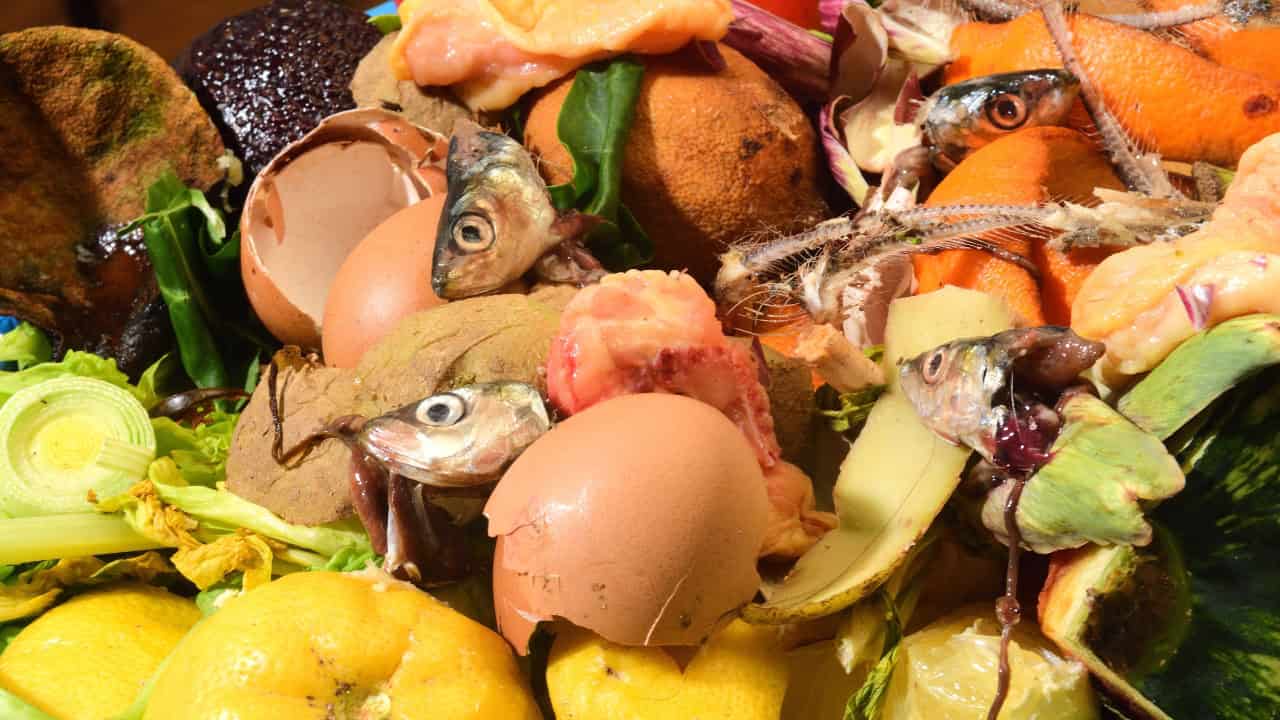
You can turn your kitchen scraps into mulch that feeds your garden. Simply chop fruit peels, vegetable bits, and coffee grounds, then spread them around your plants.
This mulch helps retain moisture and slowly releases nutrients as it breaks down. It’s an easy way to reduce waste while supporting your garden’s health.
Practice companion planting, like basil near tomatoes

You can boost your tomato garden by planting basil nearby. Basil helps keep pests like aphids away, which means less damage to your plants.
It also can improve the flavor of your tomatoes as they grow. Plus, basil takes up little space, making it an easy addition to your garden. Try it and see the difference in your harvest.