As an avid gardener, I’ve learned over the years that success doesn’t come overnight. Gardening takes patience, the right knowledge, and a willingness to adapt. After many trials and errors, I’ve changed some of my gardening habits for the better, leading to healthier plants and a more vibrant garden. In this post, I’ll share my top 12 garden habits I’ve changed for better results, and hopefully, they can help you too.
1. Planning my Garden Layout

In the early years of my gardening journey, I used to plant randomly. I quickly realized that a well-planned garden layout allows for better growth and yields.
Advertisement
Now, I consider factors like sunlight, plant height, and companion planting. For instance, corn, beans, and squash grow well together and should be planted in proximity. Similarly, taller plants should be planted on the northern side of the garden to avoid shading shorter plants. Planning your garden layout not only maximizes space but also encourages healthier plant growth.
2. Watering Techniques

Initially, I used to water plants whenever I felt like it, which led to overwatering and underwatering. Both can be detrimental to plant health.
Now, I water according to each plant’s needs. For example, succulents need less water, while leafy greens need more. I also water early in the morning or late in the evening to minimize evaporation. Remember, overwatering can lead to root rot, while underwatering can cause wilting and stunted growth.
3. Soil Testing

I used to plant without knowing the soil pH or nutrient levels, which often resulted in poor plant health. After realizing the importance of soil composition, I began doing regular soil tests.
Soil testing helps you understand your soil’s nutrient levels and pH, enabling you to add the right amendments for optimal plant growth. For instance, tomatoes prefer slightly acidic soil, while broccoli thrives in slightly alkaline soil. Knowing your soil composition helps you grow healthier plants.
4. Using Mulch

I used to ignore mulching, but after seeing the benefits, it’s now a regular part of my gardening routine. Mulch helps retain soil moisture, suppresses weeds, and can add nutrients back into the soil.
I use organic mulch like straw, wood chips, or grass clippings. Mulch also keeps the soil temperature stable and provides a habitat for beneficial insects. Just remember not to pile mulch against plant stems, as it can lead to rot.
5. Regular Pruning

I used to let my plants grow wild, but over time, I’ve learned that regular pruning encourages healthier growth and higher yields.
Pruning helps remove dead or diseased branches, allowing the plant to focus its energy on new growth. For example, regular pruning of tomato plants can lead to larger and juicier tomatoes. Just ensure you’re using clean, sharp tools to avoid spreading disease.
6. Companion Planting
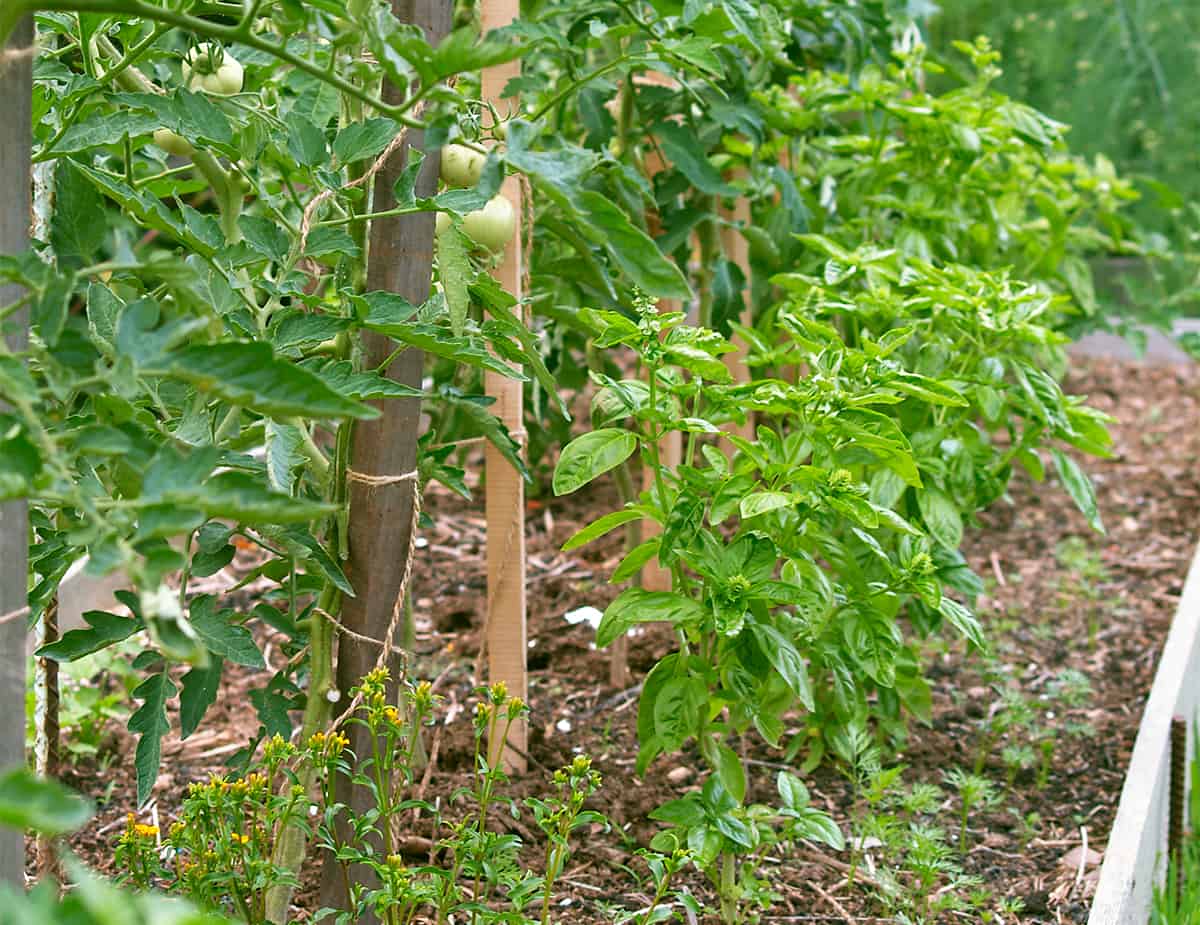
I used to plant in single crop rows, but I’ve since shifted to companion planting for its numerous benefits. Companion planting involves growing plants together that benefit each other.
For instance, marigolds can deter pests that harm tomatoes, so planting them together can protect your tomatoes. Similarly, beans fix nitrogen in the soil, benefiting corn and squash when planted together. Companion planting not only maximizes space but also helps in pest control and nutrient sharing.
7. Integrated Pest Management

Earlier, I used to rely heavily on chemical pesticides, but I’ve since adopted integrated pest management (IPM). IPM focuses on long-term prevention of pests and diseases through a combination of techniques.
This includes biological control (introducing beneficial insects), habitat manipulation (providing a conducive environment for beneficial insects), and use of resistant varieties. IPM not only reduces reliance on harmful pesticides but also encourages a balanced ecosystem in your garden.
8. Crop Rotation
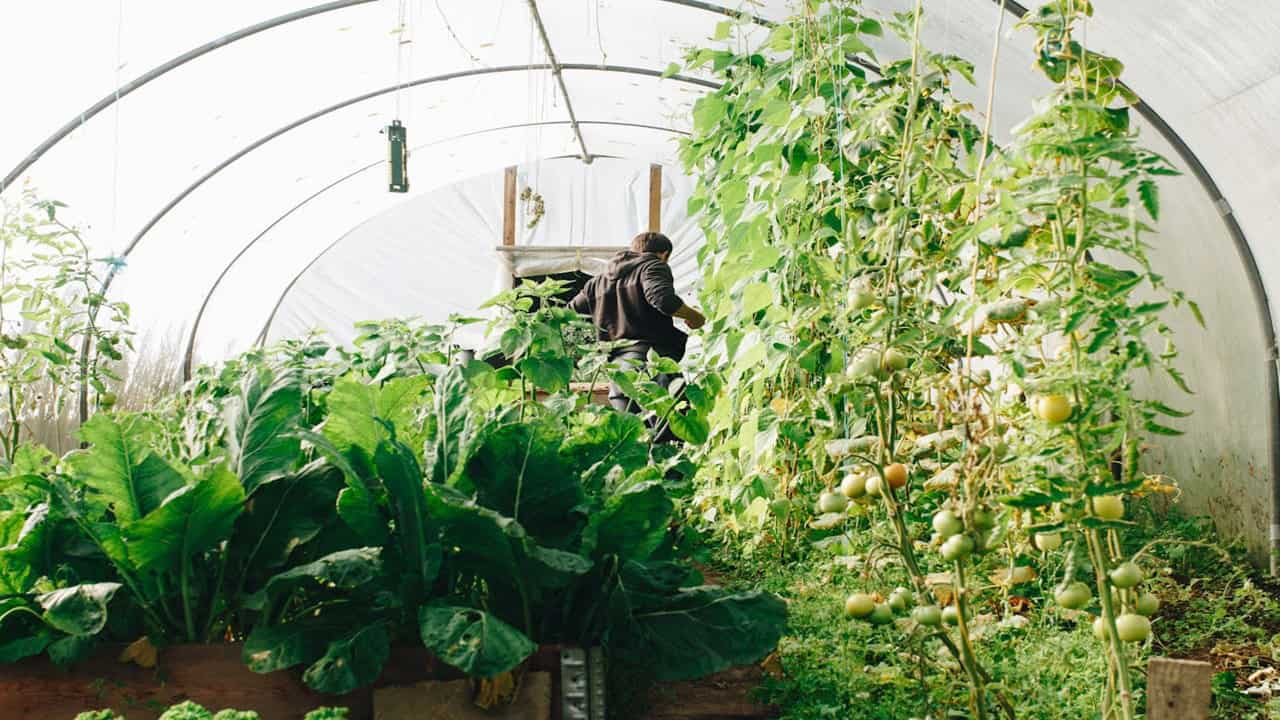
Initially, I would plant the same crops in the same place year after year. Now, I practice crop rotation to prevent soil-borne diseases and pests, and to improve soil fertility.
For instance, after a heavy-feeding crop like tomatoes, I’ll plant a light-feeding crop like beans. Crop rotation also helps in breaking the life cycle of pests and diseases, leading to a healthier garden.
9. Planting Native Species
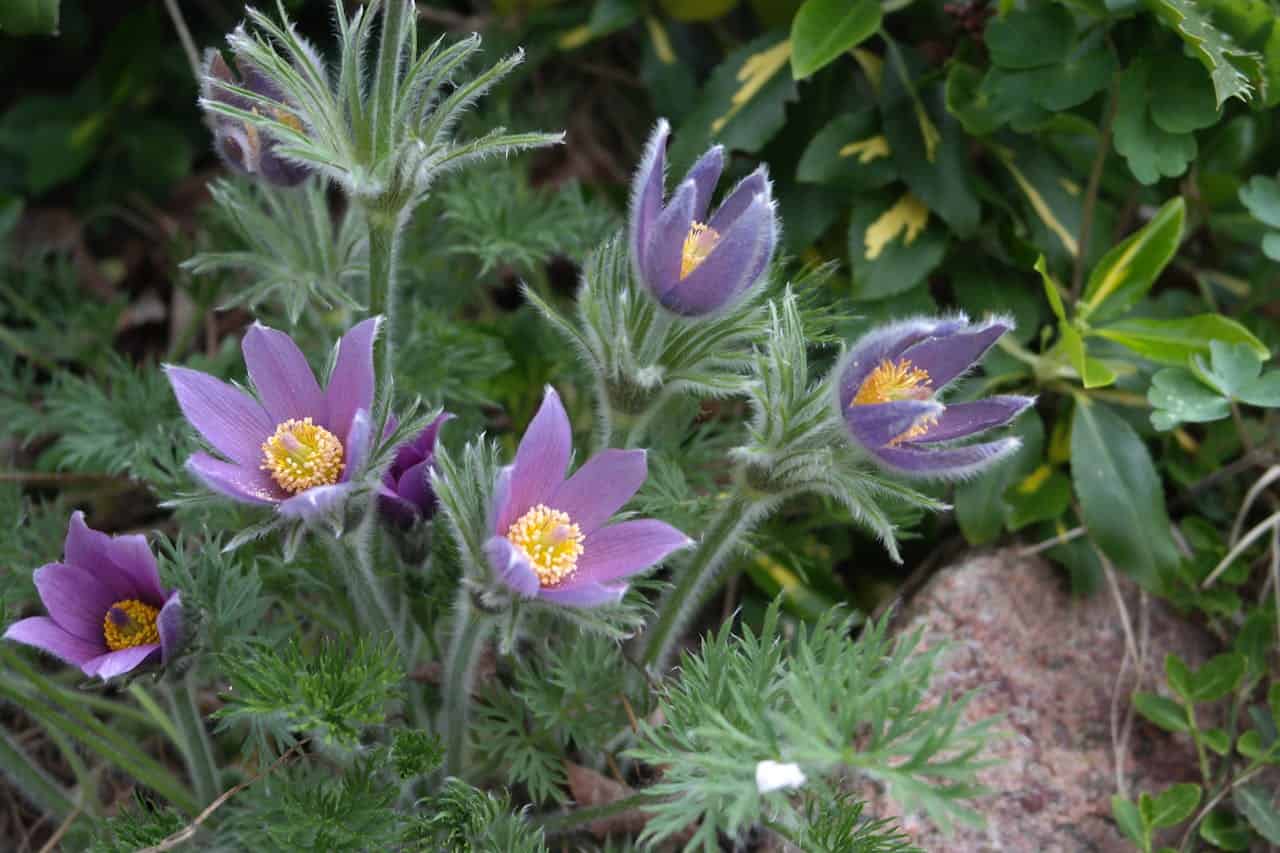
I used to plant exotic species, but I’ve since realized the benefits of native plants. Native plants are adapted to local conditions and require less maintenance.
They’re also more resistant to pests and diseases and attract native pollinators. Plus, native plants support local biodiversity and wildlife. So, consider adding native plants to your garden for a more sustainable and low-maintenance garden.
10. Using Compost

In the past, I relied on synthetic fertilizers, but now, I prefer compost. Compost not only provides nutrients to your plants but also improves soil structure, moisture retention, and beneficial soil organisms.
I make my own compost from kitchen scraps, yard waste, and even cardboard. Composting not only reduces waste but also enriches your garden soil, leading to healthier plants.
11. Regular Weeding

I used to neglect weeding until it became overwhelming. Now, I make it a habit to weed regularly to prevent them from taking over and competing with my plants for nutrients.
Weeding also helps prevent diseases and pests that may hide in the weeds. Remember, it’s easier to weed when the soil is moist. So, make weeding a part of your regular gardening routine for a more productive garden.
12. Learning from Mistakes
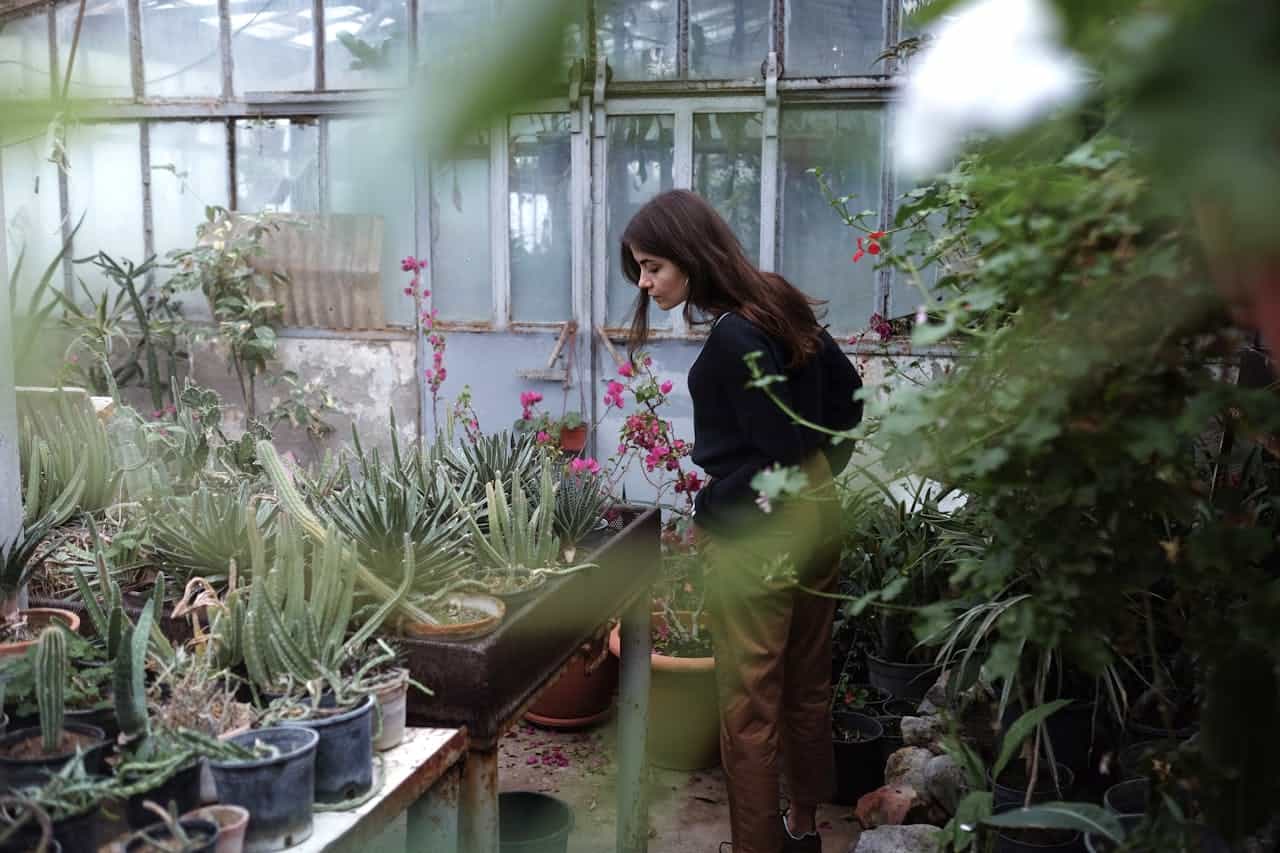
I used to get discouraged by gardening failures, but now, I see them as learning opportunities. Each mistake is a chance to learn and grow as a gardener.
For instance, one year, my tomatoes suffered from blight. Instead of giving up, I researched, learned about the disease, and took preventative measures the following year. Remember, gardening is a journey of continuous learning. Enjoy the process and don’t be afraid to make mistakes.