You may have noticed some everyday foods costing more than you expected lately. Prices for certain items have risen quietly, catching many people off guard during their regular grocery trips.
With some products feeling the impact of tariffs, shortages, or supply chain issues, it’s useful to know what to watch for in your pantry and cart.
Advertisement
Saffron
Saffron is one of the most expensive spices you can buy. It comes from delicate threads of the crocus flower, which must be handpicked carefully.
You’ll find it used in dishes like paella and risotto, adding a unique flavor and vibrant color. Its high price reflects the labor-intensive process and the large number of flowers needed to produce even a small amount.
Kobe Beef
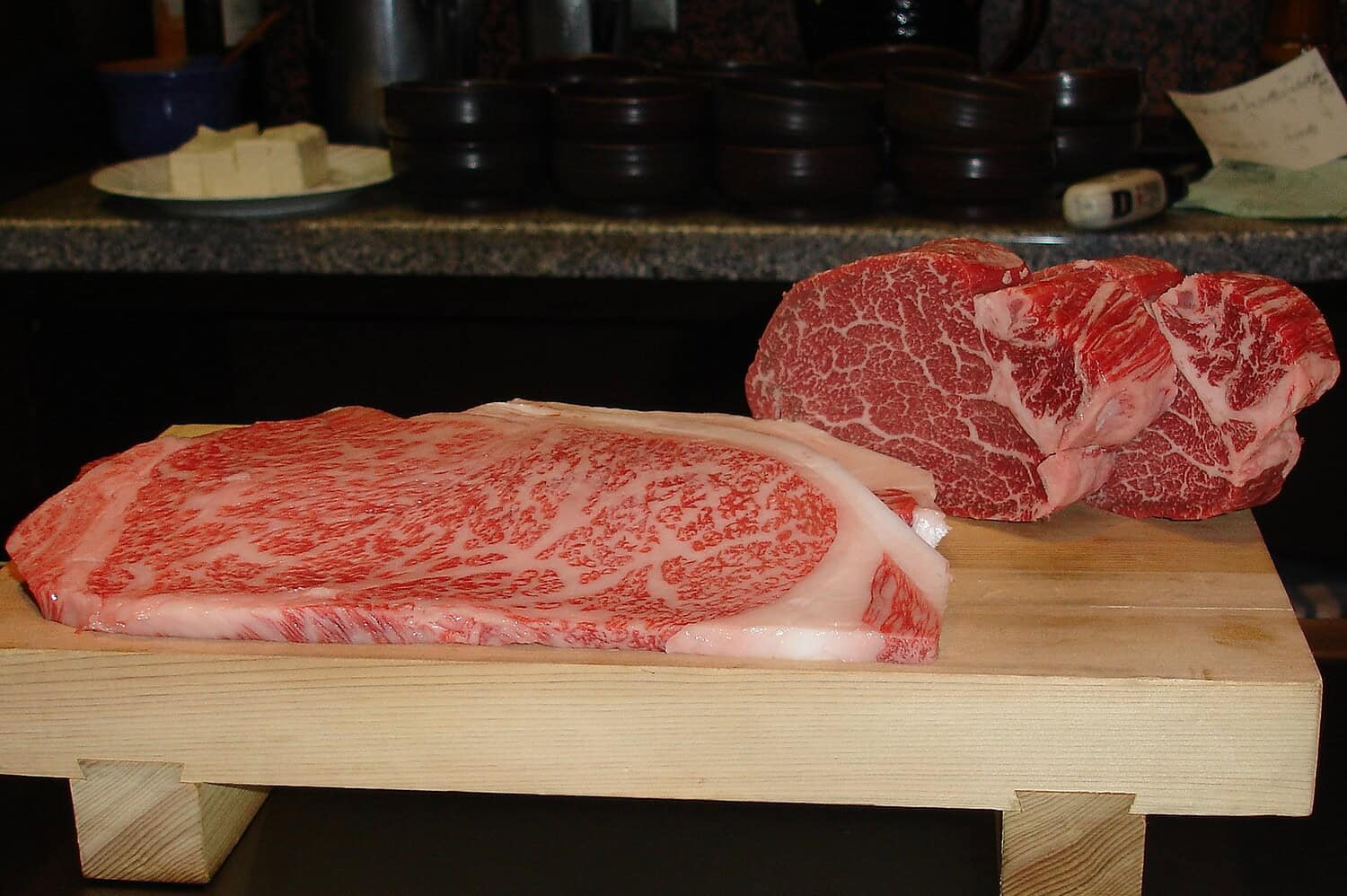
If you’ve ever wondered why Kobe beef costs so much, it’s because only about 5,500 heads qualify each year. Of those, just 10% are exported, making it very rare outside Japan.
Expect to pay around $90 per ounce for authentic cuts. The price reflects the care and strict standards used to raise these cattle.
Beluga Caviar

If you enjoy luxury foods, Beluga caviar might catch your eye. It comes from the rare Beluga sturgeon, making it hard to find and expensive.
You can expect to pay hundreds of dollars per ounce, sometimes much more if the caviar is pure and high quality.
White Truffles
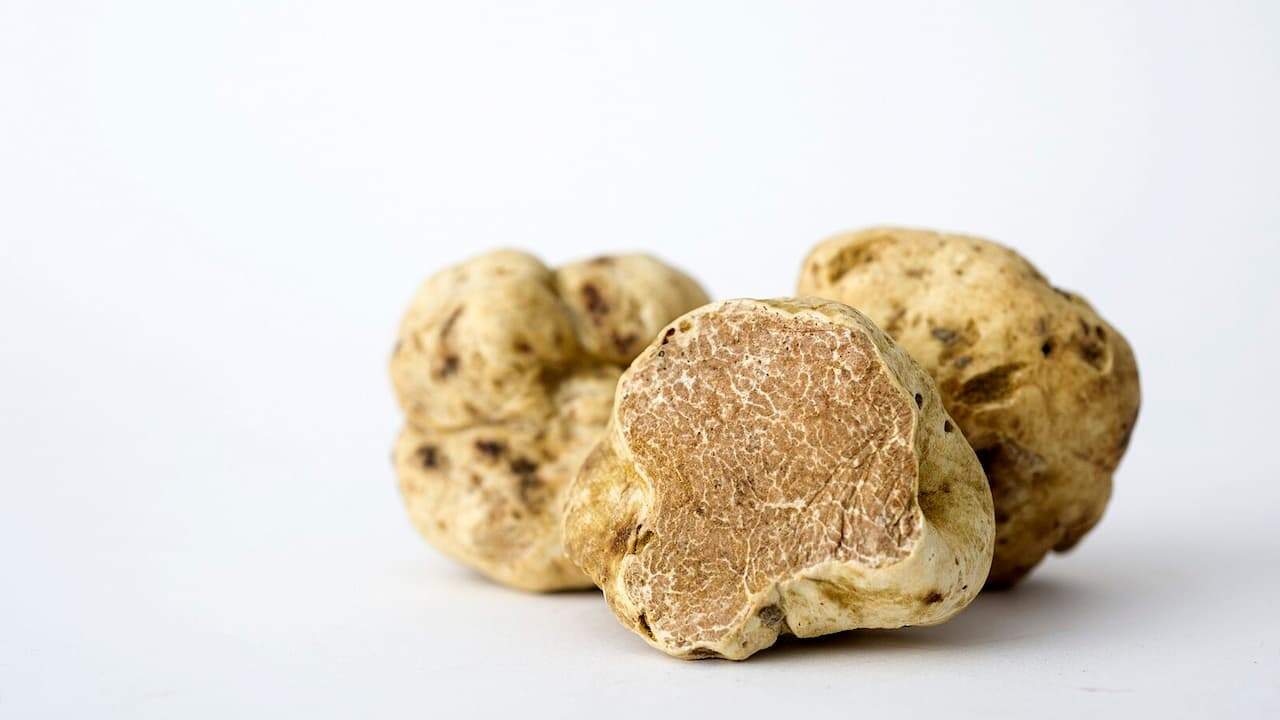
White truffles are a luxury ingredient you’ll rarely find outside fine dining. They grow underground and are harvested with the help of trained dogs or pigs.
Because they are rare and seasonal, white truffles can cost thousands of dollars per pound.
Canadian Turkey
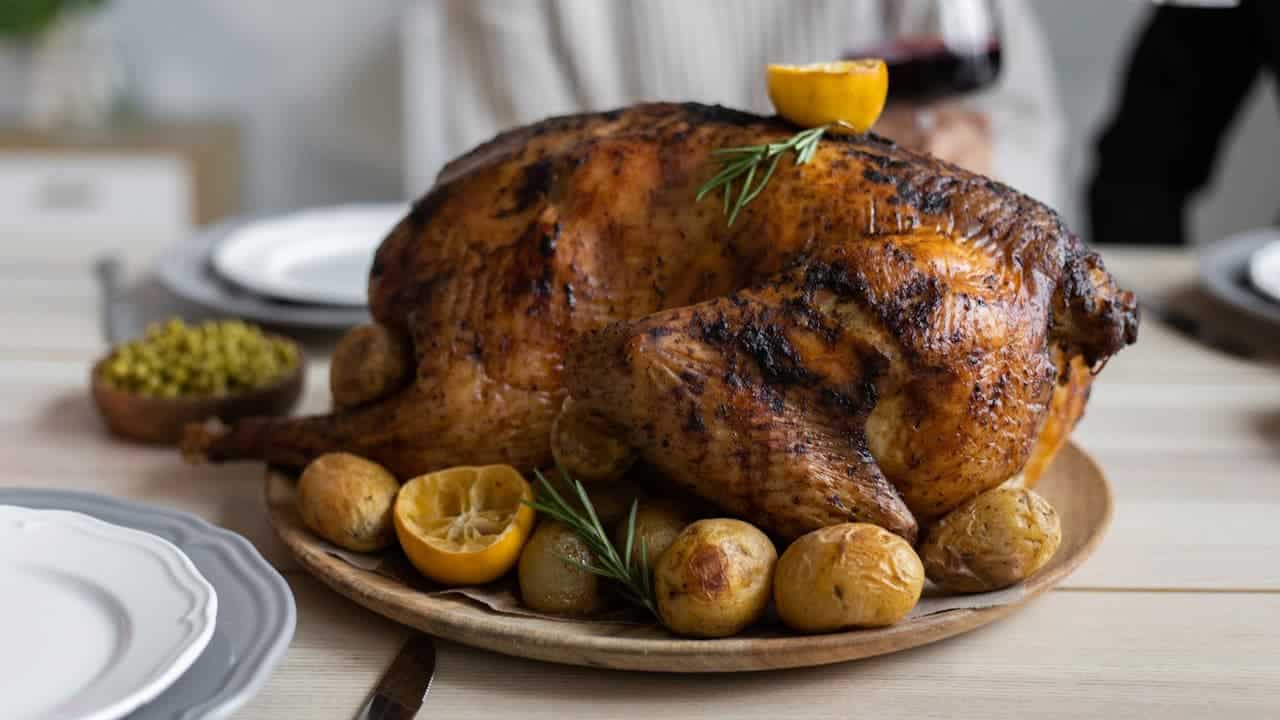
If you’re buying turkey in Canada, expect prices to vary by region. In some places like British Columbia, turkey can cost between $1.65 and $2.80 per pound, which is higher than in other parts of the country.
This year, a fresh six-kilogram turkey costs around $32.52, down from last year’s $42.12.
Wet Aged Beef
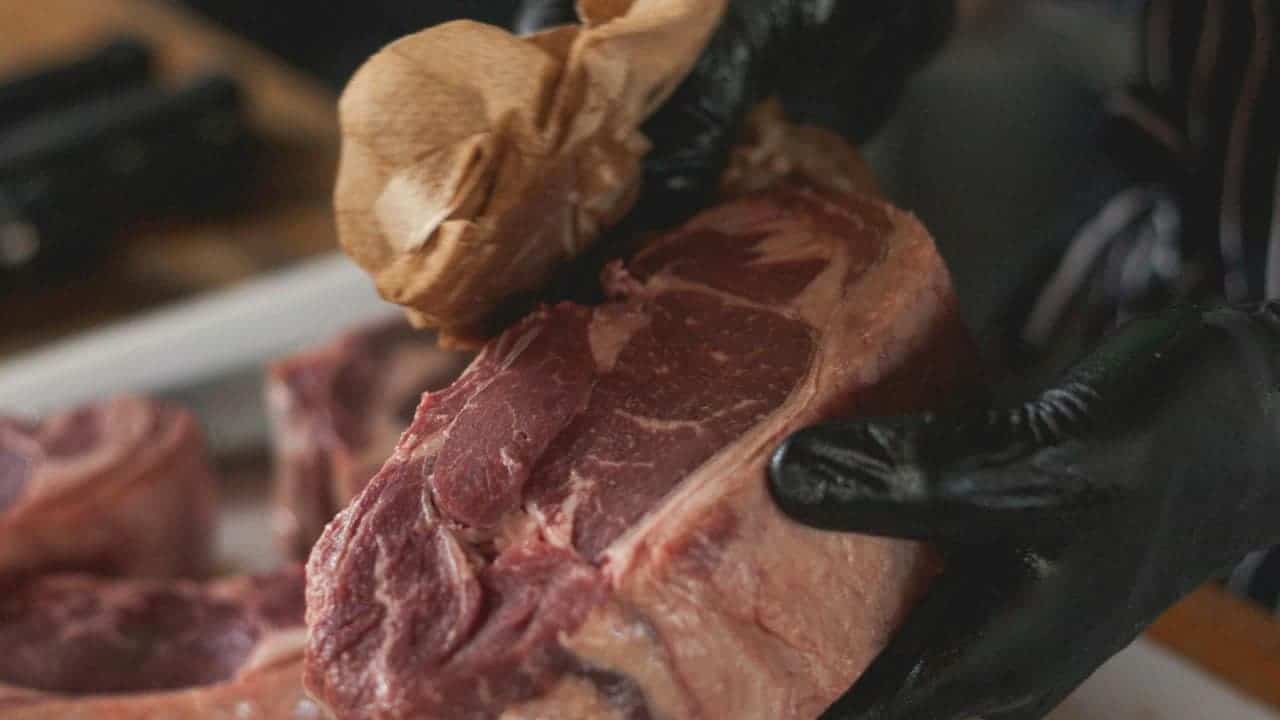
When you buy wet aged beef, the meat is sealed in plastic to retain moisture. This means the steak holds 10-15% more water than dry aged beef, which can affect its texture and price.
You might notice wet aged beef tends to be more affordable than dry aged cuts.
Imported Coffee
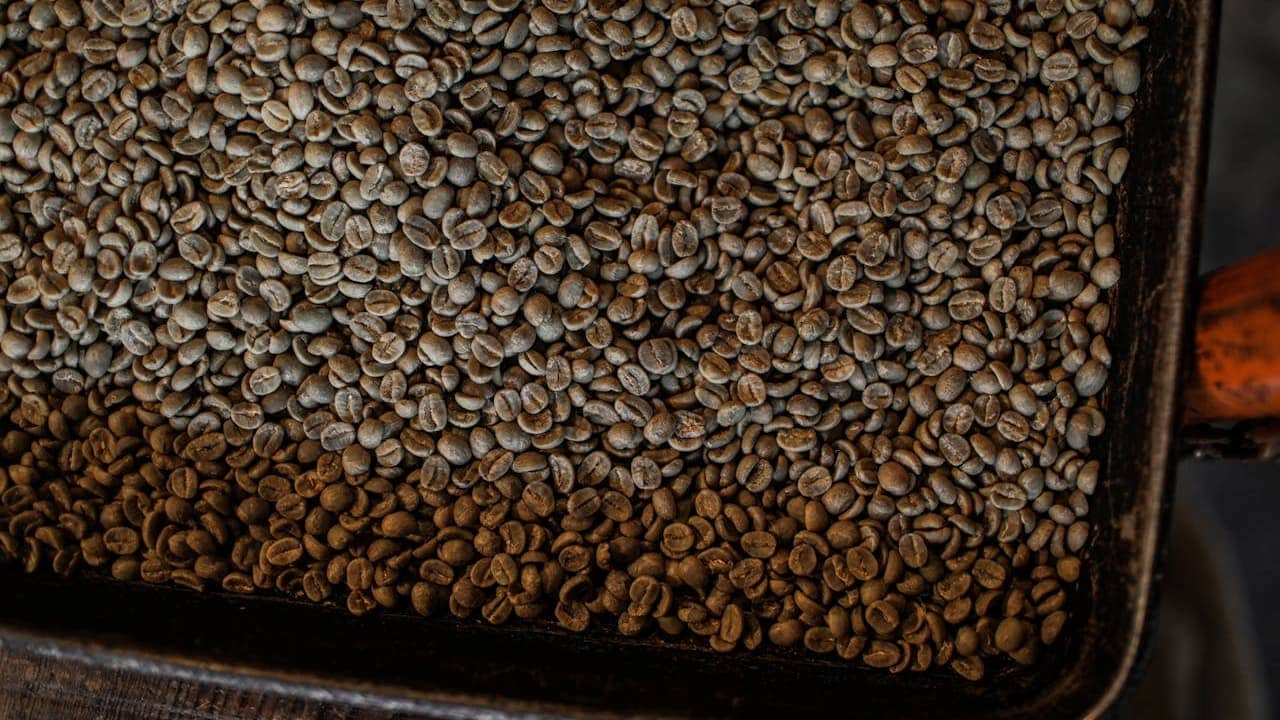
You might notice your coffee is costing more these days. Most of the coffee beans in the U.S. come from Latin America, especially Brazil and Colombia.
Prices have risen because of recent tariffs and challenges like drought in major growing areas.
Butter

You might notice that butter prices have gone up quite a bit lately. In the past year, butter costs increased over 65%, making it one of the most expensive dairy products.
If you use butter a lot, this change could impact your grocery budget.
Bacon

You might notice bacon costs more than before. Prices have risen about 7% compared to last year, making it pricier at the store.
This increase partly comes from regulations that raise production costs. If you buy bacon in certain areas, you could pay a premium for compliance with those rules.
Chocolate

Chocolate prices have been rising steadily in recent years. You might notice your favorite chocolate chip cookies costing more than before.
Specialty chocolates, like truffles, can be surprisingly expensive.
Nuts
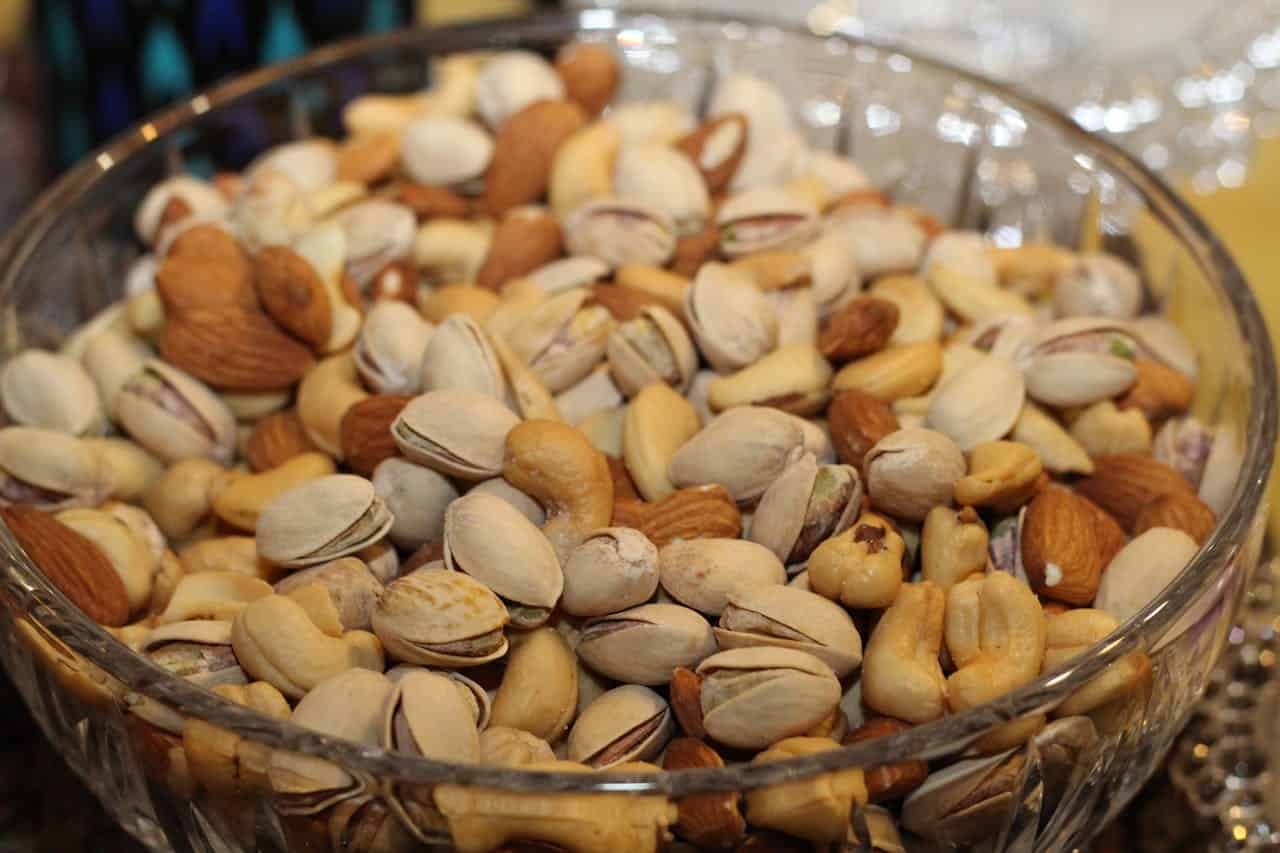
Nuts like cashews, almonds, and walnuts have become surprisingly pricey. You might notice these costs when buying mixed nuts or snacks.
Factors like supply chain issues and growing demand play a big role in pushing prices up.
Seafood

You might be surprised how pricey seafood has become. Some types, like lobster and sea urchin, can cost a lot due to limited supply and special harvesting methods.
If you love unique options like gooseneck barnacles or Japanese eel, be ready to pay more. These foods require skill to catch and often come from remote locations.