Flowers have long held various meanings across cultures and time periods. Many blooms that you see today often carried symbolism that might surprise you. Exploring the historical significance of these flowers can reveal fascinating insights into how perceptions shift over time.
As you navigate this journey, you’ll discover that some flowers were once associated with vastly different emotions and intentions than we recognize today. Understanding these past meanings can deepen your appreciation for the blossoms in your garden or a bouquet you receive. From love to sorrow, each flower tells a story that connects us to history and tradition.
Advertisement
Red Rose: Once Seen as a Symbol of War and Conflict
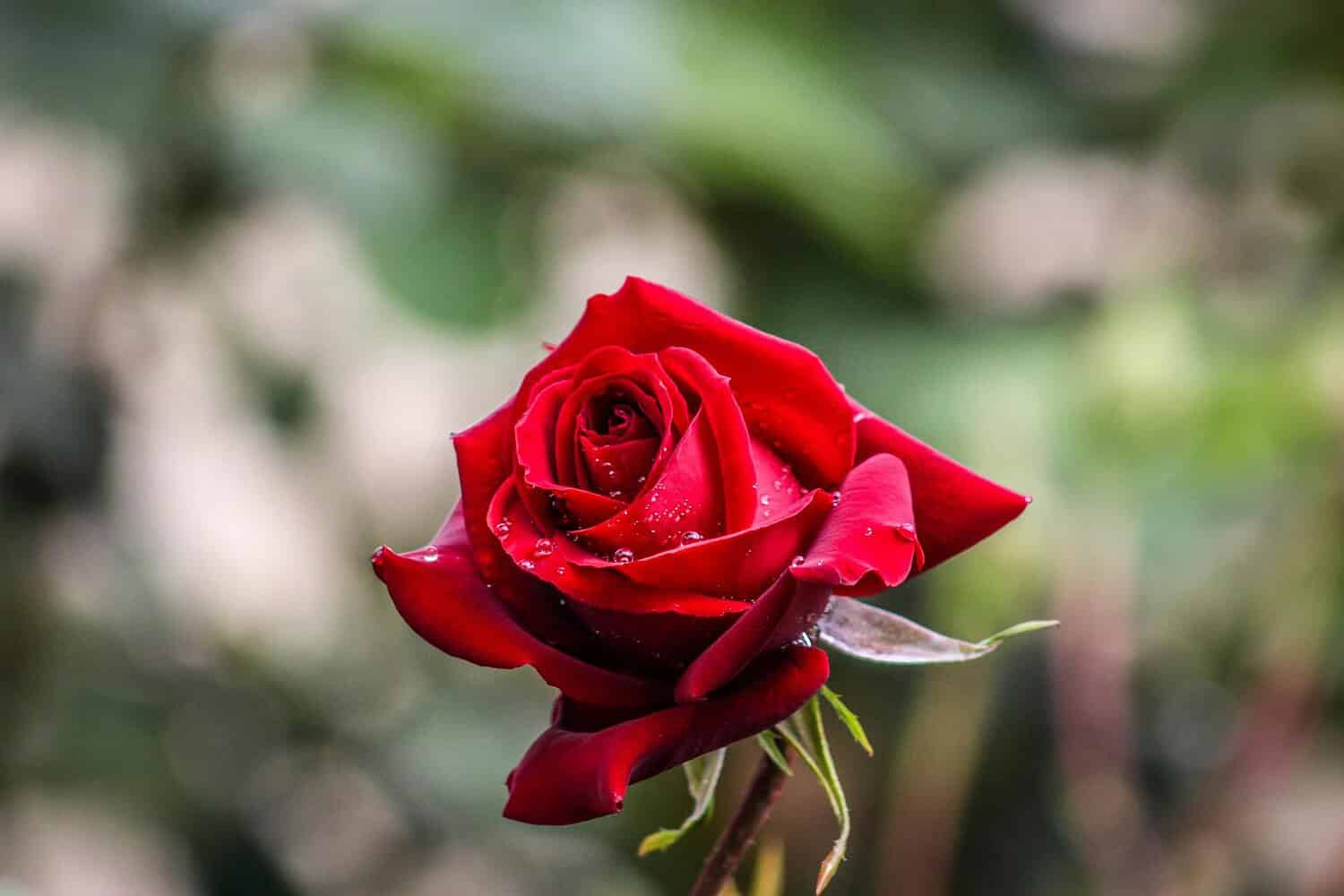
You may associate red roses with love today, but they once represented something much darker. During the Wars of the Roses, the red rose symbolized the House of Lancaster, a key player in the conflict.
The struggles between rival factions led to its association with war and bloodshed. This history gives the red rose a complex legacy beyond romance.
White Lily: Associated with purity, once seen as a symbol of death.
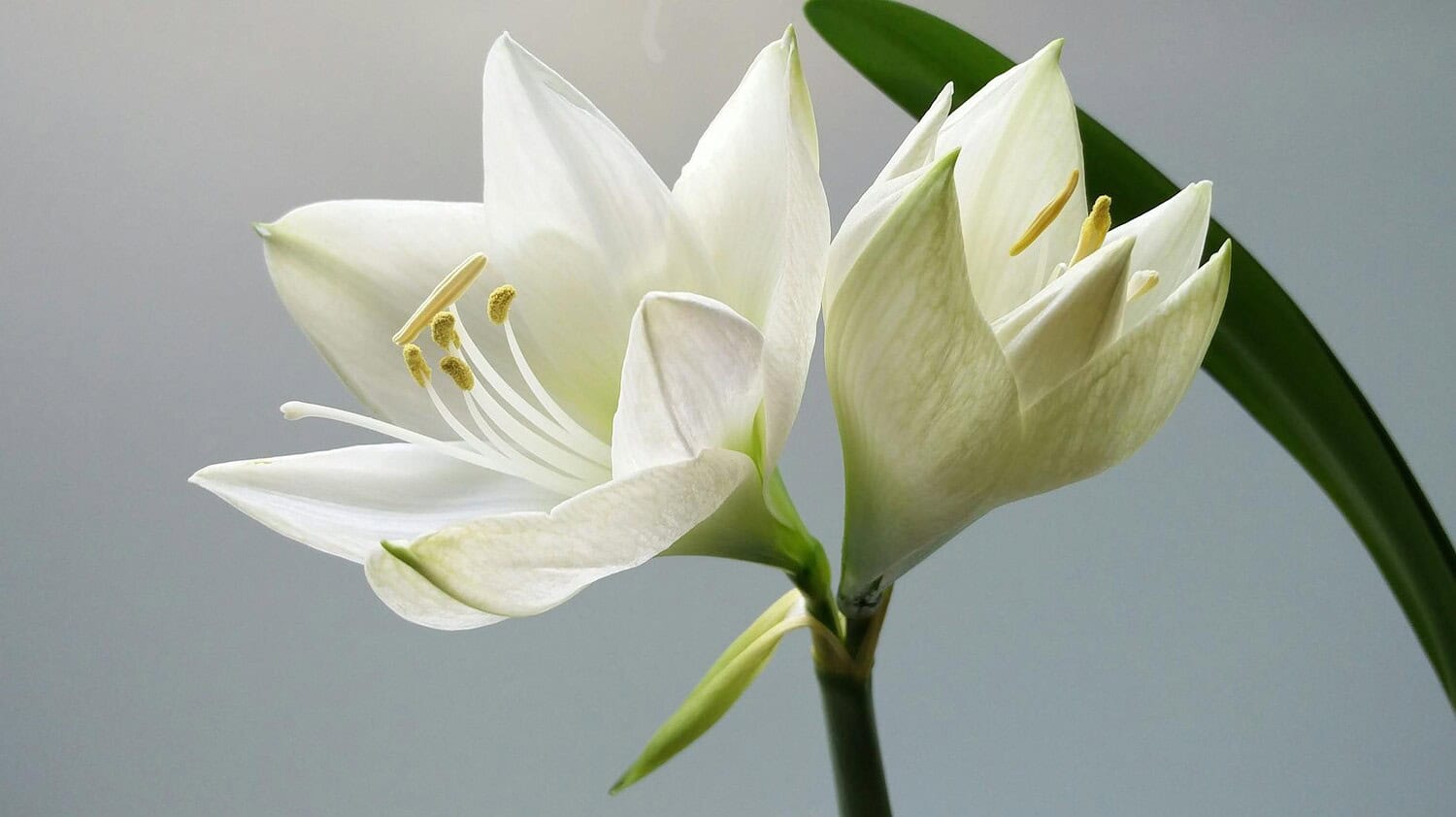
The white lily is celebrated for its association with purity and innocence. Many cultures consider it a sacred flower, often used in weddings and celebrations of new life.
Interestingly, it also has ties to death. Some traditions view the white lily as a symbol of the spirit’s transition, emphasizing purity and rebirth beyond the physical realm.
Pink Carnation: Symbolized a mother’s love, previously used in coronation ceremonies.
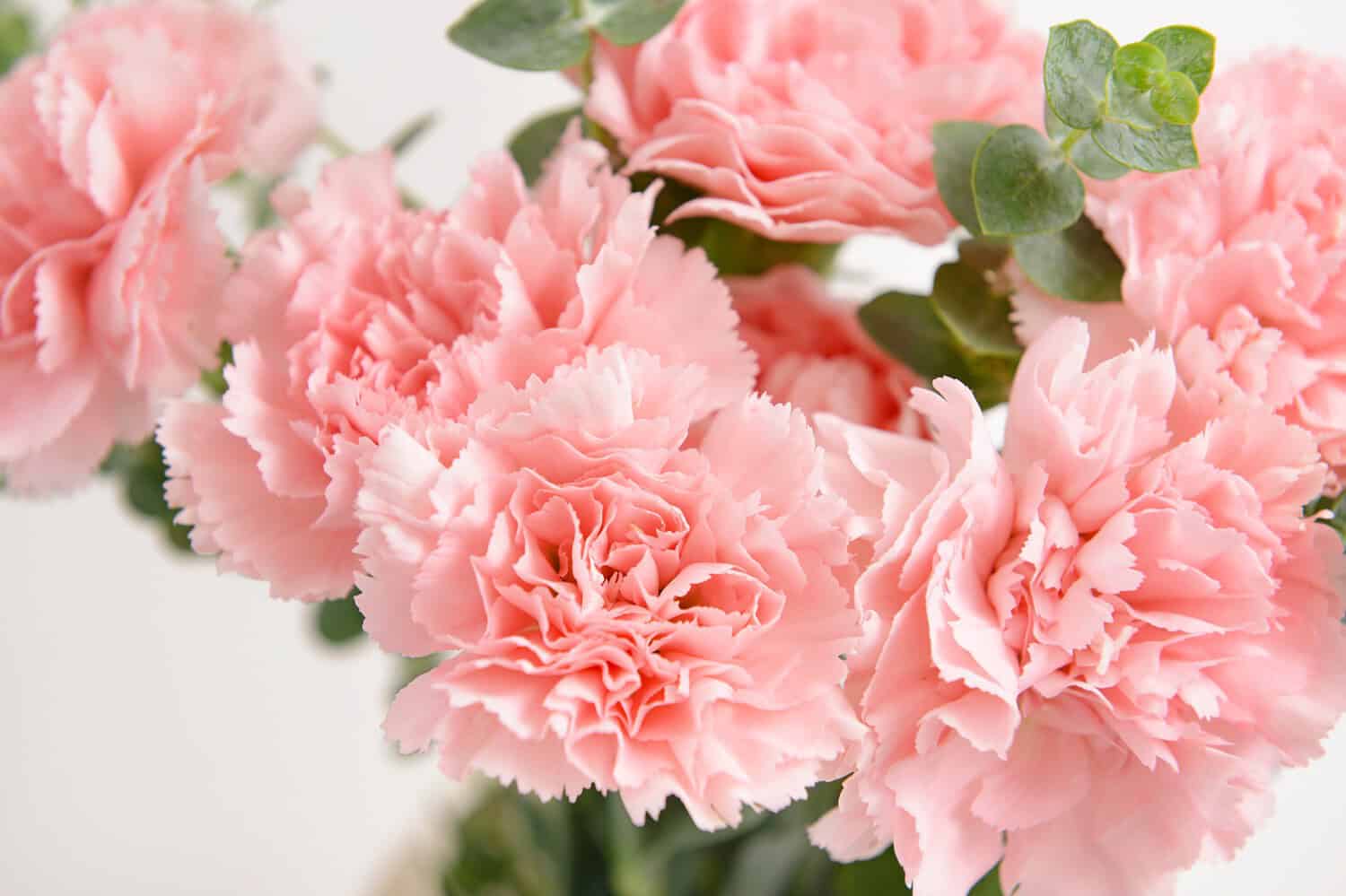
The pink carnation is a beautiful flower that symbolizes a mother’s unconditional love. You can gift it to show appreciation and affection.
Historically, pink carnations also played a role in coronation ceremonies. They were used to adorn royal settings, adding elegance to these significant events.
Yellow Tulip: Now a symbol of cheerful thoughts, once meant hopeless love.
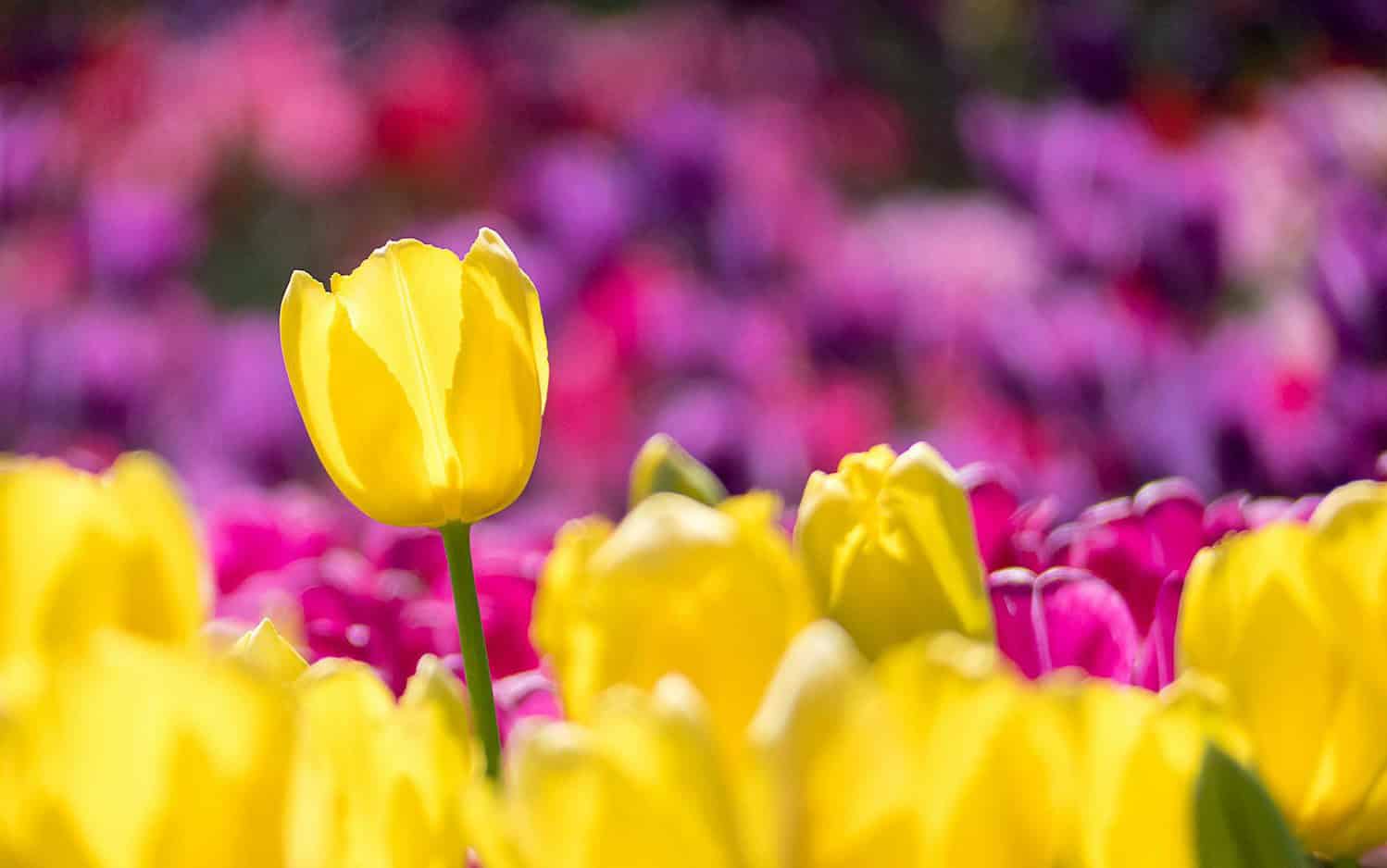
The yellow tulip has undergone a significant transformation in meaning. Once associated with hopeless love, it now represents cheerful thoughts and warm feelings.
Many people choose yellow tulips to brighten someone’s day or express joy. This change reflects a more optimistic view, turning a symbol of sadness into one of happiness and positivity.
Purple Hyacinth: Currently stands for regret, but was once a mark of playfulness.
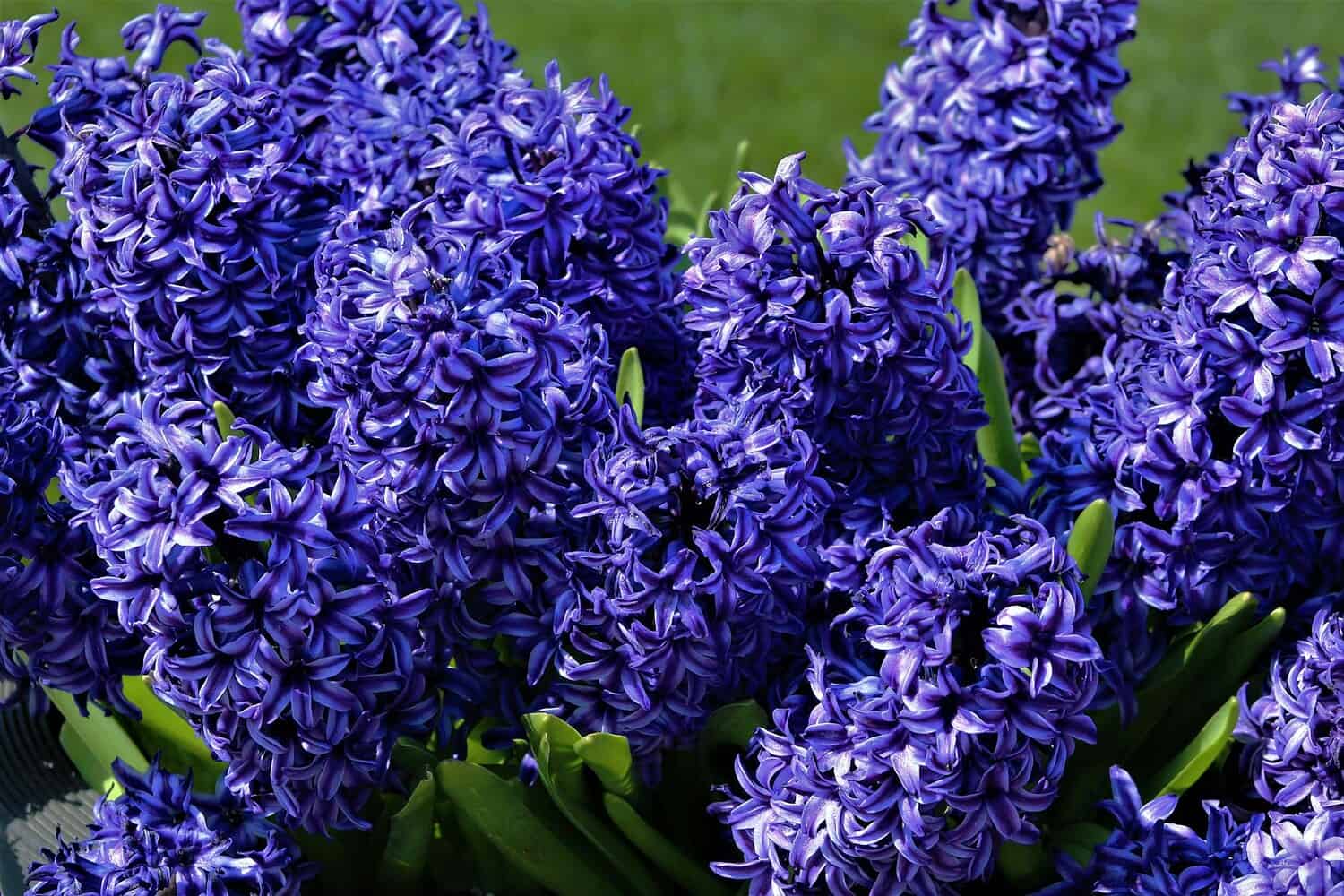
The purple hyacinth today symbolizes regret and sorrow. When you give or receive this flower, it conveys feelings of remorse.
Interestingly, it once represented playfulness and joy. The shift in meaning reflects how our perceptions of flowers can change over time.
Anemone: Symbolizes anticipation, it used to mean forsakenness.
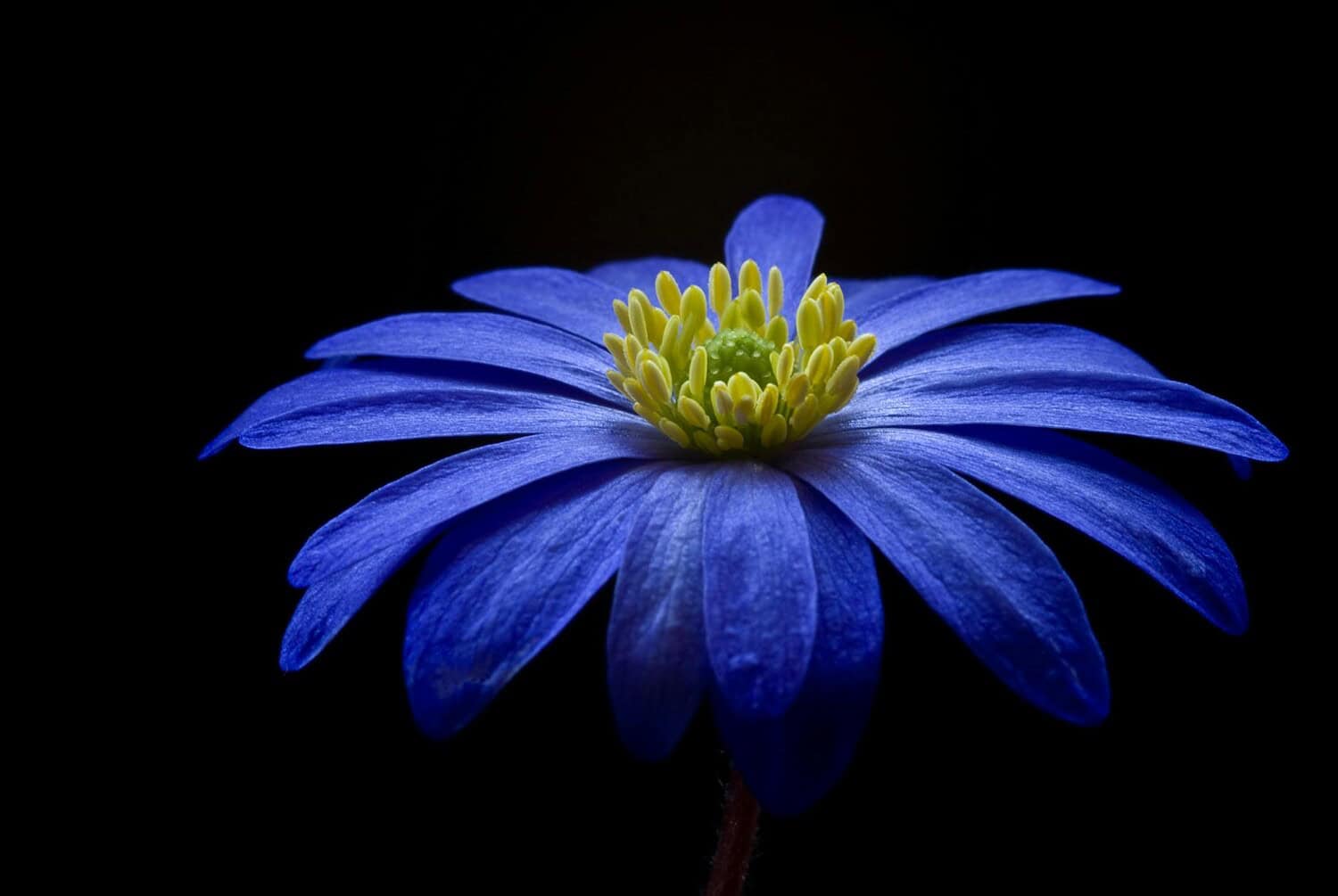
The anemone carries rich meanings throughout history. Today, it symbolizes anticipation, making it a lovely choice for various occasions.
In the past, however, it represented forsakenness, often linked to themes of lost love and grief. This duality shows how flowers can evolve in their meanings over time.
Sunflower: Represents adoration today, once used for loyalty and longevity.
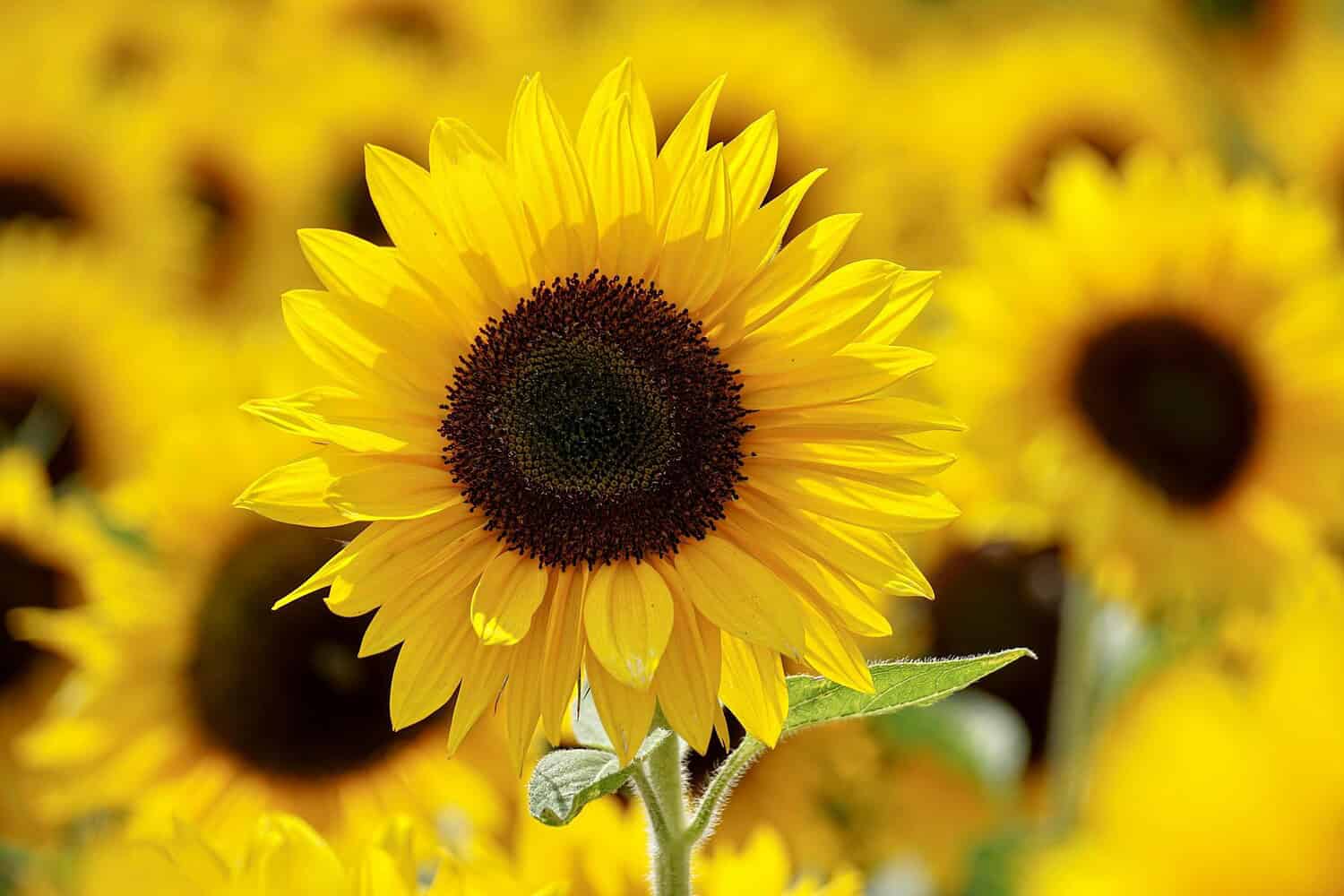
Sunflowers symbolize adoration in modern times. Their vibrant yellow petals evoke feelings of warmth and positivity.
Historically, sunflowers also represented loyalty and longevity. This connection comes from their namesake, the sun, reflecting steadfastness and enduring beauty. You might even think of them as a reminder of the bright moments in life.
Daffodil: Means new beginnings now, but was used to signify chivalry.

The daffodil is widely recognized today as a symbol of new beginnings. Its bright appearance signals the arrival of spring and hope.
Historically, this flower also represented chivalry. Knights would often present daffodils as a gesture of honor and nobility, linking them to bravery and respect.
Orchid: Stands for Exotic Beauty, but Once Meant Luxury and Wealth
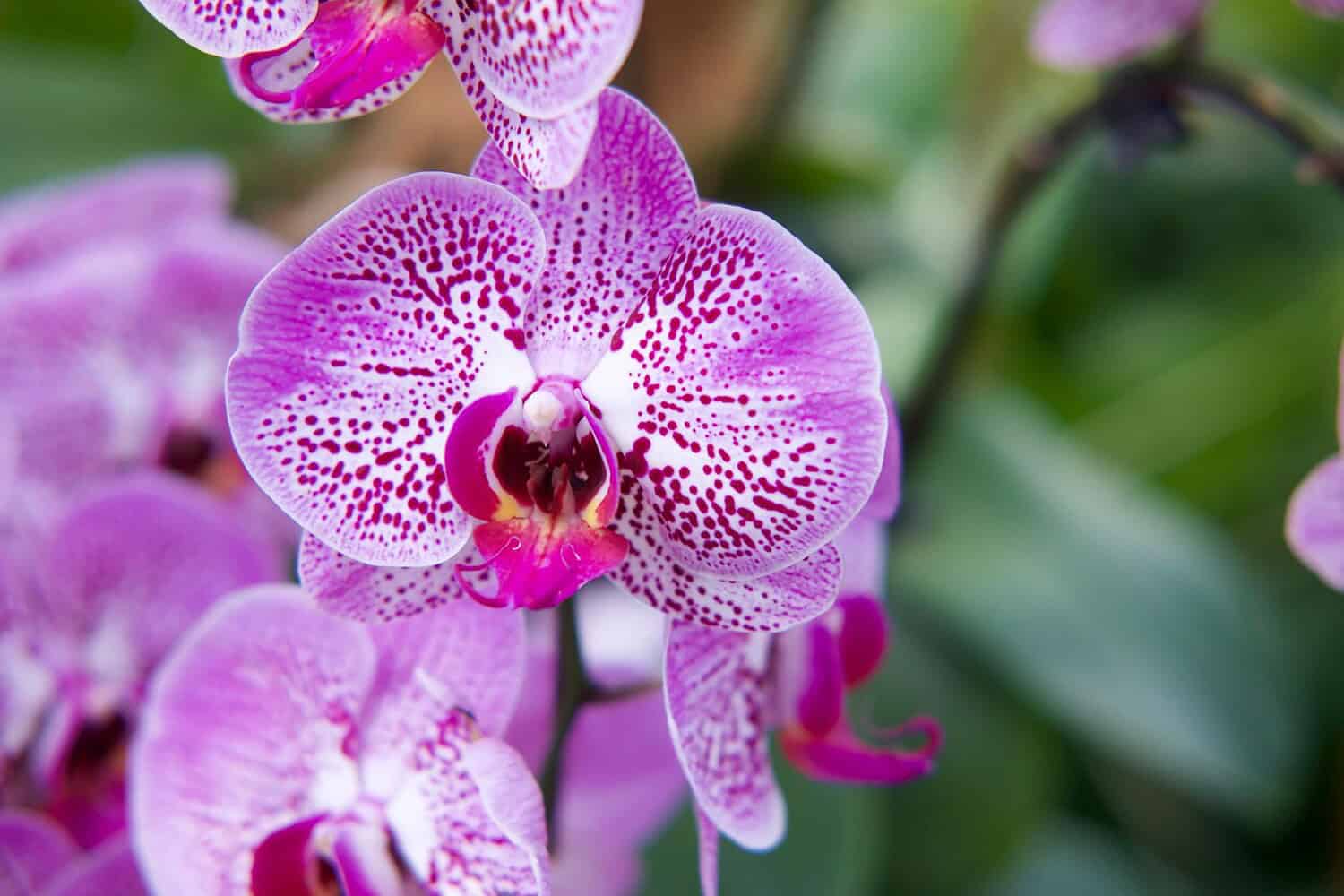
Orchids are captivating flowers that symbolize exotic beauty. In the past, especially during the Victorian era, they represented luxury and wealth. Only the affluent could afford these rare blooms, making them a symbol of status. Today, giving an orchid can still convey deep admiration and appreciation.
Chrysanthemum: Today a symbol of friendship, once meant death in certain cultures.
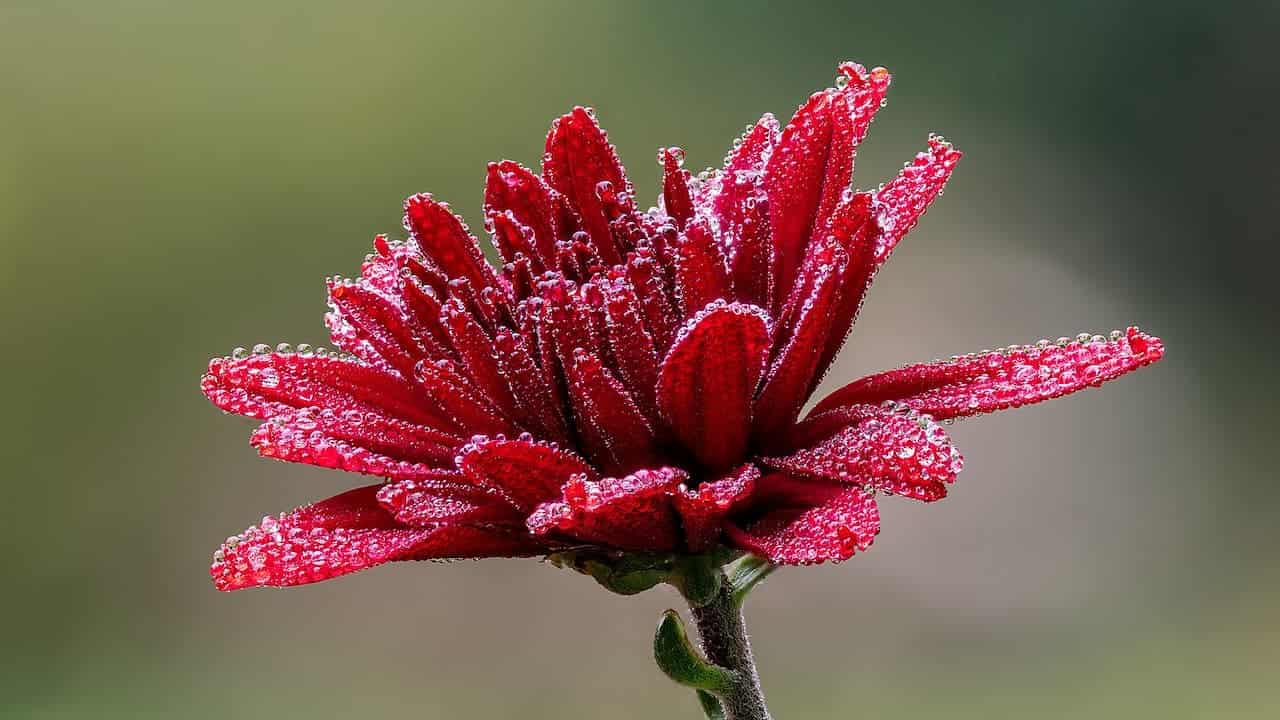
Chrysanthemums are widely known today as symbols of friendship and happiness. Their vibrant colors and beauty make them popular gifts among friends.
However, in some cultures, they were once associated with death. In particular, chrysanthemums are often used in funeral arrangements, symbolizing comfort during times of sorrow.
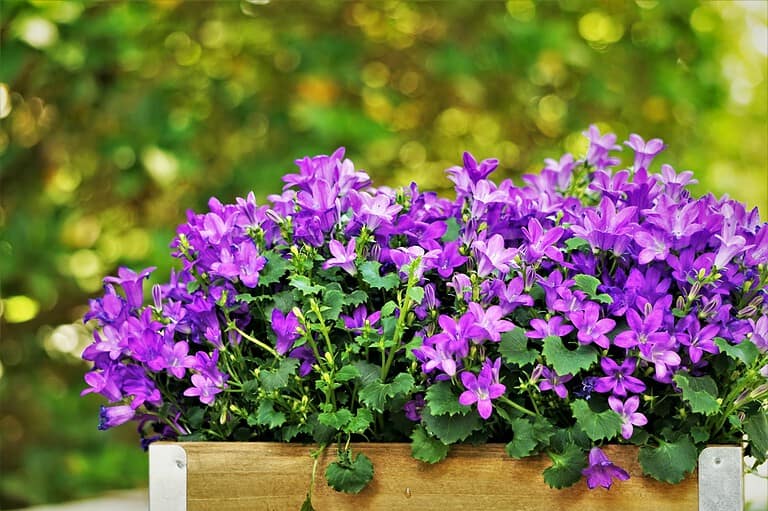
Bluebell: Represents gratitude, used to mean everlasting love.
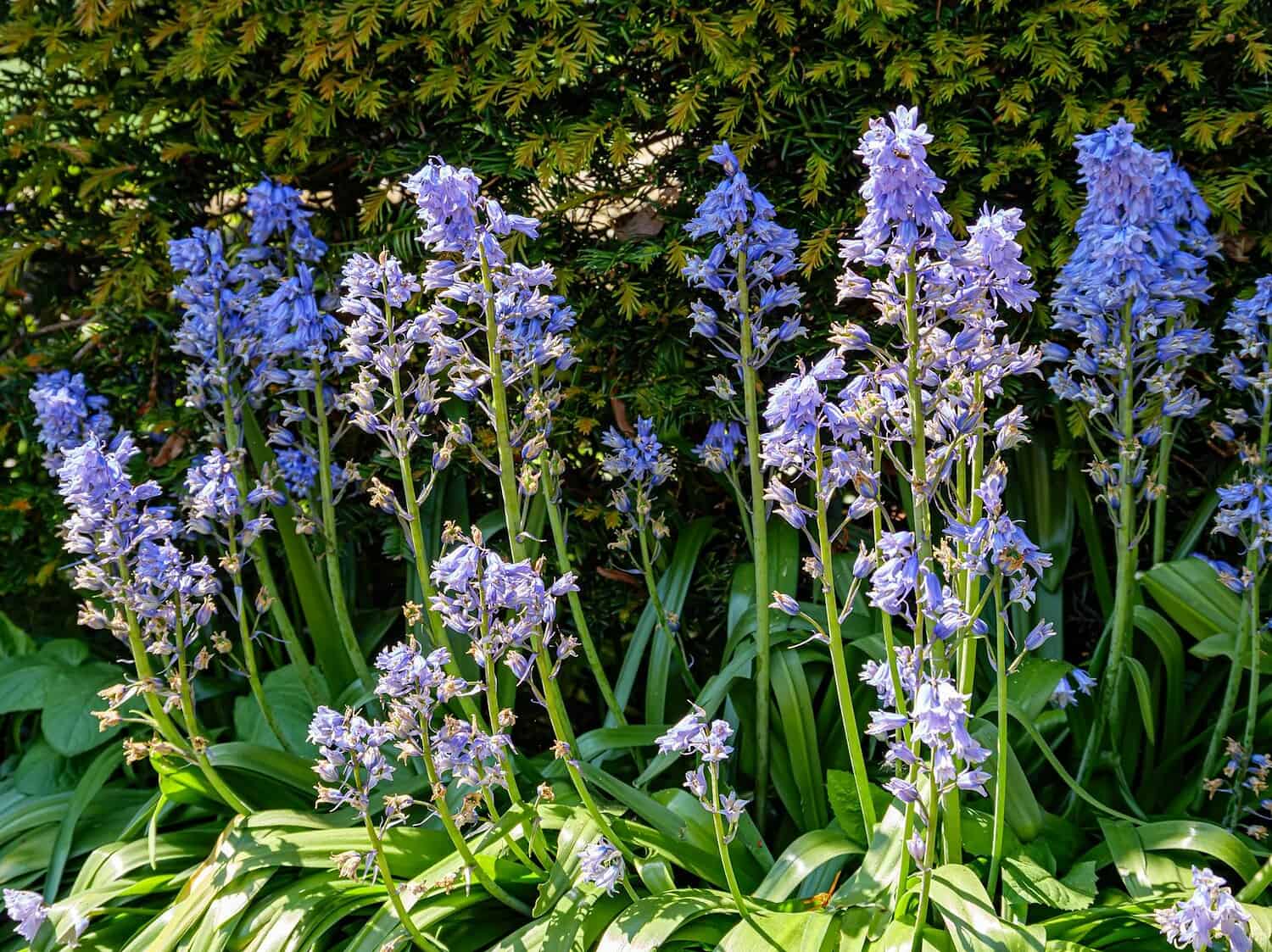
The bluebell is a lovely flower that symbolizes gratitude. Its delicate beauty reflects appreciation and admiration.
Historically, it was also associated with everlasting love. Many cultures believed that these charming blooms captured the essence of deep emotional connections. Their soft hues add a touch of elegance to gardens and bouquets alike.
Peony: Now stands for prosperity, earlier symbolized honor and bravery.
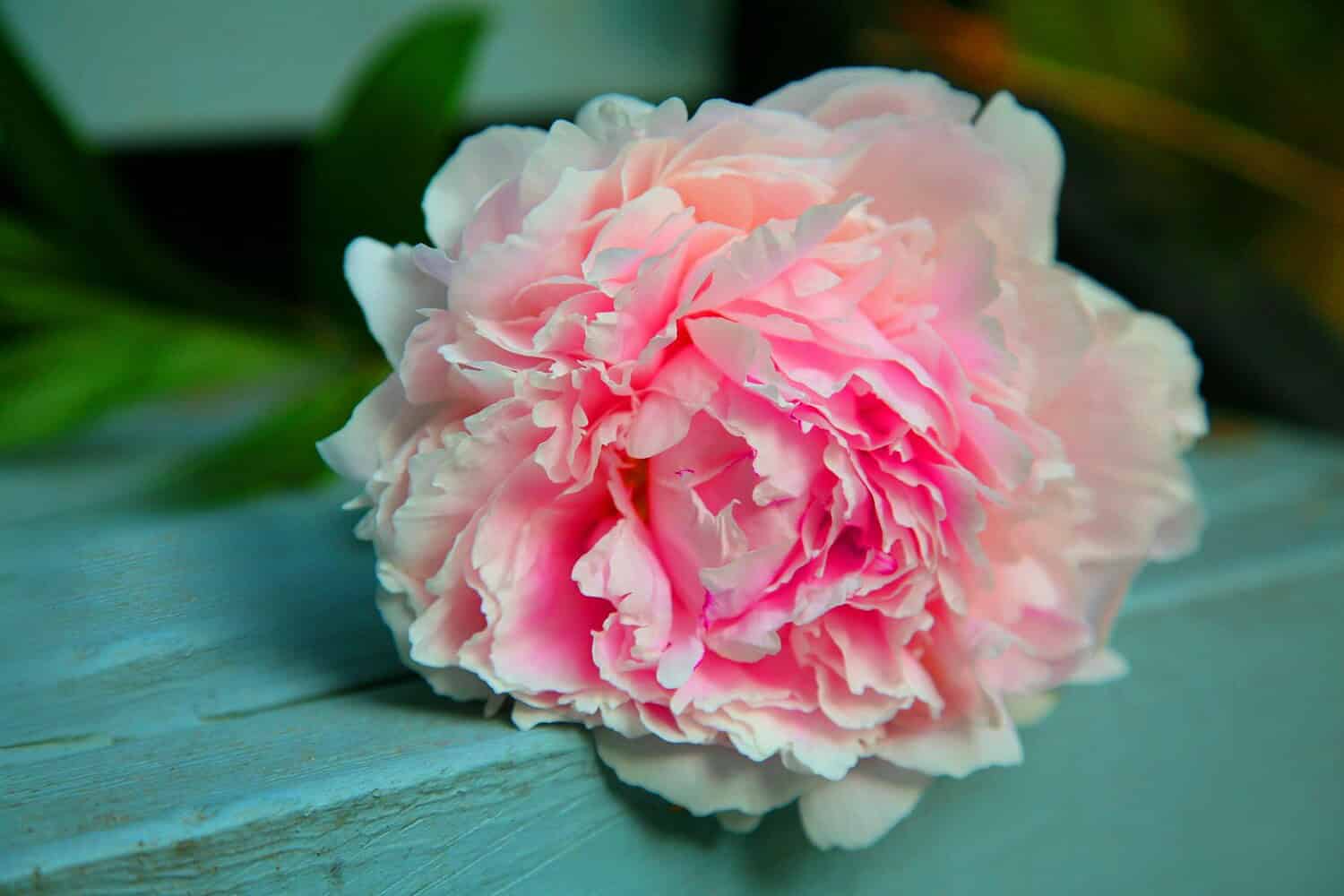
Peonies are fascinating flowers with a rich history. Today, they symbolize prosperity and are often associated with romance.
In earlier times, peonies represented honor and bravery. These meanings reflect how values can change over time while still celebrating the beauty of the flower. Enjoying peonies now connects you to their storied past.