
When I first started exploring weather-resistant gardening, I was skeptical of any plant labeled “foolproof.” Three cross-country moves and countless climate challenges later, I’ve discovered a collection of flowers that truly can handle almost anything nature throws at them.
Here’s my battle-tested list of blooms that have survived everything from desert heat to mountain frost.
Advertisement
Daylilies

I’ll never forget watching my daylilies bounce back after an unexpected late frost turned them into what looked like green soup. These botanical warriors have thrived in every climate zone I’ve called home, from humid Florida to arid New Mexico. The secret lies in their tuberous roots, which store enough energy to weather almost any storm.
While each flower blooms for just one day (hence the name), a healthy plant produces waves of blooms for months. My original “Stella d’Oro” variety has survived three moves, two droughts, and countless gardening mistakes. They handle full sun or partial shade, laugh at poor soil, and multiply reliably year after year.
Russian Sage

This silvery giant taught me the true meaning of drought tolerance. During a summer when my irrigation system failed while I was traveling, my Russian sage not only survived but put on its best show ever. Its deep roots and silvery foliage make it practically bulletproof in any climate.
What amazes me most is its adaptability – thriving in both my friend’s rainy Seattle garden and my sun-baked yard. The lavender-blue flower spikes last for months, require zero deadheading, and create a stunning architectural presence. Even heavy snow doesn’t faze it; the woody stems bounce back every spring with renewed vigor.
Sedum ‘Autumn Joy’
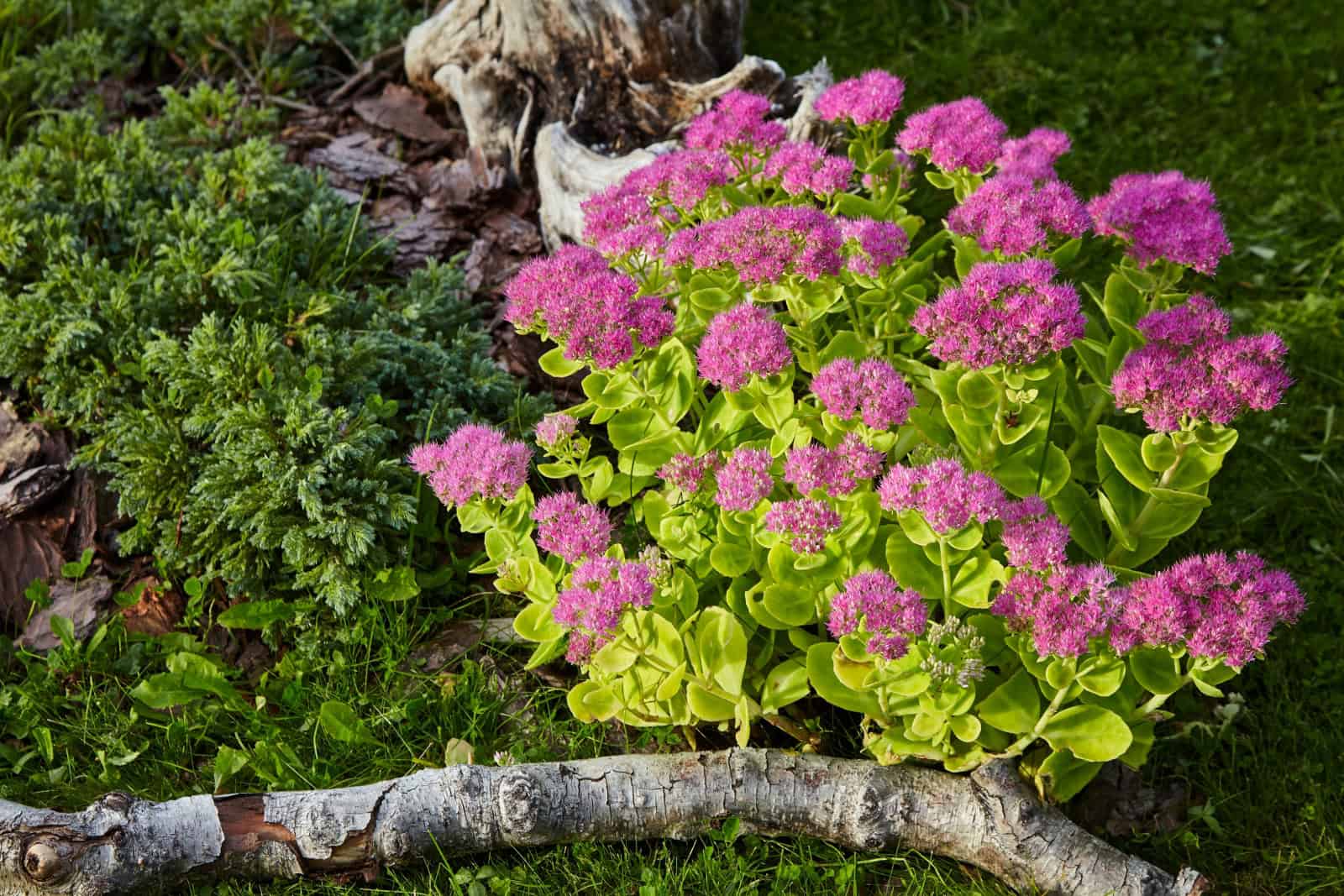
During a particularly brutal summer that had my other perennials gasping, my sedums stood like steadfast soldiers in the garden. These succulent powerhouses have become my go-to recommendation for anyone claiming they can’t keep plants alive. In spring, they emerge as tight clusters of blue-green rosettes that steadily grow into impressive 2-foot mounds.
The flower heads start pale green, mature to pink, and finally deepen to rich copper – providing an ever-changing show that lasts months. What truly amazes me is their resilience; they’ve survived both neglect and over-attention from well-meaning family members. Even an accidental mowing incident only resulted in shorter, bushier plants. In winter, their dried flower heads add structure to the garden and provide food for birds.
Coneflowers (Echinacea)

My love affair with coneflowers began when I discovered a patch thriving in an abandoned lot, proving their incredible adaptability. These native prairie flowers bring more than just pretty faces to the garden – they’re medicinal powerhouses that attract pollinators by the dozens. I’ve grown them successfully in both clay and sandy soil, through drought and flood conditions. The trick, I’ve learned, is to resist babying them.
My most impressive display came from plants I practically ignored after establishment. Modern varieties offer a rainbow of colors beyond the traditional purple, though I’ve found the original purple ones to be the most bulletproof. They bloom for months, and their seed heads provide winter interest and bird food.
Blanket Flower (Gaillardia)

When a gardening friend described blanket flowers as “unkillable,” I took it as a challenge. Years later, I have to admit she was right. These cheerful natives have survived conditions that would make other flowers curl up and die – blazing heat, freezing temperatures, drought, and even my children’s enthusiastic “helping” hands.
The daisy-like flowers come in warm sunset colors and bloom continuously from late spring until hard frost. What impresses me most is their recovery ability; after a hailstorm shredded mine to bits, they bounced back with new blooms within weeks. They’re short-lived perennials in most climates, but they self-seed so reliably that there’s always a new generation ready to take over.
Yarrow

This ancient herb earned its place in my indestructible garden after surviving a month-long drought followed by flash floods. Yarrow’s ferny foliage and flat-topped flower clusters add architectural interest to any garden, while its legendary toughness makes it perfect for challenging spots. I’ve discovered that the key to keeping yarrow happy is to treat it mean – rich soil and too much water only lead to floppy plants.
The variety of colors available now goes way beyond the traditional white, though I’ve found the yellow and white varieties to be the most resilient. An unexpected bonus: deer and rabbits completely ignore it, making it perfect for unfenced gardens.
Lavender
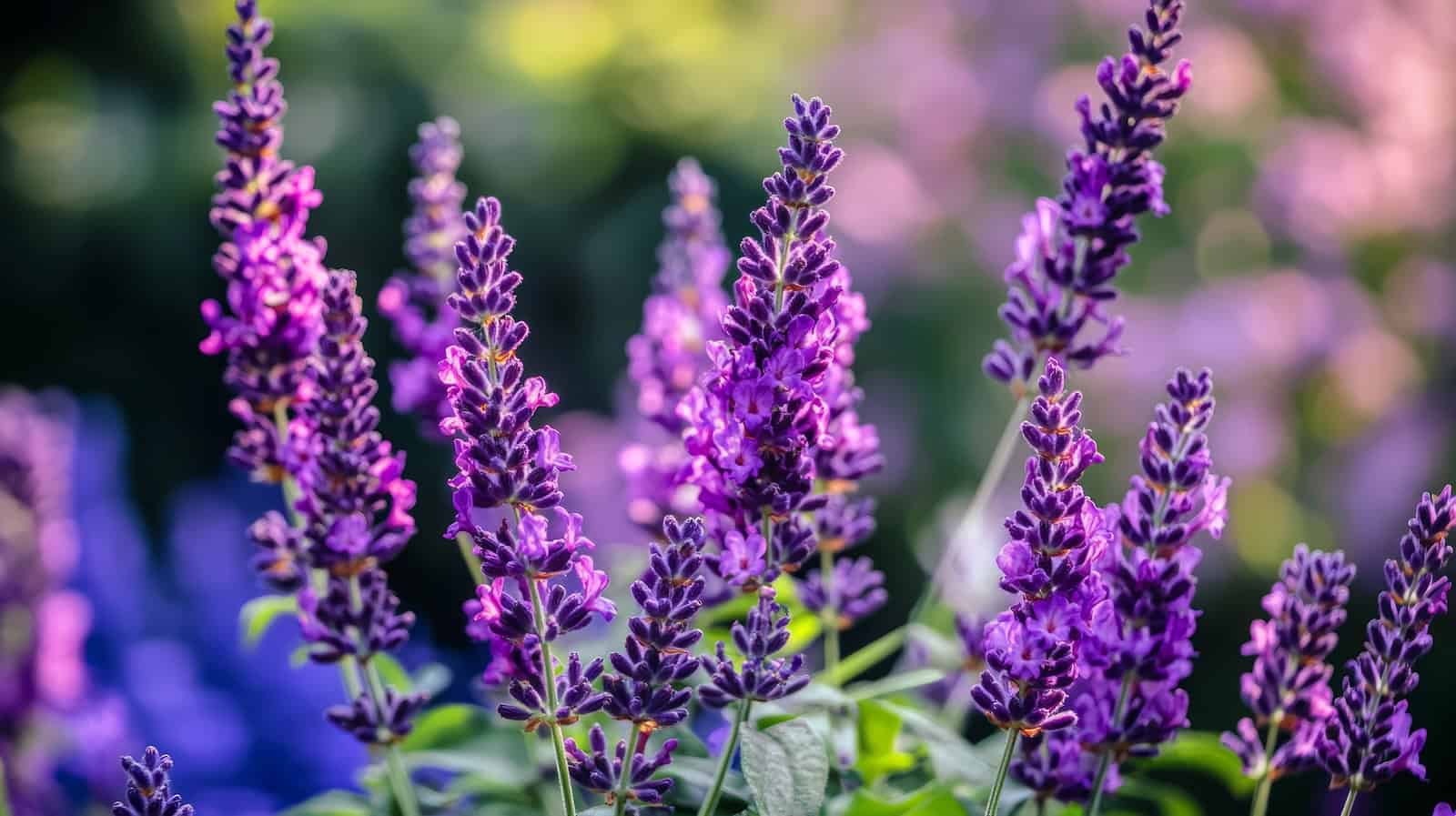
An elderly neighbor’s thriving lavender hedge during a record-breaking heat wave convinced me to give this Mediterranean beauty a try. Now, I understand why it’s been cherished for centuries. In my experience, the secret to lavender’s survival is actually doing less – these plants thrive on borderline neglect.
My healthiest specimens grow in poor, rocky soil with minimal watering. The only time I lost lavender was when I tried to “help” it with rich soil and extra water. English varieties have proven surprisingly cold-hardy, while Spanish types handle intense heat better. Beyond their obvious beauty and fragrance, they’ve become my defensive line against deer, rabbits, and even neighborhood cats who avoid their strong scent.
Verbena
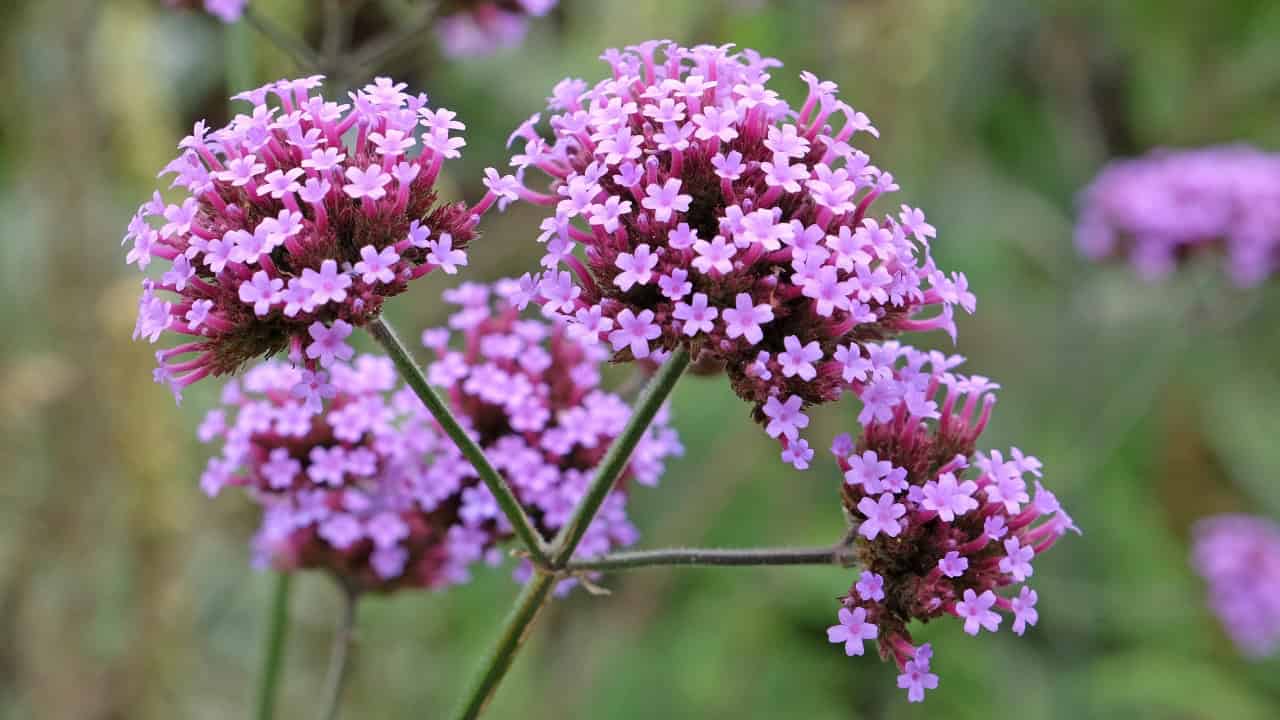
After watching my verbena bounce back from both late spring snow and triple-digit summer temperatures, I understood why it’s a staple in public gardens. These flowering machines produce waves of blooms from late spring until frost, requiring minimal intervention from the gardener. I’ve grown them successfully in both ground beds and containers, though they truly shine when allowed to spread and naturalize.
The key to their longevity, I’ve discovered, is ruthless pruning – cutting them back by half mid-season triggers a fresh flush of blooms. Their drought tolerance is legendary; my plants survived a broken irrigation system during a July heat wave, emerging even stronger after the ordeal.
Dianthus

Often overlooked as old-fashioned, dianthus proved its worth during a year when my garden faced every weather extreme imaginable. These compact powerhouses handled freezing temperatures, intense heat, drought, and even hail with remarkable resilience. Modern varieties bloom repeatedly throughout the season, especially if you deadhead regularly.
What truly sold me was their adaptability – they perform equally well in containers and garden beds, tolerating both acidic and alkaline soils. The spicy clove fragrance of their flowers attracts butterflies while deterring deer and rabbits. After five years in my garden, my original plants are still going strong, forming dense mats that choke out weeds.
Black-Eyed Susan Vine (Thunbergia)

Just when I thought I’d seen every type of weather-resistant plant, my neighbor’s black-eyed Susan vine survived their six-week vacation without watering. Unlike its perennial cousin, this annual vine combines incredible toughness with fast-growing charm. In my garden, it’s climbed 15 feet in a single season, creating a living privacy screen that handles both intense sun and partial shade.
The most impressive show came after a late-season hailstorm that shredded most of my garden – within two weeks, the vine was covered in cheerful orange blooms again. It’s become my go-to solution for quick coverage, whether training up trellises or spilling from hanging baskets.
Liatris
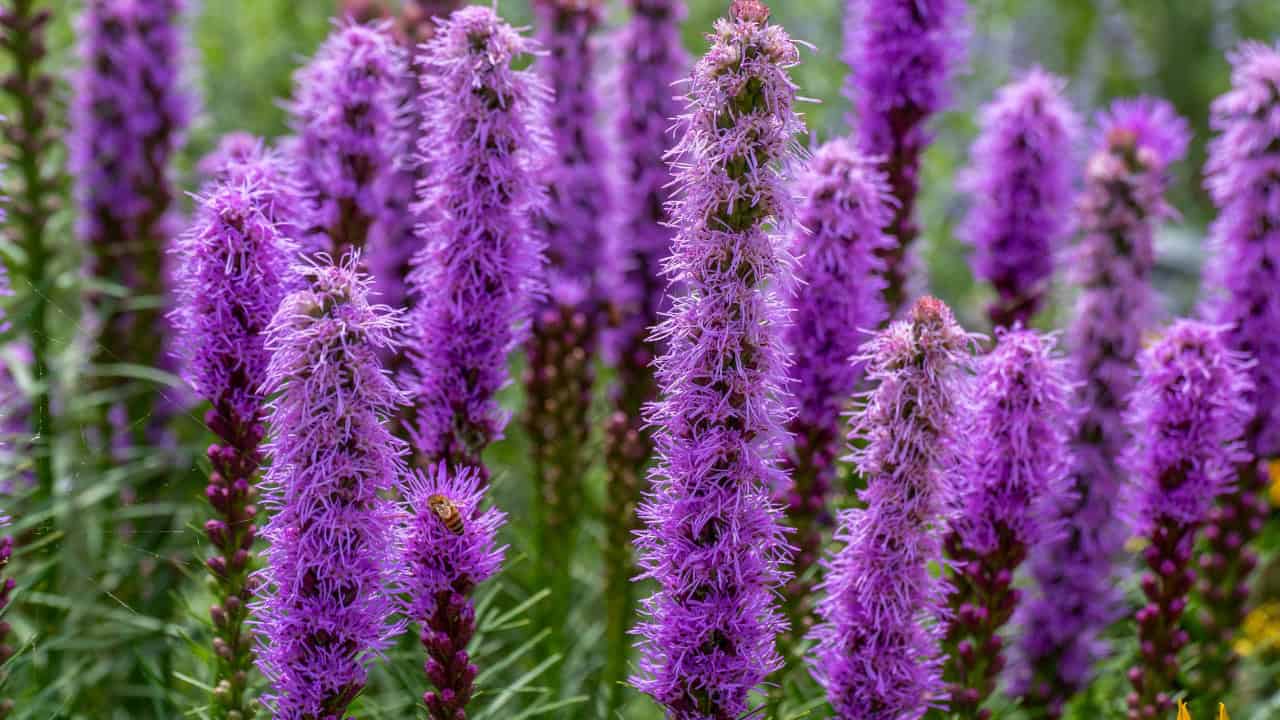
After watching my liatris punch through several inches of late spring snow, I understood why it’s called “blazing star.” These vertical powerhouses produce tall spikes of purple-pink flowers that seem impervious to weather extremes. What fascinates me most is their blooming pattern – unlike most flowers that bloom from top down, liatris starts at the bottom and works upward, extending the show for weeks.
They’ve survived both waterlogged spring soils and summer drought in my garden. Even better, their deep taproots mean they rarely need dividing or maintenance, making them perfect for busy gardeners who want long-term color without the work.
Geranium ‘Rozanne’
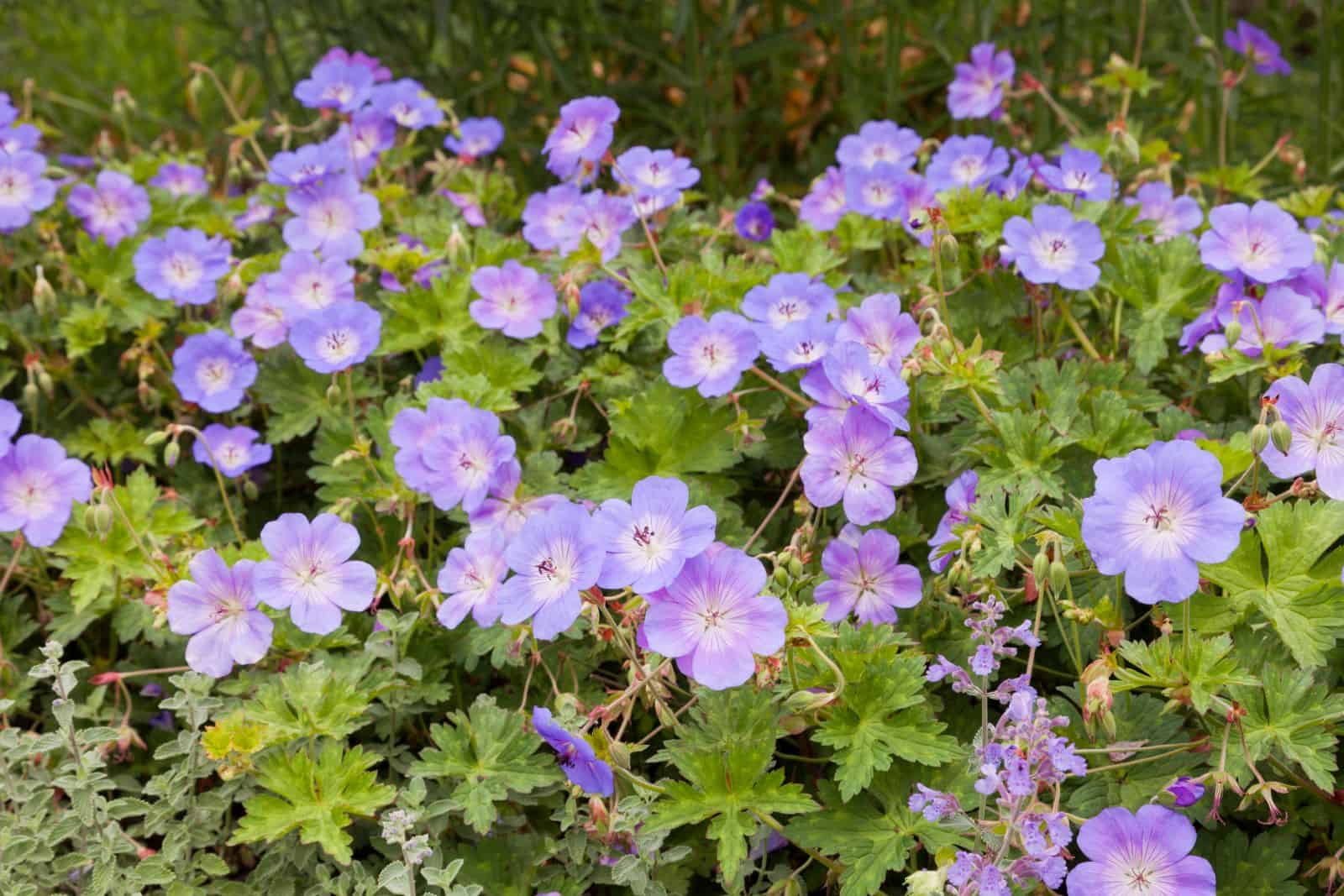
When a garden center employee told me ‘Rozanne’ would bloom for six months straight, I thought they were exaggerating. Five years later, this hardy geranium has proven to be the longest-blooming perennial in my garden, starting in late spring and continuing until hard frost.
What’s truly remarkable is its adaptability – it grows equally well in sun or partial shade, rich soil or poor, and recovers quickly from any weather damage. During one particularly brutal summer, I watched it wilt completely during midday heat only to bounce back perfectly each evening. The sprawling habit makes it perfect for filling gaps between other perennials or spilling over wall edges.
*This article was created with the help of AI.