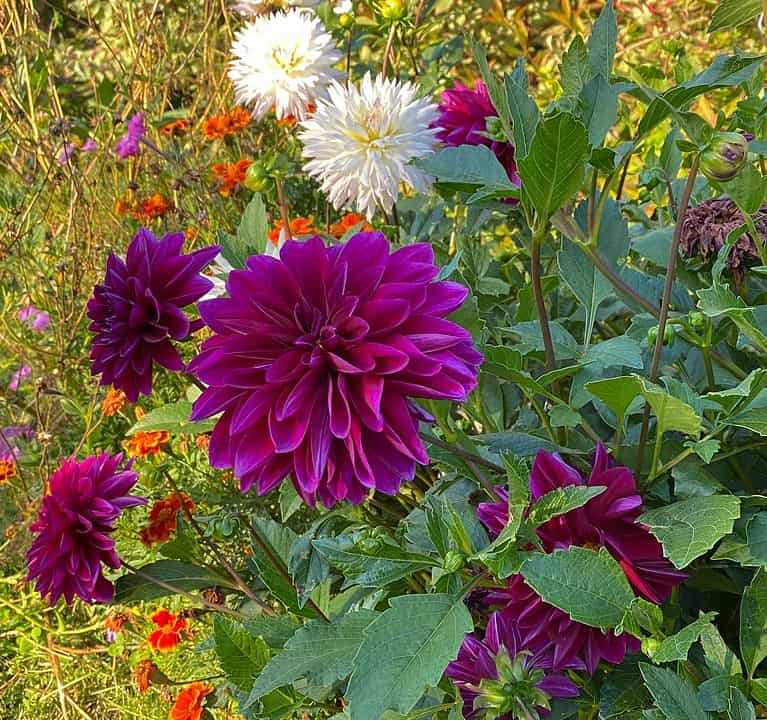
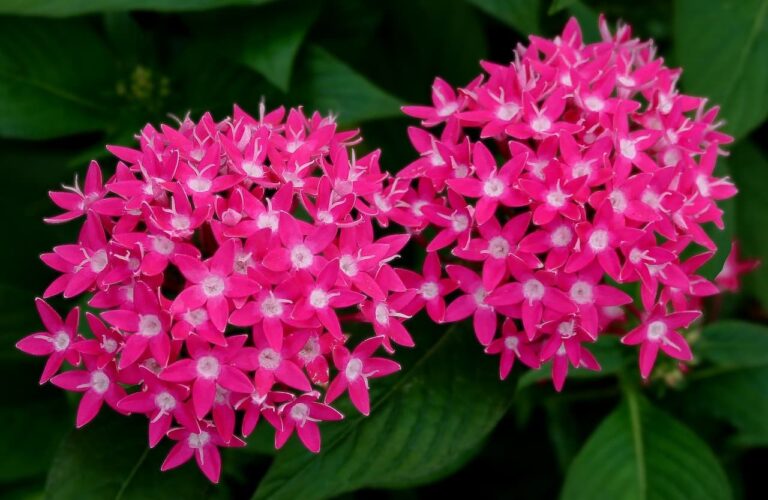
As seasons change, so does the color palette of your garden. While summer and spring naturally induce vibrant hues, winter and fall may leave your flowerbeds looking quite dull. But what if you could have a garden bursting with color every month of the year? A well-planned selection of flowers can provide you with a beautiful array of shades throughout all four seasons. Let’s explore 12 flower varieties that you can plant to ensure year-round color in your garden.
1. Primrose for Winter

These hardy perennials bloom in the middle of winter, providing your garden with a much needed color boost amid the grays and whites of winter. Primroses come in a variety of colors including pink, purple, red, and yellow.
Advertisement
Their vivid colors are a welcome sight in the cold winter months, adding a splash of cheer to your garden. They also require minimal care, making them a great choice for beginner gardeners. To plant primroses, choose a spot in your garden that gets partial shade and has well-drained soil. Make sure to water them regularly, especially during dry spells.
2. Crocus for Early Spring

Crocuses are one of the first flowers to bloom in spring. These bulbs produce vibrant, cup-shaped flowers in shades of purple, yellow, and white. A carpet of crocuses can make a striking visual impact in your garden.
Plant crocus bulbs in the fall, before the ground freezes. Choose an area that gets full sun to partial shade and has well-drained soil. Water them regularly during their growth and bloom periods. Crocuses are low maintenance and can multiply on their own, eventually forming a beautiful carpet of colors in your garden.
3. Daffodils for Mid Spring

Daffodils are a classic spring flower, known for their bright yellow color and distinctive shape. However, they are also available in white, orange, and pink. Their cheerful appearance can brighten up any garden.
Plant daffodil bulbs in the fall, in a spot that gets full sun to partial shade. They prefer well-drained soil, but can tolerate most soil types. Once established, daffodils require minimal care and will return year after year, multiplying over time.
4. Tulips for Late Spring
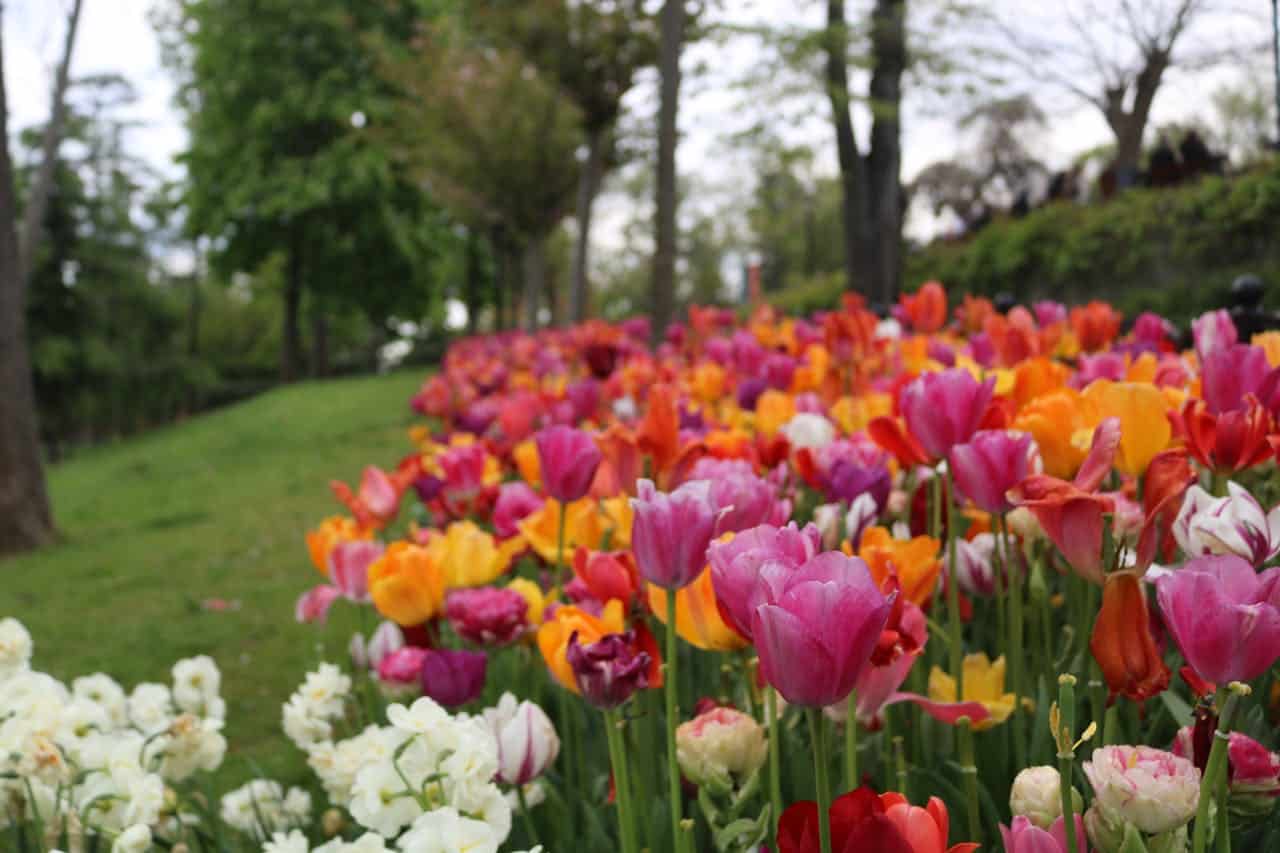
Tulips are another quintessential spring flower. These elegant blooms come in almost every color imaginable, allowing you to create a stunning color scheme in your garden.
Like daffodils, tulips should be planted in the fall. They prefer a sunny spot with well-drained soil. While tulips are perennials, many gardeners treat them as annuals and replant them each year for the best display.
5. Roses for Early Summer
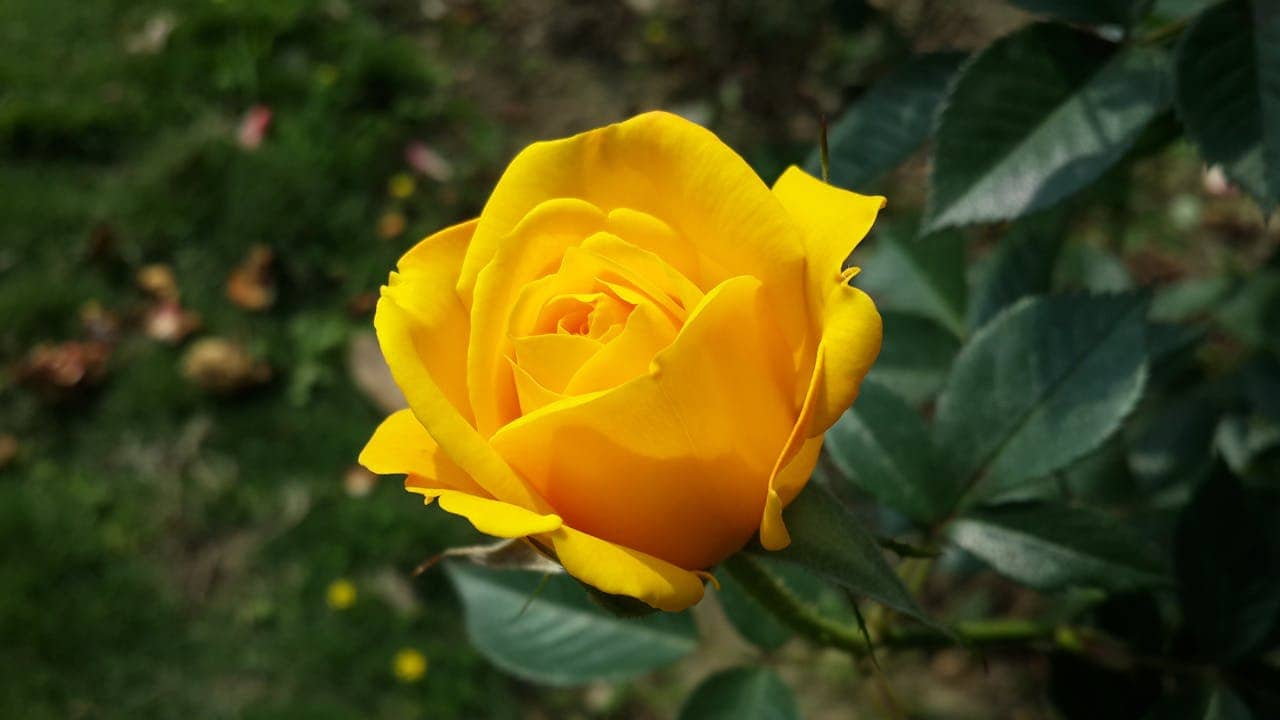
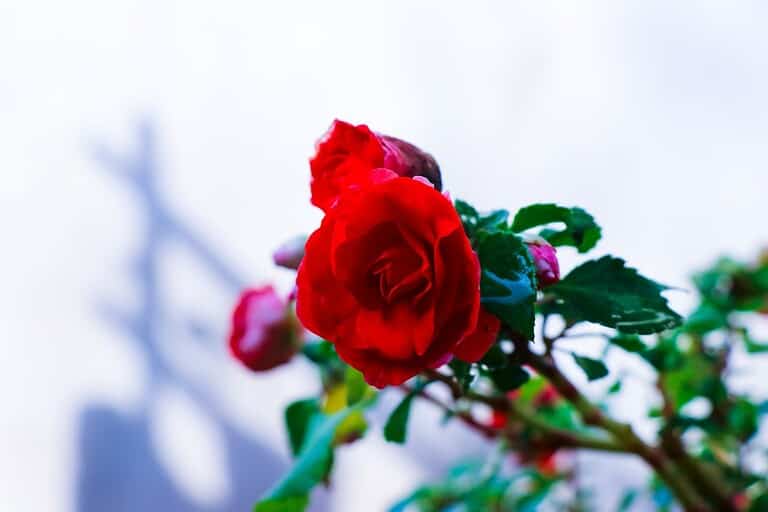
Roses are a timeless choice for any garden. These fragrant flowers come in a wide range of colors, from soft pastels to rich, deep hues.
Roses should be planted in the spring or fall, in a spot that gets at least six hours of sun each day. They require well-drained soil and regular watering. With proper care, roses can provide beautiful blooms from early summer through fall.
6. Sunflowers for Mid Summer
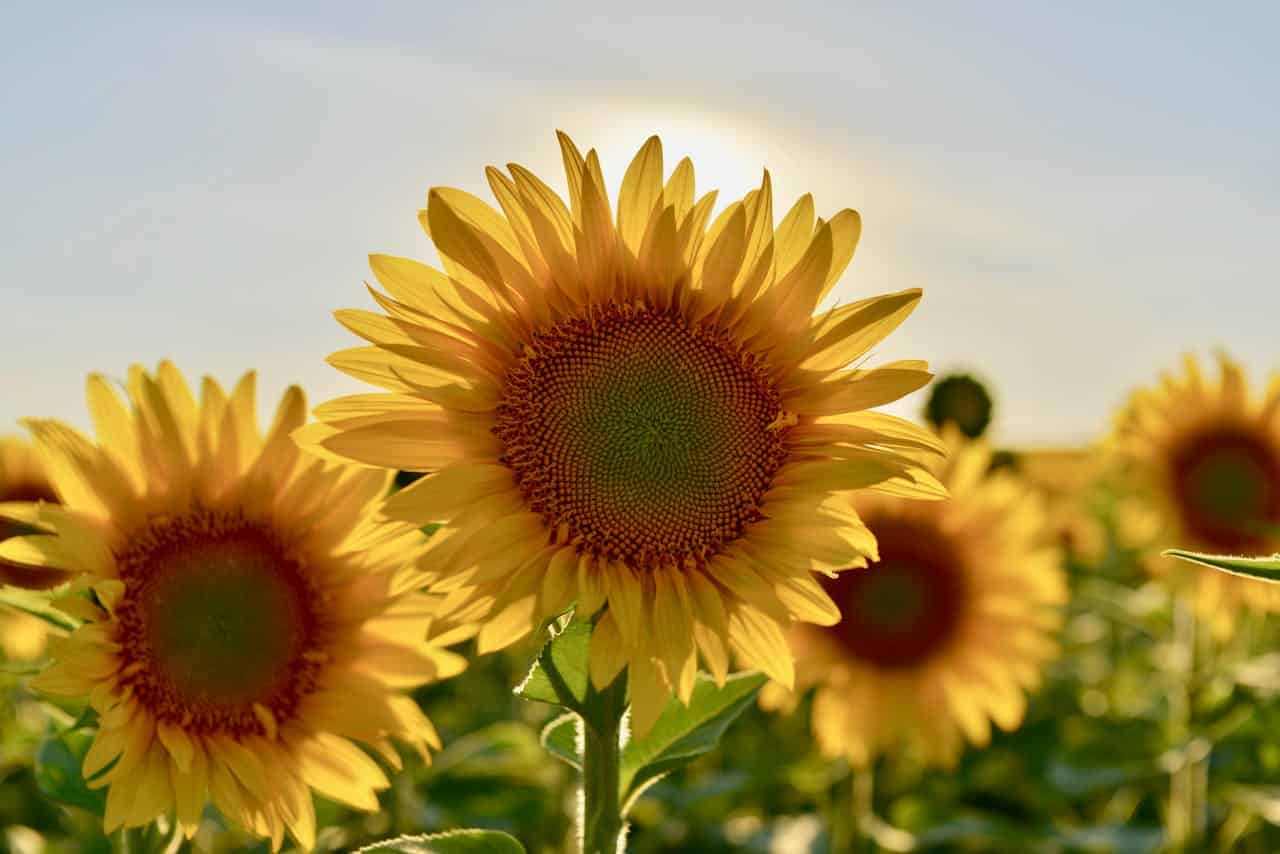
These towering flowers are perfect for adding height and color to your garden. Sunflowers come in shades of yellow, orange, red, and even brown.
Sunflowers should be planted in the spring, in a spot that gets full sun. They prefer well-drained soil and require regular watering. Once established, sunflowers are fairly low maintenance and can tolerate dry conditions.
7. Black-Eyed Susans for Late Summer
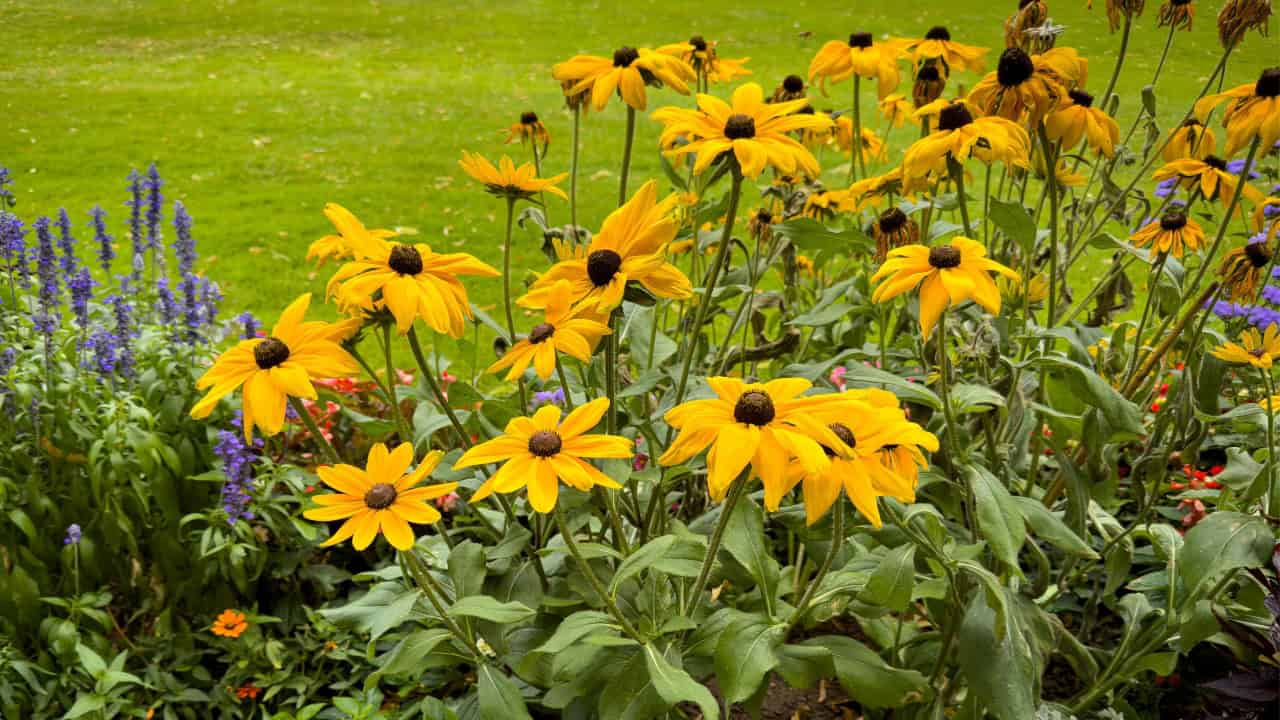
Black-eyed Susans are known for their bright yellow petals and dark brown centers. These hardy perennials are a great choice for late summer color.
Plant black-eyed Susans in the spring or fall, in a spot that gets full sun. They prefer well-drained soil and require regular watering. Once established, they are drought-tolerant and require minimal care.
8. Mums for Early Fall
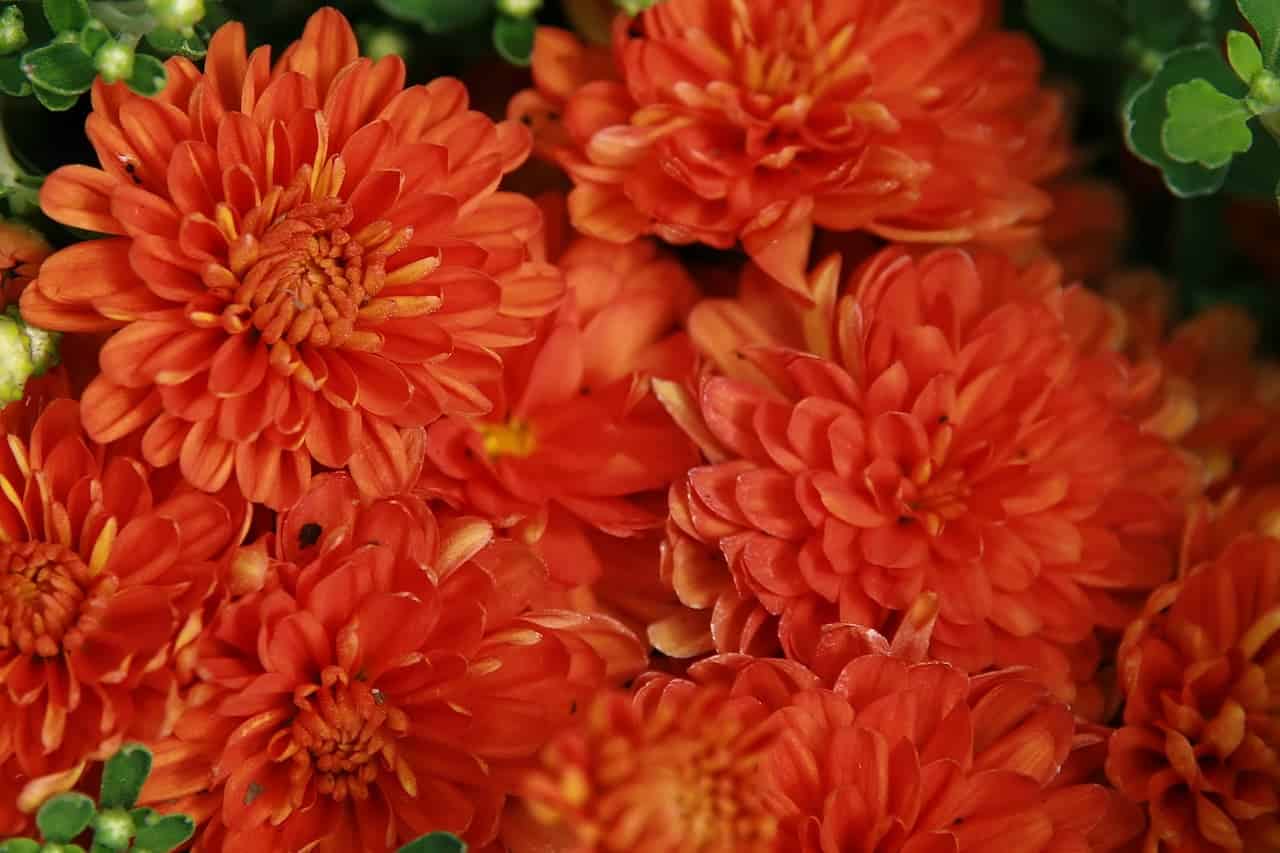
Mums are a popular choice for fall color. These hardy perennials come in a wide range of colors, including yellow, orange, red, pink, and even purple.
Plant mums in the spring or fall, in a spot that gets full sun. They prefer well-drained soil and require regular watering. Mums are low maintenance and can provide beautiful blooms for several weeks in the fall.
9. Pansies for Mid Fall

Pansies are known for their “faces” and come in a variety of colors. These hardy annuals can tolerate cool temperatures and are a great choice for mid fall color.
Plant pansies in the spring or fall, in a spot that gets partial shade. They prefer well-drained soil and require regular watering. While pansies are annuals, they can sometimes survive the winter and bloom again in the spring.
10. Asters for Late Fall
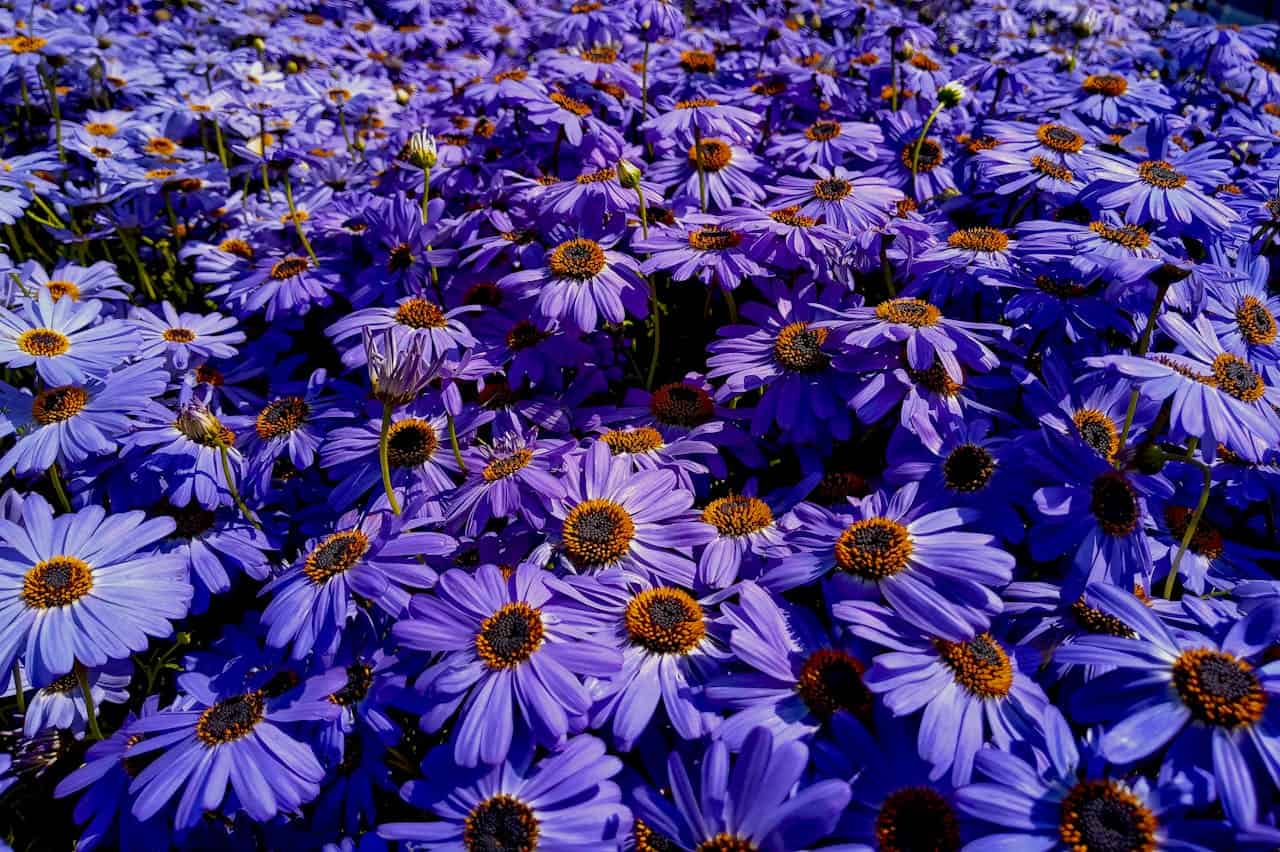
Asters are a great choice for late fall color. These hardy perennials produce clusters of small, daisy-like flowers in shades of purple, pink, and white.
Plant asters in the spring or fall, in a spot that gets full sun to partial shade. They prefer well-drained soil and require regular watering. Asters are low maintenance and can provide beautiful blooms from late summer through fall.
11. Hellebores for Early Winter
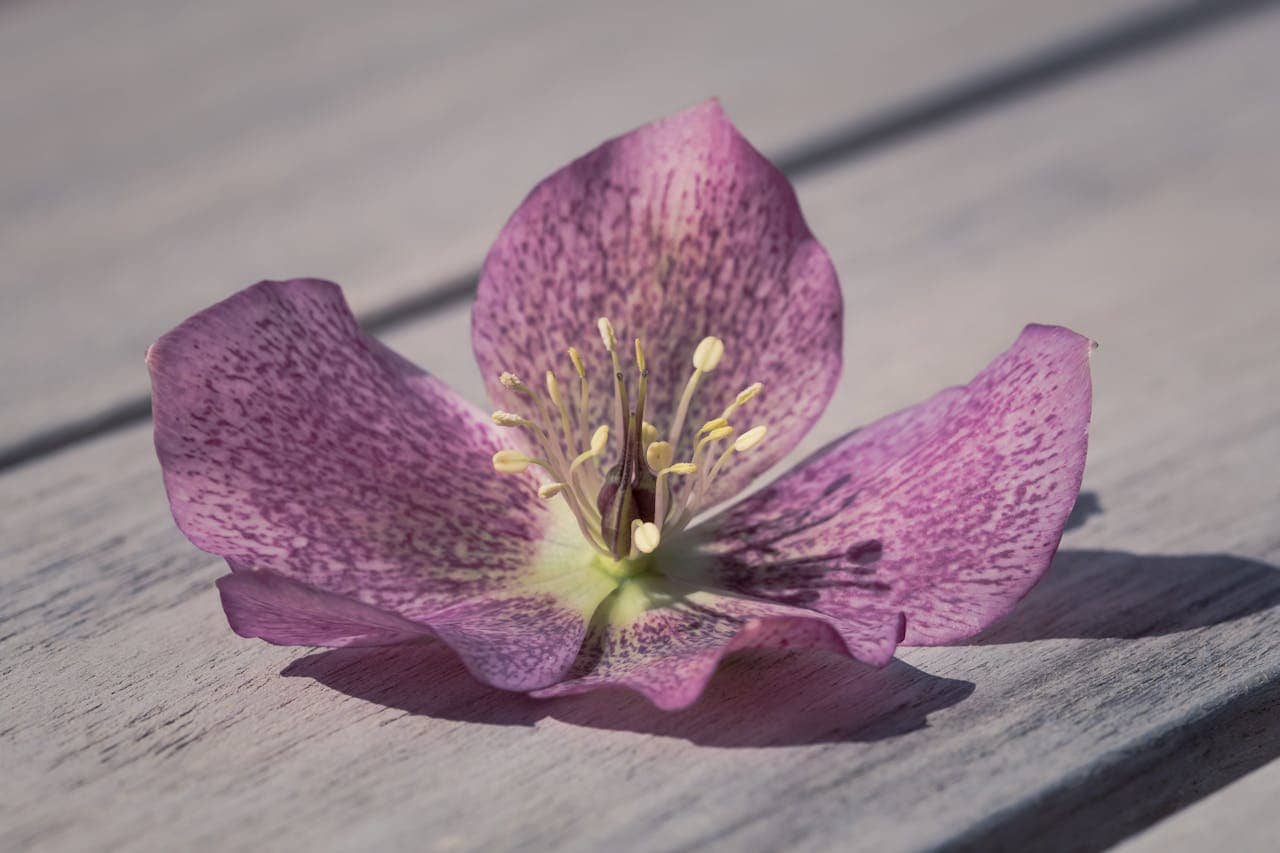
Also known as Christmas roses, hellebores are a great choice for early winter color. These hardy perennials produce delicate, cup-shaped flowers in shades of green, white, pink, and purple.
Plant hellebores in the spring or fall, in a spot that gets partial shade. They prefer well-drained soil and require regular watering. Hellebores are low maintenance and can provide beautiful blooms from late fall through early spring.
12. Winterberry for Mid to Late Winter
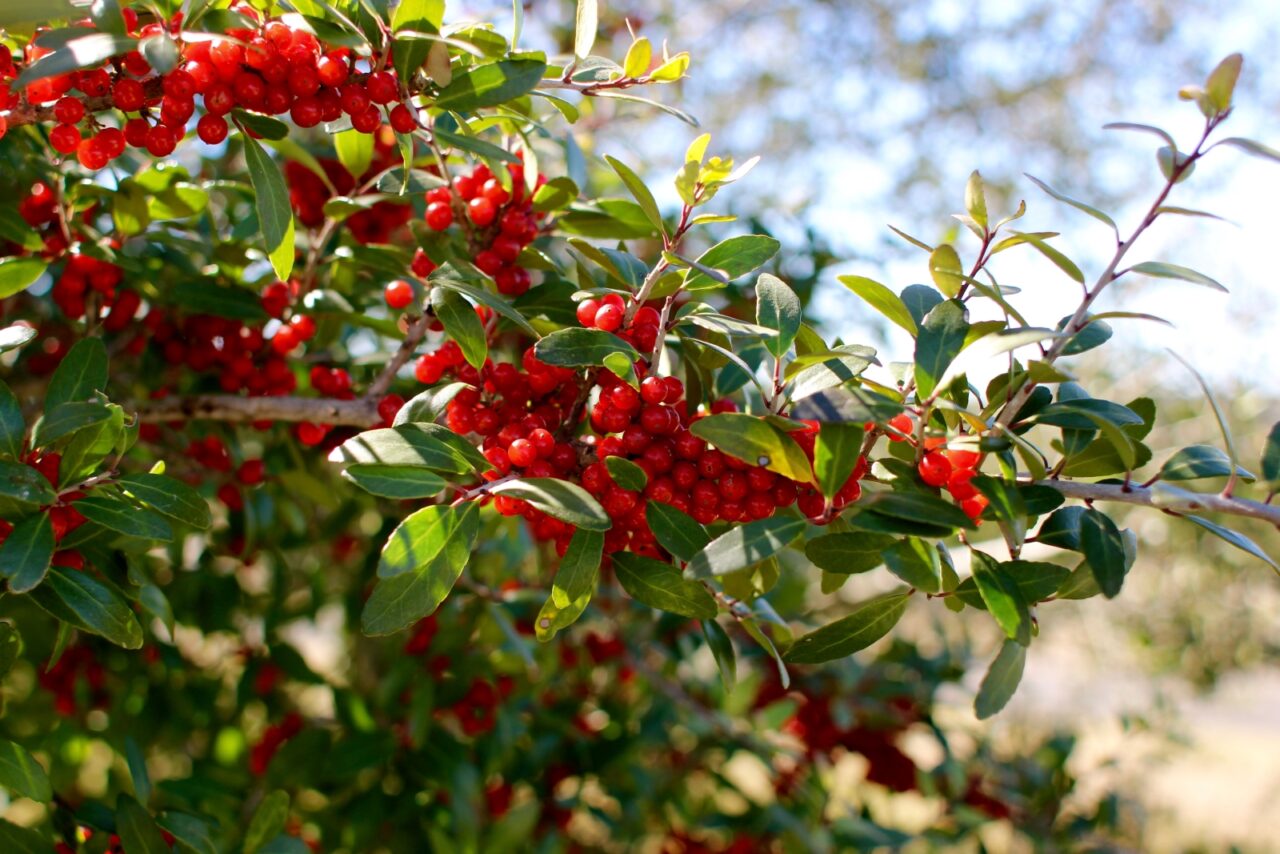
Winterberry is a type of holly that loses its leaves in the fall, revealing clusters of bright red berries. While not a flower, these berries can add a pop of color to your garden in mid to late winter.
Plant winterberry in the spring or fall, in a spot that gets full sun to partial shade. They prefer well-drained soil and require regular watering. Winterberry is low maintenance and can provide beautiful color from fall through winter.