Figuring out how to manage grocery costs can be a real challenge, especially when prices seem to keep climbing. While it might feel impossible to cut down on your food budget, knowing which items are weighing down your bill can be a helpful first step.
Identifying expensive foods and finding alternatives can make a significant difference in your wallet. With a little insight and some smart choices, you can start saving money without sacrificing on taste or nutrition. Let’s explore some options that could lead to more savings during your next grocery run.
Advertisement
1. Packaged Fruits and Vegetables
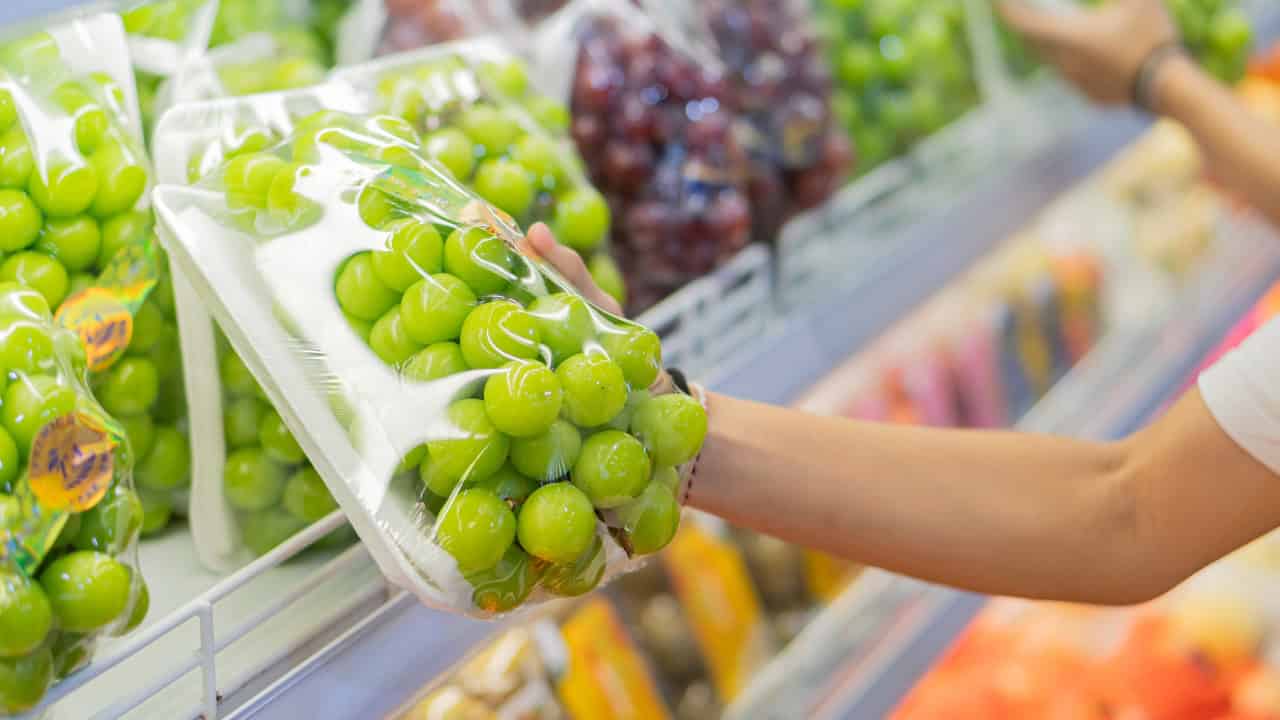
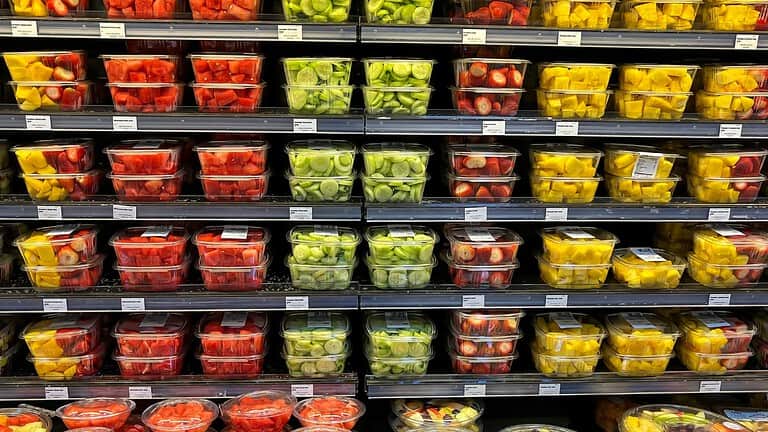
Buying packaged fruits and vegetables can be a convenience, but it often comes at a high cost. These items are typically more expensive than their loose counterparts due to the extra packaging and processing involved. You might save money by purchasing fresh produce and preparing it yourself.
Additionally, packaged fruits and vegetables can lose nutritional value during processing. They might contain added preservatives to maintain shelf life, which could alter the natural flavor and negate some benefits of eating fresh produce.
Some packaged fruits and vegetables, like canned goods, are often stripped of fiber and other nutrients and can be laden with sodium. It’s worthwhile to consider whether the convenience of pre-packaged produce is worth these trade-offs, especially when fresh options offer better quality and value for your money.
2. Brand Name Cereal

Brand name cereals often come with a hefty price tag. You might find yourself paying up to four times more than for other cereals, making it a significant expense in your grocery budget.
You may want to reconsider if these options are really worth the extra cost. Generic or store-brand alternatives can provide similar tastes and nutritional value at a fraction of the price. With price increases making cereal an expensive choice, sticking to more affordable brands could be a smart move.
3. Bottled Water

Bottled water might seem convenient, but it often comes at a premium price. Investing in a reusable water bottle can save you money in the long run. Plus, it’s a more environmentally friendly option.
Most tap water is clean and safe to drink. If you’re concerned about quality, consider using a water filter instead. By skipping bottled water, you also reduce unnecessary plastic waste.
Buying bottled water frequently adds up fast. Look into local refill stations if you’re on the go. This way, you can avoid the cost and still stay hydrated.
4. Single-Serve Coffee Pods
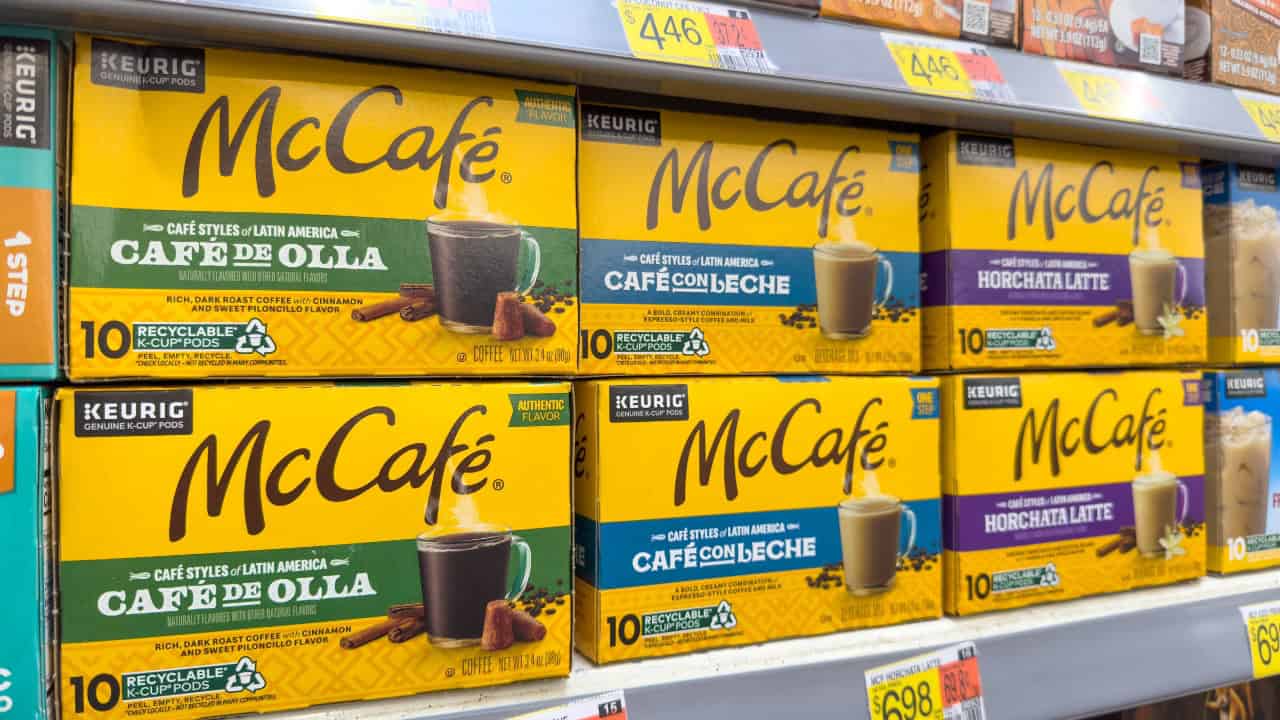
Single-serve coffee pods might seem convenient, but they can be quite costly. When you buy coffee in this form, you’re paying extra for packaging and brand marketing. Plus, they tend to be less eco-friendly with all the plastic waste.
Consider switching to ground coffee or reusable pods to save money. These options often offer a richer flavor and allow you to adjust the strength of your brew. Additionally, buying coffee in bulk reduces packaging waste significantly. Looking to keep things simple? Try a variety pack that offers similar taste without the added cost.
5. Microgreens

Microgreens might look appealing, but they can be a pricey addition to your grocery list. These tiny greens are often sold in small amounts, which makes them more expensive compared to fully grown vegetables.
Growing microgreens involves more labor and resources, contributing to their higher cost. If you’re not into gardening, consider that microgreens require less time and space to cultivate at home than other produce. This can be an easy way to enjoy them without the hefty price tag from stores.
While they’re nutritious and flavorful, buying them regularly might put a dent in your budget. Instead of purchasing, growing them at home can be a satisfying and cost-effective alternative.
6. Specialty Cheese
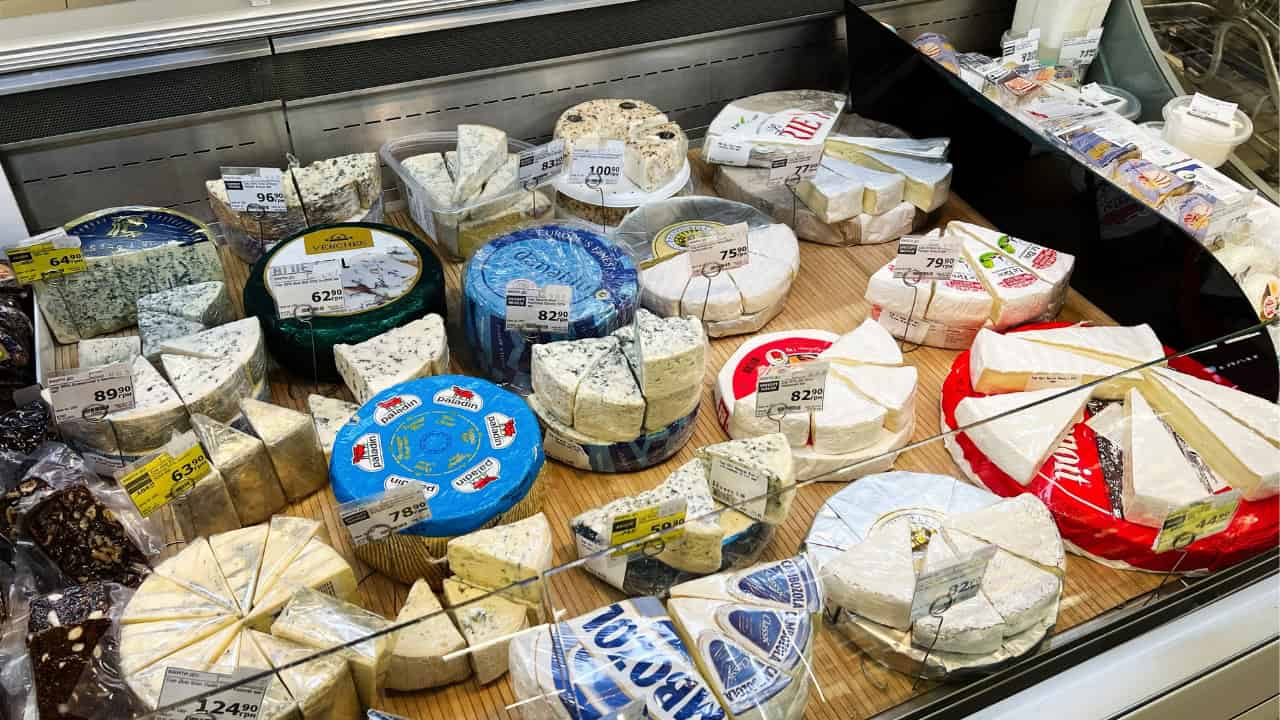
Specialty cheese can really put a dent in your grocery budget. With varieties like White Stilton Gold infused with edible gold flakes, it’s no wonder they come with a hefty price tag. While it’s tempting to indulge, these cheeses are often more about the novelty than taste.
You might find that local cheeses or more common varieties provide a similar flavor experience without the premium cost. Consider exploring affordable options that offer high quality and flavor without breaking the bank. Many supermarkets now carry excellent selections of everyday cheeses that are delightful.
By opting for these alternatives, you can enjoy delicious cheese without the financial guilt. Specialty cheese may be a treat, but it’s worth reconsidering its regular place on your shopping list.
7. Premium Ice Cream Brands
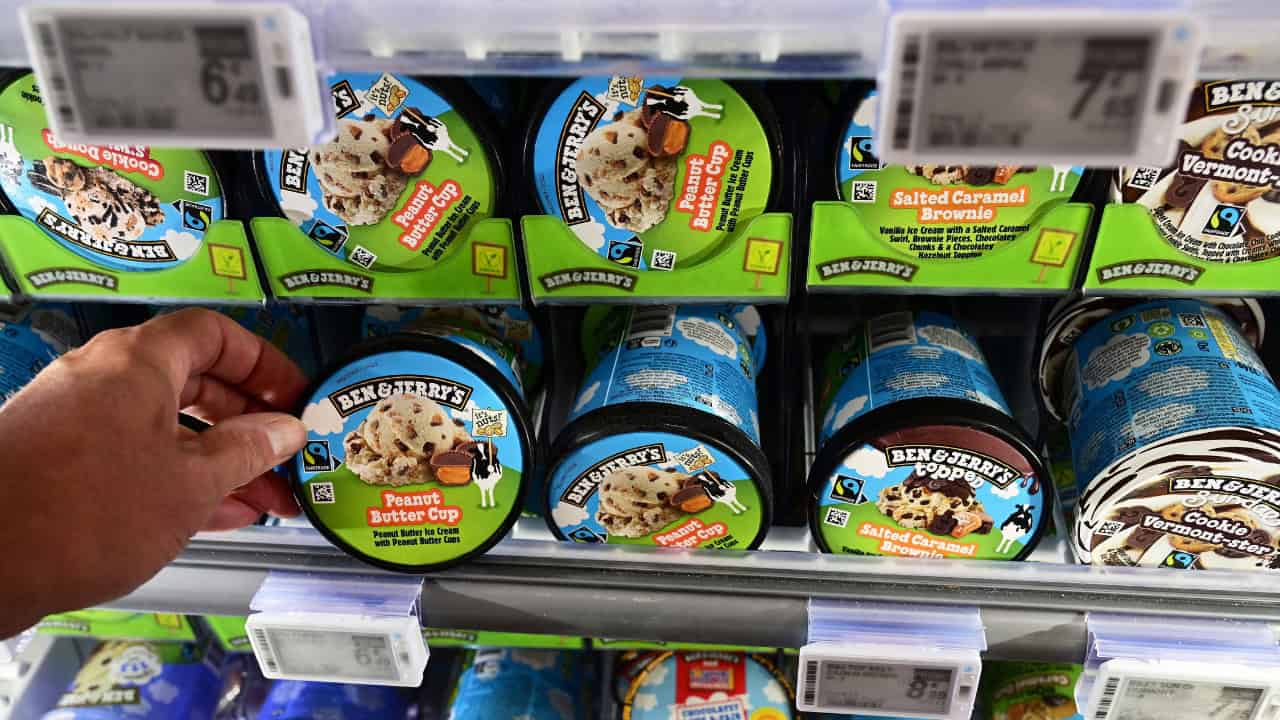
You might love the indulgence that comes with premium ice cream brands like Häagen-Dazs and Ben & Jerry’s. They’re famous for their rich flavors and creamy textures. But their prices can be steep compared to other brands.
Many of these ice creams come with unique ingredients that promise a gourmet experience. Yet, you’re often paying extra for branding and fancy names. In reality, there are many less costly alternatives without compromising on taste.
Next time you’re at the store, explore cheaper options that can still satisfy your sweet tooth. Brands like Blue Bell or grocery store labels can surprise you with their flavor and texture at more affordable prices. You can enjoy tasty ice cream without burning a hole in your pocket.
8. Prepackaged Smoothies
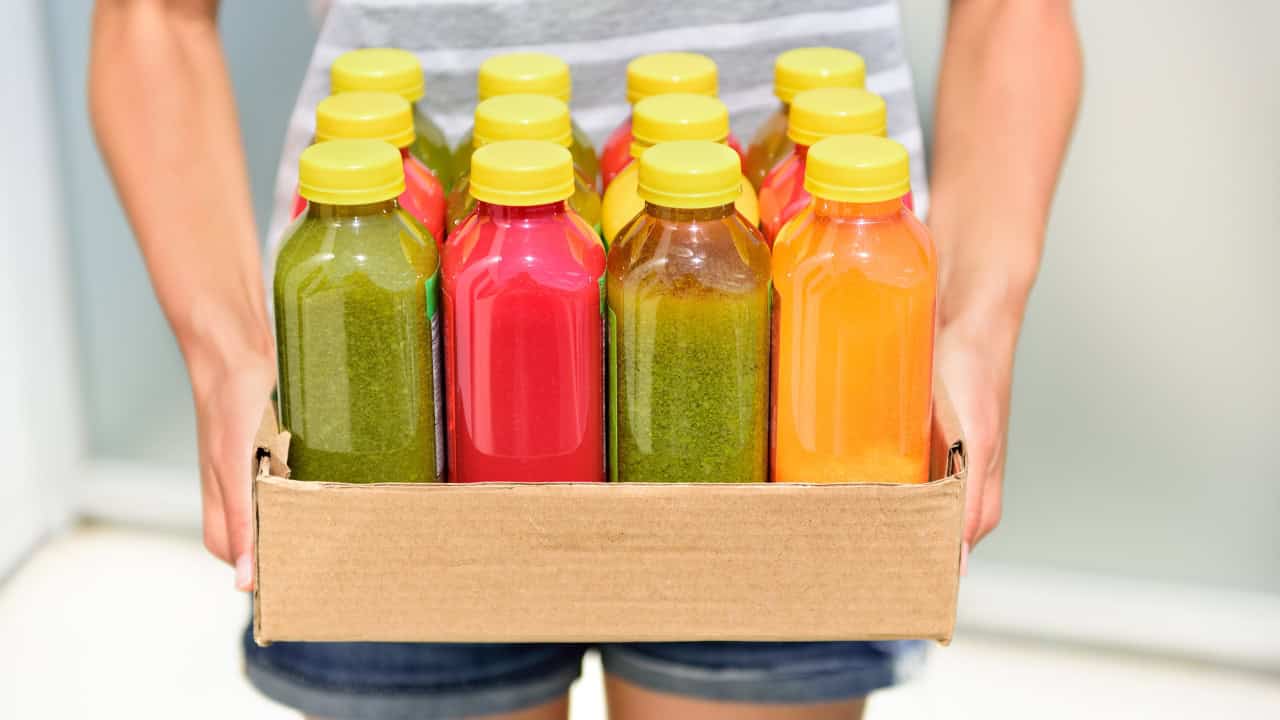
Prepackaged smoothies can be a convenient option for a quick snack, but they often come with a hefty price tag. When you buy them regularly, the cost adds up quickly. Also, you’re paying for packaging, which contributes to waste and might not be the eco-friendliest choice.
You can save money by making your own smoothies at home. Combine fresh or frozen fruits, spinach, or even protein powder for a nutritious drink. Preparing smoothies yourself lets you control the ingredients and sugar content, offering a healthier alternative.
Consider trying out frozen smoothie packs to make your own mixes more easily. These packs can be made in advance, saving you time and money. Plus, you can explore a variety of flavors without the high costs associated with store-bought options.
9. Imported Berries
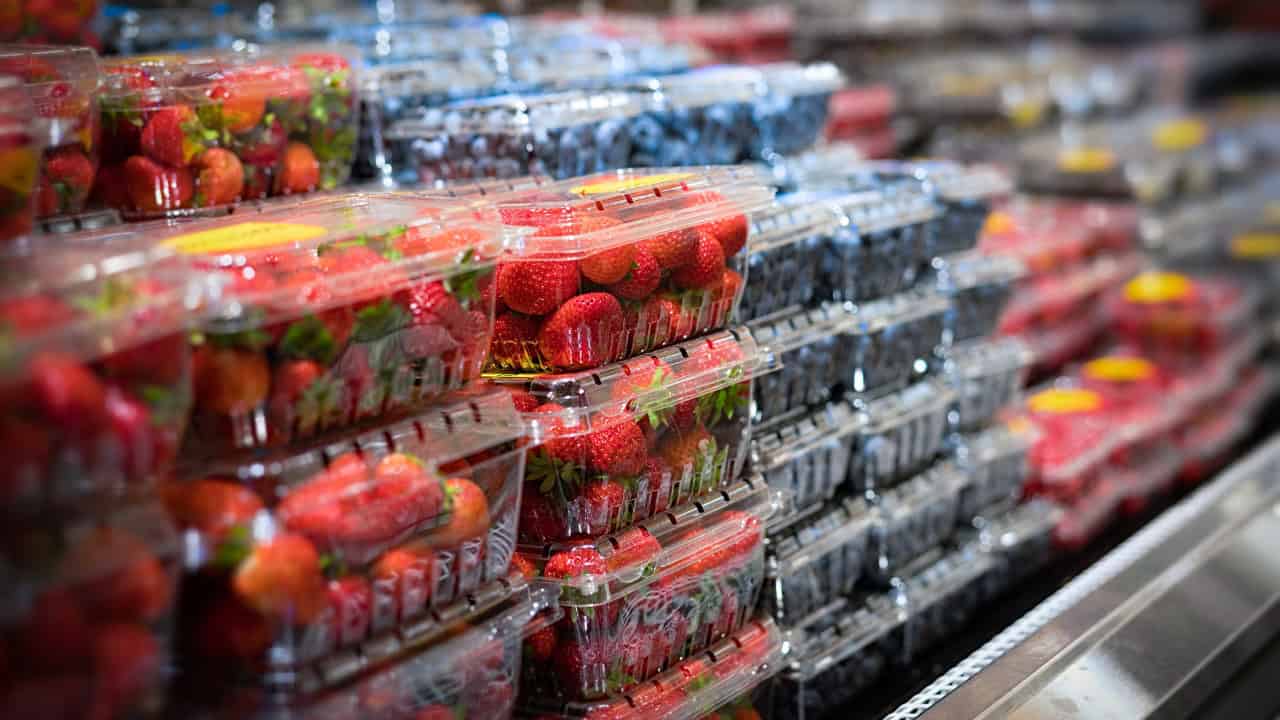
Imported berries can be surprisingly costly. You might find better options if you consider frozen varieties instead. Berries that are frozen are often picked at the peak of ripeness, which can make them even healthier than their fresh counterparts.
Additionally, frozen berries typically come at a fraction of the cost of imported fresh ones. By choosing frozen over fresh, you can enjoy berries year-round without worrying about them spoiling too quickly. You might be surprised by the savings and the quality you can get this way!
10. Gourmet Olive Oil

Gourmet olive oil can carry a hefty price tag, often for fancy packaging and marketing. While high-quality olive oil does have distinct flavor profiles, you might not notice the difference in everyday cooking. Instead, consider standard extra virgin olive oils that offer great taste without breaking the bank.
There’s a high chance you won’t need the nuanced flavors of “gourmet” labels for most recipes. A solid extra virgin olive oil from the grocery store will do the trick for salads, sautés, and more. You’ll save money while still getting a quality product.
If you’re looking for reasons not to splurge, consider that pricier oils may actually contain higher levels of toxic phthalates. Keep it simple and enjoy a versatile olive oil that fits your budget.
11. Organic Pre-Cut Veggies
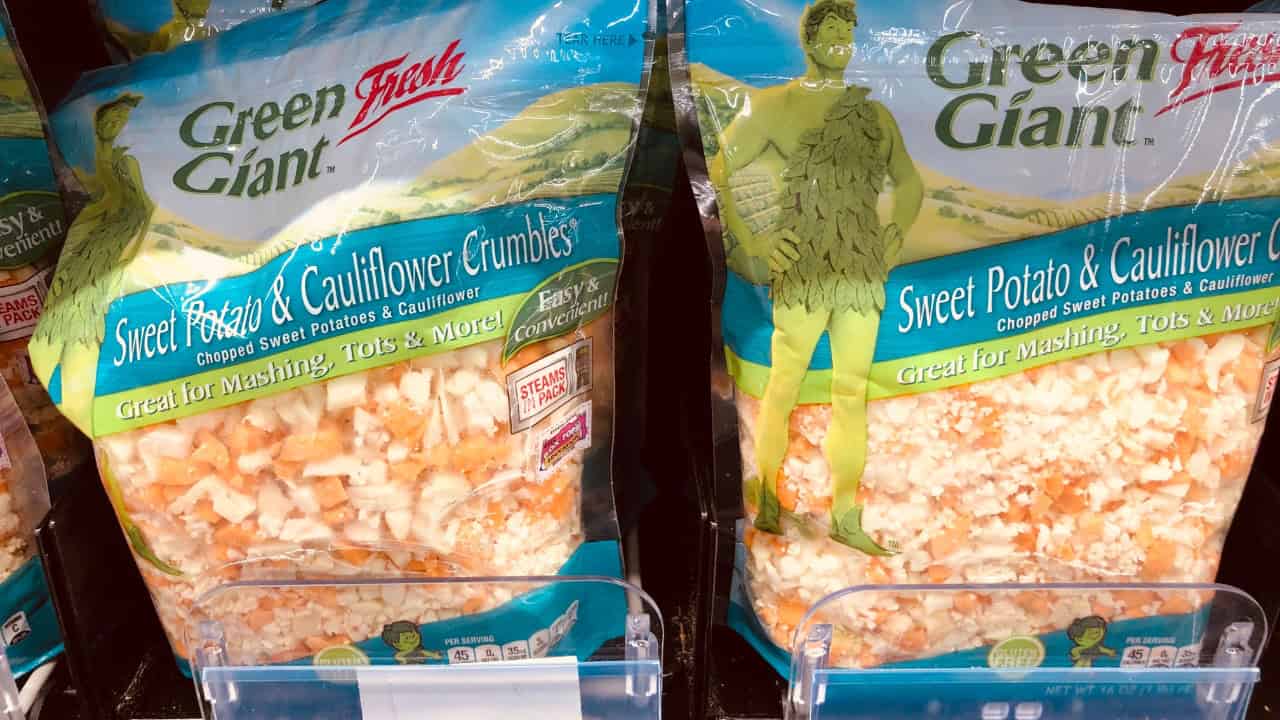
Choosing organic pre-cut veggies might save you time, but it can really add up at the checkout. When you’re paying for these, you’re not just paying for the veggies themselves but also for the convenience of having them prepped.
Buying whole veggies and cutting them yourself doesn’t just save money. It helps maintain freshness and taste as pre-cut options can lose their quality quickly.
Next time you’re shopping, consider how much you’re willing to pay for your time. You might find it’s better to grab a whole carrot and a knife instead. By taking this approach, you’ll keep more cash in your pocket.
12. Artisan Bread

Artisan bread has seen a surge in popularity, often marketed as a premium product. While it may taste delightful with its crusty exterior and flavorful crumb, the price tag can be hefty. Many bakeries sell these loaves at a premium, reminiscent of the artisan bread phenomenon where European breads became costly gourmet items.
You might be surprised to learn that baking your own is not only more cost-effective but also surprisingly straightforward. An easy no-knead artisan bread recipe lets you whip up delicious bread with minimal effort and simple ingredients. Taking the homemade route saves money and lets you control the quality and freshness.
Swapping store-bought for homemade could change how you view this staple and keep extra cash in your pocket.
*This article was created with the help of AI.