When you take on DIY projects around your home, it’s easy to get excited about making changes that reflect your style. However, not every improvement will add value to your property, and some could actually hurt it. Understanding which projects might backfire can save you time, money, and stress down the road.
Knowing which DIY projects can lower your home’s resale value helps you make smarter decisions about renovations. This guide will help you spot potential pitfalls before you start, so you can focus on upgrades that really pay off.
Advertisement
Painting walls in bold or trendy colors

Using bold or trendy colors on your walls might seem fun, but it can limit your home’s appeal. Not everyone shares your style, and bright colors can turn off potential buyers.
Neutral colors like soft grays or beiges tend to attract more interest. They make spaces feel larger and give buyers a blank slate to imagine their own design. If you love color, consider using it in small, removable ways instead.
Installing tacky or dated tile
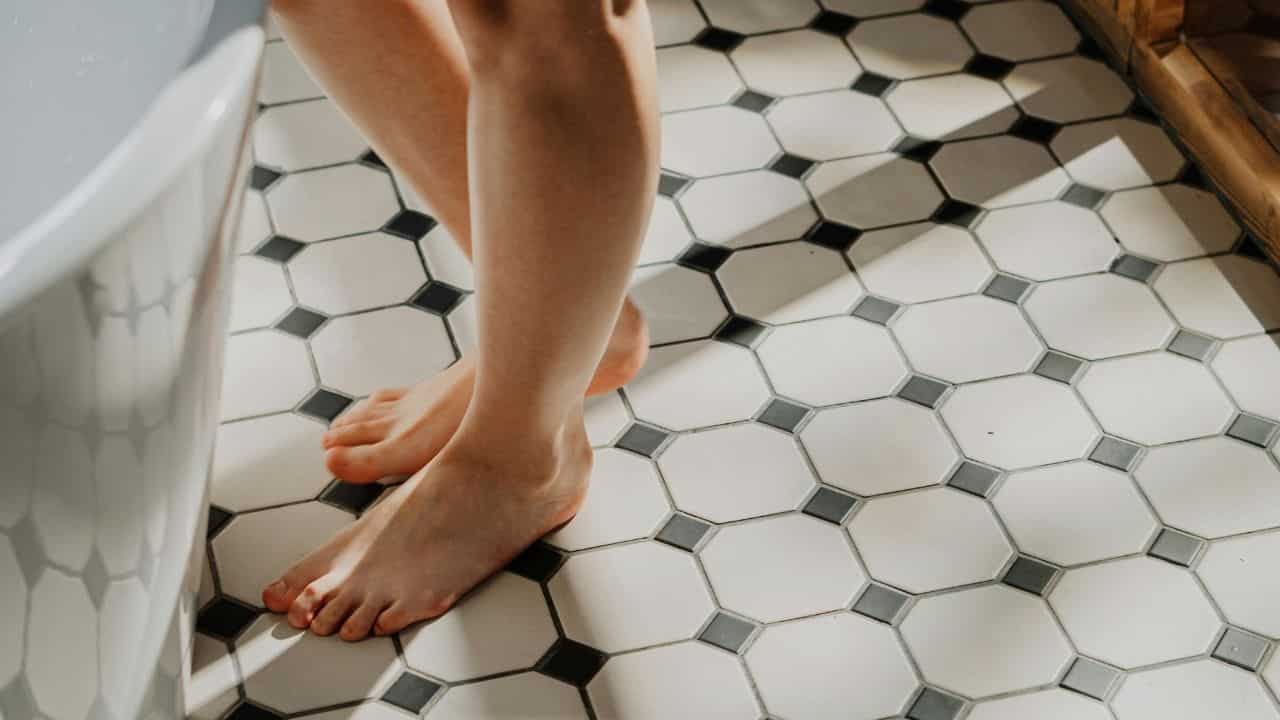
Choosing the wrong tile can make your space feel out of style quickly. If your tile looks outdated or overly bold, it might turn off potential buyers.
Simple, neutral tiles usually work better. Avoid flashy patterns or colors that only suit your personal taste.
Using low-quality paint
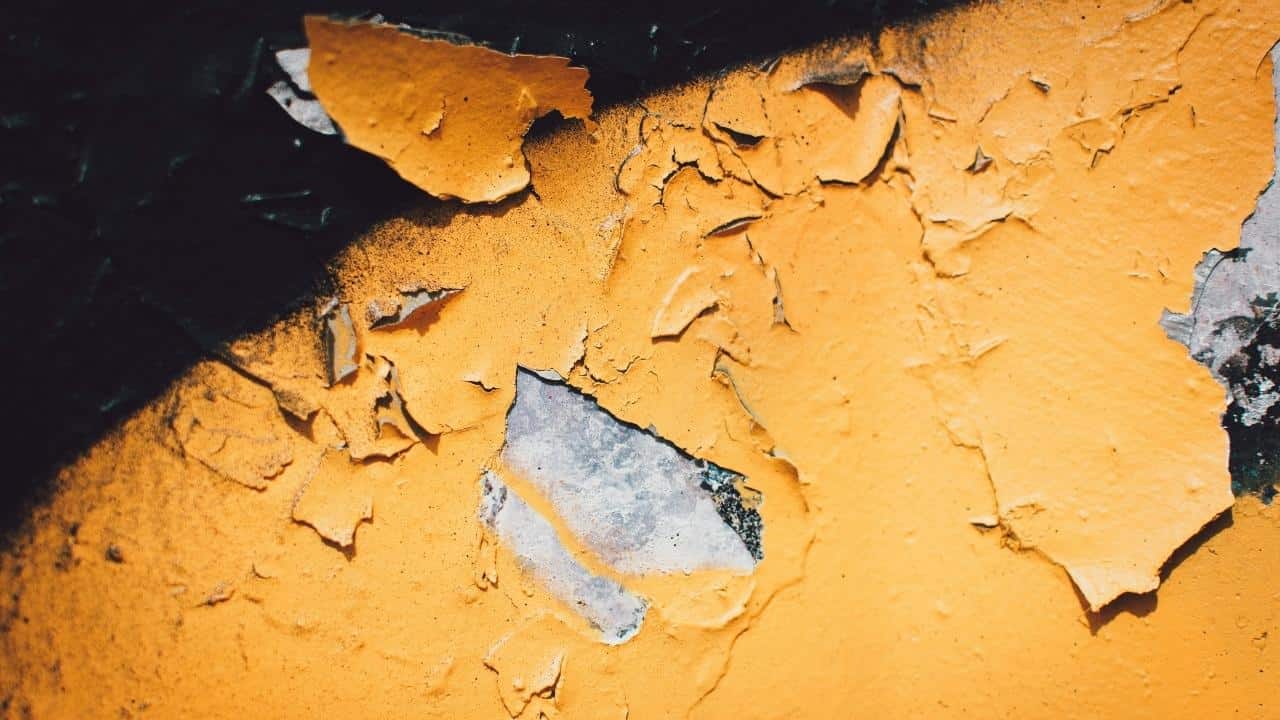
When you use low-quality paint, the finish might not last long and can start peeling or fading quickly. This can make your home look less cared for.
You might save money upfront, but buyers often notice poor paint jobs. It can give the impression that other parts of your home were not well maintained either.
Choosing a better-quality paint helps your walls look fresh and clean, which can support a higher resale value.
Overdoing wallpaper
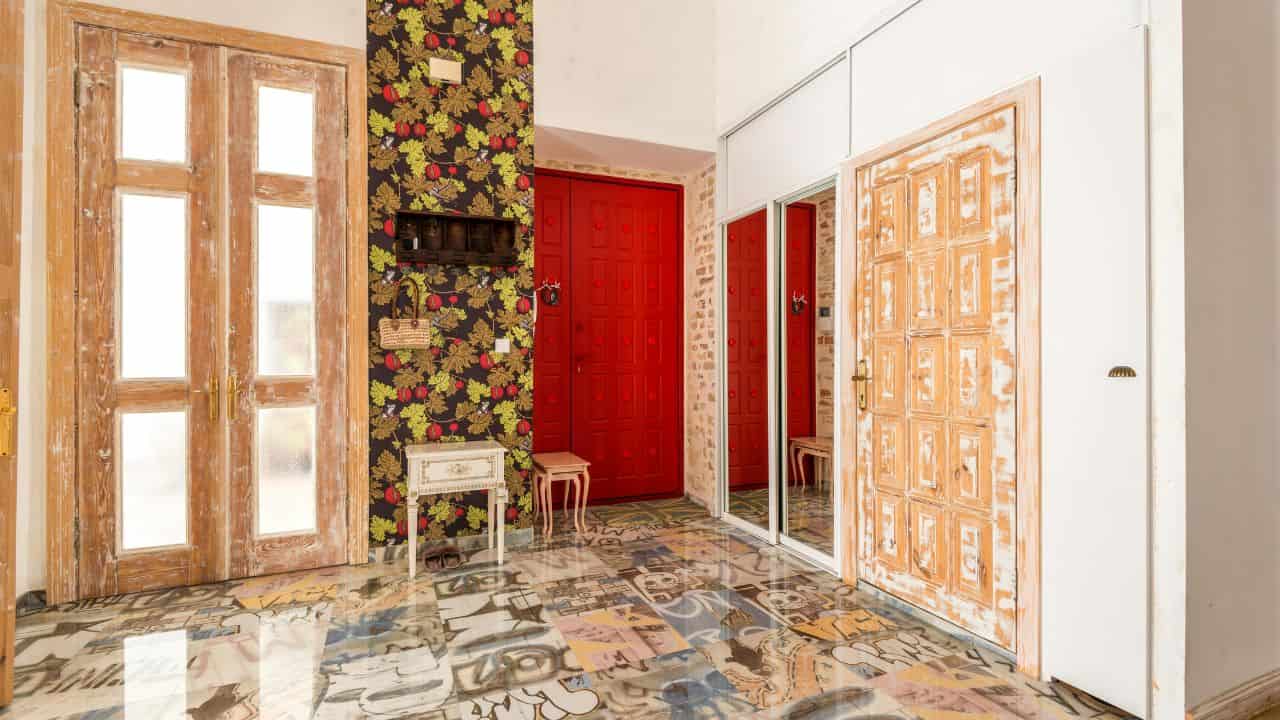
You might love the look of wallpaper, but using too much can be a problem. Overwhelming patterns or covering every wall can make your home feel busy and harder for buyers to imagine their own style.
Keeping wallpaper in small, tasteful areas lets you add character without turning off potential buyers. Balance is key when choosing how much to use.
Turning your kitchen cabinets into open shelves
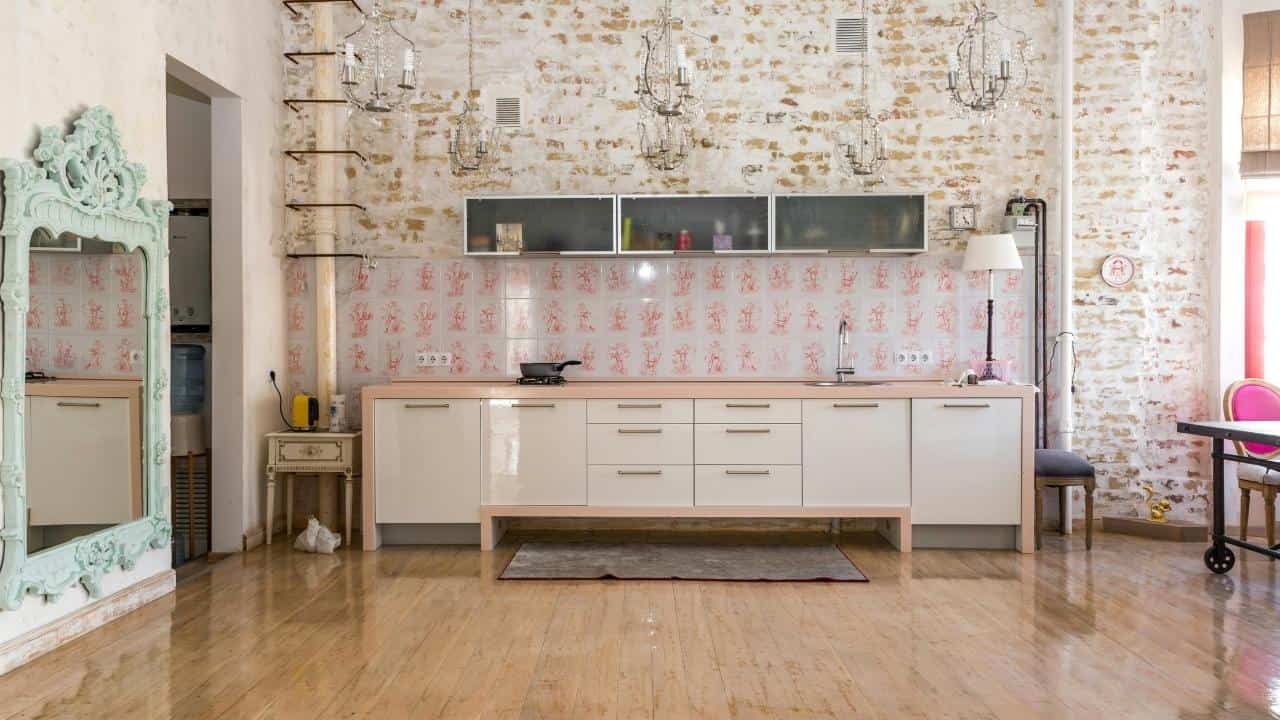
You might think removing cabinet doors to create open shelving is an easy upgrade. While it can refresh your kitchen’s look on a budget, it may not always increase your home’s value.
Poorly done open shelving can look unfinished or cluttered, which can put some buyers off. Consider how much time you’ll spend on upkeep, as open shelves need more frequent cleaning.
Removing closets or turning them into other spaces
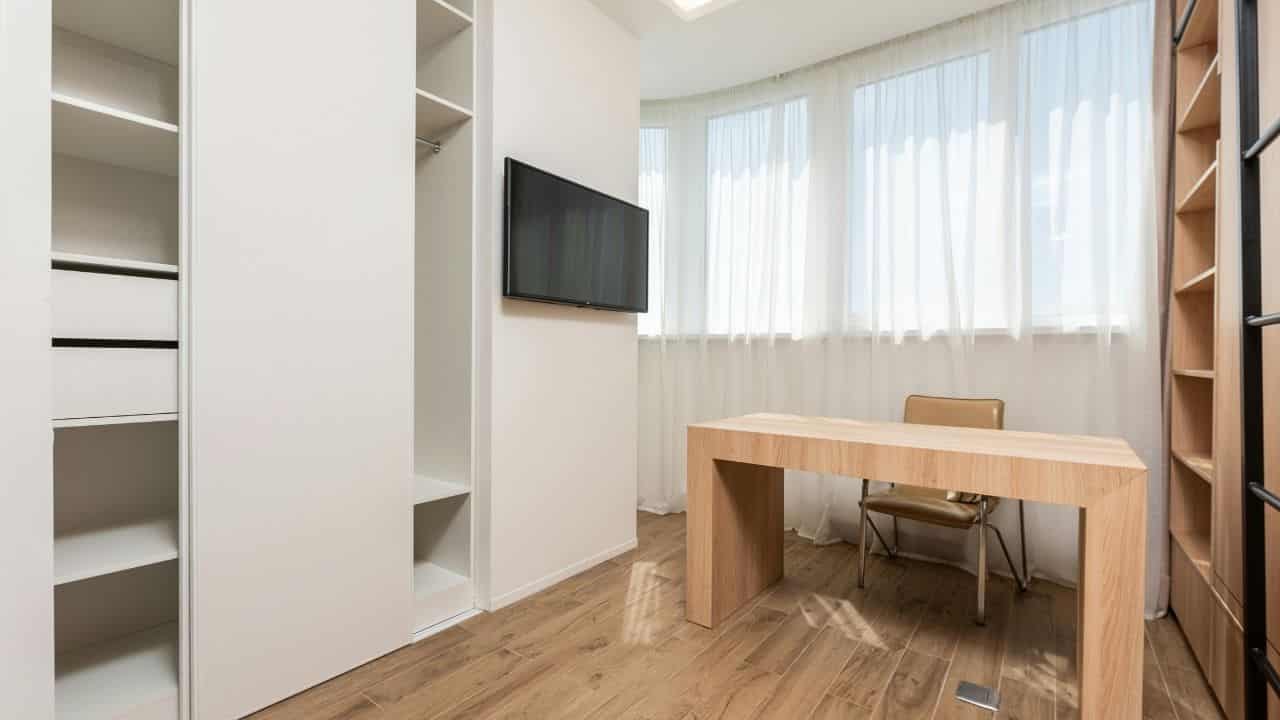
You might think removing closets to create a bigger room is smart, but many buyers see it as a loss. Closets provide essential storage that most people want.
Turning a closet into a small office or sitting area can also backfire. It reduces functional space and may turn away potential buyers who need storage.
Converting garage into a bedroom
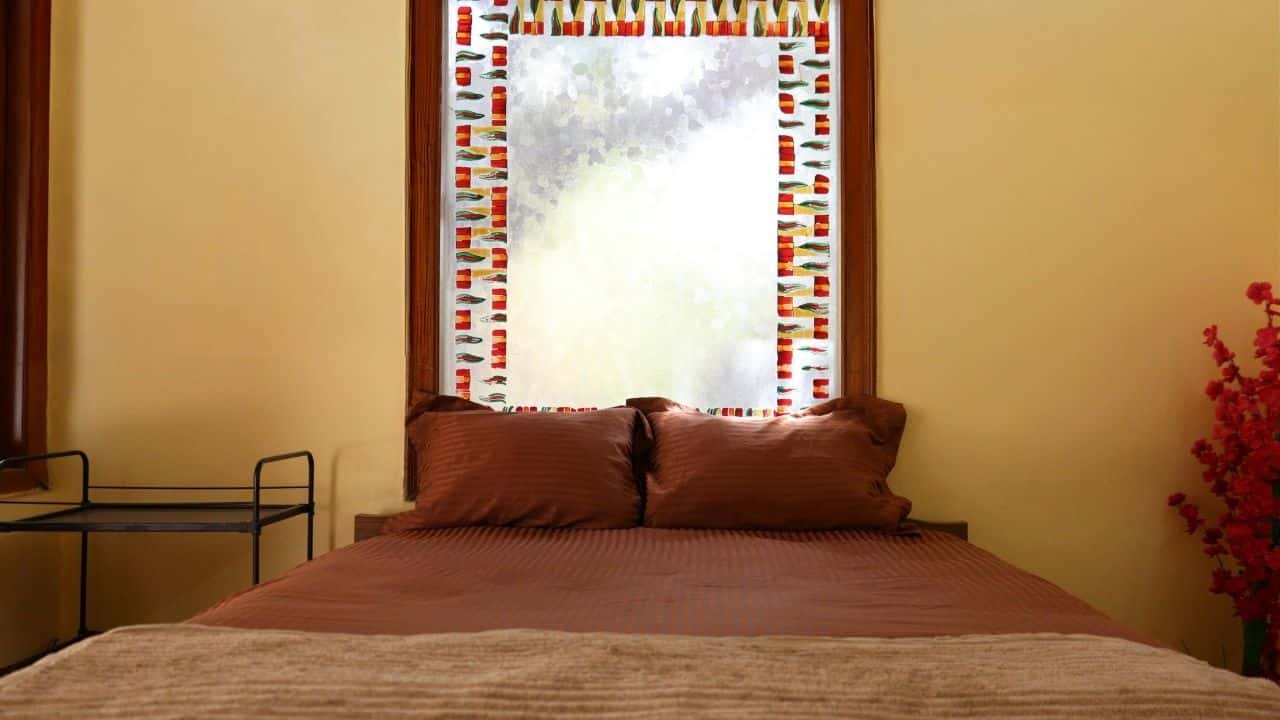
If you turn your garage into a bedroom, you might think it adds value. But often, it can actually lower your home’s value by up to 25%.
Buyers usually want a functional garage for storage or parking, so losing that space can be a drawback.
Before you start, consider where you’ll store outdoor equipment and how this change affects your home’s appeal.
Adding a walk-in closet without demand
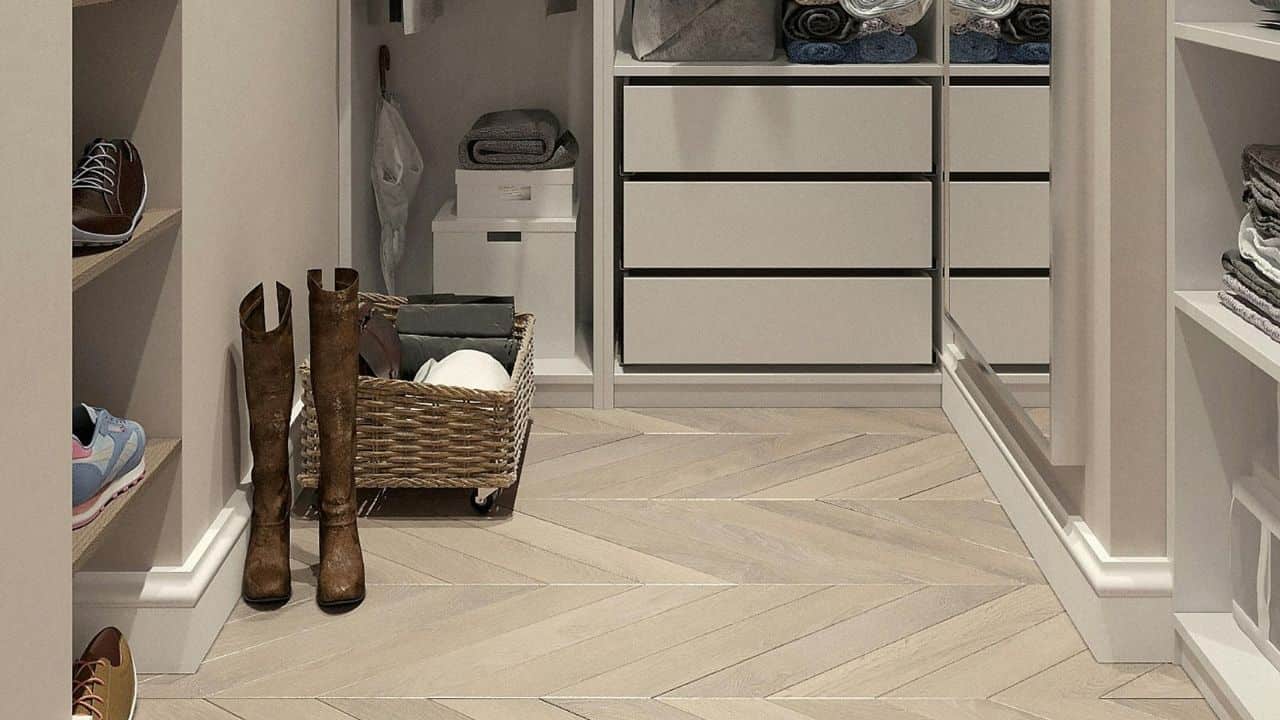
If your neighborhood doesn’t have many homes with walk-in closets, adding one might not increase your home’s value. You could spend time and money on a feature buyers don’t prioritize.
Before starting, consider if a walk-in closet fits your space and market. It’s better to focus on improvements that match what buyers in your area want.
Over-carpeted floors
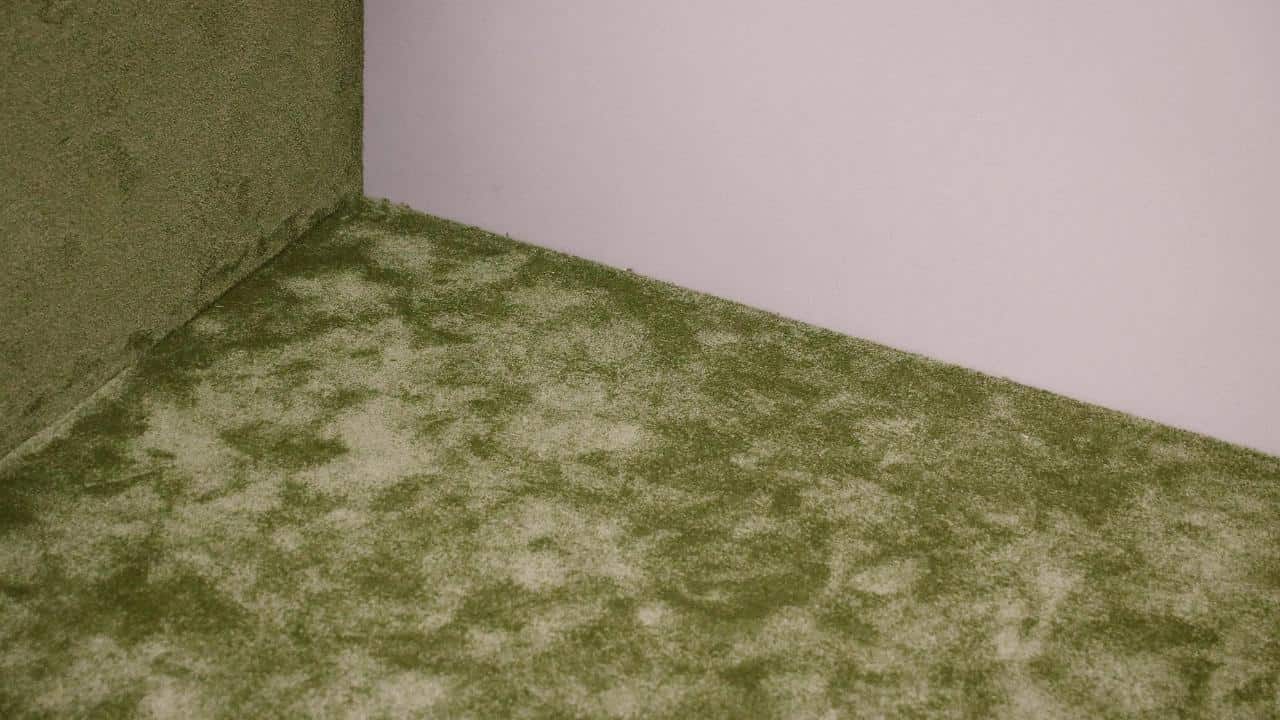
If you cover carpet with additional flooring, like cheap plywood or vinyl, it might seem like a quick fix. But this can trap moisture and damage the carpet underneath.
Potential buyers often see these layers as signs of hidden problems. Instead, consider removing old carpet to avoid lowering your home’s value.
DIY roof repairs
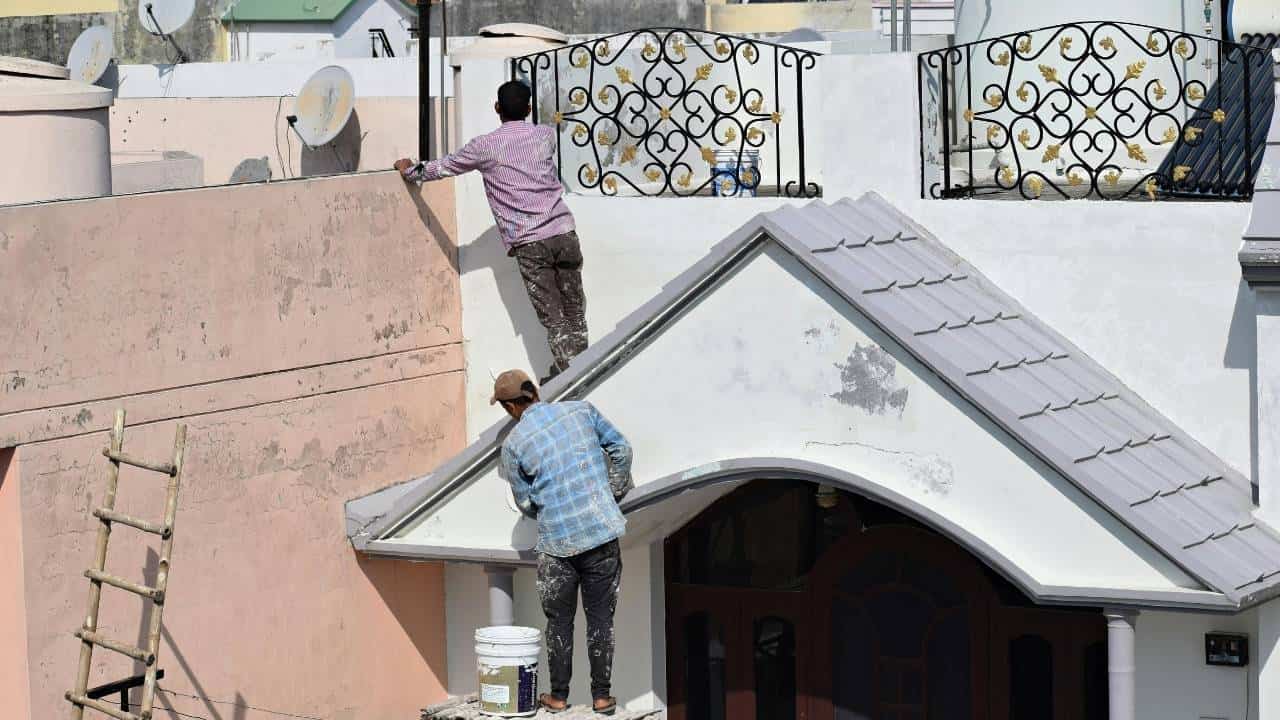
Taking on roof repairs yourself might seem like a good way to save money. However, identifying the exact problem and fixing it correctly can be tricky.
If a repair isn’t done right, it could cause more damage over time. Calling a professional can help protect your home’s value and avoid costly mistakes.
Unprofessional tiling jobs

If you try tiling without the right skills, it can look uneven or poorly aligned. This not only affects your home’s appearance but can also cause water damage over time.
Grout applied incorrectly may crack or mold, leading to costly repairs. Hiring a professional ensures your tiles last and maintain your home’s value.
Removing kitchen cabinet doors
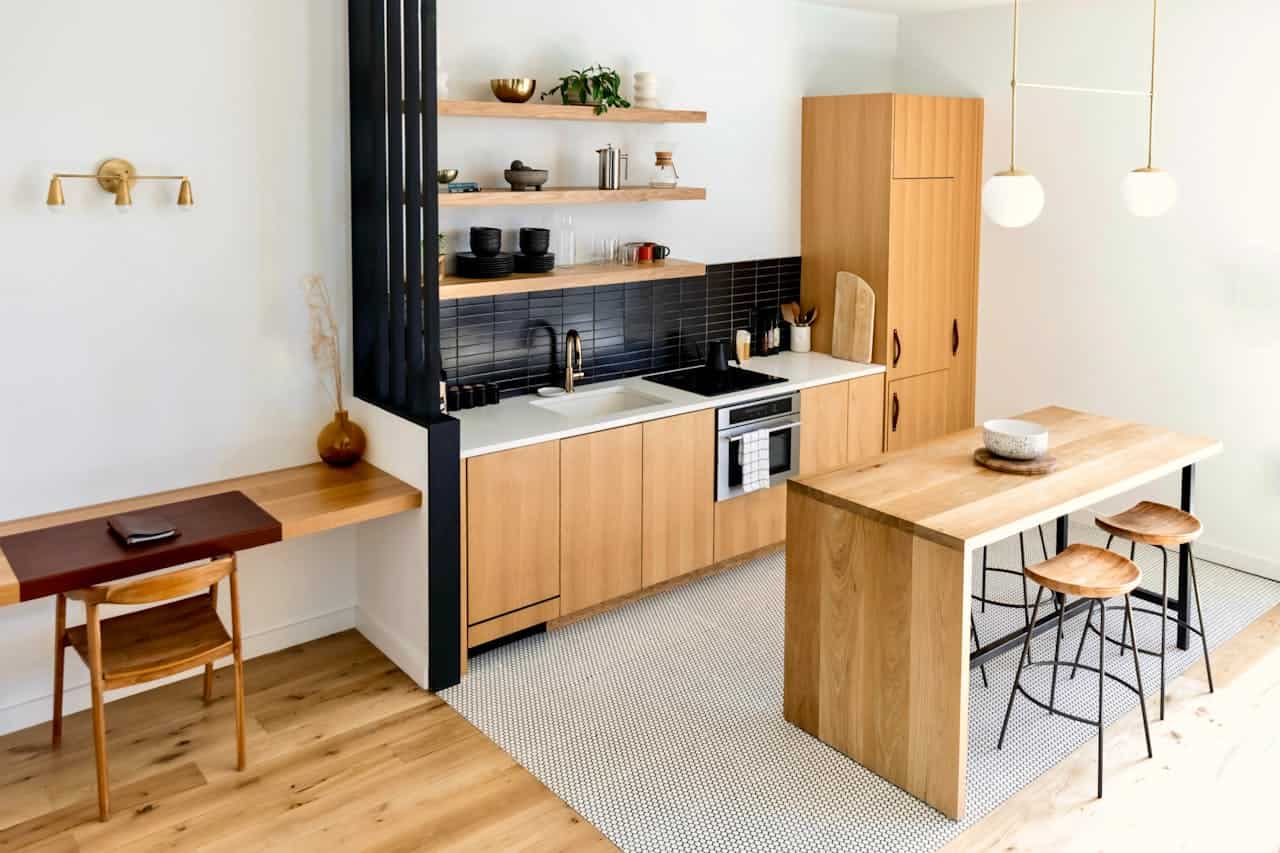
Removing your kitchen cabinet doors can give an open, airy feel. However, it might not suit every buyer’s taste.
Open cabinets can show clutter and wear more easily, which could lower appeal. Think about your kitchen’s style and how long you plan to stay before deciding. If done poorly, it may even reduce your home’s value over time.