Keeping your space organized can feel overwhelming, especially when clutter has built up over time. You might have tried different methods without much success or didn’t know where to start.
Professional organizers follow simple, practical rules that help you tackle clutter step by step, making the process manageable and less stressful. These rules can guide you to create a more comfortable and orderly environment without stress.
Advertisement
Use the ‘One In, One Out’ rule to prevent clutter buildup
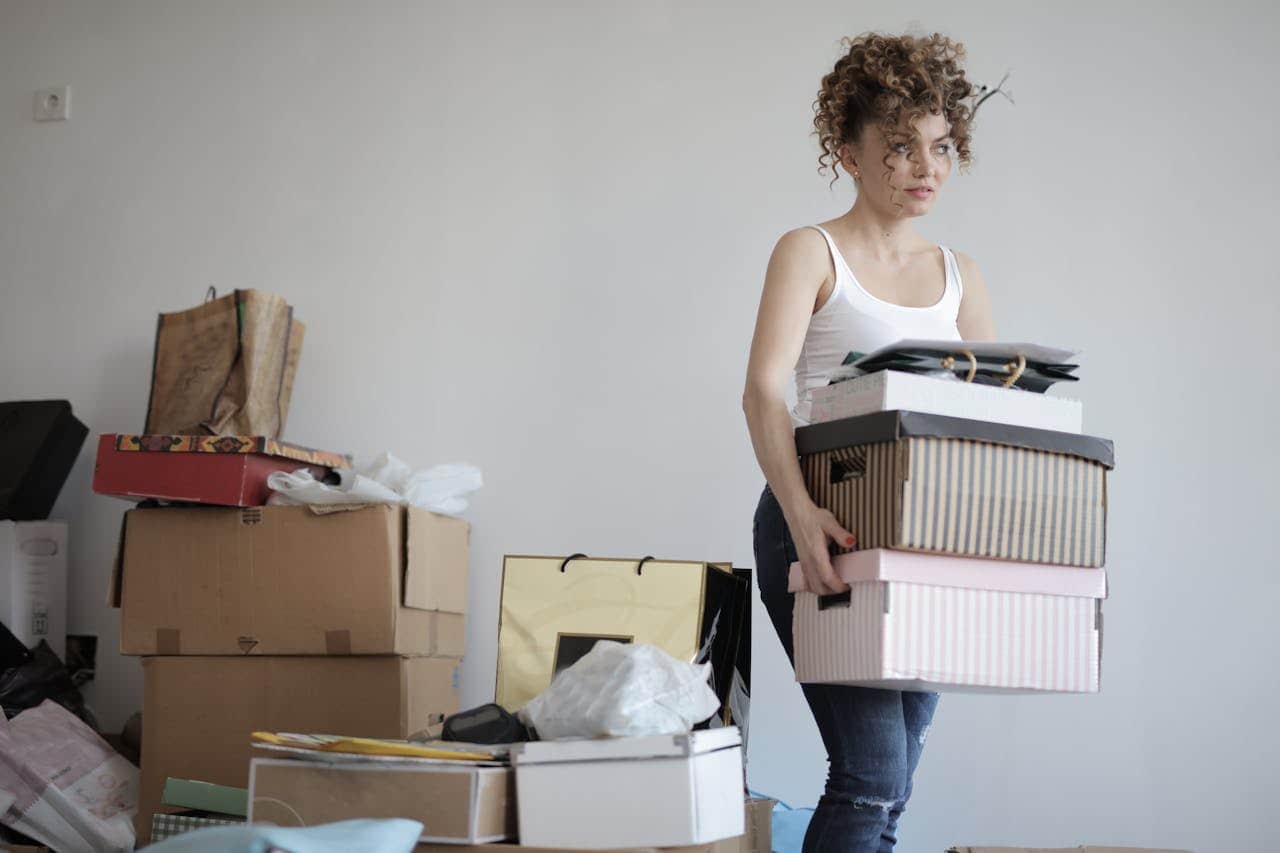
When you bring something new into your home, try to let go of one old item. This simple habit helps you keep possessions from piling up.
It works best when everyone in your household gets on board. You’ll create a shared effort to stay organized without feeling overwhelmed.
The rule keeps your space intentional, so you only keep things you truly need or use. It’s a small step that stops clutter before it starts.
Create a ‘purgatory place’ box for items you’re unsure about
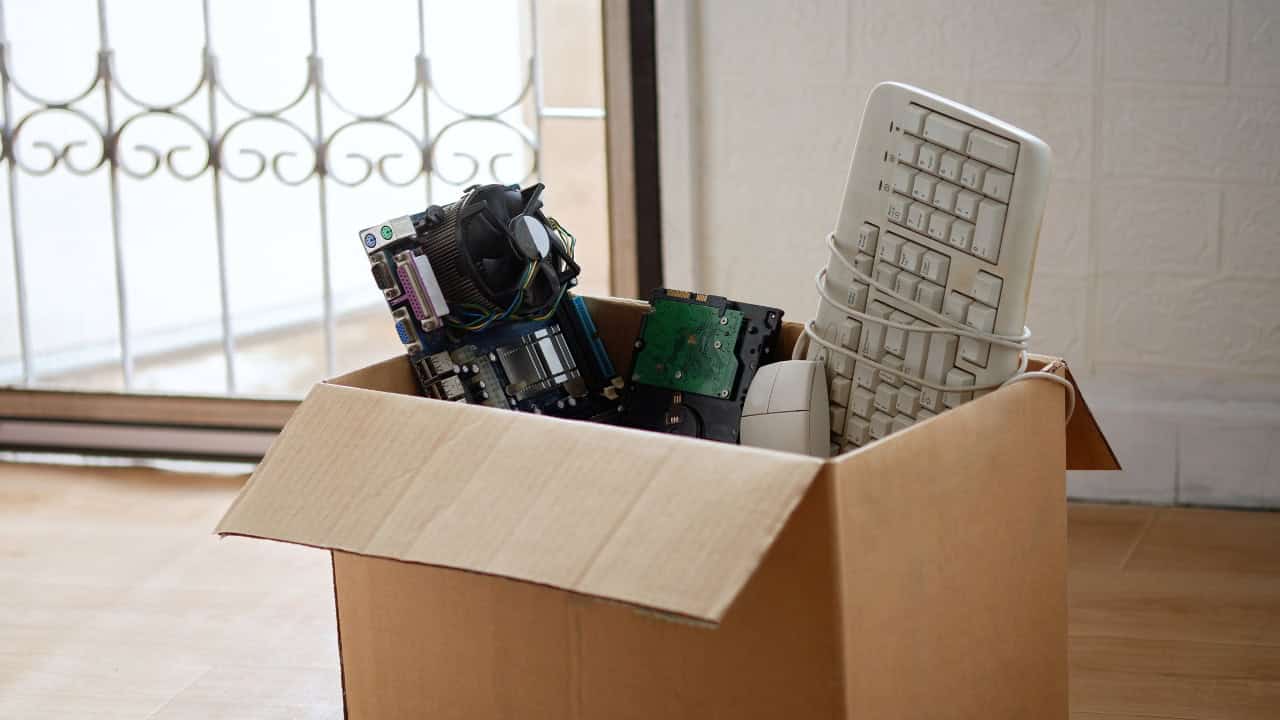
When you find things that you can’t decide on, put them in a box instead of tossing or keeping right away. This “purgatory place” helps you avoid stress over making quick choices.
Set a deadline for checking the box again, like 30 days. If you haven’t missed the items by then, it’s usually safe to let them go.
Declutter a little every day with a consistent routine

You don’t need to tackle everything at once. Making decluttering a daily habit helps keep your space manageable.
Set aside a small window each day to sort through just a few items. It can be as simple as clearing out 12 things to toss, donate, or put away.
Consistency makes the process less overwhelming and helps you see steady progress. Your clutter won’t pile up as easily when you commit to a regular routine.
Set a 30-day deadline to decide on keeping items in storage
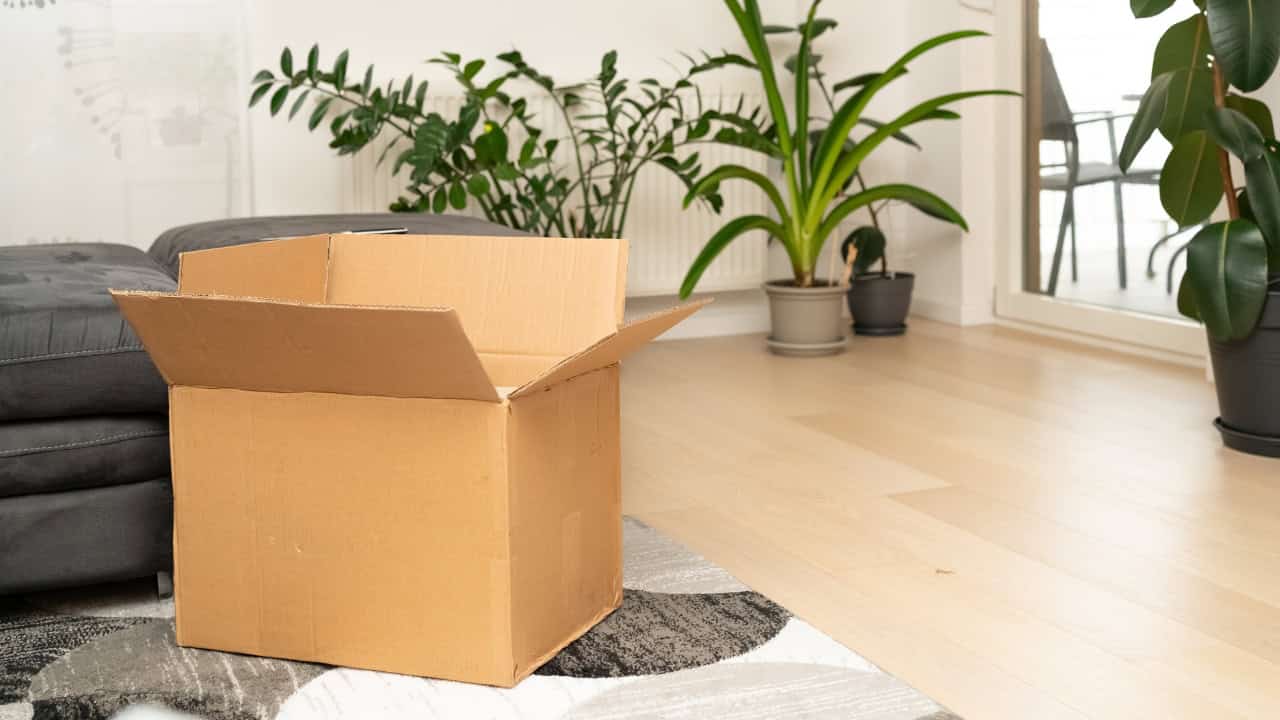
When you’re unsure about certain items, pop them in a “maybe” box. This keeps you from rushing decisions and helps keep the process moving.
Give yourself 30 days to revisit the box. If you don’t use or think about those items during that time, it’s usually safe to let them go.
Maximize vertical space with shelves and hooks

Using shelves can clear up your floor and counter space. Try tall shelves or floating ones to keep things organized without crowding your room.
Hooks are great for hanging bags, coats, or kitchen tools. You can put them on walls or doors to make use of spots you might overlook.
Mixing shelves and hooks helps keep everything visible and easy to reach. It’s a simple way to get more storage without extra clutter.
Make your own decluttering rules before starting
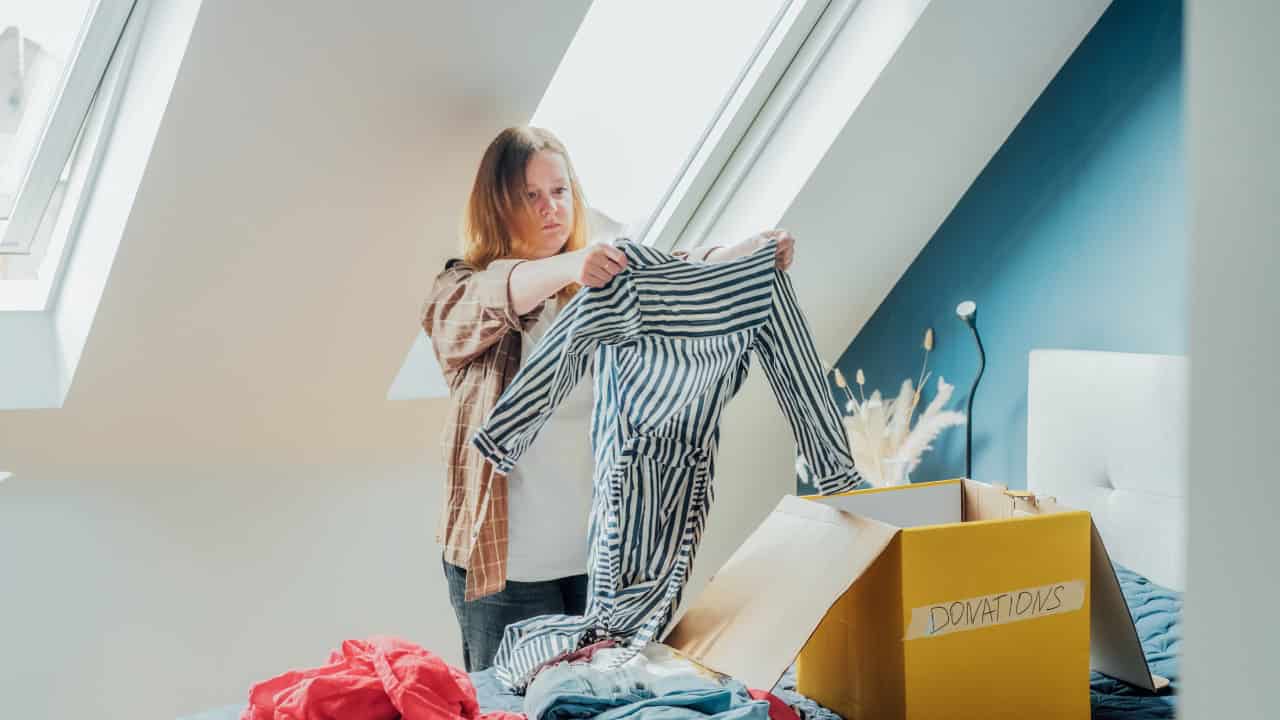
You’ll get better results if you set simple, clear rules for yourself. Think about what matters most in your space and what you want to keep or get rid of.
Your rules can be small, like deciding to only keep items you use weekly. Or you might set limits on how many things of one kind you keep.
Having your own guidelines helps you stay focused and makes decisions quicker when sorting through stuff.
Use under-furniture storage for hiding essentials

You can make good use of the space beneath your furniture to keep things out of sight but still close by. It’s perfect for items you need regularly but don’t want cluttering up surfaces.
Try using flat bins or baskets to slide under sofas, beds, or tables. This keeps your space looking tidy without losing access to essentials.
Sort items visually by importance using the ‘ski slope’ method
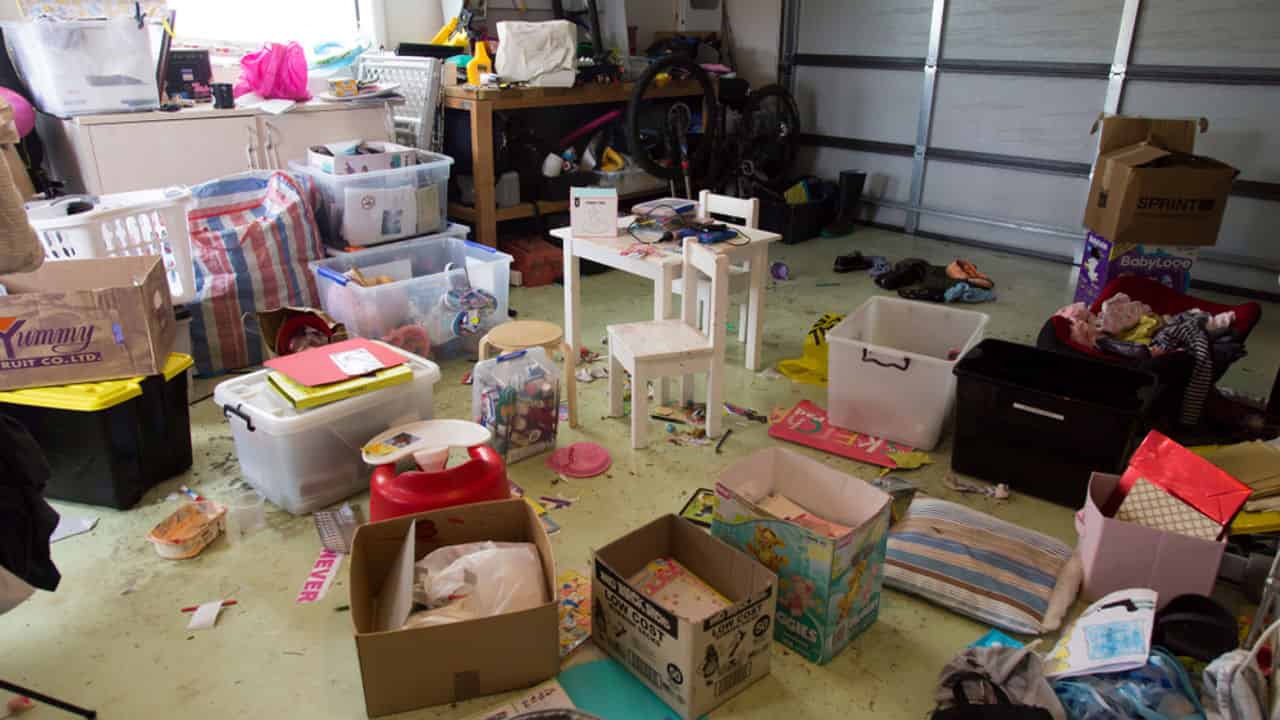
The ski slope method helps you see what really matters. You start by arranging your stuff from most important to least, like going down a gentle hill.
This visual setup makes it easier to decide what to keep and what to let go of. Instead of tackling one spot over and over, you move steadily across your space.
It keeps the process simple and stops you from feeling stuck on tiny details. Give it a try next time you need to sort through clutter.
Avoid holding onto broken, stained, or unusable items
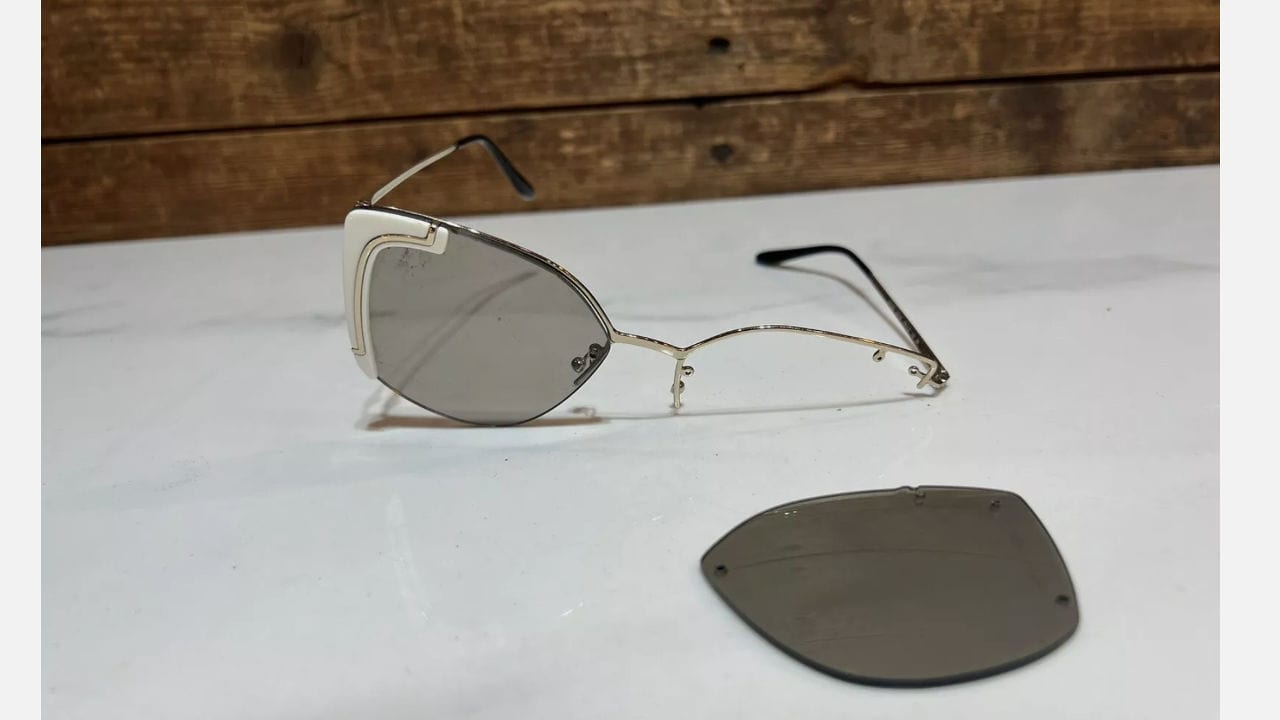
You don’t need to keep things that are broken or stained. If an item doesn’t work or looks worse for wear, it’s usually better to let it go. Holding onto these only takes up space and adds clutter.
This goes for anything from cracked dishes to torn clothes. Clearing out unusable stuff helps you see what you actually need and use regularly. It’s an easy way to free up space and reduce stress.
Keep entryways tidy by organizing shoes and bags
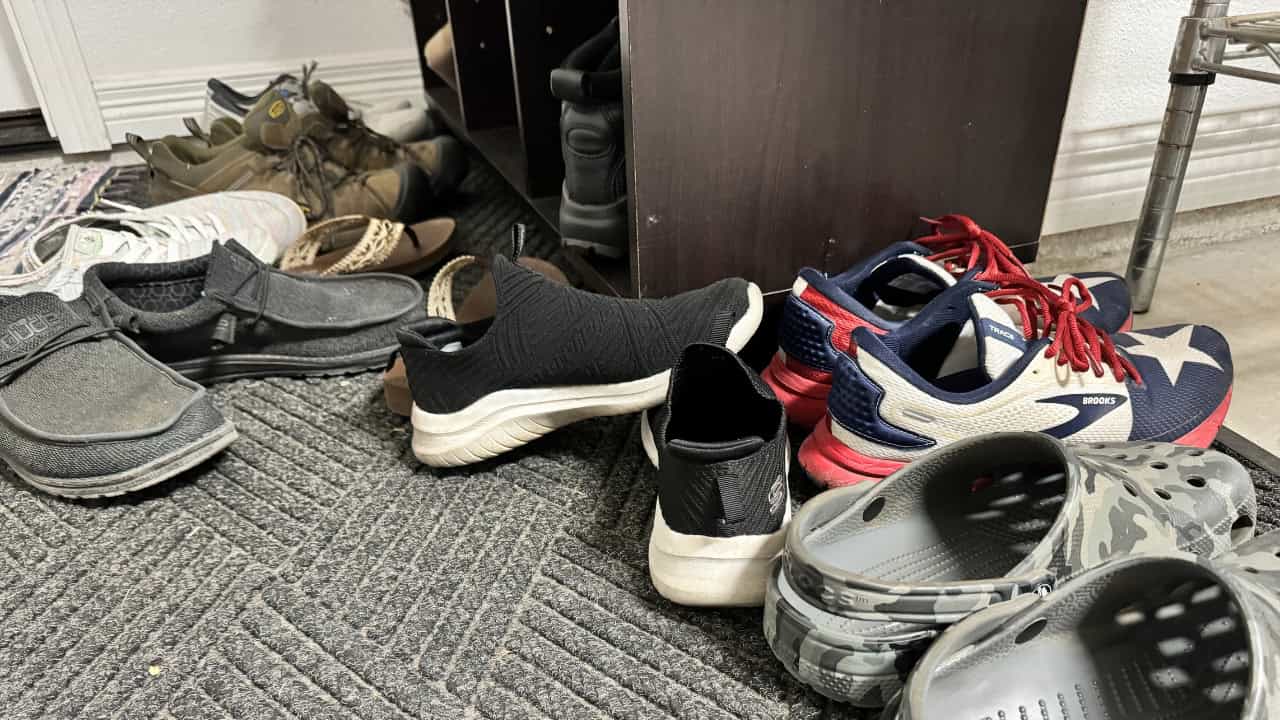
You can cut down on clutter by limiting shoes and bags to just what you use daily. Store off-season or rarely worn items elsewhere to keep the space open.
Use baskets, cubbies, or a simple shoe rack to keep these items organized. This makes it easy to grab what you need without creating a mess.
Try sorting through bags and shoes regularly. If you bring one in, consider taking one out to avoid overcrowding your entryway.
Label storage bins clearly to find things faster
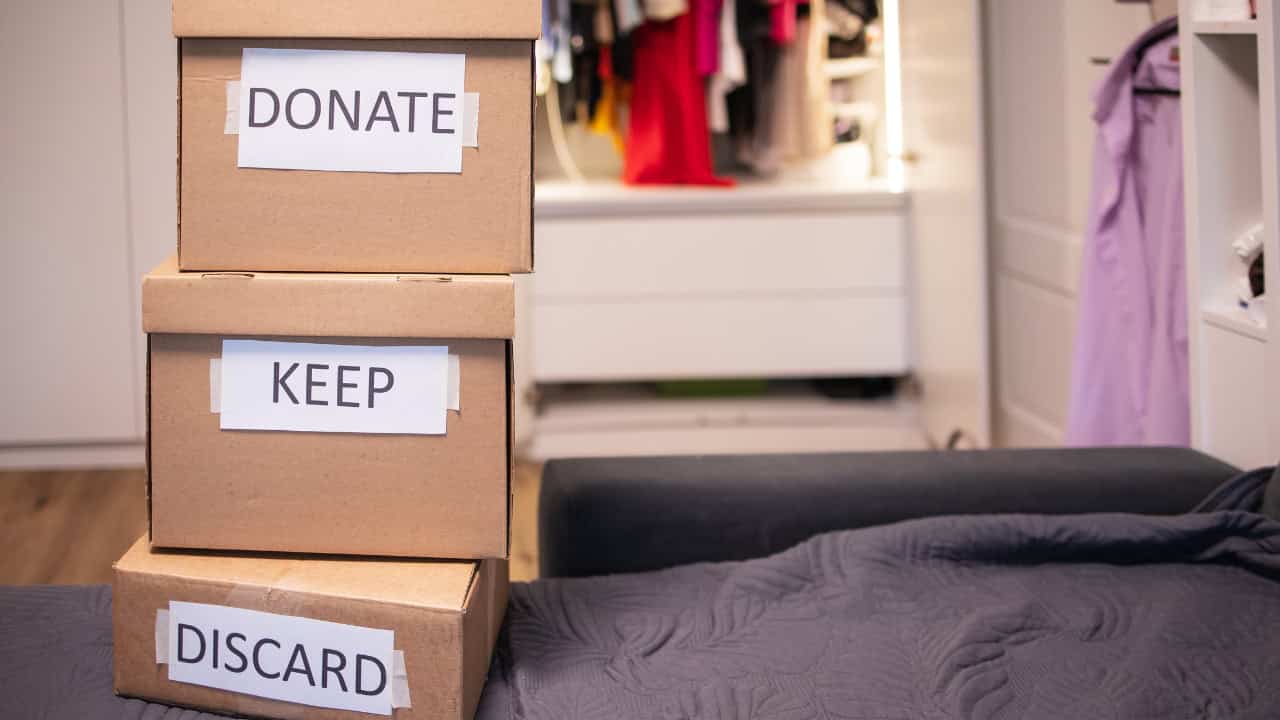
When you label your storage bins, you save time hunting for stuff later. Clear labels let you know exactly what’s inside without opening each one.
Using clear containers helps, but a good label makes it even easier. Keep your labels simple and readable so you don’t waste time guessing what’s inside your bins.
Keep surfaces clear to reduce visual clutter
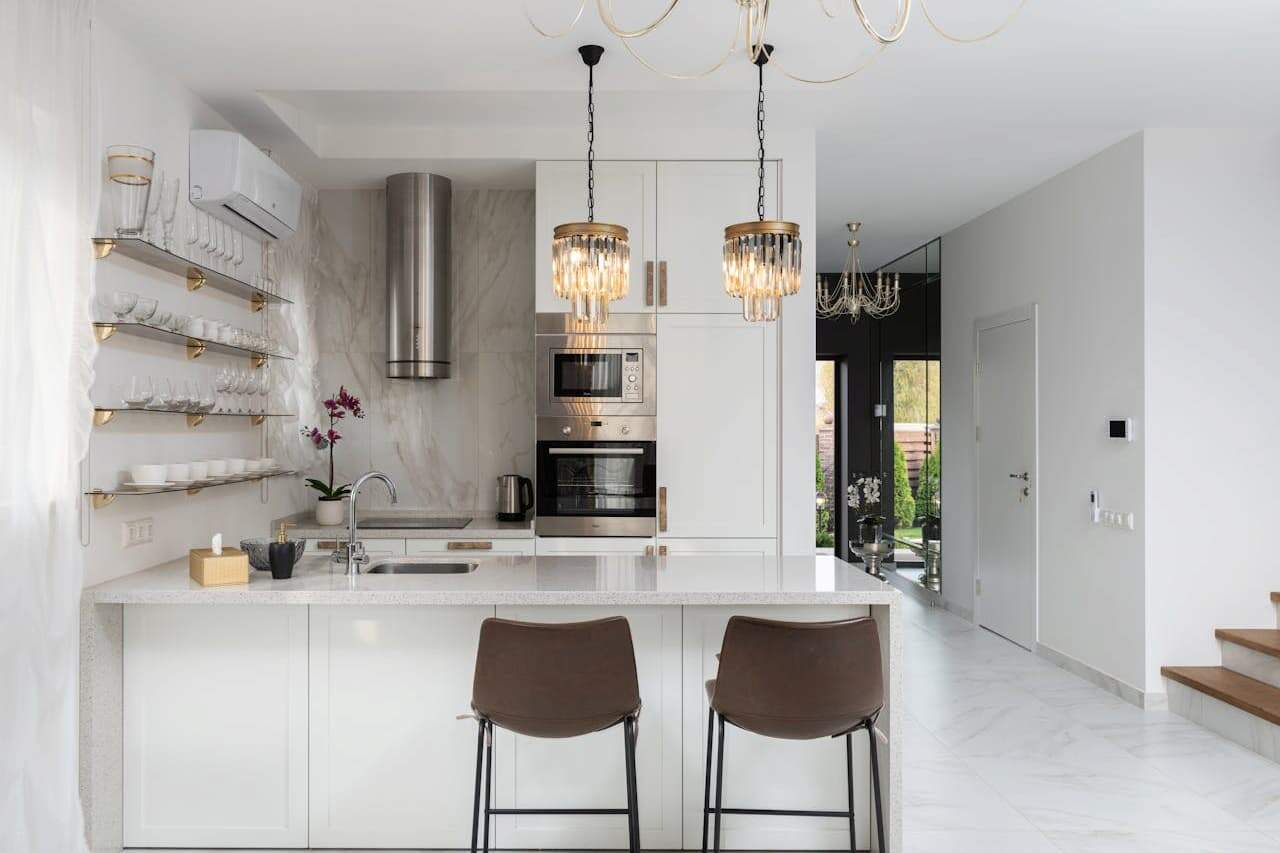
You’ll notice your space feels more open when surfaces are clear. Try to keep counters, tables, and desks free from unnecessary items.
Set up a simple system like a tray or basket to catch stray mail and papers. Sort through these regularly to avoid piles building up.
Clearing surfaces helps your mind feel less chaotic. It’s a small step that makes daily living smoother and less stressful.