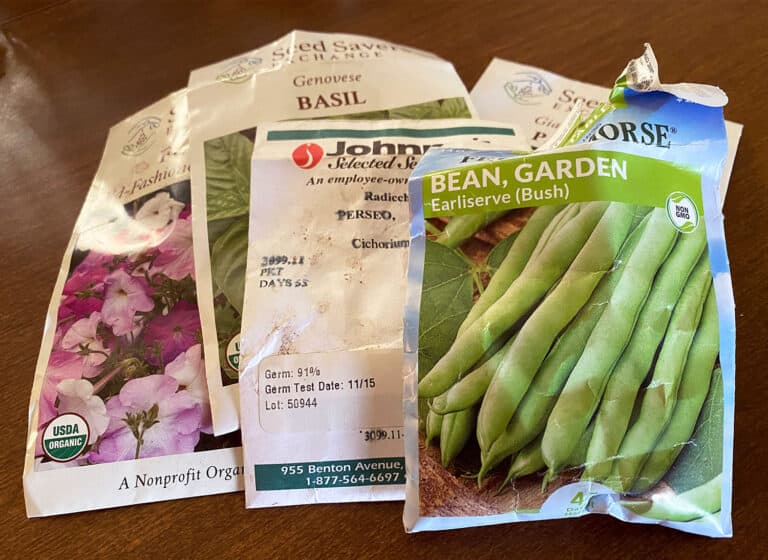
In the ever-evolving world of healthy living, organic gardening has emerged as a sustainable method to grow nutritious, pesticide-free vegetables. It not only enables you to grow your own food, but also contributes towards a healthier environment by reducing the chemical load. If you want to take a step towards a healthier lifestyle, organic vegetable gardening is an excellent starting point. This blog post will provide you with eight organic vegetable gardening methods that can help you grow healthier crops right in your backyard.
1. Composting

Composting is one of the most effective ways to supplement your garden soil with rich nutrients. It involves recycling kitchen scraps and yard waste into organic matter that enriches the soil and improves its fertility.
For a successful compost pile, you need a mix of green materials like vegetable scraps, coffee grounds, and grass clippings, along with brown materials such as dry leaves, straw, and paper. The key is to maintain a balance between these two types of materials to ensure a healthy compost pile.
Advertisement
2. Crop Rotation
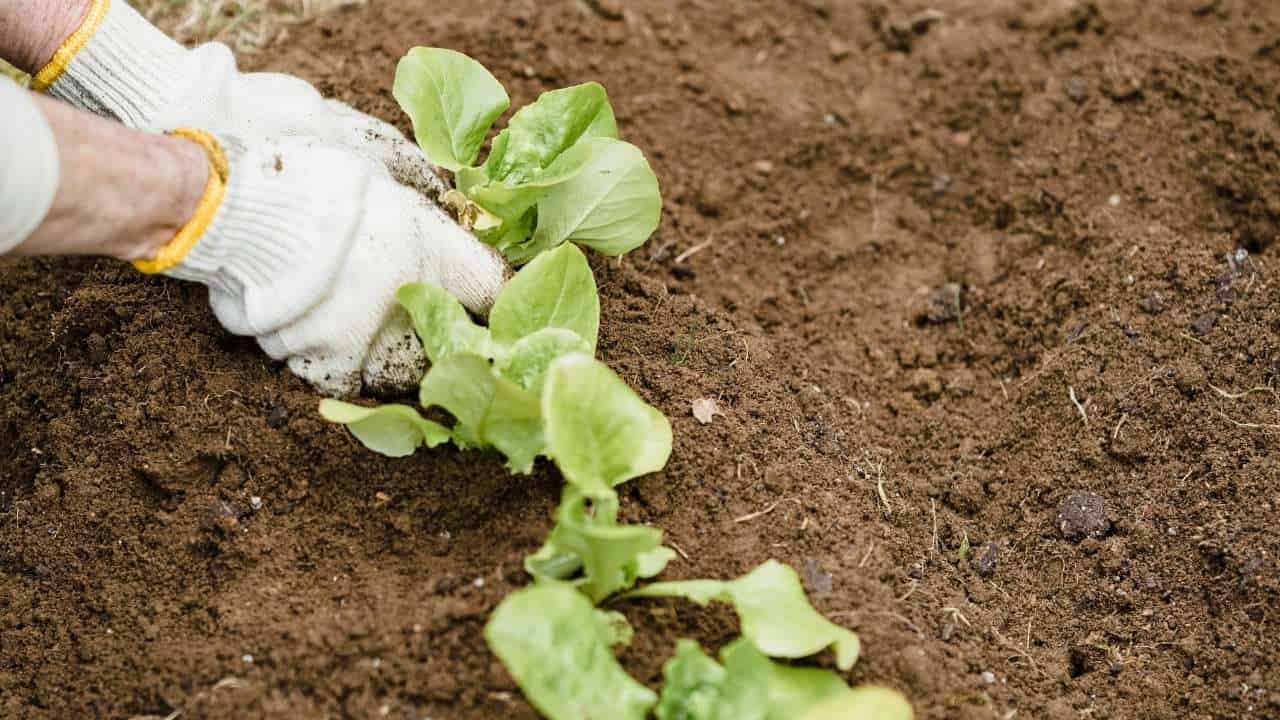
Crop rotation is a traditional farming method that has been used for centuries to maintain soil fertility and control pests. This practice involves changing the location of crops each year, which helps prevent the buildup of pests and diseases that are specific to certain crops.
For example, you could grow tomatoes in a certain plot one year, and then switch to growing beans in that same plot the next year. This not only confuses pests but also improves soil health as different plants require different nutrients from the soil.
3. Mulching

Mulching is another effective organic gardening method. It involves covering the soil around plants with organic materials like straw, leaves, or grass clippings, which helps retain soil moisture, suppress weeds, and regulate soil temperature.
Mulching also enriches the soil as the mulch breaks down over time, adding additional nutrients. You can easily make your own mulch by recycling garden waste like grass clippings and leaves.
4. Companion Planting
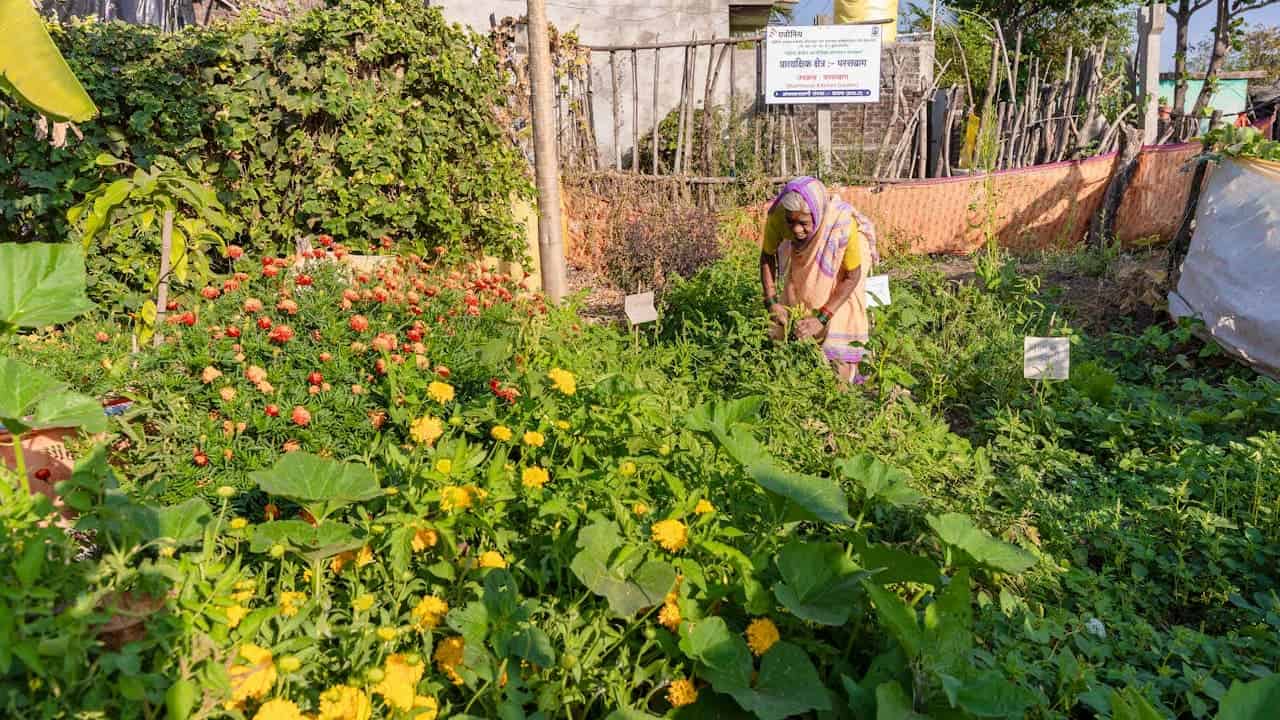
Companion planting is a method where certain plants are grown together because they are beneficial to each other. They can help each other in various ways such as repelling pests, attracting beneficial insects, improving soil health, or enhancing growth.
For instance, planting marigolds near tomatoes can help repel harmful nematodes. Similarly, planting basil alongside tomatoes can help deter tomato hornworms.
5. Use of Organic Fertilizers

Organic fertilizers are derived from living organisms and are great for supplementing the soil with essential nutrients. Common types include compost, manure, bone meal, and seaweed.
Not only are these fertilizers a sustainable choice, but they also release nutrients slowly, providing a steady supply of nutrition to plants.
6. Natural Pest Control

Natural pest control involves using organic methods to keep pests in check. This can include introducing beneficial insects, using organic pesticides, or planting pest-resistant varieties.
For instance, ladybugs and spiders are natural predators of many harmful garden pests. Encouraging these beneficial insects can help keep pest populations under control.
7. Rainwater Harvesting

Rainwater harvesting is an excellent method to provide water for your garden while conserving resources. It involves collecting and storing rainwater for later use.
By using a rain barrel or a more elaborate system, you can capture rainwater and use it to water your garden, reducing your reliance on municipal water.
8. Permaculture Design

Permaculture design is a holistic approach to gardening that seeks to work with nature rather than against it. It involves designing your garden in a way that mimics natural ecosystems, creating a self-sustaining system that requires minimal intervention.
For example, planting a variety of plants together can mimic a natural ecosystem, enhancing biodiversity and resilience.
By adopting these organic vegetable gardening methods, you can grow nutritious crops, contribute to a healthier environment, and enjoy the satisfaction of growing your own food. So, get started on your organic gardening journey today!